
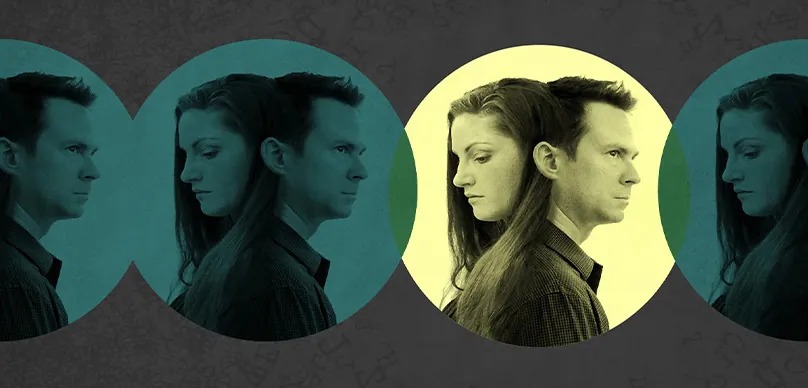
BPS 433: No Film School, No Problem: Gary King’s Journey of Grit and Creativity

Right-click here to download the MP3

LINKS

SPONSORS

  1. Bulletproof Script Coverage– Get Your Screenplay Read by Hollywood Professionals
  2. AudibleGet a Free Screenwriting Audiobook

Alex Ferrari 1:50
Enjoy today's episode with guest host Dave Bullis.

Dave Bullis 1:55
So it's my pleasure, Gary, because you are a person who I've had, who I've had, who I've wanted to have on here for a while. You see I'm already messing up, Gary, you see that I've had to, I wanted to have you on here for a while. And I know I say that a lot, but honestly, you and I have, you know, talked briefly before via Facebook and Twitter, and then there was like, a gap, and then we were talking briefly again. So you know, you're just a person who I've met years ago, who I now get to have in this medium, and it's so good to actually reconnect and and, you know, do something like this. I think it's just so cool. You know what I mean?

Gary King 2:31
Yeah, man, I appreciate again, you inviting me because Twitter, you know, years ago was actually a great place to network and meet people, actually physically meet people after you connect online, and it's it's changed a little bit into more of like a news feed. So I appreciate the fact that you would follow up. You did keep in touch, because I think we did meet years ago when it kind of first started and and I've just seen you blow up. And I have to kind of do a little side note here and say, you your voice and your style reminds me of, like, an 80s DJ back when I was, like, commuting to school. I'm kind of old, you know. So, you know, there was these, like, shock jock DJs, not that you do a lot of cussing and, you know, all these weird kind of antics and stuff, but you have that voice that really draws you in and stuff. And so, you know, I think this is a really cool thing that you're doing,

Dave Bullis 3:19
Gary, that is a huge compliment, because I love the 80s. It was the best era of all time, and in the in the course of all human history, the 80s is still the best time to ever be alive, and I appreciate that so much. I now, now my ego is gonna be out of control now, Gary.

Gary King 3:36
It is, it is. It'd be like, just to feed your ego one more time, like, you would be like, one of the guys in rotation at Wk RP,

Dave Bullis 3:43
I'm like, Hey, this is Dave. Wk RP, and I'd have like, a horn or something like, you know, like, exactly. And you're like, Man, this guy's either you think he's brilliant, or your dad would be driving and be like, What the hell is this clown doing on the radio? Exactly? Man, exactly. So, Gary, you and I again, because we met a few years ago, but you and I actually have a same, sorry, a similar trajectory, a similar a similar career path, because you actually started out in it and development and stuff like that, and then you moved to New York to become a filmmaker. And I want to ask about that, just to sort of start us at the beginning. So you, I assume, went to college for maybe computer science or something similar. So, so what point did were you drawn to? Like, the IT work? I mean, we were you always a big IT guy growing up?

Gary King 4:33
Actually, it was HR and not it, because I'm not really technical. I actually suck at that kind of stuff. My brother was the engineer of the family, and I went and fell into psychology for a while, and got a degree in psychology and did human resources for five years. And it just wasn't a creative world, you know, like HR is all about rules and regulations, hiring and firing, and it's just kind of a very depressing realm that you live. In. And after five years, there was kind of some layoffs going around, where it made me kind of wake up from what I was doing, what I really wanted to do. And I was very lucky having my wife answered me when I told her I wanted to make films for a living, instead of, like, What the hell are you talking about? Or, you know, there was nothing like that, she just said to me, okay, so let's figure out how we're going to get you there. I mean, it was like the perfect response, and this was like mid 2000s and yeah, so we've been going at it for a long time, and every film that I do just gets me closer to the goal, but I'm definitely not even close to where I want to be. But it was definitely something where I had a love for it growing up, because my parents showed me all these types of movies from different genres and different eras when I was a kid, and that stuck with me the whole time. Even when I went and studied psychology, I didn't realize there was film school. I didn't realize people made films for a living, and that was part of the issue. That's why I didn't go to film school. I studied something else. But thankfully, as you know nowadays, you don't actually have to go to film school. You actually have to just go make films, and that's part of the process of process of of learning,

Dave Bullis 6:04
Yeah, because, you know, everyone has a camera nowadays, and even making practice films. And you know, that's something that has been talked about on this podcast through a myriad of guests, is just that if, even if you don't have access to maybe, like a red package, or a Sony was the air flex package. You know you have, even if you take your phone and do it like Mark Duplass says, and just make a movie in your backyard for 100 bucks, or whatever. It's all training to build you, to make you get better. So you can do other things, to do more things, to do incident. Now, instead of $100 budget, you got a $200 budget, and then you just keep moving forward.

Gary King 6:39
Exactly, man, exactly. There's nothing more educational than going and like writing something, trying to translate it from the page to the screen, by working with your crew, working with actors, trying to produce the damn thing, you know, and then you're trying to edit the footage to make it seem like, you know, you had some type of you know idea that was that made sense at the time. I there's like, I'm paraphrasing Woody Allen, when he says something like, I have this perfect film idea in my head, and then I slowly mess it up as I write it and direct it and, you know, all that stuff, and when it comes out. So it's such a learning lesson to do every film I'm still learning. And the funny thing is, you know, all my films, the feature films I've done, are out there. And it's basically my film school. They're almost like student films, if you think about it,

Dave Bullis 7:22
You know. So you were talking about Woody Allen, and that's also a guy who, you know, some of the things that he talks about, and some of the pointed things that he says are just like, you're like, oh, that's exactly what the My problem is, you know, yeah, that's what I was doing, yeah. I mean, so, I mean, just to take a step back, you know, I want to talk about just in your background, you mentioned HR, and see, this is me, Gary, when I see Silicon Valley, I'm immediately like, okay, IT guy coding, you know, something with computer science. But so you worked in the corporate world, and that, that's where I was, you know, about what? A year ago or so, I worked at a college. And it was just like, you realize you don't want to do it anymore. It's such a grind. So you moved out to New York to become a filmmaker. I mean, did you, I mean, just to sort of to dig a little deeper to that? Did you have a plan that this was going to be it? And it drove like a day that you set and said, Listen, I'm not going to work this job anymore beyond this day and I'm just gonna go to New York and become a filmmaker. Or did you sort of just do it on a whim?

Gary King 8:26
It was kind of, it was a loose plan. It was definitely my wife had friends and family out in New York, so we, we were living in the Bay Area, Silicon Valley, and we said, okay, New York or LA are probably the two most prominent places where you can get stuff down done and network and all that stuff. And she's from upstate New York, so a lot of her friends actually moved down into the city, and we had she worked for the hospitality industry, so she put out feelers to both New York and LA. And I just said, okay, so wherever you land your job, that's fate, telling us that's where we need to go. And those are the people I'm supposed to meet, because I had no connections, and I just figured, you know, I was just going to let you know fate play a hand in who I'm going to work with and what kind of stories I'm going to tell, what kind of locations I'm going to use. And it ended up being New York, and it was an amazing experience. Again, the part of the plan was my wife was going to have the stable job while I was just starting fresh, we did cash out my 401 k, which wasn't much after go to Uncle Sam took taxes away, but we used that to make my first feature film. I saved up a little bit more, and when we moved out there, I made contacts by doing some web commercials and doing some other smaller projects, first, to build up a network of people that saw my passion, saw what I was trying to do, knew there wasn't much money in it, but because of the story I've written and the things that I wanted to do, they were in it for a little pay, knowing that we were going to try to make something that was going to get a lot of exposure for them.

Dave Bullis 9:54
So when you made that first film, Gary, did you write for the budget? No, hey, listen, I can't make a huge action film. You know what I mean, I can't make a $4 million action film or something like that. So did you write, knowing this has to be a small, compacted film, small, not, obviously, you know, it's professional and everything I just met like small, as in scope, you know, again, because we're not right, we're not trying to make a $4 million action film.

Gary King 10:30
Yeah, so yes and no, because my, my first feature film was called New York lately, and at the time, I was really inspired by Robert Altman and PT Anderson, and very a kaleidoscope of characters following multiple story lines like shortcuts and Boogie Nights. The thing was, I also picked that type of project because I was asking at the time, actors to work for no money. It would just be the wonderful meals, copy and credit. So what I wanted to do was have a lot of characters so that each actor was only committing three to four days of filming. It would still be a feature film, but you know, the majority of actors were only committing three to five days of their time, and not like 1620, 25 days of no pay, because I really feel like shit if I was doing that. But this was something where we're casting a lot of newcomers, a lot of people that hadn't had a lot of experience at the time. One of them actually is blown up. She's on. You're the worst. It's Keller Donahue, and she was in a small role in my film at the time. She had some credits, and she she filmed for one day, you know. So it was, it was kind of just trying to be practical about asking for people's time and commitment, knowing you weren't paying to make a multiple storyline, a lot of actors and characters, and then just being inspired by the type of films at that time that I was digging so I just wanted to kind of combine those two.

Dave Bullis 11:50
So let me ask you this, Gary, if Did you ever when, when Heather got, you know, was just gotten that a level, elite level. Did you try to reach out to her, and she say, Who are you, or something like that,

Gary King 12:04
Actually, no, you know, the funny thing was, I moved to LA, right, I think as she booked it, or was a little bit before she booked it. So she moved to LA before I did about four years ago, or something like that. And we connected for dinner and, you know, just cut up, and then she booked it. And so, you know, she definitely thanked me when I texted her, like, holy shit, congrats and stuff. And then, I mean, obviously he's busy now, so she won't write me back as often, but she definitely does respond. She's very sweet girl,

Dave Bullis 12:36
Yeah, and that's awesome. And you know, I always make that joke with friends of mine. If any of us ever, you know, won a contest or got distribution, it'd be like, immediately it all goes to your head and become, you know, like your ego just gets out so out of whack. And we all make that joke with each other that like, as soon as one of us hits like, we're not going to know anybody anymore. Big Time with everybody,

Gary King 13:00
Right! It's almost like, you make it you like, buy a new phone and don't import your contacts. So they're like, you're like, Who the hell is this now? Like, you're not gonna, you know, totally, you're gonna change your whole bike click of people or something. That'd be, that would be actually pretty terrible.

Dave Bullis 13:15
And you know that, that's the dream, Gary, that's the dream. No, I'm just kidding for everyone listening. I'm just making a joke. I don't want people, right? People writing me more hate mail, but, but no, but walking aside Gary, just to get back to, you know, to your career. One thing that you taught me, and this was what you taught me a few years ago, which I've always kept with me, was when you're filming a movie and you're the director, and you're directing these actors, and you're going through take and take and take. One thing you taught me that I always keep with me is each take, you need to have a variation of something, so that way, when you're editing, you have choices to go through. And as you know, poignant as that is, for some reason when I was making my first films, I don't know why. I'd never thought of just even trying to do anything different, because, like, my early films, everything was like, every everything was the same, like every take was literally like, exactly the same. And when you told me that, I was like, oh, yeah, that actually makes a lot of sense, you know what I mean? And you make those adjustments. So, so that's something area that you've taught me, that I've kept with me, is just you gotta, you gotta have those choices when you're in the editing room.

Gary King 14:18
Yeah. Man, that's funny, because that basically happened on my first short film. When I was sitting there reviewing the footage with my brother. He was like, dude, like every take, like, all these takes are the same thing. You didn't do anything else. So what I'm like, What are you trying to even choose, except, like, if his hand, you know, happens to, like, randomly lift up at this line versus this other line, or whatever, you know, but basically, I hadn't, on that first film, didn't tell him to do anything different, because I was just looking for the single thing. I was so focused on trying to get this one thing that, you know, I didn't really ask them to play around. But, I mean, directors have different techniques. Some people like, definitely have one single thing in mind, and they're just trying to nail that one thing. And that's what it is. Is, and I've heard other actors say that, you know, why do I want to play around with stuff? Like, just tell me what you want. I'm gonna nail it. So it's funny. It's like, it's, it's this kind of organic thing that you feel on set, you know what you want, and you have to feel out how the actor and how the actor works and stuff. So it's, it's, it's really, really a weird thing to work as a director, because you actually don't get to do it a lot. Well, not me. I don't get to do it a lot, you know, you there's, like, years in between times when you're on set, you can do some smaller, short projects or things like that. But when you think about it, the director, if you're fortunate, maybe you get to do two or three projects a year. If you're you know, if you're playing around a lot more, that's great. But if you're doing, like, really big projects with a lot of money, the the opportunity work with actors is not as much when that, you know, when the money's going, when the crew's there and everything's on the line, like there's not, you don't get to do that very often. So it's not like you get a lot of practice.

Dave Bullis 15:54
Yeah, and very true. And, you know, that's why, again, we were talking about making movies yourself with, you know, even just for practice. So that way, when you do actually get up to the plate, you're actually able to sort of make the most of every, every single take and everything. And, you know, as we sort of, you know, talk about that, you know, these directing styles, one thing too. I forget who taught me this, but basically I think, I think I maybe heard it from somebody, but he said what he would do is he would just let, he would let the actors go. The first take was with no direction. They would just go through the script. And then he, then he would slowly come back in and start making adjustments here or there. And, you know, some people are, you know, maybe their, their third take is always going to be their best for some weird reason. And then the the other actor always has their best take is like the first take, you know, and just sort of working and knowing everybody sort of ticks like that, or knowing that, yeah, the thing you know, that also helps repair, which is also why Gary, I've noticed a lot of directors always work with the same actors over and over again,

Gary King 16:55
Right! Very true, very true. A part of the rehearsal process, if I'm lucky, to get it is finding out actors working style. You know, some people love to be told exactly what to do, like, look here at this line and look there. And others want to be told, What's my motivation? Like, why am I doing this? I need to know and feel organically. If you need me to go over here or do this. Like, tell me, like my internal characters motivation or behaviors or thoughts to be able to do that. So you can always explore that working relationship in rehearsals, if you have the luxury. But you're right. It's funny, because as you start filming, you realize, damn, this, this one actress, okay, her best, takes her to take one and two, and then it just starts to, you know, fills a lot, because she comes out of gates like, boom, you know, right there. And then there's others who are like, you know, we're not really gonna get anything good until it takes four or five and six, because we consistently see Matt and you start, you know, you know, switching up your shot list because of that, which is hilarious. So, I mean, there's so many different things going on set. As a director, it's funny that you got to think about things like that. And I'm talking to you about this because not really. It doesn't get talked about a lot until you actually do it. You realize, oh, that's how it works. You know, otherwise, like books, don't tell you this kind of stuff a lot of the time.

Dave Bullis 18:09
Yeah, that's so true. Because, you know, I have a ton of filmmaking books, and, you know, as I've sort of read them through different eyes, you know, you read the reading through the eyes of like a complete novice, you know, your complete needle. And then you real. And then you realize, some of these books, they're written by people who've either either never written or made a film, and it's a lot of theory, or they made a film, like, 30 years ago. And you're like, Well, you know, okay, some of it's still pertinent, but it's just like, you know, hey, here's a great deal of movie, Ola. And you're like, so it's, you know, it's just stuff like that. And you realize, Well, damn, this book's out of date and, but, but, you know, that's why I wanted to start this podcast, stuff like that, you know, really getting to the nitty gritty of stuff that people can actually take away. And it's actually full on, you know, actual practical advice. No theory. It's just, this is how it is, and this is what you can do when a situation like that arrives. Exactly.

Gary King 19:02
Man, the funniest thing i i definitely in the beginning of my my career, like 12, 10, 12 years ago, I bought a lot of screenplay books. And obviously, when people are writing and they're reading these screen how to you know how to write screenplays. You just take the golden nuggets from each book. Obviously, not every book is the Bible we have to follow to the T, you know. But it's funny, when you actually look at these authors, when you actually research, like you said, you take a look at their actual filmography, like, what have they done? And sometimes it's nothing. Or, okay, they've sold a lot of stuff, which is great, nothing has been made. Or some people like, have sold one thing. So obviously they have some type of credentials, but they're not the only one that knows how to do it, which is, you know, the funniest thing, because I had some people try to tell me, Oh, your script doesn't follow Robert McKee. It's like, well, that's fine, you know, I don't want to follow Robert McKee story. I this, this script doesn't want to, you know, do his formula. There's they prescribed just to one book. Which. Kind of drives me mad.

Dave Bullis 20:12
You know I have I did the same thing. The first book I ever read was actually a screenplay formatting book. It was called the screenwriters Bible, and I did read a story, and, you know, by McKee. And, you know, I've read all these different books, and I think, you, you know, I'm in the same boat with you, because I think a lot of times there's so much theory going on that eventually you have to say, what can I use out of this book? It's kind of what Bruce Lee you always would say, you know, you get rid of, take what's useful and get rid of the rest. And you're always, you're always looking for that. You're always looking for, like, what is that one quote or golden nugget that I'm gonna read that's good? I'm gonna go, Aha. I have an aha moment. And now my perception has changed, and that has given me a new way of thinking to solve a problem or a dilemma or something like that. But you really, those books are really it's far few and far between, because you're trying to, you know, constantly have all this theory and worry about all these formulas. Like, oh my gosh, does this scene have a positive or negative charge? Like, what the hell does that even freaking mean? You know, you're, you're have all this theory in these books. And you sit there and you go, Well, you, how do you? How do I actually implement that? You know, you know, you can't be writing and go writing to a formula or writing to a template, or writing to, Oh, does this scene have a negative or positive charge? And eventually you start getting lost in your own head, and then you never actually, you get stuck in indecision and never actually do anything.

Gary King 21:35
Yeah, that's totally true, because you're right. You just start overthinking things, and part of the goal is just to finish a script. To me, I have so many people that have said, Oh, I'm working on a script. I'm writing this. I'm writing that. I've got an idea. I always say, Have you finished it? Have you finished a draft? Well, no, I haven't. It's like, man, you know, it's like, you got to get over that hump. There's a lot of people that have this fear of just like, actually finishing it and getting that feedback. And I call I call it the vomit draft. There's a million different names for the first draft. You just got to get it out there done and give it to some trusted readers, and just get that kind of feedback. Because, again, almost like making a film. It's writing a script is a learning lesson, because after you write it, you've learned so much. You have something on the page to analyze and dissect now and get some feedback and then rewrite. Because, as they say, the cliche is, writing is rewriting.

Dave Bullis 22:26
Yeah, writing is rewriting, definitely. Because once you get that out, you have to, then you can go back and figure out what actually things are. Oh, this is what this means. And I think a lot of times, too, that's where you get sort of caught up. I think a lot of times where writers get caught up honestly, Gary is input versus output. And here's what I mean by that. I think a lot of times when writers are writing a script, or maybe even on the filmmakers are making a short film or a feature length film, they're more focused on the output of what the movie is going to give them, meaning that, oh, this movie is going to go to Sundance and we're going to win and we're all going to become millionaires overnight. And I

Gary King 22:59
Guilty.

Dave Bullis 23:01
I think we've all had that honestly, man. I think we've all had that where it's like, hey, this, this short film, this, I'm gonna put this up on YouTube, or I'm gonna do this, and we're gonna become, you know, overnight sensations, and that's gonna be our meal ticket. And I honestly think you have to have that attitude at some point, because you have to have some kind of passion or in the game that you're going to be the best one. And I honestly, I think that's actually a good thing. But I think the other part of it is it's like a double edged sword, because then you become so focused on what it's going to give you, that you're not focused on that input of actually making it a good movie, or focused on the right parts of it.

Gary King 23:38
I totally agree it's a hard thing to balance. You definitely, you know you want to make a living at it, so you want that type of success, but it shouldn't be your driving goal when you're creating because then you're kind of guessing what some other person wants when it should be your story. It should be what you want to tell and the byproduct of that. And as always, you see that, especially at the film festivals and the festival darlings, usually it's the more personal the story, it's actually the more accessible it is to an audience, because they still relate to it, because they see that struggle, regardless of race or gender or sexual orientation and whatnot, they relate to that struggle, you know. So it's something where the more watered down, and the more you're trying to guess, the more story by committee the film is, and it just becomes something that nobody really cares about.

Dave Bullis 24:28
Yeah, there's universal themes that really could, you know, hit home and and also, when I noticed when a movie does come with a story, like, Hey, this is my bio pic, or, Hey, this is, you know, something that's actually happened to me, and it's, uh, you know, I mean, I've had, you know, different people who, I actually had a Sundance award winner on here, which was Morgan J Freeman. Now, he's episode 99 he was actually on here. He actually won Sundance, I think, in what, 92 or something. And he was explaining, you know, how the whole thing sort of came together. And, you know, it's, you know, it was a movie. About these kids in New York, and a lot of people were, hey, you know what? That's it has a universal theme. Or you can go grow up anywhere like this. And you know, you'll feel some of that, you know, you'll feel some of that, some of those universal themes like ostracization, being a kid, you know what? You know, stuff like that. And you know, that's, that's why it's not a bad thing to put any of that stuff in a screenplay. You know, I was part of a writer's group one time, and people were actually saying, like, Oh, why does everything have to have universal themes? Blah, blah, this or that. I'm like, because it, you know, it's what draws people into your story, you know, feelings, regret and stuff like that. Everyone has those. And I think that that's a key element to sort of why some screenplays sell, get made, etc, you know?

Gary King 25:41
Yeah, it's funny too, because there's, there's not a formula at all. I mean, I made my most successful one to date was in festival wise. Critically wise was, how do you write a Joe Sherman's on my musical, and it's about Broadway musicians, about Broadway people aspiring for success. And some characters are people that haven't reached it, and they almost have to give up their career. And it's about, you know, striving, but not getting there ever. And even though it's about Broadway, I had so many people at the festival circuit come up to me and say, Man, I just really felt for this character or that character is me, even they're not a dancer or a singer, but within their life, they had some type of goal that they never reached. They never got to get there, and they will never get there. And so it's, again, like you said, a universal theme. It can be in any topic or subject setting, but there's something there that people relate to, and that was powerful for me to learn from that film, because I made other films that I thought were great, and they, you know, didn't turn out how I thought they would going to be. And, you know, the festivals didn't really take to them audiences, you know, some some liked it, some didn't. So it's just, you know, once you have that type of critical success, it's not like you can just copy and paste it to the next thing, you know, it's always, it's such a organic, interesting process to try to just create something that people will respond to,

Dave Bullis 27:06
Yeah, and that's the key. That's why, I think a lot of times when people take these movies and they sort of, they deconstruct them. They'll take, like The Godfather or Raging Bull or whatever, and they take it, they reverse engineer, and they go, how can I make that? Oh, you see this one scene here in in Scarface, where he kills the guy unexpectedly. Well, that that's what you that that's his hero's turning point. Blah, blah, blah. I'm like, okay, you know, at first you when you when you reading screen, when you're reading the screen books, you're like, oh, wow, yeah, that's a brilliant that's a brilliant thing to say. That's a brilliant analytical statement. But then, as you sort of realize, well, but how does that work towards us? You know? Mo, maybe, yeah, you might be able say, hey, if someone's reading your screenplay, hey, remember in Scarface when he did this thing? Oh, yeah, it might be cool here. Maybe, I don't know, but, I mean, like, you know, but to write using that whole idea, I don't know if that's that's that holds a lot of weight to it, you know, you want to, you don't want to be ripping off movies. I actually had a friend of mine who was in a screenwriting competition, but he was a judge, and he literally said he would read these screenplays. And he said, Okay, this is a scene from The Godfather. This is a scene from, you know, casino stuff like that. And he realized they're just copying these movies because, you know, that's what they like, and they're trying to make a version of that, right?

Gary King 28:23
That's true. But you know what, Dave, I think every script needs the line. You know, first you get the power, once you get the power, you get the women. Like, everyone needs that. No, I'm just kidding, but yeah, no, I mean, it's so true though. Like, you can't, you can't just, like I said, copy and paste things. They can definitely be inspired by stuff. But, you know, you can be influenced by things. But to try to just say it worked there, it's a moment I can think that, that I think will just work here, because it worked there. That's, that's a little hard to kind of like force it in. So, you know, it's something where it's it's a learning lesson. Again, I think people definitely, once they finish that script and get that feedback, you can tell when something's, you know, authentic and should be there. Whereas people be like, This feels like it's from outer left field, because it was doing this, and all of a sudden, you put this scene in here, and it's totally doesn't make sense, you know,

Dave Bullis 29:19
Yeah, and, you know, I do agree that that line should be in every movie. By the way, I've take that back. It should be in every movie. And that, that that is, you know, that is something that it just lets you know who the guy is. You know, who that guy is, and they wants the women in the power and and everything. So, you know guys we're talking sort of too about you know, you make writing screenplays and and actually, all these sort of fine points about directing. I wanted to ask about your second feature film. Because, after you made your first feature, after you made your first film in New York, you know, you were, at what point did you start wanting to make your second one? Were you already like, look, I'm going to use this momentum and push this right into my second film, which was, I think I. It was, dying of the dead, right? Or

Gary King 30:13
It's actually, I got lucky. I got hired to make a horror movie called dismal by some producers who were based in North Carolina, and we went to shoot in Georgia. So that was just a director for hire, and I wanted to gain that experience of working with somebody else's script, working with a producer, working on location. So I was out in Georgia for like, I think, five or six weeks. So it's something I, you know, got very lucky with. And I was really excited because I started looking like Woody Allen, or, you know, Steven Soderbergh, like, I was pumping out, like, wow, this this year I got two movies coming out, and then the next year I had What's up, lovely, which I was doing on my own, and I made it for like, $2,000 so I had three movies coming out in two years. So I was like, this is cool. This is something I'm gonna keep doing, because that's it feels so easy, you know, like movie a year, yeah, this is a great pace. Obviously, it doesn't, doesn't work like that.

Dave Bullis 31:04
Yeah, sorry. Eventually the break starts to slam, and you're like, oh man. And, you know, and I think we've all been there too. We were like, well, what the hell is next? And you just want to make something, you know? You're like, I make anything. Let's just do this thing. So I, but I, but I wouldn't meant to say was death of the dead. I'm sorry. I call it dying of the dead, but death of the day. So I'm starting to, like, all, you know, all the Romero movies are coming in too. No, but I'm but, uh, but when you actually, so, when you started to actually go back and make your own films, you know, there, at what point were you just like, you know, I want to go back to making my own stuff. I mean, you did say you got a director for hire gig, and you got to work with somebody else's script. But at what point were you like, you know, I want to go back to this, you know, doing some more of my own, my own material.

Gary King 31:54
You know, at that time, I was really, really inspired by Steven Soderbergh and his body of work at, you know, his commercial peak was, I think, God, the the late 90s, mid 2000s where he was doing, we were saying, we were calling it the one for one for me, one for them, one for them, one for me. So he was doing, you know, Aaron Brockovich for the studio. But then he'd go and make, like the limey, or he make out of sight for the CEO. Then he'd go and make some, gosh, full Is it full frontal? I think it was called so he'd make, you know, smaller independent films, experimental stuff, like the girlfriend experience. I was in love with him, doing smaller films that were taking risks and doing different type of storytelling. And then he'd make something for the studio. And obviously I was doing on a way lower budget, way lower scale and scope. But that was kind of like my idol at the time, just like, you know, if I can sustain this thing where I'm going to make something for myself and then go get hired to do something, and take some of that money and, you know, funnel it back into mine to make another film for myself. Like this could be kind of cool, and that's what I was trying to do in my early, early career, with the first, I think, four films or so.

Dave Bullis 33:04
Yeah, you know Steven Soderbergh, he's always up to something, and it's always really cool to see directors like that. I have a friend of mine. He loves Richard link letter, because Richard just does whatever he wants. I mean, if you watch same thing, yeah, exactly. Because if you watched his latest one, which I think is called, everyone loves some, or everyone wants some. That one that was at last year. I had a friend of mine who watched it, and was like, Dave, is there a plot to this movie? And I said, I said, Well, no, it's Richard Linkletter. It's just, you know, it is what it is. And you know, it's, I knew what to expect going in there, you know. And that's sort of what I think everybody wants to have now, the director's career, who everyone wants to have is, of course, Damien Chazz a because, you know, he did, he did La La Land, and then he did without a whiplash, thank you. Yeah, I just black down that name, but, but, yeah, but, you know, and that sort of the thing is, you know, again, I think a lot of people are focused on that output, because, again, saying, well, Damien now can pretty much do whatever he wants. It used to be Tarantino. Everyone wanted his career because, and that's where I'm guilty at Gary, I still want his career just because he came out of nowhere working at a video store. That's what I love, is that he didn't go to film school or anything else.

Gary King 34:21
Yeah, yeah. Man, I mean, that's, I remember you on your other podcast, you mentioned that you worked, I think, at a video store. I worked at a blockbuster up in Seattle for summer, one summer while I was in school. And it was awesome, man. And I, again, I didn't go to film school either. And so it's something where just watching films, absorbing them, and then again, is more about the actual making of them is is the education you need? I mean, Film School is amazing. Don't get me wrong. If I had the chance, the networking opportunity is amazing. The people, the connections you get, the alumni connections you get, once you start entering the industry, are told. Totally, totally amazing. And that's something I wish I'd done, but I met so many people that have gone to film school, or know people that have gone and they say, Oh, well, they, you know, they don't really, they don't really make movies. So they don't really know how to do, like, direct movies. They they've done some shorts, but they've never done a feature or whatever. So it's, you know, it's still a lip sword, but it's something I think everyone was living that dream when you wanted to be Tarantino or Robert Rodriguez back in the 90s. And like you said, Damien Chazelle, now it's, there's so many that's a good thing, like you have idols to aspire to be, which is, you know, keeps your fire going.

Dave Bullis 35:38
So when you worked at that blockbuster in Seattle, do you have any funny stories? Gary, any funny customer stories? Any?

Gary King 35:45
Oh, yeah, yeah. The best one I remember was we had a tape, you know, the drop box, the overnight drop box. So we come in the morning shift, we go through the bin, empty the drop box, and you always have to do the check. So, like it says back in your last Mohicans, you have to open up the case and to make sure it's last mohicans in there, you know? So we're doing through the check to make sure the tapes are correct. And I open up the case, and the title is just, let's say, last Mohicans. I can't remember exactly it was, but it was this. Wasn't that tape. All it had was this label that said X, handwritten x. What's this? You know what? I'm not sure what this is. We better check to see what it's I have a feeling what it might be. The store is not opening it. I'm gonna put it on the overhead monitors just to see. And it was full on fucking, like it was a total porn. And someone had to turn on the wrong tape. And it was funny, because we had to look up the customer. We had to make that embarrassing call, and as soon as we called, as soon as we called, hey, this is a blockbuster, the customer just said, Oh, you got the porn. Didn't you? Like? He knew, somehow he knew. And so that was, I think, probably the weirdest, funniest story. Because, I mean, who the hell returns a porno to Blockbuster? It's just crazy.

Dave Bullis 36:58
It just called X,

Gary King 37:01
And it is, yeah, they label it x. I mean, what the at least, name it like, you know, Debbie does Dallas or like, like, title of us and his house. You think his Fauci is, like, x, x1 x2 x3 and he has, like, a database, because he doesn't want his wife to know those are like porn. So he's got, like, you know, some secret, you know, filing system or something.

Dave Bullis 37:19
He's hiding it away. And it's weird,

Gary King 37:22
But they're all they're all laid you know, they're all displayed nicely on the shelf, but the wife thinks. They're like, Oh, it's like, X man or something. Like, who knows. But then it's something else totally.

Dave Bullis 37:34
There could be a movie in there too, Gary, like, some guy returns a tape, and the blockbuster, uh, employees, like, watch this, and like, oh my god, this is like a smut film, and then the guy comes after them. There's almost like a movie in there.

Gary King 37:46
That's like, I love Brian De Palma, uh, blowout or that's like, blow up. That's like, that's totally dude. That's like, and you could set it in the 80s, because, like, they don't have video stories anymore, video stores anymore. It's like, 80s or 90s, dude, I think you got a film.

Dave Bullis 38:01
Yeah, we should, we should write that together man.

Gary King 38:04
Well, okay, so dark comedy or a suspense thriller.

Dave Bullis 38:08
Oh, you know what? I think dark comedies work better right now, but it could be a cool Suspense Thriller to throw it back, you know, just almost like that, Brian De Palma style, kind of like sisters.

Gary King 38:22
Wow, that'd be really dark. But I would love a female lead. That'd be cool if she's the one that finds it. And then, you know, this guy starts trying to, like you said, trying to get that tape back, or whatever. That's interesting. That's That's pretty cool, man,

Dave Bullis 38:37
By the way, everyone listening to this. That's Gary, and I now trademark, right?

Gary King 38:42
Licensed

Dave Bullis 38:43
You and I gonna be in the theater, just like eating popcorn for a preview of something, the new Tarantino Manson Family murder movie, and they're gonna see that's gonna be a trailer this idea, like, wait a minute, that was that podcast I did with Dave. That was our idea.

Gary King 38:57
Right, right from Paramount Studios X.

Dave Bullis 39:01
She was a lonely video store, and then it changed. Yeah, it'd be, but it would be, you know, that that would be a fun idea to do, because I know a lot of times Kevin Smith, you can't say, because this is a podcast, but I have a Kevin Smith podcast finger in front of me, and he always uses his podcast as sort of like a way to sort of get new movie ideas and stuff like that. I think it's great because I think podcasting is such a really cool tool some people, some people make books out of it, like Tim Ferris and James Altucher and stuff like that. And I really Kevin's idea, though, just using it to sort of facilitate, you know, making new movies and stuff like that, or, you know, or what have you. I think it's just really cool as a creative outlet, you know what I mean?

Gary King 39:45
Yeah. I mean, that is really cool. I didn't realize he did that. It's, I think, if you have. An audience. Podcasting could be amazing, you know, because it is the way to directly talk with them, instead of having to like write tweets or like a long Facebook post. I mean, it's definitely something where it's a lot more you get to like express yourself a lot more quickly, and something like you said organically, instead of having a proofreader writing and then just sharing with your audience and then getting feedback that way. That's that's interesting. That's interesting, man, it's something, again, if you had a pretty good listening audience, that's something that really could work, you know. And he has, he has huge audience. I mean, he has a huge audience.

Dave Bullis 40:32
Yeah, he does. And, you know, I actually have, I've had on the Thornton brothers, and they had a really cool idea for a film that centered around a podcast. And basically it's about a guy who was in his basement, and he's this real far right radical guy, and he has this podcast that he uses to sort of just through all this venom and hate to out in the world. And then one day, a listener comes to silence him, and it's a really, really quiet thing. It's called Cactus Jack, and I can't wait to see them do it. And I really, you know, just hope that that they keep pushing forward with it.

Gary King 41:07
Now, did they? They pitched it on the show to you, or they were already working on it, and they just kind of told you, this is what we're doing. Oh yeah, they were already working on it. They pitched it. Okay, okay, yeah, that's cool. I mean, it sounds like a, like a one location type of thing. There's like, a smaller budget to be able to just, or is it like a huge scope tech movie?

Dave Bullis 41:24
Oh, it's just one, one location, almost like, Don't breathe nice, which I think is awesome. And I'm like, guys keep going with that idea. Man,

Gary King 41:33
Yeah, yeah, it's funny, because it totally reminded me, and it's totally not the same film. But just pump up the volume with Christian Slater from the 80s, and he wasn't even like a far right guy in that movie, but he was just this underground college DJ. But I just kind of see that setting, just like if they can get an actor to be, you know, charismatic as Christian Slater from back then, or if it's a female, who knows if they're actually thinking it's gonna be female, but, I mean, yeah, whoever's playing that DJ better be fucking charismatic, because they're going to be carrying that movie a lot as that's really cool.

Dave Bullis 42:02
Yeah, they actually did some test screening, and he's actually real, real interesting. And by the way, I apologize for going off topic, and I'm talking about other people's,

Gary King 42:11
No man, no, that's awesome. That's awesome.

Dave Bullis 42:14
So let's talk more about Kevin Smith, but you mentioned one of your movies, by the way, that you crowdfunded, which was, how do you write a Joe Shermer song? I wanted to ask you about that, you know, you successfully crowdfunded a large portion of, I believe there was gonna be an orchestra as part of, like, one of the extended goals, I believe. So I wanted to ask Gary, you know, where did the impetus for the idea come from to actually make this film? And, you know, and really, how did you go about, you know, actually, actually making it.

Gary King 42:45
So I've always loved musicals. Growing up, my parents showed them to me, and it was something that I always just enjoyed, like I did not have a problem with people just breaking out in a song and dance. And they showed me, like, singing in the rain, The Music Man, my fair lady, and I loved them. And then I discovered West Side Story, which is a little bit darker, but they still broke out into song and dance. And I was like, This is awesome. You know, musical is one of my favorite genres. And then I discovered all that jazz. And I was like, Wow, this blew my mind, like the editing style and the the way the songs were incorporated into the film, versus them breaking out in a song and dance, like I, you know, that's a totally different type of musical. And then once came out, and I was like, man, okay, so this is, like, low key, smaller film, but amazing songs, you know, but shot $450,000 so I was like, okay, like, I love musicals. I don't think we make enough of them. And I wanted to do something from modern audiences, which kind of blended both the spectacle and being realistic. So I wanted to write a story that kind of was grounded in reality, but still had some amazing songs, but I never had the songs, so I just had that idea for years, until after I moved to New York again. I was there for a few years, networked, made a few films, and Mark deconso, one of my lead actors from New York lately. Had a friend named Joe Sherman, and he said, Dude, I want to show you something. We were we were at, let's see, trying to think North Carolina. We were in North Carolina at a Charlotte Film Festival, and it was in Mark's room, and he pulls out his laptop, because I want to show you something. He's like, dude, Mark, I don't want to watch porn right now. You know, we're at a festival. It's all good. And he's like, No, no no. This guy named Joe Sherman. He writes music, and it's awesome. And he showed me some songs, and it's like, there's this guy for real. Like, is he already signed? Is he doing Broadway movie, Broadway shows? He's like, No, he just moved from Minnesota, and he's just, you know, fresh off the boat, and he's, like, trying to make his way in New York. And I was like, I gotta meet this guy. And we did, we talked, and I told him about my initial idea about aspiring artists that are anonymous. In New York, there's so many you know, amazingly talented singers and dancers in New York, but they're your waiter, they're your server, they're your bartender, you know, and you'll never know that they're actually talented. That was the first spark of the idea of the film to be like, I want to show what these people. Do, and the struggles they go through, and the fact that you'll never know, because they'll never make it. And that evolved a little bit after but that was the beginning, and with his songs Incorporated, and just starting to do a few drafts, and just, you know, honing in the story, that's how it became the movie that it is.

Dave Bullis 45:21
And you see that's, that's sort of how those ideas sort of ferment, you know, those ideas sort of come out of nowhere, you know. And it's just, it's just amazing how even a simple thing, someone showing you a video, can just open up a whole new sea of things and a whole new sea of ideas and possibilities,

Gary King 45:37
Right! Man, I have, like, literally, right now, 15 different ideas. And back then, you know, I was tooling around with like, three or four and but the thing that always happens is I meet somebody, or I find a location, or something happens where all of a sudden that idea bubbles to the top. So for among us, the film that's coming out, the horror movie, come out August 8. Gotta plug it. That film. I had always wanted to do a horror movie, but, you know, didn't think about it. Other than that, I just want to make something scary. And again, Mark dican, so my usual guy, the actor, said, my family has a lake house up in Maine. We could totally shoot for next to nothing, as long as we just, you know, we can stay there, just make sure we don't screw up the house or anything. And then, you know, and I was like, Okay, you can't blow it up. Okay, we won't blow it up, but we'll make it a haunted house. But I want to twist the convention to play with the genre, so it doesn't feel like paint by numbers type of movie. But that's, you know, again, like, that's why that movie came about. That's why we shot that one next. So there's always something that comes into play that brings the project to the to the surface.

Dave Bullis 46:39
So you can't blow up the house. You can't, you can't go through the walls. You can't, you know, put blood everywhere. All your fun Gary.

Gary King 46:48
I know. Man, I know. So then we just wrote a, you know, one room talky movie with white walls behind it, and shot on high eight VHS and all that stuff. No, just kidding, no. I mean, we definitely that was, that's the part of the fun is like, Okay, so there's a little bit of, you know, constraints. So how are you going to be creative around that? And that's what, how the film became what it is.

Dave Bullis 47:11
You know, it's funny. And I do want to ask you about the about the film again, just one second, I would say a little anecdote about filming in a friend's house, a friend of mine, a friend of mine, when I did my student film, which was my first ever film, I actually he said, Hey, we can film my grandparents house. He goes, they're away. They have like, three houses, and this is the one house that they're not going to use, and they're not using for the time, for a long while. And we can film there. The first day of filming, we accidentally knocked the entire door off the hinges, and because this guy had to burst into a room, right? So rather than rather, and what happens is the door, I've never seen a bathroom like this, the door hits into the sink. There's no stopper or whatever. So he bursts in the room, and he hits the door, gets the sink, and literally, the door comes off in his hand, like he's now holding the door, like it's like a prop. And he's like, What guy goes What the fuck did you just do? And now we're like, We're trying, and we're trying to actually figure this out. So then it becomes the idea of, do we call a carpenter, or do we try to fix it ourselves? And it's almost like a sitcom. It's almost like a bad 80s sitcom where it's like, Oh, great. Now we got to fix this door. And as we fix the door, something else has to break but, but we ended up. The guy's dad was actually had a carpenter friend. He came in and we he actually fixed the door for us at a later time. It just, it was just the incident itself

Gary King 48:48
That's so two things come to mind with that story. So number one, hopefully you use that take in the film like that made it into the oh yeah and okay. And two, you could totally tell you guys are film nerds versus, like, sex freaks, because, like, risky business, like, if someone's house was empty, like party, but you guys said, Let's make a movie. You guys were film nerds, which is great. Kudos to that

Dave Bullis 49:13
Exactly a couple of guys fill a house to themselves. Time to make a movie, right?

Gary King 49:19
Right? That's the first thing that comes to my mind.

Dave Bullis 49:23
It's funny too, because that same guy, his grandparents let us use their beach house. This is, I'm sorry, I'm sorry to keep calling these stories, but no, this is great. This is great. He said, hey, my grandparents let us, gonna let us use their beach house. So, you know, of course, hey, let's, let's bring down some beer. Let's bring out some stuff. Well, he when we get there, he says, oh, there's only one rule. And, and I said, What's that? He goes, there can be no girls here. And I said, why is that? He goes, Well, if somebody were to come in, he goes, my like, for my family, he goes, then they told my grandparents they would get upset because they're very old fashioned. And, and this and that,

So I said, Well, we can all we can make another movie while we're in here. And he stared daggers into me, and he goes, he goes, I'd rather just have a party.

Gary King 50:21
Nice,

Dave Bullis 50:22
Yeah, because this guy was, I think, a little burned out of movies into the first one, but, but no, it was just hilarious and and that, that was, we ended up just actually driving the AC anyway, because he's right by, he was right. So we ended up, I ended up winning like, 200 bucks at a slot machine that night, but, but that's all, but I want to get back to you with your your actual filmography, and your latest film is actually due out the August the eighth. So if you could, you know, could you just give us a sort of a summary of the film? Give this log line and, and, you know, just a little more, any more information you give us about the film?

Gary King 51:03
Yeah. So among us is it's a supernatural thriller. A horror thriller. It's about two it's a married couple of two characters. Mainly, it's very character driven story about my original idea was to start the movie off with people just leaving the house already, because with most horror movies, you always ask, if the house is haunted, why don't you just leave? So this one, we already address it. They leave the house and they get into a car accident, the husband gets paralyzed, and we flash forward a few months, and they're struggling with their marriage now that they're living in an isolated area, hoping they escaped whatever was haunting them. They've lost their child. They're a broken family, and the story is really about trying to move on and trying to still stay together and still love each other amongst all this tragedy, and there's a haunting still. So it's something where I try to make something a little bit different, but still play with a lot of stuff, where there's, you know, some scares and some suspense, but there's definitely more there. And I don't want to talk about the other, you know, elements that I put in there. Other than that. I love to I channeled Brian De Palma, Little John Carpenter. But also I had films when I was writing it and making it that I showed the actors and my DP that I wanted to kind of feel in terms I wanted our film to feel like in terms of the tone. So it'd be like Eyes Wide Shut. That marriage. Think about that marriage that they had, the gray with Liam Neeson, Joe Carnahan, the gray, Three Colors Blue was another one insidious, the descent Rust and Bone. So these were the ones that I kind of told people like, these are the films that show people that are struggling, and you you really care for them. And that's the kind of movie that I really wanted to make,

Dave Bullis 52:46
Yeah. And I love those, those movies, by the way, that you mentioned, because, because those movies, you know, are those sort of movies where it's more about the character and more about, you know, using the location you have, rather than again exactly, rather than again, exactly. I'm sorry, Gary, oh no, just that. Yeah, I'm agreeing with sorry. I thought I kept cutting you off. I'm sorry about that. No, so, because sometimes I, you know, accident cut people off. I'm sorry about that, but I always like, whoops, sorry. I didn't mean to step on your line, but, but what happens is, you know, movies like that are really, really cool. And I mean, like the gray for instance, I remember the selling point for me was they had a production still, or maybe it was, it was just a quick video, and Liam Neeson had those broken mini bottles on his hands, ready to fight those wolves. And I went, Well, this movie is going to be great. I mean, how can you go wrong about that?

Gary King 53:36
Right, right! It's, yeah, that movie is amazing. I was one of my favorite movies that year. I mean, the the performances, and again, just the kind of movies that I love is like, you really get to know the characters, you care about them, and then the shit goes down, you know? And that's something I analyze. And this is how we're talking about scripts. Like, I didn't analyze the script of The Exorcist, Exorcist, but I watched it, and I remember it was about 40 minutes into the running time before anything really anything really, you know, spooky happened. So it was 40 minutes of character development. And I was lucky enough to talk to William freaking at he did a book signing, and this was in Brooklyn. We just had watched sorcerer, and he had an autobiography come out. And after the screaming, I got gone to sign, and I just said, Hey Mr. I said, Billy. No. I didn't say Billy. I said, Mr. Freakin what advice you have for me if I'm going to go shoot a horror movie in a few, a few weeks? Actually, do you have any advice? Just simple advice. And he just said, no bullshit. Scares make us care. And that's exactly what what I aim to do.

Dave Bullis 54:42
So, and using that advice, that's what, when he says, no bullshit scares, using that advice, I does he mean, like, none of the sort of stuff where, like, you know, a scare happens or and it's like, turns out to just be a false, you know what? I mean, like the person sort of looks behind the curtain and there's nothing. There and then, because that,

Gary King 55:01
I remember, because the exorcist had a moment when, you know, the mother goes up to the attic and there's a big candle, and then a flame, and she's scared because the caretakers up there. So that's like a genuine thing, because that happened, I think it's the one where the hand comes off and touches you. You know, when they're like, I'm trying to think of what movies it is, but like, a characters looking around a spooky house, and then a hair, I mean, a hand comes from a frame and then touches a shoulder, and then the music is jacked by, like, you know, 10 times louder now. And just just to give you that scare, versus, like, a scare that's earned, you know,

Dave Bullis 55:35
Yes, and there's actually a really good sort of movie school, if you will, about that where, if you look at the first Halloween with Donald Pleasance is sitting outside Michael Myers house, and those kids go up there, and they're like, Hey, knock on the door and Donald's Pleasants as Dr Loomis goes, Hey, Mike, you know, get out of here, you motherfucker, you little shit. Yeah, and the kids freak out and they they run away. Well, Donald pleasant so proud of himself. Well, the sheriff grabs his shoulder real quick, but there's no music whatsoever. There's none. It's just, it's just loom is going, Oh, my God, Jesus, you could have been Michael Myers, you know. And it just that, that right there. And I realized I never even thought of it until I watched it again. I'm like, Man, there is no musical cue there. And it's brilliant. It's almost like that guy, John Carpenter, knows what he's doing,

Gary King 56:20
Right! I think he might have something. He might go places. No, but like, yeah, Halloween is an amazing film. And I think there's another scene where Jamie Lee, Curtis Laurie, is walking in the daytime, and she's walking home from school, and I think she's staring at the house, and as she's staring at the house, she bumps into somebody. And again, I don't believe there's like a music cue there, but it starts the shit out of you, and it's exactly, you know, the point like, so we have something in my movie where I totally didn't purposely try to make it a jump scare, but there's a moment like some character says something to someone whose back is turned, and I didn't put in a cue. I didn't put in, like a student to try to, like, just make people jump because it's not earned. That's like the joke, that's like a startling moment, versus like a truly, truly terrifying moment where you're startled because it's actually happening to that character in that scene, not because the score is making it happen.

Dave Bullis 57:13
Yeah, exactly. Yeah. Because I think that that, and that's the main problem I have a lot of modern horror movies too, is, there's no real there's no real idea of there's no real core. You know what I mean? It's it just feels like it's sort of put together. You know what I mean? And it's just, I actually has a problem. I have a lot of movies lately, but I digress. I mean, I, trust me, I watch so many movies Gary and I, I have a 20 minute rule, if you can't draw me in with the first 20 minutes, I turn it off. You know, I'm done with that, but I just feel sometimes that there's not a lot of, there's, there's a there's too much money not to create, not enough creativity, or maybe there's, there's too much focus on the output, enough on the input, you know?

Gary King 57:57
Mm, hmm, yeah. I mean, thankfully, there's a resurgence of solid horror movies lately. But like you said, I mean, for every solid horror movie, there's like 10 that copy it or copied the one that came before it that was a hit, and they don't really know what they're doing. They're just trying to copy the formula. And that's that's when it just becomes stale. Or, you know, something where you're like, this, this, has no this had no reason to be made except for money, because obviously, people really didn't care about it.

Dave Bullis 58:26
But so with your new movie among us, coming out on August the eighth, you know, where are they? Can people view that at?

Gary King 58:34
It is actually available on every major cable provider, which is amazing. This is my first time. My film is going to be this wide to basically be on demand. So if you're at home on August 8, you can just turn on your cable provider, and among us, we'll be there. You can also get it on iTunes, Amazon, Google, YouTube, like all those kind of streaming kind of services, VOD services, you can get. And it also is available on DVD and blu ray on amazon.com, and the DVD and blu ray have some bonus features. So has a deleted scene, alternate ending, and some bloopers, so you get some fun stuff that way. I love physical media. I still collect physical media. I know I'm old school, but I wanted to make sure our distributors, gravitas ventures, put some bonus features on if they're going to put out physical media, I think you got to put something on. You can't put out you can't put out bare bones stuff. You got to put something fun for people to be able to want to collect it.

Dave Bullis 59:26
Yeah. I mean, gravitas is awesome, by the way. I mean, congratulations on everything, Gary. I mean, you know, just, just from meeting you a few years ago. I mean, you have just exploded. I'm like, Man, he's Twitter verified. He's got a wiki page. I mean, man,

Gary King 59:41
Well, yeah. I mean, if that's, uh, if that's success, then sure I'll take it. But you know, obviously for me, and the funniest thing is, like. If there's You're never satisfied where you're at because, man, 10 years ago, I would have loved to be here now, where I'm sitting, being like, man, okay, a film with distribution, that's awesome. Because, you know, when I first started, the first two or two films I made went in terms of distribution, didn't get picked up. And so now I'm like, I have distribution. This is great. They actually gave me a sweet deal. We're making money. This is awesome. But now, obviously I want something bigger. I want something a little bit more, and that's the thing that drives me to keep going. So thank you again. I didn't I totally don't mean like not to sound like I that I'm not very appreciative. I totally love the fact of where I'm at, but it's just there's so much more to do and so much things to to create that I just want so much more. You know what I mean?

Dave Bullis 1:00:50
Oh, yeah, I completely understand Gary. I completely understand man, you know, there's nothing wrong against universal theme. There's nothing wrong with wanting a better life for yourself.

Gary King 1:01:00
Right! That's true. Man, that's very true. But yes, for the funniest thing is the I was shocked about the Wikipedia page. I have no clue who created it. I was really shocked about that piece. I mean, I still don't know some sometimes I see it being updated and like, wow, I don't, I don't know who's doing this. This is funny. See, I expect Go ahead.

Dave Bullis 1:01:21
No, no. I was gonna say, See you. You've got this fan base you've been developing, and they're doing it, you know? And they're, they're, they're holding the Gary King. Or they could think you're that guy from that world's end with that Simon page.

Gary King 1:01:32
I think that's the page. I think that's the page. They're actually, they thought they were doing, and then it turned out to be me, yeah, that's, that's pretty much, right?

Dave Bullis 1:01:39
When I saw that movie, I was like, oh, Gary King. I know that guy.

Gary King 1:01:44
That was part of the fun of that movie, because my friends said, when they were watching they would giggle every time. Not, I mean, the movie's funny, but they're like, it was the extra funny factor, because they'd be like, Gary King, and it's like, they just think of me start giggling.

Dave Bullis 1:01:58
Yeah, it's again. That's how I got another layer of enjoyment out of that movie, too. Just because, by the way, Gary, speaking of which, some Twitter questions came in, do you have a few minutes just to answer maybe one or two questions? I Yes. So this question came in. I'm sorry. Let me go grab my phone. I know this is a not good for an audio podcast. As I grabbed my phone, I know everyone's like, All right, so this one came in and it said, I demand to know what Gary's favorite records are to write to all caps, this is the most important question. So Gary, Gary, what are your favorite records to write to

Gary King 1:02:39
Jesus man, oh god. So yeah, it's, it definitely varies from script to script. Obviously, when you know you're writing a certain genre, you kind of pick, make, create a playlist for your stuff. So I actually did a music drama that's done, and we're in development almost, you know, hoping to shoot soon as being shopped around. It's kind of a road trip movie about a singer songwriter. So I pulled up, man, I made a playlist of this, these random people, you know, the beauty of Spotify, and I'm not being sponsored by Spotify here, but, I mean, I can pull up the playlist right now, since I'm sitting at my computer, I can just, I'll, I'll name a few artists from that playlist that I that I had, but so you went to your phone, I'm going to my laptop. Let's see here.

Dave Bullis 1:03:28
By the way, I actually just submitted to have this podcast on Spotify. So if you are endorsed by them, Gary, please put in a good word for us.

Gary King 1:03:36
Right! Okay, so I had, let's see. So I had some Johnny Cash. Joni Mitchell, Marvin, Gaye, Beach Boys, let's see. Iggy Pop Ario Speed Wagon, Joe Cocker, the WHO future islands. Let's tell this this reader, I'm not this reader, this listener. I will share my playlist with you. If he tweets me, I can, I can always send this off to him, like, I can make it public, but, but, yeah, no, it was, it's definitely like, it's a road trip movie. It's, it's a singer songwriter, and she meets a guy who plays like the blues. And so it's all these different styles that are going through. And she's remembering her father passed away, and he loved, you know, older kind of music, like the Beach Boys and stuff. So it's like, so it's like a mishmash of all these types of musical styles. So it celebrates various types of artists and genres as this movie goes along. So I'm really happy about it, and I can't wait to make it.

Dave Bullis 1:04:33
The guy did actually tweet both of us. So it's Dave Mahal, and so you can see, you'll see the tweet on your timeline,

Gary King 1:04:41
Right! Nice. Okay.

Dave Bullis 1:04:43
And the second question that came in Gary was, was, sorry, I put my phone down, but I know the gist of it was basically, was, basically, you know, where, if, if you could give any advice for a person to start making a film, where would it be? What would it be? I'm sorry,

Gary King 1:04:59
Um. Um, any, like, first time, first time ever.

Dave Bullis 1:05:02
It's like, a first time filmmaker,

Gary King 1:05:05
I would it's funny because I remember. So there's pieces of advice that Altman says is, basically, don't take any advice. And he's a maverick, and he's one of those guys who didn't take any advice and you just did his own thing. So that's, that's, you know, one thing that you can say with the other one is, for me, is just not to give up. Definitely see it through to the end. Because once you do, you either know if you love it and if you've bitten by the bug to want to make more, or if you've had enough and think, Okay, I did that, and I'm going to try something else now, because filmmaking is not easy. There's a lot of work into it, a lot of different people that come into play. I was very fortunate to meet people early on in my career that believed in me and wanted to work with me for very little money. And I know the duploss brothers say this to where they say, you know, if you're if you're making a movie and people, you're paying people 100 a day just to be there, but you know others are asking for more. Those aren't the people you want to work with, and you're starting out because you want people there for you, for the story, not from the money, because at that stage, at that level, everyone's there trying to make something great, trying to elevate their careers. So it's something just do it. Do it for the love, and then do it again.

Dave Bullis 1:06:16
And you know, that is excellent advice. Gary, don't take any advice. No. But

Gary King 1:06:21
Right. So whatever, I just said, just delete it, and then just go do what. Go do what you want.

Dave Bullis 1:06:26
Yeah, and seriously, and getting together, and this is not to, not to keep you for too long. I'm sorry, Gary, I know we're going over, but it I just wanted to mention one thing that I've been listening. I listen to a lot of podcasts on my drive to and from work, and I also listen to a lot of books on audible, via audible. And one thing I've noticed is, you know, building that mastermind, building a crew around you, you know what I mean, of people who are not only supportive, but also are striving to make you better and also bring you opportunities and stuff like that, and, and, and it's a mutual beneficial thing. You know, it's not just all them giving to you. But I think just, you know, building the finding those people is like a skill in of itself. You know what I mean, like finding a producer who just would work with you, almost like finding like your your Frank Marshall, or finding like your Lawrence Bender, something like that. You know what I mean, right? And people have asked me to, because, you know, I do. So I'm okay. This is the only time where I'm gonna get a little cocky Gary. I'm not a very cocky guy. I am actually, I'm not gonna just just make stuff up. I'm actually very good at networking and producing stuff. I that is the only time I'm ever gonna I've realized I'm it's just like a natural thing for me to do, and I'm always meeting new people and stuff like that and that.

Gary King 1:07:46
That's gonna be your sound bite to promote this show. By the way, you're just gonna use that piece right there.

Dave Bullis 1:07:51
Like, who is this guy again? Why do I listen to the show? But that's actually what I'm really good at. And honestly, when I've been able, when I've been asked to do other people's movies, I'm always like, I don't want to fucking do that. I don't want to make it somebody else's movie. I want to make my own movies, you know? And it's just kind of, you kind of wonder where to draw that line, though, because that's what I've been wondering in the in the in the past couple of years, because I've turned down so many movies projects have been offered me as producer, because I'm just like, well, there's no money. Just, well, you know what I mean, and it's probably good for both of us. I turn it down because I, you know what I mean, like I was just looking for money from this one project, or I might, you know what I mean, and it's not what I really want to do. So my heart's not into it, you know what I mean. So I think it's good for everybody. If I, if me saying no,

Gary King 1:08:38
Yeah, no. I mean the a great producer is hard to find. I produce myself out of necessity, not because I love it, but finding a producer that loves it is rare, and if they're good at it, you got to hold on to them. And that's why I'm sure, like you said, Lawrence Bender worked with Tarantino for like, three or four films, and all these other people, if they partner up, they partner up for a very, very long time, and it's something my wife does very well, and she does for my films only because, like you, you know, it's like, I believe in these projects, I don't want to be hired to do something, just to do it. So it's something where it's such a hard skill and it's such a it's not only hard, but it's something it's something. It's very delicate. Like you said, you have to be very good at what you do to get things done right away. And it's, it's again, if I might be giving you a call later about producing, but now I'm just kidding you definitely. The cool thing is, as a filmmaker, for yourself too, you know what it takes to produce something, so as you're writing it or as you're directing it, you can wear both hats to know what you can demand of the crew or of yourself based on what you have with the with the project, and if that's a a really great skill like that's what I'm proud of as a director, having produced, I know when to ask for things and when not to ask for things based on what's going on and the producers really. You know, appreciate that.

Dave Bullis 1:10:16
Anytime you want to call me Gary to talk about producing, let's do it, man.

Gary King 1:10:21
All right, sounds good.

Dave Bullis 1:10:23
I was just telling the story the other day about how I got a bunch of different locations for free, and people were like, how the hell did you do that? And I said, Well, it's a funny story. So, but, but, you know, it's just, you know, I've been doing a lot of writing for the past couple of years, and I hope to actually enter some scripts in a slam dance this year, you know, just to sort of get that juice back. And that's when the main reason I created this podcast was not only just to do something creative, but I get to meet all some people. And, I mean, it's just been all positives, you know about this podcast. And it's just, you know, it's just awesome, man and Gary. I just want to say thank you so much for coming on. And where we go. I just want to have one more question. That is, where can people find you out online?

Gary King 1:11:06
Thanks for having me. First of all, I, you know, this conversation went really, really quickly, so I enjoyed myself a lot, and they can find me at the best place is grking.com that's grking.com I believe there's links to my Facebook, to my twitter there, and there's information to all my films where you can find them. So New York lately, what's up? Lovely, and how do you write a Joe Sherman song? You can see a little bit of information about them, as well as links to Amazon Prime, where you can watch them for free. And you can find out information about among us, my latest horror movie coming out, where I would love for you guys to check out, and I appreciate the support. Gary, I want to say, thankfully, you have to add one link to x, the project. The working title also

Dave Bullis 1:11:50
Just x, a handwritten X. And yeah, by the way, was X? Was it a VHS tape, or was it a DVD?

Gary King 1:11:56
VHS

Dave Bullis 1:11:58
I'm hooked. That's it. Let's pitch this tomorrow, right?

Gary King 1:12:02
I'll make some calls. We'll get some meetings.

Dave Bullis 1:12:04
Seriously, let's do it, man, let's do it. One, yeah, what's stopping us? Nice, nice. Gary R. King, I want to say thank you so much for coming on buddy,

Gary King 1:12:14
Dave. Dave B, thank you sir, and hope to come back again sometime, and definitely we'll be talking soon too.

Please subscribe and leave a rating or review by going to BPS Podcast
Want to advertise on this show?
Visit Bulletproofscreenwriting.tv/Sponsors

BPS 432: Making Your Own Damn Movies: Inside Dave Campfield’s Troma-Fueled Filmmaking Path

Right-click here to download the MP3

LINKS

  • Dave Campfield – IMDb

SPONSORS

  1. Bulletproof Script Coverage– Get Your Screenplay Read by Hollywood Professionals
  2. AudibleGet a Free Screenwriting Audiobook

Alex Ferrari 0:00
Enjoy today's episode with guest host Dave Bullis.

Dave Bullis 1:06
On this episode, my guest plays Caesar in the comedy team Caesar and Otto. He hosts the Troma Now podcast, and he also was a filmmaker himself. We also talked about he went to a college that no longer exists, which, again, as you know, I probably find really funny. Not not the fact that he went there and doesn't exist, but the fact that the college, do you know, the college doesn't exist anymore. Because, you know, we talk about all that stuff that we talk about the worst onset experiences, including when someone pulled a knife on a first ad, and we talked about getting to work with Troma, creating his own movies, finding an audience, tons more stuff. This is a really awesome interview about going out there and just doing it yourself, and finding all the ways and different connections. And you never know what's going to happen with guest, Dave Campfield.

Dave Campfield 2:40
Actually, we got two, Dave's right here. It's gonna become like that. Chieftain, strong sketch, hey, Dave's not here. Man, no, it's me, Dave, your guest. Dave, so happy new year.

Yeah. Same to you, buddy. Is it snowing where you are, by the way,

I haven't looked out the window today. I'm not gonna lie to you. Oh, I'm a bit of a shut in.

Dave Bullis 3:02
Hey, same here, man. I just kind of look at my window from time to time, being like, oh, that's what it's doing outside. Okay, actually, I have a huge window right in front of me, but you can't see it because we're on a podcast, but, but I swear it's there.

Dave Campfield 3:15
We can swear a lot of things there. That's the beauty of podcasting. You know, I'm talking to you from the shuttle tiger in outer space. And, yeah, welcome to the podcast today.

Dave Bullis 3:30
Yeah, it's great, man. I mean, I could just make up anything too. You know, it's great. It's I, my supermodel wife is actually going to in the kitchen right now making me some lunch. So it's great.

Dave Campfield 3:42
You have a supermodel wife. I do too.

Dave Bullis 3:44
It's great, man. It's great. Oh, it's a small world. Both named Dave, both have supermodel wives. It's great man. And both host podcasts, yeah, both, oh, my God. Well, we should just make a new show called Dave and Dave and and every week we just come on and just, just whatever, whatever stream of consciousness, every any lie, any whatever comes off the top of our head, no one will know the truth either way, and they can kind of like figure out, you know, what are lying about? What's the truth?

Dave Campfield 4:10
This is very psychedelic. Let's get back to reality for a second.

Dave Bullis 4:14
So, so Dave, I wanted to have you on the podcast because we actually met through again, through the magic of Twitter, and you host your own podcast. You're a filmmaker, and hey, you know what? You have an awesome first name. So I figured, you know why? Why not? You know, have you on. We could talk about all this good stuff. We were kind of, you know, missing each other, so to speak. Because I know we try to make our schedule, schedule sync, but you're on now. So, so that's why I wanted to have you on, because, also because, you know, we both, you know, watch a lot of troll movies. We both know Lloyd Kaufman, he's actually been on the show as well. And it's just, you know, again, small world. So, you know, just to get started, Dave wanted to ask you know about your whole career and how you got started in the film industry. And also, some. The really cool you do, too, is, Dave, you do what I've been starting to move this podcast to do, and that is, you actually make movies the same time to the podcast. You know what I mean, like, you're actually out there doing stuff at the same time. I've actually haven't made anything since I started this podcast, which is crazy, but and this and your episode 198 so it's kind of crazy, man, but so I wanted just to get started at the beginning, and that is, you know, when you finally started making your own films. So just to start us at the beginning, did you? Did you go to film school?

Dave Campfield 5:34
I went to a college that doesn't exist anymore. Went to the College of Santa Fe in New Mexico. And I went there because it was the only film college in the United States, only college united states that had a film studio on campus. So parts, basically it was, they took their gym and they renovated it, and they shot part of city slickers there, another big film? So, like I when you go into this massive facility and in New Mexico where, where this was, all of the houses and all of the architecture of the building is to code, and everything looks like an adobe building. So yeah, this visual land of imagination between, like, the amber tones of the of the scent of the, you know, there was no grass there. It was like, it was like, go to school on Tatooine in Star Wars. And the film college was, was the renovated gym. I mean, the film studio was the renovated gym. And you could see in, I'm being pointed to where they shot city slickers, you know, this is where they they shot a nighttime fire scene indoors, you know, like it was, it was a lot of the exteriors at night were actually shot inside, you know, like they were able to transform it into the into A grand Vista, grand landscape. And I could see on the glowing ground too, where they shot city slickers, that the basketball court had still existed. The chalk marks from the from the basketball court were still there. But the appeal of going there was really just to be able to witness filmmaking firsthand. And, you know, I want to, I was in school with people who went off to be pretty successful, like Rocklin. Dunbar was a classmate of mine, and now he you can see him in a lot of things, from prison break to he was in Kiss, kiss, bang, bang. He's one of those guys you've seen many, many times. But you know, back then we were both just kids and trying to find a way. And I think college tends to be more about the experience you get working on film sets and meeting other people film college than it is necessarily even some of the stuff that you learn in the classroom, because that you can learn hands on. And so that's where I got started. And you know, I met a good group of friends that I continue to collaborate with over the years and stay in touch with. And my roommate and I were working on a production we're trying to get production off the ground. And he secured two meetings, two meetings, one with a New Line Cinema, one with universal and like this is ridiculous. For about 21 years old, we got a meeting with these two major studios. Things are looking good. The future is looking bright. So bright I had to wear shades. And so we got the universal meeting, and I realized there was nothing to lose, because right up front, they told us, look, fellas, we're having this meeting, but to tell you the truth, we're not going to take your work, but we're interested in meeting you like all right, well, that takes the pressure off, because whatever we have no we have no background, but we make our best pitch, and it was a good meeting, and at the end of which we realized we weren't gonna get anything out of it, maybe other than a contact when we went to New Line, that's when the pressure was on, because it was a somewhat albeit tiny chance that they could look at the script and hire us to make and we got we got prepped by like an entertainment lawyer That was a friend of a friend of a friend, and they were giving us all the pointers that you have to say in your big production meeting. And he was telling us, when you guys go in, what they want to hear is that you're young, you're from the streets, you've got a story to tell, and you've got a dark coming of age comedy and like the stuff they liked from the past, like Grosse point blank or Heather stuff like that. Just tell them, that's the language they speak. So we're going to the New Line Cinema, meeting with Matt Alvarez and so fellas, Tell us. Tell us what you got. So, hey, well, well, that where we're young. We're from the streets. So we're telling a story from hard, a dark comedy, sort of like, you know, like a key, gross point blank or or like a Heathers. And there's a pause as he's sitting looking at us from across the table, and he says to us, you know, I just said, this is all very intriguing, so, and that began at when I was at age 21 like a year long relationship with New Line Cinema in which it was, it was the absolute carrot being dangled in front of the the rabbit and being just out of reach, because it went on like I would do little changes for them, and he, Matt would respond and and I would do another change and take a few months for him to respond again. And there was clearly in touch. But, you know, I saw the writing on the wall. I felt like they were intrigued enough to keep me on leash, but not intrigued enough to make that thing happen. And Matt went off to do one of producing all the ice cube movies. And I decided that I was going to try to, you know, not, not not become one of those people that get into that limbo of just waiting for that big opportunity to happen. You just had to make it happen on your own. So I began production on a my own film called under surveillance, later retitled dark chamber. And my attitude going into it is, I've seen a lot of indie film, like straight to DVD movies, and they tend to sit at a certain pattern, and the the kind of emphasis was on the Murder, Mayhem, destruction and following the paint by numbers plot. You know, that's nothing against them, but that's what they do. You know, like when you go into some of these movies. It's sort of like, okay, the Friday the 13th homage number 2000 and I really wanted to do something different. I wanted to take I wanted to make it character based. I wanted to make it different. I wanted to surprise you, maybe more of a mystery thriller with some horror in there. And that was my attitude going into it. And after like, five years for I spent five years on this, and the things went wrong. This documentary is online. If you type in, you know, the release title was dark chamber. If you type in, making dark chambers, you will see everything that could go wrong in five years, because it usually does when you're making a film. It's amazing how many things could go wrong, especially you just don't have because you're always cutting quarters, you're always compromising. Things are always, you know, money is not on your side. So you're constantly working around issues. And so I spent that time making this, and I was so happy that I made a film that, as I see, broke the conventions of the genre, and I'm proud of my little, young self, and like, I go to the studios, I'm like, here, and then their response is, we wanted something that was more familiar. I'm like, Oh, son of a bitch. I thought, like, I you know, so all of those times when I'm looking at these movies is because they're encouraged to be familiar and they're encouraged to follow the same things and character matters less than does hitting certain beats of of gore and other marketable elements. And I didn't really make that kind of film, but a couple companies said we're interested. And the one I went with was can't motion pictures, slash shock a Rama. And he told me right off the bat, I like this, but to get it into the marketplace, we're gonna have to sell it as a horror, and at that point, all right, do what you have to do. And yeah, got into Netflix. And, you know, people were expecting saw when they saw a cover with a pentagram carved into the back of the of the actress. There was no woman in the movie who got the pentagram carved in her back that made, they made the film look so gory, um, and that was simply what they felt was going to make it viable in the marketplace and at the same time and change the expectations of the audience. But, you know, if I had this perfectly marketed as film with the property, like, if it was called under surveillance, and it had a cover that thoroughly dig, that thoroughly representative film, maybe 10 people would have seen it. So that's the, you know, that's the trade off. I guess. If you if you have a film that doesn't have big stars and and it doesn't have a content that that looks like a standard horror, people whose interest you know, and why? Why see that when Hollywood's presenting the bigger budget equivalent to that same thing, with more production values and more polish some you know, the you live, you learn. And that was, that was a very educational experience. And from there, I began doing. Comedy horrors, because I want to be different in the marketplace, and I want to tell I also want to tell stories that I miss the kind of story and and the Cesar nano franchise, you know, started off with summer camp massacre, dead of the X Men paranormal Halloween. These are their comedy horror satires where you lampoon the genre, and I hadn't seen like these real comedy horrors, other than, you know, the scary movies, but something more akin to Abbott and Castor will meet Frankenstein and those crossover movies where you have two Doofy comedy characters and and they're in the middle of this of a horror film of, you know, genre they have no right being in but somehow, when they are, it's a lot of fun. And that is sort of been the path I've had and and more recently, I got into the trauma now podcast, which was simply Lloyd, appeared in one of the Cesar nada films and and I saw him at a convention, and I said, Lloyd, who's Do you have a podcast? You know he? He knows me, even though at first he was like, Who are you? I said, I'm Dave. I directed you. You remember, Oh, God, Dave, I'm sorry, sir. And he said, there's nobody, there's nobody. We want to do one, but there's nobody doing it. I said, I want to do one. We'd really want to do your podcast. I think I could, you know, we can have some fun. And he said, Yeah, talk to Levi. He gave me, like, some contacts. And then we wound up. We wound up making this thing happen, you know, basically, they give me a little bit of notes before each episode, and then I send them final product. They approve it, they put it up. And they've never yet denied an episode I've done, you know, meaning I could be like, Hey, we don't like this, you know, because I, I tease trauma a lot in the podcast, and they're always game with whatever, and that they've been a wonderful company to to collaborate with, you know, just because of the freedom that they give you. And coming next year, you know, like, you know what? I'm hoping it sounds like Lloyd's going to be the first guest of the new year, and possibly two part episode. So we will, we will see about time you got him on there, it's his podcast.

Dave Bullis 17:02
Yeah, I was gonna say it's, it's kind of like, Where the hell is he?

Dave Campfield 17:06
Like, there's a fun board game. Where's Lloyd? Yeah, yeah, he's wearing the striped shirt and the glasses over in the corner in the adult bookstore. So he's, yeah, he's, he's set to come on, and there's, I haven't actively been making films since I've done the podcast. And as a matter of fact, I had another show that I was hosting, and I had to go on hiatus while I while I made the film, while I made my last feature. So it is definitely difficult to juggle podcasting and filmmaking. It is because, like, if you're doing, if you're filmmaking, you're taking, wearing a lot of hats, you tend to, you tend it tends to become your life, you know, for that period of five months, six months or a year.

Dave Bullis 17:53
Yeah, it's so true. And just trying to get everyone's schedule to sync and all that good stuff, that's why I now, I focus more my writing. I when I say I haven't made anything since I started this podcast, that means I haven't actually produced anything. You know what I mean, other than just just focusing on this and sort of trying to get some stuff off the ground and just him just to make it, but, but next year, I'm dead set. I'm actually, I was actually gonna make something this year, and just kept getting pushed back. Just, we got a day, yeah, I know, right. I got a data to come up with this. I actually was next year. I actually I've already, like, put the groundwork in now, because I haven't made anything like, I haven't directed anything in a long time, just because of, you know, Oh well, I mean people who've listened this podcast. No, I've talked about ad nauseum, but, but basically, I want to start doing something next year and just getting back on the horse, so to speak, or getting back on the wagon or off the wagon, or whichever wagon is, but, but you're making just making sure I'm actually doing stuff now, Dave, I just want to actually backtrack just a second here, because you mentioned something that I really took note of, which is that the college you went to doesn't exist anymore. Did it just lose all its funding and it couldn't operate anymore?

Dave Campfield 19:03
No, apparently I did it. You know, I went there and they're like, Man, when it's what close the doors in this place. And I it was, it was, it was a small school. I was one of the 1000 students that went there. And I think some of these privately funded schools sometimes have a hard time staying afloat unless the, you know, the tuition is egregious, and, you know, and it was, and so I, you know, I had been out there 10 years, but when they, when they closed, and, you know, funny is like the college, like, was military barracks at one point. So it was like World War Two. It was rather was rather our mess hall, or what do you call our London was originally like military barracks from the Second World War. I'm like, this is a hell of a place to go to school. So I think they just, it actually just became another college. They just, you know, gave it a cosmetic gloss, and turned into another school with less of an emphasis. On film.

Dave Bullis 20:11
You know, with this whole stuff about college and stuff like that, you know, I remember when there were a couple years ago, sweet Briar College in Maryland was going to close. And Mark Cuban actually said, See, this is the beginning of the start of the college apocalypse, where all these small colleges are going to close. And I think he's absolutely right, like, so once he So, I actually looked at all the college closings for like, the past like 20 years, and like, the most I think I ever saw, like on that line, I think was, like nine or 10, but like, even the college I went to, I had an awful college experience, by the way, and I just, I still don't understand, you know, why I even went to college, but, and I still, you know, everyone tells you you have to have that degree. And

Dave Campfield 20:56
I worked for one year, Dave, so that's, that's my whole college experience and the rest of the time, and I left specifically to pursue this and do it on my own. So my mind's not a traditional college experience, it's a very short one.

Dave Bullis 21:09
But that's the smart idea, though, is go honestly, man, I've known people who've gone for a day. I've known people who've gone for a year or two, and then they said, Look, this isn't for me. Like I don't get it, like I struggled through, you know, all the fluff, bullshit classes and got out the end, got that degree, and then you find out it means absolutely nothing. So it's like, you know, what was the point of all that? So, you know, because if everyone has a bachelor's, then what does it actually mean? So it's almost like, and then, now, you know, anyways, I'm gonna get off on top of a higher ed anyway. So, so what happened, so with that, you know, I have actually, so, so when you actually were going to pitch, and when they talked about, you know, things like, you know, hey, you know, we want something familiar, you know, I, you know, I have a friend of mine who actually pitched a different way. And what he does is, when he goes into business meetings, he just says a lot of business buzzwords, and it's worked out damn well for him.

Dave Campfield 22:06
Well, I'll tell you this much Dave are you still there? It sounded like there was a little blip.

Dave Bullis 22:12
No, I'm here.

Dave Campfield 22:13
Okay, so number of years ago I was in California when, when we were on the same pitch, and by the way, that's these were for, this was for a different movie. The film in a pitch to to new line. But when we were on California, we we got together with another friend who got a million dollars, and he was saying that his whole method of of securing this money is he would go into a meeting. He was, he was a scam artist, not that he didn't deserve the money, but like his methods were like, what he's gonna have his friend buzz him on the cell phone in the middle of the meeting and say that he has to take the calls it's from another investor. And he had all of these little methods planned that would make the investors think that he's more important that he is. And so sometimes there's tools of manipulation that are that are used. But I've never been that guy. I really would like to think of myself as on the level realistic with who I am, what I'm capable of and and that's it, not trying to turn myself into something I'm not. And for a lot of people, that's how they get their money. You know, if I feel like I wasn't, I couldn't do something terrific, then I don't deserve it. And, you know, I continue with that philosophy in mind. And if it pays off, wonderful, and if it doesn't, whatever, I'm still the person that I am, and I'm still moving forward and making films and and, you know, even if something is like, this is a great experience, just doing podcasts and making indie films is nice. And hopefully you get that opportunity, like I was telling you before we started recording that I I was interviewed for a History Channel hosting gig, and it was a program, and that was as a result of staying the course. You know, I have a friend of mine who's who's done very well, and he says, I like what you do, and I want you to co host a program with me. I want you to audition to co host with a foreign edition with me before a show that I'm gonna be hosting. Had I not been doing what I've been doing, that opportunity wouldn't come through. So a lot of times you have to stick to your gun, if it's what you really believe in, be willing to to not do well, but learn along the way and see where it all takes you. And as a matter of fact, that show did happen. And whereas I wasn't the co host, I was involved with it, and I had to like I had to, like it was one of the reenactors or whatever. This is cool. This is all bigger than the stuff I've done and and it leads that led to more opportunities. So that's why, if you really believe in it, you gotta stick to your guns.

Dave Bullis 24:56
Yeah, it's I find that. You know. And as we talk about just going forward with the podcast and talk about, you know, making movies at the same time, I find that you have to keep that momentum going. Because if you stop, it's way too easy just to lose sort of track of everything, lose sight of everything, and then suddenly you're like, oh, shit, didn't I want to do this by now? You know what I mean? And it just it's kind of, you got to keep that. You got to keep on that as best as you possibly can.

Dave Campfield 25:22
I've been working on one script called awaken the Reaper for about on and off for about 10 years. So like and it started off as just a fairly generic horror film with a couple of cool twists, maybe, and has evolved into something extremely personal. And I don't think I've ever done anything this personal, and that's what I've been working on, really, for the last year, trying to get, you know, like, fairly full time sure, to get this off the ground and find the proper budget for it. Because these c's are not a comedy movies I've done, they've they've done for, you know, between six and $10,000 and I can't do this anymore. I can't do films. I mean, they're, they're, they're wonderful experiences for the most part, but I can't keep doing films for so little money where I'm getting criticized primarily because I don't have money. It's an incredibly insulting there's faith insult to be criticized for. I have to show what I'm more capable of on a bigger budget, because you're with with a bigger budget, you just have higher production values, you have more tools to play with, you have a wider palette to paint from. And so what started off as this generic film just really became the story of me and how the story, hopefully, of all of us, where we get to a lot in life, we get into a place where we feel stuck, and you feel like you can't move forward, and you feel like every day is you're not moving forward, and and you're you're regretful of past and afraid of the future. And that's, I think, where a lot of us are, and, and and I want to tell that story about sort of getting out of the way of your own fear within the context of a very thought out horror film. And if, if I can make this work the way that I'm imagining and hoping for, if I could touch people on a human level with us. It'll make for a really unique car experience, because it's rare that a heart touches you on a human level and and feels real. And that's what I'm hoping for, and maybe in in 2018 we're really get to make this happen. We'll, we'll find out,

Dave Bullis 27:37
Yeah, you know, money is, is always that, magical thing. But, you know, I always, you know, now I'm sort of working with the other way, where I'm trying to sort of build up where, you know, I build up again, as we talk about the past, you know, I'm trying to build it up again to the point now where, you know, if I, when I do go to an investor, whatever, I actually have a body of work that's more recent, and I think that's what, that's an advantage you have. Again, here's your business term, unfair advantage. You know, what's, what's the unfair advantage? And I think that's yours. Is not only that, you have the podcast, and also you have the body of work. And you could say, Hey, I look, I've made this for a few $1,000 you know, imagine what I could do for 50 you imagine what I could do for 100 and, you know, everything would still be profitable.

Dave Campfield 28:22
Well, profitable is harder and harder to accomplish these days. You just do the best that you can. And I've aligned with them. Wild eye releasing has been a wonderful company for me, and I do a lot of work for them. They've released my last couple of movies. They just released my compilation pack, if you the holiday horrors, the holiday hard horrors DVD, if you typed it in, that's all of my Caesar and auto comedy horror films, which they just re released. And I've been able to to to work and work on other indie films and do some a bunch of stuff for them. And I've gotten to a point where, you know, my films make something back then don't necessarily make their budget back, but it shows you how difficult, in this day and age with with so many movies being made, how challenging it is to make a profit, but it can be done. It can be done.

Dave Bullis 29:16
Yeah, and that's something too, that I talked about too on this podcast with all with a ton of other guests, is that, you know, with so many movies being made, how do you stand out? You know? How do you stand out in any which way, shape or form, and how do you get your movie seen now? So that sort of becomes the new, you know, how the distribution method and the marketing for that distribution method, let's just say I decided to make a movie. I put it on YouTube for the hell of it. I make a movie this weekend. You and I make a movie. Dave, there's one one day left in in 2017 so let's make a movie. And you and I make a movie, and we decided just to throw it on YouTube. It's a short film. And you know what we just say, let's just keyword the hell out of it. Let's just hope for, you know, somebody discover, you know, let's just hope I'm sorry. Let's, let's play Word. Let's just use it as a plan of long tail keywords. And that, you know, as longer it's up there, the more chance it has of being discovered. And we just sort of use that method, and hopefully somebody stumbles upon it again. I keep saying, hopefully I don't, I don't like that word. Hope you know what I mean. It sounds too much like blind faith, but we know what I'm saying. Like, that's, that's the the way of distribution, of marketing, and there's, but there's 1000 other ways to do it. It's all about trying to get a movie scene.

Dave Campfield 30:39
Well, you know, the the most successful person that I worked with on YouTube was a actress named Lauren Francesca. She

Dave Bullis 30:46
Oh, yeah, I know her.

Dave Campfield 30:46
Oh she had a little cameo in one of my films, and I was pretty friendly with her for a couple of years there. We did a lot. I wrote and directed and co starred. Knew a bunch of videos for her, but I found what, I think the key to his her success was that she understood YouTube better than I know, that anybody better than anybody I know, like in she would show me science of it and keywords and this and that. So it's two things, you know, do you have the content, and do you know how to market yourself? And I made a film that should have gone, I think, gangbusters on YouTube, like, because it was sort of made for YouTube, and it did okay. Like, people really seem to respond to it, but not that many people have really seen it overall, and it's because I don't understand YouTube that well. Look at piggyzilla, P, I, G, G, Y, Z, I, L, L, A, you like Godzilla? Do you like guinea pigs? Piggyzilla. And it's, you know, like a bunch of two minute shorts, and they and I thought it would be more of a hit on YouTube, because it's sort of made for it. It's short, silly, it's got animals. So

Dave Bullis 31:48
I'll link that in the show notes, by the way, Dave, I actually just looked that up real quick, so I will link to that in the show notes, everybody, so we can all check out piggyzilla. But no, but the but like, I understand what you mean about like, stuff like that, because I actually, I you know, I've, as I've gotten more to YouTube. I actually have a friend of mine who who runs one of the top YouTube channels, not like, it's like, the top one percentile, and unfortunately, he doesn't do much with it anymore. And I've always said, like, give it, you know, give it to somebody who could actually use it, and he, he just won't, won't give it up. I mean, it just kind of sits there rotting away, which is,

Dave Campfield 32:24
How often does he post videos?

Dave Bullis 32:28
Not very often at all. And by that, I mean, like, probably once every six months at most. And I mean, like, I mean, honestly, I've had him on the podcast, and we actually talked about that. And it's kind of like this where, you know, he wants to it, he wants to make content for it, but once, maybe a certain kind of content, and this, it takes time to make that content, and then it's just, it's everything sort of keeps going into the back burner. So it's one of those situations and but I keep telling him, I said, you know, you could be making a pretty good amount of money every month from this thing, if it was just constantly have being the monster was,

Dave Campfield 33:07
Of course, there are people who make livings off of YouTube and make pretty good livings off YouTube, and that's like, to me, unfathomable, but it can be done, you know. So by all means, there's the reason, tell you the truth, the advantage of doing the Troma Now podcast instead of the Dave Campfield podcast is that I come out on their channel, and they already have a built in in fan base, and I know their content, and I like them personally. So you know, teaming with with somebody who's already established themselves and given them product that they're that they like, is always a win, win.

Dave Bullis 33:42
Yeah, yeah. And also, too, when you do the trauma now podcast, it's, you know, it's branding and and honestly, I that's so important, because, you know, people know what trauma is, you know, maybe I would go back and I change the name of this podcast, because, like, guys like Alex Ferrari, who have the indie film hustle podcast, you know, any film hustle just kind of rolls off the tongue, and you kind of can envision what it is. You know, you hear my name, you hear this podcast like, what the hell? Who the hell is Dave Bullis? And two, I don't even care who he is. So

Dave Campfield 34:09
It's, it's, it's a reverse. It's almost like that guy, just once you've done a podcast with a brand name, then you've got your own name. Because what would Lloyd be without trauma came and then people knew Lloyd. So it's sort of like you have to come up the brand name. Up the brand name, and then you get known for your brand name.

Dave Bullis 34:26
Where were you three years ago when I was doing this?

Dave Campfield 34:31
Call it the bullets. Your name sounds like bullets, right? You got to use bullets, film, bullet, film. And, you know, like, it's just something, something, bullet, cause unit, you had a cool kind of you got a cool edge to your name. So, oh, thank you absolutely. And, yeah, let me just have to too late. Now, Dave, you gotta, you gotta stick to the Dave Bullis podcast. So,

Dave Bullis 34:53
Yeah, no, we're 100 and, well, actually, we're over 200 episodes. Now you're 198 but we've actually recorded the other. They're a couple. So now we're equal, yeah, you're, you're actually, yeah. So the Met to the magic of podcasting, you're actually the prequel to the sequel, which hasn't released yet.

Dave Campfield 35:11
Wow, we're shooting at a sequence here. I like it,

Dave Bullis 35:15
Yeah, yeah. Just like a movie. We're shooting at a sequence. Oh, man. It just, you know, and for everyone listening, you know, if you're going to start your own podcast, if I, if I could just give you a really quickly before we get to talking about, you know, Dave and all the stuff he's up to, I want to just say, if you're going to start a podcast, here's my recommendations for right now. The name has to really be unique. The it has to, you know, roll off the tongue and but it also has to do with so people can, when they hear it, it envisions what they're going to be listening to. The format has to be, you know, obviously around the around an idea of what the core of this is going to be. And you can make it short, you can make it long, as long as it's always in tune with that idea. And, I mean, there are some podcasts I listen to that are five minutes, and it's like, that's exactly how long this should be. And there's podcasts that I've listened to that are, you know, an hour, hour and a half, and that's exactly how long that should have been, because they're, they're telling, like, a murder mystery, you know what I mean? Like, there's story type podcasts where, which have gotten pretty popular on, like, you know, my American life, and NPR and all that good stuff, and then, and then you have the other stuff. So always, you know, because I think the interview podcast, I think we've kind of reached, like Max interview podcast, even though this is an interview podcast, but like, you know, Mark Mara's, WTF, Adam corollas, you know, Joe Rogan's podcast, I think that the more you can stand out, the better it is. But I think the reason you stand out, Dave is, again, you have that unique angle, again, unfair advantage of going with trauma. And also, you know, you sound like a radio host, like I, like I said before the pre interview.

Dave Campfield 36:50
Thanks. Why? Thank you, Dave. Maybe I should push it a little more and become the the exaggerated radio host. But I was gonna say that when you talk about Marc Maron and a lot of these guys just gets, got started on the when the when it was beginning, when podcasts were really beginning. They got in then if Mark Maron tried to come out of nowhere right now, maybe he wouldn't have that luck. He probably wouldn't, to tell you the truth. So it has a lot to do with when he started. He sort of pioneered the, you could say podcasting in general. So as one of the first he, you know, he thrived. So it's almost like we have to for we have to see where the next evolution in in media is going to be and get in on the ground level, you know, which is what a lot of these guys did. They saw where the industry was going, or at least took a gamble on it and got it at the right time. So, yeah, that was a million podcasts. Now there's a million podcasts. It's very, it's harder for us to stand out.

Dave Bullis 37:50
Yeah, very, very, very true, man. It is just getting in that ground floor, then just dominating the industry, or just dominating that niche. You know, when marron started, it was just in its early days, and now he's up to what like over 1000 episodes. And you know, the same thing with like Joe Rogan and Adam Carolla. And that's why, when a new podcast comes out, they usually have a ton of marketing money behind it, like what some of these other podcasts that have done well are doing is because they just have a ton of marketing and they don't market that to the traditional way, because, again, that would be foolish. They are. They market specifically on social media. They market. It's all direct marketing. It's no more. It's like there's hardly any permission based marketing anymore, and it's all basically, you know what I mean. So, so

Dave Campfield 38:32
I want to tell you something that my friend Ethan Wiley, who he's a filmmaker, has made a lot of fun films you might have seen before. He made, made house movies one and two. He made children of the corn five. He's done a lot of things, and he told me, the problem with host these things is that it's almost like having a billboard in the jungle. It's like you're surround. No one will see it, you know, no one will know it's there, because there's so much around us, and it's hard in a world where where, you know, one out of 10 people, and make it a guess what, like, so when people have podcasts, how, how do you get seen? You know, I have another podcast that I do occasionally. I've done one episode called production hell, and that's all about the trials and tribulations of indie filmmaking, like really getting to the nightmare stories of what couldn't go wrong and what has gone wrong on film sets. I made one episode, and it's, you know, it's not even at 100 listens, you know, because there's nothing you know. I don't promote it, but it's nothing you know. No buzzwords that people are tapping into. People aren't finding it. So, you know, therefore I stick with the trome Now podcast until, uh, until people really get a sense of, you know, my style, and hopefully check out whatever else I do.

Dave Bullis 40:03
I like that, by the way, production hell, that's that is a really good, good idea for a podcast.

Dave Campfield 40:09
It's on SoundCloud, Panda one episode.

Dave Bullis 40:12
It's almost like, you know, be a good podcast is something like that, where you have like, two people who fell out during the filming of a film, like, I'd like the director, producer, or the two directors, or whatever, and you bring them on there, and you almost use that as, like a kind of, like a film court, where each guy gets to tell the side of the story. That would be interesting, man, because there's 1001 things that I you know what I mean, like on film sets where I've had people draw, like, friendships have ended on a film set. You know, I've had people on this podcast where one has the audio, one has the video. You know, even you know what I mean, stuff like that. That would be, yeah,

Dave Campfield 40:48
I have, I have somebody I knew in college who pulled a knife on on his production assistant, or something like he so things have, things have gone down seriously wrong.

Dave Bullis 41:00
Why is it he pull a knife on him or her?

Dave Campfield 41:05
It was her, to my understanding, there was a fight about and probably maybe it was an assistant director. So one was a director, and assistant director was probably saying that she's leaving. She doesn't think this makes sense. She doesn't want to do it anymore. And apparently that was, this is bad. This is as bad as a film argument can go so there are countless stories about all of the things that can go wrong. And also I have countless stories about things that could have gone right if things were just have happened a little bit differently, like, I'll tell you, I'll tell you this story, and maybe we'll, I'll leave it at this years ago when I think when I was was 19 and I dropped out of college and making my own film, and a friend of mine is doing boom mic on a on a little indie film in New Jersey, and he's telling me he's got my script, and he's pitching it. He's showing it to a couple people on the set, and they responded to it. I'm like, okay, cool, cool, cool. Cool. And tells me about one actor that sounds promising. You know, I really think you'd be good in this role, but I'm talking to this other guy. He's not really big yet. Like, okay, but he seems to like the script so far. He says, Wow, this is dark. And like, Okay, tell me who is he rent this film. And I had, he had me rent this film, the little cameo in little comedy from Universal literal and like, I don't know if this guy's really right for anything in this movie. He's like, totally it does a total disconnect, though. I don't, yeah, don't worry about pursuing him. I don't think it's a good match. That actor's name was Ben Affleck, and I closed the door on Ben Affleck before he became benef elect. And the film that they were shooting was Chasing Amy. Now, the one that really defined him, and the film that I looked at it from his was mall rats. If you look at him in mall rats, you know, it's very particular. He's not at his best, and he's not, he didn't, he's not what he became. He's fine, but, you know, there was no role for him. So, I mean, if I said, Yeah, this guy's great. I mean, it probably would have fallen apart anyway, because you would have gotten too big, and, like, you know, we would have lost touch, like, so same thing that happened with my New Line Cinema experience, but, but still to think beneflec was reading my stuff and saying, this is cool. I like it, and before he became famous is pretty funny.

Dave Bullis 43:23
Yeah, that's, that's, that's, that's the door that's out of the door to close. You know, it's just funny with mall rats. I remember that Kevin Smith told a story about mall rats when he showed it to rob Rodriguez and Quentin Tarantino, and he said, you know, what do you guys think? And they were like, oh, you know, I think you went a little too much. I mean, he said, both of them just kind of looked dejected. And then when he made Chasing Amy, he said, both, I'm like, All right, now you found your mark again. Great. Good job. Yeah.

Dave Campfield 43:52
Once, once, one is like, true, Kevin Smith and the other one sort of like Kevin Smith throwing a piece of Studio, you know, where you sort of lose your core like it, lose your uniqueness, your distinctness. And, you know, it's great that he got to tell you the truth. I think up the game, you know, from, you know, clerks was very raw and very true to Kevin's style and voice and mole rats was sort of, I guess, diluted, sort of like, Hey guys, you like this, and then chasing Amy's kind of like a more mature, not that mature, but more mature, version of his, of his voice. And, you know, you see, you know, terrific evolution. And I met Kevin Smith. It was the funniest. It was most bizarre circumstance, because I really so badly wanted him to see a seat like one of my Cesar Otto films, because he could think, Wow, this is akin to Jay and Silent Bob in their own way, like and and so I had been trying to get in touch with them. I tried emailing. Nothing worked. Nothing worked. And one day, I'm on a flight to California to do some reshoots on Cesar Anatos did the xmas and I looked at my right and son of a bitch, he's coming out of the airport terminal. He's, he's, he's going through bag. He's going through he's putting his his stuff on a conveyor belt. I see a hockey jersey, a beard and a baseball cap on backward. I'm like, That's fucking Kevin Smith. I've got some like, what do I do? And I had my I had my summer camp massacre movie, my bag like, and I heard him recently talk about sleepaway camp, like, on a podcast, and he was in my film summer camp spoof. Sleepaway camp has got the actors from sleepboy camp. My good friend Felicia rose, she's she's in there. Like, okay, so I was sashay over to him, and I say, Can I pay you a compliment? He's like, Yeah, sure, man, I want you to know I You're probably the best verbal storyteller I've ever heard my life. I was like, Oh, thanks, man. You know, I'm no I'm no gene Shepherd, he says, because, you know, I always thought that verbal storytelling is the my best gift, because God knows my films ain't worth a shit. Like, oh, my God, look at this modesty for success story, a pure success story. And, and at one point I say to him, I you like the film, sleepaway camp, Ryan wrote that 80 slasher film. He says, Yeah, sleepover camp a girl with a face. And I said, I have I made a spoof of that film, and I use the same actress? Is it? No shit, man. I'm like, yeah, yeah, I have in my bag. You want it? Sure, man, I wrote up in my bag. I'm like, oh, like, oh, like, oh, my god. I can't believe this is going so well. And I remember my bag, and I hand to him. It was just like, just released and shrink wrapped and and I said, you know, like, if you ever had a chance to see it, you know, just email me, let me know what you think. Ah, you know. And so we gave it to him. A few weeks later, I my friend tells me he hears on a podcast that he mentioned the whole interaction, and on this mod cast the episode called cannabis, he's talking about, like, how he was in an airport and ran into a guy that was because they were talking about sleepaway camp, and, like, he just retold the whole experience. So, like, wow. Like, he remember, I don't think he ever saw the movie, because I later heard him say that people give him stuff all the time, and it goes into a pile of stuff he'll watch one day when he when he's sick. So it's somewhere maybe in the middle of that pile, by that point, you know, like, you know, you're always growing as a filmmaker. So it'd be like looking at somebody's earlier, really early work. So that's, and incidentally, that film summer camp, which you can see on YouTube, but like, it was put on YouTube legally through the first distributor, was the first movie of an actor named Trey Byers. I cast him like, I like this guy. He was an Italian it was an Italian role, but this actor is African American. He's got great personality. He's got a great presence. Liked him a lot. Now, Trey stars on Empire. So I have this, I have this ability of, like, casting people in their first role, and they come and become famous, and then I never talked to him again, because Peter scan of, you know, my first film, uh, dark chamber. He stars on law and order now. So I basically my films, my first two films cast one of the stars of law and order, and when the stars of empire, and I'm still a nobody,

Dave Bullis 48:07
Well, there you go. You find people who are going to become big. So that's that's your gift, Dave. So that way I want to encourage every actor now just to shoot you the their headshot and everything else, and then you can find out, no, I'm just kidding. But, no, no. But seriously, that is cool though. You see, you meet people before they become big, and you can't see it again because we're on a podcast. But I actually have a Kevin Smith fig a podcast figure. I actually saw it one day. It was like on sale, and I decided to get it. So it's actually him with the beard. It says Puck, you on there, and he's got a microphone in his hand. And it's actually just sits in front of my desk here. It's one of my three figures in front figures in front of me. But it's just really, really cool that you got to meet him like that.

Dave Campfield 48:46
Yeah. I mean, of all, it was almost like, I would say it's divine intervention, except for nothing came out of it. So, but other but he did plug, he did, he did mention it on the on the podcast. So it was, it was a little gift from heaven, you could say. So was there any there anything else that you wanted to touch on regarding, because I know, like, if you really talk to somebody, it's a podcast that goes on forever, and people are on the basis for that. But was there anything that that else you were interested in terms of what I was up to?

Dave Bullis 49:16
Well, just, just, you know, well, two things I know. I know we are running out of time, but just two things before we before we sort of say goodbye, just just creating, you know, Caesar and auto, and just making films that you do right now. You know how? You know. So basically, you know, you had to have a time frame. You'd have all this stuff in play. So, you know, where a lot of these films, you know, when you were starting out, did you did you self finance, like, the first couple of season autos, and then you shot it, and then you just started shopping for a distributor. And, I mean, now, do you have, like, sort of, like a set plan in place, like, they come, they say, Hey, Dave, you know, are you making something else that we can just put, you know, just put out

Dave Campfield 49:54
The first season auto film came about this way So when I when chakaroma released dark chamber, Mike Rosso, the head of the company, asked if I had any, if I had anything else that I was working on and I said I had this film awake in the Reaper. And he said, no, that sounds serious. I want a comedy, comedy horror. And I said, a thought occurred to me. I had made a $700 feature film called Caesar and Otto, and it was just about us to do full, you know, characters now is instantaneously imagined, like an avid castella made Frankenstein. What if I put them in? I put them in horror film? Okay, so, and then I was spitballing right off the top of my head. So, Mike, what about, you know, Cesar nano in horror film? Maybe, like a summer camp film, you know, I know the star sleep boy camp, maybe I can talk her into this. And it's, you know, Cesar nano and a summer camp massacre, and, and, and he says, Write it. I took 30 days. I wrote it, and they, he, they approved it. They gave me a little bit of money to make it. And then by the time that it was made, like I showed a rough cut. We love this. And then by the time it was to release it, like the it was the DVD implosion, where everything they were selling was less and less, especially comedies. And by the time they were releasing it, it's like, Dave, the whole market's falling apart. They had released a few comedies back to back, and they all, they all lost money. It says, so I don't know what, really, what we're gonna do with this. We might shelve it for now, put it on a compilation DVD. Like, here's your money back. I'm going to find another home. And I, you know, that's what we did. I found another home for it. It did better than chakarama would have anticipated. And then from that distributor, I went to another one we did in deadly Xmas, which was, you know, finance between a friend of mine and I and and then lastly, with paranormal Halloween. It was mostly funded through Indiegogo. You know, at that point, there had been enough traction from previous films to give the audience an idea of what, what they were going to get and and, you know, I offered a lot of perks that I think they enjoyed, and that helped as well.

Dave Bullis 52:20
Yeah, yeah. And so that's kind of, you know, again, like you sort of, as I was touching on the beginning this podcast, you have that that is almost like a method or plan in place where, you know, you can do the podcast, you get your name out there still, and then you're still doing the films. And I think that's important now, is you have to have a, almost like a pre existing fan base, you know, was new. I mean, with a lot of this stuff now, because if you just go out cold, it's kind of, it's a lot harder to only be make people aware of it, but also just to sort of get the attention of, you know, the right people.

Dave Campfield 52:50
Well, my fan base is small, but intense. I mean, I can rattle them off on on two hands, so, you know, like, named by nips, but, but it's, you know, it's helpful. It's very helpful that they're out there to, you know, to champion this stuff and and without them, I probably wouldn't be able to do any of this, really.

Dave Bullis 53:10
Yeah, it's, like they say, 1000 true fans. That's all you need.

Dave Campfield 53:18
Well, it's less than that. Maybe one day here, one day 1000 was good.

Dave Bullis 53:21
So Dave, just in closing, I know we've been talking for about 50 minutes now, but just in closing, is there anything we didn't get a chance to discuss, or anything that you want to say right now, just to put a period at the end of this whole conversation,

Dave Campfield 53:33
Follow me on Twitter. I'll be doing an interview with Lloyd coming up. So if you have a question you would like me to ask Lloyd no at me and bro, hopefully bring it up and yeah, just, you know, you could see my work at IMDb, get an idea of what I worked on. If you have any questions, you know, anybody getting me up on Facebook? I'm always receptive to answering questions and all of that.

Dave Bullis 53:59
And I will link to all that in the show notes. Everybody everything that Dave and I talked about @davebullis.com Twitter, it's @dave_bullis. The podcast is at DB podcast. David Campfield, I want to say thank you so much for coming on man,

Dave Campfield 54:11
One last thing you called me. David Campfield,

Dave Bullis 54:15
Oh, wait, did I say oh, man,

Dave Campfield 54:17
No, no, that's not a that's not a problem. But get this, it's an uncommon name, clearly, David Campfield, Dave Campfield, these are not everyday names, not John Smith. There's another David Canfield out there who wants to be an actor. Son of a bitch. Both of us want to be actors. Both of us are actors. He was in movies. I was in movies. And it's very confusing. So if you IMDb David Campfield, you get him, you IMDb Dave Campfield to get me. And when it comes to unions, it gets even more confusing. All right, you could take David. I could take Dave. So there's another David Campfield out there, and he's an actor of all things. I can't believe it. So yeah, we're friends with each other. I.

Dave Bullis 55:00
Oh, that's good, because there's another Dave Bullis out there, and he actually has a Twitter Dave Bullis because I my Twitter's @dave, @dave_bullis so I said to him one day, I said, Hi, I'm Dave. And I said, Listen, I think we better for you if we just kind of like swapped Twitter names. And I said, you know, if there's something I could do to help you out, I said, because people were killing him. They were tweeting him all the time. And finally he, you know, he finally responded back, like, I'm not that Dave bulls, this guy. And finally he blocked me one day, and I said, like, I tried to help you out here. And like, he had like 20 followers. Now he doesn't even use Twitter anymore, and but, yeah, he ended up blocking me all because he got angry. People were tweeting at him looking for me.

Dave Campfield 55:42
Well, that's an impractical response. People, there's, there's, you know, there's at least 1% of the population. That's completely unreasonable. So he's one of those, so wonderful talking to you fellow Dave and podcasting. So hopefully we will, will be speaking again.

Dave Bullis 56:00
I'm sure we will, man, trust me, I I'm sure our paths will cross at some point.

Dave Campfield 56:03
But where are you from, by the way, what state?

Dave Bullis 56:07
I'm in Philadelphia, which is Pennsylvania.

Dave Campfield 56:09
Well, not too far. You know, I just edited a commercial for the Philadelphia Pet Expo. So coming up, you'll be able to see dogs and cats living together in mass hysteria. So actually, though, seriously, I do, I do some, I do some part time editing on the on the side, and editing, get Philadelphia pet expo was one of my gigs. That's, that's the fun thing about being a freelancer.

Dave Bullis 56:33
It's where. Oh, are you in Jersey?

Dave Campfield 56:35
No, I'm on Long Island.

Dave Bullis 56:36
Oh, Long Island. Okay, cool. So, so it is not something where you are, probably

Dave Campfield 56:41
No, you can let me know it is, oh, how it's snowing? No, I just as I said, I'm not kidding when I said I haven't looked out the window in the dark.

Dave Bullis 56:47
Oh, it's no problem. It's, it's, it's actually just stopped. Actually, during this podcast, the snow is actually stopped. It's not doing anything anymore. So probably don't my way, but I've already, I've already been outside many times already, just to push it all out of the way. So I'm gonna go do that now. So anyways, just keep just to get the rest of it out of here. So Dave, again, it's been a blast, and thanks again for coming on and Yeah, well, I'm sure we'll talk soon.

Please subscribe and leave a rating or review by going to BPS Podcast
Want to advertise on this show?
Visit Bulletproofscreenwriting.tv/Sponsors
BPS 431: How Tremors turned into a Masterclass in Storytelling with S.S Wilson

Right-click here to download the MP3

LINKS

SPONSORS

  1. Bulletproof Script Coverage– Get Your Screenplay Read by Hollywood Professionals
  2. AudibleGet a Free Screenwriting Audiobook

Alex Ferrari 1:49
Enjoy today's episode with guest host Dave Bullis.

Dave Bullis 1:53
My guest on today's episode has one of the most successful horror franchises of all time, whether you've seen the first tremors, or whether you've seen any of the other tremors, or even the TV series, or even the new TV series that's coming out. He doesn't have anything to do with the new TV series coming out, but still, it's based off of his, of his concepts. You know, there's a lot to be gleaned from this episode, because when they make tremors one, you know, they had to watch the budget because, so what do they do? Well, they put their monster off screen and underground, then at the right moment, they reveal, you know, it's revealed in stages and stuff like that. It kind of reminds me of Reservoir Dogs. Y'all, I was watching that again. Reservoir Dogs, you never see the bank robbery. And I think the main reason for that is it's not only a really nice creative choice, but also because it saves money. You know, when you're making these first movies, I you know, the creative choices have to rule the day. So again, this is what this was all about. You know, is making a monster movie where they can control the rights and, you know, keep everything under budget. So how do you do that? Well, we're gonna find out today with guest SS Wilson, Hey, Steve, thanks a lot for coming on the show, sir.

S.S Wilson 3:02
You're welcome. You're welcome.

Dave Bullis 3:02
So, you know, Steve, just to get started, I wanted to ask, what got you into the film industry. Was it, you know, did you like films, you know, growing up, or is it just sort of one of those things where one day you found yourself, you know, sort of writing screenplays or on set somewhere. Well, as it tends to happen, right?

S.S Wilson 3:23
My story is a little different. I did love films. I was huge film buff as a kid, and my dad supported that. And early on, when I was, I don't know, 10 or 11, he bought a eight millimeter camera, and I was one of those kids who made movies in the backyard. Tried to do special effects with gunpowder and gasoline, which he also supported interestingly, you know. And then my dad, then when I went off to college, actually changed my life. I went off to college and said, I don't know what I should do. I guess I'll be a psychologist like my dad. That's what he was. And He came up after I'd been there a week or so. He said, you know, what are your courses? And I said, Oh, well, I signed up for and he said, this makes no sense. Even making movies in the backyard for 10 years. What's going on? And he went to my advisors, and he said, Do you have anything like film or movies or television? And he changed my whole course schedule. This is absolutely true, and I had never thought about actually trying to do it for a living, even though I've been making movies for years and years and doing stop motion animation. And then I, you know, never looked back. I went, Oh, well, yeah, because then, you know, then there were people in the departments we didn't have much of a film program at Penn State all those years ago, like two tele one television course and like, two film courses, and you had to borrow cameras from the local PBS station, whatnot, but, yeah, but that's what happened. And then I then I got drafted that I went to USC Film graduate school and and there met a lot of the people that I still work with. And. And even though it took almost 10 years from graduating USC to actually break in and make short circuit, we were working in the film business, making short films and little short animated things and films for schools and libraries, TV commercials and whatnot.

Dave Bullis 5:17
You know, it's funny, Steve, that your dad was able to change your whole curriculum because, you know, I actually used to work at a college, and grades and all that stuff were so secretive. They actually fired a professor one time because he told a student's father what he got in the classes as a final grade before the kid with the kid did. And they actually just fired the professor on the spot because of it. Wow, yeah, it's just, but, no, that just, it's funny, though, you know, it's funny how college has changed so much, but, but, you know, you went to Penn State, and, you know, I've actually, you know, been up there. I actually attended a Penn State football game. I didn't go there for college, but, you know, I've been there once, the lions, small world, right? And because you're out in LA now, right? I'm actually, I live in Arizona. Oh, okay, you know, I actually have a few friends out there.

S.S Wilson 6:09
I go to go to LA when, as needed,

Dave Bullis 6:13
I see So, you know, just to ask, does Penn State ever ask you to come back to me talk about screenwriting or directing or anything?

S.S Wilson 6:19
I've been bad. I It's funny, ironic timing. You know, they occasionally send me alumni stuff. I've never let them even know what I do. I should do that, but No, they haven't. They haven't tracked me. Now, they have no idea, you know, who I am or where. I was kind of an invisible student, geeky guy, and I just went through and left.

Dave Bullis 6:41
Well, I thought me they'd have some kind of alumni, you know, sort of Headhunter who kind of kept track and all this stuff,

S.S Wilson 6:48
You know. But I have, I've never responded to any of it, so I really, actually have it on my desk as we speak. I said I should let them know. They probably would like to know.

Dave Bullis 6:57
Well, then you could just sit on this podcast. Instead, go back, just listen to this podcast. I'm talking to Dave. So you know, you brought up short circuit, by the way, I watched that movie religiously as a kid, by the way. So I want to ask you know about your whole writing style. I'm actually always fascinated by people's writing styles and their approach to their own art. So I wanted to ask you, Steve, how do you approach writing? You know, do you subscribe to any sort of methods? Do you do very long treatments first, or do you just sort of jump right into writing?

S.S Wilson 7:30
Brent and I, who have written practically everything together, at least, certainly everything has been made, and we've been working since the days at USC, both in the short films, and then we wrote short circuit, which was our big break. We have a very our approach is, is outline, outline, outline. We don't normally write a treatment for tremors. We did only because we were trying to sell it, and we couldn't sell it as a pitch for because, well, we couldn't, and that didn't, hence treatment didn't sell either, by the way. But let me go back so we outline in great detail. We are not comfortable until we know where the story is going. And we're very story oriented. Some people can start, you know, sort of with a character. Don't just say, oh, where's this character? And he's a drug addict and he's got these problems, and I'm just gonna think about what he does because he's a drug addict. We can't do that. We got to know where we're going. So and we can't really get excited about something until we know where we're going, even if it's a rewrite, which, you know, you get offered quite a bit in Hollywood, is pretty much all Hollywood does anymore. Even if it's a rewrite, we will sit down. Before we even say yes to a job, we'll say, Okay, we got to go through this movie figure out what we would change, or maybe they're telling us what they want changed. We got to be sure that we can make that work. And we got to know where it's going, because your ending is is so important in a movie, in our opinion. In fact, somebody well known. Maybe one of the Zucker brothers said your ending is 50% of your movie. Somebody said that. And we kind of believe that. So we got to know where we're going, what, what the surprises are, where the twists and turns are. So long answer to that question is, we outline like crazy. In fact, we used to drive studios crazy, and back in the day early on, when we were getting started, you used to get 12 weeks. Was a normal time to write a script, and we would outline for eight, and they'd be calling us him. So you're writing, or you're writing, well, now we're still out like, Are you out of your mind? But then we would write it in, you know, four weeks because it was done.

Dave Bullis 9:40
So, you know, you mentioned tremors when you finally started outlining, you know, did was there ever and sort of an impetus for that movie where you said, You know what this is, where we want to take it. So we, you know, you know what I mean. So we already know, you know what the monster is going to be, and we sort of know where the location is going to be. It's going to be a perfection. I. Was that a part of it, or did that sort of come in during the outlining phase?

S.S Wilson 10:15
Well, there again. We outlined it in great detail. Worked on it with Ron Underwood because the goal with tremors, was to become producers. We were frustrated that everything we had written up till then, we discovered naive, that we writers, that we were that writers aren't really welcome on this, but once you're done with the script, they don't want to hear from you again. And we would go to movies and that we had written and go, boy, that's that's not what I would have done. And our agent told us, but look, you guys want to produce, then you want control. And to get that, you're going to have to control the material from the get go. You can't be rewriting the studio's material. Blah, blah, blah. So she said, What do you have in your portfolio and your piles of notes? And we came up with. We came out of our piles of notes with. We got this underground monster idea, and she said, that's kind of cool. I've never heard of that before. And so first we sat down with Ron, and we outlined the whole story, figured out who the characters were, where it was going to go, and then we pitched it all over town. Couldn't sell it. And then she said, Well, that's maybe you should write a treatment road very detailed, like 25 page treatment did not sell, sent it to everybody. So she well, I guess you're gonna have to write it on spec. So in between, you know, the regular Hollywood movies we were writing, we were writing tremors on spec. And then took that all over town, and he was a huge our agent was a huge part of getting this done. She was central. We call her the mother of tremors. Nancy Roberts later, our partner in stampede entertainment, she hand picked, you know, who the script was gonna she did what an agent really is supposed to do. She handpicked who the script. She knew the studio people. She told us in advance what they were going to say. You know, there were, there were situations where, because of her relationships, there were certain times, if she had a spec script, she couldn't not show it to certain people, because then they would be mad that they were shut out of the prospect. So she said, Okay, this is going to be weird. I have to send this to Disney. They are going to stay we. We hate this because it's got so much dust in it. They had dust. And we're like, what? Sure enough, that's exactly what came back. And all of this was, of course, off the record, you know, under the wire. But I actually got off the phone, I think I was there at some point. No, no. She was on the phone to somebody at Disney, and they were passing a very in a polite way. Well, it's not, you know, right for us at this time. And she said, Come on, heisner doesn't like dust. It was on the other end. But that's all really true. And then she hand picked Jim jacks, wonderful, wonderful executive, classic, old school executive who who at Universal, who loved movies, loved all kinds of movies. Knew exactly what tremors was. He saw exactly it's B movie, monster movie, roots. And she knew that Jim would get it and he would fight for it at Universal, which is exactly what happened. And then she enlisted Gail and heard she was the one who brought Galen heard in, because Gail and looked at our buddy Ron's short movies, which is all he had at the time. He had not done a feature when we did tremors, and the studio was like, well, we're going to hand off this movie to a guy who's only directed films for schools and libraries. And Gail looked at the movies, fun guy's a filmmaker. Don't worry about it. And and then she shepherded us, especially at the beginning, you know, made sure we weren't going off the rails, some way to get her in trouble. As she was executive producer, she saw the dailies and said, Good, it's gonna work.

Dave Bullis 13:57
Yeah. You know, I really like tremors. I'm gonna tell you why, Steve, because, you know, first, it's, it just seems everything happens naturally. You know what I mean. It's, you know. Again, when you said you were, you started with characters that you know, when you were working with the idea, it's because, you know, all those characters seem like they they're real people who live in that world, and they all see, you know, and when they, you know, when some of them finally die. For anyone listening, I'm not who hasn't seen it yet. I'm not going to spoil it, but for anyone who's when they finally die, you know, you actually say, Oh my gosh. You know, there isn't a ton of guys you know, that are just getting mauled. These are the, all the the characters right here. So when they finally die, when not when some of them die, they go, Oh my gosh. You know that actually is impactful in the story. Thank you. It's those escalating circumstances, you know what I mean. And even with here, oh well, my you know, you're very welcome. And you know, and because when it when you see the worm for the first time, you think that's the monster, and then it becomes bigger, and you're always escalating that further and further and further. And it's always, you know, they find a solution. The problem escalates. They find a solution to. Problem escalates. I mean, that that's just, it's phenomenal. I don't know if you know who Red Letter Media is, but they actually are a popular online review group, and they actually gave it a you know, they actually have this one segment where they talk about movies they like, and they actually review tremors, and they they said it's one of their favorite movies.

S.S Wilson 15:18
So great. It's always to hear all of the things you're saying we worked very hard on they were all very important to us. We my partner is not a B movie monster fan. I saw them all up until the mid 70s or so. I saw everything, and I knew all the cliches we were playing with. My partner is just all about character. And again, in both of us, it was very important that, yes, the characters matter, that they seem, that the plot, things that happen, seem to come naturally out of the situation, and any of them, even the monsters, are consistent in what they do. You know, they don't change the rules. They don't suddenly become indestructible or anything like that.

Dave Bullis 16:02
And one other compliment I want to give you, too is the way that you constructed this with sound, because you only mean, like in the beginning when Earl and I forget Kevin Bacon's character, oh yeah, Val, yeah, Val, Earl and Val, when they're looking for, you know, the doctor, they're, you know, they're not yelling his name. They're just sort of walking around. And you can really, you know, they're hearing the planks walk, you hear the bucket kick, and you're, you know. And then you know, Val says, We know, where's that music coming from, you know what I mean? And you know. And it just, it always escalates with that sound. And then when you have Chang's drugstore, you have that, that that refrigerator, that always makes that noise, and then that causes, you know, further conflict. I mean, that's really, really good writing, and in using that audio for filmmaking,

S.S Wilson 16:47
Oh yeah, sound was, well, we knew sound was gonna be critical. We were a low budget movie, and we, and that's why we that's part of the reason we picked underground monster as one of the ideas that we decided to develop. We thought, oh well, they're underground most of the time. We'll never see them. Heaven knows, we had endless problems even, even though we, in theory, weren't seeing them. But we knew that sound was going to be critical. We had great sound people, you know. And it was, you know, years ago, people have asked me, you know, what? What is this bass sound of a Graboid? And sadly, I don't know. And I, you know, I've lost track of the people who invented that sound?

Dave Bullis 17:24
Yeah, you know, because for everyone that's seen the movie, know, that's that sound that they make, you know, and it's, you know, it just all ties in very well together. And everyone I'm going to link to tremors in the show notes to file Amazon or Best Buy, because it's right, it's totally recommended watching. I remember seeing tremors years ago, Steve, and it just blew me away. But see, and I didn't know what I was watching, because no, now, you know, I've studied filmmakers. I've studied this. When I go back now I can, I can sort of go through with a surgeon scalpel, and I can pick out all this stuff. Oh, this is why I found this so fascinating, you know what I mean, and this is why I found it so entertaining, so and then I get to talk to the guy who wrote it and you said, made it so. So now you could tell me how wrong I am. No, I'm just kidding. But no, no, it's just, you know, it's just, it's a phenomenal film, and that's why I'm so glad you know that the, you know, I got to see the franchise, you know, the mean, like tremors, two, tremors, three. You know, I know you guys. You did four as well, and you also did the TV series. And it was always great to see, you know, this sort of franchise expand and you know, so, you know, I always talk to, you know, my friends and always say, you know, some franchises, you know, they they sort of go this way. Some go that way, you know. I mean, Friday 13th Nightmare on Elm Street. But tremors always sort of kept it in perfection one way or another. Because there was always, You know what I mean, there was always a sort of reason why that, you know, you know, like, like tremors three, when it's called back to perfection, right? And that's where Melvin's creating that whole town, right? And that leads into the whole TV series. But it's just stuff like that, you know what I mean, that's, it's all comes organically,

S.S Wilson 19:00
Well, we, yeah, it was very important to us to make the world consistent. And it wasn't easy. You know, we never expected even to do tremors two that came along years later, only because of the success of VHS. You know, tremors one was not a huge hit. I mean, you know, Kevin big and reviewed viewed it as a flop, and he absolutely disowned it for many, many years, and it wasn't I flop, per se, but it, but it did not do nearly what the studio hoped it would do, and and they were disappointed. And so we were floored, and we got this call from video department who said, Hey, what about tremors? Two? He said, What about it? They said, we want it. What? So then we all had to sit down, because we were busy doing all kinds of other stuff at that point in our careers, and say, God, can we come up with the tremors too? And then, you know, then we said, well, all right, the big cliche is, there's a queen Graboid. And we all went, Okay, no way we're doing a queen grab we're not going to do it. And what do we do instead of that? And finally, I I'm gonna say it was me. I think it was me. I was driving along in the desert, as I often am, and I said, I wonder if they just turn into something small. How weird would that be? And then we ran with that idea,

Dave Bullis 20:23
Yeah. And I remember seeing that too, because that's when they were actually walking on land. I free, and I forget the name that in the movie that that the characters give them Shriekers, that's right, yeah. And then, because it's the third that they're called ass blasters, right?

S.S Wilson 20:37
Well, that's their third incarnation that gave us, that told us where to go with the third one. We thought, Okay, well, they'll change into a third form. And that at the time, again, it was really important to us to keep the characters consistent, the rules consistent, other than but, but still come up with surprises. You still can't, you can't just do the same thing over and over. So that's how we came up with the ass blasters and that I in fact, the effects guys, Tom Woodruff and Alex Gillis of amalgamated dynamics, were the ones who came up with ass blasters because they were, well, just as invested in we were in protecting their monsters and making them consistent. They have a wonderful design approach. It's very real world based volumes and volumes of books about animals and creatures and skin textures. And they literally came in one day and said, Hey, are you? Are you aware of the bombardier beetle? And we're like, No, we're not. They said, that's a beetle that mixes chemicals in its butt and makes us sound like a firecracker. We're like, that's a real thing, absolutely. And we we think that's what ass blasters should do. And we're like, we are totally on board with that, or something else. I was gonna say, oh, oh yes. And then we got thrown a curb by Universal because they said, Okay, tremors through definitely be the last one. There will definitely not be any more. We understand our market perfectly, and we know exactly how the DVD world works, and this is it. So we said, Okay, we'll wrap it up. That'll be, that's cool. We will say that this is the last form that creatures take. Boom. The end. Goodbye, perfection. And almost immediately was, well, no, we, we did really, much better than we thought. We must have tremors for,

Dave Bullis 22:15
Yeah, cuz I, you know, I actually saw tremors four. And I actually was kind of shocked because I thought, you know, because I was like, Oh, well, I didn't know they made another one. And, you know what? This is funny, Steve, you're, you know, as you could kind of tell him, a movie buff. I didn't even know you did a TV series. I actually didn't know you did a TV series until last year.

S.S Wilson 22:34
Well, it's easy to do. I mean, there's so much material now. There's a lot of stuff that I don't know. I mean, the stuff that's being, you know, I'm probably not even up on half of Netflix's shows and all this stuff. But anyway, I don't blame you.

Dave Bullis 22:47
Well, you because, you know, I'm such a movie head, and I'm always like, you know, looking for different stuff. And I said they did tremors TV series before, I said, Wow, I didn't notice that. So I actually, I actually bought it offline, and I actually went through and I was like, oh, okay, so it sets up. It's, you know, it's three into the TV series, and then four is a prequel. Yeah, you know, I have to ask, you know, when you make these tremor movies, Michael, gross, seems like the coolest guy in the world, is He? Is he the coolest guy in the world? Because, I mean, he just seems like he would just be an awesome guy to hang out with,

S.S Wilson 23:20
Yes, he's just a wonderful, funny intellectual, not full of himself, actor. He's very He's great on the set, you know, at understanding, you know, who has the scene. You know, he's not trying to steal other people's lines or anything. He's an actor's actor and and he's so he's become, you know, he became Bert. He took over Bert, you know, from us and and he would always on tremors two and three and four, even though he wasn't playing Bert. He would, he'd always come to this set with little pencil, delicately penciled lines in the script, and then he wanted to sit down, and we sit down with us before we met. He said, Okay, I got this idea for a change here and change here, and then we could go back and forth. It was, well, if you say that, then we won't know this. Oh, yeah, you're right. Never mind, never mind. But a lot of times, you know, especially with the bird character, he's he defends the character, and he loves it. I thought at some point, I thought he was going to get tired of it, but I always have to tell this quick story. You know, he was a huge television star. When he did tremors, one he had just finished years and years on family ties, playing a guy who could not be more different from Burt. And they asked us to read him, because he was a big television star, and they felt like that would help the movie. And we went read the Father on family ties. Okay, we'll do it because they want us to do it. Well, he blew us away. You know, he came in because he's an actor, and he completely just Ron tells us he was actually jumping up on his desk. At one point being showing how afraid he was of the monster underground. Anyway. Then some years later, Michael told me the story of walking down the street in New York and getting that look that fans get when they start to recognize you. And the guy was walking toward him, and he he sees the look, he knows the fan's gonna say it, and then the fan says, You're that crazy gun guy? And Michael said, Yes, I finally escaped family ties.

Dave Bullis 25:27
I thought you were going to say, Oh yeah, I was the down on family ties. Crazy gun guy. Yeah. You know, it's funny because I introduced a friend of mine two tremors, and he actually goes, Wait a minute, that's the dad from family. And I said, Yes, he's with the Heaton family, and I'm sorry, Keaton and Heaton. And I said, Yeah, you know. And he goes, Wow. He goes, this is a different role for him. And I said, Yeah. And I said, he fits it like a glove, because one of the my favorite shots of the whole movie is where Reba McIntyre and Michael Gross, or in their underground bunker, and the wall starts to shake, and they see the the Graboid come through, and they start to fire. They have those rifles, those uh, bold action rifles, and they're out of ammo very quickly. And the camera just pans over to the wall of guns. And they literally just are pulling guns off the wall. And, I mean, it's, it's so if, again, organic characters, and that fits so well, because I would actually be disappointed Steve, if they did not have a wall of guns.

S.S Wilson 26:29
Oh, he knew that was a key moment in the movie, and it was great at the premieres and at the test screenings. You know, the audience would, they would laugh through the next all the way through the next scene.

Dave Bullis 26:40
And, you know, it was, you know, a phenomenal and Tremors is definitely one of my favorite movies. And I think, you know, when I, when I go back to, you know, writing, writing my own stuff, you know, I always like to dissect movies that I've Well, I've watched, you know, and I like to dissect movies that I've really liked and, you know, and now, because this podcast, I get to talk to people who've who've written great stuff that I like. So, you know, it's just, it's, you know, it's just great being able to talk to you, Steve, and, you know, finding out these little interest in christicities, I think I just butcher that word, by the way, but, but, but, you know, and I want to ask, you know, Steve, you know you have such a great career. You know you did short circuit, batteries not included. Short circuit two tremors, as we all just talked about, I did Ghost Dad. You know, is there any sort of writing advice you could give to anyone listening who's writing a screenplay right now?

S.S Wilson 27:30
Well, if you like our style, and that's step number one, if you like the movies we've done, then do what you're doing. First of all, analyze the stuff you like. That's a lot of you know, pros, we'll call ourselves that would say that, because you won't be copying the stuff that you like. You'll be learning from it. You know, you you obviously understand setups and payoffs. For example, it's a big thing for me and Brent, setting something up early in the movie, having it pay off later in surprising way. Those are hard to do. It's hard to do those correctly and without cheating. And a lot of times you see movies cheat, I feel a little at odds with kind of the current movie making steam, giving anybody advice, because film after film that has no plot and makes no sense is wildly successful. And I've begun to wonder, you know, I rail at this, and I go, Oh, my day, and blah, blah, blah. And yet, you know, this is for years now I've been seeing this. I've started to think, oh, the audience has really changed. Now. I think the younger audience maybe does not care as much about what I think is important in storytelling. And they truly do enjoy these movies. You know, part of me says, well, they don't really enjoy them. It's just that's the only, that's the only thing they you know, that's the only thing on this weekend. So they go, I'm less and less sure of that. But anyway, I would say, analyze the stuff you like, whatever it is, you know, if it's ordinary people, analyze that and and write a lot, by the way, you'll hear this too from other people. Don't get hung up on your one script. Brent and I did this, you know, early on, we would write a script and go over and over and over and over, and then we've looked at one of those early scripts. This was like four or five scripts before short circuit, you know, go, well, it wasn't very good. And none of the versions we did just wasn't very good. You gotta, you gotta move on. Write something get it done. Say goodbye to it. Write something else. If you're, if you're a writer, you have plenty of ideas. And the worst, worst case is you find out, well, maybe I don't like it. You know, you do four or five scripts and you go, I don't like this. That's fine too. But write a lot. Don't get hung up on one thing, and you don't beat it to death. You know, push yourself to to a degree. You look out. Outside your comfort zone. Although I do think that you know, if you like emotional what's the Julianne Moore picture she just did where she was a lady with Alzheimer's. I can't think of, I can't remember the name of it. That's a very emotional picture that I would never try to write, right? But maybe, you know, other people would, they would take, that's exactly the kind of movie I wanted to study those and write a lot. I've already said, what I'm gonna say?

Dave Bullis 30:41
Yeah, you know, that's great advice, you know, Steve, you know, just going through and analyzing your movies that you like and why you like those. And like, for instance, I had Victor Miller on here, and Victor Miller wrote Friday the 13th part one, by the way, which also starred Kevin Bacon, by the way, wow, yes, yes. Small world, right? So, you know. And we were talking about, you know, how do you, you know, how do you break it down? And Victor said, listen, he goes, I've been doing this for 30 years now. Whatever he said, I'm still always looking for different ways of writing and telling a story. He goes, so and he said to me that, you know, he's always looking for a different method, something to sort of crack the story or another way to write. And, you know, it just, it just very reassuring and unassuring the same time to hear veterans like you and him, you know, just talk about screenwriting and always say, you know, they even with hits because tremor, you mean, because, again, you have, you've had tremors. You've had, you know, short circuit. And, you know, even, and he's, you know, had Friday 13th part one. He's had a few Emmy award winning pieces. And it's still, it's, again, it's reassuring, and it's, it's a little worrisome to hear that, you know, there's always, they still don't have it all figured out. Oh, you I mean, oh, even, even after these hits,

S.S Wilson 31:54
Every script, yes, every script, has its own life that it takes on and its own problems that it throws at you, and you suddenly find yourself going, Why did I even like this idea? I feel so trapped now. And, you know, sometimes you're beating your head against the wall, but, but, you know, that's, that's the great thing. It is a creative process. They Yeah, they do. They do each one is different. Brent and I are doing one right now, as a matter of fact, that is, that is very different from anything we've ever done. Ron challenged us. He said, You know what, I would really like to do another low budget movie. Ron is big in television, right? He's directed every TV show you've ever heard of, and he goes from show to show to show. And he said, you know, it'd be fun to do another low budget movie like we did tremors. Why don't you guys write a sci fi movie with no special effects? And we went really wrong. Then we thought about, we sat down so we actually have come up with an idea we're about, I don't know, halfway through the process now, our anguishing process, it was really hard. I mean, we just, you know, because we just, we just had to throw out idea after idea after idea until we came up with this idea that I don't want to talk about. But anyway, yes, good, good note, yes, good writers are always questioning what they're doing. And always, a lot of times, I think, wandering quietly in their dark corners.

Dave Bullis 33:13
I and, you know, I'm not even a professional writer yet, uh, Steve, but I, you know, I often feel that way, right? I often feel, I always feel like, What the hell did I start? Yeah, but, you know, it's funny, I actually pitched an idea one time, and the producer hated it, right? And he came back to me later on, and he goes, You know what? You go, I mean, this is late, months later, and he was already working on something else, but he goes, You know what, I was driving down the doubt, down this, this interstate. And he goes, you know, and all of a sudden, they couldn't stop thinking about your script idea. And I started laughing at myself. And he goes, you know, is a lot better than I thought it was. I said, See, it's always those rose colored glass

S.S Wilson 33:56
A rare producer that's great,

Dave Bullis 33:56
Yeah, but, but, you know, Steve, you know, we've been talking for about 30 minutes now, and I just want to ask you in closing, is there anything that you know we we didn't get a chance to discuss that you wanted to or is there any sort of thing you want to say sort of put a period that in this whole conversation?

S.S Wilson 34:10
Oh, I'm writing novels now. I'd like to mention that, to plug them among the other things I'm trying to do, but, but as far as was, there's anything else? Advice wise, I would say, Nothing springs to mind. I'm much better the questions

Dave Bullis 34:37
where you'll find you at online.

S.S Wilson 34:38
Oh, well, stampede entertainment maintains a website, knowing we always have hopes that we will sell something of our own and ramp up into production stampede-entertainment.com and then I'm on Facebook, of course, as SS Wilson and then the books are available at Amazon, Tucker's monster and phrase free cats.

Dave Bullis 35:05
And I will link to all that in the show notes. Everyone,

S.S Wilson 35:08
You have an impressive list of podcasts. By the way, there's like, 150 of them or something.

Dave Bullis 35:18
Yeah, like 127, or eight.

S.S Wilson 35:20
Oh, okay, I overstated a little bit, but I was quite impressed when I went to your site and I listened to a few things, of course, before I agreed to do this. And so I was impressed with your with your polished approach.

Dave Bullis 35:32
Well, thank you. I've actually been proud of that, because I had somebody, I won't say who, but they came on, they said, Dave, thank you for not being that guy. And I said, What do you mean? They said, You know, they said, like, there's so many people have podcasts now. And they said, you know, they're sort of like, in their mom's basement. And they they get people on the podcast, and they can just, like, sort of like, be malicious, you know what? I mean? It's just like, Oh, so you made a movie, huh? What do you think? And I'm like, No, I would never be that guy. I hate people. Like, I actually Steve real quick. I was on a podcast with a friend of mine, and he asked me to be on his podcast. So I went to his house, which, by the way, we went to his mom's basement to record this. And then he started going, like, Oh, so you made a TV pilot and pitched it to NBC, huh? And I said, Yeah, well, is that? Is that bad? And he's like, Well, I didn't know any This is the podcast, by the way. And he's like, Oh, it couldn't remind me too much of clerks. I said, Oh. I said, Yeah. I was like, and, and honestly, Steve, I'm pretty good at thinking on my feet. So what I did was I started, you know, I was like, if I started insulting you right now, dude, I said, believe me, I said you would cut this all out. And then finally he started to, like, ease up a little bit after we exchange little words, but, uh, but, yeah, I never would, would it would bring somebody on just to insult them. And I thank God that I've never had one bad podcast. I've never had anybody had bad feelings. Everything's always been great. So I'm proud of that.

S.S Wilson 36:54
Well, you should be. That's, that's, that's good to hear. And I'm forewarned, I haven't had that experience,

Dave Bullis 37:02
So I can put you, yeah, give you that warning. I'll be like the harbinger of hair, of horror. You know what I mean? Like always warning you about things that are coming, kind of like old friend and tremors. But he was, he didn't tell them. He just, he's but his dead body showed them without something, Right? Steve, I want to say thank you very much for coming on the podcast, sir, and please stay in touch if you need anything.

S.S Wilson 37:55
My pleasure. Thank you.

Dave Bullis 37:59
Take care!

S.S Wilson 38:02
Bye! Bye!

Please subscribe and leave a rating or review by going to BPS Podcast
Want to advertise on this show?
Visit Bulletproofscreenwriting.tv/Sponsors
BPS 430: Shooting Sharks in Your Living Room: The Art of DIY Filmmaking with Ron Bonk

Right-click here to download the MP3

LINKS

SPONSORS

  1. Bulletproof Script Coverage– Get Your Screenplay Read by Hollywood Professionals
  2. AudibleGet a Free Screenwriting Audiobook

Alex Ferrari 1:49
Enjoy today's episode with guest host Dave Bullis.

Dave Bullis 1:54
My next guest is a filmmaker and founder and the head of the distributor, SRS cinema, his latest film, house shark is an Amazon prom prime right now, yes, I said house shark with guest, Ron Bonk.

Ron Bonk 2:10
You know, I grew up liking making up stories and I come out with friends. Didn't have a, you know, a film camera or a video cameras before, you know, video before camcorders really came along, and had always thought, you know, like that'd be the dream to direct movies, but didn't really take it serious. You don't think it was feasible, basically. So, you know, went off to school for a variety of other things, but after doing it for a while, long story short, decided that, hey, you know, I took the wrong route. The thing I wanted to do was to make movies. Meanwhile, though I had already, you know, had a bunch of years in college, you know, didn't want to continue in college, wanted to, you know, didn't want to accumulate any more debt. And so started looking into what, you know, how I could do this. And in the process of being self trained, you know, learning about film and how expensive was to make a movie, and looking at a minimum of, like, $100,000 to, you know, to shoot anything on film according to, like, the best, you know, sources, which, obviously it's been done for cheaper, but that's what I was, you know, hearing, you know, pretty much caught across the board at the time. And then eventually came across the idea of shooting on, you know, camcorders, which would become more prevalent, and they're still pretty expensive, and, you know, not as user friendly, you know, as they would, they would come to be but they, you know, I think of the first one I got was 2500 $3,500 this as VHS camcorder. It was really, it was solid machine. Did a good job, but, but it, you know, created an option for me. Maybe it wasn't that much, he just been so long. Maybe it was like 1000 1500 but anyways, I got that and started making movies on video. And, you know, proceeded from there. I've only shot a little bit of stuff on film. Never anything that was released. Was a little bit in my college, you know, into my college years, when I decided to become a filmmaker, I took a few film classes, but for the most part, you know, went from the analog video to digital nowadays, shooting on HD, for, she kills in 4k for house shark.

Dave Bullis 4:26
So, when you were in college, Ron, you know, did you actually try to film on campus at all? Like, did you try to, like, grab any, any of the equipment from, like, the AV studio or anything, just try to film anything there?

Ron Bonk 4:37
No, what did happen is, I had, I mean, I guess a little bit what I had shot or I'd been to school for four years, and even had associates in accounting. I was working on a criminal justice degree when I decided to switch over to film. So I for I went to a fifth year of school, but it was just a community college. They had a TV and, well, basically a TV classes. There. So, you know, we were, I was using their camcorders and their VCRs, you know, they like high end decks. We've been shooting at some beta cam for the TV stuff, you know, like the studio stuff. But, you know, was able to borrow their camcorder to shoot on VHS off campus. But I also took, there was an that was a Monroe Community College in Rochester, but at Brockport nearby, I took a single film class each semester, and we're shooting on film for that. So they had Bolex 60 millimeter camera that we can borrow. But the two things I shot on film, they both, I think I shot them almost exclusive within the apartments I was renting at the time. So and then the stuff I shot with video, I remember doing some exterior stuff of like, the apartments, you know, I was renting, you know, run it, I think, a different one each, each semester. No, maybe it was one over both semesters. But now I didn't really get down into the school unless, you know, there was stuff we were doing for the TV classes around the school. So it was a very short period. Didn't they really do a lot there? I mean, I really didn't get out there with a camcorder until I was out of school, you know, working full time in the antique business and invested in the camcorder and I shot a like an instructional video, first rose down in Florida for half the year, and then once I got back and shot my first feature, and that's when I really, for the first time, got out and was being artistic with a camera, you know, on a regular basis.

Dave Bullis 6:37
So Ron, when you were made the change from accounting and it with a Criminal Justice background to, you know, wanting to do, wanting to just go into film, you know, where people like say, what do they say today? Ron, you're nuts. Or like Iran, what the hell you thinking?

Ron Bonk 6:52
More so back then, but, uh, nowadays, not so much. I mean, there's still, you know, for this area, there's still people be surprised, but Syracuse has grown that the film community has grown. And there's a there's, you know, it's not that uncommon for there to be a sizable production in the area, you know, a few times a year. So if I say, you know, I make movies, you know, I produce and distribute features, I don't get like, back when I started off, I'd always get like, oh, pornos, you know, like, now they're, they're low budget, you know, horror movies. And a lot of people weren't educated, or still aren't even educated, to the fact that you could shoot on a similar brand, you know, VHS cameras, and distribute those movies. You know, during the 80s, you know, late 80s and 90s, but nowadays, like I said, if I mention it, you know, it's still true with surprise, you know, maybe a little bit of skepticism, but most part it's, it's more like, oh yeah, cool. And then I'll usually get a follow up, but like, Are you part of this production that they might have read about recently? You know, an area or something like that,

Dave Bullis 8:00
That's where you should say the Hell yeah, I am. Because, like, what I used to fill in parks and stuff like that, like people would, you know, they see you with a camera whenever you and I'm not talking about like a DSLR, but I'm talking about, like, anything that looks like a camcorder, you know, like a bigger variety of the camcorders, whether it be mini TV or digital. People associate that with, like, professional grade cameras. As soon as they see that, it's like, oh my god, this, this guy must know what he's doing. But you know when they're talking to me a little bit, do they know that I'm a complete lunatic? So what happens? So when I, you know, when I'm out filming stuff, we don't matter what it was, people would stop and they'd say, Oh my God, you got Are you filming some kind of movie? And I would just say, Oh, hell yeah, man. You know, no matter what I know what I just think, yeah, man. Why not?

Ron Bonk 8:46
Yeah! We just, I just to the Yeah, you gotta almost be like a chameleon, you know, he serves. So I'll adjust to whatever the setting is. So if I'm just, you know, say I'm meeting someone in a casual setting, I'll be more clear about what I do. But if I'm out of the park and someone seems interested, I might be like, Yeah, I'm shooting a movie, you know. Or I'm shooting a documentary, or, Yes, I am part of this group, or, or, for years, I can get away with, like, Oh, it's a, it's a college film, you know, if cops are interested, you know, anything. So, so, yeah, you kind of, it's kind of like, you know, he's equated to the Ed Wood movie when he was trying to get the church to, you know, fund his production, and he would tell him whatever they needed to hear in order to get that money. It was basically tell people whatever you think they need to hear in order be able to keep shooting, you know,

Dave Bullis 9:39
Yeah, that's so true. And you know, that's one of the benefits of being in college or just out of college. You can always say, Hey, I'm just shooting a student film, and usually everyone's kind of cool with that, like, Oh no, you're a student. All right, we'll be a little more lenient on you or if you call a location up, you're like, hey, you know, I'm a senior in college. I need some help with this. You know, people are, you know, a little more willing to help. You know, you try to get it. You have to do. You should want to get away with that and use that card as much as you can.

Ron Bonk 10:20
Sure, yeah. I told my nephews, getting ready to, he's a finishing up his senior year, and, yeah, he's getting ready to, you know, he wants to gear up and do his first feature. It's called Blind cop two. And there's no blind cop one. This is called playing cop too. And I told him to use that as much as possible. And he was like, really want people like, you know, nephew, there's being professional and stuff. And I told them the same thing. Said, you know, you you tell people you doing a college, you know, your college student making a college, you know, project or working on a college, the assignment. And you know they're going to be more forgiving, more willing to work with you, more you know, willing let you get away with more, as opposed to being like, No, this is a professional feature. Then suddenly, you know, it could change anything. Like, okay, well, how much you gonna pay me to use my location or or whatever?

Dave Bullis 11:10
And he also has the built in excuse to of, I don't know. So somebody goes, Hey, you can't, you can't be filming blind cop to out here, and he can go, Hey, I'm sorry. I didn't know. I'm just a student. It's such a great Get Out of Jail Free card.

Ron Bonk 11:24
Oh, yeah, definitely it works with the, you know, everywhere from like said building businesses to the police, you know, like, Hey, you got a permit, you know, do you have permission to go into there? Oh, I thought it was public area. I'm just a college student. Yeah. And then most time, you know, you can get away with it. So you can, you can take that risk and hope you know, hey, I'm gonna, you know, I'm gonna give it a try, get in out there as quick as I can, and get some cool production values.

Dave Bullis 11:53
Yeah, exactly right. And then you can always say you're shooting a documentary. So it's kind of like I'm just shooting this documentary. But you know, when you were in college and you were, you know, filming things in your apartment and just using the locations you had, you know, what point did you, you know, start to sex? I know you mentioned you were in the antiquing business, and you kind of, you know, bought the camera. So what point did you start really taking this seriously?

Ron Bonk 12:16
I mean, I was taking this seriously when I was, you know, in college, I hadn't yet determined that, you know, that last year college, I hadn't yet determined that I was going to start making movies at camcorders. I remember even talking to someone in college about shooting on camcorders, and they immediately, you know, like a fellow student, but they'd been taking it for a few more years. You know, they're actually in film class, and they're Oh, no, no, can't shoot on camcorders. So it pretty much dismissed it. But, I mean, I was, you know, looking at it. It's like, okay, how can I go out there and turn this into a living and also, you know, make the movies that I wanted to make, you know, because I could easily gone down the route of, you know, shooting pornos or shooting wedding videos every weekend, you know, and both potentially, have a lot of, you know, like, a good income in them. But they weren't, you know, something was true to my heart. So I wanted, I was like, How can I turn still living? And, you know, initially it was, I'm going to make some so amazing that, you know, Hollywood be paying me to sit down Syracuse, New York and make indie films that I wanted to, you know, with the stories I wanted to tell to, you know, reaching the point after the first one was done, being like, there's not really, you know, any distributor I want to give my movie to that I would trust, that I'd ever see another penny out. So I need to become a distributor too and release my own stuff and and that's how it's gone ever since, you know, I might license out parts of the movies or or certain media rights, or do my own initial release and then a wider release of someone else. But you know, I still will make my movies and then do the initial launch on my own. And lately, with the last couple of you know, pictures, the initial launch is at least paid for the production, you know, if not more.

Dave Bullis 14:12
You mentioned, you know, people who like shoot wedding videos every weekend. You know, I had a friend who used to do that where he he would do it part time. He called it, you know, he would just go shoot a couple things on the weekend, and he would always be like, hey, look, I'm gonna make a movie, this and that. And he never ended he ended up where the wedding video gave ended up becoming his full time job. And he was just every weekend he was shooting a new wedding, and he never actually made a movie. So it's very easy. It's good. You probably avoided that trap, because it's very easy to kind of get to kind of get, you know, sucked into that. You know what I mean?

Ron Bonk 14:44
Yeah, you can go right down that rabbit hole, and it's hard to turn away from that kind of money. And the, you know, the weddings are weekends. You know, that's usually ideal time to shoot if you're doing low budget, you know, features is, you know, people you have the, you know, usually you have weekends off, people you want. Work on the movies. Have weekends off, you know, so, you know, unless you're going to take, you know, you know, three or four weeks stretch off from weddings and just shoot a feature, and it seems like it's doable. It seems like it's something should be possible if you really want to make a feature. But it's like, you know, having a job, you know, and paying, you know, regular job, paying your bills every day. It's, it's easy to be like, well, I won't work on movies today because I need to, you know, all my bills aren't paid this month, or I want to be able to go on vacation, or my kids need new clothes, or whatever, you know. So it's, it's, it's easier said than done,

Dave Bullis 15:36
Yeah, yeah. Very true. And you know that, that's why, you know, and I'm glad you didn't go that route. And I also, you know, I had an option to go that route, and I was like hell with that. I made many, many mistakes in my life, Ron, but that's not one of them. So, you know, just to start with, you know, with your career, you know, just starting back, like your city of vampires, even to now, you know, making, you know, she kills and house shark, you know, what are some of the strategies that you've used, you know, when you're approaching about, you know, not about, you know, writing and producing these films,

Ron Bonk 16:09
Strategy let me think I mean most of the movies that I've made, I mean pretty much all of them, you know, start off with an idea that I liked for some reason, you know, within the story and said, Okay, I'm going to write this out. And is, you know, and there's been scripts that I've written that I've never made, and some I've always dreamed of, maybe didn't have the money. Some, you know, I wrote and just said, you know, you know, I wasn't into, or later, you know, I plan to come back to and decide I was no longer into, or want to tell that story. But if I finish the script and I really was happy with it, then I was like, Okay, this is the next thing I want to make. And then you would go through the process of making so there wasn't necessarily, I mean, nowadays, sometimes I look for the strategy as far as, like, the stuff I produce, where I go, okay, if I'm going to put money into this, I want it to sell, you know. So if it's a movie I'm producing from afar, then, you know, there has to, there has to be more of a financial basis behind it. If it's a movie I make for myself, then it's more of like, Hey, this is story I want to tell. And I don't care if it fits financially into anything. And you know, you're lucky when that stuff cross over. It doesn't always, but you know, sometimes you just rely on a movie to, you know, hopefully come out extra cool, and it builds its own fan base and does reasonably well, generates, you know, at least a modest profit. And I've been lucky with, you know, the last two she kills in house shark that they both were able to do that, you know, she kills with a Grindhouse movie. You know, when there had already been a lot of grind house type movies out there, so the market was pretty saturated. I'd made it a few years earlier. It would have had a lot more potential. Would have, you know, it would have been a bigger release than it was, but it's still, you know, people responded to it. Well, I had people who had fans of my work for years, but this was something vastly different than I'd done before. But they, you know, you know, the fans spread. You know, good words about it. And, you know, continues selling, continues to build and and was able to, you know, recoup before I went even into the wide release and how shark people loved the idea, and they happened to be the most marketable idea that I had come up with. But I'd always want to do a Jaws movie. So I wasn't doing it because I was like, oh, you know, this is gonna be a big money maker. I was doing it because it was a, you know, it was a story I wanted to tell, and it was definitely, you know, the most expensive movie that I directed myself. And I was lucky that the campaign basically made enough money back to cover the cost of making it. And then, thanks to some outside sales, I was able to cover the cost of running all the media. Because people don't realize when you do like an Indiegogo campaign, yeah, you might make say you got 20 I like 21,000 how sure can we do like 22,000 so, you know, with all their fees and stuff, yeah, the production was paid for, but then it was like another 10 grand. I think it was actually 12 grand. And all the stuff that had been made for the campaign, we end up doing, you know, full printed blu rays and DVDs, you know, fully replicated VHS, and all these extras that I kept adding a stretch goals, like stickers and pins and patches and stuff like that. And, you know, once I got all that done, stuff done that, the extra sales I had were like, Okay, I'm pretty much back to even so whatever didn't sell from the campaign, I keep selling this bonus money, and that was lucky enough to get it, like, into Walmart and stuff, and have it do well in wide release. But I mean, it came out in August of last year. And just a few weeks ago, I actually got my first check from the wide release. So I had like, this modest profit from, but then I finally got the first check from, like the Walmart deal and all the other sales around there, because all the money it cost to release it, and all the money to get into Walmart and stuff like that, basically ate up all my profits, you know, for like, half a year that I had come in distribution, so living off, you know, all the limited release I do, and all the stuff I do direct with fans, and any additional house shark sales and the other movies that I made and stuff like that. And then to finally see in so much it was eaten up, it was still worth it overall. But it's, it's just kind of diverged from your strategy question quite a bit. But that's kind of where it starts. You start with that initial strategy of, you know, the two fold approach is a movie I'm making for myself. Then I'm not worried about making something that sells as much, but I still try to make sure it'll sell. You know, I don't want to lose, you know, like, if how sure it cost me 21,000 I want to lose 21,000 on it. I was, matter of fact, I was sweating. So it's great to get all that money back and have a successful Indiegogo campaign pretty quick there. But if it's a movie that I'm producing, strictly as a producer to put money into it, letting the filmmaker reach his own vision, bring his own vision to life with some financial from me, then I go, Okay, this has to be something that sells for me if I'm going, you know, is almost guaranteed to be a good seller if I'm gonna put money into it.

Dave Bullis 21:48
Yeah, you know, I've actually done a few Indiegogo campaigns myself. And, you know, I did it, you know, before it became like a thing, like it became like the word Kickstarter, crowdfunding became, you know, part of the lexicon. And basically, I always told people like, you know, once you start, you know, making the perks, you know, that are part of your campaign, you know, you're starting to, you realizing this is a big you have to kind of add that in beforehand. You know, you have to actually start to calculate up all those numbers and add them into the budget, and then what you have, you know, what you need, what you really need all that, all that good stuff. And you know that that's something that you know. I'm glad you brought that up, because it's always a good reminder. You know about that, that that stuff, because it's so easy to forget. You know, you're, you're focused on making a movie, and you're like, oh shit. Now I gotta, you know, but see, Ron, that's where your accounting degree comes in handy.

Ron Bonk 22:37
Sure it does. It does help a little bit. It's been, it's been a long time since you have taken accounting classes, but you know, coming out of, you know, coming out of those and going almost right into business. You know, for myself, immediately, it helped. It made it easier for me to do at least my own bookkeeping. I won't do my own taxes. Professional Accountant handle that, because they're, they're up to date on the tax laws and all that sort of stuff. But it does help, you know, with the with the bookkeeping going, okay, is this something I can apply to the business? And how should it be applied?

Dave Bullis 23:11
That's true. Ron and I thought, they can get Al Capone. They can get anybody.

Speaker 1 23:15
Sure exactly.

Dave Bullis 23:17
So you mentioned, you know, some of the Grindhouse movies, and he mentioned the, you know, some of the over saturation of the market. And, you know, sometimes, you know, maybe the markets a little over saturated. What have you, you know, what are some of the Grindhouse moves that you saw, maybe, when you were releasing, you know, she kills, that you were kind of like, you know, maybe there's too many out there. Because, I mean, I remember when hobo with a shotgun came out. I was, you know, maybe machete, you know, I'm really glad to see movies like that. By the way, get, like, a wider release. I don't know how many, like, you know, kind of clones of those were came out, but did you start to see, like, a lot of movies, sort of, you know, in the space of where you were, like, or we're going, you know, in the Walmart space.

Ron Bonk 23:59
Well, I didn't expect she kills again to Walmart, and I didn't necessarily see too many of the Grindhouse movies in the Walmart stores, but I think when I was really saying she kills, Machete Kills had come out around the same time and hadn't done really well at the box office. But I mean, I'd seen so many low budget movies, at least using that look, even if they didn't really have the, you know, the they didn't, they weren't really trying to be grand house movies, but they liked that look, so they'd all the grain and scratch and stuff like that. But we're really capturing the spirit of those movies. And then I had also noticed a lot of movies that were trying to be grand house movies were really more like 80s, you know, horror movies or action movies using, like a 70s Grindhouse look by adding, again, like scratches and grains and stuff. And that's not really what did the Grindhouse movies look like. They were very unpolished. But I mean, what movies? I mean, you mentioned hobo with shotgun. That was a good example. You know. That was movie that was it done really well. Father's Day was another one that had that Grindhouse look, or at least esthetic that people were associating with it. But outside of those, and trying to think, what other ones I saw before that, I don't remember the low budget title to just remember seeing that book so much. So I don't know if that really helped that really answered your question.

Dave Bullis 25:21
Well, you know, you brought up some of the the what I've seen a lot of recently is they're kind of like the throwback to the 80s. Now, I love the 80s, you know, I love the 80s horror and, you know, I love all that stuff. But now, I think there's so many attempts by filmmakers nowadays to make something look like the 80s. You're starting to get this kind of over saturation of the market, you know, I mean, and I think we kind of capped out at Stranger Things. And I think, you know what I mean, I kind of think now it's starting to get a little, I want to say, repetitious.

Ron Bonk 25:54
It could be on its way out, for sure. I mean, I've noticed that, I think I saw, like, my first article on, like, 90s horror, you know, we're gaining, you know, in popularity. The thing with 80s horror, though, is it's one of the most, I think, iconic decades for horror. So if you make a cool horror movie that has, you know, awesome, you know, horror practical effects in a, you know, cool monster carries that just sort of vibe. You don't have to necessarily be like, Hey, let me throw, you know, like nods to video games or, you know, a video arcades, or the clothing, or whatever, you know, into that. But you could still, there's a lot of great horror movies that capture the 80s vibe without, you know, looking like they were made in the 80s. So, I mean, I think that's something that could never, you know, get old if it's if it's done right, but, but over doing the nostalgia can certainly, you know, burn itself out on any you know, before the 80s, the 70s, you know, movies, not just the grind house, but, you know, 70s horror in general was, you know, was the hot topic, you know. And then I see it was a little more prevalent a year or so ago, but it still comes up. People were shooting movies on camcorders, old camcorders to kind of capture that 90s, you know, shot him video. Feel for their movies. And as amazing you could shoot on a, you know, an old camcorder and come pretty close with just that alone, tick capture and that sort of vibe. But, uh, it's all revolving, you know, there'll be another, you know, 510, years. We people, you know, in low budget, and then eventually moving at the big budget, doing nods to 2000 horror movies. And then, you know, the 2010 horror movies. And then it'll come back to the 70s again. Or, you know, it's just these fads and rages hit. And sometimes it's, you know, based on the current status of of the world or the country. It could be politically motivated. It could be, could be anything, you know, if we're facing war, you know, we're facing climate change, you might see more and more horror movies about that, you know. But they're got a 70s or 80s or 90s, you know, setting to them?

Dave Bullis 28:24
Yeah, very. And I think you're gonna start seeing a lot of horror movies come out just about the political climate. And I'm not saying that like any particular party. I'm not saying but I'm saying is the kind of diverse of how diverse of diverse? No wait, how divisive the nation is right now. You know how that, that's what I'm trying to say. You know what I mean, just trying, you know that that I think is going to be, which is why I think when the first purge came out, I think that was, you want to talk about, you know, wish fulfillment. I think a lot of people, you know, not that they would, but maybe they kind of wish they could, you know, one night we just kill anybody. You know what I mean?

Ron Bonk 29:03
It's an extension. It's possible, you know? I mean, when you're when you're a director, actor, or you're working in the creative field, I think you had to be a little bit crazy, but, uh, but, I think a lot of horror filmmakers are more closer to activists, you know, than anything there lot of times are trying to make a statement against, you know, these things that anger them. You know, lack of gun control and mass shootings. You know the Trump government, the worries over climate control. You know the the abandonment of the arms treaty with Russia, you know, raising the risk of, you know, potential war again. And, you know, we used to have the nuclear war used to hang over. I grew up in the 70s, you know, and into the 80s, and the threat of nuclear war was always there, you know. And that's. You know, people, lot of young people, they don't realize, like, how heavily that hung over society. So yeah, and you're seeing it in this, you know, like the Jordan Peele horror movies you know, you know, addressing social issues, you know, back to the forefront. So, yeah, it does. It does reflect the time the movie apostle, I thought was really good movie. Hope I'm saying that right. I've heard other people pronounce it different. Looks like apostle to me, the one on Netflix, you know, addressed climate change, you know. So, so you have people again, I think, like said, the horror horror filmmakers are are very much trying to make a statement, as much as they're trying to tell you a story that you know is entertaining, it scares you or makes you laugh, whatever. But in the end, you know, a lot of them make you think you know.

Dave Bullis 31:00
And I mean, and you did one that's a very good, you know, horror movie genre that to kind of put, you know, political or cultural, you know, protest or examination. And that's the, you know, the knowledge is horror in general, but, but also the the zombie genre, the sub genre, sub genre of horror. And, I mean, you know, if you look at Romero's, you know, film first three zombie films are all brilliant. You did Empire State Of The Dead and, and, by the way, I want to say, you know, this is a great idea, because I, you know, I one of those guys right now, Ron, I had an ideal, an idea years ago, similar, where you take a bunch of different directors and you put them together. You know what? I mean, each one makes a segment. Yeah, but I think that's a brilliant idea, man, that you know, just

Ron Bonk 31:46
Yeah, we should have done a little better, because I would have done, you know, like a United States of the dead sort of movie, and then world of the dead or something, where, you know, and encourage more shorts from other filmmakers. And maybe one day I will, but I was, you know, I was seeing so many people taking shorts and putting together, and the shorts didn't really have a common theme among them, and just turning them into anthologies. And I thought, what a, you know, we need, you know, someone needs to do this with a with a wrap around. And I wasn't first movie, you know, producer, director ever to do that, by any means. I'm saying, you know, it was being done, you know, VHS, I think for the most part, was trying to tie all the stories together. But I want these to have a very direct theme. So when you put them all together, it felt like you're watching one movie, not a movie by a bunch of different filmmakers with a bunch of storylines. When each direction and felt, I want each story to kind of propel this, the reach, yeah, each individual short kind of propelled us to propel the story forward. So, and then, and then I saw what I had to work with. And from there, I was like, Okay, what's the wraparound story I can make? So, game set rules, which basically, for most part, followed the Romero zombie rules set up, but, you know, basically what's happened the timeline, what they couldn't, you know, go on to explore like it was early on in the zombie apocalypse. That couldn't make it seem like it was like, you know, deep into it, or far end of it, or whatever. And from there I was like, and I had the base idea I would do something like soldiers, you know, trying to keep order, and using those as cutaways. And it was a harder one to think of a, you know, a theme for because, I mean, all my movies do have like a subtext to them, almost, you know, straight across the board. But this was a harder one, because I wasn't he was only contributing us, you know, a small portion of the, you know, the full project, but just the idea of the, you know, the Battle of the classes that would kind of emerge between, you know, those, you know, basically the government, and the individual factions that would rise up. And, you know, we pretty much address one, but, but they're one of the other shorts kind of had, you know, its own, like roving gang in it. And you know, where this battle power might, you know, might lead to, or, or evolve into

Dave Bullis 34:04
Yeah and yeah. And that's great idea too, because you do see some of the shorts, I really don't have anything you know, that that kind of ties everything together.

Ron Bonk 34:15
Yeah. I mean, what the one sure, the girl in the apartment, you know, faced with the the you uh, the the monument decision what to do with her sister, who's died, and, you know, is turning into a zombie, was very isolated, even the one, you know, when they were taking refuge, you know, basically in the in the room, and find that the dead body in There, you know, very, very isolated, very, you know, small, you know, centered stories. You know, many ways those actually were a little easier to plot out, as opposed to the wider, you know, expansive type of plots. You know, some of the shorts, but it gave. A wide the guy gave a wide range of, basically, you know, situations that the populace was facing in the in the face will face as repeat facing in the threat of this emerging zombie virus in society falling apart.

Dave Bullis 35:21
And you know, when you released it, you know, did have the type of reception that you were hoping for,

Ron Bonk 35:27
Yeah. I mean, the reviews, for the most part, seem to be positive. You know, the fall, you know, everyone who worked on it, you know, from the directors down on, you know, the actors and so forth. You know, all seemed to enjoy it. I was overall, pretty happy with it. Some of the stuff with the shorts, you know, with they were the wrap around stuff I was shooting, it doesn't always come out the way you wanted to. You're, you know, tight on money, tight on time. I think that's the biggest one. Usually you're, you're stuck at you're tight on time. So you shoot one weekend and something's not quite working right, you don't have the option to go back and fix it. You kind of pretty much make the decision to fix it on set and hope it comes out. Okay. So it was, it was, it was a fun project to do. I enjoyed it wasn't, you know, one of the ones that was, as you know, close to my heart as the others, but I was pretty happy with it. And I'll usually start with that, because I you know, sometimes, you know, the audience might not like it as much as you did, but if you felt like you told the story you wanted to tell, you know that I'm still pretty satisfied with that, you know, so, but yeah, I mean, what I've people like you who have told me that they they really enjoy it, and I'm always glad to hear, you know, any movie that I've made resonates with the fans. You know, my first movie, city of vampires, I still think it came out horrible. And isn't that just because it's not the movie that I wanted to do, you know, because it's because I was falling apart along the way. My first movie, first feature, didn't try to take on way too much, and lack the skill to to shoot that movie, right? But I'll, I'll still get people who will tell me that they they love it, and I'll just look at it and be like, I don't, I don't know what you love about it, but I'm glad that you do. Because you know, I would feel bad that you went out there and bought this movie and watched it and were like, Oh, it's a piece of shit. I'm happy here that you went out bought it, hopefully you bought it and watched it and got enjoyment out of and continue to enjoyment out of it.

Dave Bullis 37:31
Well, yeah, I mean, and you're, you know, you're very welcome and for the you know, everything, and it's just, you know, I have a friend of mine who made a zombie film, and it did not hit with a zombie genre. And to him, I was like, Dude, I was like, that's, that's your key demographic, right there, man, if you fail to get that, yeah, forget it. You're done. Yeah.

Ron Bonk 37:49
I think if you're gonna go something specific as a zombie movie, then you do have to cater to the fans. Now you could, you could try to set them off balance and go in a different direction they've seen before, and usually most fans will appreciate that, but sometimes, you know, you got to be careful. Yeah, there's there's limits and but anyone who goes out there and really tries to do something different with a genre or sub genre, I applaud them, even if the fans didn't get it, even if I didn't like it. Personally, I always appreciate that they at least tried it, because at least it because at least it gets you thinking about your own work, you know.

Dave Bullis 38:24
Yeah, right, exactly. And, I mean, you know, especially making something like, specifically a zombie film, you know, you have to, there is a specific expectation of our audiences and you know, and that's, you know, and that's why I think they may be missed, but, but, you know, it is what it is. But if you

Ron Bonk 38:42
Go out and make a zombie movie, would say, No zombies or no, you know, brutal zombie killings. And yeah, you probably run the risk of like, there's certain things you gotta, you gotta put in there, you know. So if you don't do that, then yeah, you run the big risk of your audience just being like, oh, that sucked. I love zombie movies, and you didn't have, you know, one good zombie gutting or something, you know. So, yeah, I agree with you there.

Dave Bullis 39:08
I had a friend. This is a true story. I had a friend who pitched a zombie film that had no zombies in it, and I said,

Ron Bonk 39:17
What's the idea when? What's the zombie angle of it? Then if there's no zombies in it.

Dave Bullis 39:21
You hear them. So they're outside. You kind of hear them. They allude to them, but you never see one. And I said, is there at least as a kill anywhere he goes? No. There's no killing by the zombies. And I'm like, I don't think anyone's gonna, you know what I want to buy, but I don't think any producer is gonna be like, Yeah, that's great. I mean, maybe they'll save money on makeup, but, I mean, would they really want to invest in something like that? I mean, so it was, it was like a one location movie with zombies, like surrounding the place, so you're hearing them scratch,

Ron Bonk 39:51
Maybe as a short or something. I mean, I could see it being real spooky, like a bird box, you know, type of thing or something. But you. But, but, yeah, it's a, it's a, it's a, it's definitely a fine line. I'm not sure if it would work. but, but, but, I love the idea of, you know, audience, you know, filling in the blanks. And they've certainly seen of zombie movies that they could, you know, they could picture it, but, yeah, that's a, that's a fine line. You got to really be skilled if you're gonna pull that off and make it effective.

Dave Bullis 40:31
Yeah, it's, needless to say, he never made it. I think, I think it was going to be such a fine line to walk. I don't really the only person I think that could have pulled that off would have probably been somebody like George Romero, because, you know, he went, you know, full tilt the first three. Maybe he made Land of the Dead. Maybe he, you know, and the rest of those. Maybe that was the next evolution. I don't know. But, you know, I think

Ron Bonk 40:55
I was gonna say, take, like, a Hitchcock or something. I think because he, you know, it's you need. You definitely need a master of you need someone who's a master of not showing the monsters, someone playing with everything else, the sounds and and having the audience fill in the fill in the blank, building up the suspense and tension.

Dave Bullis 41:18
Yeah, yeah. I'd or maybe even somebody like Christopher Nolan, or something that somebody like that, just somebody to kind of, yeah, so, but, but, you know what? I just, you know, I know we're running out of time, but, you know, the one movie I wanted to talk about, which actually got us talking is, is house shark. You know, I saw the trailer was up to, like, what is it? Almost a million views now.

Ron Bonk 41:42
Yeah, past a million views, I think, like a week or so ago. It was right around the time I announced that it was getting close, and then suddenly it was over, like, really quick. So, yeah, that was, I mean, it was in part due the fact that movie web covered, it hosted and everything. But it was cool to have a trailer reach that milestone.

Dave Bullis 42:02
So and by congrats, by the way, that is huge. Thank you. So Ron like, Where was the impetus for how shark in writing it? You know, because I know you wrote, you wrote it, you produce and directed it. So you know, where was the impetus, or sort of that idea, to come up with this?

Ron Bonk 42:19
Well, I'd always, as I mentioned earlier, I think, as part of this conversation, I was saying how I'd always wanted to do a shark movie. I always says, like, I want to come up with the jaws sequel. That's a, you know, that is the awesome sequel, you know. I mean, I loved, I love all the jaws movies in cheesy ways. For three and four, I wouldn't put in my movies, but two definitely is one of, you know, I think is a underrated movie, but, but I was trying to come up with a plot like, how could I do, you know, bring, bring Jaws back, and make it very cool and, and even, you know, like, a year or so before I start working on how shark had thought, like, you know, we have a Lake Ontario near Me, which you can't see across. I was like, Man, I could shoot on Lake Ontario and make it look like an ocean. Try to come up with a simple idea, you know, that was still effective, that would could be done within a budget, you know, within my budget levels, and make, you know, a cool shark movie. And then it was actually during the winter time. And I tell this story all the time. It's not like a great story, but this is really how it came across. Is we had this had been freezing temperatures for like, a week or two straight, and all this ice had built up on the roof of the houses and and my house particularly, get these loud booming noises. So when I looked up, I found out it was like the ice actually cracking, you know, on the roof. And I made a comment online about it, and and some, you know, some of my fan friends on Facebook were making comments back, and we're joking back and forth. And eventually I made this joke of zombies on a nice zombies on a roof movie that was basically like there's a zombie invasion, but all the zombies, basically, I'll just live on, live on the roofs of your houses, so they weren't really much of a threat. But as soon as I said that, I came with that, I that popped in my head. Was house Shark. Shark in a house, you know? And, and it hit me right there. I remember, I texted my producer. I said I got the title for my next movie. It's Kyle's house, sure, in a house, but it's done like, you know, like a shark out in the water, you know, except it's within a house. I was like, holy cow, I could do my shark movie that I've wanted to do, and I can control the location, you know, which is a big it was a big deal, you know. You know, when we work this low budget and you lack funds to have places unlimited stretch at a time, or even necessary very long periods of time to be able to shoot it, look at it, cut it together real quick, okay, what's wrong and go back and fix it. You know, so and then, you know, in Syracuse. Every time I forget how crazy the weather can be here, because, you know, we'll have days that are super hot and no clouds, and so you're getting these heavy shadows. And it's so hard to shoot outside, you know, especially it comes around midday out here, you know, without fill lights and bounce lights. So you can't really just go on location shoot, you know, running gun, it quick. It takes a little bit more effort than that. You can't necessarily shoot in shadows. Everything's blown out and then, and then you'll have tons of rain for days, and then you'll have, you know, be super cold and snowy and heavy snow. And then when you want the snow, you know, we'll get, like, a crazy early thaw or series of warm days just all over the place. It's, you know, the weather is just a nightmare. So to be able to shoot inside a house and control it, you know, it was just so much was appealing about it, but I thought it was a fun idea. I completely ran originally was gonna be more like a kids movie. My son had always given me a hard time about not being able to watch any of my movies. And I was going to make a movie that was safe for him to watch, and it was going to be done very much in this, in the style of that, that Super Eight shore, like a Super Eight shore, but like the Super Eight short at the end of Super Eight that they showed, you know, very cheesy, you know, going for a lot of humor, completely playing off the idea of what it is. It's a shark in a house. I wasn't going to take it that serious, but I didn't shoot that first summer I was intending to and over the course of the next year of revisiting it, I made it more and more grown up, but it still maintained very much that sort of kid sense. I wanted it to feel like a movie I was making if I had had a film camera or camcorder back in the late 70s, early 80s and got all my friends around the neighborhood to come and help me make a shark movie, you know. So it started as that, and then just rolled from there.

Dave Bullis 46:52
So what did you actually, you know, decide that you, you know, to everything with all the production dates together and stuff like that. I mean, I imagine you kind of had to say, alright, I'm shooting this in my house. I can control location, but you know, I'm sorry, Ronnie, are you married? No, I'm not okay. So that actually that okay. That actually helps out. Then I was like, no, just thinking. I was like, I don't know if you are or not. And I was like, okay, because I can imagine that would have to that's a whole other conversation, you know, of being like, Well, I had to tell my wife that she couldn't come home.

Ron Bonk 47:24
Yeah, hopefully you're with someone who doesn't mind you doing that. And I mean, when I have, you know, been shooting and was dating someone or with somebody, I never really ran into many issues with that. For the most part, it was pretty clear early on, like, I love making movies and this is what I'm going to be doing. And, you know, most cases, they would actually be on set or trying to help out and that sort of stuff. So that hasn't been a big issue. But, and originally, I wasn't going to shoot it, you know, in my house, I was trying to find a house to shoot at, and eventually it just made sense. I was like, you know, if I shoot in my house, I don't have to pay for a location. We're all there. We literally get up, go downstairs, start shooting it, you know. So all that sort of stuff just kind of came together throughout the throughout the process. But I don't remember what year, you know, I don't remember a year I shot off on time I had I'd have to go, go and look. But I know, like said, the summer before, I was going to start shooting it, and things weren't coming together fast enough for me to feel like, okay, I'm comfortable shooting right now, so let me take a year off and just develop it some more and take some more time to get the things I need. And like I said, a lot just changed in that process. But once you do set a date, and eventually, somewhere along the way, I settled on doing like the three separate chunks of shooting. We shot in August, then we shot in March, and then we shot in August again. So shooting over the course of a year, which was fairly stressful, because you always worry about losing an actor or something along the way, the people I work with, you know, they are always trying to get their acting gigs, or there's a chance they can move so far away he can't get them, or whatever, you know. But if it allowed me to also make the movie a little more leisurely, it was a bigger project, as much bigger project than originally 10am I was gonna do it for a few $1,000 and that's always the plan, with every move I'm gonna make this cheap and quick for a few $1,000 and then as you play around with and work with and expand on it, you know, the budget keeps growing and growing, and the ideas grow and grow. And suddenly I went from having, you know, basically a very simple shark to a more elaborate shark, and more scenes added to the movie, and, and, and it was very much like almost being back on city. The Vampir is going, like, Okay, I have to do too much stuff on this, you know, I'm lighting it, and I had people help with the lighting, but I was still in charge of lighting, and when they weren't there, which, you know, people weren't always there, I still had to go out and move the light. So when you're. Setting up, the camera sent the shot, and you're like, Oh, these lights aren't perfect, and we're putting all the lights outside and shining them in, I'd have to go outside, go around, adjust them if I didn't have someone to check them on the inside for me, then I have come back in and recheck them. Or if someone I was sending outside was supposed to, you know, adjust and wasn't getting it right, you know, I'd be looking through the camera. I'm trying to, you know, tell them, you know where to adjust it to, and sometimes just not getting it you know, between that, it's just physically exhausting. Focus so much on the shots. You're not always focused on the acting. It just, yeah, I mean, you know, it's when you're doing these low budget movies, it's you wear a lot of different hats, and it's exhausting, but it's still fun. I mean, we had a great time in that set. And that's not the big reason to enjoy doing it.

Dave Bullis 47:33
Definitely, Ron. And then you finally get to that spot where you're like, What the hell? Why the hell did I start doing this?

Ron Bonk 49:56
It's always those first couple days I'm like, Oh, I made a horrible mistake. And you're like, I'm in way over my head. Let me just cancel this production regroup, and I'll, you know, restart. And, you know, another week or two. And then you just like, now I gotta push forward. And then you hit your, you know, you start hitting your stride, you know, three, four days in. And then suddenly, you know, everything is going smooth. And you write only stuff off quick, and you're going back and fixing some of the stuff you know you did wrong early on. And you and next, you know, it's all done, and then you fall into depression because you're not in a movie set anymore, you know,

Dave Bullis 51:47
Yeah, right. And you know, because when you're on the movie set, you're like, you're actually doing it. There's no thinking like, am I actually making something? No, because you are. You can feel it, you know what I mean?

Ron Bonk 51:56
Yeah, you're really kind of like living the dream at that point. You know, you you don't have to. I mean, most cases, I still do, like, a little work every morning, keep things going, but in most part, you're able to get away from your regular job being sad. You're laughing, you with your friends. You know, you're eating, you know, a good food all day. And it's, you know, it's just, it's like being on vacation, you know, except here with a van, you know, with a camcorder, and you tell people what to do, and then it gets all done, and then you're like, oh, shoot, I got to go back to sitting in front of my computer every day.

Dave Bullis 52:32
Exactly right? You're like, I need this high again. How the hell do I get there

Ron Bonk 52:36
again? And I need to make back all that money I just spent making more money to pay bills. So, yeah, just, it'd be great, you know, someone paid for the production and paid for you to then take the rest of your what are the chances,

Dave Bullis 52:54
right? Yeah, that's, that's when you're really living the dream, man, that's what you know. You've made it. You know, Rod, I know where we've we're almost at a time, you know, we've been talking for about an hour now, you know, so run just to, sort of, you know, just sort of put a period to end of this conversation. Do you have anything you'd like to just to say to kind of finalize everything,

Ron Bonk 53:17
if you're looking for, like, a last minute advice or something, I guess, just, I've done that so many times. You could definitely look up old interviews and stuff. But if you wanted to track me down and stuff, look, you know, SRS cinema calm is the website, you can definitely follow me on Facebook. It's probably where I'm most active, Instagram, too, and and if you, if you, if you, my personal profiles max out. It's tougher for me to, you know, friend quest everyone but the SRS cinema Facebook page is, you know, great spot to stay up to date on what I'm doing. There's also, like a house shark, and she kills individual pages and trying to what else a little bit on Twitter, but any of the social media places work and looks up see I release a lot of other movies from filmmakers all around the world. And so not only you supporting my little distribution company by picking up these movies and checking them out, you are also supporting these filmmakers, because, you know, the more stuff, if I do well with them, I can license more works from them. In some case, I can pay him to make movies. And you're helping other filmmakers, you know, sometimes hundreds of filmmakers, you know, live, live their little part of the dream too.

Dave Bullis 54:41
And, you know, and that's a very good point. Ron and everybody. I'm gonna link to everything Ron and I talked about in the show notes. I know how shark, hey, my pleasure, Ron. I know how shark is actually on Amazon Prime right now. I'm gonna make sure to link to that in the show notes as well. By the way, Ron, I don't know. Do your poster, but that's exactly what the poster should have been. That is on the money, because you know why it's intriguing. It explains the movie, and it stops people in their tracks. It goes, What the hell is that?

Ron Bonk 55:11
It does. Yeah, catch a lot of attention. I had to, I actually paid a lot of money for that work to get done, but I knew there was a chance of getting into Walmart, and it really needed killer to make it happen. So, yeah, so sometimes you just, you got to put it out there. But I try to apply it to the project. I think the project is, I always try to do the illustrated artwork for the limited edition release that we do. And I do a lot of those, you know, where it's only 50, 100 or 200 units, you know, sold directly from the site, pretty much exclusively. Sometimes I'll list them the leftovers on Amazon, and might move, you know, 510, more copies there, or something like that. But for the most part, you know, you get them from my site with Illustrator, because that's what the fans that are close to SRS like the best. But then we'll do the, what's called, like the real are, you know, with the actors, or, in case, I'll shark with the shark and the real house and stuff for the wide releases, because that's what the retailers like to have on their story, on their shelves and stuff. So, you know, you just, like I said, you apply a strategy to teach release, you know, depending on what you're doing with each release at the time,

Dave Bullis 56:17
Right! Yeah, you're always trying to, you know, get as much eyeballs as possible. And I think, whatever. Yeah. And again, this poster is, does exactly that. Because I remember, remember, years ago, I actually had a friend of mine who, when he went to, he went to, like, AFM, and all those different places, and he was talking about pitching, and he goes, Dave, there's one thing I learned. He's like, if you don't have a killer poster, that sums up the movie. And just one image, he's like, you're sunk, no matter what it is.

Ron Bonk 56:43
Yeah, you gotta start there, the title and the image. And then they, they want a good, you know, short synopsis, having a killer trailer, like a one minute like trailer just shows the, you know, the money shots from the movie. And then they might not even ever look at the movie. If they love your artwork, they love your trailer. You can be a red box you know. You could be potentially in Walmart or family video or Best Buy or whatever, based off of just that stuff you know. And also help if you know you have a genre that they like, like Walmart does real well with these sorts of movies where our red box, how shark hasn't got into red box probably never will, because red box like more serious horror, you know. So if you have a serious like a paranormal horror movie with killer artwork and a gray trailer, then you increase your chances of, you know, getting it out on red box.

Dave Bullis 57:38
Yeah, right. And again, you talk about all those different streaming platforms and what they're all going what they're all looking for and you know, but I guess, you know, we don't run, let's say that for the next conversation. When you know, whenever your next film comes out, you let me know we come back on and we'll, sounds good. We'll keep this conversation going Ron.

Ron Bonk 57:55
Sounds good. Thank you.

Dave Bullis 57:56
Ron Bonk, thank you so much, buddy.

Ron Bonk 58:28
Thank you.

Please subscribe and leave a rating or review by going to BPS Podcast
Want to advertise on this show?
Visit Bulletproofscreenwriting.tv/Sponsors

BPS 429: The Unfiltered History of Film Distribution with AFM Co-Founder with Michael Ryan

Right-click here to download the MP3

LINKS

SPONSORS

  1. Bulletproof Script Coverage– Get Your Screenplay Read by Hollywood Professionals
  2. AudibleGet a Free Screenwriting Audiobook

Alex Ferrari 0:14
I'd like to welcome to the show Michael Ryan, how you doing, Michael?

Michael Ryan 0:28
I'm good. Thank you. Yeah, very good.

Alex Ferrari 0:31
Thank you so much for coming on the show. I'm excited to talk to you. You've lived a very interesting life in our business. You've done a bunch of different things. And and my very first question is How and why did you want to get into this business? How did you get into this? This insanity? That is the film industry?

Michael Ryan 0:48
Yeah. That's a very good question. I, I started working for a guy called Colonel David Stirling, who was the man who founded the SHS in the Second World War. So all of that stuff, I didn't have anything to do with that was just working as a little Junior making sales of TV programs and blah, blah, blah. Unbeknown to me, he had all sorts of places in hotspots around the world, which were all based in television stations. So basically, he was supplying private armies. So it was all quite interesting. I didn't I didn't join for that. I just joined because I liked the idea of being in television and radio. And then it kind of went from there. And somebody offered me a job I worked for Lord then served all great, who was a wonderful man and taught me a lot of what I get gathered for my knowledge. And I just loved it. And I went for it. He went from there into making movies and some really big movies. And I got the opportunity to travel the world and you know, do the Cannes Film Festival and all of that stuff, which which, which I loved, I have to say, as you said earlier, it was the golden age of independent film. And some of those independent filmmakers became the big major filmmakers that we have today. And I kind of got into it almost almost by accident, but knowing that I wanted to be in something where I had contact with people around the world and travel and all of that. So it kind of worked out that way. And then that that led to producing and financing movies, that cetera, which is basically the whole of my career, I suppose.

Alex Ferrari 2:30
So you were so when you're talking about the golden age of independent film, you're talking about the 70s 80s. And that kind of world?

Michael Ryan 2:38
Yeah, I mean, there was this period was there was this glorious period, where what if you want to see a film out of the cinema, but that soon became video, the invention of the VCR. And at that point, all of us guys that were packaging and making and selling TV programs and films, realized that there was a secondary and third and fourth value to these things. And that's when it became obvious that you could do anything because the money was enormous in those days. It was a brand new brand new invention and people that big video companies were competing like crazy, much, much bigger hunting area than than what we have today with VOD. And so you our value was in library, the value is in production and sales. And can at that point was just a money making machine. It was ridiculous.

Alex Ferrari 3:39
No, but I have a little bit of experience of the 80s in the sense of the distribution space because I worked in a video store. So I saw the product moving in, I saw what kind of movies were being made to my understanding at the beginning of the VHS revolution, just kind of like streaming as well, and kind of like DVD and everything else. The main major studios stayed away. They were very kind of they were kind of like, oh, no, I don't want to just do it. No, I can't do that. And because of that, it allowed companies like New World trauma, the full moon these kinds of be and of course can and these kinds of be movies, companies to come out and just own the VHS home video market. I mean, Canon was built. I mean, he was making I'm God. Those guys were making scene amounts of money with Ninja ninja movies, for God's sakes.

Michael Ryan 4:33
It would there were those days where it literally in those days, the cannon boys you could literally put a poster on a wall with nothing else. A couple of names a title, literally a poster, and you probably make enough sales during the Cannes Film Festival in less than two weeks to finance the movie. So you sold it on a poster. You ended up with a film

Alex Ferrari 4:57
From what I understood talking to some of those boys who worked with with cannon. During those days, like sometimes they would just put the name of the actors up. And they didn't have the actor.

Michael Ryan 5:11
Oh, no, that was the last thing they did. I mean, it really was cowboy time. But bless them, you know, they, they, they spawned a huge industry, they kept variety screen International, those industry magazines going, you know, you'd have a special issue, which would be 250 pages, and about 180 pages, that was canon advertising, each page, a different movie, most of them not made, probably most of them never got made. But it was a it was an extraordinary time. And out of all of that somehow came some really quality movies that were totally independently financed and would never have got made in a major company, which in those days, was the only way to make a movie. So you're right. They did stay away from it. So consequently, it became Gunfight at the OK Corral. You know, everybody was at it. Mario Kasara, Andy Vanja, making first blood, which made them into multimillionaires in one swoop. With Stallone. I mean, just extraordinary time.

Alex Ferrari 6:17
Yeah, he did. They did Terminator two in the early 90s, as well. And Total Recall, the caracal boys and Mario that yeah, it was it was it was it was really the wild wild west. And of course, we can't speak about the 80s without a Ryan. I mean, they they were pumping out Oscar winning movies. And Robocop

Michael Ryan 6:37
I, we were doing a movie with called the hotel in New Hampshire, which is based on Jones book. And I went had to go to New York to meet Arthur Krim, who was old there. And he wanted the movie for North America. And I sat in a big boardroom, it was what it was, you know, I was a kid. And we were doing that. And he said, you know, have you got all these people you say you've got? And I said yes, I'm crossing my fingers under the table? And he said, Well, if you have, then I'm happy to go into business with you. And I said, Yes, we have. And he said, if you've got a moment, and we walked outside into the corridor instead young man, you're either very brave or very stupid. I hope it's the format.

Alex Ferrari 7:28
And that comment, I have to say, is exactly what the film industry is all about. If you're like a you're either very brave, or very stupid, yeah, to get into this business.

Michael Ryan 7:40
And sometimes you do those two in concert with one another, it works both ways. I sometimes still wonder whether Arthur Krim was right.

Alex Ferrari 7:49
So so so I always, always tell filmmakers about the 80s. Because I mean, I was a young man when the 80s. But it was just so much money flowing around in the 80s. And then in the 90s, when DVD showed up, that exploded in a way that it's hard to comprehend. Today as a filmmaker and independent filmmaker, how much money and how easy it was to make money using those formats internationally. And I always used to tell people, because I remember seeing these movies come into the video store in the 80s and early 90s. And literally in the 80s. And please correct me if I'm wrong. If you finished a film just finished it on 35. Yeah, it got a release of some sort, you made some sort of money with it?

Michael Ryan 8:40
Well, there was there was a plethora of, you know, they were video video based or DVD based companies. That's the way they finance themselves. And there were hundreds and hundreds of them. So you could always get a domestic release, you can always get a release in the major countries around the world. And those were the guys who eventually became so good at it. I mean, if they if they weren't very good at it, they went back to selling secondhand cars, which is what they did in the first place. Which is true. And because of that, because of the opportunity, there was some there was some really good companies structured during that period. And it was your right I mean, I, I suppose the reason I sold my company successfully, originally the original company was because we had a very big library, we're making some quite quality movies. And people were falling over themselves. You know, I'd, in the days before cellphones, we have screenings in can of whatever we're screening and people would literally leave the screening early and sprint down the closet to the carton hotel to try and get there before their competitor was ridiculous like the Gold Rush really was extraordinary time. Yeah, it was. We were very lucky to live through it and what I suppose To establish ourselves with it. And it really did work very well. We were, it was a it was a wonderful period. And it did spawn some really good companies, and some really original filmmakers. And you know, you, we all know if you've got a big playing field, there should be a good team coming out of it if you've got picking a few players. And it did, and it worked very well.

Alex Ferrari 10:24
Now, in the 90s, as we come up, I'm kind of going going through the history of from the basically the early 80s. To to where we are today. But in the 90s, there was this movement that happened that wasn't around in the 80s, which was in a big way, which was the the true independent filmmaking movement, which was more the Sundance movement that the Richard Linklater is the clerks, the Robert Rodriguez is of the world those kind of, you know, Spike Lee, those kinds of filmmakers that came out during that time. When I was talking to him, forgive me for dropping a name. When I was talking to Rick Linklater on the show, he was one of the first to come out the gate and the nice thing was 90 or 91. One slacker showed up. Yeah. And he said, when we released it, there was all of a sudden, a business infrastructure to support this kind of filmmaking, which was the VHS, world video store world, they needed product. Because it was there. I know, it's hard to believe now there's we are in a sea of product now. Because it was so cheap to make movies. Now, back then I still I tell people like I used to watch every week, what came out. But like I could literally watch all the releases of the week, which was maybe 345. It was a crazy week. And I would be able to watch every movie that got released in the United States, which was that money. So there was a lack of of that. So there was this infrastructure for that moment. And independent film, how did the markets work with these kinds of films, because they didn't, they weren't genre, some were. But you know, like the John Pearson's of the world, and obviously the Weinstein's and what they were doing. How did the markets work with with this new movement, the 90s kind of Sundance independent movement,

Michael Ryan 12:10
I think it was almost a reaction against the sort of rather crass approach to filmmaking.

Alex Ferrari 12:18
I mean, the Canon boys, the Canon boys, exactly.

Michael Ryan 12:21
And there was that kind of cheapness to it and shabbiness to it. And they were just making films that, as I say, just stick a title on the wall and you make it, there was no real content. And then people I mean, you know, we all talk about Harvey in in derogatory ways, but there was the positive side to him, and the Weinstein Company that Miramax before then, and they began to concentrate on quality, because they realized there was sustainable market out there for more small movies, because very little money with one or two actors, quality actors who weren't necessarily big marquee stars, and it became a business and it really was a business. And those people were able to make movies at a price. And they were sustainable movies that proper proper film buffs, like yourself in those days, would be able to go and see and, and enjoy. Um, so I think it I think it also spawned that it spawned Sundance, you know, I went to the first Sundance, I led to his, you know, place there in the center. Yeah, I did all of that stuff. And that that was spawned by all of all of those days, of course, Sundance concentrated on the quality and the uniqueness and the quirkiness, but it was all there to see. So, as I said earlier, you make enough movies, and some of them are going to be little nuggets. And that's how I started and people like Rodriguez and all of those guys, too, you know, and they all they all came out of that that pool, and establish themselves as a sort of shining example of how to do it, rather than do it in a crass way. And I think, really, it's established what we have today, which is a huge gulf between the big, massive movies that Marvel movies and things like that, that the tentpole movies that the majors make and some other companies, and that the Gulf in the middle is enormous and that that was created in those days, I think by all of the schlock that was being made. And then those little diamonds that came out of it, which people like Harvey Weinstein and others, Bob Shea, people kind of recognize that hang on, there's a bit quality here, this isn't going to disappear down that down the the DVD drain, we can make money out of this and it's sustainable, and it will carry on, and then it becomes worthwhile on the shelf of your company if it's part of your library. And in a way, that's what we did at my company and we had got three or 400 movies, but there was a there was a top 20 or 30 that anybody would kill to get ahold of. So you know it. It All of that huge Gold Rush formed the quality. And those guys benefited from it. I did too.

Alex Ferrari 15:09
Yeah. And then and then they'll and then also the opening of the international market, which was bringing over international films and I know the Weinstein's and Miramax did a fantastic job of feel bringing in like a life is beautiful and, and a lot of these directors that we really never heard of in the States and in the west and spotlighting them and spotlighting them in a way that that didn't exist before.

Michael Ryan 15:32
That's right. I mean, you have, you know, dresses like Chevrolet,

Alex Ferrari 15:35
Chris Losky

Michael Ryan 15:37
I guess last year, I mean, that the international marketplace opened up, and people realize it wasn't just to sell American independent movies, it was actually it was actually spurring those people in those France, Germany, wherever they were actually spurring them on to make more internationally acceptable movies, even though they were local stories. And I think that helps enormously the the marketplace that can the AFM the Venice, Toronto, all benefited by that. And you had this huge conglomerate of people turning up desperate to buy rights. And that became a market and that became a proper business. So film markets became not just as a cheap Film Festival, it became a proper sustainable business. And I think that's why the AFM was formed 40 years ago, but it was formed by all of the professionals in the movie industry thinking, we can't just rely on Cannes, and, and and Berlin and Venice, we've got to create something ourselves. And it was that then that made it work. And still does, you know, they all of those people, it's still a traveling circus, and they go to 345. Everyone, it really is a circuit for three, four or five of those events a year. And it still surprises me actually, in the days of doing things like this, that it still works, you know, I I mean, one particular person that likes human contact, and I think I can do a deal, or make a CO production far better if I'm sitting down opposite somebody than I can on a on a on a camera and a screen. And that still works, I think and that human equality, let's face it, we make films so that we can entertain as many people as possible. So in order to do that, you've got to have a team.

Alex Ferrari 17:30
So you and you were one of the cofounders of AFM. If I'm not mistaken.

Michael Ryan 17:33
I was indeed Yeah, we yeah, there were there. There are a few there are very few left. And it was just literally we realized that at a certain point in the year, which then happened to be February, March, we were thinking there's nothing there in the calendar was a big hole, we can make use of this. And there are about 10 or 15 of us that got together and we put up I think it was 25 $30,000 Each, which in those days was actually quite a lot of money. You got really, that's a lot of money. How do I do that? Anyway, we did it. A lot of us did it, a handful of us did it that created our founder enough money to make it work. And it worked very well. It's, you know, will it will it survive and prosper as it has done with the pandemic in the middle? I don't know. I mean, you know, people have discovered this, and they can use this as a tool very effectively. But I think people will still turn up to do what they do there.

Alex Ferrari 18:34
It's kind of like what happened with the film festivals like yeah, you can watch a movie on your screen. But there's a thing about a film festival that is, is it's very difficult to replicate on in a virtual world, at least at least until my generation dies off. Maybe the generations behind me won't won't understand it. But

Michael Ryan 18:55
I don't know. I mean, I still you're right. I mean it is it is a generational thing. And I still certainly are my friends, kids. Some of them, some of them like you and I are still becoming film buffs. So maybe, maybe there's hope. But there's still that sort of collective sense of seeing something special in a special place. And whether that's your local communal,

Alex Ferrari 19:18
Communal, and a communal, communal experience.

Michael Ryan 19:20
And it works for a lot of movies, especially Thriller Horror, comedy, but that collective experience really works. So I don't think that will disappear. What might disappear is is film festivals in in certain places that aren't going to work. You've got to be very special to have a film festival. People want to travel 1000s of miles to and spend loads of money. But if you're a producer, it's by far the best way to look to launch a movie if you're launching it to launch it to the world and press. That's one thing if you're launching it to sell it, that's a whole other exercise. But all of those things are possible at the right Festival at the right time. And if you get it right, you Got an I've done it hundreds of times you time it right? And that's in the love of the gods most of the time is not because you're so clever. It's Is it ready in time. And if it is ready in time, it's the right festival and you get the right reaction. Then it works and it still does work. And I think that will continue to work as a marketing tool. And it works the other way. I had a movie movie with Timothy Dalton and Valeria galena. It was a historical thing. And a very good director whose name now escapes me. And we got into Ken because it was a French co productions I think strangled, Geagea called to get in. And having voted no, we had a great screening. The I thought the movie played terribly. I was there. The following morning that in the press, the one of the reviewers very clever, he said, I thought it was strange in a strange point in the movie in the middle of the film, there was clapping until I realized that people were leaving the cinema with the sound of the seats doing that as they left. That was it. The film died that very morning, it died. And we there was no way back. So that's the gamble, isn't it? You know, it's a great opportunity. But if you get it wrong, Jesus, you're really screwed.

Alex Ferrari 21:24
And I think what you're saying is there's value in what you're saying in regards to festivals that are five, maybe 10. In the world that matter. Yeah, and the rest.

Michael Ryan 21:35
But what's happening now is, which is kind of encouraging, it kind of works alongside local production. And you know, Netflix, the streamers are getting involved in this, they're making films in, in in strange places where they want to launch their own service. So you're getting Portuguese language movies at the Berber Lucchino fast Oh, Film Festival. So that's that, that can work. And it can work in a in a, in a sales producer type way. And in that you identify if you make a small film, you get go to the right places within a 12 month period. And you can make sales and find distributors in each of those places. So as a kind of local exercise, it's still does work if you've got if you plan it properly, and you're lucky, it does work. And so I think that part of it will carry on, I think that's part of it and exercise MRTS size that that we can still use. And if you use it intelligently, it works.

Alex Ferrari 22:35
Now, I love to talk to you about the Netflix effect, because when streaming showed up, just like everything else that happens in our business, when VHS showed up, everyone's like that's a fad. When DVD shows up as a fad, when streaming showed up, they're like, Oh, this is never really going to take off. I mean, because if I remember logging into Netflix streaming, always horrible. Their movies were horrible. They had nothing there no licenses that nothing was it was atrocious. I'm like, How is this even going to go anywhere? I even did that? It was 2012 I think it was 2011 when it came out. But the impact is it I haven't seen an impact so massive on our industry. In a I mean, you could argue VHS was it was kind of like a VHS was an atomic bomb. Streaming was basically the new killer version of that 20 times Hiroshima kind of size seismic shift. And it has completely changed our business model. It is devalued the movie, because now before that, I always tell filmmakers this, I go look before our movies were worth 2499, then retail, then they were worth 399 for rental. And then when when t VOD showed up, okay, we still can get 999 and maybe 299. If your HD maybe 399. And there was still some value there. But now our movies, generally speaking, and we could talk about the details of it are worth less than a penny, per view. And before it used to be 399. So it's become almost unsustainable as a business in the independent world. Unless you go down bigger stars selling International, you have to become much better at your job where like we were talking in the 80s and 90s, a car salesman could come in and make a fortune and not really know anything about the business. Throw up a couple of ninjas, and we're ready to rock and yeah, it's just your thoughts.

Michael Ryan 24:39
I think you're right, I think but I think what the sort of secret ingredient if you like is is enormous public funding. Very clever people who have structured proper companies and that the car dealers and the VHS traders were as you said originally, you They were from nowhere. And in a way the majors shunned it because it wasn't a business that they understood or wanted to be in, it was rather tacky. Netflix and the others Amazon, whoever have made it into something massive, obviously. I mean, it is so huge. Nobody really understands it. I don't think I'm sure they do. But it's the money is utterly massive, it's mind boggling. And I think that's it, they've got a corporate structure that works. They've got banking and shareholders and investors that work. And it's become a BM off that, that it just carries on working. And I think it's kind of indestructible. It's very difficult, despite what they say, to sell a movie to Netflix. Because they, they, they want to own the world. And if you're doing what I do, which is CO production, etc, you you're you're putting together that jigsaw puzzle all the time. And there's a certain point in time when a Netflix comes in, it doesn't really work for them, because I'm gonna own the world and you say, Hang on, I've got France, Germany, Spain and Italy already in, I'm not going to kick them out because they're part of my structure. So it kind of doesn't work together. Occasionally we do big business with them on a North American deal or a U K deal or a part of Europe. And but generally it's very difficult to do that. And despite they're announcing that they're spending, you know, 25 30 billion on acquisitions, it's more, or buy that and will own it. And we'll take it off your hands guff, you know, and we'll maybe include you for a little share, which they don't. So that that, that'll carry on, I'm sure. And I'll keep making those movies, and some of them. Let's face it a bloody good. You know, we're at a time now where you're looking at the hide No,

Alex Ferrari 26:54
Stranger Stranger Things just that alone.

Michael Ryan 26:57
Yeah, yeah, yeah, exactly. I mean, look at what's that that's done to the world. What was that what it did for Kate Bush,

Alex Ferrari 27:02
I was about to say, Kate Bush, I'm like, who was Kate by like, I heard of her. But now my kids are like, oh, I need to hear Kate Bush. I'm like, what? The we're in the upside down. Michael, where's the upside?

Michael Ryan 27:15
It is I mean, she, she I used to like her way back. I thought she wrote great, great music. And now she can't believe it. She's like, I don't remember. I'm a bloody grandmother for Christ's sake.

Alex Ferrari 27:27
I'm the hottest song in the world.

Michael Ryan 27:31
And by the way, it's a bloody good song.

Alex Ferrari 27:33
I just listened to it almost every day. The kids haven't played

Michael Ryan 27:37
In the background yet. I think Netflix will carry on it will change it. And only the biggest will survive because we're at a point now. I mean, early days, I suppose. But right now where people's own home economies are really struggling when you see what's happening in the UK and where people can't afford to heat their bloody homes. So the last thing in the world they're going to do is to have more subscriptions to more streaming platforms. So it's going to slim down to one or two, or three. That's all it's going to be everybody's going to have Disney as they've proved. Yeah, probably everybody's going to have Amazon and Netflix, but I'm not sure. I'm not sure about the rest. The rest will be specialized. I guess there's always that room.

Alex Ferrari 28:24
Yeah, like, I mean, HBO Max, now they bought the brand, and they're gonna combine it with Disney Channel and that discovery channel. So that's going to be a much bigger beast. Maybe like HBO might be in that mix. But everyone has prime. I mean, subprime is already there. Netflix is like Netflix. Netflix is Netflix. And you're right, Disney plus came out like a like a juggernaut. And if you have kids, disney plus is I mean, if you want Marvel, if you'd like Marvel, Star Wars, any of those other ways.

Michael Ryan 28:56
Like, imagine, if you said to your kids, you know, okay, I can't afford to go out and buy dinner. So it's either dinner, or Disney plus they

Alex Ferrari 29:07
Disney Disney plus now there's no question.

Michael Ryan 29:11
It's kind of sad, but I get it. I think that will carry on. But it's going to be interesting how I mean, we've seen how many people Netflix are laying off. You know, so if there is going to be a slimming down, I don't know how that works or how they then trim their production acquisitions budgets, or maybe they boost them? I don't know. I mean, it's my way of thinking if we are making a movie, and we're financing it, and they can buy the rights. That's a hell of a lot cheaper for them than spending they, you know, I find make a movie for 25 They're making a movie for 55. And that's just the way it is with the overhead they've got. So it makes sense to me that to carry on acquiring, I suppose I would say that, wouldn't I but it still does make business sense to me. And we still do do it. He's just that you can't rely on that. So what you can rely on is selling a few major territories with the talent, you've got the director, you've got the scripts, you've got whatever, it's always a story. And then at that point, you have the basis to go to a financier or bank and say, here's the collateral, we want to borrow a gap from you. here's the, here's the way we do it. Here's the jigsaw puzzle, that's still possible, thank God. And that's how most of the independent movies get made now. So that'll carry on, but I don't, I don't know which way we go. We, we still, why even today, we were talking to Netflix about a movie that they've just bought from us. And about, about changes in cost and all of that. So they're a good partner to have, let's face it, they got deep pockets. But it's very difficult. At the end of the day, I suppose what I've always lectured to people. And what I've always the thing I've drilled, tried to drill into people is it's all about quality, it's about the story. And if you make a good film, you make a good story, people are going to come and see it, aren't they? So I think I don't think that'll ever change. I think that this financing financing structures will change. And, you know, banks come in and out of the movie industry, like they go in and out of a supermarket. It's it's a strange business being a bank or a financial entity within the film industry, because you have to be you have to be a real expert. I mean, you know, I've, I've worked with banks, who, when they, when I've either sold my company, or they're out of the business, that you look at the bottom line that they've made, it's huge. And that's my movies. You know, they've made much more than me, but in a way they deserved it, because they've been financing it. So it still works. I mean, there are banks that are still wanting to be in it. Thank God.

Alex Ferrari 31:53
Well, let me ask you this, so and the elephant in the room in regards to what we're talking about, which is distribution in general. And I've talked heavily about, you know, distribution and protecting yourself from bad deals and all that stuff. I'm assuming in your day, you might have signed a bad deal here or there. You might have been taken advantage of I'm just guessing along your journey as a film producer and financier. So what I just love to ask you because you have this history in the business. And you know, you were there at the beginning of AFM and everything. The concept of Hollywood accounting, which is been talked about forever. And as before AFM I mean, they were doing Hollywood accounting back in the 30s. I think the second Chaplin showed up, they were doing

Michael Ryan 32:44
Off Charlie Chaplin,

Alex Ferrari 32:46
Right! Yes, why they started United Artists. That's why they started United Artists, because they got they got. So in your opinion, I mean, you're at a different level, you're dealing with, you're on a professional level, at a higher level you you have the context of different territories, you can sell and get paid. But for independent producers coming up in today's world, how are they expected to build a business that is sustainable, if they're constantly being taken advantage of, or just opportunities aren't as, as relevant as or open as they used to be?

Michael Ryan 33:17
It's very tough. I mean, reputation is one thing. Because if you're supplying product, and somebody tries to screw you, that you're not going to go back to that person, so that that's but that you have to build that that's a reputation you have to build. There's belonging to IFTA, which is the organization that organizes the American Film Market, they have a structure where they'll go out for you, and write letters to people and say, you don't do this, you're not going to be go, you'll be barred from the next American film, market, whatever, there are certain procedures that you can make. i It's very difficult, they're there. If you go through a bank, to finance your movie, they'll have a certain amount of power to because they will be borrowing against the contract that you've made with this particular person. I think it's all about background and knowledge, it research. It's very important to know who you're doing, who you're doing business with, and how they're doing. You know, if they're doing badly, are you going to go in and do a million dollar deal with them, because they're probably not going to pay you. So you've got it's all about knowledge and knowledge is that is the thing that takes you through the bad times. And I think it I think that really matters a lot. At the end of the day, if you're a little independent and you go out and making a film, you know nothing about anything and you don't use a sales agent, who then will do that job for you. It's really, really difficult. You might have some sound interference because there's a huge rainstorm going on there. Fair enough.

Alex Ferrari 34:50
No one here in England. I expect that sir.

Michael Ryan 34:52
Went from Sunday afternoon to pouring with rain and hail stones very nice. So I think it is Because I think there are certain procedures that you processes you can go through, and protections that you can give yourself. And a lot of that is choosing the right sales agent to work with. Because they'll have, you're a one time filmmaker, each film is made on its own, and you're not going to be churning them out or selling them, you know, five, six, every film market. So I think that's probably important. Just talking to the people that know how to do it, it will always happen, they'll always be a candidate that goes bankrupt without you knowing that it was never going to happen, it will be surprised to everybody, you know, city world, I mean, hello. Oh, yeah, it's it's a difficult business. But there are things that you can do, and most of it is talking to the right people. And I think if you're a first time, second time independent filmmaker, you have to go through a sales agent with a

Alex Ferrari 35:57
A good, a good a good reputation with the sales agents, because they can take you to,

Michael Ryan 36:02
Yeah, I mean, you get into trouble with, you're going to save that sales agent that just won't give you the money. And I know, lots of those occasions, you know, it's, it's a shame, and it's something that stains that our industry, but let's face it, every industry has their thieves. I mean, there's there, so you can go to Iftar. And say, I've approached this sales agent, what do you know about them, and they'll tell you, you know, so it's, it's using, all of the checks and balances are out there, you just got to use them. If you just go out there and sell your film, just sort of bits and pieces, it's gonna be a mess. So it's all about organization.

Alex Ferrari 36:47
Now, the other thing that I love about the way you're presenting your this conversation is that you look at movies as a business person, first, you're looking at it as a product, you it doesn't seem like you have emotion attached to your project, I'm sure you enjoy them, especially some of the the higher, you know, the bigger, acclaimed ones that you have as emotional. But at the end of the day, you still it's this product, and you're approaching it that way, where so many filmmakers walk into AFM or a Cannes or Venice, with emotion leading with a motion of their move, this is my baby. And nobody wants my baby. And then when the first shark shows up and go, Oh, I love you, oh, like someone likes me. And all of a sudden I'll sign whatever you want, and your movie is gone for 25 years.

Michael Ryan 37:32
That's exactly right. It's exactly you're exactly right. And when we're supposed to be there to look after those movies, we, if we foster those movies and take care of them, we hopefully will do the next one, the next one, the next one that I what I love to do. And we need people to be passionate about their product, I'm passionate about certain things that we do. At the end of the day, it has to be a sustainable business, if we're going to keep carrying on. And they've those people have to understand. If you're spending 500 $600 million on making your passion project, you aren't just going to make it for your mom and dad, you're going to make it tough for people to see it. And in order to get people to see it, you've got to get people to get it out there and give them the ability to see it. And that means selling it and selling your baby. And there might be things that you don't like, but they somebody like me might know better than them about how to market it. And you know, a lot of the time we do you know, it's like don't say that that's ridiculous. You know, here's, here's the way it should be sold. And no, I don't like that image. As I shut up.

Alex Ferrari 38:42
Let me put the poster that's going to sell this depth, which is which leads me to a great I was I was consulting a filmmaker the other day. And they had a film that was under 100,000. beautifully produced. Nice genre, not not nit not a very genre. So it was an action wasn't Zero has a little music in it. And it's kind of you know, did a little bit different, a little bit different. And they said, What do I do? How much do you think I can get for this in the marketplace? And I said, You're not gonna make any money. I had straight like straight I'm like, Look, you will not, you'll barely make if you make $1,000 I'll be impressed. And he's like, What do I do? And I go, okay, so this is what you need to do, because I got it since it's such a low budget. I think a VOD is a really great place for him to make some money, but he has no stars. So I said go out, find a star. Pay them 10,000 for the day, shoot them out in the day, get permission to put them on the thumbnail dabble them throughout the movie. So it doesn't look like he just shot him for two minutes and put them on the on the poster. Really make a part of the movie and do that and that's exactly what we're doing right now. We just locked in the actor. We're talking to the distributor who I know And we're packaging this whole thing. And that like if you have this guy in your chances of making money, there's no guarantees, but the chances of you actually see because now you have a face on that thumbnail. Yeah, that's passing through that you go, Oh, I love that guy. And, you know, unless you're Brad Pitt, and this is Brad Pitt, you know, because at the end of the day, unfortunately, where we are in today's world, it's all about the 16 by nine thumbnail flowing by in either TVOD, AVOD SVOD. It is so, so important. And filmmakers don't understand that. Would you agree with me?

Michael Ryan 40:37
Yeah, I would. Especially at that level. And remember, we have a small division called evolution pictures, and we concentrate on pictures around that level. And there always has to be a recognizable actor, otherwise it will not sell. The only way for you to sell it, if it's good is to go to film festivals and to spend money promoting it. That's going to cost you more than getting an Actor in for a few days. Right? It does pay it if you can do it. Well do it professionally. And with those sorts of movies, I think I understand the sort of maybe you're talking about it's fairly easy to do if you can get the right guy and it just gives a face to the campaign. And it works. I mean, you you can't do that. No, you know, I've got it. I've spent 7 million What do I do now? It's like, well, you're on your time?

Alex Ferrari 41:27
No, have you spent $7 million

Michael Ryan 41:31
Budget movies it gives you it gives you scope to be able to do that you can you can say to everybody, okay, stop, you know, we're gonna get this guy in. And we're going to fit him in here, here, here, here. And here. You know, your, your $7 million filmmaker was in early can't do that to my movie. But you can with this. And I think you're right, it does work. The only other way is to spend huge amounts of money on publicity.

Alex Ferrari 41:55
And even then you it's it's such an echo chamber right now that the studios are having problems show up getting awareness for their $200 million tentpole films. Yeah, that's why they that's why they buy pre IP that everybody knows, shows you like, you know, when Thor's coming out, because everybody knows Marvel, you know, the next Star Wars or the next Star Trek or the next Harry Potter? Because these are all IPs that we all know. So it becomes easier to market that. That's why something like Avatar that was done over a decade ago, was an anomaly, you know? Sure. Sure. A brand new $500 million brand new IP with no major, major stars in it. I mean, I mean, obviously Sigourney Weaver. And and Yeah, but that doesn't justify a $500 million dollar movie.

Michael Ryan 42:43
No, it's fine. It was still a pumped because the the actual techniques they were using were groundbreaking and nobody had ever thought. So would they do that? Again? Probably not. I mean, it, I can't see them spending that sort of money. Today, it just won't work on a new on a new IP.

Alex Ferrari 42:58
But like talking about the marketing, a lot of filmmakers are like, Oh, I have 30,000. I'm like, take that 30,000 Hire an actor that we all recognize. And that's your marketing budget, you've already invested in your marketing budget by hiring an actor that people recognize, because that's going to do more than $30,000 and Facebook ads, when you really don't know how to do Facebook ads?

Michael Ryan 43:20
No, you're absolutely right. And it will it will appeal to those distributors that distribute those sorts of movies. And the first question will be well, who's in it? And you know, if you ain't got the one person that they might be looking at, then you're dead. So you're right, is the ideal way to structure it. And if only they thought about it in the first week, they have, they've thought about it in time now,

Alex Ferrari 43:40
I knew there was this one movie I worked on when I was doing post production supervision where I was posting on a movie. And I was fascinated to see this that they had one what the main star who was not the star of the movie, but the face that we all know, right? And they shot him out in one day. And he they were in they were in a parking lot. So it was the way that he was like the informant or something and that the cops had to keep coming back to, to this to the garage to meet with them. So he was a beautiful structure. He was dabbled throughout the entire movie, so you don't feel gypped and then the rest of the movie, which was very well produced and very well shot with actors that we just don't know, go worked out great. And because his face is on the cover, sold. So like that easily. And that's what filmmakers don't understand. When I try to guess yell from the top of the top of the hill, please hire somebody that we recognize even my short films that I did as a director 10 years ago at Robert Forster in it. They had Lance Hendrickson in it. I had, you know other faces that people recognize that it gave something. And by the way, if you're trying to get into film festivals, film festivals, love having faces and stars. It is They're movies because they're in the asses and seats business.

Michael Ryan 45:03
Yeah, you got you got last last Fredrickson who said, who says, you know? Sure I'll come you know, and you say to say to the festival director, I can get him to come for three or four days. Great. You're in.

Alex Ferrari 45:15
Can you fly him out? Can you fly out? Put them up and last like, yeah, sure, I'll come out.

Michael Ryan 45:20
That's the way that's the way the business works. A lot of people don't understand that. It's that's a fairly simple structure. You get him to agree to go to the festival. He'll probably have a great time.

Alex Ferrari 45:30
Treat them like they'll treat them. Oh, like, royalty.

Michael Ryan 45:33
Yeah, he'll be he'll be treated like Brad Pitt, Brad Pitt, which doesn't always happen as we know it's it still works. And it's still it's still that tub thumping thing is back to the cannon boys. You know, they they did it all the time. And it worked every single time.

Alex Ferrari 45:47
You know, Michael Dukakis just showed up, and Chuck Norris just showed up.

Michael Ryan 45:53
There you go. I mean, we did it. Way back. Oh, God longterm. The first Highlander which we did, yeah. Yeah. Turned out to be a classic movie. But we, we what was so strange to me, because it was, you know, we had a Frenchman playing a Scotsman. And we and we had Sean Connery, a Scotsman playing a Spanish nobleman. But we we, we

Alex Ferrari 46:20
Michael, Michael, there could only be one. There's only could be one.

Michael Ryan 46:25
You see, you see how well that campaign worked. That we needed Connery and he was going on. Anyway, we agreed, and it was half a million dollars a day for five days for contouring. Yeah. Any any any days after that was a further half million. So we said, Okay, fine. And we did it. Obviously pre sold. The movie did very well. And during the shooting of the movie, there was a technical problem. And we needed him for two extra days. It was another million dollars.

Alex Ferrari 46:57
I mean, it's good money if you could get it.

Michael Ryan 46:59
But it, it worked. And you know, if we hadn't had him, it wouldn't have been half the film. It was, you know, and he's really worthwhile. And you know, the guy was great. And then he Sean Connery. She was Sean Connery. Exactly. And the out of that. I got a call from a Japanese advertising agency for some Suntory whisky. And they said, We want him as you know, in His Highness the costume, which had magnificent ties whiskey. So I went to him and said, you know, what do you think he said, I don't do adverts. Okay. So I went back and they said, Tell him it's a million dollars. And he said, No, no, no, don't get out of bed for that million dollars. Anyway, we this went on over a week. In the end, they in the end, they paid $5 million and and the the stipulation was they wouldn't speak. He wouldn't have to drink the whiskey. And the only place it could play was in Japan and Southeast Asia. And they said yes. And it must have worked because it's still playing the bloody ad every time. Every time I go to Japan. So kind of a guy like that. And he doesn't drink the whiskey. I guess for him, it was quite a nice experiment.

Alex Ferrari 48:23
Do you remember the remember? I don't know if you know this. This is just a side note. Do you remember the 80s Madonna was hired by Pepsi to promote? You remember that whole story where she she went on the set? And they're like, Okay, not drink the Pepsi and like, I'm not drinking with ABS. But we need you to drink the Pepsi. We hired you like, you hired me. But no one told me I had to drink it. And she they scrapped the whole thing and they still paid her like $10 million or five whatever it was. They didn't do it because they didn't do it because she wouldn't drink it. She was so we I mean, she I don't know why she did that. But she knew that she had that power and she just wielded it. And she just got paid. And they never because contractually it never said that she had to drink that Pepsi.

Michael Ryan 49:07
I'll hold on to how many lawyers got fired over that.

Alex Ferrari 49:11
Oh, lawyers and executives. Oh my god, are you kidding me? That whole thing was

Michael Ryan 49:16
I knew about the Pepsi thing. I didn't know that they canceled the whole thing because of that.

Alex Ferrari 49:20
I don't think I mean, they might have done something else later. But I know that spot was changed like you know, because I started off in commercials and that was legendary is one of those legendary stories. You're like,

Michael Ryan 49:30
She's probably she probably said I only drink Coca Cola.

Alex Ferrari 49:35
I only drink Coke. Now if you want to put the coke in the Pepsi can I'll do that for me. Imagine you imagine. So with the with AFM. I wanted I wanted to ask you now as you obviously one of the cofounders of and you've seen a change over the years, I mean in the in the glorious golden ages of the 80s when how many days was it was like 10 days or something like

Michael Ryan 49:58
That was like, was ridiculous. It was far too long.

Alex Ferrari 50:00
It was long and yeah, the money was flowing. Yeah, yeah,

Michael Ryan 50:04
You could do what you like. And you know, you'd stay in fancy hotels in Santa Monica or, you know, I'd stay in the Bel Air hotel, we ridiculous things to do. And now we've cut it down to I think it's, By five plus a building day or something like that, right? Exactly. Same dry down, is the right length, people will go home at the weekend, you know, it's just in the mid week period, it's much more much more doable. I think. Now, I've looked at the numbers. And there's a lot of people surprise me actually be thinking about the economic world at the moment. But it's building quite nicely. All the bigger companies have signed up for attending. So it might be, I think it would be a nice surprise, I think, you know, the Cannes Film Film Festival this year was wonderful, because it was like, going back to those those hay days of can, even though the money wasn't falling all over the place. But people were there and people were doing visits and people enjoying themselves. I think that's the thing. This is a hard business. to somewhere like Santa Monica, you'd quite like to get out and go and have a nice meal somewhere. And that's on the beach. Yeah, it's part of what we do. Otherwise, we'd do it in a boring exhibition center somewhere,

Alex Ferrari 51:24
All right, you'd be in Vegas somewhere or you'd be in some way,

Michael Ryan 51:27
And you'd lose all of the Hollywood niche about it, you know, just wouldn't, it just wouldn't be the same. And we find that a lot of the international clients will say, don't take it downtown. Don't Don't take it anywhere else. We go to Hollywood once, maybe twice a year. And if we want to go when we go to Hollywood, we you know, we want to go and see the people that we normally see plus go to the FM so that's where it's going to stay provided that,

Alex Ferrari 51:53
You know, the first year I went to AFM. It was so fascinating. I was I was there covering it for for the show. And it was before I did I started doing talks there and things and I just remember walking into the hotel, and I looked up and I saw a giant banner that was Mike Tyson versus Steven Seagal. And I said, oh, oh, I understand where I am now. And I'm like, Okay, this is and that's and then filmmakers come in expecting to see art and like, this is not art. You are not in an art place anymore. This is business 100% Business. Don't bring your art film here. Don't bring your backyard. You know, you know, personal film here. That's not where this is, you know, unless you've got Steven Seagal fighting Mike Tyson, in your personal drama. No one cares. No one cares.

Michael Ryan 52:51
Like I remember.

Alex Ferrari 52:52
Oh, yeah, they made it. Oh, no, that movie came out. Oh, yeah. I mean, it's even if it's yeah, I will talk about some stuff that he's that has enough stuff talking about him. And I thought, let's not, let's not let's just leave that as is. But look, but look at Mike Tyson, which is it's such an interesting guy. He's an actor, but he's one of the most famous human beings on the planet. And now he's like, I'm gonna do action movies.

Michael Ryan 53:17
You're gonna turn up for that? I mean, of course they will. They're fascinated by

Alex Ferrari 53:22
There was the movie. He was a bad guy fighting. Oh, God, I forgot the kung fu master from China. But he's a legendary actor. He's up there with Jackie Chan. And he fought Mike Tyson in a beautiful each choreographed fight sequence and I was just like, see, that's just it, just you know, there. That's the kind of movies you're going to find at AFM. You're not going to find these arthouse films, you may find some depending on the distributor that might be interested in that. But generally speaking, it's all about money, selling territories, making deals.

Michael Ryan 53:54
You're exactly right. And it's the deal making that people like me go for because I don't do you know, shark movies or whatever. I just don't do that. Not sure it made us for you, sir. I know Paul who pulls Paul who makes those movies and he makes a lot of money and he does a brilliant job and they're really funny. I can't do that. It's not me. So and you'll find and that's the problem with publicizing the AFM you know variety will go in and see all this stuff sharks and Mike Tyson's and Steven to girls. But it shouldn't be because there's a business there. And if you look around some if you look around the attendee companies, the people who are who are exhibiting their this have serious bloody companies they're so they're so so what what happens is that people will turn up and they'll buy those little bits and pieces, you know, the Sharknado is and everything but at the same time that they're they're there to do business with a 24 They're there to do business with the bigger companies that make quality movies. And that's still going on because when it when we formed it is the the the sort of 12 1314 companies that were the original investors and the original creators of it, were very classy companies, there was no schlock them. But the slot came in because they saw an opportunity. And it's still part of our business. And it's a legitimate part of the business. And I, I kind of cherish it, because I love those short movies that man, it's a great idea. And they've made, I don't know, six or seven or eight,

Alex Ferrari 55:29
I really was I saw like the priest, that was a velociraptor, the alligator that turned into like, I mean, it's just, it's, it's fun. Sharknado spawned an entire genre. It's these these films. And then there's the asylum boys who are are basically the the the children of the cannon boys there that

Michael Ryan 55:52
It's a good company. It's not it, but they're doing it really well. And nothing wrong with that. And as we said much earlier on, you've got enough of that stuff bubbling away. And there's bound to be the quality filmmakers coming out of it. Or you cherry pick those, you've got another business. So it does. I'm glad that the bigger GM and GM are coming, you know, they're all signing up now. And I'm really pleased because it means that it'll carry on and I, you know, we didn't build it to just have a little, you know, a little market that runs for a few years. There's a 40 odd years, and I think it will survive, and I think it will carry on. And I'm just pleased to see that quality companies are supporting it.

Alex Ferrari 56:33
So you'll get everything from asylum to a 24. And everything in between. And that's because that's filmmaking. I mean, there was Roger Roger Corman was around for quite some time. And he was making very interesting films, to say the least.

Michael Ryan 56:48
When I was first chairman of the ERV Iftar. Roger was on my board. And I'm thinking, hang on a minute. Roger Corman is on the board that I'm chairman. Oh, that's ridiculous. But he he was, I tell you, I could sit there and listen to those stories forever. The man

Alex Ferrari 57:05
Oh, my. Oh, my. And you want to talk about filmmakers?

Michael Ryan 57:08
Yes, spawned all of the guy that I know he really is the godfather. All of it is extraordinary man. Softly spoken really classy. You know, I found there was it was a big board at that point. It was about 20 people and they hang on his every word because he very quietly spoken. They sit and listen. rather different from Lloyd Kaufman.

Alex Ferrari 57:29
Or you read my mind. I was about to say Lloyd a little bit different approach, Lloyd. But you know, I've spoken to Lloyd on the show. And, and man, I tell you like he's an interesting guy, because he makes those kinds of trauma esque films. Yeah. But when you go back and watch like, Toxic Avenger, the first one that was shot on 35 released theatrically and had a social commentary to it.

Michael Ryan 57:54
Toxic Avenger was really, you know, it was a socially aware picture. Not Not that I really appreciated it because I had an office at the Carlton Hotel at that point. Now, during Ken Oh, God, he organized these bloody great big parades of all these monsters. And it was awful every day twice or three times a day. They'd stand in front of my

Alex Ferrari 58:22
But he made but he was able to do what it I mean, I love him. God bless him and he is able to do what he's able to do and, and you can't take anything away from from him.

Michael Ryan 58:35
He speaks God knows how many languages he speaks Cantonese.

Alex Ferrari 58:37
I mean, he's so smart. He's He's fascinating is an intellect. Yeah. That's what's so fascinating about someone like Lloyd it and like when I talked to him, I was like, yeah, he's like ivy league. You know, he has an Ivy League education. Oh, yeah. He's extremely intelligent. But yet, he's like, Lloyd. He plays this part. It's just fascinating to me.

Michael Ryan 59:00
It was in the same year. I think it was Yale. But same year as George Bush, right.

Alex Ferrari 59:07
He told me that yeah,

Michael Ryan 59:09
We kind of said don't tell anybody that.

Alex Ferrari 59:13
He was. He was he shot behind the scenes of Rocky. I didn't know that. He actually was there during the step scene, because there was the first time they were using the steadicam. And I'm in a big movie right before shining. And he was there shooting it. And then he's like, oh, yeah, MGM just called me up and they're doing some new release. And they were asking for my footage. So I had to go into the archives, and find all this footage I shot of, of that stuff. I was like, wow, I mean, like, what is going on? He kills me. No, he's fantastic. But Michael, listen, I'm going to ask you a few questions to ask all of my guests. Well, first of all, before we get to that, when is the AFM how can people sign up? Where do they go?

Michael Ryan 59:59
By can go to the AFM website. I think it's American film market.com. They can sign up there. It starts on the first of November for I think five days first and sixth. That's right. And it's very simple. And we've kept the price down it for individuals registering. If you're a producer, and you've got something interesting and you want to package it, that's a reason to go. You'll find people like me sitting there. And you know, why not come and say, Oh, by the way, I've got this thing. I might say not now. Thanks. But there's everybody you will want to see, from filmmakers, to bankers to equity investors that everybody's there. So it's up to you to take that opportunity. It's really not very expensive. If you join, if you pay your full entry price, you'll get access to over 100 panels and speeches and stuff like that. So you're, and that's really worth it just for that. I mean,

Alex Ferrari 1:01:02
I know I'm doing I'm doing some of the panels, it's so valuable. The stuff that

Michael Ryan 1:01:07
I think for anybody who wants to make a film has made a film is in the middle of making a film. Just go. And even if you're just soaking up the atmosphere of it there. It's just worth it. And yeah, I mean, there's so many people that you can see in in five or six days. So I think it's worth it and easy to buy a ticket.

Alex Ferrari 1:01:28
And it's so educational. Just even if you walk the halls and see what people are doing and selling and how they're marketing. It is such I always tell filmmakers who haven't gone to AFM, go to FM just take the day pass and walk around. And that alone will show you what the marketplace looks like before independent film in the world that we live in.

Michael Ryan 1:01:50
You're absolutely right. It just changes your whole focus. If you think you have your tunnel vision, making your movie don't do that. Go just go and see how this business really works, and how it's financed and how it sustains itself. And it is fascinating. And I the ticket price alone is worth it for the panels and discussions. And you can sit there all day learning stuff. I'd be like you I'm on a few Alex. And it you see the people that turn up something Wow. That's amazing. You know, they've got these panelists, and it's great, great people, the people as an independent filmmaker, you won't have access to as an individual, where you can sit there and listen to what they're saying. And I think it's great. It's, it's really valuable information.

Alex Ferrari 1:02:34
Now, I'm going to ask you those few questions. Ask all my guests. All right, what what is the lesson that took you the longest to learn whether in the film industry or in life,

Michael Ryan 1:02:44
I suppose it's a film film business centric, it's the time that you should say, Stop, whether it be in the middle of the process or whatever, you've come to a point where you're trying try and try and try and try. And the best thing to do is to say, You know what, let's stop right now. So one of the one of the finances might say, well, but we're going to lose 100,000, we said, well, if we carry on like this, we're going to lose 1.1 million. So is it best to stop here. And that took me a long time. And I've done it only thankfully, on two or maybe three occasions where you get to a point where you're pushing a square peg into a round hole, it's just not gonna work. All of the actors are saying, No, you're compromising in every single place, whether it be the production assistant, or the accountant or the designer, and the actors and you should just stop. Don't do it. That's that. It's a brave thing to do. It took me a long time to be able to do it.

Alex Ferrari 1:03:52
So being able to be brave enough to cut you know, cut the line and go. Yeah, very, very good advice. Now, you see here, three of your favorite films of all time.

Michael Ryan 1:04:06
I knew you're gonna say that. I think Cuckoo's Nest probably is usually in support of my list. Yeah. Second of in the it's probably. I mean, this is really crass. But it's probably Citizen Kane, simply because you can look at it and think that's perfect. And thirdly, I don't know, interesting. Very difficult to choose, isn't it? I think I think the shining is probably

Alex Ferrari 1:04:50
I literally have a cinematographer of the shining up behind me. I'm a huge, huge Goomer Yeah, that's a huge huge Kubrick fan. And that is um, masterpiece to say,

Michael Ryan 1:05:01
I mean, I, I just I think that's probably quite a good three.

Alex Ferrari 1:05:06
That's that's a solid three, sir. That's a solid three. And lastly, what advice would you give to a filmmaker starting out in the business today?

Michael Ryan 1:05:15
I think story is really the basis of everything that you're going to do. And if it's not, if it doesn't hang together as a good story that anybody you're pitching the story to would sit and listen, if you don't have that you're never gonna have an audience or watch it anyway. So why still? Why put yourself through all that misery? I think story is, is it and also there are two parts to it. One is the story in the first place in the very first place. And almost just behind that, Squeaks in just second is, what's the audience? Who are you making it for? And that's, I find, I mean, I do love film schools and stuff like that. And so many people don't ask themselves that question. Who's gonna see this? Right? And, and how many films have you watched thinking? Why the fuck did they make that? What's the point? Oh, my God, so many. What were they thinking? Who in Earth would want to go and see that I literally the first, the first sort of rounds of you know, when you do those speed dating things at film schools, and you have like 20 meetings in a day and this post I remember, I remember a couple of times when I was pitched. This the most of Picchu the story, but you don't know anything about it. There was one I went to the Galway Film Festival and I had to Swedish director, producer team. And it was basically the pitch was it's a it's a murder story. And it contains, it's about a brother and sister and it's incestuous relationship. Oh, good.

Alex Ferrari 1:07:07
Stuff. very marketable.

Michael Ryan 1:07:08
Okay, fine. Okay. Thanks. Next it. There are some very strange things.

Alex Ferrari 1:07:14
It's Chinatown. And it's not is what you're saying?

Michael Ryan 1:07:17
Yeah, yeah, exactly. Yeah. And you really have to struggle to find out what the hell it's all about, and why you would make it in the first place. So I think those two things are a story because they really have to do with that story. And secondly, what's the audience? I don't know why people don't want anybody wouldn't make something without figuring that out.

Alex Ferrari 1:07:37
Oh, that's a that's very simple. It's ego thing.

Michael Ryan 1:07:41
You know, it's fascinating to me, so it's gonna be fascinating to everybody.

Alex Ferrari 1:07:45
Yeah, I mean, look, even people like Spielberg, Scorsese. Coppola have fallen into that trap, where they think I can make a movie. And everyone's gonna love it, because I love it. And then you look at something like 1941. And you go, Oh,

Michael Ryan 1:08:02
1941 was the one I would cite as well,

Alex Ferrari 1:08:06
Right! I mean, Spielberg has a pretty flawless filmography, generally speaking, but 9041 was that he's like, I could do anything. I can even do comedy. Let's bring the biggest comedy star we're going to do this is gonna be great. And it's pointed a die on.

Michael Ryan 1:08:23
It was shocking. Did shock.

Alex Ferrari 1:08:25
And then and then then again, something like cats.

Michael Ryan 1:08:29
Oh, Christ, I reminded me it's the worst experience of my life. I and I was one of the my wife at the time was an investor in a Vita. So she got invited into all these different so I went to the very first premiere of cats onstage, not cats. The cats the musical, it was amazing. And then too many years later, get to go and see that movie. It was excruciating.

Alex Ferrari 1:09:04
Just really the best the best quote ever for cats, the best review, it's the worst thing to happen the cats to cats and dogs. And that was like the best. The best. There was a Twitter review and I was like, That is brilliant. And I was like, when something like cats comes along, and it doesn't come it comes once in a generation really? Where you have Oscar winners around all the money in the world. Everyone is just moving forward. And it comes out being so bad with so many good people in it and behind it. Yeah, it's not her. It's really it's the Heaven's Gate of

Michael Ryan 1:09:43
Exactly that.

Alex Ferrari 1:09:45
But I actually only saw 20 minutes I couldn't I couldn't pass the roach dancing scene, or the cat anus is flying around. I'm like, what, what is what is what is going on?

Michael Ryan 1:09:58
Have a look at anatomically at a cat, I mean the tails growing out of there ourselves. I mean, it's

Alex Ferrari 1:10:08
Did you see Did you see when the VFX weren't finished on Judi Dench, and like her her digital wristwatch, you could see her watch or something like that, because it didn't finish the V effects.

Michael Ryan 1:10:18
And Judi Dench curled up in a cat basket. I mean, really? Like,

Alex Ferrari 1:10:24
I can't I mean, it's I maybe one day, you know, I'll take some sort of substance and watch the entire thing. But I just can't I could I just like, I can't do this to myself. I'll watch. I'll go back and watch the room, which is arguably one of the worst films ever made. But yet, it's so bad. It's good.

Michael Ryan 1:10:43
Yeah, well, there are those but this was just scruciating the bed and I again, I went to the bloody premiere, so I couldn't leave.

Alex Ferrari 1:10:52
You were stuck there.

Michael Ryan 1:10:54
And it might go worse and worse.

Alex Ferrari 1:10:57
Michael, it has been such a pleasure talking to you. Thank you so much for coming on the show and thank you for all your your your championing of filmmakers and films over the course of your career and trying to help filmmakers make some money.

Michael Ryan 1:11:11
That's what we're all trying to do. You know, it's it's great to be in this business. It's great to have an artistic bent, but Christ you've got to make some money somewhere. I'm trying to I'm trying to help them do that

Alex Ferrari 1:11:23
As am i Sir, as am I thank you my friend.

Michael Ryan 1:11:27
Thanks a lot.

Please subscribe and leave a rating or review by going to BPS Podcast
Want to advertise on this show?
Visit Bulletproofscreenwriting.tv/Sponsors
BPS 428: The Art of Film Marketing: How to Make Your Movie Impossible to Ignore with Danielle Raiz

Right-click here to download the MP3

LINKS

SPONSORS

  1. Bulletproof Script Coverage– Get Your Screenplay Read by Hollywood Professionals
  2. AudibleGet a Free Screenwriting Audiobook

Alex Ferrari 0:07
Enjoy today's episode with guest host Dave Bullis.

Dave Bullis 0:44
So on this episode of the podcast, again, we're going to be talking about marketing short films being used as actual commercials and so much more. As we talk all about this wonderful, wonderful world of filmmaking and video, we also talk about a lot of really cool projects as well, with guest, Danielle Raiz.

Danielle Raiz 3:15
So I started my career in consumer media startup, so I've always been about creating tools for creatives and for for all sorts of creatives, from you know, better ways to show these photography online and video online, and musicians and stuff like that. That came two weeks because we saw that there's a huge user base of the video creators that it didn't have the perfect tools for their needs. And at Wix, we're all about empowering users. And you know, different users have different needs. So we came, we came to this project in order to help video creators grow their business, and knowing that for a video creator, their content is their business. So it's all about, you know, better showcase, better distribution options, stuff like that.

Dave Bullis 4:05
So, Danielle, when you're you know, obviously you see a ton of different things. What you know, with your position, you see a ton of different filmmakers. You see a ton of different videos. You know. What are you can you think of any off the top of your head right now that have just been like, Absolutely, like, astounding. And you're, you know, because you know, everything is digital. Now. We have so many tools at our disposal, it's almost overwhelming at times. But you know, you know. And sometimes you see projects and that just come out of left field, and they're just amazing. You know, have you run into any and you could think of the top of your head, you know, during your course of Wix

Danielle Raiz 4:40
Wix website, or in general, or just in general. So in general, I think that it's a really exciting time to be a video creator, because there are a lot of new ways now to create content which are really interesting. I see, for example, our users, you know, experimenting with 360 videos and VR and it's really. A whole new way to look at how you create content and how people engage with it. Also, if you look at the platforms that people are using, you know, Facebook, etc, so you get a lot of like live engagement. So it's really interesting to see, you know, how creators evolve, how they create content, in terms of how this landscape is changing over time. And so this is the one thing that I find really interesting. And I also think that there are a lot of tools in the last year, in the last couple of years, that are about giving Video Creators, you know, the power to control their careers. So up until now, you're kind of like you had a few video services, and you kind of had to play by their rules. And now that you have all the power, because everyone's chasing after all the great video creators out there, you can actually decide. You can actually control the way that you're displayed and the way that you're monetizing your content. And you have so many platforms to choose for from, which is amazing. So I think these are really exciting times.

Dave Bullis 6:05
Yeah, and you mentioned something that I usually talk about on this show, and that is, you have to sort of create your own, sort of what I call a stake in the ground. And basically what that is, is, you know, you have to get a website, and that is your stake so in the ground. And you know, mine is Dave bulls.com and basically that way, when you're actually out there and you're, you're making stuff, you can upload it to a website. And this is, I think, is key, because now I don't know it's just maybe, if it's just me, but whenever someone says, who you know, who's does, you know, creative work, or artistic work, and they say they don't have a website, I kind of go really like, you know what I mean? It just if it seems like it should be second nature at this point.

Danielle Raiz 6:42
Completely so I think this provincial artist, you know, your site is really your business card, and when you people talk to you, they'll just go to Google, they'll Google your name, and they need to find, like a professional, beautiful online presence, because it actually reflects on how they look at your work. So you really want to have control on how this is displayed, and, you know, Wix being Wix, we're really about, like, giving you all the tools so you don't have to think about how to create your website or how you know how to design it. We're just giving you everything, giving you all the tools that you need so you can just focus on your content and just put it, you know, in a beautiful template, and that could customize the entire thing and make it your own. So when people go to your site, you know, they feel they see your site and your logo and your brand, and you know, it's all you, and it doesn't really matter where the content is coming from.

Dave Bullis 7:31
Yeah, that's true, and especially now with video becoming what it is so important in marketing and advertising, you know, I mean, you know, for instance, you go into a lot of these video sites. And, you know, like, you know, Hulu voodoo, you know, YouTube, and you see the, what you see those ads before the video, and they're short films. They're no longer, just like people, you know, pitching you things. They're a literal short film, you know. And the product is, is what's being marketed, right? You know what I mean,

Danielle Raiz 8:01
Definitely. You know, businesses started realizing this video is really the most engaging way to connect people to their brand, to their brand, and to showcase their products. So they're actually the ads. As you said, they're becoming like little films that are incredible. You know, you've seen that. For example, I think the big fashion houses. Now they released to YouTube such incredible clips and short films that are all about, you know, showcasing a certain dress that they're selling or a certain collection. But it's like, it's like a film production, for sure. So this is totally something that is interesting.

Dave Bullis 8:37
So, so Danielle, you've had a few filmmakers come to you and come to Wix in general. And you sort of help them along. You know, I know, in talking with Vivian, you know you, she mentioned you have to an evening with Bucha and slate goods and NYC. And you know some of these. You know different projects. You know, when they come to you, what are some of the things that you sort of cover when you're when you're talking to them. Is there any sort of, like, do you have like, a sort of, like, a template, a check sheet that you go through, or is it sort of, you base it upon every different filmmaker for when, when they're gonna, you know, obviously, when they're coming to you with with advice for video and for websites, etc.

Danielle Raiz 9:17
Yeah. So the thing about slate, and the two examples that you gave slate goods and the and the evening with Bucha are two incredible, incredible examples of the platform. The thing is, we didn't reach out to them until after they actually created their website. Because the thing is, it's such a do it yourself platform. They didn't really need any help from us or any guidance for us. And they created two beautiful showcases. So slate New York, they're doing, they're selling Snickers and what they're working with nonprofits. So they use video on their website to connect people to the nonprofits that they work with to tell their stories, which really helps business. And you know, it's not like, it's not like the typical video creator, but it's someone that's realized. That video helps you sell. And it helped connect people to your brand and everything with Bucha. It just became one of my favorite stories, because the thing about that movie. It's a film that was, it's a documentary film that actually premiered in Venice festival, Venice Film Festival last year, and then slam dance and several other festivals. And the thing is that the director actually found a bunch of tapes of his mom, who was a journalist, like, I don't know how many decades ago, interviewing Charles Bucha, the writer, and it was so good, he decided to make a movie out of it, and he created this amazing documentary. And then he creates a website for it. And on the website, you know, you see, you can watch the trailer, you can see all the festivals that it's showcased in, and then you can, you know, contact him, and you have to press area and everything. So when you go there, you actually, you know, you hear the entire story behind film, and it's fascinating. So these are actually two great examples, you know, different uses for people who are either filmmakers or not, same filmmakers, adult realizing the power of video.

Dave Bullis 11:16
So then it's sort of, you know, take that a step further. Danielle, if you were to have somebody sort of come to you then, and a filmmaker and and he or she wanted to put their films, you know, use Wix to build a site, put some videos up, you know, you know, what? What advice would you give them? You know, obviously, because you mentioned you got to talk to the two filmmakers after their movies came out. But, you know, but if we, if you had the opportunity to talk people before those movies come out. You know what? What was would be some of the advice that you would give them?

Danielle Raiz 11:46
So I think the first thing I would say is, you know this, creating, creating movies and videos these days, it's not like a one way thing. So you have to engage with your viewers, and you have to do it even before you start filming. So you build your own website, you create a teaser, you put whatever content you have there, you start talking to your fans and engaging with them. You share behind the scenes and updates and teasers, and you really create a buzz about your film before it's even out there. And then once it's out there, so you revamp your website a little bit, and you make sure that the movie is available, you know, either for sale or even just a trailer if you want to do the festival run. But just keep, keep users like, keep your viewers engaged all the time. This is something that's really, really critical in my eyes. And then you know, if you add to it, like a director statement and interviews with your cast and exclusive content, and people really have like, they get a lot of your website. They really connect to your vision they need. They understand why you did what you did, and what you're trying to say. And I think this is, you know, what, just watching a video without all that context, you know, it's not as powerful as it can be. And the fact that you can engage with your fun defense in such way, the fact you can even, you know, send them updates, and, you know, even live stream from the set, you know, use whatever you have at the moment. You don't have to have the entire and film ready in order to start working. You have to start working on it a lot before it's done.

Dave Bullis 13:12
Yeah. And that's something I tell crowdfunders too, as well, is, you know, you have to sort of build that audience before you launch your crowdfunding campaign, because a lot of times, you know, they'll launch, and then they'll try to find their crowd that way, but you know what I mean? And then they, they sort of are trying to, they're sort of putting the cart before the horse, instead of actually saying, Let's build up an audience now and then, when we launch this thing, we'll be able to actually have an audience, and we'll actually have an audience that we can actually, you know, talk to once we launch this crowdfunding campaign. And it's the same way with the movie, you know, you want to build up an audience, and then by the time the movie comes out, you already, sort of, you already have that audience who said, Hey, Wilson, we've seen, you know, we've seen the poster, we've seen the trailer, and now we actually want to see the whole movie.

Danielle Raiz 13:57
Definitely, I totally agree with you on that, and I have to say that, for example, having a website for crowdfunders is really like, it's even essential, because it helps you appear a lot more professional than you you know you're not, you're not just another Kickstarter project. So you have your own, your own site with all the information there, with everything that you need. And we have actually had some users like that also about creating a buzz before. So one example that I can recall is the user that was he had a horror comedy for Valentine's Day. So what he did was it just, he sent out just a lot of teasers in social media. And by the way, social media, I'm sure you talk about it in your podcast all the time, how critical social media is for filmmakers, but he had a lot of social media buzz before the movie was out that, you know, it's going to be out in Valentine's Day. In Valentine's Day, it's going to be, you know, free to watch entire Valentine's Day, and then it's going to be paid per view. So he created a lot of buzz, and he released it on Valentine's Day, then it just started selling the next day. And all that buzz really, really helped. So, you know, you got. He got depressed, and he got all the social media and whatever. So it's, it was really a cool story,

Dave Bullis 15:07
Yeah, you know, it just to sort of piggyback on that story. Danielle, you know, one time I actually made a short film. It was one of those, you know, weekend film competitions where you have to make a film very, very quickly. And what I did was I actually used Wix to make a I wanted to make just a simple, one page website. I didn't want anything fancy. And I was like, I need something quick, because I don't want to sit here and, you know, do all this other stuff. So I actually used Wix, and I just made this one sheet of, oh, sorry, one page, and it just telling people what the movie is, and a couple little things here and there. And then the funniest thing was, I actually just put like at the bottom, like everything, like, here's where we're gonna be. And people actually responded to that, just that one page or like, because we didn't know what they said, Danielle, they said, Hey, we didn't have anywhere else to go. There was nowhere else to click on. There wasn't like, you know, all these different, you know, tabs the top. They said, You know, it was just very simple and self contained. And they said, you know, we you know, it seemed to get the point across a little better than if I had a different bunch of tabs to top. And you know, I just remembered that, you know, I've always taken that with me over the years. Because whenever I'm done, you know, thinking about making a different website or whatever, I'm always thinking, you know, I shouldn't make it too busy to give people too many options. You know what I mean? Like, I don't want to have a page where it's like, watch this and then this and then that. You know what I mean. I want to make it so it's like, it's all sort of, it's like a path, like a linear path, if you know what I'm trying to say.

Danielle Raiz 16:34
So I take them through the journey. It makes a lot of sense. You know? You put what moldy you pull you put, for example, your most recent video on the top. You make sure they watch a recent thing, and you then, then add some, you know, either tabs or below the fold or whatever, with additional content for those who are interested in more. And you can connect between them. And you can split in, you know, categories and tag and keep people moving throughout the journey of your creation. It makes a lot of sense.

Dave Bullis 17:03
So, you know, as we sort of talk, you know, about content creation, you know, it seems like everyone's getting into that now, you know, I mean, all these different platforms are, you know, looking towards creating different content and stuff like that. And, you know, I wonder if, if it ever, I mean, I know this is, this is obviously, you this is kind of speculation. But I was, I would always wonder if different websites would be entertaining that even more like websites we don't even think about. You know what I mean, like, because, you know, if you look, the latest person I heard getting into, into con original content is voodoo, and that's owned by Walmart. So you got voodoo, you got Amazon, you got Netflix, YouTube, of course, does their thing and, and, you know, as I look out into the landscape, I wonder, you know what? What other websites and companies are going to start creating their own original content with shows and, and some of which, like we were discussing earlier, are going to just be commercials for things that are coming out. You know what I mean, like, you know, maybe, you know, like, different companies can focus on, you know, a new item or coming out. For instance, I knew a guy, he actually made a Star Wars short film to to promote these lightsabers that they had made. And they actually got, like, a got the actual license to make these lightsabers. And they actually, the trailer was just these two guys battling it out in a lightsaber fight, and they and that's how that was. Their whole marketing campaign.

Danielle Raiz 18:32
Sounds very cool. And yes, there are a lot of services. And you know, the thing is, and it's just, when you go to each of these services, you usually need to play by their rules, but then if you put everything on your own domain, so it's basically, we have the ability to showcase all the videos in one place. So if, for example, if what you're talking about right now, like, you could create some, you know, specific kind of content for Facebook, and then you could do something for YouTube or for female and you know, each platform has their own, you know their own style and their own, their own you know your intent of like, why you're doing what you're doing. You go to YouTube for the viral, and you go to vim because there's an amazing Creators community. And then you do like, live and viral and play, you know, things on a on Facebook, and then when you have all that content everywhere, it's kind of nice to have your own domain when you can showcase they're all in one place. So this is one thing that we put a lot of emphasis on. We know that creators just they have their content running around everywhere, and it's really hard to keep track. And you know, it looks different everywhere. And, you know, you keep using each of this platform for their own like each in their own advantage, but then you want, on your own side, to have the ability to control everything and to just say, Okay, this is all the things I created throughout all the platforms and everything, but this is mine. So this is one thing that we put a lot of emphasis on. And, you know, make it an easy to. Grab your videos from everywhere, and just say, Okay, this is, this is all Dave's work, you know, no matter where it's from, this is all day's work,

Dave Bullis 20:17
Yeah. And that's very true. And you know, there's, there's speaking of, you know, putting on, like, everything in our portfolio, you know, I wanted to ask, you know, what advice would you give about SEO? Because, you know, every No, Danielle, everyone talks now about, you know, if everyone does have a website, or if everyone does have a channel, you know, we, you know, how do you actually, how do people actually find it, other than, you know, word of mouth. So, you know, because, obviously, because you've seen all these different things, you know. What advice would you have for somebody to, sort of, you know, make sure that their SEO, their search engine optimization, is actually locked down and and so that way people can actually, if they are searching for maybe something like, you know, if they're searching for basketball or ping pong tables or something like that, that they can actually find your videos.

Danielle Raiz 21:01
So, actually, SEO is something that Wix put a lot of emphasis on. So we actually have tools that automate this entire process for you and help you make this, you know, the best you can find. Because, as we said in the beginning, when people will want to look things up, they'll just go to Google, and then they just real, you know, they go there and they say, Okay, I'll probably like, you know, whatever comes up on the first page, this is what it'll probably build click. I think the most important thing is just to make sure that you have a lot of information on everything that you add on your site. So you want to, you know, you want to fill in all the details of everything that you do. For example, if you're filmmaker and you have your know, your crew and your cast and the description and everything you want everything written down, because basically Google just looks, you know, for good solid content. And if it's good solid content, what you have there, and, you know, the favorite video, so that's even better. So you should be fine. And and also, you know, there are a lot of tools to optimize your SEO, which I think everyone should definitely use because this is something critical these days.

Dave Bullis 22:04
Yeah, it's, you know, was we talk about this podcast, you know, it's a war of eyeballs and ears now, because you know everyone, you know the playing field is even out a lot. You know, obviously, you know, hard work and talent still count. But you know, if everyone has a camera, you know you have to be, you have to be, you have to, especially, be able to stand out from the pack.

Danielle Raiz 22:24
Definitely.

Dave Bullis 22:25
So, you know, as we sort of, you know, go on with this conversation. Danielle, I wanted to ask, you know, when you're putting together a website, you know, what are some of the things that you usually tell people to make sure you focus on? I mean, is there any anything you know, you know, beyond, you know, obviously, since we're talking a lot about video, is there anything sort of beyond video that you make, that you tell filmmakers, you make sure to put this on your site so it looks, you know, it looks and feels and and it is a complete site.

Danielle Raiz 22:55
Yeah. So for filmmakers, what I would say, besides, you know, having all your content there with all, you know, the additional in front everything is connect, all the social channels that you have. You're probably using, you know, Facebook, Snapchat, whatever you want to use. Them all. You want to show all the buzz around your films and all the activity around it. You want to share updates and behind the scenes and stuff. I would probably do this in like, a production blog, which could be great for filmmakers, you know, to get people engaged with the movie, and then always have a press section, you know, make it easy. You want to get coverage for your film, even if it's, you know, not yet, like, not yet in production, but you want to get some coverage. You want to you want to get somebody make it really easy for media to find what they're looking for. So they have, like, a proper press section with all the media they need, with your context info, make it easy for them to help you, to help you get, you know, the coverage you want. Same goes for screenings. You know, there are so many apps and stuff you just, if you're already out there, just, you know, have all your laurels out and have all your screening dates and everything. So people know where to find you. And I think that's, that's the most important thing.

Dave Bullis 24:06
You know, I wanted to ask to Danielle, you know, I don't know if the answer to this question, so I figured I'd ask you it, are forums still a thing? You remember forums like, you know, back back in the day, you know, where people would actually have, you know, you know, where they could post different, you know, things. I mean, you know, I don't even know if that's a thing anymore, but, I mean, is it? I mean, do you do, do, you know, have you seen filmmakers or even other users, actually, you know, try to make, try to put forums into the website and maybe have any, any type of sort of engagement with it?

Danielle Raiz 24:37
So, yes, definitely. The thing about forums is that people, a lot of times, you know, forums is just another way to create a community around something. And if you're interesting enough, or you're doing something that's interesting to users enough, they'll come and they'll read and they'll engage in they'll also want to comment, which is, you know, makes perfect sense. So I do think forums are definitely something that you should have if you. Want ongoing engagement, but it needs to be interesting enough, so I would probably create a forum around something very specific, for example, your Star Wars example. So Star Wars fans are, like, hysterical, okay, and if you have a forum that's all about, you know, Star Wars fans and creating media around it, and things that would totally engage, you know, viewers coming to your site, help them stay longer, and help get them really connected to what you do. So it's just a strong way to create a community,

Dave Bullis 25:31
Okay, you know. And that's a good point, because I see, you know, I haven't been on forums in a while, and I've always wondered if that that was still, you know, a viable option. Because, again, you know, like we were just saying, there's so many options out there now. And I, you know, it's you know, you have so many different things to choose from. It's hard to sometimes, you know, wonder, you know, what do you mean? What if that tool that you, you've used before is ever is still going to be, you know, a good option if you know, I'm trying to say so, it's you know. But you know, as you sort of bring this back to video, you know, even with video, you know, some of the thing, you know, the tools that that I've used in the past, you know, you can use some of them still, and other ones, it's, it's just like you can't do it anymore. For instance, I used to, I had a mini DV cam that, you know, if I used it, now, I feel like I'm kind of, you know, shooting myself in the foot, because I'm giving myself an extra step, because you have to take the to take the DVD, the DV tape, out of the camera, you know. You have to, you know, digitize the footage so you can, so you can start editing it in something like Premiere or advid, you know. And it's just, you start to say, Well, wait a minute, I want I just shoot digital to begin with, and eliminate this whole process, you know, you know what I mean. It's just, it's just how things change anymore, so rapidly, you know, in the world we live in now,

Danielle Raiz 26:46
Definitely,

Dave Bullis 26:50
Sorry, I'm sorry, Daniel, I mean, interrupt you. I'm sorry.

Danielle Raiz 26:52
I'm with you.

Dave Bullis 26:55
Awesome. So, you know, and that's something I also wanted to ask, too, is, you know it you know, where do you see, you know, Wix going in the next couple of years, in terms of, you know, video and everything out and everything like that. I, you know, with everything, sort of, you know, we talked about all different things, you know, is there any place that you would you can see Wix going?

Danielle Raiz 27:18
Well, I'll tell you this thing, we're like, we're evolved. We're here to empower Video Creators. Okay, so as this industry evolves and as the technologies change, so we're going to evolve with that. And we want to provide, you know, easy access to all the tools you're already using. We want to help you, as we said, build a community around your content. So we're always going to find the most, the best and most innovative way to do that and and I think that this landscape of, you know, currently, we're talking about, you know, showcasing and distributing your content, which is something that has changed dramatically in the last couple of years. And if you look now, then you'll see that, for example, on demand, which is something that you know, talk to me like, 10 years ago, I wouldn't believe that someone would pay for video on demand. And today it's like, it's the most obvious thing that you can, you know, sell your content directly to fans. You can sell, you know, your you can sell your skills, you can sell tutorials, you can do so many things with it. So this is something that we could never imagined. And now this is so common, and this landscape keeps changing, so we're just gonna, we just plan to change with it.

Dave Bullis 28:29
Yeah, and, like we were just saying, you know, everything changes so rapidly now, and you have to, sort of, you know, be, be it, be ahead of the curve, and, and, you know, again, that's where I go back to with, you know, content creation, and you know, being able to get, be able to get your stuff out there to your fans directly, because, you know, that's what you know has happened with technology. You know, over the past even, let's just say, 10 years, you know, you've cut out the whole middle man, and now you're selling directly to your fans. You can make a whole, you know, a website, and you can and talk directly to people. And once those people find your website, you can start, you know, engaging with them. And, you know, hopefully make a fan for life. And then, you know, that's something, you know, I always wonder where the next iteration is going to be, but, but you know that that's what I mean by, you know, how everything has changed is, you know, maybe it'll be completely different than what we think it'll be, or maybe it'll, you know, versus it, you know, changing increments, if you know what I'm if you know what

Danielle Raiz 29:23
I mean, yeah, I think I'm pretty sure, you know, I'm pretty sure that things are going to change and like different, like levels. So the technology is changing dramatically all the time, and then the engagement levels that you have, and are changing all the time. So it also, it also affects the content that you're creating. So suddenly, you know you create like a live stream and you talk to people directly, or you create like a 360 movie, and you make you you make your viewers. You know they can select their next scene or where they're going with it. So there are so many things that are changing. Changing it once.

It's going to be very interesting to see where creators take this, because they think it's really the power is really in the creator's hands, on how they're going to take this amazing, you know, these amazing technologies and these amazing opportunities and create, like, ground breaking experiences. It's all about like, creating an experience, not just like now, once you know, many years ago, you would sit in the cinema, just watch a film and just go out, and now it's like a whole experience, experience you're getting into, and everything is getting a lot more interactive. So as time goes, it's going to be really interesting to see what creators do with it. And I think that they just like they'll be the ones to decide where this is going. You can have the most amazing technology out there, but if you don't get creators to create amazing things with it, amazing experiences with it there, it's not going to work.

Dave Bullis 30:58
That is a fantastic point. Danielle, that is absolutely fantastic. You know, Daniel, we've been talking for about 30 minutes, give or take. You know it just in closing, is there anything that we haven't got a chance to discuss, or that you want to discuss now, or maybe even something you wanted to sort of say, to put a period in this whole conversation

Danielle Raiz 31:18
And listen like, if we're talking about like Wix in general, or Wix video specifically. So the thing to remember is that we always have creators in mind. So it's always about, you know, having people that, giving people the ability to to have complete control over harder content is displayed, like you work so hard, you know, on your latest short film or whatever, you should be the one to decide how it's displayed, where it's displayed, how it is monetized. You should be able to sell it directly if you want to not rely on any other service. Should be able to do it on your own domain, like it's all about, you know, providing control and given the given the power back, I think, and this is something that we're doing. So we're fairly new service at the moment, and we keep evolving this and improving this over time. And I think we have amazing things, you know, coming soon, that I'm not even able to discuss, but I'm sure you will follow up or through this, and I'm sure we'll keep talking. And it's been a pleasure,

Dave Bullis 32:25
And you know, and obviously we're definitely gonna keep talking. Danielle, and I just wanted to say, I'm sorry, one last question was, where can people find you out Online?

Danielle Raiz 32:34
So you can find us at wix.com basically, you have a whole section for video creators with a lot of beautiful, stunning film templates and templates for video creators. And then you have the with video app and within the site, where you can have all the amazing features we talked about.

Dave Bullis 32:53
And do you have any like personal Twitter or anything you want to give out?

Danielle Raiz 32:58
Danielle, not really. I'm a LinkedIn kind of girl,

Dave Bullis 33:02
By the way I shot you a LinkedIn friend request, I'm great, so feel free to decline that at any time. No, I'm just kidding around. But you know, I'm really good. I just, I made sure to, I looked, I was looking for if you had any social media, like a Twitter or anything. And LinkedIn came up, and I was like, Oh, there she is. I'll send her a connection request.

Danielle Raiz 33:26
But I'm all about giving other people to stage. You know, I'm providing, still giving other people the stage. I'm a backstage

Dave Bullis 33:36
Well, Danielle, I want to say thank you so much, you know, for coming on.

Danielle Raiz 33:40
Thank you for having me, Dave.

Dave Bullis 33:42
You're very welcome. Take care Danielle, bye!

Please subscribe and leave a rating or review by going to BPS Podcast
Want to advertise on this show?
Visit Bulletproofscreenwriting.tv/Sponsors
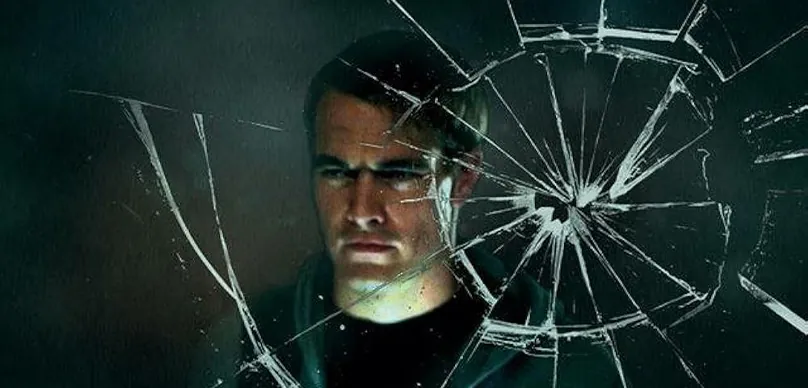
BPS 427: From Pills to Pictures: Cynthia Hill’s Unlikely Path to Documentary Filmmaking

Right-click here to download the MP3

LINKS

SPONSORS

  1. Bulletproof Script Coverage– Get Your Screenplay Read by Hollywood Professionals
  2. AudibleGet a Free Screenwriting Audiobook

Alex Ferrari 1:49
Enjoy today's episode with guest host Dave Bullis.

Dave Bullis 1:54
So on this week's episode of the podcast, my next guest is a filmmaker from North Carolina. Her TV series, a chef's life is now in its fifth season, the HBO documentary, private violence and PBS documentary tobacco money feeds my family are just two of the credits that under her belt. Her current project is an eight part Docu series, road to race day, which follows Hendrix motorsports, the most winning team in professional stock car history. And it's all going to be about this 2017 NASCAR season. And she also teamed up with Peter Berg film 45 to sell this thing to complex networks, which is unbelievable. We're going to talk all about how she did all that good stuff with guest Cynthia Hill.

Cynthia Hill 2:39
It's easy to access the equipment it's there's not that, that hurdle of it just being too expensive for people to access. I mean, you can shoot a film on your iPhone now, so if you really have a story to tell, you can pretty much tell it no matter what your your socio economic situation is, which means that there are a lot more people out there telling stories. Again, it's still trying to get the stories out there that I think probably is the biggest hurdle, not necessarily making it, but getting it out there to the masses still becomes a bit of a hurdle.

Dave Bullis 3:16
Yeah, yeah, very, very true. And that's something also we touch upon in the podcast. But you know, before you and I talk about, you know, distribution stuff like that, which I'm actually very interested in hearing your point of view with, I wanted to ask, you know, Cynthia, how you got involved in the film industry, you know. So the question I have to start with is, did you go to film school Cynthia?

Cynthia Hill 3:35
I did not go to film school. I went to pharmacy school. So, the natural, logical transition, or the next path from pharmacy school, is filmmaking, right? No, it's, you know, I grew up in a really remote area of eastern North Carolina, you know, agricultural based economy. And the thing that you would do if you went to college is you would for a woman in particular, as you would do nursing or teaching. So me, even going into pharmacy school was was kind of risky and and I really didn't know what I wanted to do. To be honest with you, I didn't have a particular calling, but I knew that the pharmacist in town made the most money, or seemed to make the most money, and so I thought that at least he had one of the biggest houses. So I thought, you know, if that's that was going to be my profession. And then when you look at the starting salaries of undergraduate degrees, especially when I was going and the late 80s, the pharmacist was number one. And so I just was ready to get out of a poor town and make some money. And so I was going to be a pharmacist, but that was not what was in store for me.

Dave Bullis 4:55
You mentioned about the link between pharmacist and filmmaker, and I was. And you know what? I can actually see it, you know, because I, you know, I've known some people who've gone in the in the med field, and they've gone right into filmmaking. I actually had a friend of mine who was a spinal surgeon, and he was and in the morning, before surgery, he sat at his kitchen table, and he was writing a TV pilot, and basically,

Cynthia Hill 5:23
Yeah, it's surprising that right brain, left brain kind of thing. And and the healthcare profession, I think, is more maybe artistic than we we know, or at least maybe some of the folks that are in it, maybe so I don't know, but for me, it was definitely a strange kind of diversion when it happened. But I wasn't, I wasn't necessarily the best pharmacy student. I wasn't necessarily engaged, but, you know, I, I was, you know, out there. I was looking for something, and I met these folks working on these, this TV show. They were traveling to Chapel Hill. I went to UNC Chapel Hill, and they were doing this accident reconstruction show. That was that type of show that was really popular in the early 90s, and it just seemed so fascinating, and way more fascinating than being in a pharmacy counting pills all day long. So I thought, you know, I'm gonna hang out with these people, and I ended up going out to LA because I made some good friends, and spending some time in LA, and I would just hang out with these people. And storytelling was not necessarily something that I thought that I was good at, because I was not a good writer. But if you're in the south, storytelling is just ingrained in you, because you hear your grandmama, your granddaddy, everybody tells stories, and so you're just it's just a part of who you are. And so I had this knack for telling stories that I did not know was there because I was just driven into math and science, because I was obviously good at those things, and I I found this whole world that really was intriguing. And I came back to pharmacy school the next year. And for every project I could possibly do, papers, presentations, I would make videos for it instead of actually doing the thing I was supposed to do. And for my rotation when I was working in different locations, like I had a retail rotation, and instead of doing a paper, which you were supposed to do, I made two commercials for the pharmacy for local cable. So I found my niche in pharmacy school in this really strange sort of way. And the dean of the pharmacy school pulled me aside and was like, Cynthia, you're not exactly the best pharmacy student, but you got something. You got some talent here, and I want to try to help you. And so he encouraged me to go to graduate school at Auburn University in the pharmacy administration department, which sounds like another kind of strange thing, but they had a production studio in the graduate school there, and any communications department would have salivated at the equipment that we had access to. But because we had access to pharmaceutical money, we had all this equipment, and they were doing this, this health education media, and they were one of the first schools, especially, you know, pharmacy school, that was getting into interactive health care. And so I found a surprising home there, and another sort of entree into deeper into the television world. And I did this study with prime time live in New York City, where we, as the pharmacy school, took the study component of medication dispensing errors, and we helped Prime Time Live do an undercover report on pharmacists making dispensing mistakes. And so I flew up to New York and spent a lot of time up there. And I became the undercover shopper, because I could control the medication. And I became a part of that study. And then after that, I was just really, completely, just spoiled. I was not going to end up in a pharmacy counting pills after that. So then I had to figure out how to become a filmmaker.

Dave Bullis 9:22
I was going to ask you, when you were the mystery shopper, if you had like, a hidden camera somewhere or something.

Cynthia Hill 9:27
I had somebody that was behind me with a camera I was mined and then my companion had a camera in his wig or in his hat, depending on what setup we were using that day. So it was this little girl from this rural town in eastern North Carolina. Was not in eastern North Carolina anymore. It was rather funny,

Dave Bullis 9:53
Because I imagine those, those hard copy or there's 2020, things where they would have those hidden cameras. And, you know, and again, that's sort of like now how everything's changed. You know, cameras have become so miniaturized. You know, you can have your phone out and that's a camera. You have these little spy cameras that I see sometimes online, because I imagine when you when you shot that was it? When was it one of those big, sort of, like mini TV cameras or something or something different?

Cynthia Hill 10:30
Well, it had a big pack, so he had a backpack, but the lens, like he was able to bring it up into his wig or his hat, so it was easier to hide, but it was definitely a much larger rig than what you would find today.

Dave Bullis 10:47
So, and you know, that's where I imagine there had to be a lot of, like, creativity, a lot of ingenuity to hide that, you know what I mean? So, yeah, for sure. So when you were talking about storytelling, I mean, just to sort of take a step back, I mean, you were talking about growing up and up and in the south and and you, and you were, you heard stories from, you know, your grandmother, what was some of the things that you like really stuck out with you like, in terms of story? I mean, was it, was it, maybe how the person was telling it, or maybe, what was it, some of the characters involved? I mean, because I imagine a lot of that is what really sort of molded your your way of storytelling that you for when you make your own projects.

Cynthia Hill 11:29
Yeah, it's definitely there are a lot of characters in the south, so I gravitate to eccentric personalities. I think too it's that's one thing that you know, being in the south, you're never short of somebody who's really interesting. You know, they're all around you. And I think to like my my grandma's brother, Uncle James, he was always good for stories, and they're always long and elaborate. And I think I maybe inherited a bit of that, and it takes you a while to get to the point, but they're always really good stories. And I have sort of this, this problem of ending stories. My first film that I made, one of the My Favorite compliments, I guess you could say is from Da Penny Baker. He said he was using in his classroom. But he's like, it's a really good film with all of its three endings. So it's like, yeah, I know what you're saying. So actually, ending something is difficult for me, you know, wrapping it up and coming to a close, you know, because there's always something else you can say that, you know, you get, helps make your point. So trying to get it all in there, as has been a challenge for me, and something that has taken me a while to to perfect, which I still haven't but, you know, being able to concisely tell a story without rambling on is a bit difficult for Southerners.

Dave Bullis 13:10
I think that's fine Cynthia. I mean, did you see Lord of the Rings Return of the King? I mean, that had a lot that had like seven different endings. You know that just No, I remember

Cynthia Hill 13:20
Being best of them with my endings, my multiple endings.

Dave Bullis 13:26
I remember being in the theater with that movie, and people were like, Oh, is that it? Oh, no, there's more. And then they kept getting up and down. I was, was like, either this, either, either there was something, this was a unique way of storytelling, or Peter Jackson was just trolling everybody, you know, but, but

Cynthia Hill 13:43
You know where he is in his career. I mean, he can keep going if he's got something else to say. So I think that that's kind of it too. You know, you have the luxury at certain at a certain point where you can keep telling the story you want to tell. But I didn't that with my first film, even though I thought I did. So,

Dave Bullis 14:04
Yeah. And I want to, you know, get into, into talking about all your films too. And I just want to touch one more thing about storytelling, you know, because I love hearing like all the different, unique point of views, everything about storytelling. And, you know, there was a movie that was out recently I didn't see, I think was maybe out a year or two ago called Blue Ruin. And the tagline really stuck out to me because I think it was, it was something along the lines of a southern revenge tale, or the Southern Gothic revenge tale. And I sort of kind of, you know, stuck with me because I started to see a couple of the articles, you know, about the the how the the southern revenge tale is kind of different and basically, you know, as we tell stories, you know, you know, you tell me it's story. I tell you a story. There's all different components of to them. And usually a story is to reveal a transformation, you know, usually there's, you know, something inside, you know, of the society, of the culture that the of ideals that they. True or ideals that they really value. So, you know, and it's different too, because, you know, for people, you know, I have a lot of listeners who aren't from America, and they still don't understand, you know, America is huge. I mean, this country is absolutely huge. And we have so many different, you know, different regions. You have the East Coast, you have the west coast of the Midwest. You have, you know, the northeast, you have this, you have the south. And I mean, all of these different ways of telling stories, and, you know, all these unique points of view. So, you know, Cynthia, when you take your you know movies out, do you notice that you know, you tell the you know different? Do you notice that maybe your stories have that, that sort of like unique vantage point, but it's something that sort of, there's like a parallel that can be drawn through all through all different types of regions and stuff like that.

Cynthia Hill 15:48
Yeah, I don't know. I mean, I've never really looked at it that way. I do feel very much like it is Southern. But what does southern mean? You know, I think for me and and when it comes to storytelling, it's about character. It's about character, and it's also about the small moments. And, you know, I, when I am in the field now, in working in the documentary medium, it's, you know, I don't necessarily have a set agenda, you know, you go out to if you've got something that you know you're making a, you know, a film about a certain topic, or or whatever, you've got some agenda, you kind of know what world you're entering. But I like to be fluid and wait for things to happen and for characters to reveal themselves, and moments that let the characters become human just happen and unfold. And so I spend a lot of time with nothing happening, waiting for those moments to happen. And a lot of what I say, especially when I work with new editors, is that what ends up on the screen with me a lot of the times are things that other I feel like other filmmakers, or maybe other editors, especially like in older kinds of TV dot formats, where that stuff would end up on the editing room floor, typically. But I like those moments that are subtle, that take the audience a little bit more time, take you know you've got to pay closer attention to them and those things that are going to build so that by the time I make my point, I have teased it out a long time, and so that it becomes even more meaningful to the audience by the time you see that revealed. And so that's what I'm doing when I'm in the field. A lot is just waiting for those moments. And when you're, you're with me, and I work with new folks in the field, they think I'm not doing anything because I look like I'm not doing anything, but I'm listening, and I'm I'm playing, paying close attention and waiting for that moment. And usually that moment happens when everybody kind of lets their guard down, or maybe, you know the moment after another moment is usually the moment that I'm after. So it's kind of, it's hard to explain, but when you add all all those things together, it just really helps with it helps with the really building who those characters are that you're with, and those narratives, because those small moments, I feel like are, they're really the important things that are happening.

Dave Bullis 18:31
Oh, and I see exactly what you mean to it's like a slow burn, you know. And rather than, sort of, like the fast paced, sort of MTV style of sort of editing or, you know. And honestly, I've seen, you know, that's good to have, because I don't ever want to see where filmmaking or anything becomes homogenized, where everybody shoots and edits and etc, the same way. And you know, just just as we get started, you're talking about your career, Cynthia, you know, you mentioned, how do you go from pharmacist to filmmaker? So, you know, what was, what was the step that you took? So that way you said, Look, I'm not going to do Pharm. To do pharmacy tech work anymore. I'm going to do filmmaking full time. So you know, what was that step that you took?

Cynthia Hill 19:10
Well, until this year, I still was employed by Walmart as a pharmacist, so I was canned unceremoniously. As of late, I'd only work two days. So it was it was coming, but it's I and just not that I have. I apologize up front, I have a tendency to answer the question that I want to answer. So I'm going to back step just a little bit pharmacy to me. Gave me permission to experiment. It gave me that solid foundation and that financial security that I needed to take risks. And so I knew I could always go and work as a pharmacist. So it allowed me to not go and have to work on other people's projects if I didn't want to, you know, I wasn't out there using that creative side of my brain to, you know, do ad work or, you know, do something that I that wasn't coming from inside of me in that medium, so I could devote all of that energy to working on what I wanted to work on. So that's what I've always done. And it's also, I mean, it's, it's been really great for me, because I have a very distinctive style. And you would, you know, when you see something that I work on, but the downfall is that I do create my stuff kind of in a vacuum, and I don't have a lot of mentors and stuff like that, because I've never worked for anybody else. I've always just done what I wanted to do. But when I first started out, you know, I I had this one story that was burning inside of me that I knew I had to tell, and that was the story of tobacco farming and growing up in the South and in this region of the country, tobacco was the one crop that small farmers and families could rely on. And yes, it kills people, but it also puts in a lot of us to college, and created opportunities that would not have otherwise existed, and also kept small farms intact in the south when when it was no longer possible or viable with other commodities. So I had this, this, this strange relationship with this crop that, you know, kills people, but also something that I had a lot of fondness for. You know, it was a lot of memories with the family working, and it was very much a family kind of business and operation where we would, we would help each other, you know, harvest the crop every summer. And that's what I did up until I went to college. And so I knew that that was a story I wanted to tell, because I could see the demise of that small family farm happening in front of my eyes, and I had to tell that story. And so when I first started out, it was like, I'm just going to tell this story. I didn't consider myself an artist or a filmmaker. I just knew I was going to do that. So I was going to raise $10,000 and film for one season, and that was going to be my film. But instead, I filmed for over three years and raised over $100,000 and it took me another two years to edit the film, to make my first film, and I still couldn't call myself a filmmaker. After that, I didn't have enough confidence in myself, but that became, began my path, and each time I start a film, I swear I'm going to make it in less than five years, but I still have a hard time making a film in less than five years, so maybe one day.

Dave Bullis 23:12
Well, so let me ask you Cynthia, when you decided to raise that money, you know that that's sort of like the million dollar question, no pun intended for a lot of filmmakers is they always say, you know, what steps do you go to raise funds? Some people say it's crowdfunding. Some people say it's private equity. So you know, what methods did you use to, sort of, you know, raise these funds to help make your documentary?

Cynthia Hill 23:36
Yeah, for this one, it was all foundation money. And the first two grant proposals I sent out were funded, which is completely 100% unheard of. I had already shot some so I had something to show. You know, so I was I was able to show proof of concept and what I was trying to do. But if I had not have had that kind of success out of the gate, I probably wouldn't have continued, because it would have been just too depressing. But then, after those first two, I probably the, probably the next 25 were not funded. So, you know, it was really one of those things where it's it's so difficult, and there's no magic answer to it, you know, there's one of those. If it's a social issue. Film, no, you can try the foundation route. If it's, you know, you can try the crowdfunding route. And I've done that twice now, and I never want to do that again. It says it's a special kind of torture. Crowdfunding, or at least the process of actually during the campaign, is torture, and then it's even more torture when you have to fulfill all this bullshit that you've promised people during your crowdfunding campaign, you actually have to make good on all these promises. Is. So it's really, you know, there's no magic answer. The equity thing, I still have a hard time with that. I've had this one really amazing woman who's been trying to give me money for this project that I'm currently working on. And I don't, I don't know how I feel about that, because, you know, once you have somebody that's invested in you, then it's like you feel like you got to make money. And two, you feel like you got somebody looking over your shoulder. And so I'm contemplating that now, you know, I'm to a point in my career that I need to be able to do that. You know, this last project that where the I have a development deal with HBO and some development money from Sundance for it, but I need to be able to have some additional funds in place before I can go back to try to show what the project really is. And so what do I do in the meantime? Because it's not really a social issue film that I can go out and do the foundation route again. So I'm sitting here thinking, I really need to call that lady back and take her money. Like, it's hard, yeah, this whole legal thing with, you know, sailing securities, bloody blah, blah, blah, but yeah, it's, you know, I feel like I've got to grow up and you know, this is, this is my business now, this is, this is how I make a living. It. I am to that point where I actually can say that, and I have a lot of folks that now work with me or for me. And, you know, I've got to also be mindful of, you know, their, their well being too, not just my own.

Dave Bullis 26:40
Yeah, it is tricky. I mean, you know, that's something we talk a lot about on this podcast, is, you know, the whole legal aspect of taking people's money, you know, private equity, crowdfunding, all those different routes and, you know, and I've heard everything from, hey, we did it for free. By, I mean, that's what I did, too, you know, I didn't go to film school. My first student film was me making a feature film. And we borrowed every set, everything, everything was all borrowed. You know, don't, you know, a friend of mine had a house we could shoot in, and we've had that all the way to, you know, very expensive movies on here. So, you know, it's just always interesting to hear, you know, everything, you know, all those two extremes and everything in between. And you know, as we talk more about making documentaries and everything else, making it into a living is something special Cynthia, because that takes a lot of hard work. Takes a lot of talent. It takes a lot of patience, and a lot of times filmmakers maybe make one film or two, and they get kind of burned out from the whole process.

Cynthia Hill 27:41
Well, this is true, you know. And I think I'm struggling with that right now, you know, is it a business, or is it still a passion, you know? So trying to straddle still wanting to do this work, because it's something that, you know, burns inside of me, versus, like, just making content because I've got a lot of mouths to feed, and I don't want to be in that place, you know. And it's new for me to manage people, you know, because I I have finally accepted that I'm an artist that comes with artist tendencies, which means that I'm not great at necessarily managing people and so. But you know, when you have this kind of operation, where we have right now, where this past year, we produced an eight part series that were hour long, each was an hour long, so eight hours of that, and then another 10 part half hour series. We're producing a lot of content, and it takes a lot of people to pull that off. And you know, we're doing this in a part of the country that doesn't have the infrastructure, and, you know, the the depth of talent and stuff. So no, we're training our own where we are making it work even when the odds are completely against us. And that, in and of itself, to me, is something that I'm really proud of and proud of the team that we have in place for that. But then how do you keep that going? You know how much of inside of me has to come out to keep that, that those creative juices going because so far that those stories are all coming from me, you know, like, just the creative part of it, you know, putting it together, and that is really that's hard to keep that going and to feel that burden of that, and then, like, is that really what I want to do moving forward? Or do I want to, like, quit all that and go back and, you know, make a narrative film, which I've been contemplating for a long time. So, you know, it's, I'm struggling a bit. I don't know if it's midlife bullshit mess, but Yeah, you know, you the success is great, but it's also like, Is this really what I want? And you are we? Are we happy? Lord, I'm in therapy.

Dave Bullis 30:18
Yeah, this podcast is like therapy for a lot of people, myself included, but no, I'm just joking, Cynthia, but no, it's, this is what it is. It's a discussion, you know. And that's, you know, some of the things that we discuss in this podcast is stuff you don't hear other, you know, any other place. And what I mean by that is, you know, the things that that affect filmmakers, things that they go through, stuff like that. You know, too many podcasts, too many articles they paint either a rosy picture or they paint this very bleak picture. And it's really, you know, it's not really one of the other, it's usually in between, you know, the ones that paint the rosy picture like, oh, yeah, I submitted the Sundance, and we wanted 10 billion and then we're all rich now, and the and the and the bleak picture is like, Oh, I try to submit the Sundance. That's all bullshit. I couldn't get any other film festival. There was a little bullshit, and I threw up on YouTube, and nobody watched it. And now I'm, you know, 100 grand in the hole, and I hate my life, and, you know, so it's kind of like, you know, trying to find this happy medium. Because I, believe me, I you know, when I started doing this, even before I started doing this podcast, I met so many different people doing so many different things on so many different film sets, and I heard so many different stories about successes and failures, successes and failures. And that's why I wanted to do this podcast, you know, because it's I've noticed a common thread among a lot of filmmakers. That's why I started this podcast. So, you know, when you made your tobacco documentary about, you know, obviously it's focused on the south, you know. But you kept going, and you turned into other projects, you know. So after, if you're the documentary aired, you know, and was completed, you know what? You know, what? What was your next step in continuing your filmography?

Cynthia Hill 31:59
Well, I was helping work on another film at the same time some other film makers here in Durham. And so it's I was, that was February one, which was about the Greensboro lunch camera sit in so I was able to see a little bit about, you know, what else could be opportunities. And then this story came along as I was finishing up the tobacco film that was about the farm workers that were coming from Mexico. And Dave, can we start that over again? Because I feel like the February one thing is kind of like left field.

Dave Bullis 32:39
Sure, absolutely.

Cynthia Hill 32:41
Yeah, I just tell about the tobacco. I mean, ask me the question again.

Dave Bullis 32:46
Sure, sure, no problem. So, you know, you kept on going. So you know, after you made your tobacco documentary, you know, what was the next step you you you made to continue your filmography.

Cynthia Hill 33:00
Well, when I was finishing up tobacco money fees my family, the one of the farmers that I had been profiling was getting farm workers from Mexico in this guest worker program. And he got farm workers that were being bussed directly from Mexico straight to his farm. They would open the door from the bus and they would get out on his farm in North Carolina. And I was like, whoa. What the hell is that? You know we when I was growing up, I remember when we had the first Mexicans that showed up in our community to harvest cucumbers, and that was the first time we locked our doors because the Mexicans were in town. And so there's this thing with we don't want foreigners in our communities doing our work is taking our work and but then we are actively bussing folks in to do the work that we don't want to do. And I thought, Oh, my goodness, this is so fascinating. And so then I spent the next two years filming a story of these farm workers that were coming from Mexico in this guest worker program, I was able to find a farm in North Carolina that would let me film. And that, in and of itself, was a huge hurdle, because there was so much suspicion about this program and folks trying to do this gotcha kind of filmmaking at the time and still to this day. And so getting a farmer comfortable with us being there to do a do a story about farm workers was really, was not an easy feat. But when we finally latched on to this one guy who was willing to do to. Willing to let us stay on his farm. It was so eye opening to spend a whole season with this one farm worker. Well, we several, but we ended up going back home with two of them, and we took that bus ride back home to Mexico on bus after bus to the back of a pickup truck to get to his home, back in his village in Durango, Mexico. And you know, it's not that they, you know, especially for this guest worker program, they're not trying to move to to the US. You know, they were here to make money to bring back home. And now I'd always hear these things about the excuses for the horrible living conditions that the farm workers had to live in, about how so much better than what they got back in Mexico. And that how we're, you know, we're doing them such a favor. But then when we got back to his home in Mexico, he lived in this beautiful villa that it was very modest, but had a lot of outdoor space, and it was on the side. You could see his cows off in the horizon. And it's just like these are people who want to support their family, just like these farmers want to support their families, and it was important for me to, after telling the farmer story, to also tell that farm worker story. And I couldn't not do that. You know, I felt like it was a disservice just to tell the farmer story without completing that that story. So that was my second film.

Dave Bullis 36:42
So when you released that, that film, you sort of back to back with you told the farmers, you know, the farmers story, you tell the the workers story, you know, how was that? Did that change any perceptions?

Cynthia Hill 36:56
You hope that it does. I mean, I think that the folks that that saw it. You know, that's really the key, is, like getting folks to watch stuff. And I think the one of the main accomplishments for me in that with that film was that we had this one screening where we had farm workers and farmers in the room at the same time watching the film at the same time. And it was, it was kind of funny, like there would be moments where they would laugh at the same things, and they could see the humanity in each other. And to me, that's what it was about, you know, trying to bridge that gap. And I feel like I do that quite a bit, is trying to bridge that gap of understanding. And, you know, I'm not, I don't consider myself an activist filmmaker, per se, but I do tend to tackle topics that are important, and at least I like to, but I like to do it with story and really about understanding the, you know, the human condition. And, you know, really getting into characters and understanding the plight and trying to walk in their shoes for a little bit,

Dave Bullis 38:10
Yeah, and I think that's something that, you know, a lot of filmmakers have sort of missed, not only filmmakers, but we, you know, producers and TV show runners. And, you know, you tune in, because you want to see characters. You know, you see these characters in these sort of predicaments, and in, you know, a couple episodes ago, I interviewed Rhonda shear, and Rhonda shear was, you know, on you the host of USA is up all night. And, you know, something I spoke to her about was to into in today's sort of, you know, entertainment environment, a lot of the people, when they start putting money into things, whether it be a TV show, you know, everything becomes very mechanical. Now, everything has an algorithm. Oh, well, hey, you know, you say this script and don't deviate from the script. And I think it really takes away a lot of character, and it's more about like situations, if you know what I mean. So let's and I think with documentaries especially, you have to have those characters. I just wanted to touch on that topic, because it's so important anymore, you know, just finding films that have characters in them that you know people can relate to.

Cynthia Hill 39:11
Yeah, I think that's that's important. You know, you can have somebody telling you all day long that about this person's plight, or you can interview them about their their own plight, and they can tell you certain things, but if you're with them and you experience it with them, I think that's a whole other level of understanding. And that, to me, was, was what was important about, you know, making the guest worker film was that, you know, I did not understand it. You know, I drive by a field and I see people picking my produce, but I go to the grocery store and I buy it, you know, and I'm not really thinking about them when I'm I'm going to Whole Foods and and buying my $5 piece of lettuce you know, so it's was important for me to give them, not just the face, but to also tell part of that their story, and let them tell their own story, not, you know, through interview, but to witness it with them, need to be a true witness of of that, that experience. And I that's, that's the kind of filmmaking that I like. It's what I like to watch. You know, heavily interview driven kinds of films don't usually do it for me. Every now and then. I'll see when I'm like, Okay, I take it back. I'm okay with interviews, but typically that's not what I want. I have this thing where I say, show me. Don't tell me. You can tell me all day long, but if I see it and I feel it and I'm witnessing it, it's going to have so much more impact on me. And I feel like that's what it is for an audience, too.

Dave Bullis 41:05
Yeah, you're experiencing with it. I really like that. Because, you know, again, you know, when, when people try to to sort of force the sort of force the issue, or even make, you know, you know, these, these sit down interview car, you know, TV shows or movies, they're taking away the character. They're sort of just trying to sort of make everything happen, you know, along these sort of beats. And again, you know that that's why, yeah, you know,

Cynthia Hill 41:29
Tearing it down to, you know, just the that topic or that issue, and trying to hit that home and and I spend a lot more time kind of being around the bush, hoping that people see my subtle hints at what the issue is, you know. So I think that there's room for both kinds of storytelling. It just as I prefer the kind that doesn't meet you over the head, you know, I prefer the kind that takes me on a journey and lets me decide for myself. And that's, that's the kind of filmmaking I want to do is I want to take the viewer on a journey and let them decide for themselves. Obviously, I have a point of view, and so as I am laying out the scenes and showing the audience that the moments that I choose I am, you know, obviously have a certain point of view, that's that they're watching. But I do try to be very subtle in it, you know, even if it's issue oriented, and let the viewer decide for themselves, because I don't know what the hell I'm talking about, half the time

Dave Bullis 42:35
You know, I noticed on the clock where we're we're starting to get a little pressed for time. So I wanted to make sure I asked you, What about one project, which is actually how we started talking, which is your, your actual, your eight part series on, on NASCAR motorsports. So I wanted to ask, you know, how did you get involved? You know, with the with the with the project?

Cynthia Hill 42:55
Well, I have this short list of southern things that I would love to one day be able to film, you know, it's I try to, to stay in my region, even if it's not necessarily southern like my filmmaking. I feel like my backyard is just as interesting as getting on a plane and going somewhere else. So also, I feel like I have permission to film once here too. You know, I don't feel like I'm an interloper and and going in and trying to tell somebody else's story. So, you know, I try to stay based here in the south, and so NASCAR has been on that list of things that I would love to do, and for no other reason, that it's something that I grew up with. It was very much a part of my family, my granddad was a huge Richard Petty fan, and so every Sunday, we're watching a race, whether we wanted to or not. And so I, you know, I wasn't a NASCAR fan, growing when I got when I became an adult, but it still fascinated me, and also how people from outside of the South perceived it, and perceived the fan base and the sport itself like it's not really a sport. And there's lots of things people say about stock car racing. And so if you're gonna, you know, I like to mire myself in stuff that has a bit of controversy, I feel like sometimes, and this was kind of one of those things, but I wasn't in it for the controversy. I just was wanting just to see that world from the inside. And we just had the opportunity to approach Hendrick Motorsports with the idea of coming in and doing, you know, an inside look at it. And they are really the the giants in the sport you know, they have driving for them, Dale Earnhardt, Jr, Jimmy Johnson, who just won the championship last year, Casey Kane, and also chase Elliot, who's Bill Elliot's son, and he was getting into jeff gordon's car post Jeff Gordon had just. Retired, and so we wanted to enter the world with Chase, because he was, he was new to the team, and he just turned 20, and we thought it would be a really interesting perspective starting the series with a newbie, and especially one with that kind of pedigree. And surprisingly, Hendrick agreed, and after the fact, I found out that they get pitched a lot and never say yes, so I feel really honored that they said yes, but I think it was because I'm from the south. My ideas of what I wanted to do and what I wanted to tell were not any kind of again, gotcha thing. I just wanted to just go in. I wanted to embed my team into their team and really see what it was like to be, you know, in NASCAR and, you know, race every weekend. So, I mean, that's what we did. We we filmed with them for six months, and we filmed with all the drivers, not just chase. They opened the doors and said, Hey, you want to film these other drivers too? And we're like, Oh, yeah. So it was, it was a, an amazing experience. You know, the unfortunate thing is, my ears are still ringing because it's so loud and but it's, it was. I hate this word, and I hate to even say it, but it was truly unprecedented. The access that they gave us, know they they allowed us inside their facilities. NASCAR allowed us the film at the race tracks with basically what we not really telling us, you know, don't go there. Don't go there. And there are a few places we couldn't go, but really, we had the access that I didn't know that we could have, and we had an amazing working relationship with NASCAR and ask our productions where we knew that we would be able to get access to the race footage. So we weren't always focused on trying to film the race, but we were, you know, we were turning we would focus on the teens so that we could really see what the inner workings are like, and when something happens on the track, what's the reaction of the team, and, you know, what's the build up to to the race? And so it, you know, the race. Races were important, but they just became just more of a dramatic narrative tool for me to be able to understand the pressure. So the outcome of the race was less important, because, you know, we're not doing race coverage, not sports coverage TV, we're really telling stories about people, and, you know, that's what we do. And so, you know, we focused on, you know, again, on the characters and those small moments. And I think what we were able to accomplish is pretty unique, especially for that sport. I don't think you ever see it really presented that way.

Dave Bullis 47:51
Yeah, I was going to ask too, if they actually got pitched a lot, because I can, I can imagine, the answer would have been Yes, you know, just because you know, whenever you're in that position, whenever you're like, the leader, or, you know, you're involved in the a level, you know, kind of like, you know, how in the NFL, every team just gets pitched unbelievably amount, you know, hey, do the you know, could we do a documentary? Hey, could we do this? You know, hey, could you help out this charity? So that's why, you know, I think you did have that unique sort of way to sort of get your foot in the door by saying, I'm from the south and, you know, and I'm sure they wanted to see your other two, your other documentaries, before they said, Yes, you know,

Cynthia Hill 48:31
Yeah. And it was really nice. We got to the meeting, and the head of the marketing team, he had already seen my last film that was on HBO, and was a huge fan of the television series that I direct called a chef's life. And so he already knew my style, and he saw how our team operated, and felt really comfortable with what we were presenting and the ideas that we came to the table and he, he, he knew that what I said when I was in that meeting was true. You know, that I was not, you know, I wasn't trying to get in to do another kind of story, because the body of work that we came in with showed what we were trying to do. And, you know, it did open those doors. And so it does prove that eventually things do get a little easier. Other things don't, but that door opening definitely was much easier than I had anticipated. And that was nice, you know, that that came at a time in my career where, you know, I've been making films for 20 years now, and so it's nice to finally say, hey, you know, it does work out sometimes,

Dave Bullis 49:48
Yeah, and I think, you know, you're it did get easier, because, you know, people can you start to build a portfolio, and you start to build a reputation, and I think, and that is key, you know, something I always say here on the podcast is your net worth, is your network, your network is your net worth. And basically, you know, you were able to open those doors because of your network, and it's all about, you know, being professional. You know, doing good work. You know, not being crazy. You know, not being you know, because sometimes, you know, people get their foot in the door and they shoot themselves in the foot. You know, it's almost comical, because a lot of filmmakers, you know, they get themselves in the in the door, and then they just start, you know, immediately, start making all these mistakes. And, you know, it just, it really compounds, you know. And that's why you really want to make sure. Because, I mean, now after you've done this, I mean, it's like, you know, hey, hey, Cynthia, what was your last project? Oh, hey, I work with Hendrik motor sports. And, you know, we did this and this and this. And, you know, I mean, that that's just, that's huge, you know, that's absolutely huge.

Cynthia Hill 50:54
We filmed with, with Dale Jr, who everybody told me that he would never wear wireless mic. And we, you know, sometimes he would agree, you know, so we spent really nice time with him. And you know that, to me, is is meaningful to be able to develop those kinds of relationships and and it is important, you know, the downside to being in North Carolina is that my network is not extensive. I joke that I have a lot of pig farmers in my network, which they're really important, and I appreciate them, but it's, um, you know, it's, it's difficult because we are here, but you know, the benefits are that I do have an extensive network here, And the folks here do trust do trust me and and trust the team that we have in place. And so when we show up, that does mean a lot,

Dave Bullis 51:49
Yeah, and you know, again, you you, you never know what door is going to open, you know. And again, I like how you mentioned, again, where you were, because, you know, every everything's different. Again, everything has changed, which sort of, you know, brings us back to full circle, which I was, which was what, you know, we open up the podcast with, you could be a filmmaker now, you know, across America, and it's, it's opened a lot of doors. Cynthia, I know we've actually just run out of time. So where can people find you out online, Cynthia?

Cynthia Hill 52:18
You mean me, or just my company name is Markay Media, m, a, r, k, a, y, media.com and the road to race day, which is the NASCAR series, was just released on the complex, next complex networks platform, go 90, and so it's currently streaming the next the last episode is premiering tomorrow, so all the episodes will be up after tomorrow. And my other films are somewhat harder to find private violence, which was the last film with HBO. That one I think you can find on Amazon and Hulu, and a chef's life is on PBS. Season Five is premiering in October, so that one's still going strong,

Dave Bullis 53:14
Yeah. So we got to talking Cynthia, and we ran out of time with because I was going to talk, I had notes to talk about, you know, all of your all of your work, and, you know, we just, you know, one of those things right out of time, but, but I'm going to link to everything in the show notes. Everyone at Dave bulls.com Twitter at Dave underscore Bullis, and I link to all of Cynthia social media as well so you could follow her and see all the really cool stuff that she's up to.

Cynthia Hill 53:40
Thanks, Dave. I really appreciate it.

Dave Bullis 53:43
Oh, my pleasure, Cynthia. And if you ever want to come back sometime, we can talk, you know, more about your next projects, and you know. And then the other projects we didn't get a chance to talk about, let me know, you know. And you know, I love to have you back on

Cynthia Hill 53:53
Happy to it's fun. It is kind of like therapy. And maybe just listen to that, because I, I, I, I have a tendency not to be PC, so maybe listen to the guest worker stuff, just to make sure I didn't say something too offensive. Because sometimes I say things that I don't know are offensive, and they become offensive without me knowing it so

Dave Bullis 54:17
Yeah, it's all good. Cynthia, everything's offensive nowadays.

Cynthia Hill 54:24
That's true, it can be, but, you know, I think it's like, for me, it's, it's, you know, I, I, we work really hard to be inclusive. And the team I have in place, you know, we've, we've built a diverse team, and we work with a lot of women too, and so we spend a lot of time trying to tell stories that have meaning, and beyond just you know the meaning of my demographic. So we try.

Dave Bullis 54:57
No, and I think you do very well. I. I honestly, and that's why I wanted to have you on this podcast. And again, I want to link to everything of yours in the show notes. And you know people can check out your work, and you know I want to see and obviously I hope you continue to move forward with this and and you continue to to build that filmography.

Cynthia Hill 55:17
Thank you. I appreciate it. I hope so, hopefully I won't burn out.

Dave Bullis 55:21
Don't go back to pharmacy. That's what I'm that's the message of this whole podcast, is, don't go back to pharmacy.

Cynthia Hill 55:26
I don't know if I can anymore. I lost my job. That's all right. I needed it. I needed that. Kick in the butt.

Dave Bullis 55:34
Yeah? Exactly, right. It's, it's like the old Roman army, when they got to a new country, they'd burn their boats.

Cynthia Hill 55:41
Yeah, this is it you gotta Yeah. There's no Yeah, yeah. We're swimming.

Dave Bullis 55:49
Cynthia. Cynthia Hill, I want to say thank you so much for coming on, and I do wish you the best of luck.

Cynthia Hill 55:55
Thank you. Thanks so much, Dave.

Please subscribe and leave a rating or review by going to BPS Podcast
Want to advertise on this show?
Visit Bulletproofscreenwriting.tv/Sponsors

BPS 426: Breaking the Rules: Crafting Powerful Films Without Hollywood Money with Shawn Whitney

Right-click here to download the MP3

LINKS

SPONSORS

  1. Bulletproof Script Coverage– Get Your Screenplay Read by Hollywood Professionals
  2. AudibleGet a Free Screenwriting Audiobook

Alex Ferrari 1:49
Enjoy today's episode with guest host Dave Bullis.

Dave Bullis 1:54
My guest this week runs micro budget film lab. He has directed two micro budget features and is in pre production for a third with guest, Shawn Whitney. Hey Shawn, thanks a lot for coming on the show.

Shawn Whitney 2:08
Thanks. Thanks very much for having me Dave. I really appreciate it.

Dave Bullis 2:10
Oh, you know, my pleasure, Shawn, you know, I've seen everything you've been doing with the micro budget film lab and all the great things that you're doing over there. But before I even, you know, we start talking about all the things you do there. I wanted to talk, you know, about your career and about, you know, getting started. So, you know, we're growing up. Shawn, did you always, you know, have this, you know, this hobby of film, or this love affair with film and and, you know, did you make films growing up as a kid?

Shawn Whitney 2:35
No, no. Short answer, no, no. I mean, I always was. I've thought of myself as a writer since I was probably 10 or nine years old. But, you know, there was no, we didn't have any video cameras or anything like that, like it just, we just didn't have them, so they wasn't really around. I watched a lot of old movies. You know, it was back in the days, first before cable and then cable and so, you know, we would get like, channel 29 from Buffalo, and we would watch, you know, bad movies, or not bad movies, but old movies from the 50s and 60s. But it wasn't really until much later that I decided to pursue film, actually.

Dave Bullis 3:16
So did you end up going to college for film?

Shawn Whitney 3:20
No, no, I so I went to I went to University in Toronto, at the York University, and I did a liberal arts degree in humanities, kind of cultural studies, and then I did a master's in interdisciplinary studies that was focused on writing for the theater. And I'd started a small theater company that was doing like Brechtian musical theater. And we did a bunch of really great productions. And, you know, I wrote stuff, and I was doing that, and then, but then I went, decided to make a turn towards film, really, in about the year 2003 I guess. And at that point, I just began writing, you know, I'd done, I tried to do, actually, a theater production, I did, like a workshop production, and it went really badly, and I lost a lot of money, and I was really depressed, so I kind of hit, hid in my basement for about three years, and just started writing screenplays and just sort of learning how to write screenplays on my own. And then, I guess, three or four years, and then I ended up getting accepted into the Canadian film center, which is kind of like the American Film Institute, Institute. And that was my kind of, you know, my formal, the formal, official part of my education was that residency there

Dave Bullis 4:35
You mentioned writing your own screenplays and sort of teaching yourself how to write screenplays. You know, that's sort of something I did a few years ago, you know. And I think that helps out a lot. And what I want to ask is, you know, was there any particular books or even scripts or even movies that you sort of use to sort of pick apart, you know, and how to, sort of teaching yourself how to write?

Shawn Whitney 4:57
Yeah, there was a few books. I mean, Sid Field, I think was maybe the first book screenplay that I that I read, and that kind of opened my eyes to, you know, structure and all that kind of stuff. And then I read another book by Epstein called crafty screenwriting, which was really good. And then the most recently I read, a few years ago now, I read save the cat by Blake Snyder, and that was, I know, it gets, it gets, you know, a lot of bad people go on about it now, because it has become kind of the dominant model in Hollywood, in many ways. But it's, I still think that it's a really powerful machinery that you can use, you can bend it to kind of more unconventional structures, but it was really useful for me in terms of creating a kind of method to approach the screenwriting process.

Dave Bullis 5:49
Yeah, I have noticed that save the cat has gotten a lot of flack. I mean, I think if you're at the top of any field and you know, I think save the cat has sort of gotten to the upper echelon now, because, I mean, well, Sid Field has passed, and so has the person who made say the cat has passed. But I mean, I still think that it's been able, it's been it's been sort of passed on through his through his program, and I think now, when you're at the top field, when you're at the top of any field, I think you're gonna get flack for a lot of things.

Shawn Whitney 6:20
Yeah, totally, I mean, and it's partly, it's because of the way that Hollywood approached the whole process of storytelling. I mean, it really is the kind of formula that's in save the cat is used constantly, like you can watch a movie and time, it's kind of just the same cat structure and and I think people get because of that, and because a lot of Hollywood movies are pretty, you know, they're pretty empty, sort of commercial properties that are really, you know, not about, they're not about art, they're about they're a product, right? And I think people confuse the power of the story structure with the vacancy of the content. And I think that's where a lot of that comes from. It's like, you know, Hollywood movies are kind of empty, or not all of them, but a lot of them are empty, and it's because they all follow this model. And I, and I think it's, it's a little bit of a misrepresentation,

Dave Bullis 7:10
Yeah, and, you know, I know you can't see this because it's a podcast, but I have a huge screenwriting book library right next to me, to my left, and I sort of did what you did, you know, I wanted to figure out, you know, screenwriting, the nuts and bolts and getting down to the absolute, you know, sort of atoms of it, and figure out, you know, what makes a great screenwriter, what makes a great screenplay. And I sort of just, you know, would buy these books piece by piece. Some of them you could buy, I mean, for pennies on the dollar and Amazon. Others, you know, they just came out, and they're still full price. But, you know, there's a lot. There are some that really speak to to me, and there's others that I read. And I'm just like, I don't know, maybe, maybe this is lost, because, you know, I'm sure it happened to you too, Sean, where you have people recommend books to you, like screenwriting books, for instance, and you read them, and you're just like, what was the big deal about this you know?

Shawn Whitney 7:59
Yeah, yeah, totally. And a lot of them end up, I don't know, after, after a while, if you read a few of them, it's like, okay, this is, I'm kind of reading the same thing again. And at a certain point, you need to just get a method that you're going to use and then apply it, and then learn from it and find it, find ways to advance upon it. You know, I don't think there's any absolutely perfect or the right method, exactly. But you just need a method. You can't just be It can't just be anarchy.

Dave Bullis 8:25
Yes, absolutely. I think a method is key, finding your routine also, which I guess, is another way saying method, but, you know, finding your routine and making sure, you know, okay, well, 11 o'clock today, or maybe a little earlier, or maybe I'm gonna get up at two, you know, an hour early today, and I'm just gonna write, you know, I'm just gonna write for, you know, 45 minutes to half an hour. And you and you're absolutely right, you know, finding that process is key, because, like you just said, when I would read some of these books, I would I felt like I was reading the same thing, same things, over and over again. And I'm just like, I didn't just read this book, like, with a different cover and my different author, but, I mean, but that's bound to happen. You know, once you start, you know, getting to a certain point, you're gonna start seeing all that same information, just basically, you know, used again or maybe presented in a different way.

Shawn Whitney 9:11
Yeah, yeah, totally. I mean, there's only so many ways, in a sense, to tell a story. And if you're telling a three act story, or a story that has a beginning, middle and end, anyway, there's only so many ways to do it. And, you know, the interesting thing because I read a lot of scripts in my development job, and I read tons of scripts, and what you see mostly is that is not, I mean, you do see scripts that come in that are kind of, you know, soulless machines. But mostly what you see from screenwriters who aren't established is that they just don't have the structure. They don't know how to tell a story that keeps moving forward. And you you really need that. And so to go back to what you're saying is so it feels repetitive on the one hand, and it is repetitive in a lot of ways, but it also is like people need to learn this, because otherwise they can't tell a story.

Dave Bullis 10:10
And you touched on something through Sean, you know, you said the that some of the scripts that come in are like a soulless machine, you know, I know you can't go into specifics, or, you know, anything like that, but is there anything, any sort of thing that that that writer might be doing wrong, whether it be structure, or is it because they don't have a voice that makes it sort of like that soulless machine?

Shawn Whitney 10:30
Well, what it is, is that people write to the market, and because, you know, people want to make a living, and so they think, Okay, well, you know, like, for a while, we were getting all these found footage scripts, for instance, which you know were the rage, and they would come in, and people would follow the beats, you know, would like, x would happen on page 12 and Y would happen on page 23 or whatever. But what was lacking in them was that they were just, you know, it's like, it's like watching a plumber fix your pipes. It's necessary work, you know, but it's not interesting. Besides, for you, because, you know, your toilets overflowing, but for most people, it's not going to be that, that interesting. And so what I find lacking is a kind of, some kind of universal, universality to it. So you need to have, for instance, your characters. It can't just be about, you know, chopping up zombies or aliens or whatever. They have to be going through an inner turmoil, because really, what stories are about is they're an argument, you know, about what makes the good life, and you're making an argument, and if you're not making an argument, and if it's not being felt through your character, then it just feels like watching a plumber fix a pipe or watching somebody build a house. It's kind of interesting to see the structure of it, but it's not emotionally moving.

Dave Bullis 11:41
Yeah, I just took a webinar. Was a free webinar, but by Doug Richardson, who did wrote, who wrote, Die Hard 2 and he actually was saying, you know, that whole thing about an argument, and his, his whole thing was, hey, structure is an argument. You know, how you structure your film should be an argument for your whole movie. And you know that actually really stuck with me. And it No, just great that you hear, I'm just hearing you, you know, say something similar about your characters and argument as well, which, again, is I agree with 100% as something I've learned with screenwriting is that and that, you know, you we, we sort of when we were making characters. I think sometimes screenwriters have a tendency to write themselves, just like you said. You know, we put ourselves as the main character, and I think that sort of ends up hurting us, because the main character ends up becoming almost like an A shell, and everybody else is sort of, you know, having all the having, sort of, you know, like the witty banter, or maybe they, they're actually the ones that are actually going through a transformation. And the main character just, sort of, you know, is just sort of there, going from, you know, basically just going basically just going through the motions,

Shawn Whitney 12:44
Yeah, yeah, totally. And, I mean, it can be you, but it has to be you in a universal way. It has to be universal, you you know, like you have to, you know, there's things about your life. You know, there was a film, a micro budget film that I talk about a lot called bell flower from a few years ago, think 2011 that was shot for like 17 grand, and it did really well. I think it went to Sundance at to Sundance. Actually, it went to Sundance. It got distribution with oscilloscope. It's a great movie, and it's about his breakup. So it's a very, in some ways, a personal film, but he took his breakup and he turned it into a kind of universal, crazy story about young male rage and representations of violence and stuff that's a lot of fun to watch and has has universal value to it, because he what he does is all the parts, the soul of it all fits together. So the characters are characters journey fits with the theme of the movie, and the theme of the movie fits with the visual styling of the movie, and with the visual elements in the movie. And that all fits with what's happening with the the secondary characters and so on. So it works together as a as a machine, but a machine in the good sense that machine in the sort of emotional, emotional sense that all the parts are firing, all the pistons are firing.

Dave Bullis 13:53
Yeah, I know exactly what you mean. It kind of reminds me also of sort of Mad Max, you know, Mad Max Fury road, I know what we're talking about, now, you know, with, because, with the main character, but a Mad Max. So he never really changes, you know, but, but that, again, is the whole point of Mad Max, is that he Max is never actually the main character name any of his movies, you know. He's just go, he's helping everybody else out as they're going on their adventures. And I think, but going into those even, well, that made me probably that may be probably starting the second one, but in road warrior. But even, even, you know, road warrior, then you have beyond thought of dome, and then you have the newest one, Ferrari road you kind of see that formula at work, and it actually works, like we were just saying, it actually works for that. But anywhere else, you kind of be like, Well, what the hell is going on here? You know, it's not complimenting itself, if you know what I mean?

Shawn Whitney 14:38
Yeah, yeah, yeah. I mean that the model, the Mad Max model, is also the model for noir, you know, like noir fiction and noir films is about this cynical, scarred human in the world who is giving us an entry into the world to see the journey of other people and we become where the sort of cynical we're the sort of bring brought in to in the same. Way, in the same state as that person, and then we're learning through that process, the argument about that world and what's valuable, you know,

Dave Bullis 15:07
Yeah, yeah, that's a very good point. Kind of reminds me of Chinatown in a way. You know, Jack Nicholson, you know, at the whole end, he was very, very sort of scarred, and by the end, you know, I don't know if he really changed, but, but the whole, but, the whole venture was absolutely amazing.

Shawn Whitney 15:26
No, absolutely

Dave Bullis 15:27
So, you know, as we talked more about, you know, your career, Sean, you know, you obviously knew you taught yourself how to write screenplays. And, you know, so where was it, where you actually started to sit down and actually you made your own film?

Shawn Whitney 15:41
So I had after, I actually, shortly before, I went to the film center. And then after I went to the film center, I made a few shorts, and kind of, you know, I'd read, I read a few things about, you know, how to shoot, not cross the line, you know, coverage, that kind of thing. And then I sort of shot some, some shorts that were, you know, from moderate to bad and but it was really fun, and I loved it. And I learned a lot as both as a filmmaker and as a writer, because I learned, okay, well, that doesn't work. You know that, you know, a block of dialog that long isn't gonna work, saying it this way isn't gonna work, like you just you you see it being played out. And so it's an extremely useful experience, even from the point of view of being a screenwriter. And then, you know, and then when I came out of Canadian film center, and, well, a bunch of stuff happened. I had a script options with, like, an Oscar nominated producer, and it all looked, you know, great. And, you know, I was counting the money and thinking my career was about to take off. How could things go wrong? And that was 2008 and then at the bottom fell out of the financial market, and in subsequently, all the money dried up for indie films, and Hollywood's reverted to just, you know, retreads and remakes and tent pole pictures. And so while I got a job out of that in development that I still have, I my career as a filmmaker and as a screenwriter kind of came to a halt, and so after a number of years of having done that, I just was, like, one day, sitting in my office with my wife, feeling frustrated because I was reading a script that I that I thought was kind of bad, but was, you know, was financed because it had some a list cast, and I turned to my wife, and I'm like, This is ridiculous, like we're helping, you know, she's a wedding photographer, so she helps people realize their dreams, in her way. And I was doing it with, you know, story editing, and I said, you know, why don't, why aren't we? Why are we just the bridesmaids, you know, why don't we make our movie? And and so we decided at that point, then we just started talking about a story. And then it happened,

Dave Bullis 17:42
Yeah, the the bottom fell out in 2008 for man, for so many people. I mean, I was so tragic. And, you know, I know other people as well who've had, who had things in development and 2008 hit. And, my God, I mean, and here we are in 2016 and we're still recovering from that here in America, but, but, yeah, you know, and the shocks were sort of felt well wide, but, you know, you you able to regain, you know your composure, you know, regain, you know your motivation, and you know, so, so what was, what the ended up did, your first movie ended up being.

Shawn Whitney 18:20
It ended up being, I mean, it's a con. It's like a sci fi comedy called a brand new you about a widower who can't get over the death of his wife, and so he moves into this house, and after trying to failing at committing suicide, he convinces his landlord and his roommate to help him try to clone her in the living room. Because his landlord, it turns out, is this disgraced biochemist, and so it's about him trying to kind of recreate this moment that is lost. But it's a comedy, so it's funny, but funny sad, I guess

Dave Bullis 18:50
So is that available to watch online or through VOD or anything?

Shawn Whitney 18:55
No, we're we got a sales agent, and we've been going through the hell that is known as deliverables. And we just sent off for the second time for you have to get a, you have to get a quality control report before your film, like we've done all the the rest of the stuff, I think, I hope to God, and then we needed to make this quality control report. And so it goes, you know, you send it in. Cost, you like, 1500 bucks for, you know, four passes to cover your video and all your your audio tracks, and they send you a report, and if there's any problems in there, you know, and it can be any kinds of thing, and then it comes back to you, and then you have to fix those, and then you have to send it back. So we got that back and send it to our audio editor and our editor, our picture editor and and so we've, we've just sent it off for the second QC report, and I'm hoping that it's good enough.

Dave Bullis 19:44
Yeah, those deliverables, Shawn, the more you know, I didn't know too much about deliverables to a few years ago, and then I found out all that is in that is involved with deliverables. And even when talking with, you know, my friend, Jason Brubaker at the stripper, you know, just getting involved with those deliverable deliverables, you end up it's like a like, you said, it's like, what did you call a living hell? I, I think that's pretty accurate.

Shawn Whitney 20:18
But yeah, yeah, it's totally brutal.

Dave Bullis 20:20
So, you know, so right after you finished your first movie, and again, you know, that was a micro budget film, and you know, you made your second film, which, by the way, I love the name of this, of this film, by the way, fucking my way back home, that is a very, a very good title, by the way. And also, it's very eye catching. So even if I didn't know what it was, even if I didn't know what it was about, I could just imagine what that what that is about, but, but, you know, so where was the impetus to make your second film? I mean, did you already have this script, you know, written while you did your first one, or did you sort of just, you know, have a lot of motivation to sort of make this script?

Shawn Whitney 21:00
No, we were, well, we'd, we'd done the kind of the festival thing with the first one, and gone, gone to a few festivals, and won some awards. And we were like, What are we gonna do next? And so we, you know, I had some other scripts that we wanted to do, but they were bigger. They were like, you know, at least $100,000 kind of thing. And, and we're just, we're not in a position to make $100,000 movie, unfortunately, at the moment. And so we, you know, my production partners, there's four of us in the company, and we said, we know, what are we going to do next? And I had this story that I developed with another writer years earlier that he and I were going to shoot together, a wonderful writer named Rhys Carruthers, and but it just never happened. We both kind of gotten busy with our own things. And so I spoke to him, and I said, Hey, dude, can I take our story and write it up as a script so we can shoot it? And he was like, yeah, absolutely, absolutely. So I then I wrote it up, and we started editing, you know, getting notes back and forth. And, you know, I don't know how many months later, eight months later, maybe nine months later. Then we shot the movie.

Dave Bullis 22:04
So when you shot the movie, did you have a slightly bigger budget than when, when? Then with your first movie?

Shawn Whitney 22:10
No, you know, the irony is, we learned a lot from the first movie. You know, we made mistakes that cost us money, and we got better at improv, improvising. And so the first film cost us, I think, 22,000 or something, and the second movie, we shot for 7000 but it's actually more complicated, and there's more locations, and we a lot of it takes place in a car going around the city. So we had to tow the car, because our driver, like he plays the driver in the in the film, is, is like, maybe the worst driver on the planet. So the idea of him acting while driving this like 1974 Supreme was was a horrifying thought. So we had to, like, tow the car around.

Dave Bullis 22:51
So when you had to tow the car around the I guess the biggest, then the biggest part of production budget, then, was obviously a tow truck, a driver in the tow truck, you obviously had to get, like, a, some kind of, I guess you had a route that you wanted to go, you know, again, I'm just, I'm just thinking with the producers hat right now, Shawn, what was,

Shawn Whitney 23:08
Yeah, yeah, no. Well, you know, we went, so our Plan A was okay. So Plan A was we thought, you know, we had a connection with the post production house, and maybe he could get us a deal with a, you know, rental house whites in Toronto. And he contacted them for us, and they got back, and they were like, oh, yeah, you can get a, you know, you know, a tow vehicle, but it's like, $10,000 a day, plus you need to get cops, right. You need to have off duty, you know, paid, paid duty officers. And we're like, well, it's more than our budget. So we tried U haul, and we did a taxi, we did a test shoot with a U haul trailer, pulling it around and so on. And that seemed like the way we were going to go, but that was going to be, I think, about 1000 bucks with insurance, and that still seemed high. So what we ended up doing was a guy who owns a cafe around the corner from my house had a tow truck and, well, he had a car. First of all, he had this Cutlass Supreme. And I was like, Hey, man, can I rent your car for the shoot? Your car is, like, this big, ugly beast, and it's a beautiful sky blue color, and I really want to use it, because it really looked good. And he was like, yeah, yeah, totally. And we told him we were going to tow it. And he was like, Oh, hey, do you want to you want to rent my, my, my pickup truck, like these little Toyota pickup truck, like, Yeah, sure. So we rented it off him for a few $100 and then we went on Craigslist, and we found somebody who rented, like a car tow trailer, and we rented it for two weeks for, I think, $300 so in total, you know, car tow vehicle and trailer was like, 800 bucks. 700 bucks.

Dave Bullis 24:43
Wow, that, you know, again, that's amazing how you know, just by just sort of putting on your producer hat, you can actually, you know, get that down further and further and further and again, I imagine also you're going to have insurance, because I could just imagine, you know, towing a car around. But. Yeah, so it was insurance included in that $800 or $900 cost?

Shawn Whitney 25:04
Yeah, we got it. We got production insurance, and that was more that was for the entire production. And I think it was about 900 bucks maybe to cover the whole thing. And it was a bit dodgy, like we told them. They were like, you know, we have this car, and we'll be towing it to locations and then putting it off the trailer and shooting it in locations. And so they, you know, if they found out we were shooting with people in the vehicle, towing it around, we probably wouldn't have been covered, so we would have had to evacuate everybody from the car if we got into accident. But luckily, we didn't. And there was no, there was no insurance claims were made.

Dave Bullis 25:38
Excellent. You know, it's always going every and whenever. You never have to make an insurance claim, right? So, yes. So now, Sean with sort of finishing the film, is it? Is it on VOD yet? Or are you putting that together right now?

Shawn Whitney 25:54
Yeah, we just got picture lock like last week, and so we've sent it off to the composer. We've sent it off to the audio mixer to begin that process, and we've sent it off to the colorist.

Dave Bullis 26:08
So now, now, so, so now that that picture is locked. Now, now, again, I'm cheating, because I have your whole info in front of me. I know you made a third movie, so we get a third movie that's actually in development right now, correct?

Shawn Whitney 26:23
Yes, yeah, yeah. There's a, we have a, we have a script that's written that's, I think, a second draft at this point that we're hoping to do a little, little higher budget, if we can raise the cash, or, I guess, you know, figure out the, whatever the equivalent is of, you know, a tow trailer for for our, our spaceship, because it all takes place inside a spaceship.

Dave Bullis 26:43
And that's called the century of redemption, right?

Shawn Whitney 26:46
Century of redemption, yeah, yeah.

Dave Bullis 26:48
So obviously you're going to shoot that next year. And you know, again, I wish you the best with shooting that. And so what I wanted to ask about was obviously your micro budget film lab, you know, you know, you sort of started this, and what was sort of the impetus to actually start micro budget film lab?

Shawn Whitney 27:08
Well, when we shot the first film, I mean, finding information was, it was really dispersed, you know, we could find an article here, an article there, and get, you know, pull some tips here and there. But a lot of it was really learning on the fly, which added added stress to the whole process. So and, you know, we were borrowing money and, you know, figuring out how to finance it and all that stuff that we had to kind of build the machine from scratch, as it were. And so my thinking was that it would be great for because there are so many people out there who want to make a micro budget, or who budget or who want to make a feature and are just waiting. They're doing like I did, you know, they're waiting for years, and, you know, submitting to contests and spending hundreds and hundreds of dollars on contests. And, you know, sometimes contests don't even send you the results and never mind notes. And I was like, you know, people need to have that resource, and so I want to be that resource, and I wanted it to be different than, you know, no film school, which is a great site, but as you know, it has a lot of gear focus. And I'm, you know, because of my background coming in from the point of view of story and from screenwriting, I was kind of more interested in the esthetics and the story construction side, and how to do things differently and how to create a kind of shared esthetic, like, I mean, I wrote a post a little while ago called about, you know, we need a micro budget movement, and I've been thinking about that a lot, and the need to, kind of for us as micro budget filmmakers, to move beyond simply, you know, atomized individuals all struggling to make our films. And I'm happy to help people out on that basis, just like the technical side of how to make a movie, but also, you know, where there have been successes in the past with people outside of the system. They've generally been coming from people who exist as a movement. You know, you look at dogma 95 or mumblecore, or the neorealists or the French New Wave, and they part of their marketing buzz and part of their power comes from this esthetic challenge to the dominant storytelling models and cinematic models. And so I wanted to kind of create a space where that kind of could gestate, and that's what, that's kind of where the name lab came from. It was like a laboratory for for film movements, we can

Dave Bullis 29:22
We can do a lot of like experimentation, right? Yeah, yeah, like, sort of mixing chemicals, like a mad scientist,

Shawn Whitney 29:28
Yeah, yeah, making drugs.

Dave Bullis 29:31
But we know, but experimentation film, I think that's what allows, you know, with making micro budgets, and you know, even, even when I, you know, made my own student film, it allowed for more experimentation. Because obviously, number one, we had no clue what the hell we were doing. And I mean, me personally, I had no clue what I was doing when I was making my student film. Two, the budget was like the change, you know, people have in their pockets. And three, I had no weird answer to so any, any weird, wacky thing we did, you know, is it funny? Okay, let's put it. Let's put it in there. But, you know, with micro budgets, you know, you know this is it's always, you know, encouraged to for experimentation. Because, I mean, you know, Sean, if you had a couple million dollar budget, and you had people are reporting to every day, you know, you try to do something out of the norm, and they're gonna say, What the fuck are you doing?

Shawn Whitney 30:31
Yeah, yeah, totally, totally, yeah. There's a lot of pressure. There's a lot of there's a lot at stake. When you've got a million or 10 million or $100 million you know, they they want you to do what works and what works is what worked last year or the year before, and so they just want to repeat the same thing, because it's a formula that makes money. But that, that formula that works for Hollywood for ten million movies or $100 million movies doesn't work for micro budgets, because they just look like cheap knockoffs, right? Yeah, and they look like, and they look like, they look like cheap knockoffs. But more than that, they ex all the flaws of Hollywood can be are kind of hidden by the the the money that's poured into the great effects and the great sound and the great light, and, you know, these awesome actors who are loved and so people forgive them, you know, any errors or whatever, all that stuff allows Hollywood to kind of smooth out the problems in their in their in their storytelling, and, you know, the the conventionality of their their cinematics, technique or whatever, you don't have that in a micro budget. So you you get none of the good of Hollywood, of the all that that money, and you get all of the bad when you're trying to just replicate a Hollywood formula film on like, you know what? They see their budget for their coffee cups.

Dave Bullis 31:45
So true. Shawn, you know? And again, yeah, you know, if you try, yeah, you're right. If you try to, try to emulate that, you're just going to end up, you know, shooting yourself in the face. And that's something that I found as well, you know, I tried to emulate, uh, different action movies, so, you know, with my second and third student films. And I'm like, holy crap. I don't have the time, the budget, the resources to do all this stuff, so I can't make, you know, a whole scene about gunplay, or, you know, I can't blow up this whole building even with, you know, Red Giant effects, you know. And it sort of reminds me also of there was this panel of discussion was watching on TCM, and one of the guys who host TCM said he actually loved the era of the 50s and 60s with movie making, because they didn't have a budget to blow up buildings or anything, so they had to focus on the story. And to me, that's where we are again is, I think, a hallmark of a filmmaker nowadays is you have to make a micro budget film set in one to three locations, very minimal, and the story and the concept have to be, what, what is your main selling point of this whole thing?

Shawn Whitney 32:50
Yeah, I mean, I don't know about, you know, I there's some dog move films that I really love, like celebration I really love. And, you know, they had their bow of chastity, or whatever that was very, very strict, and most of them ended up breaking it. And I don't know about all of the rules in terms of restrictions about what you can and can't do, because there's, you know, there's a film monsters by Gareth Edwards, who went on to do Godzilla. And Godzilla apparently, sucks. I've never seen it, but, you know, they've got bad reviews and so on. And monsters did really well. And monsters did really well, I think because kind of move what you're you're saying about story, because it was a, it was a really fresh not to monster movie. But it's not about the monsters. The monsters are just the backdrop to this road movie and this relationship between these two people in a structure that's not, it's it's much more open and and alive than than really tight, tightly bound Hollywood structures where, you know, there's a monster and they kill people one at a time in the woods and so on. And it wasn't that. And so he used, you know, there's a lot of effects in that, but he shot it for like, 15,000 bucks. And then he just happens to be this, you know, special effects wizard who has worked for years for the BBC, doing, you know, crazy compositing and all this incredible stuff. So he had those, he had that talent. And so, you know, kudos to him to bring that talent. But then, you know, where he couldn't, he couldn't do the kind of practical effects that that you can do with Hollywood. So his his shooting was, was this story, this really simple, beautiful, little story about this relationship between these people, and that's what gave the movie its power. The the monsters was, you know, sometimes kind of was neat or whatever, but that's, you know, when he got to Godzilla, then he could, then he didn't have to think about story so much. And so he ended up with a much weaker picture than monsters, which was made for, again, like the coffee cup budget for Godzilla. And, you know, I don't know what he's doing next, but that, that point that you make about story being so important and breaking with the the conventions of what Hollywood does with stories, and really allowing yourself to, you know, to take advantage of the freedom that you have as a as a filmmaker, because you don't have that 100 million dollar weight hanging over your head that you have to recoup,

Dave Bullis 34:58
Yeah, and it's, I was always. Reading something about this as well, where a lot of studios now are looking at, you know, the the micro budget film, the micro budget film world, the independent film world. And they're taking directors who maybe made a movie for a million or less, and all of a sudden they're make, giving them all this, you know, all this money to sort of make these, these franchises. For instance, Josh Trank with Fantastic Four prior to that, he made Chronicle for, I think, what, $3 million and, you know, I've seen stuff like that. And I think also, I don't know how well that's transferred over, though, I think that I don't know if the studios are rushing because they're so desperate for a hit to sort of prop up the other properties. Or if maybe, you know, these, these independent directors, maybe aren't there yet. If you know what I mean?

Shawn Whitney 35:45
I think it's more, I mean, they're trying to I think there's two things. I think that often, as as artists, often we don't know what makes us special. Or, you know, our artists, artistic production special. You know, we're not super self critical all the time, and so we don't know how to necessarily replicate it. And when we're put in a new situation where suddenly you've got 10 or 100 or whatever million dollars you're you're in a new situation. And so you're not you have, you know, before there was all kinds of pressures on you that forced you to be the kind of artist that you were, and now there's different pressures on you that are changing you in a different direction. So there's, there's, there's that, but there's also Hollywood is, isn't interested in what is magical about the really small budget movies. What they're interested in is the buzz and they are the cache and the, you know, the edginess of them, but they, those are just words for them, and they don't really know how to capture because, again, they're they're thinking about, it's 100 million bucks that they just invest in. Just invested, and they need to recoup that. And so they need to take all the edges off, because you want to appeal to, you know, you know, it's like I had a meeting with a sales agent on a completely different project A while back, and the first question they asked me about the project was, who's your white male lead? And it was sort of eye opening to me, you know? And this guy was probably a nice guy, whatever. And whatever, and, you know, probably not a racist, but he, he is speaking about how the market, the superstitions of the market, conceive of it, because they're like, well, black guys and women and, you know, lesbians and gays don't sell in China or they don't sell in Africa. So we need somebody who's like the universal icon, or avatar for money making, and that is the white male dude between the ages of 35 and 50. And so that's the kind of the way that they think about it. And so even when you get an edgy director up there, you know, like Gareth Edwards doing Godzilla, now they're trying to fit it into the money making mold that they know, and it has to fit into that. And so even, you know, you know, you go into, it's like the old joke, right? Oh, I joined the government to change it from within. And then instead of changing the system, the system changes you and I think that's what happens,

Dave Bullis 37:56
Yeah, it's, it's very true. And you know, you know, as we were talking about, you know, budgets. You know you have currently, you know, micro budget, you know, film lab, fun competition, which I think is amazing. So could you go into a little detail about that?

Shawn Whitney 38:11
Yeah, you know, I was, what I wanted to do was to create a screenwriting coaching program. Because, I think often people, you know, because there is so much emphasis on gear, because gear has become so cheap and made it so possible to make micro budget films now, whether it's camera gear or sound gear or whatever, and people get so hung up on gear, and they become gear heads. And, you know, people talking about, oh, the latest RED camera and black magic. And, you know, blah, blah, blah. And they and the scripts I read are, and, you know, I read about 150 scripts a year, like, I've read well over 1000 scripts in the last eight years, and I'm telling you, most of them are, are very weak and not developed. And it's kind of part of my my argument to my my community, is you need to develop your script. So I was like, How can I motivate people to develop good, you know, edgy, fresh scripts, and get them to focus on that so that they can make some great pictures and, like, really go deep in terms of the stories that exist inside themselves. So I thought, well, I'm going to do a screenwriting thing, but how can I get people interested? So I decided to come up with this screenwriting coaching intensive that would last over a period of three months, and I would work with a, you know, a relatively small group of people to go through each stage of the screenwriting process, from how to come up with a story for a micro budget, how to create a log line, how to create a story structure, developing characters, theme, all that stuff, right through to revising, how to revise your script with a micro budget in mind, and then have this and provide feedback the whole time, and then at the end, have this potential award. So that you know, of the first 10 scripts that are submitted at the end of this process, I would give like a full story edit of their scripts, which is what I do professionally. And I would, you know, meet with them over Skype. And then the best script of those 10 I would give them an, you know, I would invest $2,500 into making their movie. And so that's kind of how it was born.

Dave Bullis 40:19
And I also, like, you're doing the video question and answer section, because I imagine, as soon as you announced the competition, this flurry of questions came in. And I'm sure, and it's a great idea, by the way that you're doing it through video, because video is, you know, it's always, obviously, it's a great promotional tool. And I think also a lot of times, people, more, especially filmmakers, more adapt to watching a video tutorial or explanation, if you will, than just, you know, reading sort of like a blog post,

Shawn Whitney 40:51
Yeah, yeah. I mean, I try to mix it up a little bit, and do do a bit of both, but yeah, and it's kind of nice to do, you know, like with the FAQs that I've done, I can just, you know, I get tons of you know, questions, and I, you know, went through them and found some of the most common ones. And then I could just go up on my roof. You know, there's a terrace in our apartment, so I went up on the terrace and and just sat there with my coffee. And, you know, could just talk into, you know, my selfie stick that I put an elastic band on to hold it to a chair, and I could just talk to it and answer the question, like, like, we're sitting down having a coffee.

Dave Bullis 41:27
Yeah, it did feel that way as well. And so obviously, just to sort of answer a few of those questions, I know you already answered them, but just, you know, for, obviously, for the listeners, you know, like, I guess the one would be, you know, who actually owns the script? At the end of all this,

Shawn Whitney 41:43
The writer slash filmmaker owns the script. The only deal is for the money. The only conditions, I guess, is that it's an investment. So there'll be an investors contract, and if the film makes money, then you have to pay back. You have to pay back the money, you know, and which seems reasonable. And I want people to take some responsibility for the process of, you know, their their contributors, to their to their film. And then that money, it won't come back to me. I'll put it into another fund so that I can grow a fund to ultimately supply, you know, help other, other people in the same, in the same corner sort of way. And then the second thing is that the money will be released on the first day of principal photography. So you actually don't just write a script and get the money. You actually have to go into the proper pre production. And I'll work with people through the pre production process to help them get the show on the road and on the first day of principal photography, that cash will be released from them from escrow.

Dave Bullis 42:39
And I think that's an amazing idea, Shawn and so, for So, for people listening, who might be interested in work, where could they enter, you know, this fun competition?

Shawn Whitney 42:49
Well, it hasn't. The doors haven't opened yet. I've been taking because I got tons of feedback from people and what they felt should be in the program and so on. And so I'm going to open the doors to that. And as I say, it's not, it's not going to be to tons of people, because, because I'm giving feedback, I can only deal with so many people before I would, you know, have to start taking amphetamines and stay up all night. So that'll happen on not this coming Monday, but the following Tuesday. So a week Tuesday, I'll open the doors on that.

Dave Bullis 43:24
And is that for people just in Canada, or people in the US and UK?

Shawn Whitney 43:30
It's people internationally. You know, one of the cool things, you know, I've been promoting the Facebook page and the website and so on through Facebook, which is, you know, in terms of, you know, micro budget film marketing. Facebook is actually has a really user friendly, very powerful interface. But I've been, I was marketing, and I was marketing it primarily to the United States and Canada, because that's, you know, where I'm from. And by accident, I think I selected worldwide. And so it ended up promoting this thing, one of these posts out internationally, and I started getting, I'm like, why am I getting all these people with names, like Indian names? It was like, all of a sudden, like, literally, like, dozens of people contacting me from from India. And I realized I'd made this mistake. And it was awesome, because it's, I'm meeting these filmmakers from India. Like, I just interviewed a filmmaker last week, who did a micro budget film called D major, which is a beautiful film, and has gotten, is getting looks like it's getting distribution on the India's version of Netflix, and it's got him, you know, a producer is coming on board for his next film anyway. And it was a fascinating interview, just to hear how, in Kolkata, he made a movie for $3,000 and how they did it. And, you know, they didn't have a slider, so they put a camera on the sweater, and they pulled it across the table and this kind of stuff. But anyway, that's a long detour to say that the program is open internationally.

Dave Bullis 44:50
The reason I ask is because obviously America is my US is my biggest market, followed by the UK, followed by China, then Australia. Then Canada. So I just obviously, just wanted to make sure, yeah.

Shawn Whitney 45:05
So yeah, Chinese filmmakers are more than welcome as well, obviously, as Americans and Brits.

Dave Bullis 45:12
Excellent. And I was shocked, as everyone else, when I heard that China was my third biggest market. I looked at my numbers, I'm like, wow. Okay, but bigger bigger than, Yeah, seriously, who knew bigger than, bigger than the Australia and Canada. Wow. And, you know, So Sean, you know, I know we touched on this briefly, but, you know, sort of, you know, in closing, I wanted to ask, you know, what is there anything else that you're working on that we should know about?

Shawn Whitney 45:41
Well, I mean, in terms of my film, it's, it's the, you know, when you mentioned century of redemption, which is a space kind of, there's a sci fi, but all takes place in one location, though a fairly elaborate location. And then, I mean, I am on, I'm on a, I'm a senior programmer at the Victoria Texas indie film festival, which is a wonderful film festival just outside of Houston and and, I mean, I'm working on stuff all the time with this company I work for in Canada media biz, and I've been with them as an executive story consultant for about eight years, doing both story editing and also developing original content. So I have, I have some TV series that are in development that I'm pretty stoked about, and hoping something happens with them, but, you know, I'm at the point now, you know, if you've been in the film industry anytime at all, you know, you know, producers come to you and they're like, super excited about your project, and you get all excited and it's gonna happen, and then, then they don't happen. And so I'm, I'm, I still retain a small glimmer of hope in my heart, but part of me is always like, yeah, you know, I can't get, I can't get excited about maybe the mainstream stuff any longer, because it just so hard. It's so hard to get stuff off the ground. Things crash and burn all the time.

Yes, I couldn't agree more. Sean, I just was having this conversation the other day. It is so hard to get things without with, you know, even a pretty sizable budget off the ground, you know. And people who listen to this podcast on a frequent basis know that I talk about that a lot. I talk about my own projects and things that have just crashed and burned, and things that never really got off, and things that got off and still had a lot of problems on takeoff, but, but so, you know, in closing, Sean, is there anything we didn't talk about that maybe wanted to discuss, or any sort of final thoughts to sort of put a period at the end of this whole conversation.

Well, I think the main thing, and the main inspiration from micro budget film lab is, you know, following on from what we were just saying about everything's crashing and burning. And, you know, I looked up was reading some stuff on the the spec screenplay market recently, and the, something like 100,000 scripts are registered every year with the Writers Guild of America, and this year, less than 100 were purchased by the studios and the indie majors. And it can look really depressing, and you can sit around sending query letters forever, and it's just important that people know that you don't have to do that, and that there you can make a great movie, you know. And there are some awesome movies people, I think, forget, you know, the French New Wave breathless was a micro budget. It was under $100,000 and you know, some of these great movies for lovers, only made by the Polish brothers, was shot for like, zero and made $500,000 and but more than that, it was, you know, they made a really cool romantic movie. And so you can make really good stuff for not, not a lot of money. And so you shouldn't feel like you have to wait around for some benevolent producer to sort of land in your lap and do it for you, or some dentist with, you know, more money than than he knows what to do with, to invest in your film. You can, you can do it with, with a relatively small amount of money.

Dave Bullis 48:39
Yeah, you know that that's something I've been talking to Shawn about, you know, in a lot of my intros, about talking about this whole, you know, don't wait around, you know, figure out what you have at your disposal location wise. You know, what I call the resource list. You know, locations, actors and like, sort of like props. So if you can make those lists, and you can sort of brainstorm and sort of reverse engineer a script, because that way you're not, you know, if I, if I know my, my uncle owns an abandoned house somewhere. How could I use that for a film, you know? Or even if I use my own living room? I had a friend of mine who shot a film of his in his own living room, and he later regretted it, but because he wanted to do all this blood stuff, and he did it all, but then he said, Look, that smell got in the house. And so if you So, there's a tip, you're gonna use blood a lot, you know, a lot of blood. Maybe not. Don't do that in your own living room. But, yeah, but yeah, you know. And I think again, you know, Jason Brubaker calls it backyard Indy. I think again, this is going to be the Hallmark Sean, where you have to be able to sort of make a film in a very minimal location, with with very minimal locations, actors, props and beat and be able to to tell the best story you can. And I think that's going to sort of be like the Hallmark now, with how you know, you can sort of, you know, build your career from that

Shawn Whitney 49:56
Yeah, no, I think that's totally true. And I think that, you know, make a list of your resources is really important, and extend that list, not just to, you know, cool stuff that you have lying around and cool locations that you have, but also to your skills and the skills and the skills of people around you know, if you're like Gareth Edwards and you can do great compositing and great, you know, visual, you know, VFX on your computer, that's a resource also. Or if you can, you know, blackmail your brother in law to do it for you, whatever it happens to be, that's, that's a resource that you should, you should, you know, you should make the movie that you can, not the movie that you want, because it's, you know, what you've been told is the right kind of movie. Yeah

Dave Bullis 50:44
I definitely agree. So Shawn, where can people find you out online?

Shawn Whitney 50:48
They can go to our Facebook page. They can just, I'm sure, search on Facebook to micro budget film lab, or our website is microbudgetfilmlab.com and they can find us there.

Dave Bullis 51:01
Are you on Twitter or Facebook? Well, I'm sorry you already said Facebook. So you're on Twitter or anything else.

Shawn Whitney 51:06
I'm on Twitter. A little bit Twitter I've never really gotten into we do. I do have a YouTube channel that I'm slowly adding material to, but those the primary locations at this point are Facebook and the website.

Dave Bullis 51:22
Shawn Whitney, I want to say thank you very much for coming on, sir.

Shawn Whitney 51:26
Thank you very much for having me. It's been great talking to you.

Dave Bullis 51:28
Oh, it's been great talking to you as well. And I wish the best of luck with everything.

Shawn Whitney 51:32
Thank you. You too. Good luck in China.

Dave Bullis 51:37
Thank you very much, Shawn. I'll talk to you soon, buddy.

Shawn Whitney 51:40
Okay, take care.

Dave Bullis 51:40
Bye! Bye!

Please subscribe and leave a rating or review by going to BPS Podcast
Want to advertise on this show?
Visit Bulletproofscreenwriting.tv/Sponsors
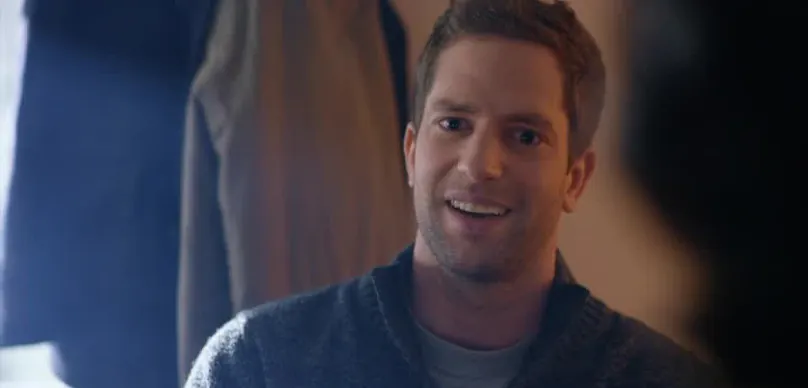
BPS 425: The Power of the Cut: Storytelling Secrets from Michael Trent

Right-click here to download the MP3

LINKS

  • Michael Trent – IMDb

SPONSORS

  1. Bulletproof Script Coverage– Get Your Screenplay Read by Hollywood Professionals
  2. AudibleGet a Free Screenwriting Audiobook

Alex Ferrari 1:29
Enjoy today's episode with guest host Dave Bullis.

Michael Trent 1:35
Well, initially, it's a family involvement. I mean, my father was a sound editor in England. He's now retired, so editing has been something that I grew up with, going to work with my dad. I've even got pictures of me back in the late 1970s with with single single stripe and film in my hands. So it was really my father that got me involved. But I also did go to a film school in England, a very small, relatively unknown one, but it was, it was still a film course that I did in England, but essentially it was a family connection.

Dave Bullis 2:13
So, so you were basically born into it. So it was almost like was in your blood to get into the film industry

Michael Trent 2:20
In lots of ways. Yeah. I mean, it really was. It was something that we grew up with on a, on a, you know, really a day to day basis.

Dave Bullis 2:28
So let me ask you, this, is there a difference, or of any kind, whether major or minor, between the the sort of the English film industry and the American film industry?

Michael Trent 2:41
If there is, I'm not sure that I'm really aware of it. When I was in England, I worked on lots of American films anyway, or at least what they were financed from the United States. So I couldn't really tell the difference. I mean, there's certainly larger budgets in the United States, and I did work on some English films that were over smaller budgets. But no, as far as the, as far as my work experience is concerned, that there wasn't really a difference, or isn't really a difference.

Dave Bullis 3:16
So, so when did you first, you know, decide, I mean, when you were editing, actually, let me ask you this, when you were, when you're going back into editing, and you were actually, you know, as you were sort of born into this, did you have, like, a movie, Ola, at home, or anything else, where you were just sort of cutting your own films together, or maybe even a Super Eight camera?

Michael Trent 3:31
Well, no, we didn't have a movie Ola, though they were quite big, big machines, but I did get used to using a movie Ola from the age of about, I would say, 10 years old. My father would bring us into work and and I would get to use the machinery and that and and steam Becks and flatbed chems. But we didn't have any equipment at home. No.

Dave Bullis 3:57
So, Michael, when did you make the trip then, from from England to over here to America

Michael Trent 4:03
In 1994

Dave Bullis 4:05
So when you came over, did you already have like, a few gigs lined up and like movies to edit?

Michael Trent 4:11
No, no, not at all. I was on a movie that started in England, and it was a, it was a picture called we're back a dinosaur story. And I was a sound assistant on that movie, and we were mixing at Twickenham studios in England, and the executive producer on the movie was Steven Spielberg, and he saw the mix from Twickenham and wanted some changes, and decided that it would be better to bring the movie from England to the United States to do the final mix at Universal. Actually, we ended up at Todd ao. But actually, it's the other way around. We ended up at Universal. That's how I initially came here. Yeah, that was all in that was in 1990 Three. And then I met a girl, in fact, on that movie, and then went back to England. In the meantime, we did the long distance relationship thing. And then I moved here completely in September of 94 but at that time, I had no gigs lined up when I arrived here, I really cold called British editors that I'd known in England, about five of them, and luckily for me, one of them came back, actually, with a job offer. So finding work was initially was was as a relatively easy for me, just because this, this particular editor picked me up and gave me a job.

Dave Bullis 5:46
So at that point he knew you, so you didn't have to, like, show him a real or anything, right? He so he actually knew you from before.

Michael Trent 5:53
Yeah, I knew I knew him from England, and he was British editor that would worked in England, and then was working here. He was working on a picture, picture called Rob Roy for Michael Caine Jones. The editor was Peter hones. And I say I knew him from England, and he was one of the people I called, and he just happened to have an opening at that particular time.

Dave Bullis 6:13
So just to sort of follow up on that question, and just to sort of you know if you're ever going, because I actually have some friends of mine who've actually gone from country to country, to country. I think that's a really incredible feat. Because if you go to a another, even if you're in England, let's say, and you go from maybe Manchester to London, you know, you're depending upon the size of the network you might have, you know, no nobody you know, have to actually hit your foot in the door through reels. You know, you're basically starting over from scratch, you know, and then going from a different country to another country. I mean, you really either have to a have a deep network, or you have to be able to just sort of, you know, get your foot in the door to a lot of places. And I actually know a couple of people, Michael, who actually moving from, like, different places, like Australia to England, because they want to actually get into the into the British film industry. Film industry. So it's just kind of, I always kind of find it, you know, fascinating, because just to be able to do that, either have to one of the, one of those two things, have a deep network, or be able to just knock on 10,000 doors to get one, yes,

Michael Trent 7:14
Yeah. Well, that, that's right. I mean, you know, when I look back on it, it was a crazy thing to do, but I was young at the time, and it it didn't feel scary at the time. It was just something I wanted to do, and for some reason, I felt that it would work out, and to one extent or another, it has. So I feel very lucky,

Dave Bullis 7:38
You know, don't you and you touched on something too. Don't you feel when you're younger? Maybe, you know, when you're first starting out in film, anything's possible, you know, like, anything you don't mean, like you could, it just feels that everything's just gonna come together, where you're in a project, or what have you just, Yo, you know what I you know, damn, the people who naysayers and I don't have a lot of budget, I don't have a lot of budget. I don't have a lot of budget. I don't have a lot of, you know, whatever, but we're just gonna go do something. You know what I mean? Because I mean honestly, like, I'm 32 right now, and when I was first starting out, I would actually go out and shoot a hell of a lot more than I do now. You know what has a similar effect happened to you?

Michael Trent 8:17
I think that it was definitely my experience was I didn't really consider the possibility of failing, and that wasn't any kind of not meant in an arrogant way. It's just that I just felt that it would work out. It was something that I really wanted to do to move to the United States and work in film editing, and it was just something that I felt would work out. And I wasn't. I wasn't scared about it, as I say, probably foolishly looking back, but I felt it was, it was just something that would, would just happen. There is definitely a sort of a fatalist element to it. I guess I just didn't consider what would happen if I failed.

Dave Bullis 9:09
Yeah, you take quitting and failing off the table, right? And basically you're like, you don't give yourself a choice. You just say, say to yourself, listen, this is the, you know, I have one option, and this is it. I have to do, go do this.

Michael Trent 9:22
This is what we're doing. That's, that's basically, was, this is what I'm doing, yeah, and there was no considering anything else. So it was just, I mean, there's been periods of unemployment in the interim where things have not, you know, always been easy. But initially, the somebody was looking after me for sure, and it was Peter hones. There's no doubt about that.

Dave Bullis 9:56
So after that one editing job that we were just discussing after that. Was over. You know, what did you do to go out and to try to find, like, more assignments and more movies

Michael Trent 10:06
After, after Rob Roy, yes, yeah, I was actually Peter hones had another movie which we went straight on to, so I didn't have to do any knocking on doors. We went straight, almost straight, onto a movie called Eye for an eye that John Schlesinger directed, and again, he picked me up as an assistant editor on that movie. So we all moved on as a crew. It wasn't immediate, but it was within a within a month or two. So we all moved on as a crew.

Dave Bullis 10:40
So and then, then, basically, did you keep like moving along with Peter as you, as you from project to project,

Michael Trent 10:46
We did. We did Rob Roy, I for an eye, then we did, I think, then the the next one we did was LA Confidential in in 1996 so those, actually, those three movies that I moved along with Peter. He hired me on three, three movies, and then I went elsewhere after that.

Dave Bullis 11:10
So after you went, you know, I actually am looking at your IMDB right now, and I have to ask, you know, you were the assistant editor on Saving Private Ryan, you know, getting to work with Spielberg and seeing some of you know of the footage they first shot and everything like that. You know, what was it like to actually work on Saving Private Ryan?

Michael Trent 11:28
Oh, well, that was. It was an incredible experience from lots of points of view. First of all, we knew, I'd read the script, so I knew it was going to be an amazing script, an amazing movie, but from a personal point of view, it was an amazing experience. We went from I'd worked on Amistad before that, and we went straight into Saving Private Ryan, but from say, a personal experience point of view, we went from here to Ireland. Took all the equipment with us, and we were editing in a field in Ireland. And then that was for the first three weeks of the for the shooting the opening sequence on the beaches. And then after three weeks, we moved to Hatfield in England, to a facility there, which was an old Aerospace Museum, and the set was built on the on the airfield. So, I mean, everything about that movie was amazing at the time, and we knew it at the time, and we were very excited to work, work on the show.

Dave Bullis 12:36
Did you ever get to actually meet Steven at any point?

Michael Trent 12:40
Yeah, many times. I mean, he would come to editing, usually at lunchtime, and we would be ready for him. We knew it was all set up beforehand. So yeah, I'd be in the room with Spielberg, and he'd be running on the Chem and selecting dailies. So I met him on many occasions. Yeah,

Dave Bullis 12:57
And I mean that obviously one of the most influential directors of all time. I mean, it was just, you know, and again, I the reason I bring that up is because of that he is just, you know, one of the most influential directors of all time. And you work with them afterwards on AI, which is a interesting project I wanted to ask about too. But so, so what was some of the things you took away from working with Spielberg? Was there anything he told you? Was there anything he told you, anything that, maybe you know, that he said that you just sort of like, oh, you know, that's, uh, you know, you know, when you work with people at that level, it's sort of like, you know what I mean, it's, you're looking for something like an a, uh, almost like a quote or or something that have that epiphany, that Aha, moment. Is there anything he sort of said to you that just sort of still sticks with you?

Michael Trent 13:43
No, I mean, I don't really remember anything that that he said. I mean, it was just an observation of somebody that can work, that just has such amazing ideas that can seemingly be manufactured out of nothing. There's one particular story I talk about, and we were on Minority Report, and we had been editing for a while, and Spielberg was away, I think he was in Japan, and he called into the editing room with a note of a picture change to make. And it was not just straightforward. It was fairly complex. It involved three four shots. And he said, I believe it will work better. And remember, he's in a remote location, he's in Japan, and we make the change on the Chem and, well, not unbelievably, because he's Steven Spielberg, but the change worked exactly the way he said it would. And it just said to me that he had some kind of video camera in his head that was able to actually run the footage back and then make editing changes in his own head. And I suppose from that point of view, I was thinking about. Yeah, you can imagining the edit is, is something that I try and do and and that was something that he did, and I suppose that's something that I try, and I try and utilize in my career today, that's a, that's the best way I can answer that question.

Dave Bullis 15:26
And sure, Michael and I wanted to just ask, you know, a follow up in editing as a whole. Are you ever given the script, you know, along with the footage, or are you just given, like, the Script, Script supervisors, notes, so to speak, when you're when you're actually editing films.

Michael Trent 15:41
Now I have this. I have the the line script each day, the live, the pages that were shot the day before come in, and they're marked up from the script supervisor, and I work with the script as I edit.

Dave Bullis 15:54
Okay. I always, you know, like to hear how different people work. And, you know, I've always wondered that, because I know I was just reading about how sometimes, you know, scripts are so carefully guarded. And you know what I mean, and it's just sometimes the editor, the editors, you know, they'll just get, you know, notes like that. Or sometimes they'll actually be given the full script so they can actually just go, you know, read through it. And I've worked with different line producers too, who sometimes say, Look, I get the script. I don't even read it, Dave, because I just, I just see different things like, you know, are pulled out of it, and you know what I mean, and they just go from there. So, so when you were working with, you know, Spielberg, you worked with them again on AI, and I believe that that film was started by Kubrick, right, and then it was finished by Spielberg.

Michael Trent 16:36
That's my understanding. I wasn't really involved in, the Kubrick end of it, I understand that Spielberg and Kubrick had had a conversation over a number of years about the making of AI, but I wasn't involved in the details of how that came about. I do remember that we had some footage that Kubrick had shot, and it was footage of of ocean waves, and it was going to be used as an element in the in the submerged Manhattan sequence. But as far as the the transition of the director, being Kubrick to Spielberg, I wasn't really involved in that

Dave Bullis 17:17
I see, and because I was just always fascinated. Because, you know, I heard so much about that movie, and you know that it was started by Kubrick and then had to be finished by Spielberg and and everything else. And, you know, I actually saw it in a in a film class I took in college, and I actually liked it a lot more than other people did. Because some people felt it would felt like two different movies coming together, when I always said that's probably what it was, because it was with Kubrick and Spielberg. But again, I just wanted to ask about that, because, again, you know, you that was a follow up to Spielberg. So just to sort of, you know, take this in, into your career trajectory, you know, when you actually went from an assistant editor to the actual editor, you know, you worked on some pretty cool projects. And I want to talk about, you know, just how you became the editor. So what point did you realize that you were ready just to take on all the editing responsibilities and be sort of be like that guy, so to speak. You know, when did you realize that you were, you were finally ready to do all that?

Michael Trent 18:18
I well, it was in, it was in 2004 when we finished the terminal. And what happened? I mean, you touched on it a little bit earlier. When you move countries, you have to restart your career. And that was definitely my experience, as much as I was lucky to be picked up by Peter hones it. I had to spread out my, you know, find new contacts. So essentially, I did have to restart my career. And even, even when I went with in with the Spielberg's editing crew, you know, they didn't know me and and I really had to sort of prove myself. So if I'd done, you know, eight years in England, and I did another 10 years, eight or 10 years here, I really felt, after that amount of time, I was ready. I mean, usually, if I stayed in England, maybe I would have made the jump sooner. But because I really felt I had to restart my career in the United States, I was I was ready, probably sooner than 2004 at the end of the terminal. Few things happened is that I moved up within the ranks of that editing room. One of the assistants who'd been with Michael Khan before me, moved on to edit himself. So I was able to to move up into a into the first assistant position. And I felt that I did the terminal and Munich as as the first as as well, actually one of the first assistants. So at that point, I had gone as. Far as I was going to go in that editing room. And I felt, again, maybe fatalist. I felt that I could do it. And again, I just decided that was what I was going to do. But in actual facts, it was, it was, I did finish the terminal. I went and cut a picture, and then I was out of work for a while, and they offered me to come back on Munich, which I did, and then I've been editing ever since then, on my own.

Dave Bullis 20:29
So when you went out on your own, you know, did you have a reel with you and say to different projects, did you say, Listen, I can I am, you know, ready to be the editor now? I mean, so. And also, at that point, did you have like, a lot of your own tools, meaning, you know, at your house, do you have, like, your own editing bay set up and and you can work that way?

Michael Trent 20:50
I have done, I sometimes have had I cut on my laptop, which is, you know, I'm talking to on my laptop right now. I have editing software on my laptop. I don't always like to do it, because I like the separation between home and work, but I do have some equipment at home from time to time. But to go back to your your previous question, first part of your question, I cut a couple of short films, and one of them, I cut on film, and then one of them, I cut on a laptop using software called FileMaker Pro, and that I used those movies as a calling card, and they helped me get editing jobs. They certainly helped me get my first feature length movie, which was a picture called My Bollywood bride, or also known as my far away bride, but I don't have an editing set up in my house, no.

Dave Bullis 21:52
So actually, that is a question I want to ask you, too. Michael is about actual editing. You know, when you're actually on a film set or you're actually in the editing lab, you know, working on this. You know, 99% of the films now are all digital. They're shot, you know, with, you know, probably one of, you know, 20 cameras. But you know what I mean, but like, versions of cameras, but they're all, they're all digital. You know, you're getting either different cards, or you're getting hard drives, you're getting something. So what do you edit on now, is there, like, a specific editing software, like Avid premiere, that you actually added on?

Michael Trent 22:25
Yes, Avid Media Composer. I've used, as I say, I've used Final Cut Pro, but not for a long time, but I've used premiere very minimally, although I'd like to use it more, but my main tool is Avid Media Composer.

Dave Bullis 22:40
And why is, is because I've heard other people using Avid. I'm like a premier guy. I actually just downloaded avid free. I don't know if you know this job, but avid just released a complete 100% legit free editing software called Avid Media Composer free. And it's sort of like a light version of Media Composer, the pro grade version. And I'm just, you know, I get in there and play around a little bit. It's, I'm so used to premiere that it's a little there's obviously a learning curve. But you know what makes average like, basically, what, what most pro editors want to use?

Michael Trent 23:12
Well, that's a tough question. I don't, I mean, I use it because it's always been the system that's been available. I'm not sure that the tool, I mean, I've used, I've done the opposite to you. I've actually downloaded the free version of Premiere, so I played around with Premier in that sense. But the most honest answer is that I use added Media Composer because it's, it's what's been available to me, and that's made me get used to it, and that now that that's the reason I'm the most comfortable with the with that system, it's just that's the one that was presented to me.

Dave Bullis 23:52
You know, when I was actually teaching editing courses at a college, which is a whole nother story, by the way, Michael, how I got into that we had, actually, we had a meeting because one professor wanted me to put in Vegas studios. The other professor wanted Avid Media Composer, the other professor wanted just Windows Movie Maker, and then I won a premiere. So it's kind of like, well, how do you please everybody, right? And so the answer was, we ended up just going with Premiere. And when Windows Movie Makers free anyway, so, and I think somebody else wanted Final Cut. I think this is what it was. So basically, you know, the one professor came to me and she goes, Oh, I've worked in different productions and this and that, and she, she was getting info from other editors. She wasn't actually an editor. Actually, I was the only person that's ever actually edited a movie in the whole room, which was actually which was actually kind of funny, but everybody else just heard things like, Oh, this is what this guy used, and this is what that guy used. So she was on productions, and she was like, Well, I heard from my guy that they only use advid, and that's that, and that you shouldn't be using anything else. And I always like to ask, because I always go back to that, because it was actually kind of funny. Me how we're all in a room and we're all just sort of having a pissing contest on which editing software to use, right? So it's good. I always, that's why I always ask that question. And whenever the students, when I actually whatever, whenever I would teach, they would go out into the field, most of them would find that people, did you still use avid and then. But I always said, you know, don't worry about an actual software worry about the principles of editing.

Michael Trent 25:25
Well, that's, that's, that's absolutely correct, and that's the reason I stick with it with Avid although, say, I'm certainly not against trying out premiere. It's just that I want to concentrate on the storytelling aspect of editing, rather than the sort of, how do you make a dissolve, which button do you push? There was a learning curve in the transition from editing on film to electronic editing for me. And I spent, you know, a while getting used to working with the AVID so once I was used to it, it's sort of, it's the devil, you know. And as I say, just I want to concentrate on the storytelling aspect, right? Storytelling aspect rather than the actual software.

Dave Bullis 26:04
Yeah, I completely agree 100% it's all about the story and telling the best story possible. And I wanted to talk to you also, just, you know about the hatred, obviously, you know, I've been interviewing everybody in the cast and crew of this movie. I actually talked to a friend of yours, Thomas Fleming, Oh, yeah. And Thomas was like, oh, make sure you talk to Michael Trent. That guy's amazing. And I was like, You know what? He's actually next on the list for me to talk to. So here we are. But I wanted to ask about the hatred and about, you know, editing that. You know, editing that. So, you know, how did you go about, you know, getting the gig on this movie.

Michael Trent 26:44
Well, it was a situation where I was I knew the director, the director and I met at elementary school, not to say that we met when we were 8, 9, 10, 11, our sons went to the same elementary school here in Studio City and in in, well, certainly the Studio City area, whenever you meet parents, says there's lots of people that are involved in the film industry. And Mike and I were just talking, just standing around, and, you know, we ask each other what we did, and that was a number of years ago. So I met Mike through our sons at school, and had talked for, well, probably a couple of years about filmmaking, and then he asked me to edit the short film of the hatred, which was called Hush. And then we had a certain amount of success with that, and he asked me to edit the feature after that, so I didn't actually have to go out and get the job in this particular instance, because I already knew the director.

Dave Bullis 27:59
And, yeah, Mikey Kehoe, he's, he's everywhere, right? I mean, by the way, do you know that the trailer for the film has over 10 million views?

Michael Trent 28:07
I did hear that I got Mike. I didn't know it was as much as 10 million, but Mike Kehoe called me the other day and said we were up to 7.4 million views. So that's just incredible, that we're at 10 million views. Yeah,

Dave Bullis 28:20
it's, I actually saw it go over, I think either on Friday night or last night, which is Saturday. I I saw it roll over to 10 million. And I was like, my god, this is, you know, this is like a juggernaut. So I wanted to ask, you know, Mike, did you? Did you edit the trailer as well?

Michael Trent 28:37
No, I edited a version of the trailer, but I believe the trailer was made at through Lionsgate. I believe that's correct. But no, I wasn't involved in editing of the trailer.

Dave Bullis 28:52
Okay, I know sometimes the editors don't. Actually, there's a whole different trailer editor. And I just wanted to ask, you know, but so, you know, it's amazing that's over 10 million views. And, you know, obviously, when, when this comes out on September the 12th, you know, I'm actually, you know, interested to see, you know how you know, you know how you know, everyone responds. And you know, because, again, like Mike and I were saying, he wishes the movie was coming out, you know, this weekend, because he's like, you know, all these things are happening. And he goes, now we have a, we have a whole nother month or so before it's actually out. Yeah, yeah. So, you know, Mike, I wanted to ask you about editing the hatred when you're actually editing a horror film like this. Do you find that it there's a lot more of I mean, obviously timing is everything, right? So is there more of a timing when you're doing something like the hatred with horror, rather than maybe something more like, I guess, comedic, like, like gem in the holograms, which you also edited. You know? I mean, obviously they're, they're two. Very different films. So, so obviously, is there a lot of like, what are some of the nuances that you have to sort of go through when you're editing two for two different films, just like that, just as an example?

Michael Trent 30:10
Yeah, there's definitely a difference. I mean, without with a movie like The hatred especially, I mean the opening of the movie? Well, the opening of the movie was, I edited with a certain amount of suspense. When we introduced the girls, I edited it, let's say more of a normal movie. But when the the the entity starts to take over, the take over the take over the House. But basically you edit, to put it simply, to try and build tension and suspense the shots, I just keep the shots longer and hold on things a little bit more than I would certainly with a in an action movie or with a with a comedy. Obviously, comedy is very much tied up with timing as well. But if I was to put give you the broad strokes is I generally hold the shots longer to try and build tension and suspense with a horror movie.

Dave Bullis 31:14
So do you sometimes think that? You know, and when I was getting into editing, I made the mistake of cutting too much, and there was actually a professional editor who once told me, she said, Dave, when you cut too much, like you're doing right now, it gets a sense like there's a fight back and forth, like a power struggle. And I started because when I was at when what I was doing was I was cutting on the dialog, so as soon as you were done speaking, cut, go to the other person, and it was like, You know what I mean, like it was, and she goes, you see how that feels? Like I almost like an argument. And I said, Yeah, I get that. Now. I totally get that. And you know that that's some of the things that I picked up too over the years. That's why I imagine. You know, when you're when you're doing horror, you have to hold on to those shots just a little bit more, hold on to those edits, just a little bit more, because you are trying to build that, that tension, suspense.

Michael Trent 32:01
That's it. That's absolutely right. I mean, there was one particular instance in the in the in the hatred, and it's where Alice walks across the room before she's about to go down into the into the cellar. And we started that shot and kept it long. It was just so she could do the whole walk across. She goes past a a wall in in the room, but we kept the the whole length of the shot, and then also down the stairs. The whole piece was kept almost at full length. And it's for that exact reason. It was it, you know, just to build, to build that suspense. But definitely, I mean, another example I can, I can think of, is this was in another movie, I think, but it was a similar kind of genre, but a shadow appears on the wall, and rather than cut when she walks through the door, you start on the where the shadow first appears on the wall, and hold that shot all the way through to when the character walks through the door, and again, with the hope and the aim of creating suspense.

Dave Bullis 32:59
So what are some of like the one of the final things that you hope just to talk about the hatred, just to sort of like, come full circle, you know, what are some of the things that you you hope people take away from the hatred after they got to after a viewing of the movie?

Michael Trent 33:12
Well, I hope they, I hope they're scared, and I hope they talk about the movie afterwards. If they, if, if we put them, the audience, on the audience, on the edge of their seat, then I believe that we've done our jobs, as long as it's, you know, they they enjoy the movie for those reasons, say, and get scared then, then I'll be very happy.

Dave Bullis 33:38
So, you know, Mike just, sort of just continuing to talk about editing, you know, what are some of the tips or principles that you've learned over the years, you know, that you would, you could, you know, just sort of give the listeners who are maybe starting to edit their movies or or maybe just to something that, you know, they could use if they're trying to edit their own movie.

Michael Trent 34:00
It's a good question. I think it probably goes largely, goes back to what we were just talking about. Is that you want to say, first of all, read this, read the scripts, or read the scene, and then decide what the emotion of the scene is. If the the emotion of the scene is a fight, then you would edit, just as you described, you know, cutting very quickly on the dialog lines, or even on the dialog to give the impression that one person is cutting the other person off. If it's a romantic scene, again, you you'd roll those shots out a little bit longer to to create that, that romantic atmosphere. Comedy probably speaks for itself is you've got to cut the right reaction after the right amount of time, after the punchline, and hold on the punchline for the right amount of time. I think that these are the things that I've learned the most. Because I think that a lot of editors. Might have that tendency, as you just described, to cut too much. The other thing that you might I often think about is, is cutting to reaction shots, and what is that person thinking? What is the opposing person thinking as that dialog line is being spoken, and is it, is it relevant to cut to their reaction? And I think it's all about generating the emotion that's intended by the writer, you know, that's written down. So I try and emulate what was originally imagined by the writer.

Dave Bullis 35:42
And you're always, you know, also talk about reading the script and about, you know, finding the essence of that scene. You know, what's the scene really about? You know, I've you hear that a lot, too, in writing, and you realize just how closely involved editing and writing are, because, you know, you're trying to build that same atmosphere. And now you're doing it with the actual footage, while writers, you know, you're doing it and trying to get people to imagine this in their head, you know, trying to get, like, this little this, these images, and how everything would pan out in their head. So, you know, they're, they're very closely related. And, you know, finding that core of the senior what's the scene really about? You know, maybe it's not really about a fight, that's just the after. That's really the, the sort of causation from the actual, you know, I guess I want to say core of the core of the problem, if you, if you will,

Michael Trent 36:29
That's, that's, that's correct. I think that you do work very, very, very much with the sort of the writers intention in mind, or at least my interpretation of what the writer's intention was, and I edit with that in mind, for sure.

Dave Bullis 36:50
Yeah, and you know, that's something to When, when, whenever you're editing anything, I think you have to ask yourself those questions. You know, you have to ask yourself those you know, why are we even? Why is this scene even in here? You know, obviously, because somebody once told me about it, about, you could tell the difference between a good editor a great editor by how, how ruthless I'll cut stuff. And there was this. There was this one time a friend of mine was on, was telling me that it took them two days to get this scene right. And the editor said to them, Look, you got to cut it. And my friend said, who was the director? He goes, but it took us two days to shoot this stupid thing. And the editor said, Yeah, but it has, it adds absolutely nothing to the movie. Mm, hmm.

Michael Trent 37:33
I think that that's that. That's That's absolutely right. I think that as an editor, you also have to look at the edit with the big picture in mind. You you maybe edit a character, but then also edit that character with the whole story arc of the movie in mind. So if there's something that's going to pay off later and and there's a look maybe that you can hold on to, not to tele necessarily, telegraph to the audience, but it could be something that say, you hold on a shot earlier in the movie, which then pays off later. But I think that definitely you have to edit with the whole movie in mind. Yeah, that's very true. And that also that includes that if a scene is not giving anything to the movie, even if it took two days to start, then you have to, you have to cut the scene and and and be ruthless about it. If, in the big picture, that's, that's what's best for the movie.

Dave Bullis 38:33
You know, I always watched Deleted Scenes off of some of my favorite movies on like blu ray or DVD, and when I watch them, I can go, oh, you know what? Now I see why it's a deleted scene, because literally, it added nothing to the movie. It added absolutely nothing. And if you actually put it in there, what if, you know, drug it down, yeah, because you don't want people in the theaters be checking their watches going, Oh my God, when is this thing going to be over?

Michael Trent 38:55
That's exactly right. And that's, that's, you know, that's the hope that we can judge what those scenes are and and take them out for the good of the movie.

Dave Bullis 39:06
Yeah. And very true. And that's where you want to make sure the movie just sort of flows all together. And I think that's what we're all going for, you know, even when we're writing a script or, you know, I'm actually, you know, we're all trying to make sure that we're a servicing the film as a whole, rather than anyone's, you know, ego, so to speak, and to, you know, always making sure that the movie is just flowing together and not to just to just disjointed. If I could actually talk, I would actually help disjointed. So Michael, we've been talking for about, you know, 35 minutes now. So in just in parting, is there anything that you wanted to talk about that we didn't get a chance to or maybe just sort of any final thoughts to put a period at the end of this whole conversation.

Michael Trent 39:58
Only that. Uh. You know, I've been, I've been doing this, this job, for a number of years, probably more than than I care to remember. But it's a I love the job to be, to be an editor is, is really, for me, a satisfying profession. And as the cliche goes, if you enjoy what you do, then you never work a day in your life. And that, for me, about editing is absolutely true. It's it's a passion of mine and something that I enjoy every day. If that's something I can offer up as a not that it's always easy. There's periods of unemployment, but if you, if you stick at it, then it's a very satisfying career.

Dave Bullis 40:48
Yeah. And that's, you know, a good way to sort of put it, any a period at the end of this conversation, is you have to do what you like. You have to do what you love again. If I could talk Michael would actually be helpful, but, but, yeah, you have to do what you love. And you know that that's key to life. You know, I, you know, myself included, sometimes I've just done things or work jobs that you just hate. You're like, What the hell am I doing to myself here? So you have to, you have to really love this business to to make sure you're actually, you know, you want to do it. And there's a lot of tests in the way that actually make sure you're like, do you sure you want to do this? Yeah, so, Michael, where people find you out online?

Michael Trent 41:26
I'm sorry, what was that?

Dave Bullis 41:27
Where can people find you out online?

Michael Trent 41:29
Well, I have my IMDB page. I have a Vimeo page also, really just Michael Trent, film editor, Google that and a bunch of my stuff comes up. My LinkedIn page, my IMDB page, the name of my agent, and my Vimeo page also come up. But yeah, Google, Google my name and film editor, and that's my online presence.

Dave Bullis 42:00
And I will link to all of that. Everyone in the show notes at davebullis.com Twitter, it's at dave_bullis, and the podcast is at dbpodcast. Michael Trent, I want to say thank you so much for coming on. And you know, I'm looking forward to The Hatred.

Michael Trent 42:15
Great and thank you for having me.

Please subscribe and leave a rating or review by going to BPS Podcast
Want to advertise on this show?
Visit Bulletproofscreenwriting.tv/Sponsors
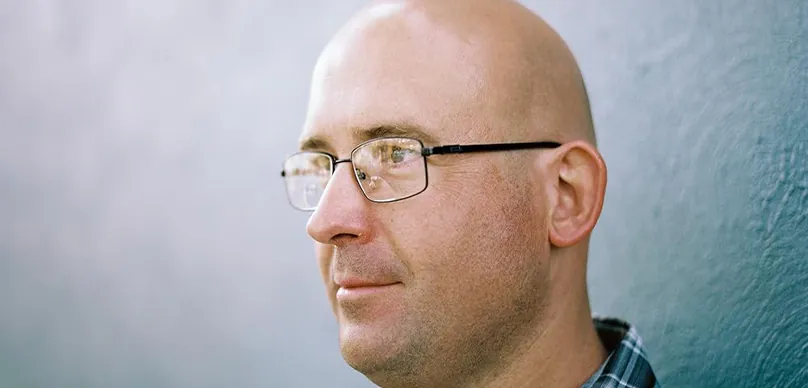
BPS 424: From Short to Feature The Filmmaker’s Journey with Michael G. Kehoe

Right-click here to download the MP3

LINKS

  • Michael G. Kehoe – IMDb

SPONSORS

  1. Bulletproof Script Coverage– Get Your Screenplay Read by Hollywood Professionals
  2. AudibleGet a Free Screenwriting Audiobook

Alex Ferrari 0:24
Enjoy today's episode with guest host Dave Bullis.

Dave Bullis 1:24
You know me and my guest today, we go over all of this stuff, whether it be networking and professionalism, and we also go over one of my favorite topics, creativity. My this guest is also going to be at Geek fest Film Fest four. It's funny because Bill Ostrov, who was on the podcast only a few episodes ago, actually runs Geekfest Film Fest four. That's very hard to say, by the way. I keep saying it. I keep thinking I'm gonna mess it up. But no but all kidding aside, Bill actually runs that that this competition, and he runs the Film Fest as well. And Bill obviously for first glance films. He was on the podcast only a few episodes ago, and we talked all about everything. And it's funny because Mike, this guest this week, actually won the first glance Film Festival with his short Hush, and now he's gonna be on this film panel. So when you hear this podcast, which is going up on February 12, 2017, next week, next Saturday, he'll actually be at this panel. He'll be discussing indie film financing. He'll be discussing how you have to use creativity to make your film. And he is just a wealth of information, as you're about to hear. He also was able to turn a short film hush into a feature length film, which is going to be called the hatred, or Alice the hatred, as the poster says right now. And he even got the producers of the Halloween franchise on board with it, which is unbelievable. So we're gonna talk about all of his journey. We're gonna talk about all of these wonderful, wonderful things, about hustling, about all these things with guest Michael G. Kehoe so, you know, Mike, you grew up, you know, in Ithaca, and then you, you know, obviously, you now live in Los Angeles. So what was the journey that took you from Ithaca, out out to Los Angeles?

Michael G. Kehoe 3:45
Well, I was actually born and raised in in Brooklyn, New York. And my mother was a, was a theater director in the local theater there. And I always, I watched her work, and as she was, you know, involved, deeply involved in the theater there for the community. I went as a little kid, eight years old, watched her at the theater and directing actors and setting the plays up and the sets. And then when we moved up to Ithaca, I knew that this is what I wanted to do. So I started pursuing that I gotten. I played sports, so I wasn't one of these guys that was ostracized because he was either a nerd or a jock or a freak. I also played guitar, so I was in a band, and I got in the drama program. And while I was in the drama program, I knew that there was, there was a path, some way, to get into the film industry. I didn't know what a producer was. I didn't know, you know, I only knew that I had to go out and at some point, go to California, go to Los Angeles and and make movies. And what inspired, what really lit the fire was I directed and played McMurphy in a stage production. Of One Flew Over the Cuckoo's Nest that myself and a couple of friends presented to the sports Booster Club to raise money for them. And not knowing what a producer does, I built the set, and then I got all of the the football players to play, the crazies in the in the play, and that brought in so many people to see their sons, you know, coming, coming in, this football star playing in this play. And it was a sold out weekend for three weekends, you know, the first time that that's ever happened in this small town of Trumansburg, New York. And that lit the fire. And I went on to go to the American Academy of Dramatic Arts in New York, and then came home and decided this was it. I had to take the shot and go to California.

Dave Bullis 5:49
So now, before you moved out to California and LA, specifically, when you, before you moved out there, did you actually, you know, have, like, a place to stay and have a job already lined up?

Michael G. Kehoe 6:01
No, I had nothing. In fact, I came out with three other guys from school. We had made a plan to to, you know, to get out here, and I had already been bartending, so I knew that I could probably get a job once I got out here and in New York at the time, you know, you could, you could start bar thing at 18 in California, was 21 and I had been I was 21 at the time. So when I applied for a job, they said, how many years experience? And I told them, I since 18. They say, well, that's not I said, Well, that's what it is in New York. So I landed a job, and it was at this little place in Studio City called steep Geez. And ironically, before I let when I while I was there, there was a friend of mine that I went to school with. His name was Jimmy Hayden, and Jimmy Hayden was an actor, and I had another friend named Michael Kuchel. And we were, we were very good friends, and I was bartending in Manhattan at a place called eileens, and one night, when we had closed up, the three of us made a pact and said, We're gonna, you know, when one of us gets in there, we're gonna pull the other two in. So I had, you know, left closed up shop, so to speak with my life in New York and moved to California, and then I spoke to Jimmy on the phone about a year or so later, and Jimmy had told me that Michael Kuchel had died, and it was, he was depressed, and it was, you know, it was a long story for that. And then Jimmy had said to me, Listen, I'm, you know, things are going well for me. I did a movie with Robert De Niro called Once upon a time in America, and I'm going to be on Broadway with Al Pacino in a play called American Buffalo. And I said, I got to see he says, Well, we're going to be in certain in San Francisco, so you got to come. We'll go out to dinner. I said, Great. Well, about two months later, Jimmy was dead of a heroin overdose because the character Bobby in the play was an addict. And I'm not quite sure exactly how all of this had happened or how it went down. But Jimmy was not really a drug addict, you know, and he was an incredible actor at the time. In fact, Mickey Rourke dedicated his performance in Pope Greenwich Village to Jimmy Aiden. So that relationship between myself and those two young actors really set an idea up for me that I had had about, you know, creating film. And I made my first short film called second dance, and it was, it was basically about myself and and my relationship with two guys. And I was depressed when I came out here, not working, not knowing what was going on. And I ended up writing that short film that was about a guy who was at the end of his rope, and two of his friends come back as angels to visit him, and he's about to commit suicide, and they convince him it's not the thing to do. Well, that went on to I take its journey, and ended up at Sundance.

Dave Bullis 9:00
You know, that's absolutely incredible. You know, just to, you know, take a step back for a second. You know, when you said you have that pact with friends, you know, if one person makes it, you know, the other, the other, the person makes, is gonna help the other ones up. You know, that's, that's actually something that, you know, I've heard of before, too, where, you know, friends, or even if they went to the same college or grew up in the same neighborhood, and, you know, they sort of say, Listen, if you know, one of us makes it, we're going to do our best to help the others, whether that be through contacts or introductions or, you know, what have you. And we're also going to tell you what is actually on the front line of things. And you know, like, I had a friend of mine who was a screenwriter, and he, you know, he made it, and he always was telling his friends, you know, this is how your scripts got to look. This is what it's got to be. Because you got to get one shot with this through an introduction, and you have to make it as good as possible.

Michael G. Kehoe 9:50
Yeah, you know the to me, what, what? What has to happen in your life is whatever relationships that you. Have, and whatever bond you have, you know it's very important to continue that especially if it's going to be in a certain business, whether you're in whether you're in a travel business, whether you're in the restaurant business or anything like that. Your friends can actually help you. They can actually hurt you as well, depending on you know, how your friends are with you and how that bond is. And I think that having that support, sometimes of a creative friend that's along with you can elevate your career as well as their own. And I truly believe that giving back, you know, is also part of it. And I, you know, I cherish the relationship that I had, as though, you know, but it was short lived, because it was only a couple of years in New York, and then when we came out, you know, I didn't get to see them, and when I heard about it, what had happened. It was it kind of, it was devastating, you know, knowing that we had this plan to go out and do it, but you can't, you know, you can't give up, and they wouldn't want you to give up. So I just, you know, I continued the journey.

Dave Bullis 11:15
So, I mean, and again, you know, when you were talking about how both of your friends had passed, you know, and the one had died from from a heroin overdose. I mean, that that is just unbelievable out of left field, because, like you just said, you know, he, you know, he wasn't, you know, into that, or never had, had no, been a known drug addict or anything like that. And, you know, it's just that's, you know, that's just one of those things at a left field. And, you know, remind, you know, it just reminds me of a few things that that have happened to other guests as well. You know, where they were, something, you know, a friend of theirs has just missed, you know, just died, and she's been clear out of the blue, like you see him one day, and, you know, it's almost like they're gone the next,

Michael G. Kehoe 11:56
Yeah, you know, look at the I guess. You know, the 70s and 80s were really a time when people were exploring and testing things out in their lives. And since this character, I can't speculate. I can all you know, I can only try to try to put things together in a sense where possibly this happened. But I don't want to, you know, say for sure. But you know, when you play a character that's a heroin addict. You know, most actors won't do the heroin. Some people may just, you know, may test it out and and it becomes their demise. And Jimmy was a great guy, you know, he, he was a very talented actor. And I don't, you know, I don't know how it went down, or who he was with, or the crowd. You know, there's, articles about it, and people wrote things about who he was with and how it was influenced. But I think what you have to celebrate is their lives and the work that they did, which was far more important than that. You know, that downward spiral that caused it, and Jimmy's work speaks for itself. You know, it's, it was a remarkable career, you know, short lived, much like James Dean, you know. And in fact, in fact, they compared him to James Dean during that time. So, you know, it because of that relationship, it inspired me to do that film that really opened the door for me and go and move on. So I believe that they were, you know, they were part of it,

Dave Bullis 13:22
Yeah. And you use this as inspiration to, you know, to write and direct. And you were actually able to produce second dance, you know, which was a short film of yours. And, you know, you also got one of my favorite character actors, by the way, in the film, Carmine Felipe, or Philippe. Yeah, Carmine was every move, every move that Carmine is in, he is just, you're you're just drawn to him. He's like a magnet. He it could because his performance I and every move I've ever seen of him, no matter whether it's in Wayne's World or Beetlejuice. He's era, you know, or even in, you know, in your film secondhand, he's just always you're just drawn to his performances.

Michael G. Kehoe 14:03
Well, you know, the funny story about about him was, I was working on another movie in production, and I, while I was on set on location, who's walking down the street in Hollywood is Carmen and and I knew that I wanted to have someone in this short film. Usually, what people try to do is they try to get one name, a big name, or something like that, to do a cameo, to do in your film. And I didn't want, I didn't want it to be, you know, to get Al Pacino, you know, in in the in the short film. I would have loved to have done that, but I didn't see, you know, a spot for that, to put it in there and take your attention away. So when I talked to Carmen, Carmen is completely different, or was, you know, he passed away, but he was completely different from the characters that he played on on film. And we had a great discussion about acting, about life in Hollywood, and his journey as well. And I. Told him the story that I just told you about the, you know, the process in which second dance was made. And he, he, he was drawn to the story, and he wanted to be a part of it. In fact, after he read the script, he had said to me, I love it. I want to do this no matter what, I'll be there. Would you mind if I, kind of, like, you know, went off the script for a little bit, and I said, look, as long as you stay on the path of where we're heading to, you know, your dialog will be golden for me. Just make sure that we stay within those confines of the story. And you know, when you do a short film, especially when you're shooting on film, because I shot that on 35 millimeter, you don't have a lot of luxury to do multiple takes. And I think we did maybe, maybe two or three takes at the most of him. And I let him go, and I just said, go, go with it. And, you know, he lit up the screen. He looks great on film. He's engaged with the characters, and he communicates extremely well. And it's just he was a pleasure to work with,

Dave Bullis 16:08
You know. And we talked to about that, you know, on the podcast too, is, you know, the difference between 35 millimeter and digital, you know, because, you know, the filmmakers who who've shot on both, they've, you know, that's the one thing they like about digital is that they can do, you know, they can't afford that luxury of multiple takes, because obviously, you know, you know, it doesn't cost anything to, you know, put another file on an SD card or what have you. But again, when you're working for 35 millimeter, there's there, you know, every take, literally, literally does cost you money,

Michael G. Kehoe 16:39
Without a doubt. In fact, you know, I cut the movie on a movie Ola. And, you know, people don't realize, you know, the film thinkers of today what even what a movie Ola is, unless they Googled it. And you know, you have this tiny little screen that's like a three by five screen, and you put the film and the sound through it, and that's what you're watching to get your final product out there. And it's a big risk, you know, it's, it's a, it's a, it's just a chance that you're taking, you know? And we didn't have, we also didn't have video playback. So I stood by camera and watched the performances there, hoping that my, my DP, my cinematographer, would capture the essence of what was in the script and and he did, you know, we, we literally, I love films that are dark in the sense of their lighting, and doesn't, doesn't look flat, and just does it, just exposes, just enough To bring you into that world. And Chris Mosley, who's my DP, we had long discussions prior to that about the this process and knowing that we had to capture things, I didn't care. I wanted to give it like a film noir look with color and and go through that process. But by by doing it on 35 millimeter, I was limited to the number of takes the time. And, you know, poverty breeds creativity, so we did what we could to get the best performances on screen, and everybody, from the background to, you know, the main actor, they all pulled it off. And the proof is in the pudding for the film itself.

Dave Bullis 18:21
Yeah, and you mentioned something to that is thought provoking, to that I've mentioned other guests, and we've talked about is the, the relationship between the director and the DP, you know, like today, you know, people usually get monitors, you know, and they watch, they can see the exact framing, you know. But, but it used to be you had to trust your director cinematography, with with everything, because, you know, you didn't get it. You didn't see what they were actually getting. If you know what I mean, they were, they were actually, you had to trust them, that they were getting this correct shot, that everything looked good. And you and directors would stand, you know, watch the actual, actual character performance, the actual, the actual actor performances, right then and there, but, and not on a monitor and, you know, and now nowadays, so that's, that's what most directors do, is that they have the actual monitor now to see the performances as they're happening.

Michael G. Kehoe 19:09
Well, you know, you're absolutely right. And what I, what I try to do, and what I've done on my films, is communicate with my DP and allow him to paint the picture. I give him a map of what we want to do. I try to frame certain things, and he lights and takes it from there, when I did hush the short film, my DP, John Connor and I, we worked for four and a half months beforehand and had everything mapped out. I did the storyboards. We looked at camera angles. I had purchased something on my iPhone, which was called Filmic Pro, to take video and snapshots of the set and the actors in position. So we had some sort of framing for that. But I did discuss with John, which we were, we were pulling our hair out, and I said, Look, I don't want, I don't want any lights in this movie. It's at night. It's in indoors and interior shots. I said, I don't want any lights at all. I just want a flashlight. And John, you know, said, How are we going to do this? We shot with the Alexa, but we came up with a plan and an idea that was sparked in the preparation. And you use these little tricks to create the scene, and it worked perfectly. And if it wasn't for that prep time and the discussions and the relationship between myself and the DP, I don't think we would have had what we had. And most filmmakers today, they just want to make a movie, to get out there and make a movie. But if you don't have, if you don't have a good dp and great sound, then you're traveling down a road where you're just like everybody else, and you're just going to shoot on an iPhone or something, and it looks flat and there's no style to it. But when you create something and you have a great relationship with your DP, who shows a style, it elevates you as a filmmaker. And I think that's one of the things that's very, very important to a lot of filmmakers, or for a lot of film filmmakers. And you see it in a lot of the in the horror genre, where the lighting and and the composition is just done so well in most of those films. And I think a lot of the successful film, like filmmakers today started out in in horror.

Dave Bullis 21:46
Yeah, that is very true. And you know, that's something that I've even talked about at the beginning of the podcast when I had on David huel from a horror movie school. You know, a lot of successful filmmakers actually did start in horror. And you know, like, like Sam Raimi always is the first one that comes to mind, you know, because Sam Raimi made Evil Dead, and then Evil Dead too. And then, you know, he sure, years later, he went on to make spider man. And, you know, now, you know, he gets those big Bucha, big blockbuster movies,

Michael G. Kehoe 22:15
Right! Well, I mean, James Cameron made Piranha the Spawning, yeah, you know, there's just, I mean, you look at the people who who started their career out, especially with Roger Corman, and you know, it was Francis Coppola, there was Martin Scorsese. And all of these great filmmakers of today actually gave got their start through that. You know, that path that Corman set out to create. So, you know, I got to give a lot of credit to to filmmakers and producers like Roger Corman, because he opened the door for people they didn't have a lot of money to make those movies. But I think that goes back to saying that poverty breeds creativity. And when you're a filmmaker, your creative side, and your those creative juices have to flow, and they have to flow with your VP as well as your actors. And when it all comes together, you know, this is, this is what filmmaking is.

Dave Bullis 23:12
Yeah, I love that saying, by the way, poverty breeds creativity. I like that, Mike. I might have to steal that, by the way, it's yours, yeah. So, So, Mike, after you made second dance, you know, you made some other films, obviously, between second dance and hush, you know, hush I want to get to, but I want to talk, you know, obviously, about those films in between. You know, after you film second dance, did you, did you take, did you take it to any film festivals, and where was that? How, you know, did you parlay that into your next film, which was dominion?

Michael G. Kehoe 23:46
Well, what I did was I submitted the I submitted second dance to Sundance, and I didn't make it because it was, it was too late. So I talked to a friend of mine who's a producer, and he said, Look, let's get a screening. We'll get a screening. We'll get a room over at Tristar, over where Sony is now, and we'll screen that, and then that, you know, you'll bring some people in. Look, there may be only 30 people that show up, and we'll see what happens. So I said, Okay, and now, you know, you you have a 35 millimeter can that you walking around with. This is your child. So I brought that to Sony, and I put word out. You know, I had been in the movie business, in working in production which my brother got me. I got my brother into it, and then he got me on the in, on that side, and we got a 99 seat theater, and I waited outside, and 500 people showed up, including Keanu Reeves, and because I had worked with him on speed. And so now you know, what do I do? And I had to show the film five times because there's only 99 seats. And when it was over, the projectionist came to me and she said, and it was a woman, and for the life of me, I can't remember what her name was, but. I'm actually searching now to find out, because we're about to screen the next movie at Sony. And she said to me, Michael, Have you submitted this to Sundance? And I said, Yeah, but it was too late. I didn't make it. She said, Well, why don't you leave it here, you know, for this weekend, because I the gentleman that is part of the shorts program. He's in charge of the shorts program. He would be here, and I should show this to him. This deserves to be in there. So I thought, Oh, my God, I'm leaving my child here, you know, at Sony, you know, over the week for the week, and I trusted her, and came home, you know, and about four or five days later, I get a truck comes up with the can film can, drops it off for me to sign, and I figure it's over. I don't hear anything. Well, about two and a half weeks later, I get a letter in the mail says Sundance. And I thought right away, this is a rejection letter, just thanks for sending it in, but no thanks, and I'm sitting on the front porch with my dog, and I open the letter, and sure enough, it says, on behalf of Robert Redford and the Sundance Film Festival, you have made it to the festival. So I jumped for joy for that, and went to went to the festival. It was, I think it was at the same time that Hoop Dreams was playing at that time, and Matthew Modine was in a short film, and Winona Ryder, and so we were all interviewed by Entertainment Tonight for that. And I got a, I got approached by another company. I had written a an action, a thriller, that I just wanted to sell. I didn't want to, you know, I didn't want to, I didn't want to direct it. And they approached me and they said, you know, this would be great if you will do this, if you want to direct it. And the producer who helped me with the short ended up producing that, and we went on to do that feature. The funny story was, I had been working in production, you know, at a craft service company, and I was doing a movie called Airheads with Adam Sandler and, you know, Steve Buscemi, and Ernie Hudson was in it. And Ernie Hudson would get a couple of scripts, you know, during the course of the week. And what I did was I took my script and I got the PA who was bringing it to his his trailer, and I sneaked it in there. And about two days later, Ernie called me to his trailer and said, Did you write this? I said, Yeah. He says, I want to do it. And I said, Oh my God, it's great. So I prism at prism entertainment at the time, we made a deal together. It was a $1.3 million movie, and Ernie was in and we did a promo shots with Ernie space on the poster, and got everything together. And then a couple of months, about a month or so before shooting, Ernie came to me and said, Mike, I feel bad, but Kathleen Kennedy called me and I'm going to do this movie called Congo. And he says, I won't be able to do that movie. And I, you know, of course, I was disappointed, but you never want to say, Screw you. You're supposed to do my movie that you don't survive in this industry by being that way. And I was so supportive of it. And I said, Look, go do that. You're gonna, you're gonna do a lot better than doing this movie for this little movie for me. But we ended up getting Brad Johnson and and also, I don't know if you, if you've seen the movie Brian James, who was in Blade Runner, and 48 hours, and a number of other actors, and in Richard, really, who plays a character role in that. And then that went on was, I think it was on. It was on cable for a while, and then I went off to do a couple of other shorts that won some awards, and then I did another feature called The Art of a bullet with Lafe Garret. And, you know, I people were laughing at me of casting lace Garrett in this in the lead role, but I have to tell you, Lafe did such an amazing job in this role. It was a dark, kind of a film noir, detective thriller about a home invasion. And he was, he was spot on. And then, of course, after the film, he got in a little bit of trouble, and things kind of went sour for a while for him. But it really worked, you know, it worked out for the film itself. And, you know, we got a small distribution deal overseas for that, and then I went on and started writing again, and that's when I came up with this idea of finally doing a horror movie.

Dave Bullis 29:35
So, and just to stop and ask a question right here, don't you think it's important for for pretty much everybody, whether you're an actor or director, to be writing your own scripts, just just to even if, whether you're going to shoot yourself, or even just to hand it to somebody else and maybe say, Hey, would you want to make this?

Michael G. Kehoe 30:06
You know? I think, I don't think any, you know, it's, it's a great question, because there's some incredible writers out there, independent writers that haven't made it yet, and they have some remarkable scripts, and they don't want to be a director, they don't even want to be a producer, they just want to write. And so yes, I found it that in the beginning stages of my career, when I first moved out here, I bought myself a computer, and I, you know, not even knowing how to use it, the only thing I wanted to learn was a screenwriting program, and I had the first, you know, version of Final Draft when it came out and started writing that, because a writer writes, and that's what I was trying to do, as well as make my film. But I think you know, if you as a filmmaker starting out, it might be, it might be wise to either write something, if you're able to write something that is is readable and enjoyable for the for the reader and the audience, but you may find a writer that's out there that has written something that that you may not be able to pull off in your own writing skills. I mean, I'm reading some scripts now that I would never be able to do, and I love and I, you know, I'm working on trying to to acquire them, but you know that it's a great question to ask. It's, I just think it's the individual of who wants to create something and, and maybe sit with a writer and create something or, or do it yourself, like you said. I don't think there's any specific answer for that.

Dave Bullis 31:43
Okay, you know. And it's always something when I always ask everybody, because, you know, some people are always, some people got very frustrated about, you know, not having options. Some people wanted their make their own opportunities. There's, there's always a couple of key words, just one single word that I always find on the podcast, Mike, one of them is creativity. Another one is opportunities. And I always sort of let you know we can draw so much from them, because we're all just sort, you know, we're always boiling things down to sort of that, that one word that we can sort of use. And you know, again, I like what your definition of creativity? You know poverty. You know poverty. Poverty creates creativity and and just, you know, self, that's why I wanted to ask that question. But, you know, so as we continue on with, you know, with, with your whole journey, you know, again, you wanted to write a horror movie. So where did sort of the impetus to of the of the idea, this sort of seed idea, where did that come from for the concept of the horror movie?

Michael G. Kehoe 32:44
Well, yeah, early on, I was inspired by thrillers, Hitchcock things like that. I'm not very much into slasher films, blood and guts, torture, or anything like that. And looking at the the horror genre. The horror genre, to me, is like 31 flavors. You know, you have people that like vampire movies, you have people that like zombie movies. You have like people like paranormal movies or slasher movies. But when you make, when you make a horror thriller, you get the attention of all those across the board. And that's what I wanted. I didn't want to make a specific film for one specific audience, so I started thinking about things. And I have twin boys, and when they were very, very young, they used to say, before they went to bed, they used to say, Daddy, check under the bed. Daddy, check the closet, Daddy, you know. And I said, there's nothing there, there's nothing there. And that inspired me to create this story of Hush. And so when I got into it, I wanted to, I started writing the feature, which originally was called the hatred, and I took a scene out of that, which is the scene, you know, the hush, which we shot, and I decided that I was going to go out and try to try to shoot this as a short film. Because years ago, in the 80s and 90s, a lot of the stunt men that I knew were creating sizzle reels, or, you know, a reel that would expose it, would actually promote the film itself. So kind of like a teaser and, and I thought, you know, I'm going to do this one scene, if there's attention for this, it may give me a shot at at the feature. And I wanted to make more of a of an anticipation of death, rather than death itself. Because, you know, the anticipation of death is worse than death itself. And if you're watching something and it's what's behind the door, it's the journey from the moment you hear the sound till you get to the door. That journey in between is the journey that raises the hair on the back of your neck, and that's what I wanted. So I have a very close friend of mine that we were. We were started out our careers very early. His name is Tommy Harper, or is Tommy Harper, and we decided that we were going to, you know, try to develop this. Now, Tommy Harper started out as an ad and then worked his way up in producing. And at the time, Tommy had said to me, you know, do this, but you really need a DP that understands horror. So I told him about John Connor. John Connor and I had been friends for many, many years. We worked on a couple of films with Tony Scott, and then we started talking. This was 18 years ago. We talked about making a movie together, and Tommy Harper said, no, no, no, you know he's that. He doesn't know horror. You look at these guys. So Tommy went off told me that he was not going to be available because he was leaving town to go work, to go produce a movie. And that movie, that little movie, was Star Wars, The Force Awakens in London. So I said, Okay, well, I don't want to stop you from working on this little movie, to go work on that little movie. So Tommy went off to do that, and while the cats away, the mice will play. And I got John Connor to shoot Hush. And when in the in the process of writing it and doing it, as I said to you, before we created this, this formula that we wanted to make for this movie. And when we finished it, I had my editors, a guy named Michael Trent, who's an incredible editor, worked with Steven Spielberg for many years, and we have our kids went to school together, so we had a relationship there, and I didn't expect him to want to be a part of it. He read the script and he said, I'll do it. I'll do it. And it was only five minutes. But the the footage that I gave him, I got to give him credit for the for the entire cut, because the only thing we did was extend one little piece of the section of the movie. Other than that, what you see is Michael Trent's cut. And then, you know, we started the journey with the short film on the festival route. And I spent, you know, filming. Filmmakers have to understand, you have to spend money to make money, and you've got to get it out there, and you got to get it out to the right festivals. You know, you want, want to go to festivals that have screenings. You want to go to festivals that are probably a few years in the making, because there are, you know, there's some people that are sitting home that are, you know, typing out little certificates and emailing them to you saying you won this festival, when it really doesn't mean anything. So you want the, you want the acknowledgement from the audience as well as a respected Film Festival,

Dave Bullis 37:39
Yeah, you know, that's also something that I've talked about too with other people in this podcast has been, you know what festivals are? Can actually do something for you as well as you, you know you're giving a submission to them. Are these festivals valid? You know, if you because I went way back when I had a script running consultant on who, uh, who actually said he had a client and she and she ended up winning like, 15 different screenwriting competitions. But the downside was Mike, none of them were, like the big name festival competitions. They were, you know, the smaller competitions. And he said, literally, the only way she got more work after winning all these competitions was that she had a deep network, and that one person got her into somewhere else to do it, to do a writing gig. But, you know, and it just goes back to, we were talking about networking, and, you know, things like that. But, you know, just to talk about, you know, again, with, with Hush, you know, making sure, you know, the audience responded to it, as well as, as the as the festival circuit, you know, when, when were you? When did you, sort of, you know, know that you had, you know, I guess the term would be hit, you know, when did you know that you had something here that, you know, you sort of got Lightning in a Bottle with this?

Michael G. Kehoe 38:56
Well, another great question, you know, I'm extremely hard on myself. It's hard for me to sit in the theater to watch the movie that I made, because, you know, I want to please the audience and I want to go out, and sometimes you never know. You know what's going to happen, and their reaction, if it's positive or negative. So when we finished it, I showed it to a few people, and the reaction from them jumping out of their seat, I knew that there was something there. I didn't know if they were being honest with me, but as I started testing it with people, I got the same feeling. So I said, Okay, you know what? I'm gonna I'm gonna put it out into this festival. And the very first festival, we won eight awards. And I thought, Okay, well, maybe this is maybe this is it. And we started applying. I spent a lot of money, you know, putting it out to to film festivals. We got on Film Freeway, and we started hitting it. And I you know, could, we couldn't get into some of the bigger festivals at the time because of the timing of it, but as it started going out, and like you had said, which I think is so important, you have to build a network, a following that you get in there. And since we now have social network, you can actually go out and let people know what you're doing, and in doing that, people will start to gain a little interest and see what you're doing. And as you're starting to hit that market and festival after Festival, and you're announcing it, because you have to be your own publicist, people will be interested in say, Well, I want to see this film now, because it's won 10, 1214, awards, and not until we were selected at the Catalina Film Festival, and my good friend Ivana cadaver said to me, I couldn't make it to the festival because I was actually going to be working on this other movie. And I said, I'm not going to be able to make it. She said, I'll go in place. And then she called me and said to me, do you know that Wes Craven actually chose your film? It was before he died. It was one of the films that he said, This deserves to be in the festival. Deserves to be a feature. So I think F Gary Gray made the announcement, or whatever at the at the festival itself, and Robert England was there, and we won an award there, the Wes Craven Award, which was, you know, a great feather in my cap for the movie. And as that went out, and I built this following on social network. It was Twitter and Instagram and Facebook. You know, people started seeing what was happening, and I put it out and gave it to a producer by the name of Malika cot. And Malik is responsible for the Halloween franchise. And, you know, I was, I had sent it over to Blumhouse. I sent it over to a couple of other places, Sony and and some other places. And Malik called me and said, not been sent a lot of scripts. I really like this. I want to sit down with you with this, and Malik's kind of a hands on producer, and we sat and we developed the story and and continued with the events that occur within the script and the characters and taking some things out, putting other things in. And we got financed, and we were set to go into production. It took a while from the time that the I think the film was the short film went out in the latter part of 2014 and we shot the film in 2000 it was 2016 when we shot, I think was 2016 I can't remember what happened yesterday, but, you know, we Yeah, it was, it was a, it was a spring of 2016 and that what happened there once again, this, this comes into mind about poverty, breeding, breeding, creativity. You know, we had a limited time to shoot. I think we had, like, a an 18 or 19 day schedule, but we were just under a million dollars, and wasn't a lot of money, you know, for what we wanted to do, because we have big expectations of trying to put the best up on screen, and we are hit by the union, so we had to go union. So we lost a number of days for that, and it's a good amount of money from the budget. So I didn't want you know losing two days is a lot. And we were like, we were shooting, I think, 35 setups a day, which is, you know, remarkable for a feature. And I got to give credit to my crew and my cast, because they were with me. And I remember working with Tony Scott, and Tony Scott getting up there and lifting up, you know, boxes and moving and getting the team to move, go, go, go. And that's what they did. And so we went, we were prepared in one seat in one part of this house. We shot in and made people aware of what was going on so we would be able to go from there to the next spot. And Malik did a great job of, you know, guiding it through and creating a world for us to, you know, to have an opportunity. We had a great line producer by the name of Sean gory and, of course, my, my DP, John Connor, who is so is so incredibly talented. In fact, John went on to shoot meet the blacks and a couple of other movies. Taylor walk in the movie that I I can't remember the name of it right now, but John got signed by an agency right away after that. And we, you know, it was a, let me just say this, it was a battle for me, because you, you have one idea and one path that you think that this film is going to go on, and then, of course, it takes a different path, because. Because of the roadblocks that you have. And I look at the film now, and is it the movie they originally wanted to go out and make? Probably not, but however, now it's, it's, it's a movie that I'm very proud of. It's kind of a, it's an homage to the 70s and 80s with no blood, no guts, no sex, no stupid women, and we have 95% female cast. So I think we, I think we ended up hitting the mark on what we did.

Dave Bullis 45:33
But by the way, I wanted to mention Mike. We actually have a mutual friend who actually worked on Alice the hatred and who did the makeup effects? The makeup effects sculptor, and that was Hiroshi kitagi. And Hiroshi has actually been on this podcast as well.

Michael G. Kehoe 45:49
Oh, wow. Oh, yeah. Well, you know, right, yeah, exactly. I mean, this is, this is a great story as well. I was working in on a movie called Last Samurai. I was in New Zealand, a Tom Cruise movie, and we had gone to Japan, and we would sick, I think, five months in into New Zealand. And the the transportation coordinator, whose name is Vic Kucha, his daughter was his name. Her name is Austin Kucha. I think she was like, 10 or 11 years old at the time, and I was, you know, we were prepping, so I was driving out on one of those Honda you know, I don't forget what they call them. They're like the four wheel go karts, so to speak, but they're motorized, you know. And I'm driving her out, and she's sitting with me, and I just said to her, I said, What do you want to do when you get older. She said, I want to do special effects makeup. And I said, really? And she said, yeah. I said, Well, if I ever make a movie, you know, I'm gonna, I'm gonna bring you on there. Now, never thinking anything would happen years later. I'm doing Hush. And Austin has created blood drugs. I don't know if you know what that is, but when you watch CSI, and you see an actor dead laying on the floor in a pool of blood, they have this rug that they peel up and they lay down, so you don't ruin the floor in a location. And they could put splatters on the wall, which is which peels off and goes back on, so you never have to worry about, you know, continuity. You know somebody stepping into it, because it doesn't change. And Austin did the makeup on Hush, and ended up coming on the feature as well. So this is another thing of how small this little world of Hollywood is, you know, and it's, to me, it's a great little world. And you know, when I hear people say, Oh, that's so Hollywood. That person so Hollywood. To me, there's there's Broadway, there's off Broadway, and there's Off, off Broadway. In Hollywood, there's Hollywood, there's off Hollywood, or Hollywood, independent Hollywood, and then desperate Hollywood. And desperate Hollywood are those people that talk about doing it, never do it, and say they have money, but never, no, never do that. I, believe me, I've been dealing with that, in fact, right now on an independent movie, people who are saying, yeah, they have money and they know somebody who knows somebody who knows somebody, and to me, that's desperate. So, you know, give credit to the people that are actually doing things and making it happen. There's so many wonderful filmmakers out here that I always try to support at festivals and try to see what they they're doing. And always, you know, have whatever advice that I could give from my my journey and my adventure. I always try to help others with it.

Dave Bullis 48:35
Yeah, I like that term desperate Hollywood Mike, because, you know, I've encountered that myself. And whenever I'm reading a, you know, like someone's autobiography, they've had that as well. Particularly the first person that comes to mind is Quentin Tarantino, when he was trying to get money for Natural Born Killers, which was actually one of his first screenplays, he actually met these two bodybuilders who were trying to is, they said, Well, we have all this money and this and that. And they, they didn't have anything when he, when he wrote Reservoir Dogs, somebody else tried it said, oh, you know, I can get you the money, but you got to make my girlfriend has to be Mr. Blonde, the Mr. Blonde character, yes, put it in, put it as a woman and, and, you know, he, you know, all these people were just blowing smoke, you know, they didn't have any money at all.

Michael G. Kehoe 49:19
Yeah, that's, you know, that's what filmmakers run into. There's always somebody that says, I gotta have my girlfriend in there, and we can't tell my wife, you know, or I've got to do this, and I've got to do that, and you've got to do this for me. But, you know, I think every filmmaker needs to stay on track, you know, for for what they want, because ultimately, it's, their ass that's on the line, and no one else's. And if you end up when the term's selling out, it's selling out to say, well, I'm going to do this just to get money. You know, don't go out to make a movie, just to make a movie. I mean, you wouldn't go out and have a child, just have a child. You know, you want to make sure that you can support that child and nurture it and grow just like you would with a cell. And so I think that that's the attitude that a lot of successful filmmakers have, is to create a world and and try to get it not only, you know, from the page to the camera to the audience, and you know, it's, it's remarkable. Sometimes I I hear these people that are just going out, and I see some of the films that they shoot, it looks flat. The acting is not that great, and and where they put it out, it goes nowhere. And they say, Well, I'm gonna have a life on YouTube. Well, that's great. But if you really, if you want to be a filmmaker, you know, put your heart and soul into it and surround yourself. To me, this is the most important thing, surround yourself with people who are smarter than you, because you don't. It's good to know a little bit about everything, but get somebody that can actually do the job of you know, your sound guy, for instance, Tom Curley, who won the Academy Award for whiplash, was my my sound mixer on the movie that we did the hatred. And Tom is from upstate New York, so we had that in common. I had worked with Jeff Wexler, whose dad is Haskell Wexler, when I did a little short film that won it at Comic Con years ago. And to me, you really have to have great sound for a film. People will say, Well, you know, we'll do it in post. I hate that line that we're going to fix it in post. If you don't fix it on the set, you're gonna have problems later on, you know. So you put your heart and soul in it, and you you get people that are are smarter than you, because that's going to pave the road to success for people who dedicate their their heart and mind to it.

Dave Bullis 51:48
Yeah, I also don't like that whole attitude of, you know, let's just fix it in post. You know, I think you know when you're almost like when, if you've were to interview a lot of student filmmakers, I think a lot of them have that attitude, and unfortunately, some people, so some people don't lose that attitude. And I've been on film sets too, where, I mean, hell, I'll admit it, Mike, I've been guilty of that too. And you know, that was a few years ago, obviously. But you know when I now, you know when I'm whenever I'm, you know, it's been a while since I've been on set. I shouldn't have mentioned that, but, but it's been a while I've been on set, you know, as I run a film podcast, but, uh, basically, you know, I realize now you have to do it right, you know, right when you're right, then and there. And, you know, sometimes you need a little more time, but it always sort of comes down to that production management triangle, right? You can have it good, you could have it you could, you know, there's, there's the quality, the speed and the time. So you can have it fast and slow, but it'll be good, you know, all that stuff, and you got to sort of all, sort of manage that, where you're on set,

Michael G. Kehoe 52:51
Well, you know? And that's why, that's why preparing is the, you know, is 90% of the job, because then everything runs smoothly after that. And have in mind that you are going to, you are going to come into, you know, some changes. You know, filmmakers don't some filmmakers, early on don't realize that. You know, when you're recording sound on set, you also have to have room tone that you're going to record so you can use later on, in case there's, you know, there's a change in dialog, or you have to shoot something later on, getting that rune tone puts you back into that that that set and and if you watch a movie that has crappy sound, it takes you out of it. If you watch a movie that has an okay picture and great sound, you know, you're you're you're still engaged, you're still involved. But sound is so important and so engaging for the film that most people don't they don't consider it to be that important, and it's something that they say they'll always fix later. And I disagree with it wholeheartedly.

Dave Bullis 53:54
Yeah. Same here. Same here, Mike, and it is very important, something I learned from Kelly Baker. Kelly's been on the show as well, and he's the sound mixer for Gus Van Zant. And yeah, he and he's always mentioned, you know, about the importance of sound and everything, and he really is the person that really sort of drove that home for me. And you know, even when I watch movies now, I'm always watching, I know, I'm always listening now for how the sound compliments the the video part, the actual, you know, what will be, what we can see,

Michael G. Kehoe 54:24
Yeah, without, without a doubt. I mean, it's almost a character in in the film itself. You know, I wrote, and Tommy Harper is responsible for making this deal. I wrote a sci fi film. It's kind of like, in the same vein as alien and the thing, and I wanted to set it in in in Iceland, on this air force base that my father was actually stationed at in the 50s. And I, you know, presented to them, and they picked it up, and they flew me out there for a. Scouting and which we're going to shoot this thing in this this fall, late fall, in Iceland. And one of the things when I went up, one of the experiences that I had when I was on the location, we went inside the old base that's been shut down since 2000 and I believe 2008 it was an American base. And they had, you know, in Iceland, their power is 220 and ours is 110 so there was 110 but they had pulled everything out. And so this, this particular facility, had these walls that were like, oh, probably a foot thick. And when I went in there, it hadn't been touched since 2000 I think 11, and there was no dust on the on the walls or anything, but the sound in there. I started. I started smiling, because every little thing, if you dropped a coin, it had this incredible sound, because everything was completely silent because of the thickness of the walls. And I just knew that this was going to be something that came, you know, along with the film, that was going to elevate the film. So having a great sound man and having a great location for that sound is just equally as important, you know, for the success in the film. You don't want to shoot near an airport and have a, you know, have a dramatic scene that's an emotional scene with two people talking. So you just have to, you know, you have to really pull it off in such a way and do that research. So I look forward to, you know, to creating that movie as well. It's titled kebabic with a company called True North that is, is in Iceland, Kristen Thornton, who's the producer for that? They actually started out as a production facility company, and they they did Walter meetings, they did Star Wars, they did some of the, some of the Star Treks. And there's a great story of how that came about with that meeting, because Tommy Harper introduced me to Kristen Adam, had a meeting, and Tally had asked me if I had any I, you know, scripts that were kind of sci fi. And I said I had an idea, but I didn't have a script. And when we got to the meeting, Tommy said, Mike's got a great script. So sci fi tell him. And I just sat there, you know, stuttering, and then pitched the story. He said, You got to give this to me so I can read it on the way home. And I said, Well, I just have to finish the last 25 pages. And then went home and wrote the thing in a month and sent it out to him. And that's how that, that whole deal, started. So it's been a good journey so far.

Dave Bullis 57:36
Yeah, man, that's really cool. Mike, I was actually going to ask you, you know, I know the hatred it has, you know, completed has been released yet. But I was going to ask you, you know, what's your, what's the next project coming up and, but so you read my mind on that one Mike?

Michael G. Kehoe 57:50
Well, that's, that's actually not my next, that's not my next one. I mean, I wrote, I just finished writing, you know, as soon as, as soon as, as soon as I finished the hatred, you know, we went into post. I was, you know, running out of money, and I got a phone call from a good friend of mine who said, Hey, I need you. I know you worked on Mission Impossible in Dubai, and you oversaw some things. I'd like you to come on this movie and do it. And I said, I said, what? You know, where is it? Where are you? And he said, Budapest. And I said, Yeah, I'm there. And I went out there to work on this little movie called Blade Runner 2049, and had a great experience there. I met some incredible filmmakers from all parts of Europe and Germany and Budapest. And Budapest is an incredible place to shoot films, and it can double for like England and France and Russia and Romania all these other places. So while I was there, I got inspired again for another horror movie and a horror thriller, and I started writing. And as soon as I got back home, I got into it, and on the weekends, while I was working there, I just kept writing and writing and writing. And so I came back completed the script, and I'm pushing that now to be done, to shoot it this summer before, Kevin, I just think that, you know, this is something that I want to do and try to get out. We're going to try to approach a couple of companies that I built relationships with, you know that are out there, so hopefully that'll be the next thing. It's called among the damned.

Dave Bullis 59:32
Then again, it's good thing. I asked that because i thought i i, because I wanted to make sure we I knew exactly what you were doing next. Because, again, I think the story of hush and the hatred is fantastic, Mike, and I think, you know, if there's one thing that people can take away just from this interview, it's just that, you know, you've been out there hustling, You know, you didn't wait for an opportunity. You were always out there. You know, number one, you know knowing your craft, like you were saying, you know, knowing you know how to do your job to the best of your abilities, and knowing you know, knowing it inside and out, and also always being, you know, being a being professional like you said. You didn't say to that person, hey, you know you're supposed to do my movie blah, blah, you know, being professional and being flexible at all times, you know, to how things change in the movie business, because they do. They do change all the time. And you know, and obviously always making sure you have opportunities, you know, again, just by hustling.

Michael G. Kehoe 1:00:41
Well, you know, a lot of my friends you know are pretty amazed, because I never give up, you know, and that's the one thing that I think that was instilled upon me from my parents. But I got to give credit to the people like yourself because of your support for this. And I think what's important for people to follow you and do that is this whole journey that the you know, filmmakers like myself go on, you know, you give this opportunity for other people to hear it, to inspire them, and it's because of people like you who really have a force in this industry to help people get along. Because this is what lights a fire in someone when they're sitting in their in their little apartment, they're listening to this, and they find out, hey, this is something I want to do. I can relate to that it's not just because of the filmmaker saying that. It's that person who's putting it out there, and your love for films and your love for this industry, and what you can do to connect that and you being a filmmaker yourself, to go out there. I just think that this is, this is something that's important and also needs to be addressed for people to follow you and and see the different layers that it takes to make a movie. And so I thank you for for your job and what you do, because without know about some of us,

Dave Bullis 1:02:03
Well, you know, and I thank you very much for saying that, Mike, you know, the whole impetus for me creating this was, you know, there's a couple reasons why. The main reason was, you know, I, you know, for people who listen this podcast since episode one, you know, almost three years ago. Now, I almost I started this podcast. Oh, my God, it's been three years, but, but people who've listened to this since, since episode one, they know I started this podcast for one, the number one reason was I got passed over for a promotion that was rightfully mine and my former day job. And two, I, you know, I've always liked the concept of podcasting, and I always liked the idea of doing something like this, and it was just hard to get, you know, people to get together. When I used to the podcast podcast, because I did it with a group of people. But now I just do it myself in my office, and I get to interview really cool people like yourself Mike.

Michael G. Kehoe 1:02:59
Well, listen, like I said, you give us an opportunity. I'm really excited about getting the hatred out there, because the cast, when you see the women in this cast, you know, have done an amazing job, the acting is spot on. I am so fortunate to have actresses that are just so talented. And some of them, you some of them, you know, I mean, in particular, Amanda Wiss, who is in a nightmare on street in Silverado, to some of the other actresses that haven't been out there that much, but they've, they've done some incredible work. And I don't want to you know if I, if I mentioned and I mentioned Amanda, but if I start mentioning one and I don't mention the others, I'll feel kind of guilty. But when the when you go and see this movie, just I want people to to watch the performances of these actresses, because it's, it's their movie as well, and they pull it off so well that it makes the film. It really makes the film. And that's, that's one of the great things of having, you know, an opportunity to work with great actors and actresses, I will say that, you know. And this is kind of, kind of, you know, showing off. But David Naughton is in our film, who played the lead in American Royal from London. And the wonderful thing about having David and Amanda is they only worked one day, and I became friends with them, friends with Amanda prior to that, but creating a relationship with actors and as friends, and knowing that you can put them in their movies and they can pull it off, is the same thing that Scorsese does with De Niro. And I'm not saying I'm not putting myself in the same category as Scorsese, by any means, but I think that having a relationship with incredibly talented actors is so important that you can rely on them just a phone call and say, I need you and they're going to be there to play in your sandbox.

Dave Bullis 1:04:56
Yeah, I couldn't agree more, you know, and that is something to ever. Relationship with certain actresses and actors and and being able to develop, you know, that that's something to make. When I used to watch movies, I used to sometimes wonder why certain directors would always work with the same actors and the same and sometimes they're the same crew. And now I get it. I believe me having, you know, made it, made movies, made short films. You know, I get it now because you get used to working in a certain style, and, you know, if I hire the same person, it's a certain style, if it's my style. And that's why we work, you know, and then we are the combination, the sort of synergy of what we do together helps us both out. You know, that's why, you know, Tim Burton always works with Johnny Depp. That's why, you know, like you said, Scorsese works, always works with Robert De Niro. And you go down the list, you know, Quentin Tarantino always works with Samuel Jackson and now Christoph Voss, it's just they bring out the best in each other.

Michael G. Kehoe 1:05:49
Well, you know, when I did second dance at the last minute, I cast a friend of mine who's a bartender. That's a great actor. His name is Brad Wilson, and he gave such a such an incredible performance, and was so dedicated, he didn't have the script until that morning, and he gave 100% to this, to the script. I put him in two other films after that, and you know, he's just a chameleon. He's He's a great actor, and I think that I'm fortunate to have somebody like that in my back pocket, where I could pick up the phone and call him up and say, Hey, Brad, I need you to do this. I have the same relationship with Jack McGee. If you know Jack McGee is Jack McGee was the father in the fighter. He was in a TV series called God the fire. The Fire TV series, it's gonna kill me that I can remember not rescue me, it was rescue me. I think it was,

Dave Bullis 1:06:44
I was actually gonna say that,

Michael G. Kehoe 1:06:46
Yeah, and Jack has been a friend. He's been in a few few films of mine. And I just, you know, I we're friends. I just call him up, and he always says to me, Kia, what are you doing? What's going on? Am I going to work with you? And having a talented actor that likes that's like, that, that supports you is worth its weight in gold, and so I really want to express to other actors create relationships. Don't you know? It's great to know about camera and there was a, there was a, there's a great statement that was made, I believe it was Walter Matthau and Jack Lemmon at the Academy Awards, and when they were giving an award out to directors, they said, there are directors that know everything about the human element and nothing about camera. There are directors that know everything about camera and nothing about the human element. And I think that it's important to know about both. So when you get on on the set and you're talking to an actor, you need to speak their language in order to get the performance that you want. When you talk to your DP, you need to speak their language to get to capture those moments. And I'll never forget, I was working with a stunt man who was a director years ago, and there's a lot of very talented stunt directors that are now becoming great filmmakers, but this guy in particular, I'll never forget what he said. He says, let's hurry up with this dialog so we can go flip the car. And I think when you have that attitude, you miss the essence of what filmmaking is all about, and how to bring out a great story. So create a relationship with actors and and learn their language. You know, if you have to sit through acting classes or whatever and watch them create, that's important?

Dave Bullis 1:08:32
Yeah, it's when someone says something like that, you know, like, Let's race through these lines so we can flip the car. You know, it's they don't realize that you have to sort of earn those things. And what I mean by earning the car crash or earning the, you know, the kill in a slasher movie, because you have to build up these characters, so we actually care about what happens to them. So if they do are in a car accident, or do flip their car, or what have you, we as the audience are actually invested in their in their journey. And these aren't just sort of moments that are happening for the sake of them happening, but they're actually happening for a reason in the site inside this story,

Michael G. Kehoe 1:09:05
Yeah. I mean, look exactly and story, it's all about the story. There's some incredible stunt men. And the stunt men of today, you know, that are extremely talented, are like scientists, because they measure out things, they want to make sure it's there. And they're also great actors. I have some some friends of mine that are great stuntmen, that are incredible actors, and they pay attention to story. So I think a lot of has changed over the years, and and the business is evolving. And so we learn every day. I mean, I don't I don't know it all. I'm learning every day. I learn something new about the business. And you know how it changed from film to digital, and how all this process that you go through in this journey teaches you something about about, you know, how the process is, how the business is, but one thing that remains the same is telling a story, and that's what's most important.

Dave Bullis 1:10:07
Yeah, the story is always, always the most important element in all this, because, you know, the cinematography, we tell a story and everything you know, like you know, we've been talking for, you know, for about an, you know, about an hour five, I guess you know. So just in closing, is there anything we didn't talk about that maybe you wanted to or is there anything or maybe it was something you just wanted to say to sort of put a period at the end of this whole conversation.

Michael G. Kehoe 1:10:31
Well, I mean, listen, listen, I would love to to stay in touch with you and and do another one of these anytime you want. I am speaking at the geek Fest in Long Beach on the 18th with Ivana cadaver Amanda Wiss and Jessica Cameron. So, you know, I think I just, you know, I just, I want to make sure that that filmmakers, you know, take the right path and and we can all help each other. You know, in this business, I think that's one of the great things about how we, you know, if someone does a poor job, you don't want to tear them apart and knock them down. You just want to support them and help them get to the next, the next level. So I'm, you know, I want to, I want to continue my relationship with you and get the word out and share the things that I do with with the audience.

Dave Bullis 1:11:20
And I will link to, you know, Michael's appearance at Geekfest. I'm going to link to anything in the show notes where people can check that out, because I know, like you were, we were saying you are doing a panel, you know, with Jesse Cameron, and you're and I want to make sure that. And again, you know, as we talk about Geekfest, we were both friends with Bill Ostrov as well. We have a lot of mutual friends. Mike, yeah, and I want to stay in contact with you as well. And for everyone who's interested in checking out all of Michael's work and also checking out you know him, him at this panel convention, I'm gonna put that in the show notes. And Michael, do you have any websites that you want to give out to anyone?

Michael G. Kehoe 1:11:59
Well, you know, I mean, you can follow me on Instagram, which is M, I, K, E, H O E, dot, LL11, one, and, or, I'm sorry, it's M, I, K, E, H, O, E, 1, 1, on Instagram and Twitter is at Mikey Kehoe. And, you know, we have a Facebook page which is called Alice the hatred, which is slowly getting attention, and would people go out? You know, we've had a number of titles for that, so it's now called the hatred, I believe, unless there's some changes. So those sites, yeah, follow me on it, because I'll be posting some information and and obviously the journeys and things that I'm doing. So hopefully I can give a boost up to someone else.

Dave Bullis 1:12:45
And that is, that is fantastic, Mike, and I always like that attitude about, you know, helping each other out. I think that's what it's really about, is helping each other out. It too many, you meet too many filmmakers who become, you know, either they're closed, guarded or jaded from from even from the onset sometimes, and they're just like, No, no. It's all about, you know. And it's just, you know, they don't want to, and I've seen them burn out as well. And I could do a whole podcast about that, you know. But it's always great to meet people like you, Mike, in this in this industry, who are really talented, but they also are so willing to help out others. It's just, you know, it's just phenomenal.

Michael G. Kehoe 1:13:23
Well, you know, I think, I think, you know, there are great, great companies out there that are giving filmmakers an opportunity. One that comes to mind right away is Blumhouse. And Blumhouse has, you know, a number of divisions, Blumhouse, tilt, blumhouse.com and the films that they make, especially in the horror genre, they allow their filmmakers to make their movie. And I am, I am so drawn to that company that that's the attitude that I have about wanting to help people and wanting to go out, that if you're ever, if you're if you're a writer or, you know, a filmmaker that's creating, you know, something in that genre, and mind you, they're do also doing, they did Benji, which is the old dog movie, you know, from from the 80s, and they did whiplash in a number of films. That, to me, is, is what it's all about. That company really puts themselves out there to to give a shot to people. So hopefully we'll all, we'll all be doing that.

Dave Bullis 1:14:20
Yeah, Blumhouse is fantastic. You know, I'm always interested to see what they're up to, and it they're just great. And, yeah, you know, yeah, there's not enough I could say about them and what they're what they're up to. And, you know, Mike, I want to say, you know, thank you for coming on everyone. You could always find me. Dave bulls.com Again, everything Michael and I talked about on the show when I put in the show notes at Dave bulls.com Twitter, it's at Dave underscore Bullis, Michael, I want to say thank you so much for coming on,

Michael G. Kehoe 1:14:50
Dave. Keep the dream alive.

Dave Bullis 1:14:52
I'm going to do my best buddy, and I wish you the best of luck with everything. And you know what, anytime you want to come back on, you let me know, and we're gonna make it work. And I'm gonna, I want to, definitely want to have you back on

Michael G. Kehoe 1:15:05
Great my friend. Take care!

Dave Bullis 1:15:07
Take care. My friend, Bye, bye.

Please subscribe and leave a rating or review by going to BPS Podcast
Want to advertise on this show?
Visit Bulletproofscreenwriting.tv/Sponsors