
BPS 141: Selling Palm Springs for $17.5 Million at Sundance with Max Barbakow

I believe that most indie filmmakers have a dream of making a feature film, getting accepted to the Sundance Film Festival, and that film would be fought over in a massive bidding war that generates millions of dollars for the filmmakers. I’ve called this dream the lottery ticket mentally. I always say that someone wins the lottery every week somewhere.

Well, today’s guest is that lottery ticket winner. Today on the show we have director Max Barbakow, the filmmaker behind the largest sale at Sundance in history. His film Palm Springs sold for a record-breaking $17.5 million and .69¢. Those last cents are what broke the record.

The film stars Andy Samberg, Cristin Milioti, and J.K. Simmons and was acquired by NEON and Hulu at the festival.

When carefree Nyles and reluctant maid of honor Sarah have a chance encounter at a Palm Springs wedding, things get complicated when they find themselves unable to escape the venue, themselves, or each other.

I’ve always wanted to know what it was like to be a fly on the wall during a bidding war at Sundance. In today’s episode, I take you through the improbable journey of this first-time feature filmmaker and his adventures of getting his film Palms Springs from the page to the Sundance record books.

You can watch Palm Springs on Hulu.

Enjoy my conversation with Max Barbakow.

Right-click here to download the MP3

LINKS

SPONSORS

  1. Bulletproof Script Coverage – Get Your Screenplay Read by Hollywood Professionals
  2. AudibleGet a Free Screenwriting Audiobook

Alex Ferrari 0:02
Well guys, we are in the Sundance Film Festival season. It is just finished up but I wanted to take you on a journey I wanted to take you on the dream path that all independent filmmakers dream of making your first movie, getting accepted to Sundance and selling it for a record breaking $17.5 million. Well, that's exactly what our guest did. Today's guest is filmmaker max Barba CO, who is the filmmaker behind Palm Springs, which holds the record for the largest purchase price of any independent film ever at the Sundance Film Festival. And it holds that record by 69 cents. That's right, they paid him 17 point $5,000,000.69 there's a whole story behind that I promise you now in this episode Max and I talk about his rise on how he got the bill made how he was able to get Andy Samberg attached and JK Simmons, how they got into Sundance and I've never been in the room when there's been a bidding war at Sundance for a film. But in today's episode you're going to be a fly on the wall on what it's like to be in that bidding war in the middle to three o'clock in the morning in a hotel room somewhere at Sundance while the lawyers and the agents are all battling it out. And you know Max was literally there just front row seat just going oh my god oh my god. Oh my god and we are going to go through that journey. I hope this episode is inspiring to you because it inspired me so without any further ado please enjoy my conversation with Max barber co I'd like to welcome the show max barber co How you doing Max?

Max Barbakow 4:24
Good man. How are you? Thank you for having me.

Alex Ferrari 4:27
There thank you for being on the show man. I've always said I told my wife this and it didn't happen when I was going to one of my wife was pregnant I said if we have boys my boys gonna be named Max Ferrari which would be dope man. That would be an amazing they I actually wanted to go Maximus max for sure. I mean, let's just go straight up. Let's do this if we're gonna go and she's like, I'm so glad we didn't have any boys because that would have been an argument.

Max Barbakow 4:54
The girl My mom wanted to name my brother max. My brother's seven years older than me and my dad. It was like, no veto Max is a name for an old dude who smoked cigars. My mom was like, Alright, whatever. And then I come along, and I guess he changed his tune. Initially, I'll take it though

Alex Ferrari 5:13
I have absolutely bad. So, um, before we get started, man, how did you get get started in the business.

Max Barbakow 5:19
Um, just I mean, it kind of happened with Palm Springs, but I grew up in a family that really like valued movies. So it was always kind of something that I was allowed to dream about doing, which is cool. And a lot of people it's like a very foreign thing. And I grew up in Santa Barbara, California, just up the coast. So la was kind of like, right nearby too. And it demystified the whole exercise of making stuff. And I just always knew I wanted to be a filmmaker. So like, started documentary filmmaking, which seemed like a little more attainable, just because you could go out and shoot and then figure out what the story was kind of like as you were doing it, you know, there's like a low, gray, less involved, less of a blank page just to stare out, let's say, started doing that was doing freelance documentary stuff, I made a documentary about my adoption. That was a that was a feature length film that was kind of the first real thing I ever made coming

Alex Ferrari 6:14
out of college, which is Mommy, Mommy, I'm a bastard.

Max Barbakow 6:17
Mommy. Which, by the way,

Alex Ferrari 6:18
that's a great story. I saw this, I saw that clip on your website. On the website, it was so hilarious when your mom was telling the story, like, hey, my mama bastard. But that must have been me as a filmmaker, that must have been cathartic, just to kind of go through that whole process.

Max Barbakow 6:35
Totally. I mean, just to start something, it was the first thing I started finished

Alex Ferrari 6:40
to, you know, like, that's, that's a big, cathartic, that's a big thing for a filmmaker, and a feature no less.

Max Barbakow 6:46
Exactly. And then to pour yourself into it in a very intense way, and kind of do a lot of personal inventory in the excavation and kind of feel like I had become someone else, by the end of it, you know, and kind of like evolved was a super cool feeling. And I think I kind of got addicted to that, which is why Palm Springs is a little bit of the same way. It was a very personal movie, and a very intense kind of personal process with my buddy and DCR, who wrote the movie. And it's, it's, I love doing it, because that's I think I liked when I realized what making movies really was, I always like that to the idea that you would kind of chart your life through projects and kind of always go back to a moment and look at a project that you'd made or something and think about where you were, as you were making it. So it was always I don't know, I didn't I didn't know what I was doing. I was making a new bastard, which I also always trying to get back to, to that feeling of just like be like kind of learning a new language every time you're making something, and kind of just jumping off jumping into the deep end. But it really was just a great exercise in every facet of the process. Like I cut that movie myself, shot that movie myself. I kind of like, produced it myself. My brother did the music. But I got my feet wet. And I was able to get a job. I took that movie to a film festival and met a couple of producers that had done Silver Linings Playbook it was the year that that was out and I got a job is one of them had a kid that was adopted and kind of connected over the film. And I bothered the other one for a long time trying to get a job on David O Russell's next movie, which at that time was American Hustle and I got a job doing locations on that movie out Afton which was an incredible thing. It was kind of like I knew I wanted to go into narrative. It was a dream but that was kind of the bridge to go do narrative like the next year I went to film school at ASI. I kind of got into film school at the same time. And I was like well just watch that guy make a movie just made my my own movie. Now I could like kind of really feel like I kind of earned or like you had the necessary experience to go into like directing on a set, you know, working with partment heads and stuff like that. And then if I was great and and that was kind of like I met mbcr there who was a good buddy and a great collaborator and made a lot of stuff together. there with him and out of school decided we wanted to do a feature together, went out to Palm Springs to brainstorm came back with the idea of Niles and they kind of was in very unruly creative process from there like I know you said you like Groundhog Day, but it did not start as a time loop idea. Initially, we were very much arrived at that little into the process. But that's that's kind of how I got into making stuff.

Alex Ferrari 9:37
So okay, so you did a bunch of shorts with Andy as well. Um, yeah. And so I have to ask, because, you know, you're you're you basically lived out the dream of most filmmakers around the world. Where as in you make a movie. It's Yeah, there. You make a movie you you kind of live it You're living the dream that every filmmaker dreams of, which is essentially Hey, I'm gonna go write my movie with my buddy. And, and we're gonna go attach, you know an Oscar winner and really famous comedian and some other really amazing talent and, and then we're gonna shoot it and then we're gonna go to Sunday we're gonna get good assented to Sundance, get accepted to Sundance. And then we happen to go there and sell it and make it the biggest sale by 69 cents ever. at Sundance, I mean, you're essentially living the dream. So before we get to all of that amazing part of the story, how did you go from making shorts, to go into Palm Springs to figure out an idea for a script? Which, by the way, everyone listening right here is everyone's got an idea. Everyone's writing a script. Yeah. How did you get that package? How did you get Andy and JK involved in the project? Like, how did you get this whole thing up off the ground?

Max Barbakow 10:56
Um, well, the, the idea of going to make a feature, after a lot of shorts, and film school is just kind of an idea of desperation, kind of, you know, like we didn't, we didn't want to wait around and be and wait for an opportunity. And we had been given the opportunity to make a lot of stuff already. And we didn't want that to go away. So it's like, we got to make something we got to make something also, as I have been drilled so much in film school that I felt like I lost my instincts a little bit. So like the the mission with the movie was never to go attach big actors like that, or even make it on the scale that we made it out. It was like, let's go make something weird that feels like us, and could you know, around one location in a way that would help us rediscover our instincts a little bit. And it evolved from that place into something, you know, after, it wasn't even a wedding movie to begin with. It was it was like a I think it took place on New Year's and it was an existential comedy. We like to say it was like an absurd version of Leaving Las Vegas, like the dark comedy version of that movie, like a hipster goes to that Las Vegas to die, and then learns the meaning of life and decides to live. But it just evolved, it was kind of leaning into the process that we had kind of figured out for ourselves, Andy and I, which was locking ourselves in a room and trying to make each other laugh and try to make each other kind of acting as each other as each other as each other's therapists a little bit. And that's how a lot of those philosophical conversations about life and relationships. I mean, the movie was born out of a very busy wedding season where stuff started to feel the same. And I was like, hopeless, hopelessly single. And Andy had just gotten married in Palm Springs, and was kind of looking down the barrel at his life really stoked, but wondering if he was ever going to be as happy as he was on his wedding night, you know, and kind of those things were ingredients in this kind of this alchemic exercise, and it just got to a place where, you know, putting to commitment phobes stuck at the same wedding together felt like a really fertile premise for a movie, putting characters in their own version of hell. And we just follow the idea and worked really hard at it. And by the time the script was good, it it obviously gotten way bigger than a little movie, you could just go shoot in the desert, you know, there was like a time portal and dinosaurs and shed. So we you know, it just Andy's car siara got a manager who kind of knew what to do with it, he kind of became the third collaborator on the film and sent it around towns and around LA and it just got it got good reads. And it got passed up through UTA where Sandberg is represented and Sandberg Reddit was like, Okay, I'll meet these guys. And we went in to go meet with them and had a conversation and I kind of pitched the vision for the movie. And we got super lucky and that he was seeing the same movie that we were seeing, which was like, you know, comedy, yes, but something a little more driven by pathos, especially for him. There's, you know, it's a different term for him. And when we had the opportunity to meet with him in the lonely island as like potential producers, and then you know, him to star it was it kind of clicked. It's like, Oh, yeah, this could be our version of Eternal Sunshine, or punch drunk love a little more hard to comedy, but like, a generational talent and a goofball in terms of comedian doing a different turn something a little a little edgier for him, and it all kind of it all kind of clicked into like, Oh, this could be something pretty cool. And when he said, you know, that he wanted to do it and that they would produce and he would star and that I you know, was still gonna get to direct it to that level. It was an incredible thing.

Alex Ferrari 14:32
Yeah, that's so that's one thing I want to ask because I've sat in those meetings I've been in I've been in those meetings with with actors and things and getting you to be the first first time director and them giving you the reins. And I don't know what I don't know if you've even mentioned what the budget is. Can you say what

Max Barbakow 14:50
it was like under five or six credit but it was like at the time there was like four or something like that.

Alex Ferrari 14:56
So too, you know, and that's a fairly Large first film.

Max Barbakow 15:01
Oh, yeah,

Alex Ferrari 15:02
yeah, with basically your only narrative being a handful of shorts, and you and you and your documentary that you had done, you know, samples

Max Barbakow 15:09
for it, you know, that weren't similar in any way to the idea. So it's not like you're here's the short that could be the feature.

Alex Ferrari 15:15
Right, exactly. So that way. So it was basically you had a champion and Andy Sandberg, he was he basically said, I see your vision, you're gonna direct it, let's make it happen.

Max Barbakow 15:26
Yeah. And it was, it was, it was beautiful, because I don't if we had an Indy car and I hadn't gone in together, I don't think it might have played out in a different way. I think they recognize because they're buddies, like the Lonely Island came up together. And their friends, I think they saw us as buds wanting to make this thing. They saw how they could help us make it even better. And they're like, that's cool. Like, well, we'll do it. You know, I'm so lucky. They were into that. So we spent the summer after we first met them kind of doing a polish on the script together in that room that Andy and I had been in exercising our romantic demons make each other laugh, it just kind of got bigger with those guys. And Becky servitor, who was our other producer ran their company. And it was it was it was amazing. You know, it was it was unreal. That's no,

Alex Ferrari 16:14
it is very dreamlike. I mean, as a director as you're walking through this path, I mean, you've heard that any every filmmaker has heard these stories has heard you know, I always use El Mariachi or you know, yes. You know, you use it the Kevin Kevin Smith, or, you know, these kind of stories that you hear of this happening, but you're like, but when you're in it, like how does that feel? Like you're like, did you have a feel? Because I know I did. I like I came, I've come close to many damn times to even count. But at some point, do you just go this is gonna fall apart at any effing second? They're gonna fire me any second now.

Max Barbakow 16:54
That's it? That's it. It's totally it. It's like, not really, you know, but what you can focus on is like, is the work you know, I think it would have been totally different if, if, again, we weren't seeing the same version of the movie, you know? But like, we got we got so lucky in that way. They really did. And it was it's not a normal, lonely island movie, either. It's not it's a little nuanced, you know, there's a blended tone. They definitely made it funnier, and helped us like with the comedy and stuff. They helped us with everything. But like, yeah, it's it I you quickly learn to there's no room for that kind of insecurity just because there's so much you so much stuff to do, you know, so much stuff to think about. And especially on an indie movie, too. It's like, you're it's still the same scrappiness that we probably would have made the smaller version with you're just dealing with incredible actors, which is makes life easier. Everything so much better. Yeah. So like, that was a thing when you're dealing with like, it's like anybody like niyati Sandberg JK Simmons on set, they'll do it. We didn't have we shot the movie in 21 days, too, so didn't have any time. And you're like, they'll do a tank, you know, like, that was good. And I have to go like pretend to talk to the grip or something to come up with it. Like a note for them as I'm like, I'll go talk to this guy. Because, you know, it's, it's, we got so lucky in a way. And I was across the board with all the department heads to who had the same twisted sense of humor that we all had, and you know, just really got what was at the core of this thing. So it was an incredible experience. In that respect, which is what I was thinking about being a filmmaker, I always kind of thought about that. It's about having partners in crime, you know, you want to feel like you get away with something.

Alex Ferrari 18:31
Yeah, absolutely. And Andy and I've been a big fan of Andy Samberg for a long time. Back from the SNL days. I mean, I've just followed his career. I've watched Brooklyn nine, nine, I mean, like he's, he's, he's awesome. He's awesome. And he's a very unique voice and the way he does this thing

Max Barbakow 18:47
don't really take years to I didn't really realize it until we were working all together. But those guys were some of the first filmmakers that I looked up to when they were making there because they were just making stuff together and putting it on the internet channel one on one YouTube all that stuff and you're, you know, in high school you're like, Oh, these guys rule you know, like, we should do that. Like the first step I made was like, you know, like rip offs of like, dear sister in the doing stuff. So it was really they they're filmmakers do not not just comedians or performers.

Alex Ferrari 19:19
No, absolutely not. So what point did the story turned into this? Groundhog's Day? esque you know, time loop thing because it please correct me is Groundhog's Day, the first time there was a time loop in a movie in a comedy or is it just the most famous version of it?

Max Barbakow 19:38
I think so. There's like as with anything that's successful, I think there was like controversy when it came out that it was stolen from something like a boardroom or something like that, but I think it's

Alex Ferrari 19:49
probably it's a French film. It's a double leak. It was like dabbling.

Max Barbakow 19:57
But yeah, it evolved. I mean, it Really, we just started thinking about it really came from a place of character because we spent so much time working on like thinking about who these people were. And they're kind of compartmentalised versions of both like mbcr and myself, Sarah and Niles, that came first the foundations and Roy came in like, way, way later. That was like the last thing we put into the draft like a third person, he was here. It was so great. I sent it out. Yeah. When

Alex Ferrari 20:25
I said when that happened, when I watched it, that's a spoiler alert to everybody. But when that happened, when I saw that arrow, just show up. And then when you see it's like, oh, it's JK, oh, yes,

Max Barbakow 20:36
that's perfect. is the best. He's like, no, I we're gonna, you're trying to be on schedule. Right now I need to I will be running through the desert, I will be doing all that stuff myself. Like, this needs to happen, which is awesome. Which is the subject.

Alex Ferrari 20:52
All right, so so is working as a director, especially your first time working on a project of this magnitude? How do you direct an actor like Andy Samberg? Who's basically you know, he's, he does very, very good improv. And he's kind of like, you just kind of kind of like corral the lightning almost, cuz he's like lightning in the bottle all the time. Right?

Max Barbakow 21:15
Yeah. But he was very aware, because we had done work on the script together. And he comes from a writing perspective, too. And he's producer on the movie. So it was like having a real Christian came in, it was the same way. We had less time together like improv, but it was having like creative partners, you know, less than like, it was not like a mystery that you're trying to shroud an actor and they were very aware of like, what this thing was and why it was special. And their chemistry was going to be the engine of the movie. So for Andy, I think he was attracted to it, because it was a completely different term for it, that means playing like an indifferent defeated person. For the first part of the movie, you know, challenge, he was like, always very aware of anything that would be considered to arch, you know, or, or to wild or to goofy. And we were always kind of checking each other. But like he, he had it in, you know, he's done like, he's done turns on that are a little more serious, like in Celeste and Jesse did that movie. And that was one of those where you're like, oh, he has that, like, Is it like I could is a romantic lead for sure. He just had never met never made the decision to do it. So it was honestly just like a lot of communication, you know, and it was like, on this one, I realized every actor because we had a pretty big ensemble, it's like a two hander, you know, at its core, but there are a lot of different actors, and everybody worked in a really different way. So it's just about kind of like having that conversation upfront. How do you like to work? Like, what can I give you as a director, so I like to do things it's like, let's, let's talk about how it can be of help to you. And it with with Andy It was a lot of interest into was always a lot of like, conversations beforehand, like we did some rehearsals, and then just trying different versions of it on the day, you know, because we'd have a lot of time, like I said, so it's like, let's get it right. Just that intangible feeling where it's like this is this is the best version of it. Now let's go way this direction, way this direction, and then we'll do one that is completely out of left field. And then you kind of make choices in the

Alex Ferrari 23:13
Edit. So in you so we're working with someone like JK, who, obviously as an Oscar winner, he's he's amazing. He's an you know, he's played some very intense guys in his films. I'm assuming there was some sort of intimidation, just just meeting him and and having the potential of working with him. How does a first time director direct an Oscar winning actor? Like what is that process? Like? I mean, I had I've had other guests, and I've worked with Oscar nominees as well in my work. And I just go How do you want to be directed like, dude, I'm like, I'm just here. Because there's some people like if you're like, how can you direct Meryl Streep? Like, how, how does that work? So I'm assuming JK similar.

Max Barbakow 24:03
Yeah, I mean, he's intimidating just because of the roles that you associate him with. And he's also just been doing it for so long. And you know, he's, he's such a pro and such a legend. But the thing that I realized is everybody wants to be that that's what they're there for, actually want to collaborate actors want to be directed, you know, like he, he connected to the script and really liked the script. And he had worked with Sandberg before, too. So there was that familiarity they had played father and son and I love you, man. So they were they were friends. So he was there to have a blast and give it a go and like I, you know, you again, it's just communication. It's just something to work on. So like, how can we make this as easy for you as possible? A little movie for you legends, and it's like, I think he appreciated that too. And he, he came with so many ideas. That's the thing. It's like these people are legendary because they're so smart and so and so talented, but it is for them about the work if they're you know, they're not JK Simmons is not resting on his Oscar, you know, like and I'm sure Meryl Streep isn't resting on any of her nomination. She's just trying to do work that can make make her feel alive. Probably.

Alex Ferrari 25:14
Yeah, it's just about how I think you your answers absolutely on point, which is communication, like just seeing because everyone's different like Meryl and Denzel might want to be talked to differently and worked with differently than JK did and just have to have that open and then adjusting your directing style accordingly to them, not them adjusting towards you, because that's not gonna work as much.

Max Barbakow 25:38
Yeah, one thing I realize, like in it, it helps, even when it is everybody knowing what the coverage was, you know, obviously, like, was at the top of the scene and there again, there was no time. So just like, communication is everything. And if you if you could get through a scene, then you then you could have time to give people opportunities to play around, which is always great, because I mean, JK especially just had so many fun ideas. And we were shooting out of borders. And sometimes it was like, ah, who can't. We've already established that side. Like we can't do that. But that is like, that's why you're human.

Alex Ferrari 26:12
Right? And when you work with people of that caliber, you just like God, you make things so easy as a director makes life so much easier than having to pull everything. Now what was your expectation for this film? I mean, obviously has Andy Samberg has all these big, you know, big stars, but it's still in the you know, how, you know, 5 million below indie film and a marketplace that is full of, you know, good content, what was your expectation for this? We'll be right back after a word from our sponsor. And now back to the show.

Max Barbakow 26:50
I mean, initially, before Sandberg, it was like, let's raise $50,000 or something like that from friends and go make something just get one, get an auction about and that still is what it still was. It's like, let's go, let's ride the creative energy of this and go make it and then when Sandberg comes on board, like in that first conversation, we all agreed the goal was to go to Sundance, you know, and sell the movie, like we weren't trying to go to a studio next It was like, let's go make this on the fly and have a Sundance experience and see what we can what we can do. And that was awesome that that we got in you know, we got, I got the call. And it was I was didn't pick it up because there's like a four It was like a I thought it was spam. And I picked it up. And it was a couple weeks earlier than I thought it would be calling. And it was a sprint to the Sundance deadline in the Edit to you know, that was kind of crazy. And they wanted us and then they wanted us in the US dramatic competition too. Which is like the real that's the, like 12 movies. Yeah, so like, oh, man, they're taking this seriously. So it still was like, let's go, let's have a good time. Like I learned very early on. Even going into that first meeting with the Lonely Island, it's like don't have any expectations. Just like enjoy it. Enjoy the ride. If you have any expectations there, it's going to be way different than you think it's going to be. So like we knew we had made something that we liked, we had no idea what to expect. We thought we had a good chance of selling it, but obviously not at the level that we did. And like a lot of people kept telling us when we're in the Edit, show to friends and stuff. And it would be Yeah, it does really feel like a like a Sundance movie demands like that's good sucks.

Alex Ferrari 28:26
Like, thanks for the next night. Thanks.

Max Barbakow 28:28
I think it helped us in ultimately in this in the sale and in the reception that it was there. You know, we were in a year there were a couple comedies but not really, you know, I think people it was kind of a cathartic release for people in that festival experience to go see something that was like, kind of full of joy and irreverence and a little different and, and kind of a kind of an escape from what normally is a lineup filled with like, amazingly poignant films that are really intense, heavy, heavy and darker. Yeah, heavy. So that helps but like, you know, I sat in the back and our screen and Park City or premiere and I had no idea how it really played. I know we got a laugh right at the beginning because it opens with a lonely island classics card and it was a roomful of acquisitions, people. So like that got a laugh. Okay, we got one out of the way. But, you know, I had no clue until we went to our after party and like offers started rolling in and then revealed like the response on Twitter was cool. So it was just, it was a blur, man, it was, it was truly insane.

Alex Ferrari 29:26
It was the first time you've ever been to Sundance.

Max Barbakow 29:29
Yeah, I never I never having a movie and so is cool. And it's what was that? Like? Everything? It's like the last film festival Film Festival for the foreseeable future.

Alex Ferrari 29:44
Exactly. So what was it like? I mean, because I've been to Sundance Scott's like, seven eight times in my life. And never had the pleasure. I've always been rejected. She's like that. Be the hot girl that always kind of teases you like maybe maybe we'll go on a date and Maybe in your mind, we're gonna go out on a date. But you just you ran up in first first one out. You got that day mean, even when you're there and you're gonna leave like is this? Isn't it the same feelings? Like at any moment someone's gonna come in the door and go, you don't belong here. Yeah. That's amazing. So you go to Sundance, you get, you know, you have this amazing, these amazing screenings, you're getting good stuff and then the offers are starting to come in from studios.

Max Barbakow 30:34
Yeah, from from, from like platforms and distributors and stuff. You know, it was at our premiere party it was, we were drinking really for the first time that weekend, like celebrating and then go to dinner. And it's the thing where they're like, Alright, stop, like sober up, like, we're gonna have gonna have some meetings tonight. And it became the experience that you read about and like, Oh, you know, all the books about and so on. I fit in one thing where we went back to a condo, and people just different companies came in, and were pitching us their vision for the film. And it was just so surreal to hear. Like, I always I love in prep, you know, like, we got meetings or you know, just page turn meetings and going through the shit that you're trying to pull off in a movie and everybody taking stupid stuff like blowing up a goat. So seriously, like talking about it. Like, it's great. Like, it's funny to me on that level, when you haven't really thought about pulling stuff off. And now you're dealing with acquisitions, people, like pitching their passion for a movie based on the same stuff, you're talking about, like, loads of money, you're just sitting there like, what is this is crazy, but it what it meant was that more people were gonna have a chance to see our movie, which was so cool, you know, that I kind of had contextualize the entire Sundance experience to it's like, well, the all this means is like, it's no longer ours really, like we've lived with this for so long. And like, we're going to this festival, people are gonna see it. And then like, people are either gonna hate us or they're gonna, you know, they'll be okay with it. But like, it's not going to be our little thing anymore. And, and when there was a response from from buyers, it was their offers and stuff. It was incredible because it just went oh, my God, like more more people beyond this festival are gonna see the movie, you know, are gonna bring it. Were you involved in

Alex Ferrari 32:17
that process? A lot. Because you producer as well on the project,

Max Barbakow 32:21
not not a producer, but they were super cool. And we were all you know, we were up all night and all in the same meetings and stuff like that. And

Alex Ferrari 32:27
so you saw you saw first that you were front row on all this stuff?

Max Barbakow 32:29
Yeah, yeah. No, I just didn't I just like this is great. Yeah. How much? Like how much

Alex Ferrari 32:33
do they like? I'm sure the first offer that came in, you're like, yes, take it. Yes. No. 5 million. 5 million. Yes. Take five. Yes. breakeven. It's fine. Let's just go Let's go.

Max Barbakow 32:47
I never I never understood I was all I was thinking while we were going through and I'm like, can't read this all go party and do this tomorrow, or go to bed and do this to really get down understand. And then it's like, oh, yeah, you do it all night. So they can't say like sleep on it and change their mind. That's why you go a night like that. That makes

Alex Ferrari 33:03
sense. That makes us exactly if you go to sleep tomorrow morning. This will not be here. No, yeah, that's how that's basically because if they wake up in the morning, you know, that wasn't that good. I can't, I can't. Is that high? It's that high of the Sundance screening. Was that too? How did you handle the altitude By the way, that must have been rough.

Max Barbakow 33:24
I was like, I honestly was just all adrenaline like, yeah, after I stayed the whole time, too, because I had never been so I wanted to see movies, and I wanted to meet other filmmakers and stuff and other like everybody else in the world kind of left on which it became this other experience, which I loved. Like I just was kind of like a film fan. They're seeing seen other stuff, but I I crashed after that, man. I like like, I like the adrenaline when and I was like, I I heard all over. Like,

Alex Ferrari 33:53
I'm not 20 anymore.

Max Barbakow 33:55
Yeah, I've been taking care of myself. Oh, that's right. Yeah.

Alex Ferrari 34:00
Sundance, he has time. Isn't that does that to you? Yeah, that I've gotten sick almost every time almost every like last few times. I've figured out how not to get sick but you always altitude weather change. No sleep around a lot of people. It's I'm really curious to see what's going to happen this year with Sundance now because it's COVID and I can't force me they can't have a you know, there has to be a virtual version of it. But they can't be Park City is not there. Like you can't go to parks.

Max Barbakow 34:32
Yeah, though, and it's it's way different. I mean, I'm just so grateful that we had the Sunday live you could have played south by or Tribeca which would have been awesome. But that would have been a completely different experience. You know? So there's so many it's such a crazy year and there's so many great films that are you know, are getting lost. Change. Yeah, they got lost in there.

Alex Ferrari 34:54
Now what how did you guys come up with the whole 17.5 and 69 cents like how did that how does That happened.

Max Barbakow 35:01
That was a that was a key that one of our producer, like, just came up with that I think we're getting they're going back and forth. And 17.5 is the record. And rarely will ever gonna tie the record when they add like a little 69. And I just love that so much. It's like my favorite. It's my favorite thing because it also just holds a mirror up to the absurdity. And like, that was Akiva like, at 4am. Like she's Yeah.

Alex Ferrari 35:32
And now the thing is, to me, the amount of press that you guys got off of this off the sale was massive, I read somewhere that Hulu got like $50 million worth of press, just because they bought it for 17.5 and 16. And that 69 says, probably got it about another million or two of President would have gotten like that. But that must have been like, and I'm assuming everybody was bidding on it. But by the way, how did the neon get involved prior to the sale to Hulu or that together? They came in they

Max Barbakow 36:06
came in together it was partnership. And under looking at it, yeah. Which to me to begin with was like, pretty cool, because that just feels of this time, you know, it's like everyone, everything is gonna live on a streamer, you know that. But if you could have and you're gonna have a great theatrical release. And we did do drive ins with neon. And it's out film nation is now taking it out, like around the world, like it's playing in Italy in theaters, and it's in Russia and Taiwan and Taiwan and stuff, which is really cool. But like that to me, I was like, Oh, that's cool. That's a cool partnership like that feels like what how most movies should enter the world. Now. It's like you figure out where it's gonna live on a streamer. But then like team with a really cool taste making company to give it a little bit of a cultural moment, right and create a ripple so that that was always exciting to us. And they were great when the pandemic hit to just kind of like calling an audible and figuring out a way to still make it special. Despite the crazy circumstances, but then we did together and they they were great. They were when did it get released? What

Alex Ferrari 37:07
was the time like, what month July

Max Barbakow 37:08
time? so rough? It was rough, like in the neck you like so long? I was like, I don't even know. But it was definitely like, it was definitely the beginning just felt like one big snow day or something. You know, you're like, this is like, you know, like this is gonna be wacky and a little bizarre and maybe a little fun for a while. And July was definitely the point where like, God,

Alex Ferrari 37:36
everyone, just everyone just strapped in because the garden that I just started just started giving me tomatoes. And I learned how to make a mean sourdough like it's exactly, exactly. Now I have to ask you about how you know. So you have, you know, again, you you've got, you've lived the dream you've lived, I talked about the lottery ticket mentality, like so many filmmakers, what you said was basically their entire distribution plan is we're gonna make our $50,000 movie with no stars attached. And we're and our distribution model is to go to Sundance to get basically what you got. But the scenario, the timing, the cast the story, everything kind of it was a perfect storm, which is what a lottery ticket. You know, like I've said, and many I think even Robert and Kevin said this, like, El Mariachi shows up today, no one cares. You know, clerk shows up today, it's that no one's gonna see it. It's not gonna get you know, we don't see these directors. We don't those voices get squashed. Or it's not what we know it as today. So everyone's always looking at this lottery ticket. You know, at Sundance, Sundance is the lottery ticket. You won that lottery ticket. So I want to find out. What is it like winning the lottery ticket in regards to your career in regards to how the town treats you now? Because you're the belle of the ball, man, you won Sundance the biggest movie, and then you just didn't win Sundance, you sold the biggest movie ever at Sundance. So I'm assuming that comes with some sort of dancing, some sort of courting from people around. So how did the town treat you? And what was that experience? Like?

Max Barbakow 39:13
A lot of meetings, you know, you get to meet a lot of people, you get to just see you get kind of a fuller concept of what the, because you learned a lot putting the movie together too, right? We were trying to going out to try to find financing after the Lonely Island came on and we got to know kind of what the landscape was through the agencies and all that, but um, yeah, just get into to meet a lot of people. Getting to see what projects exist getting to kind of flirt and dabble and like think about projects and then realize, Oh, yeah, you always want to be self generating, like, like, anyway, you know, like, it's, I just, I'm stoked that I'm gonna get to work again. You know, that was the other thing at Sundance, when it went well. I'm like, Oh, yeah, we're gonna get someone someone's gonna pay. My mom is Like, employment, you know, it's like there's still a lot of speculative conversations, which are, it's always hard to sort out like, what's what's real or not. But that's just kind of, that's part of it. And I and I do say, I will say, like, I think the healthiest thing happened, which is that all this happened, and I've been at home, you know, like, there wasn't it, I think it would have been a little different if we were able to go places or go do a press tour, and it just like, it doesn't quite feel real still, it feels nice. It does feel real is having like certain work to do and projects to, like, get off the ground and stuff. That's really cool. And they're, they're actionable now because of the success of the movie. So, I mean, it's been, it's been cool, man, it's been, it's been a dream. It's like, it's always good to see something awesome to see something you made. People are engaging with it and makes you It puts wind in your sails. You know,

Alex Ferrari 40:54
that's why we do what we do. I mean, we, we make movies so people can watch it. Yeah, exactly. You know, and the more people that watch it, the more people connect with it, and actually like it. Oh, my God, that's the dream, you know, and if you can get paid. If you get paid somehow it can continue your continuous career. Why not? I love that, like, Hey, guys, we're gonna make another movie. This is awesome. Like, I'm actually employed for at least another couple years, at

Max Barbakow 41:24
least. Another movie and other thing and like another thing that we like, like and can choose from it. You know, it's like that, too. It's not just like taking the job for the sake of taking the job.

Alex Ferrari 41:34
And you said something, I want you to kind of clarify for people who don't understand when you say self generating as opposed to being like a director for hire, because I'm assuming you were pitched ton of stuff to direct and all that kind of stuff. And you've chosen I don't know, what what is your next project? And, and how do you

Max Barbakow 41:49
love that there's stuff that I'm attached to that, that were like directing assignments that but like, for me, it's always I'm, I'm about having that balance, like I want to work, I want to be working. And it's, I like I'm writing something right now. That's like a, like a passion project. And it's a labor of love. And I'm less, I like working with Andy a lot too, because there's another person in the room. And it's harder for me to stare at a blank page. And but I'm very passionate about this, I could do that. But like, I also want to go get back on set and stuff. So if there there's stuff that I could find a way into emotionally, and I think deserves to exist, you know, and I think it'd be really special. Of course, I'll go engage on that and try to get involved and make it. So for me, it's kind of like it's a balance.

Alex Ferrari 42:38
There. What is your next project? What's

Max Barbakow 42:39
the next project? Not not sure I'm writing this movie right now. That's that's about the the amazing Randy who actually just passed away yesterday. Rest in peace. That is super exciting.

Alex Ferrari 42:53
Isn't there a Jason momoa project that you're working on?

Max Barbakow 42:56
Yeah, they're trying to figure out when we could do that because of COVID stuff and scheduling stuff with that. Yeah, that's it's called the good, bad, good, bad and undead, and it's a it's very similar. It's Peter Dinklage and Jason momoa. It's like a buddy comedy. Nice, like a very, very self aware fantasy universe. I think we're just playing. The last Van Helsing version of Van Helsing is like, an alcoholic and a gambling addict. And no, as a vampire, we've taken a vow not to kill and a con artist comedy, they go around the village to village gone and people do this pretense to, to, to get them out. And they split the money. And then pretty soon, like a big bounce is put on their head and it becomes this giant chase movie. So it's like a very grounded human story about these two outcasts, you kind of bury a lot of their shame in this heightened world, which is kind of similar to Palm Springs. Right? That's, that's why I read it. I was like, this is really fun. Like, I could apply similar tools. You know, that sounds? That sounds awesome. I can't wait to see that. I

Alex Ferrari 43:58
hope I hope we are actually able to get that off. No big round one day, hopefully,

Max Barbakow 44:03
one day, hopefully

Alex Ferrari 44:04
to get on a set again, man. Just Exactly. I mean, do I mean, as I know, if I know a lot of directors and cinematographers who are working right now, depending on where they are in the country, or in the world. I mean, as a director, I haven't been on set since how, like, I don't want anyone to die. Because I'm making a movie. Like it's so yeah. How do you how do you how do you feel that you're going to get to back come back on the on the job?

Max Barbakow 44:31
I think from from what I've heard and and read it's it just is a lot you know, there's zones, it's a lot just very differentiated, like between shooting on film and shooting digitally. It's you have to be like very deliberate, you know, when the stakes are a little higher, and there's there's less room for for error. So I think it just is being very thoughtful with the number of people on set, which I think is good too. I think it's an opportunity, like redefine how many people you actually need to go make these things right. Think it's probably pretty hard for actors because you can't be as intimate. And for me, it's like, a no go go make something up. I think it's safe. But it's also you want to make sure that you're not. When you make something unsaid, I feel like it's already a set of compromises always. It's like once a compromise after caught, you know, you're always you're trying to just get it get into cancer, like this COVID thing is just a huge conference for everybody. Yeah, so it's, I don't know, man, I'm not I don't think I'm close to going back to anything. But hopefully soon, hopefully, in the new year.

Alex Ferrari 45:33
Let's hope man, let's hope now I'm gonna ask you a few questions. Ask all of my guests, all my guests. What advice would you give a filmmaker trying to break into the business today? past COVID? Like,

Max Barbakow 45:43
yeah, they don't quit, you know, find a way not to quit. Like, that's the number. I think a lot of people just quit. But it's about perseverance. You know, and also recognizing, what idea is the idea to or project to really put, because I do, I do believe it's important to I mean, you want to have a lot of irons in the fire, but you want to put all your eggs in the basket that deserves those eggs. So it's about having the self awareness and like the taste, to know what the idea is worth, what ideas worth kind of really investing in a lot of your time. And because I see that a lot. Just, there's a passion project that it's like, Man, this is not, this is not the one you know, it's like, you just have to know you just have to kind of be aware of that way. And a lot of times it comes from that's a gut, a gut feeling in an instant, you know, it's the one it's based on character, and it's based on on emotion.

Alex Ferrari 46:39
Now, can you also let everybody know, because I'm assuming a lot of people listening right now think that you are an overnight sensation that you made one script, and it's just you walked it over to Andy. And Andy said, Sure, and you got 5 million bucks, you won Sundance and your career exploded, that, please tell everybody how long this overnight success actually took.

Max Barbakow 46:59
We went to Palm Springs, to I'm talking about like, the beginning of your career. Oh, like, I started, that I graduated college in 2013 or 2011. And started like, doing freelance doc stuff and writing then, you know, and then what is it 20 2020. So like, nine years of, like, chasing it in a way, but not kinda like that, that's, that's part of it. It's the journey, you know, you're never ready, like, nothing to put into the work if it just happens, you know, you have no, you have no foundation to stand like you need that. Always. And now, it's about even when you're done with a project, it's about starting over, you're back to zero. So you also have to, like, figure out who you are now, to, like, put that to put that into the project, which is a whole nother, you know, layer of, of the process, at least for me personally, yes, but input Palm Springs that started in like, 2015, the first seed of the idea and kind of, you know, in, in just in like 2000, mid 2016. So it's been, it takes time, you know, we're not doing just this, but it's like, you know, that's the one like I'm saying, I'm like, this is, this feels special, this feels like it could be really cool. So we can't quit on it.

Alex Ferrari 48:15
Now, um, what is the lesson that took you the longest to learn whether in the film business or in life,

Max Barbakow 48:24
I think patience. I mean, we're talking about it, but like, patience, you know, and being okay. With being in the moment, being okay, like very being sad about the work, you know, like, and just persevering, and not also not being turning off that whether it's writing or in the editor, whatever, turning off that critical voice in your head, and just kind of leaning into the process that that, that takes, I think, a little bit of experience,

Alex Ferrari 48:56
and what is the biggest fear you had to overcome to make this film? What was that thing that you had to kind of like, I gotta get past this in order to even be able to set foot on set?

Max Barbakow 49:07
I think failure you know, just just just, you know, getting past that and not putting the carpet like before the before the horse so to speak. And yeah, just not not even thinking about what it was going to end up as just kind of again, engaging with the process.

Alex Ferrari 49:26
And three of your favorite films of all time.

Max Barbakow 49:31
Oh, man. I would say Boogie Nights is definitely in there. I would say he gets alone either Fellini movie is really good. This makes sense.

Alex Ferrari 49:55
Both films that makes perfect sense so far, so far. You're on point you're on brands. So far so far.

Max Barbakow 50:03
And I would also say I look basketball a lot. I watched that again. Forever somehow under a movie. It is it is aged well, I think it's gotten much better with age, like sports fandom has become even more ridiculous on that, you know, it's like it's so

Alex Ferrari 50:25
and then it's that they actually created that entire sport. Yeah, like this rule. commitment. That's what like, again, learning from the Lonely Island and it's just like the silliest stuff. It's such commitment goes into that. And that's the genius of it. It's so all that silly stuff is always like so dense and so smart. And so well thought out, basically, boy, I just love that excellent, excellent choices. My friend. Excellent choices. Max has been an absolute pleasure having you on the show, brother, I wish you continued success. You are an inspiration to all of us independent filmmakers out here you you have walked the path that many of us dream to walk. So I truly appreciate you sharing your adventures with us and, and continued success. Man, I wish you the best.

Max Barbakow 51:10
Thank you, man. I appreciate it. Thanks for having me.

Alex Ferrari 51:13
Want to thank max for coming on the show and inspiring the tribe today. It is truly amazing to feel like you were in the room when these big deals were being made at Sundance. And again, it really, really inspired me tremendously. And I recommend everybody listening to go watch Palm Springs on Hulu. It is a really really great film. Now if you want to get links to anything we spoke about in this episode, please head over to the show notes at indie film hustle comm forward slash for 38. And guys, I know most of us were not able to make it to Sundance this year. But if you want to feel like you're at Sundance, you should check out my movie that I shot at the Sundance Film Festival about three crazy filmmakers trying to hunt down a producer and sell their movie at the festival called on the corner of ego and desire. You can check that out at ego and desire film.com it's free on Amazon and on ifH TV. Thank you so much for listening, guys. As always keep that also going. Keep that dream alive. Stay safe out there, and I'll talk to you soon.


Please subscribe and leave a rating or review
by going to BPS Podcast
Want to advertise on this show?
Visit Bulletproofscreenwriting.tv/Sponsors
BPS 140: The NO Bullsh*t Guide to Making Your Indie Film with Jeff Leisawitz

Have you ever been in a place where nothing is going right creatively? Do you ever feel like you are standing in your own way? Me too. Today’s guest is author Jeff Leisawitz who wrote Not F*ing Around— the No Bullsh*t Guide for Getting Your Creative Dreams Off the Ground.  This little pack is quite a punch.

I wanted to have Jeff on the show to drop some knowledge bombs to wake up the tribe a bit. To help you get out of your own way; to get you out of any creative rut.

Jeff Leisawitz, Not F*ing Around: The No Bullsh*t Guide for Getting Your Creative Dreams Off the Ground

This guidebook is a manual for creatives who can’t quite get their creative juices flowing? The day job sucking your soul? Fizzled out before you put the finishing touches on your amazing creation? With relentless positivity, full-on authenticity, and a punk rock thunder spirit, author Jeff Leisawitz pulls back the curtain on the creative process and reminds us that we are all creative SuperStars.

It’s time to get off the couch and get on the path. It’s time to tap into the cosmic heartbeat that thumps in your chest and shines from your soul. It’s time to get NFA!

About Jeff Leisawitz: Jeff is an award-winning musician/ producer, a critically acclaimed author, and an internationally distributed filmmaker who has devoted his life to creativity.

As the guy behind Electron Love Theory, Jeff fused interviews with Seattle’s WTO demonstrators into electronic music, garnering more than a quarter-million downloads worldwide. Jeff has released five studio albums and has landed thousands of music placements in film, TV, and multimedia for clients like HBO, MTV, Discovery, Microsoft, NBC, and many others.

As the founding writer for Seattle’s taste-making alternative rock station 107.7 The End, he chronicled the alternative grunge scene in the 90s.


After training as a Life Coach and practicing NLP (Neuro-Linguistic Re-Patterning) Jeff landed a gig as an adjunct faculty member at Pacific Lutheran University— teaching college students to rock. (Seriously)

When creative businesses, schools, and organizations like Brown Paper Tickets, Tacoma School of the Arts, Gage Academy of Art, Northwest Film Forum, and others need to amp up the creativity, Jeff leads workshops and events to fire up the creative spirit and empower people to tap into their true potential.

Enjoy my conversation with Jeff Leisawitz.

Right-click here to download the MP3

LINKS

  • Jeff LeisawitzIMDB
  • Jeff Leisawitz – Website
  • Not F*ing Around–the No Bullsh*t Guide for Getting Your Creative Dreams Off the Ground – Amazon

SPONSORS

  1. Bulletproof Script Coverage – Get Your Screenplay Read by Hollywood Professionals
  2. AudibleGet a Free Screenwriting Audiobook

Alex Ferrari 0:28
Now I know all of us have problems getting our creative dreams off the ground. And we always struggle with our own demons, or obstacles that we throw in front of ourselves or obstacles that are thrown in front of us trying to just go down the journey go down the path to get to where we want to be, wherever that might be in our careers in our just life journeys. And today's guest, Jeff Leisawitz wrote a book to help you with that part of your journey. It's called no effing around the no BS guide for getting your creative dreams off the ground. And I had a chance to read this little book and it is just plumb full of amazing little stories, guides, things that to just kind of help you. And it's kind of like a reference book that you can go back to again and again. And again, when you're feeling down. Or if something comes up against you. It really helps you break through a lot of that creative bs that that we put in front of ourselves, I had to deal with that for 20 odd years of just constantly getting in my own way. And this book hopefully will help you get out of your own way to make your dreams and your creative dreams come true and your professional dreams come true as well. So this episode, me and Jeff really dive into the book go over a lot of the tips and techniques that he came up with to help creatives just get out of their own way and also just be able to achieve those goals that they're going after. So without any further ado, here is my conversation with Jeff Leisawitz. I'd like to welcome the show, JJeff Leisawitz. Man, thank you so much for being on the show, brother.

Jeff Leisawitz 3:36
Hey, thank you, I'm happy to be here.

Alex Ferrari 3:39
So you've written this wonderful book, called no effing around the no BS guide for getting your creative dreams off the ground. And I wanted to have you on the show. Because I think everybody in the tribe listening definitely can help have to get a little bit of assistance in that they get in their creative dreams off off the ground, myself included. So why did you decide to write the book in the first place?

Jeff Leisawitz 4:05
Well, I wrote this book, really by accident. I was minding my own business going to the coffee shop on a weekend morning as I often do, to do some writing, whether it's on a screenplay or journaling, or poetry, or just whatever. And I just wrote this piece, which was, you know, sort of this empowerment kind of stuff. And when I was done, I was like, geez, this is pretty good. Maybe I should write a book. Why not? I've never read a book before. Let's do it. So I wrote an outline, you know, shortly thereafter and then busted the thing out. But it wasn't until after I wrote it, that I realized why this was such an important piece for me and hopefully for the world as well. And that is because on one hand, I'm this big creative. I've spent my whole life as a musician, as a writer, as a filmmaker, as a photographer, all That kind of stuff. But on the other hand, I'm also really big into empowerment empowering people. So everything from being a summer camp counselor with the arts and crafts program to teaching songwriting to college students now, I also am a life coach, right practicing life life, life coach stuff, and something called NLP Neuro Linguistic repatterning, which is sort of fringy philosophy, psychology practice, where you help people untangle their subconscious blocks, so they can move forward and make better choices around their worlds and you know, the things that are sort of built in with them. So this book really put both of these pieces of myself together in the same place and seems to be working.

Alex Ferrari 5:51
Now, why do people get in their own way, specifically in the creative world, because I know I'm, I'm definitely a victim of that.

Jeff Leisawitz 6:00
People get in their own way as creatives for about a zillion reasons. But I believe it all comes down to our psychology, because the way we think, both consciously and unconsciously, seriously affects and maybe even totally affects everything we do. So if you have a belief system that was sort of programmed into your brain, when you were a kid, right about not taking risks, okay, and that's in there. And that's, that's your thing. And now it's time for you to take a risk in your creative life, guess what, you're probably not going to do it. On the flip side, if you were programmed with an idea that says, Take every risk possible, anything goes, right, maybe you sneak money out of your mom's retirement account, to make the film in black and white. Right, right. Right, because hey, any risk goes, both of these strategies are really not that helpful. Both are too extreme. So if you can understand where you're coming from, and the forces that are driving you, as a creative, you will then be much better able to make better choices.

Alex Ferrari 7:25
Now, how can you discover what you love to do? Because I know a lot of people listening, you know, they listened to the podcast, because obviously they want to be a filmmaker, or screenwriter, or some sort of creative, but but how do you know what you love to do? There's so many different things you can do even within the film industry, there's 1000 different jobs. How do you find that thing that it that makes it I gotta do this for the rest of my life?

Jeff Leisawitz 7:50
Well, the the biggest way to dig into that is to keep asking questions. And the question that at the end of the day is always Why, why why why. But before we even get to that, take a look at what you love. Right? If it's, you know, for talking about making films, what do you love about films? Is it the story? Is it the way the character emotes on screen? Is it the special effects? Is that the sound, right? I mean, this is pretty obvious, but it's going to drive you towards what you love. If you if you love experiencing it, you're then going to love creating it or working with it or something like that. So really just taking a look around. And then the next question is why? Why do you want to write a story? And what kind of stories do you want to write? There's a concept out there called make your mess, your message, right? What is your pain? What is your What is your tragedy? What is your, you know, the difficulties that you've had in life? And then create a story from that if you're a screenwriter, right, or director things like this. So those are ways to start digging in, you know, another way might be to look at what you do want, like aspects around the sort of job or career path? Would you want to work alone? Do you want to work with people, right? Huge difference, and that's going to separate you from you know, separate these jobs in huge ways.

Alex Ferrari 9:34
Also, I would also throw in there, ask yourself why you want to do something even if you find something you think you love. Ask yourself why do you want to do it? Because are you doing it for money? Are you doing it for fame? Are you doing it for Fortune? What what's what's the purpose? Would you do it if you weren't getting paid? You know, that's, that's always a great if you could do if you can answer them like I would do this and if I and I get paid, I'll be happy.

Jeff Leisawitz 9:58
That is absolutely True. Because if you are being driven by something that is not true to your heart, in any career, it doesn't even matter if it's creative, it can be anything. If your head and your heart are not aligned, you will never be able to take action that is that is balanced and focused. And it will never get as far as you would like it to go. If you were just doing it for the money. You know, that's not a it's not a real good driver. And hopefully there should be something else in there when we all got to get paid. And you know, of course,

Alex Ferrari 10:37
I guess you're on course, of course. Yeah.

Jeff Leisawitz 10:40
But it's not the only factor. And you know, fame. Like what is fame? And you know, the question, like you said, is why? Why do you want fame? Because guess what, when you get it, if you get it, it's not going to be what you think it is, I promise you that

Alex Ferrari 10:55
I just had the pleasure of doing a pre screening of the new movie coming out called the last movie star, I'm going to be having the director on soon, which is starring Burt Reynolds. And it is a story about basically a washed up actor, who was at one point, the biggest movie star in the world. And it is heartbreaking to watch, but rennels, for everybody who doesn't know on, you know, for all the millennials out there who doesn't know, Burt Reynolds was Burt Reynolds was basically Tom Cruise and Brad Pitt thrown together. And he was the number one star in the world for probably like six to 10 years, making the most money out of all of them. And you know, he's fallen on hard times. And you know, he's kind of fallen off. But the movie was brilliant. But the one thing I loved about watching that is, when you're talking about fame, it doesn't get more famous than Burt Reynolds at the point of his peak, like he was the biggest star in the world. But at the end, does it matter? What did you do with your life? Were you happy?

Jeff Leisawitz 12:03
Exactly what are you contributing? And what you know, what do you How are you healing? through your creative work? I mean, it's a huge part of my book, and my workshops and stuff like that, you know, sort of the the main theme of what I've got going on over here is using our creativity, our creativity, to be seen, expressed and healed. Right. So what do I mean by that to be seen? Well, you know, as we're running around in the world, it's easy to become anonymous, right? It's just people everywhere. So there's that piece, but then the next piece is like, Okay, what about your inner circles, your friends, your family, your you know, significant others, co workers, people like that? Did they see you and understand you? Yes, hopefully somewhat a little bit maybe. Right? But do they fully see you and understand you. So if you can use creativity, to you know, create something, whatever it is song movie piece of writing, whatever, it's a new way to be seen. The second piece is to be expressed. So what do I mean by that? It means to go from the potential to the actual. So the potential is, you know, the dancer who knows all the moves, but she's sitting in the corner, on the day, you know, on the dance floor is right there. And the music's playing in that moment, she has just potential. But as soon as she gets up there and actually does it, that's when she becomes actualized as a dancer. So once you're seen and expressed, then the healing comes in. Right. So a lot of creativity, a lot of films, a lot of books, a lot of stories, especially are, you know, away, to have a catharsis create a catharsis for yourself? What are my tragedies, what are my struggles, all this kind of stuff? You get it out there for the world, but it's even more than that. Right? That's the sort of obvious healing. But there's also a healing, I believe that goes on. When, you know, if you write a love song, right, sure. Where's the healing in that? Well, the healing and the love song is all the loneliness that preceded the celebration of that song. Okay. So when you're seeing expressed and heal through your creativity, something really cool happens. You give a gift to the world. That's your film. That's your screenplay. That's whatever you're up to. And then here's the even cooler part because it comes around in a circle. When you when you're seeing expressed and healed and you give your gift to the world, and by that I don't mean you know, a major release of your film or this or that. I mean, it can be a small thing, right? It can be a poem to your your friend or your girlfriend or something. Right. But when you do this, you become the gift, right? Because you show Others in the world that they can be seen, expressed and healed. And this is freakin huge. If we all did this with this kind of intention, the world would rise in a way that would be huge.

Alex Ferrari 15:17
You know, and one thing as I gotten older in life, I've noticed this with films, going back to features, that when you when you see a movie by a filmmaker or group of collaborators, who truly love what they are doing, who truly have an amazing intention, it spills off the screen, it spills off the screen. But it does, but when you watch something like and I've bashed this movie enough, but I'll bash it again, the Justice League, you watch that, and you can see people in it who want to, but the box is not, you know, the the, the car is not really well put together to go on the journey. You know, and it's just this, this Hollywood, like, flashy stuff. And we've seen it a million times, you know, with all the transformer movies, you know, all that kind of stuff, you can tell that it's not coming with the right intention. But you watch a movie like Black Panther, and it spills off the screen, the intention of that movie is you know, it's it literally, and audiences can pick it up.

Jeff Leisawitz 16:28
I totally agree with that there is a you know, I believe almost like a metaphysical energy that is imbued or infused into our creations. So an example I like to use on that is, you know, your basic pop star. Right, you put them up there, and yeah, they can sing. Yeah, the song has a hook. It sounds good.

Alex Ferrari 16:50
It's already He's good looking. Yeah, sure.

Jeff Leisawitz 16:52
Exactly. And you might even like it, and you might even like it for, you know, a minute or a week or a month, but then it disappears. Yep. And then you've got a song like Aretha Franklin going Ari SP CT. Mm hmm.

Alex Ferrari 17:06
And you can feel that oh, my God, can you that song? Oh, God, you can feel like almost any song by YouTube.

Jeff Leisawitz 17:15
Exactly. It's because they're coming from the heart. They're coming from real truth. And they're tapped into it. And that is what audiences always respond to.

Alex Ferrari 17:27
I think also, I know we're going off track a little bit, but I think we're still on topic is, as as filmmakers, as storytellers, if we can if we can tap into truth, and authenticity, because in today's world, there's so much Bs, there's so much fake news, if you will, fake this or fake that, or, you know, people putting out these fake lives on Instagram that like, Look, my life is perfect. Or on Snapchat, when you know, and I know, it's not one, but when you put something that's truth out there, people so so can feel it, and are drawn to it because they want authenticity in their stories. They want truth, they want to feel something from the artist, not something that's manufactured truth, because manufacture truth might have worked in the past, but people are so savvy now. And that's why Hollywood's having such a tough time. You know, they're having a really tough time. You know, unless they're able to tap into some of those real truth. And I'm not saying you can't have a fun movie and have truth. Like, again, Black Panther, I saw it was wonderful, so much fun to watch. But you could just see it spilling off the screen authenticity of that movie of Ryan coogler, who wrote it and directed it. It was amazing. It was amazing. But would you agree with that?

Jeff Leisawitz 18:49
I totally, totally agree with that. And I believe there is a major paradigm shift coming and actually underway right now. With artists and thinkers and business and all this stuff, because you're right, people are sick of the crap. They're sick of corporate, you know, agendas, they're sick of just just things without any soul or truth or that's

Alex Ferrari 19:15
Why artisan foods and artisan crafts and you know, in you know, they don't want to buy a table that was made in China, they want to make it they want to know who made their table, you know? Exactly, it's to an extreme I mean, I don't want to get hipster on everybody but but but artisan food like understanding where food comes from where organic food comes from, as opposed to McDonald's. That's why McDonald's is having such a an all these fast food places are having such a tough time because the world is changing and they're being left behind in their wake. And people want that authenticity in their food, in their in their entertainment in their books. You know, you can go back there's certain books you go read 1984 tomorrow today and it's still gonna ring true. Right gonna threw in another 50 years, maybe a little too true.

Jeff Leisawitz 20:03
And this is a huge opportunity for us as independent creators. Right? We have tools now, obviously with, you know, cameras and all kinds of computers and the internet and podcasts and all this stuff, right. As well as distribution that, you know, we've never seen before, you know, so we can tell powerful stories without spending $100 million to do it. Oh, yeah. Right. Absolutely. So that is a key piece that, you know, I think filmmakers really need to hear it's like, Yeah, it's great to have the production values and all that kind of stuff. But what's really going to drive the story is a great story and actors who care, right?

Alex Ferrari 20:54
Exactly, and not actors who want the biggest, the biggest trailer, it's about the story and about getting into the weeds and exposing themselves, not physically, but emotionally and spiritually on that screen. That's why when you watch Meryl Streep, god damn man every time because she knows how to do Daniel Day. Like, every single time, they just know how to tap into that truth. Without question. Mm hmm. It's pretty insane. It's pretty insane. So let me ask you, you suggest people fail fast? I agree with you. And I understand what you're saying. But can you explain it to the audience? why people should fail and fail fast?

Jeff Leisawitz 21:41
People should fail fast, because failure is an absolutely necessary step to success. Okay. I have talked to the hundreds of success, like very successful people in different fields. And they all say the same thing. Thank goodness for failure. Right? So here's the deal. failure. First of all, it First of all, it's looking at it in such a way that it's not you are a failure, it is I failed, right? And there's a very big difference. And that goes back to the psychology again, right? If you identify yourself as a failure, that's not good. And you really got to work on that. But when you look at it as I failed in this particular, you know, event, or or creation, or whatever you're going for, that's fine, right? You separate it, you deal with the pain of it, perhaps. And then you step back and you're like, what can I learn from this? Okay, here's what went wrong. Here's what could be optimized. Here's what could be better. Here's what could be cheaper, or here's what I want to spend more money on, you know, whatever, just ask a million questions, because remember, the better the questions that you ask, the better the answers you're gonna get.

Alex Ferrari 23:04
Right? It's like, a question like, why did I suck at this? Not a good question. Not a good question. Exactly. It's gonna Yeah, as opposed to like, what can I learn from this situation to make myself be a better filmmaker or person? Exactly. better question.

Jeff Leisawitz 23:21
Exactly. So you know, my philosophy of fail fast is you get it together, the best you can you get in the car, you you step on the gas, you crash into the wall, you step back, you learn what you can learn, you get in the car, and you step on the gas again, and hopefully you go a little bit further this time.

Alex Ferrari 23:40
You know, the funny thing is that with that mentality, I've done that so many times in my life where I just get in the car and just drive to see what happens. And I've crashed multiple times. Like as you as you should. Exactly. And then with my latest film, I actually got in the car, and just put the gas to the floor. And I didn't crash, which was very odd. I was like, Oh, my God, it's things are things are happening. Let's go. It was a fast trip, but I got it done. And I think well, I wouldn't have been able to do that unless I crashed a million times before. And I could just weave and dive through the obstacles that I knew were coming. Right, but you need to fail. And I would say not only fail fast, fail often. Yes, absolutely. as well. Now, are there any tips on how on how to handle the world just slapping you're kicking your ass on your journey because reality in the world always comes in and just slaps you across the face. It happened to me in my early 20s. And anytime I see someone young or even someone older, who's got a complete chip on their shoulder or completely arrogant, I'm like, I don't care who you are. It will happen at one point or another. The world will come crashing down on you Some sometimes bigger than, then than you expect, what do you? What kind of advice? Can you give people on how to handle that first slap across the face? From the world?

Jeff Leisawitz 25:13
Sure. Well, the first, the first thing I would consider is not taking it personally. Okay. Yeah, I mean, that sounds pretty basic, but it's true, because as creators, you know, somewhere within us, we believe that our creations and our projects are us in a way that is different from the way an accountant might think of this and accountants screws something up, ooh, you know, sorry, you know, that's my bad or whatever. But it's not like it's their baby, right? It's not their child, right. But creatives tend to believe that what they are creating is them. So you must separate this conceptually in your head. Right. And that is going to give you a lot more distance, and a lot more breathing room, from the pain that the world will definitely give to you at one time or another. And really, really, a lot of the time. You know, if you're going for it, you're gonna get way more rejections than success and failures than successes. In any of us. You know, when I was in college, and I was getting ready to graduate, you know, I've got all my creative dreams and stuff. And my advisor sits me down, and she says, you know, if you're going to be an artist, get ready for 97%, pain and rejection. And I was like, You gotta be kidding me. And now it's like, yeah, I maybe pick that up to 98 and a half percent. It's like, there's a lot. So there's the one piece. The other piece is sort of what we talked about before, which is process and product, right? If you genuinely and deeply love doing the thing that you are doing, there is a gift to bear. As opposed to, I got to make a ton of money. I got to be famous. I've got to win some award, like like the ego stuff. Right? So if you genuinely love writing screenplays, hey, of course, it's great to sell one, of course, it's great to produce one and go for it. And I'm totally down with that. And you're going to have a lot more longevity and a lot more health, in your hearts and being you get value simply out of doing it.

Alex Ferrari 27:47
Absolutely. And yeah, so much more. Because that kind of lessons, that's a great decimal great advice. Because if you love doing it, regardless of what the outcome is, which is one thing I've always said is don't attach outcome to whatever you're creating as much as little as possible, because that's when you really get hurt. And that's when those slaps really, really hurt. Without question. Now, can you discuss the two major motivating forces that guide most of every decision that we make, which is avoiding fear, and gaining love of one way, shape, or form or love of something?

Jeff Leisawitz 28:26
Absolutely, those are the true, the two forces that will guide everything, we are either moving towards love, or avoiding fear, and you know, in pain, and you know, those kinds of things. So, it's really critical to, again, ask yourself questions. What are you doing? And why are you doing it? Right, and if you're moving towards love, and there are reasons to move away from fear, and again, conflict and pain and all that, I mean, there's definitely a purpose there. But to use these powers, and these motivators in such a way, that helps you, you know, move towards the truth of who you are and what your expression is. And if you do that, the outcome might not be exactly what you thought it you wanted. But it will still be valuable for you. I mean, I'm sitting here now talking about this book and all this stuff, you know, around empowering creatives, guess what, up until, you know, two years ago, I had no idea this was like really my mission. You know, I want to be a rock star and a filmmaker and all this stuff. And I you know, I still love all that stuff. But again, I was attaching this huge outcome to these endeavors. Now, it's like, Hey, you know what, I'm going out here. I'm doing my thing. And, you know, hopefully people will get some value out of it.

Alex Ferrari 30:00
We'll be right back after a word from our sponsor. And now back to the show. And same exact same thing for me. Three years ago, I had no idea that I was going to be doing this, interviewing people like you doing a podcast, doing a website, doing all this kind of stuff. And if you would have told me, oh, you would have shot to feature films, and you, you know, have this podcast and, you know, in this community you've built up and helping people, I would have never would have never believed it. So it but when you find it, you're like, Oh, this feels good. I'm gonna keep doing, I'm gonna keep doing this.

Jeff Leisawitz 30:40
Okay. And, and again, I believe that's the alignment of our head and our heart and our action.

Alex Ferrari 30:48
Yes. Yes, without question. Because I mean, I've been I know, you've been on projects like this too, but you're on a project, you're doing it for the money, or you're doing it for something other than what really you should be doing it for. And it never turns out, right? It always becomes painful, it always becomes stressful. It always is. It's a car crash car. Hey, man, I've crashed that car plenty of times. And it's tough sometimes, because you want to take them, you know, sometimes a gig is a gig. And you got to do it for the money sometimes. And don't get me wrong, I've done that millions of times.

Jeff Leisawitz 31:27
And that, and that's okay. There's nothing wrong with that. But as we move forward in our lives, you know, the question is ask the questions of what can drive you towards sustainability, you know, as you know, making a living or whatever? And also, what, why do you want to do the thing that you want to do? Because that is going to make a huge difference. And again, you know, we're sort of talking about this in terms of, like career stuff, like, but it doesn't have to be, you can make films on the weekends for the hell of it. You can write screenplays, because you like writing screenplays and not even worry about selling it or making things right. It's just, you know, again, it comes down to the process and the product, what are you trying to do? Why are you doing it?

Alex Ferrari 32:18
And it's never too late. That's the other big thing I love to preach is like, Look, if you're 50 if you're 60 and you want to start writing screenplays start writing screenplays. Sure, that was a Julia Child's was 6465 when she started. Oh, wow. Yeah. And the colonel from KFC. I think he was like 70 when he opened up his first KFC. That's a good piece of trivia. I like that, you know, like these guys started late in life, it there's no reason why age should stop you. You know, and a lot of ways as you get older, you have a lot more tools in those toolbox to get started, as opposed to a 20 year old getting started. In the exam field. Would you agree? Yeah, absolutely. Now, how do you handle that wonderful little voice in your head? That tells you you're not good enough? Why are you even bothering doing this year? You have no talent? Look at you. How do you handle that guy?

Jeff Leisawitz 33:20
I call that little voice in our heads the IQ or the inner critic, right? You've sort of heard that before. And it is true that if the IQ gets loud enough, or talks long enough, it will kill any creative dream that comes across your your heart. Right? So how do we deal with this thing? Well, first of all, we have to realize that it's actually there for a reason. Okay? The reason is outdated, outmoded, whatever, but the reason is to keep you safe. Okay? So, you know, you go back, you know, 10,000 years or whatever, it's to keep you safe from the tiger and you know, all those kinds of things. But now, the world is a lot different. We're not faced generally, with that many physical threats. Now, what's more emotional threats, or possibly financial threats? Right? Are we fitting into the group? Are we you know, are is our ego balanced and healthy or not? Things like that. So, first, by acknowledging that IQ, you know, the, your inner critic, is there for a reason and to honor it for that, right? Actually lessens its power. Right? Then, you sort of you can get into meditations I do this in my workshops and my you know, stuff like this meditations where you go in, you go into your mind, you go into your heart, and you'll be like, Okay, again, thank you for your service, but you are not needed here. And I've got various exercises where you can essentially turn down the volume on what the IQ says and how it says it. by loving the EQ and letting it go, you take away its power. And that is tremendous. Because if it's too loud, it is going to screw you up. And we've all had it.

Alex Ferrari 35:24
Oh, yeah. Oh, yeah. Yeah, my IQ is Mike was on full blown. He was full blown. But eventually you kind of you kind of wrangle them down. It's, it's that little voice, I always tell people the story, the little voice, like, Look, the little voice in your head is the is your best friend and your worst enemy at the same time. We all we all had a dinner. And then we're stuffed because we ate this huge dinner. And all of a sudden, dessert tray comes out. And you want to like, Alright, let me just have a piece of cheesecake. It just looks too good. And that little voice inside of you is telling you. Yeah, I just had the cheesecake going, you'll go to the gym a little bit more, you'll you'll burn it off. Don't worry about it. That night, when you get home and you take your clothes off in front of the mirror, that same voice goes to you fat pig. Why did you eat that cheesecake? You've got to control that voice? Because if not, they will control you. Exactly. Exactly. Now, there's a there's a chapter in your book that says say yes. And agree to whatever is in front of you. Can you explain a little bit of that? Sure.

Jeff Leisawitz 36:33
So years ago, I took an improv comedy class, I guess, right? And there's a bunch of different tenets about how to do improv comedy. One of them that really struck me was say yes, and, and what they meant by that was, you know, when you're improving a scene, you need to take whatever facts or information that everybody else is putting out there and assume it's true. So if somebody else says the aliens are coming down, and they're spaghetti all over the floor, right? You buy it. And then you move on, you know, okay, maybe we should feed the aliens, some spaghetti might be your, you know, what you do as an actor in there. Okay, if you don't accept that reality, the whole thing stops dead. Right? So I thought this was really a really smart way to think about the world. Because if you say yes, in your life, what that essentially means is I am accepting reality as it is as objectively as you can look at it. Okay, that's the first piece. Where are you? Really? What are your skills? Where do you want to go? What's your thing? Right? And then the second piece is, say yes. And blank. What can you add to what's already there? How can you create value? How can you move forward? How can you do all this kind of stuff? That is going to essentially step the scene up? Right? Just like it does an improv comedy? What's the scene in your life that you can step up? So you know, if, if, if the reality of your life is I can't afford a big fancy camera, but Jeez, I've got my iPhone. That's the Yes. Okay. And then, what's the end? Well, jeez, I know, a couple friends who are actors, and I have this little script. Let's bust this thing out. So now, you've accepted reality, and you've created value and move forward with that, which is a lot different from the mindset of, well, geez, I only have an iPhone and not even realizing you have an iPhone. I can't get up my $30,000 to do my scene. You know, I have to hire all these people and stuff like that. Sure. It's great if you have that, but that's not your reality. Right? Right. So by clearly looking at what is your reality, you can then step forward in more meaningful and powerful ways.

Alex Ferrari 39:11
That's a powerful really powerful statement. Honestly, it really is because I was caught in that or in that world for so long. of I can't make I can't make a move until everything's perfect. So I have the right camera, the right dp, the right cast the right store, like it froze me for 20 years, you know, till I finally just said, screw it. I'm tired. Wait, I'm just gonna and I actually just said, This is my reality. This is what I'm gonna go do.

Jeff Leisawitz 39:43
And that I mean, that's my exact story filmmaking wise to I was trying to sell my screenplays, you know, to Hollywood producers and stuff and like, you know, getting the bites but you know, no sales. And finally, like, screw this. I'm just making, I'm making short. I'm just doing it. I just did. Man, isn't it. It's amazing. It's also amazing. By the way, it's might be helpful for your listeners, I put that thing out. It's called mystic coffee. I put it out to tons and tons of film festivals. And I got shot down by every single one of them. And I was like, oh, man, wow, that's a major fail. Right, right. And then I get a call out of the clear blue from a company called Gaia TV. Sure, right. Conscious media is what they do and call themselves and they're like, somebody showed us your film from a film festival, you know, or, you know, a curator at a film festival or whatever. And we love it. We want to give you a 10 year non exclusive deal worldwide. Like, sure. Like Okay, now the films out there, it's making money and people are seeing it. So you don't ever know. The way it's gonna go.

Alex Ferrari 40:59
It's never the way you think mostly. It's rarely the way it's it's rarely that way. And it's generally sometimes it's better. A lot of times I find it's better than what you imagined. Or at least different. At least different at least definitely different without without question. Yeah. It the whole Oh, by the way, I don't know if you knew this or not Steven Soderbergh just made this his latest film on an iPhone. Really, purely because, you know, obviously, Steven, because you in on whatever he wants, right? He decided to go on an iPhone, I watched the trailer of it, I was like, looks pretty good.

Jeff Leisawitz 41:37
And I'm sure I would love to hear his, you know, his reasoning for doing that.

Alex Ferrari 41:43
I think he just, I think he's one of those guys. He's like, he's never gonna make a movie for a studio again. He's done with that. So he, he just said that he's going to be doing his movies the way he wants to make them, and just go out and shoot them. And just, he doesn't care. And because he's got the clout of who he is, actors will come and work for him. And, and he's gonna just do his movies. And I think he wanted to, I think he wanted to prove that it can be done, which is a lot of stuff that he's done is like, I'm just gonna prove that it could get done. Right, you know, and he's just gonna do it. And it looked pretty good. You know, I mean, if you watch tangerine, which is Shawn Baker's beautiful movie, shot on the iPhone, it looked great. It was like, remarkably great. Did you see his latest movie Florida project? I have not. Oh, such right. We completely, completely snubz he should have been should have been an Oscar nominated film, without question. But anyway, um, so let me ask you, what advice would you give a filmmaker or screenwriter wanting to break into the business today?

Jeff Leisawitz 42:53
Well, basically what you just said, which is just do your thing and love what you're doing. If you're a screenwriter, write screenplays, put them out, you know, do whatever you got to do there with that kind of the business stuff. But write the screenplays for the right reasons, the reasons that matter to you. Same thing with the filmmaker, bust out your iPhone, or borrow your buddy's camera. I don't like just do it. However, you can do it. You're going to be moving forward, you're going to be getting better at your craft, you're going to be failing fast, and you're going to be getting better and you're going to be stepping closer towards your goal. And at the end of the day, if you love what you're doing, you're already winning.

Alex Ferrari 43:38
Amen. Yeah. Now, can you tell me what book had the biggest impact on your life or career?

Jeff Leisawitz 43:52
I've read I've read a lot of books. I, the first one that the one that pops into my mind is Catcher in the Rye, which I turned on to probably as a maybe 12 or 13 year old was sitting in my parents bookshelf. And I read that book literally, every year from probably 13 to 25. I love that book so much. And then I stopped and then you know, maybe when I was sitting around 40 or so I read it again for the first time since then. And I was amazed at the difference of perspective that I had between being younger and being a little older. So what did I get out of that book? I think I related hugely to obviously it's a Holden Caulfield, the character specifically, in ways that he could see through the bullshit of the world. Half of this book was him looking at stuff and saying, like, Man, this school that I'm at, everybody's a phony, right? And here's the beauty in this little piece of the world over here that nobody's even looking at. Right? And over here, this is this is a bunch of crap. Right? So, you know, grown up, and even now still, I have the same mindset. I'm like, Where is the beauty? Where's the truth? And where is the nonsense? And let's get rid of the nonsense. Let's think, for ourselves. Please write, we are so inundated with media, with, you know, peer group, with advertising and marketing, with social with, you know, like educational institutions and government, like all this stuff, has a gigantic effect on us. And if you're not, if you don't have your filters up, this stuff will brainwash you. So, again, being more conscious and asking questions, why do I think I have to buy this expensive thing? Hmm. Is it because you really need it? Or is it because you've seen 40,000 ads for it?

Alex Ferrari 46:20
Great. If I if I if I may translate that for filmmakers? Do I really need to buy an Alexa? Or can the iPhone work? Or can a Blackmagic Pocket camera work? You know, or cheaper? You know that that whole gear, people buying gear again and again and again and again? Do you really need it? What do you what's the minimum thing you need to do your art?

Jeff Leisawitz 46:41
Exactly. And it can be an excuse? Oh, guys, I need I need all this expensive stuff in a huge budget to do my thing. Now, you know, you know, the freakin Beatles made Sergeant Pepper's with a four track. Right? So if they can do that, what can you do with all of this stuff? Most of which is so cheap and even free.

Alex Ferrari 47:09
Right! It's pretty, it's pretty remarkable. And for the kids in the audience, The Beatles were a band back in the signum joking. I just saw amazing documentary on how the Beatles changed the world and just completely changed my perspective on them the death before but I really loved them after I saw that document.

Jeff Leisawitz 47:30
I just saw that too. Isn't that good?

Alex Ferrari 47:31
Netflix and Netflix and amazing documentary? Right? Yeah. I didn't know that. They literally changed the music industry multiple times. Yeah, it's remarkable. Now, what is the lesson that took you the longest to learn whether in the film business or in life?

Jeff Leisawitz 47:52
Wow, well, I'm still learning it, I'm sure. But something recently came up. That is really pretty extraordinary for me. And this goes down into the psychology. So I was I was with some people. And I was saying, Hey, you know, my business or my book and my workshops. In some ways, it's going great. I'm getting out there. I've got clients, and you know, people showing up to the events and all this kind of stuff, fantastic. But it's really not getting as big as I would like it to be, I'm not having as much impact as I know, I could write. So there was sort of giving me advice or thoughts on it. And one person said, you're not confident, I'm like, wait a minute, I'm confident when I started, I was not confident, you know, of course, I'm starting a new thing. It's out of my comfort zone. Now I can talk about the stuff I know what I'm doing, et cetera, et cetera. So I really felt in my mind that I was confident. However, somebody else said to me, you're you are confident in your mind. But your heart is not fully ready to be seen. And I was like, Oh, my mind blown. And this has, you know, without getting too far into it, this has been sort of an issue under an undercurrent of my consciousness my whole life for various reasons. And so I took this little bit of wisdom, and I'm still doing this journaling on this, why is it that I'm not really ready to be seen? And how can I be seen and how would it feel to be seen because that's vulnerability, right? That's huge. You're putting yourself out there as any creative does. And then meditations around this stuff, again, using some of these NLP techniques that I know to re essentially rewire my subconscious and let me tell you Have something within days of this happening. And this was really just like two, three weeks ago, within days of this, I have gotten a ton of new clients, a ton of new opportunities to speak, and do my thing, and workshops, and all this stuff without changing my outward actions in any significant way. Amazing, isn't it? It's amazing. And, and that is why I really believe so deeply, that it's not just your head and your action in the world that will help Of course, you know, move you towards your goals, but it is the energy within you. And if you can unblock that, and move that forward. That is it will help you in tremendous ways.

Alex Ferrari 50:52
And sometimes it takes a lifetime for people to understand that it does that they just they they die, bitter and angry, because they didn't achieve their goal. But a lot of it was like you just didn't find this one key inside of you to unlock that part that stopping you. Because at the end of the day, if you keep pushing forward. And obviously if you keep hitting the wall in the same place, and the walls not moving, you got to change your direction, change your attack, if you will, sure. But at a certain point, if you keep at it, you will have to make some sort of some sort of headway in, you know, look, if your goal is like, I need to win 10 Oscars, I'm like, this is not, this is not First of all, a horrible goal, to start the journey on. If that's if that's the only way you're doing it is to get 10 Oscars, that was the point. But I think that people do get so they see that thing inside of them, or they don't see that thing inside of them that stops them. Like me, it took me 20 years to get out of my own way. And once I got out of my own way, it was like a rocket ship. It just took off in a way. And it's only happened in the last three, three years or so. For me, and it was because I got on my own way. And I got a lot of these preconceived notions out of my head, you know, like, Oh, god, what is going to be my first movie, my first movie has to come out, it has to be Reservoir Dogs. Right? You know, it's got, it's got to take the world by storm. I'm like, No, dude, it does not. You could just make the movie. And if it's good, great. If it's not, you make another one. And so on. So it is it's sad. But anytime I see that in people, I always try to help as much as I can. Because I'm no expert by any stretch. But I always try to, like, look inside, what's stopping you? Because you've been doing this for 10 or 15 years? Do you agree? Like there's something there's something? It's more likely something inside of you?

Jeff Leisawitz 52:58
Exactly. It's it's always let me just say that it is always you to some extent, and usually, to a large extent, right. So again, that's what I do with my coaching. And that's what I do at these workshops is, you know, help people not only with the practical actions, because that's important too. But dig into the why unblock these pieces that are screwing us up, create different identities. Did you fail? Or are you a failure? Right? The all this kind of stuff? Are you ready to be seen Why or why not? Right? And if we get into that stuff, it changes. It just changes everything.

Alex Ferrari 53:40
Absolutely. Now, what are three of your favorite films of all time?

Jeff Leisawitz 53:44
Oh my. Well, gosh, three, I'm going to go with you know, it's so easy to say it but Pulp Fiction because I mean, that's just some great first Star Wars movie. You know, I feel connected with Luke.

Alex Ferrari 54:02
We all do. That's why it's why it's Star Wars.

Jeff Leisawitz 54:05
That's right. I sort of escaped my home planet and i've you know, believe in the forest. I'll turn that freakin scope off for that last, you know, killer shot.

Alex Ferrari 54:15
Yep, yep. Yep.

Jeff Leisawitz 54:18
What's another one I love? Well, I love contact.

Alex Ferrari 54:21
Oh, wow. Yeah, I love contact.

Jeff Leisawitz 54:24
No, I mean, that's essentially faith and, and science

Alex Ferrari 54:29
McConaughey and Foster had absolutely no chemistry but the movie was correct.

Jeff Leisawitz 54:33
Yes. I and one of my screenplays is thematically similar to that panaceas dream about a shaman, a scientist who invent a pill that cures any illness and it works. But they don't know why it works. And you know, when the scientist sister starts dying and the pill doesn't work for her. The scientist has to figure this out. Sounds Yeah, you Yeah. So, you know, I mean, I could list a bunch more movies, but

Alex Ferrari 55:05
No worries, no worries, threes good threes. Good. Now where can people find you?

Jeff Leisawitz 55:10
Right! best way is jeffleisawitz.com. Hopefully you can spell that right, or our show notes. And yeah, sign up, you know, for the newsletter, and you can have free chapters in my book. So that's cool. And then again, I do the coaching, and both creativity and business coaching, by the way, you know, branding, social media, all that kind of stuff, and online workshops. So you can be anywhere, and we can do this.

Alex Ferrari 55:40
Awesome, Jeff, man, thank you so much for dropping some beautiful knowledge bombs on the tribe today. I really appreciate it. I hope it inspires some people to ask the deeper questions on there.

Jeff Leisawitz 55:52
Absolutely.

Alex Ferrari 55:52
And on their journey.

Jeff Leisawitz 55:53
Thank you. And again, if we can all do this be seen expressed and healed through our creativity, the world will become a better place as well.

Alex Ferrari 56:02
Absolutely, my friend, thank you so much.

Jeff Leisawitz 56:04
Thank you.

Alex Ferrari 56:06
I hope you enjoyed Jeff and I's conversation. I learned a lot from it. And I really want to thank Jeff so much for being on the show and dropping some major knowledge bombs on the tribe. So thank you, Jeff, so much. If you want links to anything we talked about in this episode, head over to indiefilmhustle.com/226 for the show notes there, you'll have links to the book, which I highly recommend you get to small little book, but it is just plumb full of great, great stuff to help you guys on your path. So please check it out. I also want to remind you that Suzanne Lyons, and my indie film producing masterclass is coming out April 9, if you want to get in early, please email [email protected]. And you'll get on a list to get it a little earlier than everybody else. And maybe even a slight discount. And it's going to be $90. And, and for retail, and it's going to stay at that price. We're rarely ever going to have any specials. But if you email now and put yourself on the list, there will be a $15 discount. So please email at [email protected]. And if you guys really want to understand indie film producing from someone who's been doing it for many, many years and has worked with big stars, and done budgets from $50,000 budgets, all the way up to $15 million budgets, understand all the legalities, all the paperwork that you're going to need contracts, all that kind of stuff releases all of that's included in the course that you can download as well. So [email protected] to get in early. And as always keep that also going keep that dream alive. And I'll talk to you soon.


Please subscribe and leave a rating or review
by going to BPS Podcast
Want to advertise on this show?
Visit Bulletproofscreenwriting.tv/Sponsors
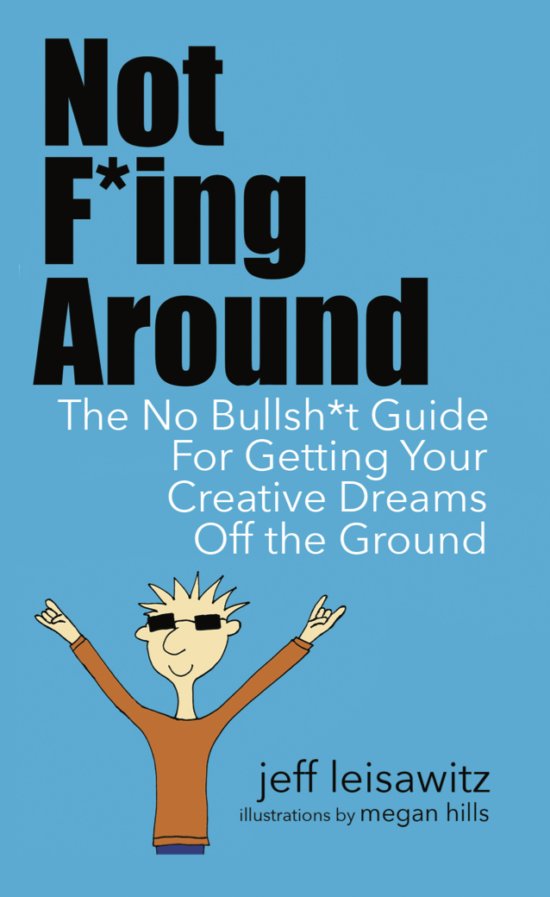
Adam McKay Film Scripts Collection: Screenplays Download

Below are all the screenplays written by television director, producer, screenwriter, and comedian, Adam McKay that are available online.

When you are done reading take a listen to Apple’s #1 Screenwriting Podcast The Bulletproof Screenwriting Podcast, with guest like Oscar Winner Eric Roth, James V. HartDavid ChaseJohn AugustOliver Stone and more.


(NOTE: For educational and research purposes only).

Vice (2018)

Screenplay by Adam McKay – Read the screenplay!

The Big Short (2015)

Screenplay by Adam McKay  – Read the screenplay!

The Other Guys (2010)

Screenplay by Adam McKay  – Read the screenplay!

Anchorman: The Legend Of Ron Burgundy (2004)

Screenplay by Adam McKay and Will Ferrell – Read the screenplay!

BPS 139: No Film School Needed – Direct & Sell Six Features in Two Years with Elizabeth Blake-Thomas

I have an inspirational treat for you today. On the show, we have writer/producer/director Elizabeth Blake-Thomas. She has recently financed, written, directed, and sold six feature films in the past two years, with no professional film school training. Elizabeth has been involved in the creative industries for over 30 years. Studying drama from a young age led her to run theatre schools, train other students and companies and work in various creative industries, culminating in where she is now, a director and writer.

When I heard her story I had to hunt her down and find out how she did it. BTW, she’s not stopping, Elizabeth is currently in prep for three more feature films. Talk about hustle. She is the definition of the phrase “INDIE FILM HUSTLE.”

She is proof that no film school is needed. Enjoy my conversation with Elizabeth Blake-Thomas.

presto_player id=41158]

Right-click here to download the MP3

LINKS

SPONSORS

  1. Bulletproof Script Coverage – Get Your Screenplay Read by Hollywood Professionals
  2. AudibleGet a Free Screenwriting Audiobook

Alex Ferrari 1:52
Today's guest is Elizabeth Blake Thomas, who is a writer, producer director, who has just directed six feature films in two years. And the kicker is she didn't go to film school. She didn't know anything about the film industry per se. Before she got into it though she had been around the entertainment industry for 30 odd years in plays and working with actors and things like that. But she had never shot a feature film or even a short film. And she just hit the ground running, learn what you need to to learn, and started making movies. And not only did she make movies she had these aren't like movies that she pulled, you know, five bucks out of her pocket to make. She had them financed and sold and continues to make more and more movies. And if that's not enough, she has two or three feature films in prep as we speak that she's going to shoot back to back and we'll get more into that in our conversation. But I really I heard this story. And I reached out to Elizabeth because I was like I got to get her on the show. I got to get this inspirational story to the tribe. Because I want you guys to understand it. You can put obstacles in front of you, you can go out and do it. And it doesn't matter. If you're not educated in filmmaking. You learn along the way, as long as you have the will to learn, you can make it happen. Please enjoy my conversation with Elizabeth Blake Thomas. I'd like to welcome to the show Elizabeth Blake Thomas. Thank you so so much for being on the show.

Elizabeth Blake Thomas 3:26
Oh, thank you for having me, Alex. It's an absolute treat to be here.

Alex Ferrari 3:30
Thank you. Thank you. And and if if the tribe if you hear some noise in the background is because Elizabeth is literally hustling on the streets of Hollywood as we speak. So you might hear some things in the background.

Elizabeth Blake Thomas 3:43
Do you know what that's that's one of the wonderful aspects of being in this industry, isn't it? We never know where we're going to be. And today I happen to be on the streets hustling.

Alex Ferrari 3:53
Right? And you're going meeting to meeting, jumping, jumping in the meeting. So that's awesome. So I wanted to have you on the show because I read an article about you on stage 32, about how you were able to make six feature films in two years, which is a feat in itself. So that's the reason why I wanted to bring you on the show because I wanted to hear your story. And you have a very unique story and very unique background. So before we get started, first of all, how did you get into the film industry in the first place?

Elizabeth Blake Thomas 4:25
Well, I was a theater director back in the UK, I ran my own Theatre Company for about 16 years old. And I love that side of things. I love characters. I love actors, but I'd never considered the film industry, I think, coming from the center of England. theater was something that we all you know, loved. We did it at school. It was something that was obtainable, and you had the West End. Film just didn't register with me until my daughter was nearly five years old and got lead in a TV show. And then she kept being given these wonderful opportunities to be in films, and I would be on set. And I would be naturally immersing myself in this environment. But again, in all honesty didn't didn't register with me that that was possible. And then Isabella, my daughter got off the opportunity to be in LA. And, and I was like, wow, this is Hollywood, this is this is fun for her, again, nothing to do with me, right. And I kept being asked on set to help out, they kept seeing me instruct Isabella or, or kind of have an understanding of what was necessary in a way, you know, producing on a very simple level. And so I thought to myself, this is quite fun. Maybe I should do something for my daughter. So I produced just a short for her. And it went really well. And it was a very good friend of mine. Sean said to me, You should be a film director. And I said, How do you do that? And he said, you just say you all. Okay,

Alex Ferrari 6:09
What a ridiculous What a ridiculous business we are in.

Elizabeth Blake Thomas 6:13
But I would like to make sure that there's a caveat of understanding that this wasn't just that I was some random, I don't know, a let's call a swimming pool maintenance person. Never been involved in any form of industry. You know, it was it was a shift, a big shift, but a shift that was within something I understood.

Alex Ferrari 6:35
Right! Exactly. You've been you've been a theater director for a long time. You've you've worked with actors for for most of your career. So you you knew that person. Now all you need to learn was the technical aspects of things, of actually how to work within the media, but film.

Elizabeth Blake Thomas 6:50
Absolutely. And and of course, that is never ending. never learn everything. And so that's, I think that's what gave me the courage to do it. Because I thought, well, I don't have to turn up to this job knowing everything. I know what I like, I can use my own insight to what I already know. And if I surround myself with incredible knowledgeable people, then that might work.

Alex Ferrari 7:17
My oh, my God, that's that's, that's actually smart, and intelligent and logical, as opposed to so many first time directors who hire first time, DPS, first time production designers first time grips. Like, you're like, why would you do that? hire people who are smarter than you, and have more experience than you so you can learn from them?

Elizabeth Blake Thomas 7:41
Yeah, always, I always surround myself with people that are much, much more intelligent than me.

Alex Ferrari 7:48
And that's, that is a, that is a sign of a good leader, and a good director, people who, who feel more you feel comfortable in your own skin, you don't have to prove yourself. So that's why you're hiring people who know more than you and their departments, so you can learn from them. And that that's why your films come out good.

Elizabeth Blake Thomas 8:05
Definitely, definitely. And don't get me wrong. You know, we started with a very basic crew of 10 people, and it grew to 35. So everybody learned along the way, I kind of took everybody under my wing and said, Do you want to join me for this crazy ride?

Alex Ferrari 8:22
I did. No. Speaking of the crazy ride you did you set out to do six features? Or do they just happen to be that you'd made six features in two years?

Elizabeth Blake Thomas 8:31
Oh, that's a good question. Again, I was given a great piece of advice that once you shoot your first move straight on to your next one, and it was the best piece of advice I've been given because I'd seen a lot of my friends creating their first film. And then 234 years later, deciding to work on another one. So for me, it was within two months, I thought yeah, absolutely. Let's make another one. So I did. And then from that one, I naturally found an exact producer, he wanted to find the next one. And I said, Okay, well listen, if you're gonna give me that amount, I could make two for it if you give me a bit more, so I made two. And then suddenly I was able to make the next one. And then the next one. And it's a lot of hard work and I I often laugh because I am absolutely exhausted all the time. When I'm on such a high the whole time. Then it kind of you know, outweighs each other.

Alex Ferrari 9:26
Because I know look I've directed a few features myself. I understand the the the the amount of energy it takes to direct a feature film, let alone to prep it, let alone to write it let alone to do the post on it. Are you done with the first film when you're starting? The second Are you still kind of in post

Elizabeth Blake Thomas 9:47
I will say I basically had six babies over two years. That's how it feels. birthing a baby every time. No they they did coincide. Which again is always fun. One of the days we were I was finishing shooting one film. And the next day, I was screening my other two, back to back at an Arc Light. And we were finishing them. I really under some pressure. That's insanity. I know, I know that if you don't make yourself accountable, and yeah, I mean, I do work in extreme conditions. But you know, you make yourself these deadlines and dates, I find that you stick to them.

Alex Ferrari 10:30
Well, yeah, when you have no choice like that absolute choice. I mean, I mean, so how did you finance the first one? And tell me the financing strategy behind all six? Because as I'm sure a lot of people are like, Where does she find the money for these things? And how did that come about?

Elizabeth Blake Thomas 10:49
Absolutely. Well, the the kind of, again, the caveat behind all i got six films funded needs to be taken back to, you know, many, many years ago, when I was able to learn the skill of networking, you know, networking being around people being a good person. Because what I didn't realize was, my films were funded from people that I met, just by being a good person, 510 15 years ago, maybe maybe even a wee bit longer, and not knowing that then I didn't even know I was going to end up in the industry. So it's very important. I think that people understand the skills of networking, being a good person, and having a good heart. And that might sound a bit naff, but it's very important that I, I get that across.

Alex Ferrari 11:37
And so then, so those people financially, like you basically went after financing for your first film, and you said, Hey, I'm going to make my first feature film. Can you give me some money to make it to somebody?

Elizabeth Blake Thomas 11:47
Well, well, this was a, this was a wonderful lady who actually had been a location for a film that my daughter had been in. And they actually really liked. The people that had this location, really liked my daughter, and myself, and I just stayed in contact with her. And then when I thought I was going to do something with Isabella, I remember she said, If I ever wanted to approach her about something I should, and I did, and I thought I was going to get you know, about $5,000, which for your first film, I was quite excited. And then, and then she actually said, Hold on a minute. Now I want to produce I've got a story to tell, do you want to make this, and here's a lot of money. And, and so I did. So my first film was actually funded brilliantly by this wonderful individual. And I was able to work with my crew for the first time. But the thing that then got me on to that next one, again, was okay, I need to make another film. How do I fund that. And actually, what I did is I approached six friends who all had children, who were all proper actors, and wanted to be in the industry. And I said, if you all give me a myself included, four or 5k age, I can make a feature film. So we put this together. And again, I use the same crew, but I make it a fun experience. So it's an enjoyable thing to be part of. And all the friends and all these wonderful people said, I'll help I'll be in it. I'll be in it. So we shot that film. And from that film, there was someone that said, I believe in what you do and who you are. I'd like to fund a couple more. So again, I said, Okay, well, instead of just funding this one film for X amount, would you put some more into that? And I'll make two and I shot two back to back. Because I just knew that last I had this momentum, you have to keep on going. Yeah. And then that's what happened with the next one and the next one. So it's really about building that momentum. And that's what I do. Now. The minute I have something the minute I'm there, I keep it going. Because you never know when it's going to stop.

Alex Ferrari 13:56
Now, how many days did you shoot like on your first feature?

Elizabeth Blake Thomas 14:01
12 days is what I average. But I have given myself 15 days if necessary.

Alex Ferrari 14:07
On a on that second feature that you did when you put you pulled together all that money. You made it for about 30 30,000. Yeah, that was probably only eight or nine days on that one in all honesty. Okay, so but even for 30, even for 30 or 40 grand and that general world, that's still a good amount of time. And how did you do post production? Did you do edit yourself?

Elizabeth Blake Thomas 14:30
No. Now I have, again, this wonderful team that have been with me, and they all basically they all believe in me, I seem to have created this wonderful confidence and trust in what I do. So because they'd seen my first film, and this is my second and I said there will be more. Everybody did it almost as a favor. I mean, I still was able to pay them something but I said look by doing this for me. You know, I'm going to give you more work. And I did. And I couldn't have continued to do that. So it's people believing in you. But you know, I always say you can never ask for a favor more than once. And that was my favor, right? No, that was the Come on, guys believe in me, I'm going to make this happen.

Alex Ferrari 15:18
And you can say you cashed in that favor, and then and then followed up with more and more work? And then just build from there?

Elizabeth Blake Thomas 15:25
Yes, definitely. And we have this wonderful little team now that I love and adore. And we're very, very much like a family and work hard.

Alex Ferrari 15:34
And you've made six of them. You're already in pre production for the second, the seventh one?

Elizabeth Blake Thomas 15:38
Well, I'm in pre production for two, I'm shooting back to back in two weeks time, of course, these of course,

Alex Ferrari 15:44
Why wouldn't you be? Why wouldn't you, you should be shooting right now you should be shooting, right? I'll get my camera out. I could I could be shooting myself doing I mean, seriously, that's the see.

Elizabeth Blake Thomas 15:56
I'm letting it down and letting the whole side down. Now those two are very simple features, they are being shot over, you know, five to six days, each one single character. They're very artistic. They're very experimental. I'm working on these two subject matters. One is a death of a child and grief. And the other one is, you're kind of coming of age being a 15 year old teenage story. So those times shooting in the next couple of weeks. And then after that, I'm actually in the scripts development. So they've been all developed so far. So I've got six scripts that I will then shoot over the next. I don't know, what should I give myself?

Alex Ferrari 16:41
I say I say 12. I say 12 to 18 months. I mean, yeah, I mean, you've you've been I've been, you've been a little bit lazy, semi sick. You're sorry. Let's push. So you have a book that came out as well. Yeah. What? I was gonna talk about your book in a little. Okay, so what is your writing process for these for these books? I mean, for these

Elizabeth Blake Thomas 17:06
Very technical, very technical, I write a vomit draft. So again, surrounding myself with excellent people, I seem to have a plethora of ideas. I don't know why. They just come to me titles, concepts, ideas, I will write a vomit draft, which is a very bad version of a screenplay. And then again, I've surrounded myself with excellent screenwriters and support. And I find there are certain certain people that take on those certain scripts. So I have somebody that's currently working on that the family comedies, I have someone that's working on, you know, the, the serious version of something or whatever it is, I have three or four screenwriters that then help and support me?

Alex Ferrari 17:48
That's insane what you've been able to? I mean, it's literally insane. It really, really is. Now, the big question I have for you, distribution plan. It's great to make movies, and we a lot of people can make them, but can you make money? Can you sell them? How are you getting? How are you? Are you? How are you getting your money back? How are you making profit for your investors? And how are you distributing these films?

Elizabeth Blake Thomas 18:14
Okay, so I won't be able to mention exact names, of course, but I can give you the, the basic understanding of how I achieved it. Okay, so I, I have a my best friend is head of acquisitions at a very large company. And she gave me advice on the stories pre kind of pre finalized scripts, because to me, it's about saying, hold on a minute, what is the element of this story that is going to be interesting for the the audience, you know, if this isn't for an audience, do I want to make it and of course, that's why I'm making my next two, they're very arty, that, you know, they will get some form of distribution, but not the masses. So I was able to work out. Okay, this is a Christmas script. This is a Halloween story. This is a so in my head, I already had a target audience. Once I've done that, and I've made a script that I believe is suitable to get distributed, I will then find out what those distributions are looking for. Actor wise, you know, obviously, I can't get Angelina Jolie in my films at the moment. But who is it that they like? What are they looking at? So I do quite a bit of research behind my ideas. I might sound like I'm crazy and just do it. But I'm quite business oriented in the, in the kind of the behind the scenes aspect. And so again, once that's sorted, I actually don't think about that, until I have shot the film. I make sure it's the right length. It's got the right characters, I know where it's heading. I will have looked at what other distributors like these kinds of movies.

Alex Ferrari 19:56
We'll be right back after a word from our sponsor. And now back to the show.

Elizabeth Blake Thomas 20:07
And then I have, I mean, the world nowadays is so different. I don't have expectations on things being able to get out theatrically, unless you have certain elements, you know, that's great. They don't have to be nowadays, right? So if I make my budgets affordable, then the way my, the exact producers or finances get their money back, is because it doesn't take very long for those films to recoup that money, because of all the various platforms. So each film actually is with a different sales agent distributor does nothing, that's the same. And if that my next films, every single one has got a different producer behind them, again, enabling me to have a different market, different target audience.

Alex Ferrari 20:54
And then basically, because you've now proven yourself six times over it's becoming easier.

Elizabeth Blake Thomas 21:01
Oh, my gosh, unbelievably. So because you have evidence, you have proof of what you've done proof of concept, proof that you can do it. I'm being asked to direct things now, which is a wonderful position to be in movies. And also I have that belief in myself, I very much believe in earning where you are. And so there is no way that after my first film, I would have been happy going, yes, I know what I'm doing. I needed to earn it. Every single film I've gone through, I've learned through something I've learned through something that's happened, whether that be a good thing or a bad thing. And in fact, I've written everything down because my book that will be out later this year, filmmaking without fear. Why not? is based on these six films, and very, you know, the truth behind them? Because it's not easy. You know, it's not, it's not like I'm going to make a film today. And it just go ahead and do it. You know, it takes so much effort behind the scenes, which a lot of my you know, crew might not see your, you know, other people involved. In fact, it's quite amusing when I get a phone call from a friend of ours I see met at the cinema, like, probably not any good, or they don't think it means that it's worth something. Sure. We have all these platforms now that make everything so much more obtainable for so

Alex Ferrari 22:29
I mean, there's 1000s of movies made a year only, like 50 or 100. Make it to the theater. If that. If that if that. That's insane. So basically, you are the personification of what I preach. You are the personification of indie film, hustle. Without question. I mean, you you basically done everything I preach about you, you, you have a system in place, you start you started on you keep your budgets low, you started smart, you hire people that know more about things that you do. And you start building in a building and you're doing it so fast, that you have to succeed at a certain point. And you know, your marketing, you know, your distribution, you know who you're making it for, you're already speaking to the distributors before you make the movie. You do it everything I've ever preached about on this show. And

Elizabeth Blake Thomas 23:24
I'm so I'm so pleased about that. Also, one other thing that I think is important, I have surrounded my for myself by very supportive people that are in the industry. Again, I've met them organically. I haven't gone out and looked them I've gone to film festivals. When I first started, I had a nonprofit, which enabled me to go to film festivals. And that's where I started to learn everything. And it was after about a year of interviewing these filmmakers that I thought Hmm, I know what they're talking about. I understand this. So that that and that hard work that went into that enabled me to meet these wonderful people who now support me and mentor me and, and I do a lot of mentoring because I believe in giving back and my next two films. I have some incredible, all ages, actually male female people that I mentoring that are shadowing me. And that's really important. Really important to me.

Alex Ferrari 24:18
That's That's amazing. And then again, during all of this time you had time to write a book.

Elizabeth Blake Thomas 24:23
I did I did what angles a divorce. Oh, I have to throw that in. Oh, like, top of it all. I will say that first film was one of the hardest, most painful times in my entire life. And I actually think by me working on that film, I got through everything because I could focus on that. It was it was an intense time. It was life changing. And I learned an awful lot about myself.

Alex Ferrari 24:59
Now what What is the biggest lesson you learned shooting six feature films in two years?

Elizabeth Blake Thomas 25:04
Oh, good question. Oh, I think the biggest thing I learned, hmm, ah, the biggest thing I learned? Oh, my gosh, that's a really good question. I mean, because every time I did something, I learned something, I think it was definitely, maybe to have the belief in who I am and what I do. Because if you can have that your team respect you and follow you. And I have a very definite way of running my sets. They're very holistic, it's very family oriented. I try to be environmentally friendly. I try to, I think, having set myself the way I do things, and having belief in that. I think that's what what I learned was okay to do. And I'm very happy to say it works. I mean, you know, again, changes can happen. Of course, that belief, I think, and who you are and what you're doing.

Alex Ferrari 26:03
Now, what drives you to hustle as hard as you are, as a very good guy seriously, because people ask me that all the time. But like, why do you do this? I'm like, Yeah, I do it because I have to. I have no other choice.

Elizabeth Blake Thomas 26:16
Yeah, I get it, I get it. And everyone's gonna have a different answer. I mean, there's this, there's a deep psychological reason behind it, as well as a much simpler reason. And the the deepest psychological reason is that I feel due to various experiences in my life with various fathers and things that have happened to me and friends, that I needed to prove myself. And that was a, you know, that can be a negative thing if you're doing it for other people. So that was a, I was able to shift that over time to know that I do it for myself. And I like to prove to myself that I say, I'm going to do something, I do it, that I have learned something new. So there's this innate belief system in me that says, if someone says you can't do it, and including, you know, sometimes your own self doubt, makes me want to do it even more. I love this conversation. I love the fact that I can sit here and say, I did that. Everybody said, it wasn't possible. They say, it's not possible to me every single day, I hustle and say, I've got this, I'm going to do that. And someone say, oh, but you haven't I say no, no, but I will have Don't worry about it. And it's that it's that proving to myself,

Alex Ferrari 27:41
You know, it's fascinating, because it's, it's, it's, you know, I haven't met many people like you in the business. Because, because because you remind me a lot of what I do, because I'm crazy like you and doing what we do. And I want to ask you the question, what, because I've had this happen to me so many times with people in the industry, when you tell them you're going to do something that they tell you is impossible. You see the look in their eyes, it's kind of like a glazing over that they cannot comprehend what you're achieving, or what you're doing.

Elizabeth Blake Thomas 28:17
Yeah, in fact, somebody last night question the amount that I make a movie for. And of course, I get that. But for me, it's about everybody has their own Hollywood's and so I think people immediately go to a place that they, oh, this can't be made, because I'll be done. Because it needs theatrical release. And because it needs this amount of money. And because you need this star, we all have the ability to make our own Hollywood's, for me the passion every morning is getting up writing, creating, knowing that I'm going to get a group of people together to make something that could maybe make a difference in someone's life. Whether that's even just to make them smile and laugh. It doesn't matter. That's what drives me. And so yes, there's there's definitely a lot of people that look at me and say, well, that's impossible. That's ridiculous. You can't just go to a film festival and meet an investor. And I very much with the belief of the universe and putting things out there. And the minute I verbally say something, yes, and I've put it out there. So it has to happen now, and I but I'm not someone that says things that aren't going to happen. Right, exactly.

Alex Ferrari 29:25
Like I'm going to go win an Oscar, which is a horrible, horrible goal to go.

Elizabeth Blake Thomas 29:32
Well, I think if that's your only goal, then you've lost the reason to do it. Christ would like to have the highest accolade possible for the accolade but more because I've made something that has really affected millions million people, millions of people exactly. So that's why I'd like it's just the posh Film Festival, but it's it happens to be the most famous film festival in the world. You know that that's if that's a goal again, it's why Are you aiming for this, we have to have the right reasons for why we're aiming for doing what we're doing. And I think that's why I've been able to do what I've done. Because my sincerity behind it and my belief system behind it, and the way I'm doing it is so far so good.

Alex Ferrari 30:17
I think that one of the reasons for your success is that you're one of the, you're something that is very rare in this town, you're genuine. Oh, you're genuine, like that. But you can hear it in your I've, we've never met in person, but I could hear it in your voice. I could hear it in the passion behind it. And it's real. And then you know, as well as I do in this town, that is rare. You do not meet people who are genuine. And then when people do meet people who are genuine, honest, real, coming from a good place with good intentions, they want to help you because hopefully, I feel that at least in this in this business. There are good people who really do want to do good work and help people. And you attract those people to you by the energy you put out.

Elizabeth Blake Thomas 31:03
Yes, yeah, I agree. And that energy is huge. Because I someone said to me, I think again, yesterday or the day before, they said, Gosh, you're on you're very happy person. Because even if I'm not feeling happy, or something's not good, I will always default to that feeling and that emotion, because that is what I'm very privileged. I've worked my way to get here, but I am hustling the streets of Hollywood making films. I remember actually going to a festival and someone said to me, so what do you what do you do? And I said, Well, I'm a director. No, but what do you actually do it? No, no, I'm a director. So I feel very privileged. I'm allowed to say that and be that right?

Alex Ferrari 31:46
Look at this. Exactly. You're not a director who does Uber on the side, you're

Elizabeth Blake Thomas 31:51
I fell very lucky. But I will say again, I make that happen. I'm very frugal. You know, I don't live a lifestyle that maybe other people would like to live if they earn that money. I'm very savvy with it. I think okay, I need to put this into the next project. How am I gonna make this work? And you know, we all have different ways of living and doing things and this happens to suit me again, it would not suit everybody at all.

Alex Ferrari 32:21
We got to you got to find what works for you. And and again, a lot of people want to fit the Hollywood system of movies, or the this kind of directors way of making movies or this kind of directors way of making movies, the all the very successful directors who are in our world in the indie world. They find a way to make movies the way that they can make them and make them happy doing so. Like the duplass brothers like Joe Swanberg like Lynn Shelton, like Kevin Smith or Richard Linklater, or these guys are Robert Rodriguez, these they found their way of making it and they're not trying to insert the Hollywood system because if you talk to someone in the Hollywood system, you're a lunatic. You're You're a lunatic, I'm a lunatic where you're crazy, like, make a movie for five grand, it's gonna look like something you shot on a home video, but they can't grasp the concept that like no, you can make a movie for a certain a certain budget if you know what you're doing. And you can tell a story at the end of the day.

Elizabeth Blake Thomas 33:22
Yes. And that's what it's about, isn't it? It's about telling a good story. We all know that. We all know that. That's what makes a film. Because even those massive budgets if they've not got a good story, no one sits there goes. Yeah, but the camera was excellent. Wasn't it? Or the quality of the lighting works. You know?

Alex Ferrari 33:41
The CG was fantastic. Yeah. Yeah. Basically is imperative. Absolutely as as the almost the entire DC Universe that's proven. I will I will only one of them is good. And other than the Batman movies, original Batman movies that Nolan and Wonder Woman Other than that, just horrible. Anyway, alright, so I'm going to give you I'm gonna ask you a few questions to ask all of my guests. What advice would you give a filmmaker wanting to break into the business today?

Elizabeth Blake Thomas 34:16
So and they haven't done anything, this is something that they'd like to do. Okay, I would, first of all, do as much research as possible. And that means going to film festivals going to the markets, finding out about the you know, the behind the scenes of filmmaking, because I think that's quite hidden. And, and for you to interview and ask and talk and research for as much information as you can on what it is that the filmmaking is not not about the cameras or the equipment or the styles, none of that yet it's the background information behind I you know, what, what a film needs to have what film is about because I went to the Cannes Film market for you know, many moons ago with my daughter actually had a film there. And I'll never forget that day of walking into the marketplace and going, Oh my god, there's a film with Sharon Stone in and that can't sell. Like what? Yep. So having that expectation and realization of what it really is about, that's what I would do first.

Alex Ferrari 35:24
Okay, now, can you tell me what book had the biggest impact on your life or career?

Elizabeth Blake Thomas 35:32
Oh, gosh, um, I think actually, nothing to do with film or drama. I'd say a lot of the Malcolm Gladwell books, okay. You know, I love the way that you have to have had 10,000 hours before you become an expert. I love the fact that it's all about who you surround yourself with. Yeah, I'd say the Malcolm Gladwell any of his. And actually, I also do like he's called Ken, and wrote a book about education. Because the whole point I'm going to I think it's Ken Livingstone, but that's, I think, also might be my ex, Mayor of London. I don't know. Anyway, he wrote a book about how education has an impact. So for me, that actually helped me bring up my daughter. And I did things I do things very differently. She writes screenplays with me, we have mother and daughter entertainment together. We she's only 15 and a half. And to me, it was about creating something bigger than the norm, what everybody does, and going to school. So I think Malcolm Gladwell and can something or other. I'll remember it. We'll put it on your blog.

Alex Ferrari 36:44
Yeah, we'll put it on. We'll put it on the in the show notes. Now, what lesson took you the longest to learn whether in the film industry or in life? You've got good question. I wish you'd send them to me. I don't I don't often I don't often I

Elizabeth Blake Thomas 37:03
I know. Okay, a lesson a lesson. Well, I have to say, I am always learning. And I would say that even yesterday and the day before. And today, I've learned a new lesson. One of the most recent ones was about my words, actually really thinking about how a word has an impact on somebody that's in life as well as on a script. And that's, I think that's quite a good lesson. I wish I'd learned maybe 30 years ago.

Alex Ferrari 37:35
Yeah. Now what are three of your favorite films of all time?

Elizabeth Blake Thomas 37:40
Oh, are you getting to laugh?

Alex Ferrari 37:43
No, go for it.

Elizabeth Blake Thomas 37:44
So okay, so Gone with the Wind.

Alex Ferrari 37:46
Okay, cool.

Elizabeth Blake Thomas 37:47
Okay, um, probably, it's difficult one between sound and music, Mary Poppins, Chitty Chitty Bang Bang, but I like all of them.

Alex Ferrari 37:55
Why does all of those Make sense? I have no idea.

Elizabeth Blake Thomas 37:59
They are wonderful. And then I would also say, Hmm, I probably like Midnight in Paris.

Alex Ferrari 38:08
It is a good movie. I'd love

Elizabeth Blake Thomas 38:10
to you know, because I just love that era. And then I know you said only three. But I do like all the old Gerard Depardieu movies. They really affected me growing up, man on the sauce and 200 about jack and yes, I loved those.

Alex Ferrari 38:25
Awesome. Awesome. Now, Elizabeth, where can people find you online?

Elizabeth Blake Thomas 38:30
Online? I was gonna say in Hollywood.

Alex Ferrari 38:33
Where are you right now?

Elizabeth Blake Thomas 38:37
Sunset Boulevard. Exactly. Well, I am I have an Instagram at Elizabeth_B_T. I have a Facebook, Elizabeth Blake Thomas. My website, ElizabethBlakeThomas.com, mother and daughter entertainment. And all my details are are there as well.

Alex Ferrari 38:55
Fantastic. And I'll put all those links in the show notes. Elizabeth, it has been an absolute pleasure talking to you, you are an inspiration. Hopefully you've given a lot of inspiration to the tribe, to prove that you can do it and not to be afraid of doing it.

Elizabeth Blake Thomas 39:11
Well, I'm very, very grateful that you invited me on I really, really am. And thank you. And if anybody ever needs any help, they can just contact me. I'm always available.

Alex Ferrari 39:20
Be careful what you wish for.

Elizabeth Blake Thomas 39:23
Thanks, Alex.

Alex Ferrari 39:26
I like to first thank Elizabeth for literally doing the podcast on the streets of Hollywood while she's hustling between meetings. That is what I call an indie film hustler. So thank you so so much, Elizabeth, for not sharing not only sharing your story, but sharing the inspiration that anyone can go out there and do it. If you're willing to put in the work and educate yourself. Surround yourself with good people. You can make it happen. Every single filmmaker, even the biggest ones in the world. All started out just like you and me. With a small indie film, small project and got their feet wet, so don't put obstacles in front of yourself. As a famous quote says, if you don't have the best of everything, you need to make the best of everything. Never give up. Never surrender, just keep on hustling. I'd also like to thank our new sponsor streamlet comm now if you're selling your film on amazon prime and noticing that you're not getting a whole lot of cash for nowadays, think about also putting it on streamlet. It is a SVOD platform, a subscription based platform where your movie will not be buried. It's free to submit and has a royalty rate three times as much as Amazon, so you get to keep all the rights. So if you want to submit your film today, go to streamlette.com. That's streamlette.com and I'll leave a link to it in the show notes. And those show notes our indiefilmhustle.com/253 for links to Elizabeth and everything we talked about in this episode. And as always, keep that hustle going. Keep that dream alive and I'll talk to you soon.


Please subscribe and leave a rating or review
by going to BPS Podcast
Want to advertise on this show?
Visit Bulletproofscreenwriting.tv/Sponsors
BPS 138: How To Write a Blockbuster Film Career with Chris Sparling

It’s always way fun to have a guest who is also a fan of the show. This week’s guest is definitely a member of the tribe. We chatted up pre-interview about some of his favorite IFH podcast episodes like Ed Burns and Joe Carnahan and I knew front hen on we were on for a treat. My guest today is award-winning writer, director, and producer, Chris Sparling.

Chris has written some of Hollywood’s most original and fascinating screenplays like Buried, Greenland, Mercy, Down A Dark Hall, Reincarnate (featuring Leonardo DiCaprio), The Sea of Trees with Matthew McConaughey, etc.

One of his latest films, Greenland, which premiered in 2020 started streaming on Amazon prime this February

The disaster thriller film starring Gerard Butler and Morena Baccarin follows a family who must fight for survival as planet-destroying comet races to Earth. Butler’s family struggles for survival in the face of a cataclysmic natural disaster as the planet-killing comet races to Earth. John Garrity (Gerard Butler), his estranged wife Allison (Morena Baccarin), and young son Nathan make a perilous journey to their only hope for sanctuary.

Amid terrifying news accounts of cities around the world being leveled by the comet’s fragments, the Garrity’s experience the best and worst in humanity while they battle the increasing panic and lawlessness surrounding them. As the countdown to global apocalypse approaches zero, their incredible trek culminates in a desperate and last-minute flight to a possible safe haven.

With its reception and regardless of the COVID 19 Pandemic, the film grossed $52.3 million at the Box Office and was announced that the sequel, Greenland: Migration is already in the works. The continuation of the story will center around the Garritys’ journey across a frozen European wasteland to find a new home. STX has already acquired the worldwide distribution rights for the film at the 2021 Cannes Film Festival for the sequel with a $65 million budget.

Chris’s path to becoming a renowned Hollywood blockbuster writer begun on the actor’s path. He was inspired to take up writing after the 1997 hit psychological drama film, Goodwill Hunting which was directed by Gus Van Sant and starred Robin Williams, Matt Damon, Ben Affleck, and others.

He left Los Angeles on a home (Rhodes Island) bound to recalibrate and focus on completing college and writing because it was a challenge juggling that and acting auditions. After completing college, Sparling returned to Los Angeles. With no connections or leads, he returned to Rhodes Island with the plan to make a movie of one of the many scripts he had written by then. Though he had no formal film production experience at this point, Sparling wrote, directed, and produced An Uzi at the Alamo which is about a young writer in search of his identity, pledges to his dysfunctional family that he will commit suicide on his 25th birthday. As the fateful day approaches, he stumbles upon love and a new sense of self. Fearing family humiliation if he backs out of his pledge, he prepares for his last birthday with the feigned support of his family.

Of course, the film did not do well, but this is when things became interesting for Chris’s writing career. He dusted up and sent out about one hundred specs to studios, managers, producers, literally anyone he could contact. He received back, only three responses and one of which was from a manager who became his manager and still is till this day. That was his first open door.

When I saw the trailer for Chris’s 2010 film, Buried, and the success of it, as an independent filmmaker, I was in awe and slightly jealous of how easy (cost, and production-wise), revolutionary the film is. Buried is a brilliantly twisted suspense and original screenplay that is a nightmare for claustrophobes. 

Sparling found mainstream success when his feature-length screenplay Buried was purchased by producer Peter Safran starring Ryan Reynolds.

Ryan plays Paul, an Iraq-based American civilian truck drive. After an attack by a group of Iraqis, he Wakes up groggy in pitch darkness, to find he is buried alive inside a coffin. With only a lighter, flask, flashlight, knife, glowsticks, pen, pencil, and a mobile phone.

It’s a race against time to escape this claustrophobic death trap. He is left to rely on his cell phone to contact the outside world. But the outside world proves not to be very helpful at finding a man buried in a box in the middle of the Iraqi desert. Paul must rely on his best resource–himself.

The film premiered at the 2010 Sundance Film Festival and was sold to Lionsgate Films. Buried was shown at several major European and North American film festivals. It was nominated for and won a plethora of European films awards because it was produced in Barcelona by Barcelona-based Versus Entertainment, in association with The Safran Company and Dark Trick Films.

Some of the awards included the Goya Award, for Best Original Screenplay, a Gaudi Award in the same category, and the best European feature film of the year award at the Strasbourg European Fantastic Film Festival in September 2010. This $2 million budget indie film made a gross splash of $21.3 million worldwide. 

Sparling had an immediate success from Buried; between the script going out in March of 2009 and the movie premiering at Sundance in 2010, and he suddenly needed an agent, an attorney, and everything legit in between. 

Intrusion, Sparling’s latest film will be streaming on Netflix in just one week (September 22, 2021), starring Freida Pinto and Logan Marshall-Green

It is about a husband and wife who move to a small town. A deadly home invasion leaves the wife traumatized and suspicious that those around her might not be who they seem. Even though it was self-defense, it was still a homicide. However, it turns out that the home invasion was not a one-off, and there are many other missing person cases in which the invaders may be involved. Meera falls into a rabbit hole as she takes it upon herself to find out the truth.

Enjoy my entertaining conversation with Chris Sparling.

Right-click here to download the MP3

LINKS

  • Chris Sparling – IMDB
  • Watch: Buried – Amazon
  • Watch: The Sea Of Trees – Amazon

SPONSORS

  1. Bulletproof Script Coverage – Get Your Screenplay Read by Hollywood Professionals
  2. AudibleGet a Free Screenwriting Audiobook

Alex Ferrari 0:08
I'd like to welcome to the show Chris Sparling, man. How you doing, Chris?

Chris Sparling 0:15
I'm good. I'm good. How are you?

Alex Ferrari 0:16
Good, man. Good. Thank you so much for coming on the show. Man. I appreciate you reaching out and wanting to come on the show that you you've been listening to the show a bit and been our fan and you heard a couple of your friends on the show. You're like, hey, I want to jump in on this action.

Chris Sparling 0:31
Yeah, yeah, I heard I heard Eddie Burns on and he was talking about him and Aaron Lubin who I know. And I was like, man, it sounds fun. I want to do this. And so yeah, you're right.

Alex Ferrari 0:42
Yeah. And we were talking about one of one of your favorite episodes, Joe Carnahan, who's a friend friend of the show, and one of the easily one of the most entertaining episodes I've ever had.

Chris Sparling 0:53
Without question, well, it's easy. I don't I don't know Joe is easily one of the most entertaining episodes I listened to for sure. That guy was like, I'm like, that guy's fucking cool, man. I don't meet that guy.

Alex Ferrari 1:02
Joe is arguably one of the coolest filmmakers I know and I've ever met. He is he is definitely a force of nature without question. Now, before we jump in, man, how did you get started in the business?

Chris Sparling 1:14
So my thing was, I started as an actor, like eons ago by this point. And so I did the struggling actor thing and, and I was gonna stay in Rhode Island. That's where I'm from in LA for a couple years. And I mean, that's a tough, tough racket, man. I don't I mean, a lot of credit, people do that and stick to it long term. I did it for about two years. And it was during that time that goodwill hunting came up. And so between like anyone honestly talking about it like that, I think macmullan had come out a few years prior and everything. So it's like, between that, and then Good Will Hunting come out came out. It was like the worst thing in the world. And best thing in the world that could have happened to an actor, because all of us started to think we could write our own shit. And so, you know, thinking would be that easy. Okay, so that's what I did. I started writing when I was, you know, as trying to go on auditions and etc, etc. And so after about two years, I headed back home to to Rhode Island, which is where I was from, because I had left I would not tell us, I was really fucking young. I was like, 20 years old. So I left college midway through, to do this to chase the dream, as it were. And I was kind of, like, Man, I'm doing too much. Like I was taking acting classes I was working. I was, I was taking school classes, you know, and doing all these things. I'm like, I'm not really excelling at any of these things. Because I'm doing all of them. Let me just focus on getting school done at least, kind of recalibrate, regroup, see where I'm at, you know, with the plan of going back to LA, which is exactly what I did. So I went back to the east coast, finished my degree, and then spent the summer here, then drove cross country back to to LA and arrived the night before September 11. So, yeah, so I mean, it was like, as you probably remember, I mean, you know, as it pertains to our business, here, we're not doing for like months and months. Because this is the part I think a lot of people forget about that time is that's also when the anthrax scare happened. It was right in that same window. So it's not like now where I would imagine everything is you know, it is everything's digital, you know, just you've had shots or whatever else all gets all reels or all digit back, then you were sending a hard copy headshots. And during the anthrax scare, no one was opening mail, because they were afraid to. So I mean, if that's the way you get auditions is you know, by your headshot resume going out and no one's open. So I was like, I'm doing nothing out here. So four months passed. And I was like this, this ain't it. This is I just felt completely had no control no agency in my own life. So I'd started by that point, I'd written more. I was like, You know what, I'm going to move home. I'm going to write a movie that I'm going to direct produce star in. I've no idea how to do any of those things, really. But even with the only way I can see this working, and that's what and that's what I did. Frankly, that's that's what happened.

Alex Ferrari 4:18
And that movie was the is that the one that Uzi at the Alamo? Yeah,

Chris Sparling 4:22
yeah. Which is a total fucking shit show. It's like, I mean, it's, it's like looking back to your high school. Like ninth grade High School picture and going cheese. I thought I was alright looking. I was like, No, you are not. You are not at all good looking.

Alex Ferrari 4:40
You know, listen, I have to interrupt for a second on the side. But I just went back to visit my mom and then in my mom's house. As my high school picture in a giant frame in the front, circa 1992 blue like glamorous Shot picture like your blue like stripes in the neon stripes in the back and you had the whole Oh my God, my daughters are like, Daddy, what? What is it? Man? I have no idea you know, right? The cavalry cheese all day all day. Every guard Absolutely.

Chris Sparling 5:24
So anyway, that movie, you know, I'm gonna I'm gonna add context in just a second. But I mean I had never made a movie I had no business making a movie. I barely I didn't even know how to write a movie. Honestly, I at least written at least one or two screenplays by that point. But I still didn't know what the hell I was doing. And it's a mini miracle the movie even got finished. It really is. And so that's why I'm saying on add some context. So I imagine you and I are roughly the same age. So like you and I kind of straddle the analog and digital world. We were there when it all started to change. Right. So this was at a time when the digital world started to kind of become a thing. But it still was expensive to make a movie. You know what I mean? It wasn't expensive. Maybe it was to shoot on on film. But it still was expensive. Oh, right. And so I think I made that movie all in for like, $20,000 which, nowadays, if you say that to someone, they're like, $20,000 that you made this free piece of shit for $20,000? Like, what? Just you, that's all you can do.

Alex Ferrari 6:34
And when did you shoot out

Chris Sparling 6:35
on the GTX? 100? So dv x what was the 100?

Alex Ferrari 6:38
Acer or the 100? Because obviously there's a difference. You know,

Chris Sparling 6:42
it wasn't in the a it was the GTX 100

Alex Ferrari 6:44
all you got the first gen you got the first gen I got my. Yeah, my first film was on the 180. Which, by the way, arguably best little independent film camera ever. It was. It was gorgeous looking. Yeah, it was the first 24 P. And of course, and when we saw we're like this is looks just like film.

Chris Sparling 7:02
No, it looks like a movie is amazing, right? But it still wasn't cheap.

Alex Ferrari 7:08
It was not it was not.

Chris Sparling 7:10
So it took me about two and a half years to finish the movie, because I shot it in about two weeks. Again, I had no business making a movie. I mean, I'm I don't know how people just didn't leave. organized, it was organized enough to happen, right? And I obviously were treated well. And people were paid a little amount of money. But I mean to ask people to show up day after day. And these are again, I'm shooting this in Rhode Island. The people that are actors, but they're not. They're not full time actors. They are people that maybe do like community theater, or this this is like kind of a hobby or maybe a little more than that for them. Anyway, it it's a fucking shit show. But I love it for what it was at the time. I would not have a career had I not done it.

Alex Ferrari 8:00
Right? What how so what did that do for your career? Because as you're just saying, it's like, it's I can't believe anyone even looked at that thing. What did that do for your career as a writer and and or director.

Chris Sparling 8:12
So it was, again, going back to the time it was, you know, back in the day, it was like, Well, if you had if you wanted to contact anyone who's like the Hollywood representation directory, big book, you know, just scouring those books, trying to find representation, trying to find basically just querying everyone under the sun that I think is right for this, say, will you watch my movie? That's, that's really what I was doing. And I guess the benefit of the time was that unlike now, because it's so easy to create content, the barriers of entry are basically gone. There wasn't as much content. So to reach out to someone, if you had a film that actually was meant something.

Alex Ferrari 8:50
It's like I've been saying to people a long time, like in the 80s All you had to do was finish a movie and it was sold, it was sold. And you made money the Toxic Avenger got made during that time. I mean, it just it was theatrically run, there's the 90s was a watered down version of that. Now, the the waiter or the Uber driver has a feature.

Chris Sparling 9:10
Right? No, so true, but it and so, you know, I don't know how many queries I sent out. Maybe 100. I have no idea. But I think I heard back from maybe like five people that said, Yeah, sure. Send me your movie. And of course, in the meantime is doing trying to get in this festival. But of the five I heard back from maybe three and of the three I think two said they liked it and all the two. One said it was a manager and he said he goes I liked it man. I laughed out loud. And then the word you always want to hear it what else you're working there right and so that was it. I mean, I was a kid from Rhode Island man. I didn't know anybody. I didn't know anyone in business. I didn't have any connections. So, so that was my first open door. And it was like that's it. I'm fucking going that's it. I'm this door which will open the door. Excellent. And now just fast forward. That's my manager. He's my manager still, to this day still.

Alex Ferrari 10:06
That's awesome. That's great. All right, so then, you made you wrote a film in 2000. We came out in 2010, called buried. Now, I was telling you before we can afford, it's like when I saw that trailer, and saw the success of that film, and everything. As an independent filmmaker, I was like, God dammit, why didn't I think of that? That's like, the easiest, cheapest thing you could shoot like, it's a dude in a box. Oh, my God, why didn't I think about? And it was it was, I mean, it was kind of revolutionary when it came out, especially for for Indian, and that you got Ryan Reynolds and all that stuff. But how did you come up with an original concept of yours?

Chris Sparling 10:50
Yeah. So that was a basically, the lesson learned from that feature that I make Where's. So I made that and that movie had all these locations of all these actors. And it's like, things you don't I didn't know, man, I didn't know like that stuff. Like, I shouldn't be doing that on the budget and all the time for all that stuff. I just didn't know any better. And like I said, thankfully, no one just left the project, which could have happened. But anyway, so this time around, I'd made a shorter to be in between. And I mean, I think it's worth pointing out I didn't go to film school. So I had, like, I had no other practical knowledge of how to do this. But the thing I learned from making that first feature was like, Man, this time around, I can't do it that way. Like, I can't have all these locations. I can't have all these actors because a that shit cost so much money and time. And and on top of that, it's like, again, I could run the risk of people just not showing up for work. So I was like, Alright, well, I have about at this point, I was working like a regular job again. And I'm like, I have like five grand that I can save. What movie Can I make for five grand? That's it. And I made the conscious decision by that point, Paranormal Activity come out. You know, I toyed for a minute about like, well, the found footage thing seems like that's an affordable way to make a movie. As I don't really think I want to do that right now. And so then it just really became what movie Can you make for five grand, so naturally, it gets smaller and smaller, and literally, your people. And I was like, I was left with a guy in a box on the phone. And I was like, fucking man, if I need to do half of the voices that on the phone, I'll do half of the voices. And then who was going to start it? I don't know. You know, here's something that I'm talking about buried is at one point. So like, this is like very early on. You know, I've written a script, and I'm thinking I'm gonna shoot it in my apartment for five grand. And I'm like, Well, I want to try at least to get some food and some semblance of a name. Right? In this movie. I'll try. I don't know if it'll work. And I was thinking like, I was actually thinking like, maybe like, thinking about the some dude from days of our lives. The guy that plays bow, I don't know why. Maybe I can get him I mean, not to not like, disparage him as if he's like, I'm scraping the bottom of the barrel but I'm thinking like, I'm not gonna get a movie star there's we're just gonna face a face somebody Yes. Somebody right, just to kind of just add some sort of credibility to me, I'm a nobody, you don't mind. And, and long story short, so I talked earlier about how my other thing opened the door with that manager. And kind of what happened in the time in between is after that, I send them an I'd write a new script, I would send it to him. He would like it, but wouldn't set the world on fire for him. So he'd be like, well, I liked it. But let's keep talking. And that went on for like, three, three and a half years, Alex, where you know, and I made it made a couple more smaller contacts and then contacts in the meantime. So hustling, hustling, hustling. And so finally, it's like six months into pre production, or at least me figuring out how I'm gonna make my $5,000 version of buried in my apartment. And, and I didn't send him this script is the only script I'd never sent it. Because my thinking is, he's like this big Hollywood manager, like, why is he gonna? Why is he gonna care about my guy in a box won't be like, I don't want to risk destroying the relationship. I've now spent three years cultivating right? And you do these things. We've all been there Everyone listen to you. Like, it's like, that's been part of the struggle. You're questioning every move, like yanking everything cuz you think Oh, is this gonna be the landmine I step in? Oh, I don't know if I should do that. Right. And it's just it's, it's such an excruciating process. But anyway, one night, I was caught, like, it was like the Jerry Maguire moment where I was looking at my career. You know, I was like, What is going on? Is this ever going to happen? Is this movie gonna happen? Is my career gonna happen? And I was like, You know what, fuck it. I'm gonna send it to him. And I did. And he flipped for it. He's like, Oh, my God. Like this script is amazing, dude, like, what are you doing? What are your plans like? What my Mine was to make it. And these are our that's cool. He's like, what? I think this can be a spec that we can go around would you be? Would you be willing long short, would you be willing to step back from directing it? If we can go out with it as a spec? And macro? I was like, Yeah, man. I'm just trying to break into the business any way I can. So long story short, that's what we went out with it. And this is this is the crazy thing. So I went from being I'm sorry for being so long winded. You know, I went from being a guy from Rhode Island that had no contacts that was you know, banging his head hustling, trying, trying trying for years, maybe little progress. That script went out. I remember correctly. It was like march of 2009. The movie was in Sundance. 2010

Alex Ferrari 15:47
Yeah, I know. That's insanely fast. Yes. So Alright, so you went out and didn't get Did you get the director attached? First? Did you get a producer attached first.

Chris Sparling 15:58
So it all came like I mean, it's crazy. Like that's why I drive home the point that it was like almost like a just an overnight sort of flip where I went from being someone who tried for years to get representation tried all the different things that we do, to all of a sudden now I have a manager who gets me an agent, UTA, who gets me a high powered attorney. But the overnight success, if you want to call it that was like it, like they say is like 10 years in the making,

Alex Ferrari 16:24
right? But he's like, boom, boom, and all of a sudden, there was a switch and, and that's what the power of good content will do a good piece of material. We'll, we'll do that for you. So it goes out. You get a producer you get until At what point did Ryan Reynolds get involved cuz Ryan Reynolds was yet I mean, he was Ryan, he was a star, but he wasn't Ryan Reynolds. Yeah, he's not dead. He's definitely not Deadpool, Ryan Reynolds.

Chris Sparling 16:44
No, no, no, he his big thing. At that point, he had done the proposal when he said that it really kind of elevated him, right. And I remembered so I again, I didn't go to film school, my I my degrees in criminal justice. So I at the time, I was working, doing fraud investigation, which is a boring fucking job, it sounds. And so I remember like, by this point, I had my team around me, I knew we were you know, things were happening with my career for the first time, but you know, it, that's also a weird phase to be in your career where it's like things change, but yet they have changed, because it seems like something's gonna happen. But you're, you're still, I'm still working a regular job. And I remember I was doing a case. And I'm in my car, like you spent a lot of your time in your car and that you're watching. It's a boring job. Anyway, long story short, this is before cell phones, smartphones. So I have my I have my laptop, and I'm picking up a Wi Fi signal from some random person's house, whatever, I'm just using their Wi Fi. And I remember getting an email with a link to a variety article saying that Ryan Reynolds was on the project that he had signed on to the project. And I was like, holy shit, I'm like, This is crazy. And I remember like, the next day or so. And here's a little cautionary tale is that I remember, I put in my two weeks notice, because I'm like, I made it. I made it. I made it. Right. And thank God and like, if they got it actually happened, because it's I was so green at the time. Like, I didn't realize how many 1000s of things could have gone wrong. At that point for not to happen. I think God,

Alex Ferrari 18:19
that's, that's that's to say, I mean, I feel you because when I was coming up as well, I would have a meeting with a star for a project that was trying to get off the ground. And then I'm like, I had to go back and you know, doing my day job. And just like, there's such a disc, there's such a weird disconnect. Like, you're talking to a producer, you're flying out to LA or doing something and then you get back home and you're just like, oh my god, how am I gonna pay the rent this week? Like

Chris Sparling 18:46
that weird Limbo phase? You're still in it? He's like, you feel like, Oh, right, I finally broke in. But your life hasn't changed at all. Good. It was like that in that sort of limbo phase until the movie finally got made. And thankfully, happened fast.

Alex Ferrari 19:03
And the thing is, I've had I've had guests on the show, too, that they'd like literally, their movie was, like just released and they're still in their day job like the money has kicked in yet. Like, haven't really, you know, hasn't really started yet. But, but I do remember that when Barry came out it was kind of like an indie film. Like a little indie film phenomenon because of the writing the directing. The director did a fantastic job because how many how can you make a box interesting visually like at a certain point? He did it was it was brilliantly shot. But the story did you conceive it always as a real time movie? Like 90 minutes? Yeah.

Chris Sparling 19:44
Yeah, yeah. never leaving the box. I mean, again, but that was born out of and I always wish I had a cooler answer. People ask me a lot. Like why did you make this move? Why'd you write it this way? Because I couldn't afford to get them out of the box. Getting out of the box is expensive. Like then you have to see the desert and all this other stuff. Like, I can't afford that. So, you know, it's one of those cases where, you know, where you you have, again, I was going to direct a movie. So I vision for what this movie was going to be. And Rodrigo Cortez came in and just I was like, holy shit. Like, I would have made a decent movie out of this, I think because it does a pretty cool idea. But I'm like, he made it into something truly cinematic. And it was just like, wow, I was also as blown away as everyone

Alex Ferrari 20:26
else was thought. And that movie, and then it did did gangbusters at the box office. For the budget that it had. It was it was a really, really well received.

Chris Sparling 20:35
International Yes, it didn't, it didn't get a big release here in the US but internationally made like 20 million off like a $3 million budget.

Alex Ferrari 20:41
Wow, that's crazy. And then just continue to grow Ryan, Ryan's ya know, profile up more and more. So let me ask you that after after buried. I always love asking because you have a hit now under your belt now Now you've got a bonafide hit and you're the writer of it. And there wasn't to my understanding, there wasn't like four other 15 other writers on it that tweaked it and script doctor did or anything like that. Right. So. So the town knows that you? It's not you know, it's not a script doctor or anything like that. That's come in. How does the town treat you? What's the next step? Do you do do the water bottle tour? Like what happened?

Chris Sparling 21:18
Yeah. Yeah, I mean, that was happening. Again, it's been a long time now. But that was happening before the movie even came up. That stuff was and that was that Limbo phase again, where it's like, Yeah, right. You're like going to these meetings and meeting all these people, as producers and at the studios, and then you're like, let's go back to your normal life at home. So that stuff was happening prior to. And then after you get on, you know, the lists, everybody you know, the list you want to beyond and kind of like the incoming call business, which is great. And that was the case for a while. And so yeah, I mean, that's, that's the nature of I think that's what, you know, that's I think you learn with your maturity and just doing this for now. I've been doing this for over 12 years, I think professionally, and it's like, you learn how like people are the toast of the town, and they're the new hot, cool thing. And then it's somebody else's turn. And then maybe you it's your turn again, down the line. But in a weird way, Alex, it's the kind of thing like if I had found success, when I first started out doing this, like all of this, it may sound cliche to say, but I think it is true. It's like I don't know if I would have been mature enough to handle it. Because especially when I wasn't the flavor of the moment anymore, because it is a very fleeting moment. We're kind of within like, Oh, well, I was like, You guys made me think I was like, cool. And I was the shit. And all of a sudden I'm like, you know, come that doesn't feel like as much anymore. And, you know, I think I was settled enough in my normal life. And sure enough, those older to be like, I'm just gonna keep working. You know, I'm just gonna keep hustling and working, that's not going to change and then come with me.

Alex Ferrari 22:49
Yeah, like, like, I had Troy Duffy on the show who's obviously infamous for boondock saints. And he had all that success at the beginning of his career. And I told him straight up like, man, I don't know if I would have made a whole lot of maybe slightly different decisions than you would have made during that time. But I imagine if you had that kind of success at 2425 you'd self implode? Yeah, you'd self implode, it's it takes a strong, mature 25 year old not that there isn't any obviously. But I wasn't that guy that's for damn sure i would i would have been eaten alive myself.

Chris Sparling 23:25
Yeah, I'm sure I would have to that the fall would have was what would have hurt me because I was used to the client, like, like the trying to climb better, you know that pushing the boulder up the hill as it were like, I was used to that, and I was fine with that. But when all of a sudden you get to the party, you know? And then like, oh, what happened? You know that like that would have been tough to kind of deal with as a younger guy.

Alex Ferrari 23:49
Yeah, and there's a lot of screenwriters and filmmakers coming up, they don't understand that they if they're lucky enough to get that moment. And it doesn't have to be huge. You don't have to be like blown away at your paranormal activity. You can have slight smaller victories get into Sundance or, or you know, something along those lines that you get a little bit of attention on you. That moment is very quick, especially in today's world. I mean, it was a little longer when you happen like you know, 12 years ago that window was open a little longer because there was less competition and the world was a lot different right out now. It's your it's so short and if you don't hit when that door is open when you if you don't crash in with something. Did you have other scripts? Is that the I mean, obviously had other scripts ready, right or? No?

Chris Sparling 24:33
Yeah, I did it. I mean, my next movie, the one that came on after the one I did is called ATM which did not turn out well. I mean, it wasn't horrible, but it wasn't reviewed. Well, it was it came together fast to kind of came together in the course of kind of a follow up to bury another contained little movie. And, you know, you kind of you know hindsight being what it is you look back and say I probably should have waited instead of rushing into my sophomore effort as it were. I should have waited too. To do something a little stronger, I guess, you know, because after that, that I saw the kind of the fall off. That movie was like, all of a sudden the poster said from the writer of barity. So it was like, Whoa, like, this means it's, it's, you know, there's value there, then all of a sudden that movie didn't do well. That means like, it was, it was me that really took the hit. You know, I feel and, and I blame myself. I mean, the script I thought was okay, it was good. But again, it was, you have like this, this energy because you finally get there and you want to, you know, you want to like keep it going, because you worked so hard to get there everything else. But then, you know, after that, though, but what you realize too is the work matters, like the struggle matters. It does. Because you I always look at it this way. I don't know how you feel I was looking at as I started off with nobody in this industry, right? Like a lot of people I'm not unique in that way. It's like a lot of people. And even even up till now frankly, we're on like women now I know. Like I've been doing this for 12 years. I know all these friggin people, like why am I going to stop stop working as hard? It's like, No, I'm gonna work just as hard if not harder, because now I have more like all the sources world like I can. Yeah. And so, I mean, it's that's kind of what happened after I think my second old ATM where it's kind of like, the phone stopped ringing as much, you know, and it was like, what's going on, dude, like, What is going on? I'm not the belle of the ball anymore. And it had the struggle, I feel like the culmination of all those years are what made me realize, Oh, dude, you have to fucking get back to work, you have to create more content, you have to make turn this around. And, and frankly, it was I had now done two of these very, very small contain movies, I was like, I at least need to think bigger, I need to change the industry's perception of me. And that's what led me to write the sea of trees prize like, this is going to be you know, because no one's gonna do it for me. You know, I I've got a I've got to change the narrative here.

Alex Ferrari 27:06
Yeah, and that, and that's the thing. It's a lot of writers and filmmakers coming up don't understand that, that that Hollywood is they love to put people in boxes, because it just makes it easier to categorize and be like, Okay, he's the, oh, he's the guy who does the contained movies, if we have a contained idea, we'll call him. Or, you know, he just does action. Or he's just a comedy writer. He's a, he's a he's a Polish guy or gal who just does polishes for comedy or joke write dialogue writing or you know, things like that. And it's your job to break out of that. And it's some people love staying in their box, and they build an entire career out of their box. But it's hard. Especially if you've been in a box for a while you weren't in a box for a while. But it's hard once you're in that box, to change perceptions, and see if trees argument is a little bit different than buried.

Chris Sparling 27:56
Yeah, it is. I mean, I will I will actually push back a little bit on what you're saying. I'm in even to this day, I still find myself. People who have that perception of me are like, Oh, you write these small containers? Really? Yeah, yeah. And I mean, that's me. We'll get to Greenland, I'm sure. But that's largely where green was born. I've worked like a really? I'll show you. I've been I've been a stubborn bass. Not stubborn in a mean way. But like, if you grow like if someone told me when I was younger, like Oh, dude, you can't like playing basketball, dude. You know, you can't shoot. That's it. Fucking next day. I'm out there in the snow shooting all day long. Yeah, I mean, it's gonna go through my head over and over again. I early on. I'm sure we all have these stories. I remember very early on I talked about that. No, I call it a movie I made the first one. I remember going to a small again, this is a sign of the times to get a replication done of the of the DVD. I do that myself.

Alex Ferrari 28:57
Right. There's not duplication, a replication which is a different Yeah, you went to go get the class master made back in the day. Yes. So

Chris Sparling 29:04
so so I and I go to this, like this small little video place here in Rhode Island. Right? That I don't even know what they specialize in. But whatever, there they are. Currently, the only place I can find that does it. And there are a couple guys are, you know, they're probably honestly, they're probably my age now. But back then. And like really just kind of like, it's sort of, like cynical. And, and so I was like, you know, a young kid. I'm like, you know, I'd love to you know, this is what I hope you guys could do here. You know, I need this done. And kind of looking at me with this. Tim was like sneering sort of look like Well, so what do you want to do? And and I told him I was like, I want to make features. And they kind of looked at it. It was almost like a bad movie. See like a scene from a bad movie. Like they look at each other roll their eyes. And the guy says something to the effect of Yeah, kid we all we all like, is it to say like, it's not gonna happen. This is what you're gonna do. You're gonna be doing We're doing Right, right. And like, I clearly remember that to this day cuz I was like, fuck you motherfucker, that's not gonna be me. Because that's not you're not I mean, and, and that shit to me is like fuel, right? You know that sort of stuff people say, I can't do something and and, you know, it's I've never you know, again like a lot of people I'm not unique in this way they I've never I didn't you know things never really came easy to me like I'm not I'm not I was not a gifted writer, I was a pretty good writer growing up I, whatever, whatever it is, you know, and so this stuff has taken me a long time we're resolving people, half the time. Where was I going with this? But anyway, so So, so with when when ATM comes out again on the you take you take a few hits, because you're like, oh, man, no phones aren't ringing anymore. I was like, no one's gonna do it for me, like I have to get I have to go again and show that I can do something different and see trees was a drama, you know, I was like, I'm gonna go not at all what I've done,

Alex Ferrari 31:01
right. And it's, it's a, it's a completely different kind of drama than what you would with anything else that you've done. One thing I wanted to kind of touch on about that, that kind of, not to, not to demean it. But the spunky attitude of the East coaster. There's an there's, there's, we have chips on our shoulders I'm from I'm the I'm an East coaster, too. I was raised in New York, but but then, you know, spent most of my time down in South Florida. And when you're coming up as a filmmaker on the East Coast, or arguably not only East Coast, but arguably outside of LA, you've got a chip, because you got to struggle that much harder to get anything going like that you made a move in the 90s on a dv x 108 in Rhode Island, right? For 20 grand. That's a like you said it's a miracle. You know, I did something, I did something similar in 2005 with the dv x. And it was just like, I can't believe I look back at it. I'm like, how God's green earth did I do that? Like it's but there's a thing. And now you've lived in LA, obviously, and I've I live in LA, for 13 years. When you get out to LA, you realize it's just it's everywhere. It's everywhere. Every Starbucks you walk down to has final draft on all the laptops. You know, I always did I always say the joke when I walk into it when I get an Uber, pre pandemic, what I used to jump into when I used to world Yeah, in a different world. I used to jump into Uber and I would say how the audition go, or how's the script going? Like without even saying hello. And then like, how do you know I'm like? I mean, I don't know if this has ever happened to you in an Uber I actually had a composer like bust open, like music This time, because I told him, what do you do? I'm like, oh my god. I'm a director and like, Well, I have some music. I'm a composer here. And they would like play them. And it was so bad. I was like I didn't. And he's like, Can you give me the honest truth? I'm like, do you want to meet you want me to be honest. And I, I'll be constructive. But I'll be honest, and I gave him the honest review. And you could just see. Just deflated. I'm like, I rather you hear from me, man than if you go into a room somewhere. When if you if you get into the room somewhere, and you play that it's not ready.

Chris Sparling 33:18
Yeah, but that's the sort of stuff honestly, like, hear that you get deflated. But then you go one of two ways. Either you're like, I just you stay I guess stay deflated. Or you're like, later on that you're that guy, you're talking guy. I'm gonna make myself better. But you take the lesson, you're like, there's something to be taken from that I had that. Again, I'm talking way too much about movie that I'd rather not talk about at all. But nonetheless, that same movie, I remember showing it to some like filmmaker in Boston again, I was, I don't mean to keep using the word hustle. Because it sounds like I'm just sucking up to you. It's fun.

Alex Ferrari 33:55
It's fun. Once you send me a dime every time you say the word though, but that's

Chris Sparling 34:02
what's like in the course of that struggle, that hustle like I remember finding about finding this filmmaker in Boston. I was like, again, well, there's a filmmaker, I've tried to reach out to them. I just talked to him. And I remember I sent him the movie. And I was like, oh God, like you might like my movie this guy. And, and he I remember getting an email back. And it was something to the effect of like, I tried, like, I tried watching it, but I turned it off after half an hour. And I was just like, oh my god, like, Oh, you know, and what do you do at that point? Either you just go I guess one of three things. You say well, I'm just not cut out for this. And that's the end of it. Or you just I guess stay you accept the fact that you're not good at and continue to be not good. Or you recognize there's constructive criticism in there and and then you get better. You know, you have to keep working till you're better.

Alex Ferrari 34:52
So,

Chris Sparling 34:53
so yeah, that's, yeah. There was something else I was going to tell you. Well,

Alex Ferrari 34:58
I wasn't okay. We'll get to it. So I, I, I don't mean to sound like I was being addicted, that poor guy in the that was in my Uber driver who was selling me the composer. But the thing is that the you and I got hit card Jesus with my films. I mean, I would send them out and I would get just, you know, people wouldn't like it, but then some people would love it. And it's like, Am I pled out for this is is this the thing, at a certain point, the universe is going to continuously throw punches at you constantly, they're going to be throwing crap at you thinking it's going to test you all the time. Because arguably, this is one of the most difficult businesses in the world to break into. Sure. It's just, it's just a very brutal business to break into. And the universe continuously is going to test you and test you to see if you've got the metal to make it happen. There's always the there's always the Robert Rodriguez story. Everyone always talks about the Robert Rodriguez story, or, or the paranormal activity or these kind of lottery ticket. Even Eddie, you know, when I talked to Adam, like a year, you earned a lottery ticket he goes, but then when you hear the story of how you got brothers with bolaven I'm like, Dude, that was brutal. as well. But you got it. I think the universe tested us like, do you have the metal to keep going? Because the people who actually make it in our business and and you know, you have you've been in the business and have had a lot of successes and know a lot of people arguably, it's not always the most talented. It's not the nicest, no,

Chris Sparling 36:27
no, it's not. Um, you know, yeah, it's not, I mean, on both sides on our side and say, the executive side, all all

Alex Ferrari 36:36
sides of all the business, but it's like, but it's about who stuck in there who write it and give up and they're the ones that make it. And there's I know some I know, some talented screenwriters man, whoever reads the scripts, I'm like, why hasn't this been produced?

Chris Sparling 36:51
Sure.

Alex Ferrari 36:52
Yeah, this is great. And you just like, sometimes it pops. Sometimes it doesn't like the way the world works. I don't understand it. But like you got

Chris Sparling 37:01
talented Pete a lot of talented people that are truly waiting to be quote, unquote, discovered there. There are a lot of people out there that are, you know, they've made a career. And then you wonder how sometimes and that's, like I said, on the, on the executive side, I've met some really, really great executives. They're like, these are brilliant men and women that you're like, you know, it makes perfect sense why you're successful as you are. And occasionally though, you come across someone and you ask yourself, like, how did you even get your job? Like, how did you, you know, last this long, I mean, because it's shocking. Sometimes it is, Oh, God, I've

Alex Ferrari 37:35
seen them. Oh, god, oh, no. My post days, when I had my post house, I would get these guys come in. And it's like, you know, some 24 year old who got three or $4 million to make their first feature. And I'm sitting there like stewing as I'm color grading or editing the project. And I'm like, Yeah, do you want me to make this look like a little Blade Runner esque. And they're like, I've never seen Blade Runner. I'm like, get out of my sweet. What is wrong with you? Like, like, how did someone give you 3 million? Why did I get that 3 million God?

Chris Sparling 38:04
And it's looking, it's just how it works out for everybody, you know? Yeah. And the thing like no one listening to this is gonna say, Oh, that's what Chris farlington said, that's what I should do. No, don't like don't because it's not going to your way is going to be your way and not to sound like an old man. But it's the truth. It's like, this is this isn't, you know, this isn't. These aren't the hard sciences. Like if that's what you're looking for, if you're looking for a profession where you get concrete answers. Go become a mathematician, I guess you're you're a scientist, where you could say this is the this is the fact like, I know this for a fact that I accomplished this, and this is what it is, is settled. This is the kind of thing we're we're all doing our best and and hoping that the stars align when they do. They're certainly tried and more tried and true, I guess, approaches for sure. But at the end of the day, I think it really just comes down to kind of, you know, the amount of effort you're putting in.

Alex Ferrari 38:57
Did you make the same mistake? I did, because I when I was coming up, I you know, Robert, Robert, Eddie, Rick, Linkletter all these guys, you, you know, Kevin Smith, you I just kept looking at all their paths. I'm like, Well, I'm going to do what Robert did, or I'm going to do what Kevin did, or I'm going to do, thinking that I was trying to hack the system. And I was trying to figure out a way like, how can I get in? Okay, well, they snuck into the party this way, maybe I can go down that road. And the thing is that every one of those, the door slammed behind them. Because it just was there time with their project at that moment. You know, when I had Rick on the show, and I even I think I even asked Eddie this I go, do you think brothers Macmillan would make it today? And I think Eddie said probably not like just just too much. This is not the time for that film. It was at that moment, you know, so did you make that mistake?

Chris Sparling 39:48
Yeah, I think all of us do. No, it's like that we it's it's part of the process, right? Even say just finding your voice like at first. We're all like, we're all like cover bands, right? Like that's the way we learn to play is that we play couple songs at first. And so like, that's a great analogy. It's like you have to create eventually you want to kind of do your own thing. And so you learn to and and but what I think the takeaway is what what you can emulate or copy even what they did is that they did it. Like they went out and did it you don't you don't want to copy what they did you want to copy the fact that they actually got off their ass and did it. And I, you know, I have to imagine this is your experience as well. There's something so interesting about this business, because there are so many people that are in so many of us are always talking about the things we're going to do and going to make and that's our side, on the executive side is right, like all these projects in development and etc, etc. And it's all it's not to say that it's it's just bullshit. Sometimes I suppose it is. But like, it's these are all like desires like we want. And it's amazing thing when you are making something. It's amazing how people just lean in. And they're like, well, what, and I had that experience, I had that experience. When I did, I did a small movie called The Atticus Institute with Peter Safran. And, and so, I made that movie, there's like a $200,000 movie that we did. And there's a good movie, my opinion, but anyway, you know, I'm in post on it in LA, meanwhile, doing some meetings, etc, etc. And I wasn't really mentioning it. You know, like, they just came also, when you come in Delhi, just for the meetings, I'm like, Well, usually that's what I'll do. But I'm here because I'm in Poland. I was like, I'm and post on a movie I do. And you watch it. They're like, What movie is that? And the converse, like the, like the blinders they could put on because I think there's just something and it happens to me, a buddy of mine just made a movie. I'm so proud of them. He's been in LA and actor friend of mine. Like he, he's been in LA for 20 something years, or whatever it's been. And he just he went out and produced and wrote and produced his own movie. And I was like, Yeah, and I was like, and I find myself I'm like, holy shit. And

Alex Ferrari 42:02
Can I see it?

Chris Sparling 42:04
Yes, because it's real. Like, it's what separates you from a lot of people who in our business, just talk about making movies, or talking about making district that. And I don't know, that's what I think that's what I think you can take from people like Robert Rodriguez and Eddie Edwards. And I said this. I've actually spoken to Aaron, Eddie producing partners since hearing them on the podcast. I told him, I was like, Yeah, I was I reached out like, Hey, I heard it on the podcast, etc, etc. And I told them, you know, those guys, that story inspires me all over again, every time, you know, where I hear what they did and what they're doing currently. Because, believe me, I'm not I'm not I'm not dumb. I recognize that I'm talking from a pretty privileged position now where I am a morning writer, I get, you know, hired to write and rewrite stuff, etc, etc. So it's easy for me to kind of make this Cavalier statement of like, fucking man, I was inspired. I'm gonna go make something my own. Well, it's Yeah, it's like, Yeah, dude, you because you're already making money. You're lucky, right? But, you know, to be fair to myself, I was the guy on the other side for a long time, a very long time. You know, just trying to hustle trying to whatever my point is. I heard them like, what would they always call me Marlin? 2.0. Yeah, right. Yeah. Yeah. And, and it's just inspiring every time I hear them where it's like, you know, and I've talked to him over and over about it to where it's like, man, tell me about Tell me about how you guys go out and you're making movies or whatever else for very little money all you know, relatively speaking and, and, and, you know, something they said early on, which I thought was really, really interesting is like, just like, it doesn't matter. It doesn't matter ultimately, how many people are in front of I'm sorry, behind the camera. People don't know. They if it looks you know, you want to make something professional but they don't know they see what's in front of the camera. So don't get caught based. Don't be caught up in missiles that maybe we now know, it's like you need this you need that it was like remember, go back to the beginning. No, you didn't. And and you end up not doing stuff because you think you need all these extra things. And the same thing with you know, we were talking before about like maturity and certainly what happens if we were successful? Or look look at a night like m night was she called the next Spielberg and like, what 26 years old or whatever it was. Now I did I know night fairly well I did a project with him. And I got to know him and I got to know like his producing partner cousin Ashwin, they're just fucking great people you know without you know, like I was working remember that project the movie devil that he did? Okay, so that was part of something called a Chronicles that night was going to be kind of godfather three projects that he wasn't he was going to produce but he wasn't writing or directing. But they were his ideas. samples. The first I was brought on to do the second one it just ended up Never happening. Long story short, it was this was all occurring like he brought me out to his chicken ranch in, in, in Pennsylvania. Whatever it's occurring at a time when he was like I think he had done last airbender. He was about to do After Earth, it was a tough time in the night sucks. And so like, I saw that and I saw him just on a human level kind of being like, you know, this is kind of the shit we're talking about now. It's like the same conversation of like, fuck man, like what's going on? Like, how do I? How do I get, you know, get the engine going again? And what my point is like, what fast forward a few years after that, he puts up a visit, where it's like a self funded found footage movie. Now, to do that, to step back from being the next Spielberg, right, who made arguably one of the best movies at least of our generation with the success and breakable right? to step back, check your ego. And say, I'm going to make a small found footage horror movie for like, whatever amount of money, no one full Well, people are going to be like, what this is what you've become like you've been reduced to this. Because it's like, he's like, No, I'm a filmmaker. So this is what I'm going to do. And I don't know I give the guy all the credit in the world. I'm so glad that it worked. Because now his career is where it is again. I don't know I guess I'm just saying like, I'm so endlessly impressed by the an Aaron doing it by night doing it. And it's just so inspiring of a thing.

Alex Ferrari 46:19
I mean, I'll tell you when I I've been a fan of night since since success, like everybody who saw success was just like, you know, unbreakable, arguably one of the best superhero movies of all time, as well. And I saw I saw the decline, you know, with Last Airbender, and then after Earth, you know, where we're, everyone's like, he's done. It's over. It's over. And what he is, but he is single handedly reconstructed his career to the place where it is today. And it is a success story that is not spoken about enough. Because people love to crap, everyone loves to see, the Giants fall, they all love to see that. I was you know, I remember, you know, in 9091 90, after hook Spielberg is over, it's done. He's good. He had a great run. It's over. I'd love hook, by the way, but you know, it didn't it didn't perform as well as everyone wanted it to perform and all this kind of stuff. And he's like, Oh, really? Okay, I'm gonna do the dinosaur movie. And I'm gonna do Schindler's List on the same year. And then, as Spielberg showed up, but I'm not I mean, now like his new movie old, which looks, you know, terrifying. It's like he's again, he's again tapped into a fear that every human being on the planet as you know, it's it's it's amazing to see what he's been able to do with his career. But it is that thing that you were saying. It's like the, you know, Edie is is a filmmaker Rick is a filmmaker Roberts, a filmmaker, at the at their core, and they're indie filmmakers, no less. They come from a generation. They're like, they're their indie guys. And I love like when I used to watch at nights, behind the scenes and special features on his movies, he always put short films is like high school short films on duty. Yeah, you would see him like acting out in his own little short films. I'm like, he's a filmmaker, man. Like, right? He's a filmmaker, you edit. And no matter who you are, and I've had the pleasure of speaking to amazing people on my show. At the end of the day, I don't care if you've made $200 billion, or you've made $2 filmmakers, a filmmaker, and it's and you connect at that level, even if it's Spielberg, or if it's a new film student that just came out of out of film school. It's, it's the same thing. And is that hustle no pun intended? Is that hustle that you can't you can't let go. So I wanted to go back to see a trees mad because people who don't know about see of trees, it was directed by a young up and coming director. Gus Van Sant, dude, what is it like writing for Gus Van Sant like, if you like we're referring to Goodwill hunting. Like, right?

Chris Sparling 48:54
I know. What's that like deal in that way? Because it started, like I said, it started me off as a writer was Google hunting is you know, that had movie. And so I remember. I remember telling him that and Gus is Gus is a very nice guy, you know, but he's Gus Van Sant. He's kind of eccentric, eccentric. You know, not no crazy way. But like, you know, and I remember telling him I was told that story. You know, it's, you know, you're not doing this right now as you're going through the script, etc. I'm like, it was your movie that inspired me to become a writer. I think it's kind of cool that you know, he already kind of looked at me He's like, why didn't write it? I was like, Yeah, dude, I know that. When you when you cool? movie.

Alex Ferrari 49:37
Like Gus Crockett, whatever, man. Let's just talk about the scripts. I guess I i understand that Gus. Because I saw the Oscars like everybody else did. And and Matt and Ben and Ben Ben wrote it. We know that. But you were a big part of that film, which inspired me to become a writer, sir. Because without you, Ben and Matt. God knows what would have happened to them. Right. Right. So

Chris Sparling 49:59
So I mean, that was Wild that project was a wild ride because, again, kind of what like, prompted me to write it was again trying to break myself out of this box, no pun intended. And, and, you know, and then it got into Cannes and it was a, I was like, holy shit like I have a project going to can That's amazing. And this is obviously after the movie, you know, shot with Connie and Naomi and Gus and Ken Watson episodes like, and as a producer on it. So it was like, Wow, this is amazing. And then it got to can and they did the they did the I don't know why they do it this way. But they do it can they do with the press screenings before the like the real screening like red carpet screening whatever, in the press fucking destroyed it. They booed it they like and so I met my wife and I. And again, this is still fairly early in my career. I mean, it's like, you know, I had done very, and I didn't especially, you know, this was like a big thing, you know, to go to can with a big movie star. Big director. Yeah, right. Like, so I'm like, I'm like, wow, this is fucking cool. And I remember being out to dinner and a friend of mine, producer friend that got prepared actually one of the producers. He's sitting at dinner, any Spanish and he just kind of, he's just not having to look in his phone. And he just looks at me goes all preseason. I am so sorry. And I was like, what, what are you sorry for talking about? And he just showed me the phone and it was just said, like, buried gets booed at can screaming. And I was like, Oh, my God, like, No, No, this can't be happening. And, and, and that night was tough. It was kind of like I remembered going for a walk and, you know, um, it's it's the sort of thing and maybe this is like, a, an East Coast thing. And like, I mean, look, I grew up working class, and you're used to kind of taking your hits, it's just the way it is my friends and I, to this day joke about it's like The Clash of the Titans. That's what we call it. It's like, Clash of the Titans bends like your little figurines that the gods played with. They see you doing a little too good. They have to knock you down, like and I like and it felt like that more than like, I told my buddy, Clash of the Titans, man. You know, it's like, I got to I can but they fucking said nope, nope, you're not gonna you're not gonna get that far. We're gonna knock you down. And you know, so it sucked in that way. But thankfully, I think it was the next night or two nights after was the the screening screening. And I mean, we got a we did a four minute standing ovation. And it was nice. And did the movie deserve a four minute standing ovation? I don't think so. I think some people I think it was kind of like, it definitely didn't deserve to be booed. So we'll give you I think it was a little bit of that built into it. You know, but the movie, I think the movie turned out fine. There were, you know, it's interesting to see it now. Because it's found a new life in recent years on amazon prime, where it seems like it's found its audience. But if people like there's a certain audience that loves love that that movie, you know, and I think, again, there are, let's be honest, there are certain there are definitely like critics, like high minded critics that, you know, they just oh, you know, like, it doesn't meet their, their, their, I don't know, whatever it is their threshold for them or doesn't cross that threshold, or it doesn't reach a certain level for them. And so they're gonna have to just destroy it. I think there were those people for sure. And I think maybe people who just appreciate the movie for the movie, and the message and the themes, etc, etc. I think it's like, and the filmmaking Don't get me wrong, but filmmaking as well, I'm not discounting that. I think it's been a nice journey. It's kind of by this point.

Alex Ferrari 53:36
So yeah, and it and don't feel too bad. I mean, the press the press account is infamous of being just brutal. Like they, they those press screenings, I've heard legendary stories of them just destroying things. And yeah, it is what it is, man. Like, if it was me, if it was me, dude, I'd be like, EFF you guys. I'm in cash. That's it. I'm happy. No, I did a movie with Gus Van set, starring Matthew McConaughey. Go zombie. And you're just like, still, it's not for everybody. But I'm having a I, uh, you might be like you had sent yet Sundance with Bert buried. So you hit like, you know, double, basically at Sundance at can. And not only a can but with, right, with an amazing cast. A legendary director. It's got to care what anyone says at that point. I'm, I've already I'm just happy to be nominated. Yeah.

Chris Sparling 54:31
Like I said, it was another instance Alex of where like, it's the gut punch. Yeah. I take it No, but then you have to decide what you're going to do. Do you know what I mean? Are you going to say that's it? This was my Big Shot, let's just say, Yeah. Or, you know, or you're gonna say, fuck you.

Alex Ferrari 54:50
I'm gonna get better. I'm gonna at least try to get better. I'm gonna do you know, maybe the next one you won't hate. And though and that is that's that. I hate to say it. That's it. That's an East Coast mentality. That really kind of like a working class East Coast mentality. You know, because, you know, it's just the way it is, especially when you're working class and you're coming up, you know, I was definitely the same as you. I mean, I was, you know, I was I was raised in Jamaica, Queens, you know, lived in an apartment, it was probably, I think, 500 square feet, you know, and, you know, you just take, you get used to getting hit, not physically but like the world just pounce on you. And that's just, that's, that's your your path in life. And that's nothing wrong with that. But you get stronger, your skin gets harder, you get more shrapnel on you, from the stuff that you go through. And those are the people that make it in this business. Not the walk right, this this way, Mr. spurlin. Come right on. And how much do you pay for your project? Oh, 100 million, here's 100 mil rat, that kind of scenario, if it does happen, and that's the only thing you know, the second you get tapped, you get flicked, you're, you're on the floor. Not now. Yeah, you're fragile. You're very fragile. And I think that's, I personally, as a filmmaker I've enjoyed, I can't say I've enjoyed the struggle. But I appreciate the struggle that I've gone through throughout my career throughout my life throughout everything I've done, because it has made me who I am today. And arguably, when I do get punched, which I've said this 1000 times on the show, we all get punched, I don't care who you are, how big you are, you're gonna get punched by this business. You learn how to take it, and you just keep going like insane people that we are. This is insanity.

Chris Sparling 56:35
Because we like you were saying before, it's like because we love it. We love doing it. It's like if it were something we hated, we'd be like, Fuck this. Why? Why am I going to keep taking these hits?

Alex Ferrari 56:45
Did you ever try? Did you ever try quitting? No,

Chris Sparling 56:48
when buried when buried happened, though, I was approaching kind of that turning point where I was getting to be a certain age, my wife and I were shoes, my shoes, my actually the girlfriend becoming fiance at that stage. You know that it's that's all part of life, you know, where you kind of re evaluate where you are. It's easy when I was a 20 something real kid living in LA by myself with roommates as an actor, it's like, you know, and then and then even to say, you know, I I just like who you know, your friends and family around you like life changes always changing. They can find yourself in different circumstances. And I think that really does your decisions. And that being one of them. Where I was at a stage I was like, man, is this time to throw in the towel? Like I've given this a go? Like I can't, I can barely say to myself I that I've tried, right? He's it would be one thing if I was like, and I kind of have fasted, and I was like, No, I've tried, I've really worked at this. I guess the difference is I was like, well, as a writer, there's really no reason to stop, I can continue to write, you know what I mean? It's like, if that, you know, the acting thing is, as I said that almost the outset of this, that's what makes it a particularly difficult struggle is like, there's really no other version of it. It's like, you have to be there, it's you. It's like, that's your are the professional you want. And it's a it's a very inconsistent profession, and so on and so forth. Like, as a writer, even though I was at that crossroads, I was kind of like, I don't know, if this is going to happen, I don't know if I can continue with the level of output that I've been trying, you know, at for the past X number of years at that point. But I think I can continue to write because I like doing it. And I still think maybe there is a glimmer of hope in there for me somewhere. You know, and it's interesting, because I look back at when varied happened. And, you know, it's easy to add add meaning and symbolism to shit, you know, you know, like, it's it really, if I can, there's, you know, in a way, I felt like trapped in a way I felt like I needed to break out in a way I felt like time was running out all of those things, and whether it's subconscious or not, or whether again, I'm just like retrofitting it to make it sound cool. I don't know. But it's all it's definitely true. All of those things are what I felt at the time I was writing it. And, you know, when we talked before about the stars aligning right at a certain time now. I don't I personally, I don't believe in fate, or deterministic or determinism sort of thing. I don't teach there. Oh, that's not what I'm saying. What but what did certainly happen is that this was around 2008 that this all kind of started this process was buried, you know, I mean, between starting to write the script and figure out how it's gonna make it, etc, etc. That was around the time. That was the financial crisis. That was right after the, you know, 2008 when the the world was,

Alex Ferrari 59:39
yeah, the world's upside down.

Chris Sparling 59:41
Yeah. So that I think, factored into, you know, talking about the stars aligning, all of a sudden people were crunched for cash, you know, and I don't mean just people I mean, companies and you know, studios and this, so all of a sudden it wasn't, you know, it was like the heyday of writing checks and big make it wasn't happening as well. Because people were really, you know, paying attention, their bottom line and their Ledger's. And along comes a movie, where it's like, fuck this movie could be made for like next to nothing. And I think that helped. I think the timing of it helped it, because, and it happened again, during the pandemic for me, where I can get to a project called Lakewood later, but again, I didn't set out for it to happen for it to be, and I hate the term but a COVID friendly movie. But it turned out to be in this, you know, just happened to be in it. The stars aligned again, in this case for, you know, particularly bad reasons. But, again, that's not that's stuff that's out of your control. I don't know if buried if I had come along with Barry even a year earlier, people might have said how to what my thinking was at the time is that no one's gonna give a shit about my guy in a box movie. Why are people in Hollywood in the care about that?

Alex Ferrari 1:00:50
Right? And I'll tell you what, I feel you 100% in regards to symbolism in your script, at the time and you feel trapped and all that stuff. I wrote a script that literally you it was a revenge movie. And it's you I I think I almost it was the DNA of that film is my anger towards the industry. The anger towards not being able to make it and I'm like, I'm seeking revenge and the bad guys the industry for not giving me a shot because God dammit, I you know, I might not be the next Spielberg. But I could definitely roll you know, I could definitely Exeter movies, I can definitely I proven myself why like God dammit, Evan, I got in the whole script. And that energy was in the script. And I've gone back and read it a while ago. And it's just like, you can just sense the anger in it. It's really weird. But it was cathartic to get it out there. And I think you know, sometimes that works well like you with bear in mind. My script didn't get made, but it's still like, it was just really interesting. And I think writers sometimes have to pour that energy into you. You have to switch between anger and bitterness and I think there's a little bit of bitterness I think you've heard me say this on the show it everybody knows an angry bitter filmmaker screenwriter. And if you don't know an angry or bitter screenwriter, you are the angry one that everybody else knows. So you you were talking about being in a box again, this is coming back around to this box. No pun intended, but you weren't a boxy energetic. Okay, so you're the, the the small location, you know, one location kind of writer, okay, now, you've done sea of trees, and I knew the drama writer, but you really is still small. It's a small movie. You're not big and you're like, Oh, yeah, well, then I'm gonna make a big movie. And then you wrote Greenland. And tell me how that came about? And what how that whole project came to be because I just recently saw it. Because I've been dying. I was dying to see it. When I saw the trailer. I was like, I love those kind of disaster. disaster movies. And I loved Jerry, I love Jerry Butler. And I wanted to see it. So I was like, when I found out you wrote it, I was like, Oh, God, I left I want to get the story behind it. How did I get it done? Because it was it's a it's, it was a runaway hit for what it was.

Chris Sparling 1:03:12
Right? Yeah, it was, it was the purpose of it. Really. I mean, I should I should back up. So I try to write at least one if not two specs a year still. And, you know, it's To me, it's just, it's just the stuff I like doing more because it's, you know, they're my, they're like my babies as opposed to me taking care of somebody else's baby which, again, I, I, I'm endlessly grateful for being able to do that for a living to write screenplays for a living and, you know, people hired me to do that. But at the end of the day, I just do like writing my own stuff, too. So, um, so I was like, Alright, how do I really kind of really just convinced the town frankly, that it's like, I don't just write small and not even contained, but just like small. I'd gone from being the guy that for the very small, small movies, right? Yes. to like, I write these kind of smaller in scope

Alex Ferrari 1:04:10
character character pieces. Yeah. characters. Yeah. Right. Character pieces,

Chris Sparling 1:04:13
right. And, and so are what end of the world moving really. And so I came up with the idea. I was like, you know, what did then at that point, and because you can't help but go back to when you hear things like an asteroid or comet hitting the earth, or then it's like, Alright, well, there's Armageddon, and there's you can't help it do. It's like jaws anytime you mention a shark movie can help compare, but I was like, What didn't been long enough. I feel since that kind of that movie, those movies has come out. And so, but I wanted to approach it in a way that still felt like my, for lack of a better word brand. And someone recently talked about Greenland to me in a way and they they use the term that I'm totally going to steal going forward and I will right now called a keyhole epic. And I was like, I was like, Yes. That's like that. What I wanted to do, and that is, you know, effectively having, you know, this epic thing happening in this case at the end of the world. So this, whatever it is, but in this case that, but we're seeing it through the keyhole, we're seeing it through a very specific lens. In the case of this movie, it's just we're following this one family, as opposed to checking on the president and checking on this, these people that people like the rolling average version, again, which I find interesting and fun, but it's a different movie than than Greenland. And so what I tried to do in writing Greenland, I like, I was like, No, I want to write the impossible. Like, what is the more fun version of the impossible? were fun. It was a great movie. I loved it.

Alex Ferrari 1:05:41
Oh, God. Yeah.

Chris Sparling 1:05:44
So like, you know, what is the more entertainment I guess, base version of that. And without going too far in the other direction, either though, like, I didn't want it to become ridiculous and over the top, but I wanted to, so I kind of just stuck to what I felt like by this stage in my career, I'm pretty good at which is again, just focusing more on like, the characters seem very specific lens, and through a specific lens. And, yeah, and that was it. And then it was just a matter of like, what is going to make this different or potentially unique? And, and, you know, Greenland's like, why not that you're asked the question, but you know, I'm sometimes hesitant to say it, because it's weird how these days everything can be spun out, like, become either political or like this or that, or whatever, you know. But the truth is the like, this isn't why I wrote the movie, but it's the the, what's the word? I'm looking for? The allegory, the allegory that's built into that movie? is about it's about climate change. Yeah. And that's why I named it Why is why it's named Greenland, why they should go to Greenland is not by accident. That's where I chose of all the places on the planet. Because I wanted to basically say, look, you know, with climate change, this is happening, this is happening, especially now as we say this, is we have this conversation like this is happening fast. But just because if it were an asteroid that was coming in like five days, we would be reacting accordingly, we would be, you know, we would be meeting what as best we can the moment to save ourselves. But because it's not happening that fast, we kind of act like we have all the time in the world, even though we know we don't even without even without an asteroid or climate change or whatever else. Our lives are finite. And for some reason, I know if it's a defense mechanism as a species, but like, we generally don't think about that, and we just go about our day, probably to keep us from going crazy. But But the reality is, we don't have all the time in the world, and we do know it. It's only when kind of your world gets rocked by something. No pun intended. That, that like sometimes you wake up and you realize that you know, and that's not to go on to on a tangent or try to sound too fancy. But like, that's the beauty of cinema at the end of the day, is that movies take us to a place where we feel something, and we walk out of it. And we have the lived experience that we would have had if it actually happened was real life. Right. But we don't have to suffer the negative consequences of it happening in real life. We still get the message, we still get the wake up call.

Alex Ferrari 1:08:13
Right? If it's if it's done if it's done. Right. If it's done, right. I think the I think a good analogy would be what smokers do, or what people who eat fast food everyday do. You know, it's killing you, you know, in 510 years, 20 years, you're gonna have problems if you keep down this road. But you just Oh, it's it's so far down the line. And that's what's going on with climate change right now until you either have that moment, which is heart attacks, heart attack, you're like, Oh, I better stuck, or, you know, one of the lungs collapses or, or something like that drag attic. And he name your analogy. But that's where we're at right now, as opposed to, you're gonna die in five days. You need to do something. And that's basically what Greenland is. And you're absolutely right. If there was a comet coming, we would react to save ourselves. But yeah, because it's so far down the line in our minds, even though we literally see the world burning around us. Sure, literally, you're seeing the world burning around us right now with egg freezing around us like that freeze of last year. sanity sucks. 60% of the country was frozen. You know, right. And then and no one's like, and no one's like, that's okay. No, it's not man. I don't remember that. I don't remember. I don't remember growing up when it hit over 100 anywhere. Other than like, Death Valley. It was it was a rarity. Now it's like that's a common place over 100 is common. I was in Palm Springs. I was in Palm Springs in the day was 117. I don't know if you've been in 117 270 117 is literally like walking out into into an oven to hell. I had like I think I even got a little heat stroke because it was just it was insane. So hot. And people in Palm Springs are walking around like it was 90. I'm like you all savages, your animals, I

Chris Sparling 1:10:06
have no doubt you do this. I don't know about you. And that's not to hijack this and make this about climate change. Also, just one quick thing. Since you grew up in the East Coast as well, the thing the indicator for me over the years has been when I was a kid, I remember going on Halloween, it was always freezing out the whole guild cold on Halloween, right? you'd end up with all the best intentions of wearing your cool costume. But you'd end up wearing like a winter jacket and on top of it right and ruin the whole thing. Sure. In the I just in the past 10 years, and again, this is just just anecdotal, obviously. But in the past 10 years, man, Halloween, it's been like you walk around and like kind of like what I'm wearing now. Yeah, where it's like, this is just

Alex Ferrari 1:10:51
7580 Yeah, so yeah,

Chris Sparling 1:10:52
it's like, it's a nice night, you know, it's like, you know, whatever it is comfortable. Like that. That was not the case when I was a kid. And again, merely anecdotal doesn't actually mean a thing. It's just something that I picked up on personally. book to your to your thing about like saying, What would we do with if we knew in five days that you know, it was all going to end? Like, yeah, I mean, there's the version, obviously, not only would be trying to scramble to save our lives, but we'd be trying to do it, we'd be doing what we need to do to settle our to settle our kind of emotional debts, if you will, like we would, we would tell the people that you've been wanting to tell that you love them, and you have it for whatever reason, because we all do it, you know? And then or you would tell someone you're sorry, all those things like you would recognize, I can't keep kicking the can down the road. I can't do it. I have to do it now. And that's what I'm saying like that is and I'm not talking about Greenland here. I'm talking about all movies. It's like when they when they they do it, right. Great Ones do is that you walk out of that movie theater and you end and you remember that stuff like that. I'm saying like you it happens, it feels like it happened in real life to you. But the benefit is it. You don't have to suffer the consequences of it actually happening to you in real life.

Alex Ferrari 1:12:05
Right. And that's Yeah, and if Yeah, absolutely. There's no question. And before we move on, we can we just Can we just touch upon how wonderful Armageddon is in the cheesiest? Wonderful, goddamn wherever, oh, my God, it is a god. It's like I love Armageddon. so far. It's like one of my guilty pleasures. It makes no sense. I think I remember I remember listening to the commentary, where Ben Affleck asked Michael Bay like, hey, wouldn't it be easier to teach astronauts how to drill than teaching to learn how to be astronauts? And it's like, right, and Michael Bay's like, shut the fuck up bet. And at that point, I just kept quiet for the rest of this. But no, if you guys haven't seen Greenland, you absolutely have to watch. What are you working on? Now? What are your next projects? Isn't there a sequel to Greenland? I saw someone I'm doing it,

Chris Sparling 1:12:56
there's a sequel. Yeah, so so that was announced it can screw up the market this year. So that's happening, which is super exciting. So I've already written the first draft of that. So I'm sure in the next kind of at least the next month is probably going to be a lot of doing the rewrite on that. And then I have two projects, you know, is weird, like this is obviously it's been a weird year and a half for everybody. Just speaking only for myself here. It's been we've been pretty locked down at my house. Up until you know, we get vaccinated my wife and I it cetera, et cetera, kind of ease back a bit, but prior to that, we were very locked down. And, and so but thankfully, during that time, I've managed to have two movies. Well, both of which I wrote produced. And so one is it is a smaller movie, and that's okay. called intrusion the sets in Netflix original was free to Pinto. So that's coming and I think September, I sold but don't don't quote me on that just yet. And then I did a movie called Lakewood with Naomi Watts. And that was the one I referenced earlier where it was a movie we're setting out to make. And it just the way it was written it was it's very much in that very model where it's like, you know, kind of one person more or less, the movie occupies and you know, shoulders the movie. And, and then COVID happened. And it just became like, well, this is still a very magical movie, given what COVID restrictions are. And so the movie still got made, and it just was surreal. Because these things are happening. I'm watching live feeds from the monitor as if I was in video village, but I'm watching them from my home office here. And so it's you know, my kids are running around in the background, etc, etc.

Alex Ferrari 1:14:35
That's awesome.

Chris Sparling 1:14:36
Yeah. And I'm just and you know, I'd be calling the director on my phone we could to communicate and, and seeing it, you know, just the COVID protocols in and of themselves are just like at the time especially, you know, fully mass full peepee with some people to gowns on some face shields and just watching it from the somewhat voyeuristic perspective. It's like if someone walked in and saw that they were like, what the hell is this? Is it No, no, this is a movie being made. But what? Like, yeah, this is it looked like I don't know, like is if you were in a hazmat tent somewhere or if you were,

Alex Ferrari 1:15:10
you were an outbreak and you were an outbreak,

Chris Sparling 1:15:12
you were an outbreak, right? But this was a movie, this was just what it looks like behind the scene making these movies. It's a it's a huge, huge credit to the people that were there physically on the ground, and I was getting intimate. So my wife is high risk so going to set which is simply not an option for me. And, and so it was just, it was just amazing to see happen. So those that's what's next those two projects and then

Alex Ferrari 1:15:36
well, so I'm gonna ask you a few questions asked all my guests are. What are three screenplays every screenwriter should read?

Chris Sparling 1:15:46
Can I say Michael Clayton three times? That's a good script. It is the best. It was a great script. Let me see. That one for sure. That's just to give it the universe as far as I'm concerned. I'm trying to think of things I've read recently. I remember I read the screenplay for the post, which I thought was really great. Oh, yeah, I was trying to think what else? I like the screenplay from mud. I mean, I'm not saying these are like the end all be all screenplays people must read, but they're just ones I remember reading big. Really good. I thought I thought the screenplay for what the fuck was named in the movie. Let's try the book that he wrote. Oh, honey, boy, boy. Yeah, yeah, I was I was blown away by that script. I was like, you know, because again, you think like, Alright, so child about decided he wanted to write a screenplay. We'll see how this is. And I hadn't seen the movie at that point, or whatever else. And, you know, in the script came in during award season, I was like, let me and I was hooked on like, like this good script, man. This guy is good. He can write. So again, I'm not saying those two are necessarily the ones that everyone must read. I'm just they come to mind is really great scripts. But Michael Clayton, and

Alex Ferrari 1:16:58
what advice would you give a screenwriter or filmmaker trying to break into the business today?

Chris Sparling 1:17:02
The same advice, you know, like, it's the, again, the cliche things thing of saying what would you say to your younger self? If you could? I would say yet, and this is gonna sound weird. At first I'll explain. Get a job that pays you well. Okay, now, if that's in the industry, great. But if it's not like it, probably as for people like me in Rhode Island at the time, you know, I early on, had far more success, when you know, in that in those incremental ways, when I had a good paying job, because we I especially I think, because I started as an actor. So there was like, a fear of this was before you could work as Uber driver and stuff like, you know, it was like you were waiting tables, and like, God forbid, you had to have, you had to go to an audition. It's like, Well, shit, I might have to end the boss isn't gonna let me go. Well, audition or waiting job waiting table job, I guess I have to quit my waiting table job and then go to the audition. Hope I get it. And But either way, I'm out trying to find a new job again. And it's like you're barely scraping by barely scraping by. And so, you know, I think early on when I transitioned to kind of just say, I guess I'm a screenwriter now is that I still had that mentality of like, I need to be available. And I would take, you know, I would take just jobs to pay the bills, right? Because I was like, and I would say, unless the job is completely occupying your time where you can't write, that's not great. But if you find a job where you can make a good living, we have money in your pocket. Because then you can do stuff, then you can go make shit you can go like, you know what, like, like I was saying, I was able because I had a pretty good job was nothing a great job probably make at the time, like $30,000 $35,000 a year was enough to pay my bills and put a little bit extra money for me to save. To say, I'm gonna make a $5,000 movie, I'm gonna save up for it and make it because if you if you don't have anything, if everything is like hand to mouth and you're struggling, it's tough, man. It's tough to think creatively. It's tough to get it so. It may sound like yeah, no shit dude, that that's what kind of advice is that? But if you can, but but some where if you're like to not only can you get a job that pays you what, what did you get paid right now all of a sudden, man, you have a lot of options. You can you know, we all know that. That rich Dude, that fucking decided they wanted to be in the movie business and sit inside they want to be a producer. It's like, well, no shit. You can write a check for a million bucks. You know, it's like, what's what's stopping you? You know? I mean, so I'm not saying like fines paid like that. My point is more. It's especially when you're young. You think like the struggling actor or the struggling performer or the struggling this this struggling artist. I don't I don't know. I don't I don't know if it's a good thing. I mean, it's not hungry.

Alex Ferrari 1:19:50
No, yeah, no, no, no, no, I got an I was lucky enough and smart enough, young enough when I was young to get into post and I was I was an editor. I just was an editor and I just big and that helped me become a filmmaker. Because then I had always had post production when I went out for commercial shoots or something like that I would throw in post production. But that's how I made a living. I never had an outside job ever. I always had a job in the business always had a job in the business. But the problem was, and this is the only kind of pitfall of having a good paying job in the business even is that you're focusing so much energy on the good paying job sometimes that you don't have enough energy or time to chase the real dream. Because my dream wasn't to be an editor, that's I just did that to make a living. And I loved it. But I wasn't going to just be an editor for the rest of my life. Not that there's anything wrong with it just wasn't my path. And I literally had to break, I had literally had to just retire from editing, just because at a certain point, like even when you're, when you're making money, like, you know, someone shows up, like 30 grand for you to post my film, you got to be in a special place in your life to just turn around, turn off, turn off 30 grand, you know, just like, I don't want that. He started grants or grants. But if you have kids and a family and all this stuff, but at a certain point, you just like either I keep going down this road. Or I start following where I need to go and be intelligent about it. But that's exactly what I did until I finally closed down my post house. And I haven't done post since after indie film muscle and all that stuff, you know, took off. But there's that, but I was 20 years doing that.

Chris Sparling 1:21:24
So it's it took me a long time to get to that place. Yeah, but the thing you did clearly is that it afforded you the opportunity to, you know, maybe it kind of at times was like causing mental burnout and created an obstacle there. But at least a forgery the opportunity to do stuff you want to do short. Again. Yeah, yes. Right. I mean, right, we all have, but it's a different world. Now, obviously, the technology is there, you can do stuff very, very inexpensively now, which is great. Which is even more the reason why people shouldn't could be doing it. But what I would add to on top of the hopefully worthwhile thing I just said about the job is I if you if you get a job in the industry great. And I think there's obviously 1000 great reasons why you should. If you don't if that's not the path you take, I would have told myself again, my degrees in criminal justice. I've yet to really use them in a meaningful way. I would have, I could go back, I would say Chris, alright, tell me what you want to do. I want to be a filmmaker. Okay. At the time film, school wasn't an option for me. Okay. Well, then what I would say is, go major in business. Go learn how business Oh, God bless. Yes. Yes. And, and go and then take take, what courses you can take and film, whatever ones are available, go take filmmaking content. But if if you can get an understanding of how business works, it won't just be you just map that understanding on to this business, because that's what it is. And it'll just kind of like create this. Almost like a it's like, it decodes it for you, in a way I feel. Because if you don't, if you look at it strictly from the view of the artists, and you look at it strictly from the view of like the why, like the pie or wide eyed kid that wants to get in the candy shop, but you don't recognize that there's a that candy shop is a business and the people that run that candy shop want to make a profit. And it's not just about you know what I mean? So it's like it's not to to pop the balloon for people and to take away the the Hooray for Hollywood stuff. That's, that's what makes it a cool business. Right? But it's still a business, it's still a job. And I think I would have to do it all over again, that I think would have helped me immensely, and probably would have shortened the journey if it will that if you will, like it would shorten the time it took to finally get there.

Alex Ferrari 1:23:51
And last question, What lesson took you the longest to learn whether in the film business or in life? This is no this is exactly is that I forever did not

Chris Sparling 1:24:03
read screenplays. So like, I'm talking like maybe five years into thinking I'm a screenwriter, where I you know, I, I would once in a great while, open up someone else's screenplay. You know, and read the books, etc, etc. But it wasn't until I remember I was I got a job. Working at a production company in New York. I was living in Connecticut briefly at the time and as a reader, you know, I get paid like nothing and then I did for a screenplay competition at certain point. And so now all of a sudden is my job. Like I had to read screenplays and read screenplays. And I was like, you could just start to see why something works and why it doesn't. And it just I feel just took my writing from wherever it capped out at to somewhere new. And I mean, to be fair to myself when I again, starting out probably presumably around the same time. It's not like today where you can just find any scripts you want like that online. You know Like you had to actually go find physical scripts somehow someway in being in Rhode Island's like, how do you do that?

Alex Ferrari 1:25:05
Right?

Chris Sparling 1:25:07
So, so again, people listening to this now might be like, yeah, no shit dude, why would I but at the same time, I still find it's amazing to me where I talk to a lot of writers young or old with kind of coming up. And I can't impress upon that enough upon them because it's amazing how many times people don't where it's still like, Oh yeah, I

Alex Ferrari 1:25:28
do once in a while. It's like no man, read like one a week, at least, at least at least. And read and read and read the Masters you know, Shane Black and Sorkin and Tarantino and watch what these guys do and how they, like I've said so many times the Haiku of writing a screenplay, screenplay writing, because you got to do so much in such a little amount of space. And see how they describe a scene in a movie, watch the movie and see how they wrote it. And, and you Okay, so I don't need to tell you about the cover of the book on the shelf in the back. And the description.

Chris Sparling 1:26:03
Because you don't you don't know. I mean, it's like you don't write that shit. You just think all right, I just have to describe what's going on. So I'm going to write everything and new Yeah, that is the lesson for sure thing or whatever the question was that

Alex Ferrari 1:26:16
lesson. And I have to ask you, this is out of morbid curiosity, three of your favorite films of all time

Chris Sparling 1:26:23
to graduate. Excellent. Predator. Oh, God. Amazing. And probably Star Wars fan of the day.

Alex Ferrari 1:26:33
I can we can we just take a moment to appreciate how predators arguably one of the best action movies ever written and never shot ever shot. Just hold it holds today. You can watch it and it's not dated. Because it's basically all in the jungles, even though it took place in the 80s. Yeah, that's true. It's still guns and a bunch of muscle bound dudes just and the predator still looks good. There's nothing janky about it.

Chris Sparling 1:26:57
Nope. No, it is the movie that anytime. If you catch it on, I'm watching it. It's like what it's no matter what I'm watching that movie. It's Yeah, it's phenomenal. I mean, it's in the graduate. For me, though, I may kind of just elaborate a little bit. I remember when. So my very, very first year of college, I went to Providence College part time because I didn't know I'm giving you more efficient use asked me but I was like, I love like the question. I wanted to be a filmmaker or this or that. And I didn't want to do that. And I looked at Rhode Island School design at the time, which is afterward government school, but there really weren't many film classes there yet. And they were kind of art school film classes, which I'm not knocking but they weren't like, how do you make a movie film class? And I saw the Providence College had a film, I think like film theory class, or whatever it was. And, you know, up in that point, I was like a typical 18 year old kid and you know, like most kids, like I'd watched movies like predator those like the movies. That's what I watched all the time. had no real film literacy beyond that. And, and we had to, you know, that's not obviously what we were watching in this movie. We were watching like black narcissists. And the quiet man and right, you know,

Alex Ferrari 1:28:13
Raphael red shoes, red shoes. Yeah.

Chris Sparling 1:28:18
So, I'd like doubling down today, like, cracking up my world a little bit, but none of those movies. Even Citizen Kane, honestly, none of those. Did it for me, like watching the graduate were changed my rock my world as an as like an 18 year old kid watching this sitting there in this classroom, and it was night classes with all adults. Right? And I'm like this kid. And I'm like, Oh, my God, like, I've never seen a movie like this before. Really like this, to me was where, you know, I was never a fan. And again, teach there when I was never a fan of older, older Hollywood films, where the acting is so stilted, and it felt so unreal. utricle Yeah, right. Yeah. I felt like booth. But seeing the graduate even though it's, it was like, Whoa, what is this what was going on in this era? And that kind of cracked open my world and then wanting to see all the great 70s thrillers then and then like then getting close to like French New Wave, which would follow and Godard and like, it just kind of changed the game for me. So I'm sorry, really, really going on with a long winded

Alex Ferrari 1:29:22
answer. But Well, two things one, I remember watching the graduate on LaserDisc Criterion Collection. And I remember because it was before. There's no film school for me at the time. I was listening to a college professor who was on the commentary track explaining and analyzing graduate which is one of the best commentaries I've ever heard. It was brilliant. It was such a brilliant film. And for me, that film was Seven Samurai. I saw seven. Yeah, I saw some Samurai I was like, what what's going on here? Like how is this how I still argue that No one could frame an image just frame. Nothing as a camera movement, just the composition was at a level that you just can't grasp. That's why Spielberg, Lucas and Coppola all stole from tours, because they all like bow down. Of course I was feet because you just look at Seven Samurai and high and low and you know, and Rashomon and you're just sitting there going, what's going on? It's just it was it was, oh my god it was we can geek out for at least another four or five hours. I'm sure it is. But man, listen, bro, thank you so much for coming on the show. It has been awesome talking to you. And I hope this I hope this out this conversation inspires and terrifies people all at the same time. In a good way. So thank you so much.

Chris Sparling 1:30:51
Thank you


Please subscribe and leave a rating or review
by going to BPS Podcast
Want to advertise on this show?
Visit Bulletproofscreenwriting.tv/Sponsors
BPS 137: The Art & Craft of the Romantic Comedy with Charles Shyer

We have on today, one of the best rom-com and comedy writers and filmmakers of all time a master at visual storytelling. I’ve been a fan of many of his films growing up, specifically, Father of The Bride. Now that I have two daughters of my own, it is fondly scary to rewatch it.

Charles Shyer is an award-winning director, screenwriter, and producer whose work includes some of the best fuzzy-feel good films of all time. Shyer grew up in the film industry where his father worked with D.W. Griffith and was one of the founders of the Directors Guild of America. 

He is the director and writer of the 1991 comedy film, Father of the Bride starring Steve Martin, Diane Keaton, Kimberly Williams (in her film debut) in this remake of the Spencer Tracy classic, George (played by Steve Martin) and Nina Banks (played by Diane Keaton) are the parents of young soon-to-be-wed Annie (played by Kimberly Williams-Paisley).

George is a nervous father unready to face the fact that his little girl is now a woman. The preparations for the extravagant wedding provide additional comic moments. Martin, a businessman, and owner of an athletic shoe company finds out his daughter is getting married, he finds himself reluctant to let go and goes on a spiral. It is one of those movies with a lot of smiles and laughter in it, and a good feeling all the way through. The film grossed $129 million and has had two sequels of it made in 1995 and 2020.

He wrote and co-produced one of the most pivotal films in Lindsey Lohan’s career, The Parent Trap (1998). It captured the story of identical twins Annie and Hallie (played by Lohan), separated at birth and each raised by one of their biological parents, later discover each other for the first time at summer camp and make a plan to bring their wayward parents back together.

People fell in love with the movie and Lohan’s exceptional performance, leading to an instant box-office success with a $92.1 million gross. 

There are but few writers who are able to master the craft of romantic comedy, and Charles Shyer is one. His films include Private Benjamin (1980), Irreconcilable Differences (1984), Baby Boom (1987), the Father of the Bride sequels, The Affair of the Necklace (2001), etc.

​​

Shyer directed Baby Boom and co-wrote it with his long-time writing partner, Nancy Meyers in 1987. It stars Diane Keaton (a super-yuppie J.C) who discovers that a long-lost cousin has died, leaving her a fourteen-month-old baby girl as an inheritance. Like most of his films, this too was a box office success. Her life is thrown into turmoil.

J.C. Wiatt is a successful New York businesswoman known around town as the “tiger lady.” She gets news of an inheritance from a relative from another country and off the bat she suspects it’s money. Well, it’s not money, it’s a baby girl. At first, she doesn’t accept until the lady that gives the baby to her has to catch her flight. J.C. is now stuck with an annoying baby girl.

Her boyfriend doesn’t like the idea of a baby living with them and he leaves her. J.C. has enough of it and takes her to meet a family ready to adopt her. She leaves but hears the baby cry while walking away and has to go back. The baby is too attached to her now and won’t let her go. Later, her baby gets into mischief which causes her to get fired.

Now, she sets her eyes on an old two-story cottage in Vermont to get out of New York life. When she arrives, the house needs more help than originally thought. She gets bored one snowy day and decides to make apple sauce. Her baby loves it and she decides to sell it. Pretty soon everyone wants some of the baby apple sauce. J.C. hits it big and falls in love with a local veterinarian.

All this happened after he made the switch at the start of his career in the industry, from pursuing directing to writing and landing a gig on the 1970 TV series, The Odd Couple. Where Shyer eventually worked his way up to head writer and associate producer, writing about twenty-four episodes of the show. 

The sitcom, The Odd Couple was formally titled onscreen as Neil Simon’s The Odd Couple. It was broadcasted on ABC from September 24, 1970, to March 7, 1975, starring Tony Randall as Felix Unger and Jack Klugman as Oscar Madison.

In our conversation, Shyer tackled the making of some of his well-known films and the changing writing culture in Hollywood. It’s always a good fun day at the office when I can chat up with folks like Charles. 

Enjoy my chat with Charles Shyer.


Right-click here to download the MP3

LINKS

SPONSORS

  1. Bulletproof Script Coverage – Get Your Screenplay Read by Hollywood Professionals
  2. AudibleGet a Free Screenwriting Audiobook

Alex Ferrari 0:10
I like to welcome to the show, Charles Shyer. How you doing, Charles?

Charles Shyer 0:13
I'm okay, man. Thanks.

Alex Ferrari 0:14
Thank you so much for being on the show. I really, really appreciate it. I've, I've been a fan of of many of your films growing up for a long time, and specifically one that I refuse to go back to watch because I have daughters now is Father of the Bride. Because I have two daughters. I'm like, when am I going to actually have the courage to watch that movie? Because I remember it so fondly, like, but now it's a whole other conversation.

Charles Shyer 0:40
Right? Right. It's Yeah. Yeah.

Alex Ferrari 0:43
It's brutal. It's a brutal conversation when your father and I don't want to go there yet.

Charles Shyer 0:48
When your father would daughter. Yeah, it's it rings, it rings. pretty true.

Alex Ferrari 0:53
Yeah, exactly. And, and one of my daughters, that happens to be a tomboy, and all that kind of stuff. So it's kind of like, Oh, so um, so before we get started, how did you? How did you start in the business?

Charles Shyer 1:06
Well, I, you know, basically, you know, my dad was in the movie business. So I kind of came up through through the ranks a little bit, you know, I, I used to go onto the set with him when I was a kid all the time. Like, probably from the time I was seven years old. Through my teenage years, I, I go on the sets, when because, in those days, they worked always six day weeks, my when my dad was making movies, and so I'd go on the set, and then, you know, I, I, it was kind of a natural, you know, he'd been in, you know, a dry cleaner, I probably would have gone into the dry cleaning business, you know, but, uh, you know, I went into the movie business and, and, you know, I was lucky enough to get into the, to the DGA training program, I was one of the first people to get into that. And it was kind of it was just starting out then. So it wasn't really well formed. But I did get I did get some experience. And then I was lucky enough to become a second assistant director. And from there, I went to work for Gary Marshall and Jerry Belson. And that kind of sprung me into a whole trajectory of, of writing, and I was their assistant, you know, right, I was pretty Marshall's assistant on the show called Hey, landlord, and basically you I was like, 22 years old, probably. But my job was basically, you know, do their Christmas shopping, get their cars, cars washed, you know, by implied cycles, and shit like that. And then for that trade off, I got to sit in on story meetings and stuff like that, and they welcome me to do that. And they were very, very, they're very open about all that. And, and, you know, then, you know, once in a while I give them, you know, I popped in with my shitty idea. And, and they would, they would, they were so nice about it, they'd say, That's good. That's good, you know, keep thinking. And then Gary finally said to me, you know, why don't you try to be a writer. And he introduced me to another writer and started to he actually became my manager, Gary Dell. And, and he kind of guided me, you know, through, you know, a bunch of stuff. And eventually, I became like, the, the head writer on the odd couple, the prayer, you know, and, and, and that kind of sprung me into, you know, other stuff.

Alex Ferrari 3:34
Like God, the odd couple, like I used to watch that show all the time growing up, and he also worked on happy days, I think one episode. I did.

Charles Shyer 3:41
I did a couple of happy days. A couple of Marjorie's families, you know, I mean, I, yeah, I wrote a couple of odd couples, I wrote, like, there was a TV show called barefoot in the park back then. And, you know, I bounced around in TV. I didn't really like TV in those days. It wasn't like it is today. It was kind of like an orphan, to movies, and I wanted to work in movies. So

Alex Ferrari 4:05
I remember I remember that. I mean, you never if you were TV, if you were a film actor, you would never in a million years to a television, I would be like, Oh, you're over your career is over. So you're obviously retiring to television? Where now? Yeah,

Charles Shyer 4:17
it's the opposite. Yeah, it was definitely not the cool thing to do. So you know, and people would say, Oh, he's a television writer.

Alex Ferrari 4:25
Oh, yeah. They have to put you in the box. They have to put you in a box. There's no way you could, if you wrote Happy Days, there's no way you could write anything else but Right, right. Right. How did you how did you break out of it? Because I know that a lot of a lot of writers coming up today have that same problem. I mean, hollywood still loves to put people in boxes. I mean, you're right. You're the horror guy. You're the common romantic comedy guy. You're the action guy, and you can jump back and forth. How did you break out?

Charles Shyer 4:49
I you know, I wrote a script. We wrote a script based on a book called cut and run about a young black guy who, who inherits by mistake has sent front row seats through Lakers, he had applied for, for tickets, and he got the wrong ones and he got front row seats. And he used those tickets, it was a really good idea actually, to kind of manipulate, manipulate his way into, you know, all kinds of things and became like, he used those tickets as his as his ticket. And anyway, now, it was a kind of a good script. And we, my agent sent it to Universal somehow got got got wind of it, and read it. And then they offered us smoking the bandit for rewrite. And, you know, it was, you know, I'm a guy from Studio City, you know, I never heard of an 18 Wheeler, radio. I mean, I didn't know what that was. But, you know, it was a chance Burt Reynolds was a big movie star.

Alex Ferrari 5:56
He was

Charles Shyer 5:57
huge, huge, huge, huge, huge. So, we said yes, and, and we did it, and, and I didn't work on it that long. Actually, I worked on it for probably two and a half weeks, but was day and night. You know, yeah, we're on it. And I kind of I didn't learn about CB radios. I didn't. Really I didn't. I always loved country music so and, you know, meeting with Bert was kind of cool and mad.

Alex Ferrari 6:24
And that's and that's Bert at like, for people that listening even understand that people like know, Burt Reynolds and stuff like that. But for him, there was a five or six year period, that there was no bigger movie star in the world. He was the Tom Cruise of his day, the Brad Pitt of his day, there was just nobody, even close to him. And smokey was one of those reasons. I mean, smokey was a massive hit. Man, I mean, massive blockbuster hit for it was

Charles Shyer 6:48
the number two movie of the year after Star Wars. So I mean, it was Yeah, and what's weird is, you know, I mean, I always say this, but you know, those my first movie credits so they paid us I think we got paid. I think maybe $15,000 for the two of us. So if 70 $500 each, you know for this movie that made $300 million. The gap the craft service guy made more money on the movie than I did. It's it's really weird.

Alex Ferrari 7:21
But and welcome to Hollywood I guess at that point. Yeah, I

Charles Shyer 7:24
mean, well, yeah, it's it's that the accuracy I you know, the joke about the Polish actress who comes to Hollywood and sleeps with the screenwriter. It's Yeah, you're really treated pretty much like shit, but they were they were you know, and how Needham who was like the only it was the only DGA member, I'm sure at that time who was packing heat. He carried a gun director with a gun in his in his waist. But he was a good guy. And he, you know, he was like a real shit kicker and would say things, you know, you write it all, I'll film it. And he was a courageous guy do anything. And that's why the movie you know, they had those way out stunts.

Alex Ferrari 8:11
Yeah. So I was gonna ask you how many of those stunts were in the script? Or was that all kind of just worked on on set? No, no.

Charles Shyer 8:17
I mean, I think like that. Some of those you know, when the top of the when the top of it I haven't seen the movie a long time, but the top of the car goes under?

Alex Ferrari 8:25
Yeah, Jackie Gleason said Jackie Gleason score. Yeah,

Charles Shyer 8:28
yeah, we came. We came up with that. I when I first saw the movie, like, you know, back in the day, I was gone. I I thought it was really bad. I thought, Oh, my God, I can't believe it. But then they then I guess after birth died, they did a 40th anniversary or something of the movie. And I took my kids. One of them who's sitting with me right now. I took my kids to go see it in a movie theater. And I realized that it it I saw I saw it a hold up from what a different way and it really works. You know, Jackie Gleason was great. Jerry Reed was great. Sally had a great, great chemistry. The music was great. And how did a good job man Gleason was just fucking hysterical. He'll, you know, I mean, just brilliant. So yeah, it worked. The movie worked.

Alex Ferrari 9:18
So that so after that, obviously your your name gets now you're you're a writer on a big big Hollywood hit. So then you collaborate with jack nicholson directing project and he's an actor in it. What was it like collaborating with him on that level? Not just as a you because you were a writer on that project. But how did you How is jack nicholson as a director?

Charles Shyer 9:46
He, he I think jack in those days was was off balance about comedy. You know, I mean, I remember seeing any, because we I had right we went down to Durango, Mexico and that's where pursuit. And so I would during the day, my partner and I would go to Jack's house, you know, because he had housekeepers and all that shit. And we would write there because it was so much nicer than what but but he, he studied comedy. He was very open, you know, to suggestions and stuff at that time and maybe always is like the coolest guy you've ever met. He just is me just, you know, with his shades and smoking dope and being cool. And and

Alex Ferrari 10:37
is that before is this pre is this pre or post? This is post Easy Rider, right?

Charles Shyer 10:41
Yes, post this right. Okay, buddy, but he was a big, a huge movie star and he was about to go do

Alex Ferrari 10:47
shine.

Charles Shyer 10:48
Yeah. So. So he talked to Stan Stanley Cooper kind of phone. I remember him, you know, he call him Stan the man. Yeah. You know, I had nicknames for everybody. But it was fun. And the thing about jack is that I think the challenge was in many ways he could he could keep going. Even more, we're shooting till two, three in the morning, pitching and stuff, you know, and we were younger than him. And but it was very hard to drop, jack, you know, we would start to fade, you know, if your eyes start to roll back in your head at a certain point. And he keep going, No, no, come on. Let's keep going. Let's keep going. And so you couldn't, he just had energy that I you know, I couldn't even imagine having. But he was a cool guy. And a good guy. I really liked him a lot.

Alex Ferrari 11:43
And, and then I remember a movie that you wrote that I remember was almost became part of the Zeitgeist at the time was private Benjamin. And that came out was at I think it was 1980. And I was I was very young at the time, but I remember seeing it. I remember my parents talking about it. And I just remember being Was it the first time there was a comedy placed in boot camp? Is that or was it just the twist of of a woman with with Goldie Hawn?

Charles Shyer 12:13
I think it was the twistable I think there was there was ID Martin and Jerry Lewis

Alex Ferrari 12:19
Gomer pile obviously

Charles Shyer 12:21
did a service comedy, but you know, and stripes came out after us. But um, yeah, I think it was the twist was this Jewish American princess who ended up in the army. And, and Goldie was, was perfect for that part. You know, I mean, she really knew how to play it. And, you know, her mom was Jewish, so she got it. You know, and writing it with Nancy, who's, who was the Jewish girl from Philadelphia. It just all came together for us.

Alex Ferrari 12:55
Now, how do you approach working? Because you're gonna you've written a lot of stuff with with Nancy, how do you approach having a writing partner? As opposed to writing by yourself?

Charles Shyer 13:05
Well, um, you know, yeah. For me and Nancy, we, everybody I've written I, you know, I've written with with Nancy, I wrote with Alan Mandel. And I wrote with Elaine Pope, and I'm, I just wrote a couple scripts with my friend, Rebecca Connor. What, what, what you have to have is the same sensibility. And that's, that's tricky. Because Nancy, and I just, you know, we just laughed at the same things. We love the same movies, we kind of educate each other on the movies that will that each of us loved. And Nancy really made me laugh. I think she wrote the best one liners of anybody I know, except Neil Simon. I mean, she was up there with the, with really running great lines. And, and we were just always in sync when, you know, as we, as filmmakers, had this thing, that if, if we're doing something and one of us, doesn't like if we were doing a scene, and one of us didn't agree with it, we would always try it another way. We would never say nobody dictated what we're going to do what we'll find a compromise or both of us. If one of us doesn't like it, we'll find another way to do it. You know, and that was kind of we It was kind of almost unspoken. We just were in sync, Nancy and I were very much in sync when we're making our movies. We hardly ever disagree that you really, really laugh.

Alex Ferrari 14:34
Now when you were working on with a fresh faced Whoopi Goldberg on jumping jack flash. It was one that wasn't your first was that your first directorial feature? I didn't directed penny. That's right, which was your first directorial my first director or tutorial was irreconcilable differences. That's right. Yes. with Ruth drew and Shelley long. What was it like jumping onto that set like Yeah, as a director, because you've been around so many

Charles Shyer 15:03
obviously, that was the thing, that for me, being on a set was really I knew, you know, when I was 10 years old, I knew what a key grip did. You know? I mean, I, I knew it. Oh, you know, so I was never that was one of the things people you say you're nervous about directing first movie, I, I really wasn't that nervous, because I knew I knew the menus. So well, I just was so comfortable on a set. I grew up on movie sets. So and, and Nancy and I had written the script. So that's the other thing when you've written a script, you, you're not, the actors can't ask you a question that you don't know the answer to, you know, and, and so for me, that was great, very emboldened, and also, Ryan, O'Neal was fantastic to work with whatever his reputation was in the world. He was just totally great. And totally there for us. And Shelley was brilliant and, and Sharon Stone, who we discovered in that movie, it was all it was very, it was very harmonious. And we just all really got along. And it was a really cool experience. And we saw the movie, American cinema take did a screening about a year ago. And Nancy and I went, we were both kind of nervous about seeing it again. But I thought it really held up. And it was pretty inventive. I liked it. I thought it was a cool movie.

Alex Ferrari 16:34
Now, when you were when you're on set, I mean, every once in a while, I know all directors have to deal with this at one point or another where you have the especially when you're the young director, that you know the first time director, you'll have the seasoned dp or the seasoned production designer or seasoned script soup, you know, script the, who starts, you know, busting your chops a bit or, you know, starts testing you. How do you approach that I'm assuming you've had that happen to you in your life at one point or another onset?

Charles Shyer 17:03
Well, you know, what it is, it's, it's, um, for me, when I realized that that was going to happen, you know, and, you know, I, you know, what I never wanted to do was, when I realized after the first time, I blocked the scene, you know, you have these guys in with the turquoise belts standing there watching you saying he doesn't know what he's doing, you know, and I said, I'm not doing this yet. So I, I realized early on, clear the set, just me the DP, the script supervisor in the first assistant director, and the actors, and Nancy, Nancy was there, and I blocked it that way. So nobody's watching, I don't have to worry about it. You know, and I, and the actors, then we bring everybody in, so and I and on irreconcilable, Billy Fraker was the was the DP, who, you know, who was kind of a brilliant, and a great guy, you know, and was there for us and, and had a had worked, you know, with Warren Beatty, when he first directed to heaven can wait. So he was very good with first time directors. And he was just so kind to us. And, and, and just really knew what he was doing. He was a cool guy. So that helped a lot. And he and he really did a beautiful job, you know?

Alex Ferrari 18:20
Because that's how you handle this. So you've cleared the set, did everything and then and then brought everybody in? Yeah, because

Charles Shyer 18:26
guys, you're shaking your head, like, yeah, like you could fucking do it better. Dude, come on.

Alex Ferrari 18:34
It's always that way that I read. I was, you know, when you I mean, I'm assuming, I don't know if it happens to Steven Spielberg. But I'm assuming somebody out there has gone. I could have done that better. Like, right.

Charles Shyer 18:44
This is what what he's doing. And I, you know what? I don't I don't know what I'm doing. I'm trying to figure it out. You know, but you know what it is? It's like if you're, if you're writing a script, and somebody's looking over your shoulder while you're writing, you know, what the fuck, you know, you can't you know, like, give me a break. And that's why Martin Scorsese has a rear view mirror, you know, on his monitor when he's shooting, so he can see if people come up behind him. Oh, I

Alex Ferrari 19:10
didn't know that. Really?

Charles Shyer 19:11
Yeah. Yeah, I could. And I'll never let what I have, I always make the producers have their own monitor. So I'll be there sitting with the script supervisor. And my favorite dp operates himself. So he can come over and look at the playback that we want. But I don't ever have anybody around me. I mean, I'll have my son or my daughter or something like, No, you know, nobody who's going to shake their head.

Alex Ferrari 19:37
Do you ever let the Do you ever let the actor watch.

Charles Shyer 19:39
Yeah, sure. I would, you know, this last movie I did. I was so lucky, because it was a very difficult shoot. But I had the nicest actors ever that I've ever worked with. Yeah, I mean, Justin Hartley was that as as nice as, as anybody and cooperative as anybody I've ever worked with. So That was really cool. helped me through it.

Alex Ferrari 20:02
Now how do you balance, confidence on set with when you are just like, Hey, man, I just don't know what we're gonna do here, let's figure it out. Because there's, it takes a strong, strong, deep, strong director who's very comfortable in their own skin to just say out loud, guys, I really don't know what we're gonna do here. I'm open to ideas, let's let's figure this out together. That doesn't happen often, especially early on in your career, unless you're very comfortable with yourself, how do you approach that confidence and also just confidence of not knowing what, because we all don't know the answers at all times as a director?

Charles Shyer 20:35
Well, I, first of all i storyboard, I'm not cocky enough to just go in and wing it. So I just want everything. You know, I storyboard everything. I don't storyboard, I map it, you know, so I know where, in other words, I have a dinner scene. I all know, before the actors get there, where everybody seated, you know, I'll diagram it and stuff. So I don't think you have to. You have to instill in the actors confidence in you, you know, and like, what I didn't realize, like, on this last movie, I did. I've done so many movies now that they assume a certain that I know, more than I know. But so I, you know, which is kind of comfort, which is nice, actually, because it kind of will just follow whatever you want to do. And, you know, a certain times as I know, you know, I'll change things in the middle. This isn't working. And, you know, I think if you're honest, you know, they'll, they'll understand unless they're jerks, and I guess, you know, I've worked with some actors who are really been really not nice. And it makes you uptight, you know, you don't want to you don't want to freeze up, but I don't know, it's, it's, it's a challenge.

Alex Ferrari 21:53
It's a challenge, to say the least. But I have to ask you, I was asking you earlier when you worked with will be on jumping jack flash. Did you work with him? Did you work with me at all work? like writing that or anything? we rewrote the script.

Charles Shyer 22:05
And when we got the script, it was actually a drama. Oh, God. It's a little different company. And then, and then, for some reason, I don't know Nancy, and I were kind of arrogant. In those days. We didn't want to put our name or our names aren't on our Didn't we use pseudo names? You did

Alex Ferrari 22:23
you? Did you pseudo names? Yeah. But it's on your IMDb but if you did use a pseudo

Charles Shyer 22:26
name, which was so ridiculous. But, you know, I don't even know I know that. That that the first director who did it was Howard ZIF, was on it with directed private Benjamin and directed another movie I did called housecalls, with Walter Matthau, and Glenda Jackson, but Howard, and would be somehow didn't get on. And Howard got fired. And then Penny Marshall came on. And, and did it and I don't, to be honest with you. I don't think I've ever seen the movie.

Alex Ferrari 23:07
Fair enough. Fair enough.

Charles Shyer 23:09
I don't think I have, if I have I have no recollection of it. You know, I but I know what I was. You know, I've talked to her a few times about it. And she was very sweet about the rear. We did a really good rewrite on the script. But we did make it funny. I just don't know if it was a very good movie cuz I never saw it.

Alex Ferrari 23:32
Right. But it did. Okay. at the box office did okay. It did. Okay. And she actually she ended up doing a write in her career. Not too bad. Not too bad. Now, what is your approach? With directing actors? How do you pull that those performances out? Especially comedy, which is so difficult? I mean, obviously, casting is a very big part of that. But how do you kind of, you know, corral or pull those, those performances out?

Charles Shyer 23:58
castings kind of can't be overstated how important casting is but you know, I, I mean, like, you can, it's, it's different with every actor, like was Steve Martin and Diane Keaton, Nancy and I would actually and they like this, Nancy, and I would actually go into the set and, and work out the scene ourselves. And then we would act it out for them. Literally,

Alex Ferrari 24:29
you know, so it's a step away from a line reading. Yeah,

Charles Shyer 24:32
it's a step closer than a line. I would I would do the block. And I remember we did it several times. And Diane and Steve loved it. They loved that. Oh, great. Okay, I know exactly. Yeah, well, you did, they'd make it 1000 times better. But um, so we would do that a lot. And then, um, you know, I I I will give line readings are all keep going till I know I have something that I can use, you know, it's not like Broadway, you're not coming back tomorrow night you better get it now. Now oftentimes I'll think, Oh, I can loop this reading or this intuition, you know this the way they're saying something, but um, you know, it's, um, you know, when somebody is not funny or they don't have rhythm. You're kind of up against that man. You know, you've miscast?

Alex Ferrari 25:29
Yeah. And I think and people listening, comedy is all about timing. It's all about the beats. And it's literally fractions of a second that something's funny. And something's not it's frames. It's six frame. It's, yeah, it really comes down to that. I mean, I've been an editor for most of my career, and I've got comedies and I've caught with some very accomplished comedians, who were like, Nope, that's, that beats off on the beat. And it's all about that timing. And you I'm assuming you because you've done so many comedies in your career, you can kind of sense those beats on set when you're directing. Yeah,

Charles Shyer 26:04
you know, I it's a weird thing, because I don't think I don't believe that it's something you can learn. You know, my dad was funny. And I think you kind of inherited, you know, my daughter Halle, Nancy, and my, you know, is a is a accomplished now writer, director. But, uh, you know, I mean, you grow up with a certain kind of humor, and you're, I don't know, maybe not everybody, but for me, that was real helpful. And then I always loved comedies. Like, you know, I liked comedies and I like westerns. I, you know, like, movies that took place in outer space. I, you know, I wasn't interested in you know, I just didn't dig at all you know, and still don't, but Billy Wilder movies, I always thought of Preston Sturges. Oh, you know, are those guys I mean, those were the movies I really loved, you know, where are, you know, like, 20th century, you know, like Carole Lombard. I mean, you know, but that was the thing, though, back in those days. Then actresses like Carole Lombard, Barbara Stanwyck, Irene Dunne, people who could just knock it out of the park these women, but you don't really have them anymore like that. I don't know why. You know,

Alex Ferrari 27:13
it's not Yeah, I know exactly. What you mean.

Charles Shyer 27:15
You didn't have to get them line readings. Dude. Really? Yeah.

Alex Ferrari 27:19
They just they were just masters. It's like, yeah, they're just mad. It's like walking on a Hitchcock set in his prior. He's just like, you know, he doesn't even look at what are the rumors? He never looked at the at the camera. Yeah, well, yeah. I was like, yeah, it just like, just give me my storyboards. And let's move on with looking at the leading ladies, though a lot of that's what that's what the rumors were. Now, when you write do you begin with plot or with character?

Charles Shyer 27:46
I would say plot plot done really? Well. Yeah, I like this new movie that I wrote is kind of autobiographical. So I started with the character, but the plot was about my life. So it was kind of intermixed, but I would say more than not, like the hook of the movie are. Yeah, what? Yeah, I would think more. I would think more plot but the characters right. intertwined with that, you know, it's hard to separate them, you know,

Alex Ferrari 28:17
well, of course, you need both, but I always love to know, what's the genesis of the of the idea is like, I have this idea for this caper, and then I'm gonna create characters in it, or I'm like, I've got Indiana Jones, and I could be an adventure for him.

Charles Shyer 28:28
Right? Yeah. For me, it would be more I the caper would come first. I think for me. Like, what the reconcile what like with Benjamin, it was more you know, the situation and Jewish girl joins the army. You know, I have that then I can go from there are irreconcilable of a kid, you know, wants to separate from its parent, his or her parents. Alright, well, who are they? You know, then you start going that far? Who is she? Who is the Jewish American Princess, you know, our that kind of thing, basically.

Alex Ferrari 29:05
Now, how did you get involved the father of the bride and trying to remake a classic?

Charles Shyer 29:11
Yeah, I you know, Steve Martin contacted us. I mean, he had seen he had three people he liked good scene, baby boom and really liked it. And, and there was a script already written that he didn't love. And I, I remember, so we love Steve so much. It was like an honor. And he was in New York. So Nancy and I, I hadn't First of all, I had never seen the original founder, Brian, I didn't even know it existed. You know, it's not wouldn't be my kind of movie, necessarily. But I remember. So we said, Yes. Let's go meeting God. Are you kidding me? So, so we got on, on the airplane, and I hadn't read the script yet. Right. You know, I just knew I wanted to stay in Yeah, I read the script. And I wanted to jump out of the airplane.

Alex Ferrari 30:04
Was it that you just were not a fan?

Charles Shyer 30:05
I thought Jesus, man, this is awful. Um, and, um, you know, but we went in and met with him. And I think he had three different people. He was in Viet Minh ads into the grill. And we met with Amen. And he said, Yeah, let's make it and and that was going on, we went back and we kind of watched the movie, or we watched it. I guess we watched the movie The night before we met with him in the hotel or something. Maybe Nancy had already seen it. I don't know, I hadn't. And, and then we just went ahead and what what's good about a movie like that is when somebody is so clearly identifiable in their, the way they act and, and everything. It's easier to write for him. You know, so right, we wrote it for Steve, knowing what Steve could do. And then, you know, we've made baby boom with Diane. So we, we had to shoehorn into her into the script. Nobody wanted her nearly nobody. Why? Because they said that she was the kiss of death. She had made movies that had bombed and baby boom was not a hit, and they can't push and he can't believe the kind of actresses you know, we fought for and fought for. And finally they gave in. But

Alex Ferrari 31:23
you would think like, it's Diane Keaton, for God's sakes, like

Charles Shyer 31:27
Annie Hall.

Alex Ferrari 31:30
Godfather, I mean, come on, let's see that.

Charles Shyer 31:32
No, but you have no idea. Well, a lot of times in movies and put maybe in any job, your boss is dumber than you?

Alex Ferrari 31:43
You know, shocking, right? I know. Shocking. Shocking, you know, but yeah,

Charles Shyer 31:46
you know what I mean? They get to be my paws? Because I, you know, I know the most of the times when people who hated me in high school. So you know, exactly, you know, so, um, you know, it's hard, you have to end you have to have that, that technique of when they give you an idea, you have to say, That's a good idea. But how about we do this instead, based on your idea, which is not based on their idea at all, but massaging them? Yeah. Mike Nichols said, you know, executives thinking having a note is a creative. It's a creative, you know, thing, and it's not really I mean, anybody can have notes. But um, yeah, it's hard. It's, you know, you got to play the game.

Alex Ferrari 32:36
But you got, so you obviously got Diane in, but like, so working with someone like Steve, who at that time, I think he was at the height of it's part of his powers as well. He was a huge star at the time. You know, how much of how much was he riffing on set? Because I mean, he's, I mean, he's, he

Charles Shyer 32:53
always, he's a very, very polite person. So he would always say to us, when you have what you want, when you have it the way you want it, like we're shooting the scene, when you have it the way you want it. Tell me because I have an idea, you know, and then he would do his idea, which was invariably better than anything we had. And every time it was his idea, it's in the movie.

Alex Ferrari 33:15
Oh, really?

Charles Shyer 33:16
Funny. But he never would, would say, what he always wanted us to get what we wanted first, and then he would do it, which is kind of it's a

Alex Ferrari 33:26
smart way of approaching it. Because if you like him, or Robin Williams, or someone like that, that just are just spewing genius constantly. And then you're like I because I've heard I've spoken to many people who've worked with Robin. I'm like, how did you handle Robin on set? And like you don't you just get them? You get what you want once and then you just let them loose? Because it's just again, most of the time what, Robin?

Charles Shyer 33:51
hold it hold it? Yeah. Because they're, they're better than you. I mean, yeah, you deal with it. You know,

Alex Ferrari 33:59
you're working with geniuses. I mean, yeah, yeah. It's Steve, is that Steve is that guy?

Charles Shyer 34:03
Yeah. And he was also really sweet about everything. So I mean, that was, it was really kind of he did anything that role fitting like your glove. Oh, you know, I

Alex Ferrari 34:14
mean, it's remarkable. And then Kimberly, the daughter, the story was that she came in as a friend of somebody who was auditioning, and then No,

Charles Shyer 34:24
that's not really true. I you know, she was going to Northwestern at the time. And she, you know, she was like, I don't know if she'd even done anything. She had done nothing. She said nothing. No, but and a lot of a lot of women who became stars, either, you know, Gwyneth Paltrow, Scarlett Johansen, a lot of people audition for that role, but none of them seemed exactly right. And then Kim came in. And I don't know she just ring the bell for us. It was like Lindsey and Parent Trap. She just felt right She was innocent. And we kind of wanted to an unknown. And I don't know if you ring the bell for us. That's what Lubitsch used to say.

Alex Ferrari 35:10
It's just like it. There's a thing that you can't, you can't quantify. When you when the, when the right actress or actor walks in. It's nothing that you can explain you just like, but that's just the That's just it. And then I'm assuming when they got together with Steve and Steve was like, well, this is obviously this is

Charles Shyer 35:29
Yeah, we screen tested or I know with Steve maybe with Diane too I think with Steve for sure. And yeah, it was just she was right. But you're you're right. When when you've had that feeling, just go with it.

Alex Ferrari 35:42
Listen to the gut. Listen to don't ever. Oh, my God is that is that like the best advice you can give somebody right now is just like, Listen to your gut. Because I've I've not listened to my gut so many times in my career. And I've always, I've always, it's always screwed me.

Charles Shyer 35:58
You know, Alex, Nancy, and I used to have a thing on our monitor that actually said gut duty. It's good. Just so we remember you. Because you're absolutely right. That instinct you have to go with.

Alex Ferrari 36:11
Yeah, because if you let this get in the way, if you let your brain get in the way you're done,

Charles Shyer 36:16
yeah, you'll improve it into a failure, as Billy Fraker used to say that's exactly what happens. Yeah.

Alex Ferrari 36:24
Now after after father the bride father bride was a monster hit. Very big hit. You've already done a few hits already but fathered by that. Was that the one of the biggest of your career at that point?

Charles Shyer 36:37
Yeah, I guess so. Um, you know, we got nominated for an Oscar, we won the Writers Guild Award for private Benjamin and got nominated for an Oscar. So that was a pretty big, pretty big success for us. But yeah, I guess, I don't know. I

Alex Ferrari 36:52
it was a pretty it was I know, it was a pretty big deal when it came out. Did the doors open a little bit faster for you after that?

Charles Shyer 36:58
Oh, actually, you know, for me and Nancy. We, I don't think we ever wrote a script we didn't sell. You know. So I just honestly, I mean, we we, we were right in the high we could kind of do what we wanted back then.

Alex Ferrari 37:16
Right? It was in the height of your powers at that. Yeah. And it was the height of

Charles Shyer 37:20
a time where they made movies for, you know, not like today where 20 million bucks. 25 million bucks. Yeah, it's today. It's really a battle. You know.

Alex Ferrari 37:31
Now you got to go with streamers. streamers are making those kind of 25 million $20 million movies. Yeah,

Charles Shyer 37:36
I mean, and I luckily got in with Netflix and and I've loved working with them. creatively, financially in ain't the best situation but, but creatively they've been pretty fantastic.

Alex Ferrari 37:51
Yeah, I hear they just let you go.

Charles Shyer 37:53
Once it's they let you go. I mean, I don't you know, I hardly give us any notes on the scripts. I'm maybe that's because the scripts are good and stuff, but and they're not. They're not jerky about it. They don't, they don't dictate. Um, you know, I give me a little bit when we were doing we're doing positive bride Jeffrey Katzenberg, we had this preview, and we got these numbers like Lion King numbers, you know? Yeah. I mean, we're like, cute. But and Katzenberg said to us, you know, look, I have some notes. I'm going to give you these notes. But all I'm asking is that you read the notes and you try them. You don't have to ever show me. And if they work fine if they don't, don't worry about it. And it was like it was it was so freeing that and we did try some we tried them all. And if they worked we kept them and if they didn't, you know we did and we never heard from them again. And that was it. And that was such a cool thing. And that's kind of the way Netflix is they say to you, you know we have an idea try it. Tell me what you think if you guys disagree tell us so I mean they're very open about that creatively so that that's great. And that's a it's almost almost but not quite even trade off for not getting paid

Alex Ferrari 39:14
so but please let everybody know that that's generally not the way it works in Hollywood that you generally don't don't have freedom and have creative now you don't you know how and how did you deal like coming up with what was like the worst scenario on if you could tell the name of the film or not that you just had to like fight tooth and nail for your vision?

Charles Shyer 39:33
Well, I remember what I remember once I had a warner brothers called me and Nancy into a meeting and had notes on private Benjamin and we looked at and he had this login script with like, you know, how do you turn down two pages

Alex Ferrari 39:45
on start dog eared it? Yeah,

Charles Shyer 39:47
yeah, there must have been 50 turn downs on the on the script, you know, and by the time we got the before turn down, dance and I was so prepared and in Nancy especially was so tough that he closed the script and said, I can't do this. He stopped doing this Netflix. Really? Yeah, well, wait,

Alex Ferrari 40:09
but what did you guys do? So what did you guys do? We just said, Well, if

Charles Shyer 40:11
you do this, you know, a lot of times, it's like a domino thing. They have an idea and it affects, you know, the third act or something, you know, they're just don't think shit out. So you know, and, and they were also idiotic ideas, you know, a lot.

Alex Ferrari 40:29
might get shocking.

Charles Shyer 40:30
Like they want to, they didn't like, I remember when Kim met her boyfriend. In the movie, they were watching. I know, his go Friday, or one of these movies, one of these hawks movies and, and they wanted us to make it a more contemporary movie, you know, it's all this shit that you go. Wow. Right? But they want to they want to put their imprint on the movie in some way. So I guess they can tell their wives or girlfriends or boyfriends.

Alex Ferrari 40:57
That was my idea. That was my idea. Yeah, exactly. That was that was my idea. Oh, you see the Howard. They were gonna make a Howard Hawks movie there. But I put it at You see?

Charles Shyer 41:09
I mean, yeah, I made him use James Cameron. You know, which is funnier? You know? I don't know. It's, you know, look, you just deal with it. But you can't, you can't let them break your heart. And you can't. You gotta you've got to grow with it, dude, or your, you know, don't you know, this, this culture? It's so toxic. You fuck up. You can be gone forever. We see that all the time with people.

Alex Ferrari 41:41
It's not like me. Oh, God. Imagine the things that were said or done in the 80s 70s or 80s. I mean, Jesus Christ.

Charles Shyer 41:48
How can I wait, the directors like Otto, Prime Minister George Stevens and guys like that? Who would scream at the crew?

Alex Ferrari 41:55
Oh my god, legendary.

Charles Shyer 41:57
You couldn't you can't do that anymore, man. You know, dope HR. And you'll be you know, Joe Pesci, I had a problem on my last movie with the production designer. And, and, you know, because it just wasn't happening, and I got pissed off. You know?

Alex Ferrari 42:13
They were they were screaming they were screamers.

Charles Shyer 42:15
Yeah. And Netflix got really upset about it. Because the production designer quit. But I was glad he quit because he was no good. Right? That's one of the problems when you make a lower budget movie, you often get lowered lower quality, or cattleya caliber, lower caliber people in and brands, you know, and you know, I mean, people who make good money make it for a reason.

Alex Ferrari 42:50
There's, there's a reason why Ron Howard waits for his first ad. That's right. There's a reason he's like, I can't shoot until I had,

Charles Shyer 42:58
like, the first ad I just worked with, I don't know, in my movie would have turned out. I know, it wouldn't have turned out as as, as well without him or with my friend who's a dp, you know, I fought for certain people. And, you know, you know, they helped make the movie with you. You're not alone.

Alex Ferrari 43:17
One thing I want people to be and I've said this 1000 times on the show, I want people to be very clear about this. No matter who you are, no matter how, what age, you're at what level of business you're at, you still got to fight. Everyone's got to fight, you're gonna get punched in the face constantly. Because there's an illusion. There's like this kind of myth out there. It's like, Oh, well, you've been nominated for an Oscar, you want an Oscar and you've made hundreds of millions of dollars. Like they just roll up and just throw money at you. You feed and you can do whatever you want. That's not the reality of the business. No, no,

Charles Shyer 43:46
no. Also you're fighting you're fighting nature, you're fighting all these kind of, you know, things where the actor doesn't get it right. You know, I can't tell you how many times I would bury my head in my you know, I hate moving you know, you go I can't do this as this flipping me out. You know, or you wake up in the middle, you know, and the other thing is that you realize it's Billy Wilder said this every day after you wrap on the drive home, you realize how you should have shot the scene you just shot? You know,

Alex Ferrari 44:16
isn't it Marty isn't it Marty says if you don't look at your movie at one point and go this is absolute crap. You're not doing it right. Right.

Charles Shyer 44:24
Yeah, no, I mean, the first time we looked at private Benjamin, we thought career Ender will never done we're never we're never work again. Let's go make cookies and assembly. You know. And same with baby boom, we thought this is it will never work again. You know, and we didn't blame them for never hiring. It's again. it you know, it just, you know, it takes so much work to get it right. And then a lot of times you can't get it right because it doesn't work. That's

Alex Ferrari 44:54
right, exactly. And I just want to talk about a Parent Trap because honestly, it is one of my favorite Like my family and I love it. I introduced my daughters to it. How did you approach doing that classic because that was a beloved classic.

Charles Shyer 45:07
Well, it was more Nancy's idea to Mike because Nancy had loved the Parent Trap. The Hayley Mills. Yeah. Yeah. And, and we were at Disney anyway at the time. And so we went to Jeffrey Katzenberg and said, We want to remake it. And that came kind of naturally that was a, you know, it was barely it. Again, this was more Nancy than me because I didn't really, I, you know, I loved Hayley Mills. And I thought the original movie was really good. And I like Brian Jeep. But But um, I know it was kind of a not an easy rewrite, but it was something that came very naturally to us. And then when we got when we got Lindsay that was that was striking gold rule. Yeah,

Alex Ferrari 45:55
she was

Charles Shyer 45:56
that was when she was she was amazing. She was amazing. I mean, she was 11 years old and just could act her ass off. I mean, she was just great. And, and, you know, it launched her obviously. And Natasha was great. You know,

Alex Ferrari 46:11
Dennis? Yeah. Dennis.

Charles Shyer 46:13
Yeah, sought us out. Actually, she wanted the part. We didn't really even know her work that well, but she was so. So perfect for the role. I mean, we got very lucky. All the casting on that movie really worked out.

Alex Ferrari 46:26
Yeah. And I mean, after watching that movie, when I was younger, I was like, I gotta go to Napa. I mean, that's just gorgeous.

Charles Shyer 46:32
Yeah, we shot we shot a lot of that on the Coppola state. Oh, okay. Yeah,

Alex Ferrari 46:36
I've been that. That's a that's such a stunning.

Charles Shyer 46:39
It was great. And, and, and also, hey, you know, because Dean Cavalera did the production design on that we did all Coppola's movies, you know. So he got us in with Francis. So we spent time with Francis. And that was just all pretty great.

Alex Ferrari 46:54
That must be pretty cool. hanging out with friends.

Charles Shyer 46:58
And having Dean travelers through your movie is pretty incredible, too. He's like a genius. That's right. Cameron Mandy's one of these amaze may be the best production designer, one of the top three or four of all time.

Alex Ferrari 47:11
That's amazing. And I'm gonna ask you a few questions as all of my guests. What advice would you give a filmmaker trying to break into the business today?

Charles Shyer 47:22
Man, I don't know. I mean, my son who's sitting here with me, it wants to do it. And I I think number one, if you would? Do you want to be a filmmaker? I don't know what that means. Do you want to be a writer or a writer director, I think if he I think to be a director, it's what it really helps to be able to write your own movie. Because if you don't, you're going to have to make films that knock people out, they'll let you direct. But if you write a script, you can kind of handcuff yourself to the script, if it's good enough, you know, and and say, that's what we did with. That's what we did with irreconcilable. We said we're not going to we're not going to go with another director. What you know, you know, but it's I think it's really hard today, I guess, maybe with streaming and stuff who come up with a really strong idea. But if you write it yourself, I know you're, you increase your odds program. It's like,

Alex Ferrari 48:23
now what is the lesson that took you the longest to learn whether in the film industry or in life?

Charles Shyer 48:31
That that i think i i think it took me a long time to realize I'm better than I think.

Alex Ferrari 48:42
You mean, imposter syndrome getting over imposter syndrome.

Charles Shyer 48:44
Yeah, yeah, exactly. Right. You know, I mean, I, you know, on this last movie, I started to really feel a sense of accomplishment for what I've done, you know, like, one of the weird things that happened on this movie, this crew, the most, the thing that they were most impressed that I'd ever done, was smoking in the band. And, you know,

Alex Ferrari 49:07
that's pretty, it's a pretty cool credit, I have to say,

Charles Shyer 49:10
No, but when I was my head was when I'm not What are you talking about? And why would that be me? You know, now, you know, understand that changed my life. And, you know, like, Justin Hartley has that Jeep the car that Burt Reynolds drove in the movie. I mean, you know, these be I'm going well, geez. Alright, but starting to appreciate what I do. What I've done was was something that took me a long time to really embrace

Alex Ferrari 49:37
and three of your favorite films of all time,

Charles Shyer 49:39
I would say, oh, lucky man. Lindsay Anderson movie. Do you know that room?

Alex Ferrari 49:43
I don't know that movie.

Charles Shyer 49:44
Oh, oh, you know, I have to see that movie with Malcolm McDowell is that I would say All About Eve. Yeah, probably More of the apartment 20th century, and I think back to the future is one of the best screenplays ever.

Alex Ferrari 50:06
It's that's perfect of a film has ever been made, honestly. Yeah.

Charles Shyer 50:10
It's like the apartment is a perfect movie.

Alex Ferrari 50:14
Correct. And that's been mentioned many times in the top three here at the show up there. All About

Charles Shyer 50:20
eat the dialogue is like, forget it who writes like this? I mean, who writes, you know, you're too short for that gesture. I mean, who writes lines like that? You know?

Alex Ferrari 50:33
That's awesome. And what's your what's your your next project that you're that's gonna be coming out? Well,

Charles Shyer 50:37
yeah, I'm, I'm editing this movie. Now that will be out. It's actually not coming out till Christmas of 22. But because we don't finish until February, but then I'm going to try to do this autobiographical movie that I've written that I have a sneaking suspicion that I'll probably do it with Netflix again. So I'm gonna do that because I like working there. I can only get them to up the salary a little bit.

Alex Ferrari 51:06
Hopefully, they'll watch this and maybe they'll take it and

Charles Shyer 51:09
be good. No, it's a good it's a nice place to work though. I have to say,

Alex Ferrari 51:15
Charles, it has been an absolute pleasure talking to you, man. It is. Thank you so much for having being on the show. And, and doing it just brings so much joy and happiness to people around the world. For all the years you've been doing this man. Are you too kind? Will you let me know when it's gonna be on? Yeah, absolutely. Yeah, I'll send you a link when it's already. It'll be on in a few weeks. But thank you again so much for being on the show, my friend.

Charles Shyer 51:36
It's a pleasure. Thanks, man.


Please subscribe and leave a rating or review
by going to BPS Podcast
Want to advertise on this show?
Visit Bulletproofscreenwriting.tv/Sponsors
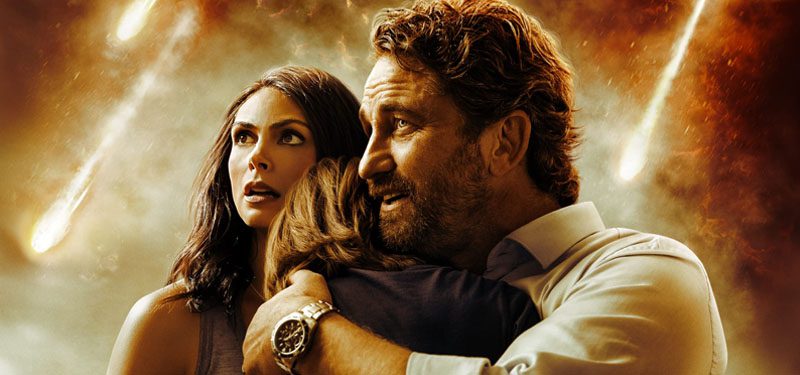
BPS 136: Horror Screenwriting (The Nature of Fear)

I was glad to take a deep dive into the deep end of horror screenwriting with writer and producer, Devin Watson, notably known for writing and producing The Cursed (2010) which was the first draft he wrote in only two days. 

He’s also written several books, the latest of which is Horror Screenwriting: The Nature of Fear. 

Horror has, among all of the genres in film and written works, one of the longest, most distinguished, and often misunderstood bloodlines in history. It is often overlooked by critics who don’t see anything more than blood and guts on the screen or a collection of cheap scares.

But what is missed is the hard-hitting commentary on society and life contained in those works.

Devin got his start working with the website, ‘moviepartners.com’ in the late 90s which was one of the first websites out there that really had any kind of information on independent filmmaking.

Eventually, he decided to try out writing some scripts. But reading what every he could find to prepare him for scriptwriting. He was influenced in a big way by Lew Hunter’s book, Screenwriting 434

Here, Lew Hunter shares the secrets of his course on the screenwriting process by actually writing an original script, step by step in Screenwriting 434.

When he felt ready, Devin wrote his first five scripts, all of which turned out not very good. Not until November 2006 that he wrote a script in 2 days for his friend, Phil Melfi. That was when he felt confident in his work. That script became his debut production and writing, The Cursed, which is still a sci-fi channel Halloween rotation regular.

Devin’s book Horror Screenwriting really dives into the craft of horror and screenwriting pretty deeply.

Enjoy my conversation with Devin Watson.

Right-click here to download the MP3

LINKS

  • Devin Watson – IMDB
  • Horror Screenwriting: The Nature of Fear – Amazon
  • Screenwriting 434 – Amazon

SPONSORS

  1. Bulletproof Script Coverage – Get Your Screenplay Read by Hollywood Professionals
  2. AudibleGet a Free Screenwriting Audiobook

Alex Ferrari 0:11
I like to welcome to the show Devin Watson man, how you doing Devin?

Devin Watson 0:14
I'm doing great. How are you?

Alex Ferrari 0:15
I'm doing great, man. Thank you so much for jumping on the show. Man. I truly appreciate it. I'm looking forward to diving into the deep end of horror screenwriting with you today. Now, before we get started, how did you get started in the in the film industry and the love of what you do.

Devin Watson 0:32
Also, while a bow bow, I would say probably the late 90s I worked on a website called movie partners calm. And that's kind of gone the way of the dodo now. But that was basically one of the first websites out there that really had any kind of information on independent filmmaking. around at the time, there was even somebody wrote their, their graduation thesis on it as like, what was going to happen. And they were pre staging like YouTube and Vimeo and things like that long, long before it actually came around. But that was that was where I really got my, my start was on the technology side of things. And eventually, I'm like, you know, I should really start writing some stuff, too. So I ended up reading a few books. I mean, that's kind of where I am is like, if I'm gonna learn something, I'm gonna go get some books. So I started out with, really, the one book that helped me the most at that time, was screenwriting for 34 by blue Hunter, because there wasn't a whole lot out there. A point in time, so that the 90s Definitely, yeah, yeah. So that's, that's where I basically got my, my, my start in that. And then I wrote four or five scripts. And, yeah, they sucked, like, gonna lie, I try to tell people that your first couple of scripts are just going to be bad, but that's okay. Because as long as you get a little bit better with each one, it's not going to be a total loss. And you can always go back later and revise them if you want. If you want to see if you can polish them up and make them into what you originally thought they should be, you can do that. And then I moved to Tennessee, and that's I was living with my producing partner at the time, Phil Melfi. And that's when, like, basically right after Thanksgiving. 2006. I wrote a basically he said, if you write a script, I will read it. And I won't. I won't just toss it in the trashcan. I was like, okay, so on that bet. I just sat down over the weekend and just turned out like a real serious one that I wanted to do. Because I had had all these ideas floating around in my head. And finally, they just all coalesced. And I said, Okay, now I got to write this thing. So I got out as fast as I could. Because I had another gig on Monday. And it's like, like, I only got the weekend. I got to do this. So I finished it late Sunday night. Phil was already asleep. But I emailed it to him. And then I went into his room and I said, Okay, I finished it. So he popped up out of bed, and he just read the thing, and came outside. And you know, his mouth was open. Because he knew I'd started it. He didn't realize I was gonna finish it then, and I said, Well, was it really that bad? So he was like, No, no, it's actually really good. And, you know, a couple months later, we actually managed to get financing for it. And that became the cursed, which is still out. sci fi channel picked it up. And they like to put that in their regular Halloween rotation on in October, but it's also available on Amazon. So it's, it's amazing just to see something like that. Get up there. And it's like, wow, it's up there.

Alex Ferrari 4:05
But then you show you and you wrote it in in two days?

Devin Watson 4:08
Pretty much yeah.

Alex Ferrari 4:09
So that was like most screenplays are written most screenplays are written in two days. You really don't need to take more than two days to write a screenplay. Right?

Devin Watson 4:17
I didn't find out till after that. You're supposed to take three months and like okay, well, I mean, I did revise I did like two or three more drafts. Like the next week I would just say like Well, I don't really like how this part went so but that's mostly just to not you know, once you get to a point so

Alex Ferrari 4:38
well so I mean, your book about horror screenwriting really dives into the into the craft of horror, screenwriting specifically pretty deeply. What were some of the first horror films ever made and what can we learn from them today?

Devin Watson 4:54
Well, believe it or not one of the first actual films ever made was a horror film. So That's a I think it's called the dark castle in 1896. So, horror has been around as long as filmmaking has been around.

Alex Ferrari 5:11
And what was that? What was that movie about?

Devin Watson 5:14
Well, it's a short obviously it was. Well, yeah. Yeah. It's really just about a haunted house. Dark spooky castle. That's really what it what it's about. So. Yeah, I mean, even back then people were there were afraid of the dark, scary places. And they were like, Hey, we can play on that. Because that's what people are afraid of. And they want to get scared, but they can get scared safely by just watching a film. And I think that was was it the lumieres? I think it was the Lumiere brothers.

Alex Ferrari 5:43
Did that one. Yeah.

Devin Watson 5:45
So when Nosferatu showed up when that was the first iteration was, I want to say in the early 20s.

Alex Ferrari 5:57
Also still like, yeah, that's 20 years later. So it was Yeah. And frankenz. And I'm assuming that was, was there a Frankenstein adaptation insanely times?

Devin Watson 6:05
Yep. There's actually one from night believe 1916. That is Edison. Edison studios. That was one of the first ones. And that's actually in public domain now. And you can watch it on archive.org. It's up there and the dark castle is up there. Well, it's as much of it is could be found and restored, is available out there as well. And people have actually taking those Nosferatu. And since it's in public domain, they've done all kinds of things to it. Like they've added their own film score. So like you want to hear it with, like the classical organ pieces you want to hear with an orchestra or you want to hear it with like goth metal. Somebody did a goth goth metal version of it. That's to say.

Alex Ferrari 6:54
So, and I'm assuming they were hits back then. I mean, well, first of all movies were hit just because it was a movie. But whore really started to get was there a specific movie back then that really caused a stir? That really kind of like scared the limit like good for us. It was like the actresses like the exorcist. This is the first one of our generation that I can think of. That was the movie that literally just scared the bejesus out of everybody like it just terrified. I mean, psycho to a certain extent, too, but Exorcist is a whole other level.

Devin Watson 7:26
Oh, yeah. Yeah, that that was like the pure shock value of it. It's like wow, then bad enough that Billy Graham says there's the devil is in the celluloid? I can I've seen it.

Alex Ferrari 7:38
Jesus, literally Jesus.

Devin Watson 7:43
Yeah, I think no, Serato was definitely one of the one of the first big ones because it also it plays into German Expressionism. And right was was one of the one of the big founding factors art wise, because just like, just like Now, a lot of films don't have enough budget. So what do you do you work with what you got, and German expression isn't. German Expressionism is really good for that because it doesn't rely on a lot of big fancy sets or anything. You just you fill it in, fill in the gaps with your imagination.

Alex Ferrari 8:22
Now throughout society throughout throughout history, society has really kind of shaped and culture and the culture has shaped how horror films are presented depending on what's what country you're from, what time period you're from, you know, obviously, like the exorcist played up on in America specifically, the you know, the Judeo Christianity, Christian Christianity. I can't say the word Jewish Christian. Kind of taboos. And it really touched on that culturally. How do it throughout history, though? How have how society and culture really affected the horror genre? Well, even

Devin Watson 9:05
going way, way back, you have like the ancient Sumerians, who they created gods, specifically to scare children into being obedient. Like if you go out after dark, this God is going to come and grab you and eat you. So scaring somebody when somebody is scared. They will. They'll do things they don't normally do. It's it's a, it's a one way to just like you see, in the slasher flicks. Like Friday the 13th and everything we see the teenage girl screaming and running away through the woods. It's like, No, no, no, don't go that way. It was like, Well, she's scared out of her mind. She's gonna do, she's gonna do the exact opposite of what she should do.

Alex Ferrari 9:51
Like, why are you going into that room alone? Like, why, seriously? What's the point of that? And then obviously, the Sumerian gods were then showed up and Ghostbusters. Were took care of them. I honestly, obviously

Devin Watson 10:05
and I honestly I mean if you didn't make the bad guys truly bad gozer wouldn't have been the thing that really would have I mean yeah it's it's it's a comedy but it's a horror comedy so it's

Alex Ferrari 10:18
it's a weird Ghostbusters was a weird because I've been horror comedies I assume they would horror comedies prior to that, but but Ghostbusters just took it to it and obviously Ghostbusters is a lot more comedy than horror but there is there is some scary. There's some scary moments in that like in the bottom of the library that terrified me as a kid. I was like Jesus, I mean Slimer wasn't as scary, but still, it could definitely be scary. I'm actually kind of excited about the new one. The one that's a direct sequel to the Ghostbusters with Jason Reitman's. Oh, yeah, it looks like he's paying really nice homage to him. He actually made me really miss Harold Ramis a lot after I watch that trailer. I was like tearing up. I'm like, Harold. Oh my god.

Devin Watson 11:03
I believe me. I got it. I have this here in my iTunes like, Oh, I so want to see this. I will. I will. I will go to the theater. And I will see this and I will gladly watch it because it just looks so amazing what they did. And I think Paul Rudd is somebody that could definitely pick up the mantle, so to speak. At least from the comedy side of things, at least looking at the extended trailers and seeing him with a Stay Puft Marshmallow Man. Oh,

Alex Ferrari 11:34
that was so great. Great. I'm looking for I'm really looking forward to. And again, for younger viewers listening there'll be like, Oh, it looks like another movie. But for guys like you and me who grew up with Ghostbusters and saw it in the theater. We just like Jason knew exactly what he was doing when he wrote the script like he he is touching nerves that needed to be touched. I think that was probably one of the reasons why the the all female Ghostbusters movie got such backlash is because it was so disrespectful to the original lore of it. And many people thought of it that way. I thought it was fine. But it was just not a sequel. It was just it was something else it was something other thing that was you know that lived on its own fine. It was a fine. But I think it was it was we were we are going off the deep end and the Ghostbusters world so I apologize everybody. It's just it is it's what happens when film geeks get together. But anyway, now there's so many different kinds of horror. What are the different kind of horror movies because a lot of people just think horrors or but there's many sub genres within horror.

Devin Watson 12:38
Oh, yeah, yeah, there's, well you've you've got like the kind of a surface layer of just the popcorn movies, as I call it like where you just disengage brain and you just watch it and try not to analyze it because it's going to you won't get anything out of it. You won't enjoy it like, like watching Halloween or the Friday 13th series or Nightmare on Elm Street. The other ones you've got, you've got the supernatural type horror films like like basically most of your Benson price movies from the 50s and 60s and the hammer horror films where you got the something closer to what would be considered body horror now like Frankenstein. And you have Dracula and other supernatural being that was I was another area right there. And then you have like, you're going to stuff like a David Cronenberg, like the fly and stuff like that. Well, basically, all of his early films dealt with your body changing into something horrible, and you can't do anything about it. And that's

Alex Ferrari 13:49
the horror within almost, right,

Devin Watson 13:51
right. It's like there's this and there's, there's something existential about it as well. If you really want to dive deep into that, there's that. And then you've got, like zombie films, where the monsters are the well you think that's the zombies, but then you find like, Oh, well, they're still alive.

Alex Ferrari 14:09
It's generally the humans who are the monsters if A Night of the Living Dead taught us anything? It was the people were the monsters, not the zombies. But then there's obviously like, you know, vampire films, Ghost films, torture porn, like the jigsaw and saw movies and hostile hostels and awesome hostile, hostile films, and those kinds of things. So there's a lot of there and then of course there's the the the monster movie to a certain extent but like the killer monster movie like alien well there's there's literally the monster movie but then you've got the Halloween that the serial killer but like then the supernatural aspects of those. So like, there's a lot like Freddie is a combination of a bunch of different and Freddie just the first the first time around. It was fairly terrifying especially for its time. But then he became it literally was a comedy routine after after think after the second one. It was like Freddie's hilarious. Yeah,

Devin Watson 15:11
yeah, that's, I call him the he's the cruel Jester at that point, because he's like, Yeah, yes, I'm gonna kill you, but I'm gonna have fun doing it. And I'm gonna crack jokes while I'm doing it.

Alex Ferrari 15:21
Right. Yeah. Whereas in Michael Myers, and Jason never changed. They're always the same just unstoppable force that comes in. And I still consider one of the greatest horror movies of all time is straws is still around. It's still holds To this day, you can watch it. And we know it's a mechanical shark. And when the shark does come out, it's not a it's not horrible, but it's definitely not, you know, completely 100% believable, but yet, it's Spielberg is just, it's absolutely brilliant.

Devin Watson 15:55
Yeah, and I think that from a visual perspective, I mean, part of what scares the bejesus out of you with jaws is that you just see the fin for most of the movie. It's not until you're like way deep into the movie. Before you ever worry. Schneider's chumming the water, looking and that thing just comes out of the water. And you're like, holy, whoa, okay. Now we got it. Now we see things like 20 feet long, and it's um, it's a monstrosity.

Alex Ferrari 16:24
Yeah. And I mean, and Spielberg single handedly has destroyed a species because people are still terrified by sharks, and want to kill them and all this kind of stuff because of that movie. And it's, it's hard. It's funny, but it's horrible at the same time, but yeah, but he was able to able to do that. And you watch something like Poltergeist, which is to be Toby Hooper. But, and I was talking to a filmmaker the other day about this. I'm like, you know, I'm a fan of Toby. But Toby really never got as good as poltergeists ever again, and from what I heard from behind the scenes is that Steven had a hand in this. That's why Poltergeist is it's a masterwork.

Devin Watson 17:02
Yeah, yeah. And what I, from what I understand, Stephen was a Spielberg was under contract that he couldn't direct two movies at the same time. So, so he was like, Okay, I'm gonna go do et but here's all my notes that I had already done for Poltergeist. So yeah, Toby. Toby had help. I would think a little bit from that. But still, he was the one actually doing it. And I think the the scene where the guy is ripping his face off in front of your, the hands, the hands were actually Steven Spielberg's.

Alex Ferrari 17:39
Yeah, it's interesting. Steven has not gone back to Hoare. Even though he kind of started his career as a as a scare might even in even in close encounters, Close Encounters has a lot of scary, scary moments in it. Even he has some scary moments in it. He has that wonderful ability, but he never went back to it. If I ever have him on the show. I'll ask him. When are you going to do another horror movie? Steven.

Devin Watson 18:05
The nice thing is you don't you? You do not have to have a huge budget to make a horror film, which is why it's so easily accessible to independent filmmakers. Like we look at The Blair Witch Project. I mean, that was made for like pocket change. And the probably the most my biggest adjusted for inflation, it probably still is one of the most successful indie films ever made.

Alex Ferrari 18:28
It is it was a very successful indie film. And I actually had Eduardo, one of the directors on the show a while ago, and I told them I'm like, you know, man, I love the movie. But and this is a spoiler alert, if anyone's listening, skip 15 seconds ahead of 30 seconds ahead, but the only thing that would have made that film perfect for me, is at the end, when the camera falls, you would just see a pair of floating feet just go by. Oh yeah, that would have I just got chills thinking about Could you imagine if you would have just seen some floating feet just go by?

Devin Watson 19:01
No, that's very reminiscent of the the previous generation of found footage, movies like basically what I call the second Italian Renaissance in the 70s where you have like the green Inferno. Lucio fulci. Those guys just Mario Bava just cranking them out left and right. Italian actors dubbed in Dubbed into English. And a lot of those ended, they would end on a shot of like, the camera hits the ground, but then you see one of the principal characters that's still left, they hit the ground and their head is just like split open and one and it's like, okay, it's over.

Alex Ferrari 19:39
And seen. Now, you know, us as a species, our I think on an evolutionary standpoint, we're very fearful because we're afraid about what is going to kill us. That's just instinctual. Like, what's around the corner is that I always use the tide is a tiger down by that by the Like, is the tire gonna get me around the corner? So you're always looking for that kind of fear thing, where in your opinion does fear come from in our species as a general statement?

Devin Watson 20:10
Believe it or not, I believe, I believe that is a survival trait. It's what kept us kept us alive as a species. Although now we can actually use that we can leverage that as screenwriters to really play on it. And it's like, oh, you're afraid of this? Okay. We're gonna we're gonna really, people are afraid of clowns because of it. But people were already afraid of clowns, even before it came around. But I mean, to be fair, clowns.

Alex Ferrari 20:41
Yeah, are are an abomination and need to be stopped.

Devin Watson 20:46
Oh, yeah. Trust me, seeing seeing that clown and poltergeists from behind them. Okay.

Alex Ferrari 20:54
All right. So let's, let's, before we start, let's just go over here. The scariest moment of my youth was sleeping over at a friend's house, who had HBO because we didn't have HBO, because that's only for rich people. And he was and I walked in and they're like, What are you watching? I'm, like, are watching this film called poltergeists. And I sat there for three minutes. And it was a scene where the little kid got taken down by the clown, the the life size, whatever the you know, kid size clown and took him under the bed. That's still to this day terrifies me. Not the clowns. I mean, I don't like lose my mind. If I see a clown. I'm like, dude, that's just Dude, you're a grown ass, man. Stop it. It just I'm sorry for all the clowns out there. I can't I just can't. It just No. But I went home that night. Other than the next day, I went home and I had a Sylvester, like for Sylvester and Tweety, which was about the same size as that clown. So then I put them in the corner. And I aimed all my GI Joes and Transformers with guns aimed at him in his half circle. So I could go to sleep. And then my mom walked in. She's like, Alex, what's, what does Sylvester Do you? Like when um, you don't want to know he's just shady. It's not It's not what he's done is what he's going to do what he has the potential of doing for me. And this is prior to Chucky or anything like that. I only imagine if I would have said something like Chucky, when I was that age. But continue, sir, I'm sorry. You are giving your fear where fear comes from?

Devin Watson 22:27
Yeah, where fear comes from? Yeah, it's it's a base survival instincts. If something scares you the fight or flight response, most the time it's flight, like, get me out of here. I want to want to get away from this. And then what is like Stephen King can do is they tap into a very universal fear of something. Like for him. He's like the fear of clowns. That's one thing. Fear, he has a fear of mice or rats. So you got something like graveyard shift your things, your stories like that. And that's where I try to teach people in book is like, start with what scares you. And try to understand why it scares you. And it all just comes from a lot of it just stems from the unknown. It's like, I don't know what that is, but it seems really scary. So I'm gonna stay away from it. So if you can tap that, especially with yourself, you've got to be kind of honest with yourself, like what really scares you. And that's even just straight up jumpscares which I think are kind of a cheap thing to do. I don't mind if a movie does it, like once or twice?

Alex Ferrari 23:39
Yes. Yeah, it's fun. It's a rollercoaster ride. It's a job. It's a drop,

Devin Watson 23:43
right? But if you're relying on that constantly, throughout your, your film, I mean, it's gonna lose, it's gonna lose its, its efficacy, it's not going to the 10th time around, it's not not as good as like the first time I was kind of like saying the same joke over and over and over again. It just stops getting funny.

Alex Ferrari 24:00
Right? Or the villain never dies and just keeps coming back and keeps going. That's what I love about scream that just literally just poked fun at all the tropes while doing them. While doing them. It was it was absolutely brilliant work. And I think that's one of the things I think he's talking about tapping into universal fears. m Night Shyamalan his new movie old. I mean, that's terrifying. Yeah. I mean, it's like you You walk in and you're like, Oh, my God, I'm I'm growing older. As as we speak rapidly. That is a terrifying. Has that ever been in cinema before? I don't think it has.

Devin Watson 24:36
No, I don't really well. There's.

Alex Ferrari 24:40
I mean, there's elements of it, but not like that. Right?

Devin Watson 24:41
Not not at that rate or speed or anything like that worse.

Alex Ferrari 24:47
Well, what's his name? What's the famous book a portrait of Dorian Gray. It says it has a similar fear of aging.

Devin Watson 24:56
Right, right. Which that goes back way, way back. So Yeah, but yeah, that's if you can tap that there's this existential dread of like, this is inevitable, it's happening to you. And you cannot get away from it that that can terrify so many people just by saying, Yeah, there's nothing you can do about it.

Alex Ferrari 25:17
But like the fly like you were saying Cronenberg like the fly, it is something that's like you are turning into a monster. Right? We have noticed like, again, tapping into Dr. Jekyll, Mr. Hyde again at that point, to a certain extent.

Devin Watson 25:30
Yeah. And when you all the time period, okay, so Cronenberg has vehemently denied in connection with being an allegory for AIDS. But it was very much in the forefront of people's minds that like, okay, because there was at that was mid 80s. And that's exactly

Alex Ferrari 25:49
when it exploded. Yeah.

Devin Watson 25:50
Yeah. So people were like, automatically connecting that in their minds, say, yeah, this is, this could very well be a story about somebody with AIDS, or an allegory about it. And he's like, No, no, it's not really about that. But yeah, you could easily make the connections yourself in your mind. And that's one thing that good work could do is your audience can find connections that you've never thought of, with things like 90 of the Living Dead. A lot of people make the the original night of living dead make the connection, that it was about mindless consumerism. Just people like ricambi were becoming zombies. You know, they can find some greater social message inside of a horror film that on its surface. Yeah, it's about zombies and people holed up in a house and fighting with each other. But

Alex Ferrari 26:39
I think George actually, Romero made that even more clear. Is it Donna the dead or when it was in the mall? Yeah. I mean, he literally was not hiding and

Devin Watson 26:50
yeah, he's like, Okay, I'm gonna run with this now. You say it is okay. Exactly, exactly. And then you've got I mean, one seem to me that always sums up existential dread is this there's a scene in the original alien when Lambert is cornered. And Parker's just been killed. And it's just very slowly showing this thing creeping towards her. This look on her face, like, Oh my God, this thing's gonna kill me. And you see its tail just go between her legs and upper back. And it's just very, very slowly shot. And then you and then right at the end of it, you hear her scream? And then the next thing you know all you can hear is her just breathing really rapidly over the speaker system in the in the ship and then and then you hear the thing, the the alien just make a mega noise and she screams one last time. And that's it. And all you're hearing at that point is just rippling running down the hallway. And that's it. It's like, okay, we know she's dead now. But that was like her biggest fear was that thing killing her? Because she was freaking out. Long before that happened is like yeah, it's almost like she was the course she was speaking for the audience like, Oh, yeah, we're not kidding. That thing. Yeah.

Alex Ferrari 28:09
Yeah. And alien and alien itself is a masterwork in in horror, and genre smashing with the sci fi. I think it's, I'm not sure if it was a first sci fi horror, but it definitely is the granddaddy of it. Yeah.

Devin Watson 28:25
Yeah, definitely. I think without that, because it was the haunted house in space idea, where you've got this thing working around it set. It really put a lot of concrete rules. Not really solely concrete. But you've got these rules of like, you don't have to show the entire creature because your audience's imagination is going to fill it in for you. And it's like, okay, we don't need such a huge budget to show this thing. And like, this thing looks terrifying. I think without that, without alien, we probably would not have had event horizon. Because they're both the haunted house in space kind of ideas, but instead of an alien monster running around you, the ship itself is haunted, and went to hell, or something approximating it.

Alex Ferrari 29:12
Right. And then the sequel, which was just alien on steroids, which is aliens James Cameron's masterpiece is another genre, you know, clashing with his action horror, which you don't see as much action or anymore. I mean, you did a little bit now with with Zack Snyder's new zombie film that came out.

Devin Watson 29:35
Yeah, it's I think it's harder. It's not just harder to put together but with action you've got, you know, stunts, explosions, Pyro, you've got the whole nine yards and it just ratchets up the difficulty level shooting with also budgets as well. And yeah, aliens again. It's like, wow, that was incredible. I didn't think they could actually do do Really good sequel. It's like, okay, we're just gonna go in this other direction. And then alien three came around and Fincher to get kind of back to the original roots, which was

Alex Ferrari 30:13
that house, it was a haunted house, I would have loved to actually see his version, not just version, I would love to see a Dave a real David Fincher Director's Cut, which I don't think he'll ever, ever do, because he hated that process. So it almost drove through almost he almost left the business. But thankfully, he went on and gave us seven, and fight club and so on, and so on, and so on and so on. Now, in your book, you talk about the talking head problem, what is the talking head problem?

Devin Watson 30:44
Okay, the talking head problem is where you're just running dialogue. And just like constantly just talking back and forth. It's really easy to fall into that trap, where you just have the characters talk about things to tell the audience what's going on. And you don't have to I mean, a screenplay is showing not telling, it's a screen play. So that's where a lot of especially first time writers they fall down, is they just go very dialogue heavy. And in a horror film, it's more about just, you know, here's to here's to what the audience added up to four. And that really can help. Well, I mean, look, look at how much dialogue is in a nightmare. The original Nightmare on Elm Street. Not a lot. Freddy doesn't even talk Really? I mean, you know, he's just

Alex Ferrari 31:36
Yeah, he did. Yeah, he didn't come he didn't get his personality till the second one. Really? Right.

Devin Watson 31:40
Yeah. And it's the same thing with Halloween, Michael Myers never talked at all. And that's makes them all the scare here. But and same thing with Jason never talked at all really? Unless you count the very end of Manhattan. But we we try not to think about Manhattan.

Yeah. That was one of those ones that's like that, that ending? I can't figure it out.

Alex Ferrari 32:06
I remember when it came out. I was like, Really? You guys are just running out of stuff.

Devin Watson 32:13
What just happened here? Yes. But yeah, you if you can keep the people talking, there's definitely some need for it in certain parts. And usually it's right in the front, like, Event Horizon had that scene where they're on the ship, and they're setting things up, after they get out of status. And they're just talking about like, okay, what's happening? Why are we here, that kind of thing. And there's trying to fill in the blanks as, as quickly as possible, but just enough of the blanks where you, the audience can start to piece things together more easily later.

Alex Ferrari 32:55
Right? in a movie, like the thing. Which is another one of those that there's just a bunch of people locked in place. And there I don't remember there being a talking head issue there. But there definitely is some talking heads in there.

Devin Watson 33:09
Yeah, yeah. And it's but it's, it's spread out. And it's, it's very, they're not like going on for page after page after page. They're just, there's like, Okay, we got to do this right now. And most of the dialogue is arguing back and forth about like, you know, like, Well, okay, Who, who, who led all the blood out of the, of the storage, and like, Where's the keys and all this kind of stuff? It's, it's more like them trying to figure out the mystery all amongst themselves, but the paranoia levels are just going up and up. No. Well,

Alex Ferrari 33:39
one thing that I, I love one little tip I I have gotten from James Cameron films, and he's the one that said it very clearly in the Terminator is when you have backstory, that you need to tell the audience instead of two people sitting down at a table telling you like, Well, you know, yeah, there's from the future. And you know, there's a killer robot after you it's a cyber, instead of that, do it with inaction. Yep. Which is a great way to do it. Yep,

Devin Watson 34:11
calories did that. While they were being chased by the Terminator. He was like, Yes, Sue, come with me if you want to live and get in the car, and they're running away from that thing. So right. Yeah, and by the time Terminator two runs or comes around, and you got the T 1000. chasing them, there's no talking at that point. Cuz like, we know what's going on now.

Alex Ferrari 34:30
Right? But that's but that's the thing so many people tell. But you know, you're just here to, you know, just dialogue that just sitting there just like, Oh, God, I don't want to, I mean, you need this backstory, or else the movie doesn't work, but it has to be done in an entertaining fashion. So while you're running away from a monster or something like that, if you can tell if there is absolute necessity for you to tell the backstory of something. If you could do it with inaction. god it's so much it's more entertaining. Always good.

Devin Watson 34:58
If you're gonna have to explain something you At least give them something to do. So it doesn't look so boring. And it's like, oh yeah, they're doing something important that's going to help advance the plot somewhere. But at the same time, they're also giving information but not in an, in a so direct way. So that that really helps. really helps keep your audience from falling asleep for one thing.

Alex Ferrari 35:21
And the other thing I can't stand when I'm watching not only horror movies, but horror movies in general screenwriting, is when there's so on the nose with stuff, like I know, like, I know, like, if you and me are in a scene and you meet our brothers, and we really need to talk about that we're brothers, or that we, that the story is reliant that we that the audience knows that you and I are related. You know, you don't go Hi, brother, how are you from the same mother? Like you know that but I've seen that as opposed to doing something in the dialogue that's like, Oh, you know, cuz you're always mom's favorite. That that one line says, okay, that's established that we're brothers now as opposed to saying, Hello, brother.

Devin Watson 36:02
Yeah, well, good line about that. It's the beginning of the abyss ahead here. He gets off when he gets off the video call with with his wife, but yes, that point we don't know that he's like, got a Mitch and then the other guy says probably shouldn't married her then. So such a brilliant

Alex Ferrari 36:23
line and Cameron has and I've said this on the show many times Cameron is one of the most underrated screenwriters. I think one of the most underrated screenwriters in history because he's such a predominant he's known as a director. And obviously one of the most successful actually the most successful depending on the gross numbers. One of the most successful directors of all time by his writing is his reader scripts for aliens. Um, it's it's a masterwork. It's an absolute masterwork.

Devin Watson 36:52
Oh, yeah. Yeah, I try to point people towards things and say, like, you can't Well, obviously, that's a big thing in screenwriting is watch movies, that you that watch movies, if they're good or bad, watch him because you can't learn. You're not gonna learn as much from the good as you can from the bad like, well, that's what you don't do. But also read the screenplays that went behind it. So then you can see, especially if you can get a copy of the production drafts that actually was used. So they can see what they cut out and try to figure out why they did that, why it was cut out for a long time or anything like that. Sunday, you can fine tune your process when you write saying, Okay, this might not work, but I'll leave it in and try to keep it lean and mean, if you can.

Alex Ferrari 37:37
Yeah, and I think that the it's a lot harder to learn from really good scripts than it is to learn from really bad scripts. Because when you read Tarantino or Cameron or, you know, or some of these master screenwriters, they make it look so easy. That it's like, well, it's kind of like looking at a painting by the Vinci like, it's not that easy. But yet when you watch a bad movie, and you're like, oh, that that character shouldn't have said that or the plots horrible. You learn a lot. It's a lot easier to fix bad than it is to emulate perfection.

Devin Watson 38:11
Yeah, you know, like a plan nine from outer space or mouse the hands of fate. So I like the room. The room. Yeah, that one? That one I'm still scratching my head about. It's like, okay, it got made. I don't know, really, the

Alex Ferrari 38:24
room is arguably one of the greatest films of all time, and you can only watch it with other people. If you don't watch it with other people. It's sad. But especially if you can watch it with other filmmakers, which is what I did last time I saw it was at Sundance with my crew while we were shooting a movie, and none of us had seen it before. And we're all just yelling at the screen. Why are you using the same stock footage shot twice? Is he humping her belly button? Why is there a football scene? What is going on? It's so great.

Devin Watson 38:52
And Tommy with those never going to say? He's like, well, I guess it's one of those. Well, you just don't understand it. No, he's

Alex Ferrari 39:02
like, no, this is all part of my plan. I wanted to make a spoof No, you didn't you wanted to make the greatest movie of all time. And the reason why it's the greatest movie. Now it's because you actually intended it to be that if you intended it to be a spoof, it would have died on the vine.

Devin Watson 39:18
Yeah. I can see that. I mean, I can take away a lesson from Kubrick as well. You don't have to serve all the answers on a silver platter to your audience. Kubrick doesn't. Yeah, the shining on 2001 premiered. It was at the Cinerama dome, I think. There were a lot of ala stars on the time watching it and they came out and one of them was a Rock Hudson. He said, like, what the hell did I just watch? And people were always calling or writing to him asking questions about what what did this mean and what did that mean? And he actually loved Those kinds of things because he said like if you're walking away from a film and you're asking questions and you're starting a dialogue about it, then I've done my job.

Alex Ferrari 40:08
I mean, it's the shining is a perfect example of that. I mean, if you want to talk about horror movies, argue one of the greatest horror movies of all time, even though it's very far removed from King's original work, but as a as a piece of art as a piece of cinema. What he did is is a masterwork and I always found that movie to probably be one of the scariest not particularly, because there's a lot of jumps jumpscares and there's maybe a couple but it is that it's terrifying on a psychological level. And I found out because I'm a Cooper account, that he actually went to ad agencies and learned about subliminal, subliminal advertising. So he would sneak their stuff inside of the shining that's built just to screw with a psychologically the vices know the stuff that he did in the shining, where it's just like, it's terrifying. And you can't put you can't point at it. Like in Freddie like, oh, Freddie scares the hell out of me. Or Jaws, like oh, that scares the hell they are the haunted house in China, you're just like, it's about a dude losing his mind and is about to kill his family, which is also a terrifying idea that your father could lose his mind and kill you. Like that's also a very, very Primal Primal Fear that somebody close

Devin Watson 41:31
to you that you love and that loves you is suddenly just gonna snap and try to kill you.

Alex Ferrari 41:36
Right let alone your father or your mother. But I think specifically the father figure in throughout humanity, I think isn't there some sort of thing that the the baby when it's born within like, the first few weeks looks more like the bad evolutionary so that so that that doesn't kill it, thinking that it's something it's somebody else's baby or something along those lines? It's something really deep seated, but then add in all the craziness. And then do you I mean, I'm assuming you saw room was it from two? on two through seven? Yeah. 283370. My God, what a great like you just sit there going? Well, that that makes sense. Like, I did it do that? Why is that window go nowhere? What are you doing, Stanley?

Devin Watson 42:17
Yep. Well, that's, that's the funny thing about Kubrick that I always I loved is that he was just a stickler for detail with everything. And if it's in there, it's in there for a reason that he had in his mind. So it if you find it, he wanted it there.

Alex Ferrari 42:33
Okay, you're not gonna make mistakes, you're not gonna make mistakes. He doesn't make those kind of like, oh, that just kind of fell into it. Like, no, he's, he spends three years, 456 years, seven years, prepping a film, so it was insane. Now, one thing that horror movies have a lot of is disposable characters. Can you explain why there's so many disposable characters in horror movies?

Devin Watson 42:57
Okay, so, to me, the disposable character is one who, if you can get them to convey some important piece of information, that's great. But usually you want something like the victim, like you need somebody to be the victim of something. I'm trying to remember that one.

Alex Ferrari 43:15
Well, in jaws in Jaws, the very first the very first victim at the beginning of the movie, the girl. Yeah, we don't know who she is. All we know, she's a pretty girl swimming in the ocean at night, which obviously is not a good idea.

Devin Watson 43:28
Right? And then you see her just get yanked a little bit, and then she's trying to stay up off the water and then boom, she's gone. She's there to convey the information to the audience. Like there's something in the water, it's big, and it's hungry, and it ate her very quick, very, very quickly. The beginning of the movie prophecy. That's what I was thinking of. Her walking. Yeah, no, no, actually the one from the 70s it's the environmental. It has Armand Assante in it actually.

Alex Ferrari 43:56
Oh yeah. Yeah.

Devin Watson 43:56
Yeah, the the very beginning you have these guys are hunting out in the woods with some dogs and the dogs kind of over a cliff with with their own ropes or something. And then you hear the dogs just like start freaking out and then they don't hear anything and they start climbing down and you see it from one of the they've got like spiel and or helmets on so they're, they're going down into this like crevasse is and you see, really from one guy's perspective after he's been yanked down in there. And he's on the ground. He's all he's already bloody but you just you hear something coming out. I mean, he's just screaming his head off as he's about to get torn apart by this mythical beast thing.

Alex Ferrari 44:45
That's insane. Now what are some of the common pitfalls in in horror screenwriting?

Devin Watson 44:52
The one thing that I've seen a lot of is it's it's actually not just horror, but it expands everything. Writing too description in scene action words like, like, Okay, look at what is it's called scene action things are happening, make it happen, don't describe the books on the bookshelf, or anything like that. It's like, they don't care about that unless it's unless it's really important that your character has red hair, and it's gonna become important later. Don't Don't even bother divulging that information you don't have to

Alex Ferrari 45:22
write in that is absolutely true. And that's why I always called screenwriting, the Haiku of writing. Narrative writing because it's, it's you got to say a lot more with less. And that's the that's, that's the art of it, as opposed to a novel where you can do a page of the book, and the leather bound glistened off the

Devin Watson 45:46
I, I, I try to tell people, the first five pages in a horror scripts are the most important. You got to get to the point really fast, which not you don't want to get the entire point is to say like, there's something dangerous in the woods, that's killing people. Okay. Explain. In five pages show in five pages, what makes it so dangerous to go in the woods? Or don't go into that house? You know, somebody, somebody got murdered in there like 30 years ago, and it's haunted. You got that first. If you can even do it in less, that's even better?

Alex Ferrari 46:22
Well, just jazz is a perfect example.

Devin Watson 46:25
Yeah. And if you keep it under five, great, and then once you've got that, then you could you got a good framework to build on, because then you say, like, Alright, how much do we show or not show? Well, the nice thing about horror is, it's about not showing as much as about showing.

Alex Ferrari 46:41
Yeah, I mean, it's got, I mean, I'm sure it's just not the first to do this. But he always said that you'll you want to hear the murderer behind the door. You don't want to actually see it, because it's gonna be a lot more terrifying that way. And it's, it's very, very true. I mean, that mean, the masterwork of psychos shower scene, which is you don't ever see the knife go enter ever. Right. But we do in our mind.

Devin Watson 47:07
And then you see the blood trickle down the drain is a masterwork. Yeah. Yeah.

Alex Ferrari 47:13
I mean, there's a document there's a documentary just dedicated to the shower. See? Yeah, I've seen it. And it's so good.

Devin Watson 47:20
It's so good. Just the deep analysis of it. It's like, wow, okay, that's pretty awesome. Um, the same thing with Reservoir Dogs the the ear seen? No, because they pan away when he's about to cut the guy's ear off. And all you hear is him screaming. And then later on, you see the guy with the ears saying hello, hey,

Alex Ferrari 47:43
did they actually I remember that? I'm not sure if I remember in the lore, did Quintin shoot the year and then shot that other version, just to see, or he or he's, or he's had that idea? Like, I don't let's let's pan away, which obviously just makes the scene so much more gruesome and terrifying. And it's, it's, it's absolute insanity.

Devin Watson 48:04
Oh, yeah. And that's, that's part of with horror, what I call the, like, the million ILM theory of your audience's imagination has the power of a million ILM that definitely could not pay you and not have enough money in your budget to pay for the kind of effects that you would want. But it's by simply moving it away, panning away or not showing it but you just hear it, you know, sound is half the picture. So if you can, if you can get a good Foley mix, then that's a lot easier to do. And a lot cheaper to do than say, coming up with a bunch of gore and makeup effects and things like that. It probably showed the after effects you want. But you

Alex Ferrari 48:48
know that there is a story. That I mean, this movie we're talking about a little bit of a side note here, but taxi driver, not are arguably a horror movie, but definitely a disturbing, and definitely a pretty bloody one as well. Talking about filmmakers, the lore is, and I actually heard this, Quentin Tarantino was telling this story, and he didn't even know if it was really because I don't think you'd ever confirmed it with Marty or not. But the way the story goes is that in taxi driver, they went through the the rating process in 1976. And it came back as x rated. And then the studio executive said you're gonna have to cut this this or this out, or else this movie's not gonna get released. And Marty, at that age at that time, was so distraught that someone was going to I mean, kill his masterwork that he got a loaded gun, sat in his room and got drunk with a loaded gun. And a bunch of his friends came over which were like the Palma. Steven Coppola they all came over because they heard what was going on. And they talked him out of not going to kill the executive. But then the the way he got around that, did you know the you know how he got the R rating?

Devin Watson 50:19
I think what did you read just resubmit it?

Alex Ferrari 50:22
No, he did resubmit it. But he just took one point off the red in the blue. So the Bloods a little bit more burgundy as it as opposed to a bright red. That's all he did. He didn't just change the color grade. That's it. And he did not cut he did not cut a frame.

Devin Watson 50:42
And that's, that's Yeah, I can't believe that as something that would have happened. The funny thing, Texas Chainsaw Massacre got an extra rating when it first came out. And it was like, well, it's so it's so gory. And like, if you go and watch it, nobody actually except for except for one guy gets hung up on a meat hook. And leatherface gets himself in the leg with the chainsaw. So like a tiny cut. Really? There's no real I mean, there's no gore on screen. Really. It's like got skeletons you got.

Alex Ferrari 51:18
It's disturbing. It's disturbing. Yeah.

Devin Watson 51:20
Right. It's all the implied horror of things. The implied terror of like there's a scary guy's wearing a human base for his Reza mask and he's got a chainsaw and it's like, yep, okay.

Alex Ferrari 51:32
Yeah, x rating. Now, what advice do you have for screenwriters wanting to add twists and turns to their horror screenplay, which arguably one of the best twist of all time is Sixth Sense. And if you haven't seen that movie, I'm sorry. We're gonna now ruin it for you. It's not our fault since it came out in the 90s. not our fault. But yeah, that's one of the Greatest Artists of All Time. Is there any and then of course, m night. I think he's been fighting to get back to that ever since. And he kind of I think he almost pigeon holed themselves into like, okay, now every single script they do has to have an insane twist at the end of it, or else it's not an M Night Shyamalan thing, because it was just so powerful. But I'm a huge fan of M night. I think he's, he says his missus, but everybody has his business.

Devin Watson 52:18
Well, I would say if you want to include a twist to make it, try to make it something that's going to take it to a homeowner wobbles like, okay, you think you're watching this straight up, slash reflect. And at the end, you put a twist in where it's like, Oh, well. This guy is actually killing people for a reason. Every bad all they say every villain is telling their own story. They're the hero. They're the hero of their story. Absolutely. Like I try to use a classic one I've used as Vader. from Star Wars. It's like right yeah, he's in his mind he's he's actually a good guy because he's trying to stop the world sup the galaxy from collapsing into chaos. And well, it didn't quite work out for him but

Alex Ferrari 53:04
are

Devin Watson 53:06
Ricardo montalban con in Star Trek to probably one of the greatest villains ever on screen that I've ever seen. He he feels like he's righteously justified in doing everything he did. He did to Kirk because he stranded them on that planet. He the planet was basically destroyed and turned into a desert. His wife died. all this other stuff is like, yeah, yeah, I'm going to the minute I get out of here, I'm coming for you. So you don't have to just have a generic villain. That's one way to actually add a twist to it. My Bloody Valentine is a good example of that horror genre. You can even make the villain sympathetic in that way more. Like I can kind of understand why he's why he or she is doing this. Well, I

Alex Ferrari 53:59
mean, Hannibal. I mean, Hannibal Lecter? I mean, oh, yeah. I mean, we, you he almost becomes a hero, not inside in Sansa lambs, kind of because, okay, he could argue it. But he's definitely an antihero if he is a hero, but he's not the main villain built Buffalo Bill is in the first house and lamps. But the other movies that came afterwards. He's essentially the hero of those Hannibal and I mean, it's the brilliance of that character and of Anthony Hopkins portrayal is in Sansa Lynch you're rooting for Hannibal, you you want him to get out? You arguably want them to eat some people. And it's disturbing. It's disturbing as an audience member that you're rooting for a Catholic cannibalistic serial killer,

Devin Watson 54:48
right? Well, you got the the heat prefers to eat free range rude. So it's like, oh, he's taking care of a problem we all have.

Alex Ferrari 54:56
Right? He's that eating a little girl in the puppy.

Devin Watson 55:01
Yeah, but I mean he's also has very well I guess you could say refined tastes because this

Alex Ferrari 55:05
fava beans obviously,

Devin Watson 55:07
yes. And also it's like, Okay, well he he ate that one the one flutist in the orchestra because he wasn't playing right? Because you wanted the orchestra to sound better.

Alex Ferrari 55:20
But you know, but we laugh but that's an A great character, like a great thing for that character to be because in his whacked out world that makes sense on the ending. I mean, when he's like, I'm gonna have an old friend for dinner one of the greatest ending lines of movie history. You want him to eat him? You want him that guy was such a prick. It's just absolutely a brilliant portrayal and that that won the Oscar, I think is one of the few horror movies that won the Oscar I don't think or is it the first I'm not even sure.

Devin Watson 55:51
Actually, it's swept pretty.

Alex Ferrari 55:54
Yeah. All five out of five majors. Yeah.

Devin Watson 55:56
Yeah. So and then actually, I think that tied. But it was, it was one of the first ones I think that actually got serious recognition by the Academy. And just by it's not like we go back to Poltergeist or something like that. It's like, oh, here's here's a fun summer horror film. It's like, no, this is real serious dark stuff. psychological horror. That you the monster is a human but he's super intelligent. Both Buffalo Bill and Hannibal Lecter. But you you really you want to cheer on him. You want buffalo Billy a cot? I mean, that's just kind of given even. I keep going back to was clerks to with when they were parroting the whole scene with goodbye horses. With that, but yeah, I mean, even Buffalo Bill, he's he's a smart guy. So you're dealing with highly intelligent people who are also well in one case, cannibalistic The other one is just making a pseudo suit out of women and

Alex Ferrari 57:09
such a terrifying and for screenwriters listening to make a villain. Just a couple of decisions, changes Hannibal from the guy we're rooting for, to an absolutely despicable person. And in the in the hands of a worse screenwriter and a worse director and a worse performer. Hannibal could have been a throwaway character who had no depth there. We really didn't love it. The what makes us love Silence of the Lambs is not only the plot, but it's Hannibal and his interactions with clarities. But Buffalo Bill does nothing redeemable where Hannibal even when he's escaping, and he's like, you know, terrifying. You know, eating those guys and they kick the dog in many ways. And that's the things like if you want you want to make a villain villain just him kick a dog or slap a baby and he's an automatic villain, or she's an automatic villain. Well, that's what the that's what the screenwriter did with Hannibal, but Hannibal was the dog. So you wanted the dog to get revenge in many ways. You know,

Devin Watson 58:18
I I did kind of go there with the curse as well, we we had this one character that was a little girl. That was the daughter of the acting Sheriff and the monster gets her. And later on, the sheriff, the acting sheriff, played by Lewis Mandalore. He finds basically her hand in that's it. That's all it's all up to her. At that point. I was like, Yeah, I can't look it. Okay. It looks like I had to go there because I had to give him enough strong enough reason to number one, I was trying to kill two birds with one stone with us. I

Alex Ferrari 59:00
was no pun intended.

Devin Watson 59:01
Yeah, I was trying to make sure that he had a strong enough reason to go after this thing to believe that it was real, but also to let the main character off the hook because he kept thinking that main character was the one doing all this was killing. So I was like, Well, I guess I'm just gonna have to well, first I killed the cat and then I killed her. So I didn't save the cat. I killed it.

Alex Ferrari 59:27
Now, I'm gonna ask you a few questions. Ask all my guests are what are three screenplays every screenwriter should read?

Devin Watson 59:36
I really think aliens. James Cameron script is a good one to read. Especially if you can get a copy of that Scott everything, especially stuff that was like eventually cut out. That's a really good read. longer, but not bad. I'm North by Northwest. Hitchcock. Yes, definitely want to read that one. And I do want to say read Clockwork Orange, read the script for Clockwork Orange. But at the same time, if you haven't read the the novel that it's based on by Anthony Burgess, get that to, just so you can see how far Cooper deviated

Alex Ferrari 1:00:21
it was. Yeah.

Devin Watson 1:00:23
But as far as it being close to the material, it's like, okay, I can see, I can see where he drew this from, you want to if you want to, if you're especially if you're getting into adaptations, you, that's a good one to look at when you want to compare the two. Because you have basically a record of, here's what Anthony Burgess wrote, here's what Kubrick wrote. And that's what's on the screen. So you can actually follow that path.

Alex Ferrari 1:00:43
And I watched, I watched Clockwork Orange the other day for I hadn't seen in years, and I just watched just the first 15 minutes. How that was ever released is beyond me how that got past sensors, how that got a studio put money behind that. It is, in fact got released today, it would be it would be an uproar that nobody would even understand. And he was doing it in the 70s it's absolutely remarkable, really is.

Devin Watson 1:01:16
Right. And I think part of why he was able to get away with it was after 2001, which was huge budget. Um, he was he really couldn't find because of the, you know, box office numbers and everything with that he wasn't able to get the kind of budgets that he wanted similar. So he's like, well, what can I do that I can just kind of run and gun it almost.

Alex Ferrari 1:01:45
Yeah, it's an It almost looks like an indie film. Like, I know exactly what you're saying.

Devin Watson 1:01:49
Yeah. Yeah. And, and he, he didn't have exactly a really huge budget on it. But he was because of that he was, I think, got a lot more control leniency at least from the, from the studio producing it. And then Warner Brothers was the distributor. And I think there was some problems that did get initially an X rating. He did have to cut a few bits and pieces. That's one of the reasons why the William Tell Overture scene is in is it's super fast. Because he originally did sorry, he originally did shoot it, just regular speed, but it's like, Okay, if we speed it up, it's gonna be harder for people to you know, make out stuff in there. So

Alex Ferrari 1:02:33
because he was having like, manassa tie was it was

Devin Watson 1:02:37
Yeah, was pretty graphic. Yeah, with two underage girls. So

Alex Ferrari 1:02:40
no, I didn't even realize it was Jesus Christ. That's true.

Devin Watson 1:02:43
Yeah. The way this stuff is. Yeah, the the, the book was a lot more graphic about that it was not wants to say completely consensual. So yeah, so that again, that's another one of those things. Like, here's how you can skate around stuff. Nowadays. You can release video on demand digital, plenty of platforms. And without

Alex Ferrari 1:03:07
ratings. Yeah. Without ratings.

Devin Watson 1:03:09
Yeah. And that's, that's kind of nice. If you wanted to, but if you ever want your thing to go, you want your film to go on to like, say you want to get on HBO or something like that. Yeah. Yeah. Or, or even even Showtime. I mean. So looking at David Lynch's revival Twin Peaks, and it's like, okay, that the big budget, even he actually finally got to do a lot of the things you've wanted to do with that show. And still further kind of explore the horror in that too. Which was nice. And even had his Kubrick Ian moment as well. And one episode, I call it the Kubrick Ian moment when they're flashing back to the creation of Bob with the nuclear test blast. That whole sequence is like, yeah, this is like the Stargate almost one.

Alex Ferrari 1:04:02
Now, what advice would you give a screenwriter trying to break into the business today?

Devin Watson 1:04:07
You don't have to go and hit studios up. You mean nowadays, man with camera technology, what it is, and everything else. You can you can be a Robert Rodriguez if you want. You can. You can write it, you can polish it, you can actually put it up yourself if you want. There are a lot more alternative avenues now. Then, like, Oh, I got to go get an agent and I have to get representation and I have to do all these writing assignments and things like that. You don't necessarily have to do that these days. There are filmmakers popping up all over the place and especially like this past year. As with the with the lockdown happening and everything. One thing that I noticed was a lot of solo filmmakers were making, essentially existential horror and putting them up shortfilms putting them up on YouTube. And there were they're actually pretty amazing because it's like, all I got nothing better to do I got a camera, it's me, and I'm trapped in here. So let's make

Alex Ferrari 1:05:10
that happen. Yeah, let's make something happen. Now what is the lesson that took you the longest to learn whether in the film industry or in life?

Devin Watson 1:05:19
Basically, there's what you know, and there's a whole lot of stuff that you don't know any of, it's gonna take you a long time to figure it out. So if you're in your 20s you don't think you know everything? I mean, you think you know everything, but you're probably not going to figure it all out until you hit maybe your mid 30s. And then even then, it's not everything.

Alex Ferrari 1:05:40
No, no. Yeah. But that can be said every decade. You think you knew everything, but you don't. But I would agree with you. Yeah, it's gonna take a minute. Yeah, is that this is not gonna happen overnight, you're gonna learn a whole bunch along the way. And can you tell me about the work that you're doing with the abl artists foundation?

Devin Watson 1:05:59
Oh, yes, that is. Steven latinus is a film composer, who he's he's blind, he has retinitis pigmentosa. And one day, we actually, we talked on the phone and he said, Hey, I'm thinking about trying to do this nonprofit that helps disabled musicians be able to, you know, get not only access to hardware and software and things like that for for composing, but also to promote the work of disabled musicians. And he ended up while I and one other person Stacy, we sat down and we actually came up with a design and we built the thing out, and we're actually just doing a refit now on the whole thing, because now we're doing he's doing contests and grants, and everything else is really expanding very fast now. But yeah, any anybody that's a partner company on there, gets they offer all their services and stuff for basically 50% off like the minimum you have to you can offer 50% so once you're verified disabled person, which there's a verification process and it's actually not that hard to do. Once you do that, then you have access to all these massive discounts on software and and I think even hardware and even lessons. Yeah, and it's, it's keeps growing. I think we're still getting suggestions from people like, Hey, you got to hit these people up like okay, well, and Stephens really grown out from that, to the point where he's, he's become almost a spokesperson now for disabled musicians and don't composers and everything. And it's

Alex Ferrari 1:07:51
awesome. And where can people find your movies and your books?

Devin Watson 1:07:56
Oh, they're available on amazon.com there's the cursed and there's also that's the movie, main feature. And then for screenwriting, the nature of fear is on available on Amazon. I do have some short films up on YouTube as well that I did. And there was one I worked on it was supposed to be a pilot for a web series called asphalt she Wolf's nice, great title, which is Yeah, that was actually my, my writing partner on that producing partner help with that. And then golden opportunity which is more of a sci fi dystopian it's kind of weird that I when I look back on it now, we shot it a few years before Trump became president and then I look at it go like this is what could have happened.

Alex Ferrari 1:08:50
Very cool, man. Nevermind thank you so much for being on the show. Man I enjoyed are going down the rabbit hole of horror of war in order screenwriting and, and just geeking out a little bit with another film geek. So I appreciate you man. Thank you so much.


Please subscribe and leave a rating or review
by going to BPS Podcast
Want to advertise on this show?
Visit Bulletproofscreenwriting.tv/Sponsors
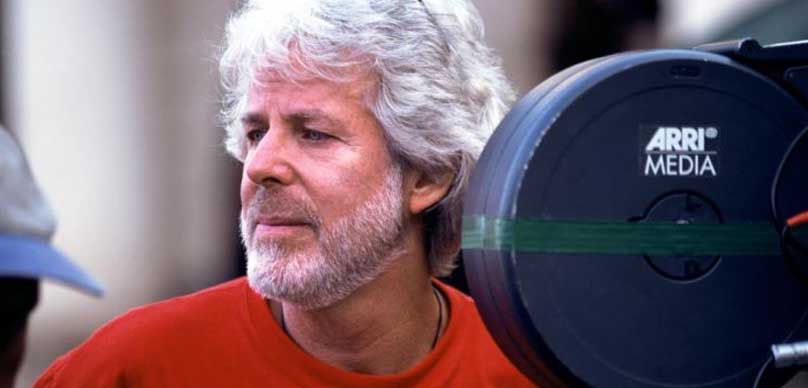
Christopher McQuarrie Scripts Collection: Screenplays Download

Below are all the screenplays written by acclaimed producer, director, and Academy Award® winning writer Christopher McQuarrie that are available online. If you find any of his missing screenplays please leave the link in the comment section. Here is a video where Christopher McQuarrie talks about Mission Impossible Fallout.

When you are done reading take a listen to Apple’s #1 Screenwriting Podcast The Bulletproof Screenwriting Podcast, with guest like Oscar Winner Eric Roth, James V. HartDavid ChaseJohn AugustOliver Stone and more.


(NOTE: For educational and research purposes only).

The Mummy (2017)

Screenplay by David Koepp, Christopher McQuarrie, and Dylan Kussman – Read the screenplay!

Jack The Giant Slayer (2013)

Screenplay by Darren Lemke, Christopher McQuarrie, Dan Studney, Darren Lemke, David Dobkin  – Read the screenplay!

Jack Reacher (2012)

Screenplay by Christopher McQuarrie – Read the screenplay!

The Tourist (2010)

Screenplay by Florian Henckel von Donnersmarck, Julian Fellowes, Jérôme Salle, Christopher McQuarrie – Read the Screenplay!

Valkyrie (2008)

Screenplay by Christopher McQuarrie and Nathan Alexander – Read the screenplay!

Edge Of Tomorrow (2004)

Screenplay by Christopher McQuarrie, Jez Butterworth, and John-Henry Butterworth – Read the screenplay!

The Way Of The Gun (2000)

Screenplay by Christopher McQuarrie – Read the Screenplay!

The Usual Suspects (1995)

Screenplay by Christopher McQuarrie – Read the screenplay!

BPS 135: The Way of Story with Catherine Ann Jones

We have award-winning author, playwright, actor, teacher, and writing consultant, Catherine Ann Jones on the show today. She’s authored a number of consciousness-raising books, plays, film, and television scripts, including, The Christmas Wife (film), Unlikely Angel with Dolly Parton, The Way of Story: the craft & soul of writing (book), Freud’s Oracle (Play), and several others.

Unlikely Angel stars Dolly Parton who plays a self-absorbed singer who meets an untimely death and gets an opportunity to earn her wings if she helps a family lost in the tragic death of their Mother find each other again. This should be a Holiday movie tradition.

In our interview, we talk about her book, The Way Of Story which offers an integrative approach to writing all forms of narrative.

This illustrated book contains evocative insights from the author’s own professional journey. The emphasis on the integration of both a solid craft and an experiential inner discovery makes this writing book unique.

She helps others on their writing journeys through workshops, consulting, and writing

Following her passions for truth-seeking and dramatic self-expression Catherine’s written six books. Her most recent book is a 2013 publication, Heal Your Self With Writing.

Catherine was a writer on the popular 90s TV show, Touch by an Angel.

The series generally revolved around the “cases” of Monica (played by Roma Downey), an angel recently promoted from the “search and rescue” division, who works under the guidance of Tess (played by Della Reese), a sarcastic boss who is sometimes hard on her young colleague but is more of a surrogate mother than a mentor. The trio of angels is sent to Earth to tell depressed and troubled people that God loves them and hasn’t forgotten them.

Let’s delve into Catherine’s writing process and how she helps others achieve excellent stories, shall we?

Enjoy my conversation with Catherine Ann Jones.

Right-click here to download the MP3

LINKS

SPONSORS

  1. Bulletproof Script Coverage – Get Your Screenplay Read by Hollywood Professionals
  2. AudibleGet a Free Screenwriting Audiobook

Alex Ferrari 0:07
Catherine, thank you so much for coming on the show. I truly, truly appreciate it. We had the pleasure of getting to know each other on one of my other shows. And we've just started talking like, Well, I think you'd be a great guest for the next level soul podcast. So thank you so much for coming on. Glad to be here. So I wanted to dive right in. And it's just a heavy question to start with, I'm going to start with it anyway, to see how where our conversation leads. What do you believe is your mission in this life?

Catherine Ann Jones 0:40
Well, in India, where I've spent several, many years, there's a word Sanskrit word called dharma. And Dharma means the law of your existence, it's more than career or job. It's what you were kind of what you came here to do. And if you can be fortunate enough to hook up with, you know, to know what that is, life really becomes magical. So I think my Dharma is writing and teaching. I love both. And I'm fortunate that I've been able to do both.

Alex Ferrari 1:20
And you've been able to, and you've done so much in your life, start, you know, acting and play writing and you know, playing in the shark infested waters of Hollywood, survived and survived with a smile on your face no less. Did you? How long did it take you to find that path? Because I'm assuming when you came out, you didn't like Well, I'm gonna go right and teach. I'm assuming it took a minute to get there.

Catherine Ann Jones 1:48
Well, when I was 12 years old, I wanted to raise Arabian horses.

Alex Ferrari 1:54
Okay.

Catherine Ann Jones 1:55
When I was 18, I wanted to be a missionary in foreign lands. That last my first year of college, then I read and thought too much became an agnostic. And so I had been acting, so I switch to universities to drama school. And then my passion was acting, which I did for several years in New York. And, but I always had a parallel passion. I guess what we called it, finding the truth, whatever that is, you know, at that point. So those parallel instincts pulled me each way, the passion to dramatically express myself, and the passion to go to India or wherever life took me to find the answers to my questions. And does that? Yes, that was,

Alex Ferrari 3:00
yeah, that answers that. But let me ask you, do you think that we have to go through figuring out what we don't want to do in order to find what we do want to do? or do something? Some people just find what they want to do in life? Because I mean, so many of us have to go. I think every one of us almost every one of us. does things like you said acting you enjoyed acting, but that kind of led you towards the writing world.

Catherine Ann Jones 3:26
Yeah, that was all connected. Right? I think I said, when we you interviewed me last about the writing. I can't think of a better background to write plays and movies and television than to be a professional actor. Moliere and Shakespeare started as actors after all, they're not that I'm quiet. Anyway, um, I think it depends. Everything is individual. I, one thing I believe passionately, is there's no one way to write. There's no one way to live your life. It varies person to person. So the search is really to find yourself and discover your own path and process and honor that

Alex Ferrari 4:17
Yeah. And that's the thing I it took me it's taken me 40 years. To find my path, though. I dabbled a little bit in it. And I would see hints of it. And I'd be like, and I would reject it, which is the third of the thing that we do is, as human beings is like, no, that's no, I don't want to do that. Because I have my mind. Like, I want to be a missionary. I can't go teach and stuff or I want to be an actor. I don't want to go teach and stuff. And I've had that happen. But the moment that I ran into my my calling, which is what I'm doing now, is I became so much more happy because I was angry and bitter and oh Oh my god, I was so angry and bitter at people. And I felt that I'm like, I need to do this, I need to do that I need to be this. And those those wants and needs, by the way, haven't gone away. And I think they all still work within the world that I'm in. But I'm much happier now. Because I've fallen into

Catherine Ann Jones 5:17
that's what I call one of my exercises and heal yourself with writing both the workshop and the book is I call it the coming home exercise. And finding your Dharma is a coming home experience. You know, there can be other coming home experiences, meeting someone for the first time and you feel you've known them all your life. Acting was that for me when I first started, it just seem almost too natural. No. So coming in what you describe when you found what you want to do, that's the coming home, you're coming home to your self, your capital SELF.

Alex Ferrari 6:04
Yes, exactly. And, and it's so funny, because when I first picked up a microphone to be a podcaster, which is insane thing, I liked it. And then I was like, wait a minute, I kind of really enjoyed doing this. And I've actually really kind of enjoying talking to people and, and meeting people. And it's just and then I'm able to help other people and things like that. But it took me a minute before I accepted it, you know,

Catherine Ann Jones 6:29
doesn't matter. As long as we get there. Some people lead their whole lives and haven't found what what did for them. I think the thing to remember, there's a saying in India, it's better to be a good servant than a bad King. So it doesn't matter what it is your Dharma is there's no judgment on that. It's just finding what's right for you.

Alex Ferrari 6:58
And connecting with it and when it does show up, not to reject it.

Catherine Ann Jones 7:03
Now, well, my word could be honored. Yeah, I think that's the word serve it

Alex Ferrari 7:09
Serve it. Because it's true. Like it's I think that most of us go throughout life, walking against the current. And we like fight, what our incent instincts, our nature is and things like that. But the moment you sit down and let that current understand that there is a current taking you where you need to go, life becomes so much easier and so much more happy you become.

Catherine Ann Jones 7:34
It's the kind of surrender really, my go when you find your spiritual path. When you find your Dharma, once that's in place, you can it's there is a kind of surrender of the ego, and that the invisible and visible allies magically appear to help you on that journey. against it the opposite.

Alex Ferrari 8:01
Right?

Catherine Ann Jones 8:01
It like climbing upstream.

Alex Ferrari 8:03
Yeah. And I love I love the term you use invisible and visible ally show up? Because, yes, because there was definitely forces of things that happen you just like, how did that happen? And in my, in my journey, just with my simple podcasts, I've had access to talk to people who are just insane kind of people I've been able to get access to. And sometimes it's just like, oh, an email dropped in, you're like, how did that happen? Like, how did that connection happen? Like it's it's mind blowing. But I would have killed years earlier, to have a sit down conversation for an hour or two with some of these individuals. And now they're asking me to this conversation, which is mind blowing.

Catherine Ann Jones 8:49
Yes, but it's made you who you are. Maybe you wouldn't done it as well, it should do it now. If you had done it 15 - 20 years ago, who knows?

Alex Ferrari 9:00
That's very true. That's very true. Now one of the things we've been talking a little bit about is finding that inner mission, the inner, inner purpose of yours, how can you better connect with the inner voice? Because we all have that inner voice that thing in the gut, which we ignore a lot of the time. How do you attune yourself to that?

Catherine Ann Jones 9:25
Well, it just so happened so wrote a book about it that it's that book called heal yourself with writing, Scott double themes. It's about self healing, grief and trauma, my graduate degrees and depth psychology young in psychology, and it's about deepening the dialogue with the self capital S, not the ego but the self, that deeper part of us and and I've created short exercises prompts that I use in the workshops and the book. And that seems to it's amazing people have come out of that workshop and say this was life changing. Because they find parts of themselves. They didn't know they were there. And they read what they've written. And they say, Where did that come from? So they're writing from a deeper place.

Alex Ferrari 10:26
So when you're writing, you're almost tapping into that inner voice, because you're just kind of letting it flow of consciousness almost like that.

Catherine Ann Jones 10:34
Yeah, it's, I call it in a way an intuitive inner voice. You know, it's inside. It's a kind of thing. I know an example i given. I also have in the book, heal yourself with writing anecdotes, from my own journey to illustrate the points I'm teaching. And show it to you tell you one, this is it's a pretty good story. I was living in New York, what I call my theater years. And an actor, actress friend of mine had just come back from making a film in Europe, and invited me to her flap her apartment on Central Park south. So I went there. And as soon as I walked into her apartment, something I felt very uneasy. There was no logical reason why should I know this woman for years, there was no problem. But I felt very uncomfortable. Like I shouldn't be there. And I should leave. But of course, my logical left brain came in and said, Oh, that's nonsense. So she placed me in a big chair by the window overlooking Central Park, where she ordered out for tea and snacks and things, and sat in that chair. And then it was even stronger. It was like get out of dodge now. And I stayed about 5 - 10 minutes more struggling with that, and it became so overpowering. I suddenly stood up and I said, Patricia, I have to go. I will talk to you later. You know, which was quite rude of me. And so I got home about 15 minutes later, 20 minutes later, I live not far away over by Lincoln Center. As I was walking in the door to my place, the phone rang. I picked it up, it was Patricia. She says Catherine, you won't believe what happened five minutes after you left. I said what? Now in these old buildings in New York, they often have AC you know, been huge box the size of a room on top of the building. It was a very windy day in the winter. Somehow that big, huge thing as big as half a room, fell off the roof crashed into her window, landed on the chair I had been sitting here I wouldn't have been killed. So the moral is, listen to that intuitive voice. It may even save your life. True Stories. So from then on, I was in my 20s. Then, from then on, I never doubted my inner voice says something like it might say don't walk the usual way home go around. I just follow it. It never lies.

Alex Ferrari 13:47
It's always got your best interests in mind. Yeah. Well, the thing is, when dealing with your inner, inner voice, or gut instinct, or whatever you'd like to call it, how can you balance the voice in your head with the feeling in your gut, because that mind is the most powerful and wonderful thing but it's also your darkest enemy sometimes?

Catherine Ann Jones 14:11
Well, they're both our highs. We don't want to throw out one or the other. I love integrating the two giving because we're conditioned in a way and educated in a way totally listened to the logical left brain, right? And the intuitive voice gets short shrift. So the work is bringing you know listening to both at least equally.

Alex Ferrari 14:38
So but there are moments where that brain that brain when you overthink something and your guts telling you just do this and then you start making excuses, or there's fear involved, which there's generally always fear involved. Things like that their fear our desire, fear or desire writing for us. Exactly. So if your mind is creating, let's say fearful thoughts or fearful thing, like, take that job, no, don't take that job because if you take that job, this will happen or this or Apple, this happened, but your guts telling you no idiot take the job?

Catherine Ann Jones 15:17
Well, there's an interesting something in Young's autobiography. It's a wonderful book. He wrote it when he was in its 80s. And one of the things he says that always stuck with me is that, you know, that intuitive voice gives you little murmurings, like, do this, or don't do this, like little whispers in your ear. And when you don't listen, sometimes you need to be hit over the head with this stick. I had a feeling for about three years, I should leave New York. But logically, my son was still in school with one attempt to finish high school, before I got out of the city. And I did a Fulbright year took my son with me, came back and my apartment was stolen by a student, I had let stay there. Now there's a saying in Manhattan, people will kill together great apartment. Right? You know what, she didn't do that. But she changed the locks. And anyway, I would that was my head over the head. So it was a terrible thing to happen. But in the end, it was a blessing because I realized this was my hit over the head. It was time to leave New York. And about that time I won that award in how in Los Angeles for one of my plays, and it was optioned by MGM studio. So I had no reason to get out, you know. But for three years, I had the I had the gentle whispering in the ear from that inner voice. But I didn't listen. So it had to be something extreme to

Alex Ferrari 17:11
say yeah, and yes, the structure of the universe will try to teach you lessons. And if you don't listen to, when it's a gentle, they will then sometimes literally will crash into you, literally a car crash, something will happen that will force you to go down the path that you need to go or less or learn the lesson. I hear

Catherine Ann Jones 17:32
all the time from participants in my workshops, that like someone got cancer, because they were doing a job that hated or whether or in a relationship that was not positive. And the cancer woke them up. And they live in they said the cancer is the best thing that happened to me, it changed my life. My life is so much better. Now. I would recommend though listening to the gentle voice and not go through having your home stolen or cancer.

Alex Ferrari 18:08
There's so much pain that we as as humans go through unnecessary if we would just be more connected within ourselves to go inward as opposed to go outward. There's so much we look for happiness outward, we look for peace outward. Everything's outward. But all of that lives within us. Do you agree?

Catherine Ann Jones 18:31
Not only that, psychologically, I think there's a fear of change. I lived 20 years in New York City, you know, and to suddenly start a new life a new career in Hollywood. It's daunting, you know, on the way. So sometimes, even though the current status quo doesn't make us happy, it's familiar. It's happened is vitual. But going on to what you're saying, you growing, you're going up to the higher level here. And yes, I think the most important part is enter. In the external will express the image

Alex Ferrari 19:13
with yes without question. Now, you wrote the book, heal yourself with writing. What do you see writing? How do you see writing as a potential healing force in a person's life?

Catherine Ann Jones 19:27
Well, first of all, I developed the workshop at Esalen Institute, Big Sur where I'm going Monday morning to teach a live class with real people. I know, right? I'm so happy. So I developed it there. Because I've wanted to do I had done the way of story workshop for years and the book, which is for people interested in writing, all forms of narrative. This was different. This is a course I wanted to do for writers and riders to use writing as a healing modality, a self healing modality, especially for grief and trauma. And anyway, I had very powerful results from the participants at our salon. And that led me to write the book. So it's not about learning to write, it's just letting I do it in such a way, these short 510 minute exercises, where you write from the unconscious, you know, and it's sort of automatic, but it's specific, I call it focus journaling. It's not about write whatever you want, you listen to the prompt, and you write whatever associations arise, and people are amazed what comes out, which is, it's also never the same because everyone's story is unique. So lucky for me, it's never boring.

Alex Ferrari 21:02
Now, I know a lot of people out there. You know, when we're born, when people are always telling us, you have to have to find a career, you have to make money, they have a stable life and all of this kind of stuff. How How do you? How did you balance a career in Hollywood, which is, I have a lot of experience in Hollywood. So I know how hard that is the very kind of physical or egocentric world of Hollywood, or of any career for that matter, and a spiritual path. And I think a lot of people have trouble balancing those two, not from Hollywood, but just as general career.

Catherine Ann Jones 21:44
Thanks to the pandemic, the last two years, you know, I these years, I usually travel all over the world teaching workshops. Thanks to the pandemic, all of that was cancelled, I had to stay in Oh, hi, California. And I had no excuse not to write, I had been asked to do my memoir over the last few years. And I kept putting it off. And so this year, I wrote two memoirs, they were published. And that's the theme of the main memoirs, which is really more than autobiography starting, when I was living in Japan at the age of four, the books called Buddha and the dancing girl. And that became, it was two experiences I had as a child in Japan. And that became an archetypal metaphor for my whole life. Buddha is a search for the spiritual dancing girl is the compulsion to express dramatically through acting and writing. So these two seemingly polar opposites, were the driving force of the last several decades. And at some point, they had to merge. And when they become integrated to use Young's word, then there's no out and in that sort of one, one, I don't know if that makes sense. In my experience,

Alex Ferrari 23:25
fair enough.

Catherine Ann Jones 23:27
So it's like, I was always having some success in New York as an actor and later as a playwright. And the first thing I do instead of opportunistically make, make something out of the success. I would get on a flight to India to my teacher and spend three months, two months, whatever. It's not the best career move to do that. But it was my way and it worked. And then when it merges, there's no where I realized there's nowhere to go. There's nothing to do. There's no one to be.

Alex Ferrari 24:10
You've mentioned, the India's one of your favorite places to visit in the world.

Catherine Ann Jones 24:18
No, no, that's not exactly what I'd say. The climates the worst in the world for me, right? Um, I get terrible jetlag. I said, India is my spiritual home.

Alex Ferrari 24:32
That's okay. So,

Catherine Ann Jones 24:34
I used to dream I told a friend of mine who also went there later, I said, if only our teacher had been born in Hawaii,

Alex Ferrari 24:46
but yeah, you do what you got to do. So can you do what you got to do to find you know, inner peace and enlightenment? When can you talk Can you talk a little bit about your journeys in India? I'm meeting either sages, gurus and what they've taught you along the way.

Catherine Ann Jones 25:12
Wow. Okay, I'm going to start with the dream. I have a rug. I'm a young yet not hard to fit the age of seven. Until I was 21. I had a recurring dream. All those years simple dream. I write about this in the Buddha book. But the dream was this I was in the backseat of a car. The car went into a hot desert. And there was no driver at the car, the car was driving itself. Suddenly the car stop this, my door opened by itself. And I looked up and on higher ground, there was a huge rock and a dark scan man appeared. He was wearing a white shirt and a white sheet wrapped around his waist that went to his ankles. And there was a feeling I've come home. That was the dream. This stream reoccurred over many years. When I went to India, I went to South India to a sage I had heard about hits what they call a householder sage, not a monk. He had wife and children. And the car, the taxi drove up, I was in the backseat, I opened the car door, I looked up and out of on a higher ground out of the big white house. This man came out with darker skin, a white shirt and a dhoti wire wrapped around him. It was the same man. It's in my dream. So I never searched anywhere else that was decades ago. And I was very fortunate and that so there was no question this was the right place, for me, may not be for someone

Alex Ferrari 27:17
else. Now, what were some of the things that he taught you along the way?

Catherine Ann Jones 27:23
It's not like this, that I can make a list. It's not a lecture. He didn't lecture he uses a Socratic dialogue. That means if there are no questions, he just sit silently. If there are questions, he would respond, not only to the question, but the questioner. In other words, if you and I asked the same question to the sage, we would get different answers. So that's one thing that struck me right away, he was answering the person who was asking the question.

Alex Ferrari 27:59
So can you explain that a little bit like when you mean he answered the question and the question, or was he answering the question,

Catherine Ann Jones 28:08
what the question are needed to hear what he has to know? Because sage, of course has those cities or powers.

Alex Ferrari 28:18
Interesting.

Catherine Ann Jones 28:19
It's more the presence of a sage. It's not just the words. The philosophy is a Hindu philosophy behind the religion. There's no God concept. It's it's called that Vedanta and vitae Vedanta advisor to means not to and ending with Bhagavad Gita. All these great Indian shoe polish sheds, Rama, Mama Ohashi, yoga, Nanda para Rama, Krishna, these are nisargadatta. These are former sages.

Alex Ferrari 29:03
So is there something that he said to you that changed your path in life? One thing

Catherine Ann Jones 29:11
was, yeah, but it's not what he said. Sometimes I used to worry, because after a talk, I would totally forget everything, anything that was said. Because just being in his presence, you would kind of dissolve you weren't there. So I couldn't and I said, I'm trying to be attentive. But why is you know, I was 23. So I asked a lot of stupid question. But I said, I'm trying to be attentive, but I can't recall what you said. And he said, that's good.

Alex Ferrari 29:48
Interesting, very interesting.

Catherine Ann Jones 29:51
It's a very different process than like being in a lecture at the university.

Alex Ferrari 29:57
Of course. Now, I'm assuming I know from our last conversation that you meditate and you've been meditating for a long time. What What does that practice done for your life? And how has it changed your path?

Catherine Ann Jones 30:13
Oh my goodness. Well, first thing, my worst trait is impatience. I'm an astrologer on the side. And I have nine planets in fire. So it's good for teaching. It's good for acting. It's not so great for the personal life. But, you know, so to meditate for the last 4050 years, which, that's how long it's been. You know, you have to sit still to meditate. And it's, it's given me I'm not home free, but I'm certainly a lot more patient and tolerant than I used to be.

Alex Ferrari 30:57
So, so yeah, so it definitely I am with you 110%. Because I'm a very, I was a very impatient person, I still am. And I'm not 100% there either. But meditation in my life has definitely caused me it is it is slowed things down a little bit. As opposed to

Catherine Ann Jones 31:14
something else Salix, I got a phone call half an hour ago, a friend I've known since I was in the drama department, undergraduate. And she lives in New York working actor, she and her husband, she called me from the hospital. She has cancer, and will face surgery. And so I told her, I said, Let the surgeons do the external work, but you have inner work to do. I said, Well, they're putting you under meditate, take deep, long breaths, and visualize something beautiful, or whatever your spiritual orientation is. I'm a firm believer in the power of thought. And that you can't just expect the doctors to do everything the inner work can help you heal. I've seen this enough times that you know, and she responded very positive to that.

Alex Ferrari 32:27
When you say inner work, what do you mean as far as because we all have inner work to do? So can you kind of define inner work for me?

Catherine Ann Jones 32:33
Sure. Well, the deep breathing helps make you still if you're have anxiety, or fear. And then to place your mind on something positive, I would think about my teacher, I would visualize him sitting in the chair, walking, whatever, eating a meal, whatever. And that would end in they put you can put you in a state of bliss. And then you if you go into a surgery in that thing, it can make a lot of difference. I've heard too many examples to confirm this. So So visualize, if you have a mantra, do that arm, wrist, if you're a Christian, the Lord's Prayer, whatever works for you, someone that's Frank Sinatra wants what he believed in. And you know what he said? He said, What ever gets me through the night? So whatever gets you through the night or the dark night, which surgery would be so anyway, I just thought that because it was half an hour, of

Alex Ferrari 33:47
course, not so many. I think that the world has an epidemic and I think we've had it since we, you know, we were put on this planet is dealing with the fear. Fear of you know, originally it was the fear of the Tiger eating you around the corner. And now it's the fear of your boss or the fear of failure or the fear of being you know, not accepted. Cow, do you have any tips on overcoming fear because it's something that every human being on the planet deals with?

Catherine Ann Jones 34:20
I have an anecdote to share. This, you know, life is story to me. so

Alex Ferrari 34:27
sure.

Catherine Ann Jones 34:28
Story. years ago, my first long play was produced in Aspen, Colorado at the conference there. And I met James Salter James halter, who died not long ago is a novelist. I think his most famous book is Downhill Racer, which Robert Redford played in the movie years ago. He said something I'll always remember he said, Most of the things I've worried about never happened. And I have an example of that a week ago. I've taught 1516 years. So that's the lunch. But of course I haven't for over two and a half years because of the pandemic. So they asked me to come back and teach. So suddenly, one day, I began to worry, I thought, you know, because of the pandemic, we may not get enough people to make the workshop. And if we don't, they'll cancel the workshop. And so I worried for one day, then the next day, I got a call. And because I told him, I don't want over 28 people at the most, because I like a lot of one on one. So SLN call me and said, it this is a month before I was to go there. I said the workshop is full, and there's 19 on the waiting list. And I've worried one whole day need what a waste of energy, right?

Alex Ferrari 36:07
It is, it is true. You worrying. I heard this crazy comment. Worrying is like trying to solve an algebra equation by chewing bubblegum isn't a good one. It's like it doesn't. It's useless. It's useless. You know, I mean, it there's a certain level of worry, like, you know, if you're in a bad situation, you could worry about what's going to happen to you in the next five or 10 minutes.

Catherine Ann Jones 36:33
be concerned. concerned. Yeah. And you can think what can I do? Am I Is there something I can do to make sure this doesn't happen? You know, that's a good concern. Worry something else?

Alex Ferrari 36:48
Yeah, worry is a waste of think. Because if you're worrying about something, you have no control over like that, like your perfect example is like, you had no control over who and how many never happened, and it never happened on top of it. If you I think you should, if you're going to be concerned or worried only can be concerned about things you have control over. It makes no sense to be worried about something else that you have no control over. Now that we're going along with fear. So many people live their lives even based on the opinions of other people, the good opinions of other people, as Wayne Dyer used to say, do you have any advice on how to ignore that kind of thinking and trying to break away from other people's not only other people's opinions, but other people's thinking? I mean, it starts with our parents, you know, we're born this glob, and then all the stuff is thrown on us

Catherine Ann Jones 37:49
the first chapter and wait in heal yourself with writing us. What is your story? What story are you living? And I'd say it starts at home. Usually, so one of the exercises is, are you living your life or the life of parent want to doodle live? or so on? That's one of the things to tell you the truth. I don't know if it's a good positive or negative thing. Maybe it's because I'm an only child. Maybe because I'm an Aries astrologically I've never really cared what other people thought I love my friends. But I just feel strong. And whatever it is, I am you know that I've never been swayed. But I do know I've had friends that are are swayed to such a degree. They never follow their dream. They're so afraid of not having, I can't tell you how many people come to my way of story workshop, here and abroad all over the place. And like they want it to be a writer. And they ended up writing political speeches in Washington DC. They ended up working in advertising. They make good livings, they had families. And now they're 45 5055. Now they want to write the all American novel or whatever, the great American novel. So it's dreams don't die easily. And they can lay dormant for decades.

Alex Ferrari 39:30
I get that all the time in my in my other career talking to filmmakers all the time. I have 65 year old filmmakers like I just retired. I want to make my first feature film. I've always wanted to be a director and you just like, wow, like I was a doctor because my parents pushed me into that and I've been a doctor for the last 40 years. And now I want to I want to follow my passion.

Catherine Ann Jones 39:52
I actually I had a play open in New York and it got good reviews and they gave a party at the party and method doctor, he was a doctor on Park Avenue. That's where the high level big money doctors are in New York. And he said, My father was the doctor, he always wanted me to be a doctor. I'm good at it. But I always wanted to be a playwright. You know, I had a, I haven't, I didn't even have a fraction of what this man earned. But I was happy.

Alex Ferrari 40:30
In that's something that's I think we should talk about really quickly is finding that bliss, as your old friend Joseph Campbell, used to say, oh, follow your following your bliss. Yeah. It doesn't matter if you're not super wealthy, super rich financially, or have millions of dollars or anything like that. You can be happy, I think, I don't know where I heard this story. But the story of the fishermen and the businessman that the fisherman was in the Caribbean, somewhere in this new york businessman showed up and like, took them out for a fishing journey. And he's like, Oh, my God, what do you how many fish you catch a day. He's like, Oh, I could do this. He goes, Well, you could do this to build the business up. And then you can get a couple more boats. And you could do this, this, this and this. And he's like, at the end of that he's like, no, he goes, Well, why wouldn't you want to? You know, why wouldn't you want to be bigger, happier, he's like, I catch enough fish to feed my family, then I get to sit down, drink a beer, to hang out in the ocean, and I have time with my family. I'm happy. I don't need any of that stuff. Exactly. And that's it. And I think that's what in generally the American ideal is all about more and more and more and more and more, and I need to be rich, rich, rich, rich, rich, and that the American dream and all that kind of stuff. But how do you how can you like kind of any advice you can give for people to understand like finding happiness first. And oddly enough things follow when you find your, when you find that bliss, things follow? Well,

Catherine Ann Jones 42:06
I guess I was lucky, I never really cared about money or fame. That was never the driving force. I was I have ambition. But my ambition had a different hue. My ambition was I wanted to work with the best people. I got to work right movies for Dolly Parton. Olympia caucus, Jason robarge. Julie era's. That's my I didn't write thrillers or action films, I could have made more money, because that that's where the big money is. But I wouldn't trade it for the world. So I was never drawn. Here. We're talking about people who are overly influenced by other people starting with one's parents. So they may be living a life unconsciously, to satisfy something the parent failed out and wanted them to succeed in. That's one example of this first exercise. I do, I'll be doing next week. And sometimes it's unconscious. And people don't realize that until they write the exercise. And they've heard, oh my god, for 30 years, I've been living my father's dream, not mine.

Alex Ferrari 43:27
That's, that's pretty. That's a pretty profound realization, you know, 40 years later.

Catherine Ann Jones 43:35
And sometimes it gets more complex. Sometimes the unconscious dynamic can be because a parent failed. There's an unconscious pressure, an unspoken unconscious pressure on the child to succeed up to a point but not to succeed beyond what the parent did. Nothing spoken. It's just an unconscious and it's felt, you know, lose their love. The unconscious is saying if I go beyond my father, or whatever, you know, it's it's complex, sometimes.

Alex Ferrari 44:17
Very complex. I mean, I I truly want my my daughters to be much more successful than I was. Without question I want them to and I want them to succeed. I want them to succeed in anything they want to do. But I understand your point of view. I had to deal with that with my with my father as well. He is there's only so much it was just a weird it's a weird conversation. But that's a that's a that's a that's a session for another day. You could do a session on. Well, I mean, parents, look, our parents are our everything for the first 15 years, 18 years of our life there. That's our world. That's our world. And then when we get thrown into the Real World, hopefully we've been prepared and have enough knowledge and an armed enough with things to protect ourselves to deal in the real world because I do the world world's gonna throw things at you that your parents did and many times other times not but, but your parents are I mean, it's being me being a parent now. I see what my, my mother had to go through raising me and I see so many of her bad habits that I might have picked up or my father's bad habits I might have picked up as well as the good ones that I picked up things that they were really good at that I also drew on but the children are sponges, absolute sponges. And you don't have to say a word they just, they sense it, they just, they just absorb it. They absorb everything all the time, from their environment.

Catherine Ann Jones 45:54
they rebelled against it, too. So Alex, could I read just the introduction from the heal yourself?

Alex Ferrari 46:02
Yes, please, please

Catherine Ann Jones 46:03
give yourselves because you said you want to talk about this. And yes, before this might. I start with a quote from Harry Potter and the Chamber of Secrets by JK Rowling. It's all right, it's over. It's just a memory. And then my that's the end of the quote. Our lives may be determined less by past events, then by the way we remember them. I'm gonna say that again. That's kind of the theme of the book. Our lives may be determined less by past events, than by the way we remember them. If we learn how to reframe the pieces of our past and revision, our life story, so that suffering becomes meaningful, we can radically boost our chances of self healing, empowerment, growth, and transformation. Focus journaling, short writing exercises designed to facilitate self healing is an extremely powerful tool to achieve this aim. There were two inspirations to the book and the workshop. One was a Native American parable I read years ago, and it was about an old Native American grandfather speaking to his eight year old grandson. And he says this, he said, there are two wolves fighting in my heart. One wolf is generous, loving, and kind. The other wolf is greedy, and violent, and mean. And these two wolves are fighting in my heart. Then the little boy looks up and says grandfather, which wolf wins the fight in your heart. And the grandfather answers, the one I feed. So in a way, the word in the workshop or if you do the book are there is an online course is how can we feed the good wolf?

Alex Ferrari 48:27
It's very, very profound. I've heard I've heard of that before as a great, great parable.

Catherine Ann Jones 48:32
The other inspiration. There was a great Jewish psychiatrists, New York, who was a Holocaust survivor. He was in Auschwitz. And he was called Viktor Frankl. And he saw his entire family, what doubt in Auschwitz, his wife, his children, everyone dead. And he had this epiphany. He's he realized he had no control over the external situation, not the only power he had, was how he perceived it. How he focused his mind, and this became the basis of his amazing work as a psychiatrist in New York. When he died, The New York Times gave him a full page obituary. And he wrote a book called Man's Search for Meaning. Small book, but a powerful book, but that stayed with me cuz it was very close to the danta the philosophy that influenced me. So part of the work in the workshop is shifting perspective. Like if you've had a trauma, you see life as a victim, sometimes sexual trauma Say. So if you can shift away from the perspective of the victim, your whole life changes. I don't know I'm sort of simplifying it, but that shows up the work we do. So it's deep work, you know it is and work

Alex Ferrari 50:18
for no question and can be scary work because when you start knocking on those doors, those doors will open. Yeah. Sometimes you might not want to see what's behind there, but you're gonna have to deal with it.

Catherine Ann Jones 50:27
The first time I did this workshop at Esalen. I got a letter from I think she was in her mid 30s. Right at the age, she was very successful in Silicon Valley. She had carried a sexual trauma with her for years. When she was 15, she was sexually abused by her brother and her brother's friend. She did the exercises, she never shared what she wrote, she kept to herself. So I didn't think more about it. And then I got the letter and she said, I've been in therapy for 20 years, nothing has worked. After this workshop, I feel I've returned to myself. Now listen to those word, I've returned to myself. Because when you have trauma, there becomes a split between your soul and you know, the outside world, you're cut off. That's why often people who walk around with drama, say soldiers or whatever, they don't feel anything, they're numb inside, they've been split off. So finding a way to return yourself to yourself. That's a mighty work.

Alex Ferrari 51:47
That's, that's pretty powerful. Pretty powerful. Can Can you tell me what the biggest lesson you've learned in your life so far is? Is there one that you can point to?

Catherine Ann Jones 52:02
Well, what comes up is parenting. I, I've had one son, now I have two grandchildren. Nice. But I think I had my son when I was 21. So I was very young, and I had been an only child. So I didn't have a lot of experience with babies or children. And I love being a parent. It taught me as much as anything else in my life. But if I had to do it over again, I think sometimes I rushed in too quickly to try and fix things for my son. You know, I consider this a problem. I'd say what you could do, you know, I tried to have the answers. If I had to do it again, I think I learned it's better to just listen and just be there for someone going through something

Alex Ferrari 53:02
instead of trying to fix it. Yeah. Good. That's a great answer. what came to mind anyway? How do you think people can connect more with God in today's world? Well, you're talking to an agnostic First of all, but what the universal energy universal energy, the absolute pure consciousness, force, death force? Absolutely right. The force be with you. Yes.

Catherine Ann Jones 53:31
I don't think it's a white man with a beard.

Alex Ferrari 53:34
I agree with you. 100%. On that,

Catherine Ann Jones 53:36
I just wanted to clarify, sure. Um, well, I just finished a new book. And I found this quote, it's an unknown source. I think it's, I can't remember some unknown source. And it says, I went in search of God. And I found myself. I went to India in search of God or the truth. And I found myself and not the ego self, again, that capital S I think I shared with you when I finish this, this book is self with writing. And I was just about to send it off to the publisher. I did a read through and I kept looking at the title page. Because you know, heal yourself with writing yourself is one word, usually. And I kept looking, I knew something was missing, but I didn't know what and then it hit me. And all I did was separate the word so it's heal your self capital S self with writing and then I knew the book was done. I compare it to a painter has to learn not to over paint the canvas he has to instinct or intuition. Dibley know when to stop and lay the brush down. And that kind of changed things for me.

Alex Ferrari 55:08
Why do you think we're here? It's a general statement to find that self, not the ego.

Catherine Ann Jones 55:18
In other words, you, I think we're here for the growth of the soul, I could answer it like that. I think the purpose of each life is for the soul to grow. And the soul can be rather ruthless. Some people may grow when terrible things happen in their life, cancer, Death of friends, whatever. Or can be positive things. But I think we're here for that for the evolution of the soul.

Alex Ferrari 55:52
And where can people find out more about you? And the work do you do in the books that you've written?

Catherine Ann Jones 55:59
My website, I guess, way of story.com. And there, my online courses are there on the home page, I do writing consultant. I've done psychic readings for 14 years, mostly now. And I do a blog once a month. And some interviews, maybe we'll put the center of the thing so we have story.com, and they can email me through that

Alex Ferrari 56:34
to Gavin, thank you so much for doing this. It's been an absolute pleasure talking to you and, and doing this deep dive into into soul work, if you will. And and thank you so much for all the work you've done over the course of your life to help people and with your books and plays and stories and, and teachings and everything. So I do appreciate you and thank you so much.

Catherine Ann Jones 56:57
Thank you


Please subscribe and leave a rating or review
by going to BPS Podcast
Want to advertise on this show?
Visit Bulletproofscreenwriting.tv/Sponsors

BPS 134: Psychology for Screenwriters with William Indick

I’m taking a journey down the rabbit hole of screenwriting psychoanalysis with Professor William Indick, who is a psychology professor at William Paterson University in New Jersey, professor of psychology executive chair of faculty at Dowling College, and author of Psychology for Screenwriters.

We take a nerdy dig into the world of psychology and how it affects writers, screenwriters, and characters. With some expert contextualization, William psychoanalyzes some of our favorite films and characters while also breaking down character archetypes and themes he has studied.  

How did it all start, you ask?

Well, in 2003 he made the decision to incorporate more culturally relevant theories of personality instead of antiquated theories in his psychology classes by sorting references from famous films. Based on his students growing interested and fascination, William researched to find psychology textbooks about films, but none existed. So he wrote one instead. 

The book was published by Michael Wiese productions in 2004.  Psychology For Screenwriters supports that screenwriters must understand human behavior to make their stories come alive. This book clearly describes theories of personality and psychoanalysis with simple guidelines, thought-provoking exercises, vivid film images, and hundreds of examples from classic movies.

Basically, the book takes general psychology theories and applications and adapts them into helpful tools for screenwriters.

He delves into various genre archetypal characters and themes that are repetitive in screenplays in the second edition of the book which will be out soon.

Just this summer, William published his sixth book, Media Environments and Mental Disorder: The Psychology of Information Immersion. It deals a lot with narcissism, and the notion that all media is a mirror, and how we understand ourselves at a time when we’re constantly being reflected in a million ways. The information environments that modern society requires us to master and engage in are based on literacy and digital communication. Mediated information not only passes through our brains, it alters and rewires them. Since our environment, to a large extent, is shaped by the way we perceive, understand, and communicate information, we can even think of mental disorders as symptoms of maladaptation to our media environments.

This book uses this “media ecology” model to explore the effects of media on mental disorders. It traces the development of media from the most basic forms–the sights and sounds expressed by the human body–to the most technologically complex media created to date, showing how each medium of communication relates to specific mental disorders such as anxiety, depression, schizophrenia, and autism. As the digital age proceeds to envelop us in an environment of infinite and instantly accessible information, it’s crucial to our own mental health to understand how the various forms of media influence and shape our minds and behaviors.

My conversation with William was one of those discussions that you come out of, more informed than you went in.

We had a blast. Enjoy my very informative conversation with William Indick.

Right-click here to download the MP3

LINKS

SPONSORS

  1. Bulletproof Script Coverage – Get Your Screenplay Read by Hollywood Professionals
  2. AudibleGet a Free Screenwriting Audiobook

Alex Ferrari 0:11
I'd like to welcome the show Bill Indick. Man, how you doing Bill?

Williams Indick 0:14
Good, how are you?

Alex Ferrari 0:15
I'm good, my friend. I'm good. Thank you so much for coming on the show. Um, I'm excited to dive into the world of psychology and how it affects writers and screenwriters and characters and cycle analyzing some of our favorite films and characters, which I I do on the show often as a, as a non professional, without a PhD, as I'm sure you've run into too much. But before before we get started, what made you decide to write a book about psychology for screenwriters.

Williams Indick 0:47
Um, so it's this is going back to 2003, so almost 20 years ago, and I was just starting out as a psychology professor, and I was teaching classes like abnormal psychology and theories of personality where you have to, you know, get into the nuts and bolts of psychological theory, Freud, Erickson, young, all those guys. And I was finding it hard to sort of get these very old theories to be relevant to my students. And I, you know, my idea was, okay, well, let me take something that's I find fascinating and interesting, and some and use it as an example to apply it to. So I started doing little short film analyses in class as examples of these classic personality theories. And it really worked very well. So I said, Oh, you know, what, I should get a textbook on like, how to do you know, basically a psychology film book, but none existed, there was really none about specifically applying psychoanalysis to film analysis. So I wrote the book. And one of the people that I shopped the book around to was Michael Reese, and Michael Reese productions. And he said, this is great idea. But we write books for filmmakers, we write books for screenwriters, and they wanted not an academic text for more sort of a practical guide. So I said, Okay, take the same theories, the same applications and just turn them into something that would be helpful for screenwriters. So instead of, you know, saying, Okay, as you analyze a film, think about this, saying, as you write a film, think about this in more sort of analytical ways.

Alex Ferrari 2:22
So can you, like do a cycle analysis on a genre? I like it, because I know you wrote another book about, you know, the psychology of westerns and things. Can you break down like general overall psychologies of specific genres? Are there like key things that are in most of films in certain genres?

Williams Indick 2:40
Absolutely. And that's one of so psychology for screenwriters is going into a second edition, and I had to add three chapters. And basically those three chapters are going to be based on these books I wrote about psychoanalysis, for specific film genres. So in any genre, you're going to have basic character types, which in psychology will typically call archetypes after Carl Jung's theory. So in the western, you have this sort of cast of characters that basically reappear in every film, you have, you know, the cowboy hero, who's oftentimes an anti hero, you have a villain character who usually, quote unquote, a dude. The word dude refers to Easterner who was out west, I don't know how it became just a sort of general term for person. But that's so the villain is usually a dude from the east or a banker or a railroad person or evil cattle Baron, somebody who wants to own the land rather than live in it in a more sort of wholesome or holistic with respects to land. Yeah. Oh, yeah. So you have the quote unquote, horror with a heart of gold character, and then the nice sort of virginal schoolmarm character, and all those characters exist as archetypes. Within this specific mythology that we call the West, and the archetypes change, they grow up and they, you know, become darker usually, but they don't really change the same basic motivation, which is redemption, usually for the, for the hero, that stays the same. And you could do the same thing with horror movies and psycho psychological science fiction, musicals, comedies, every genre exists because there are these archetypal characters and archetypal themes that just repeat themselves over and over again. So yes, you can certainly do a psychoanalysis of genre and I've been doing it and do it again.

Alex Ferrari 4:31
So okay, so let's break down, let's say, the action genre, which is probably one of the most popular genres, sci fi, sci fi and action are both very popular, what are you know, actually a very broad genre. But generally speaking, in your, from your point of view, what are some of the kind of like, archetypes that are constantly in their cycle analyzing that genre?

Williams Indick 4:53
So I would say if we're talking about American films, and that's really I don't know about you, but certainly I'm not particularly comfortable talking about any other rights other than American films. But um, the western was incredibly influential, and really dominated the whole film market for that whole period going from the sort of mid 40s to the early 60s. So what we call the action genre is really just something that evolved out of the Western genre, people saying, hey, maybe we can make an exciting film with guns and chases, and all that exciting stuff happening, but not set in the West. So people started coming up with different types of action movies. But it really basically is the same as the western genre. So you have the same basic kind of hero, this sort of slightly dark character with a good heart who finds it hard to fit in, in his environment, because of his own personal code of honor, that doesn't necessarily mix with the hypocrisy of modern day. And you basically, you take this Western character, and you put them in the city, and you give them a badge, and, you know, a three piece suit. And all of a sudden, he's this the sort of archetypical cop hero, you have the buddy cop movie, that's basically just an extension of the Western genre. And I would say, in this in the 60s and 70s, and 80s, when American culture was getting kind of sick of the Western, we saw a lot more action movies based on this cop hero. archetype, who is essentially the western hero, then starting in the 70s, but really getting a lot of traction in the 80s began to see Action. Action movies based more on classical superheroes, from sort of ancient myth, like people that we call superheroes, people who aren't just regular men, you know, with who are very quick with a gun, but people who are who actually have superpowers, like gods, so Superman, Batman, Spider Man, and that is, you know, a rather different type of story. And that calls upon these ancient patterns of the hero that go all the way back 1000s and 1000s of years, to the ancient Greeks in the ancient Romans, the ancient day ends and Christians, the classical hero, so to understand that character, we really have to kind of study from Joseph Campbell's some Carl young, and move away from the very specific American action hero that basically just an offshoot of the Western hero, the cowboy,

Alex Ferrari 7:30
so the Yeah, cuz I was gonna ask you Next is like, Well, obviously, the the dominant genre in popular movies is superhero. I mean, yeah, it is. It's taken over all other genres. And do you believe in your, in your opinion, do you think what Spielberg said is true? Where we're going to, we're going to get tired of superhero movies, eventually, in the next 15 years, like, we're just going to be like, it's over. Let's move on to something else, just like the western was like the western. But you know, sci fi has always been sci fi action has always been action like there's I don't, but this specific genre of superhero, do you think that that's going to eventually happen?

Williams Indick 8:10
Yeah, you reach a point with any medium point of saturation, where people will have gift had enough and they need something else. That doesn't necessarily mean that the archetypes change. Again, people got sick of westerns in the 1960s, when nine out of 10 TV shows were westerns, and this was something like six out of 10 feature films released every week was a western people got sick of it. And it wasn't as relevant in a time when people were less gung ho about being American in the 60s. So what happened, two things happened, the genre itself became darker and more realistic in an attempt to kind of better reflect the American spirit. And that really kind of killed the western for a while. But the other thing that happened was, the setting changed. And we took the same basic characters and just put them in a different setting. So I would say probably somebody, something similar is going to happen with superheroes, where we're seeing it already, we're seeing the characters get darker and darker and darker. And at one point, it reaches a point where a character gets so dark that nobody wants to identify with that character anymore. It's too dark, like some of the Western characters we saw in the late 60s and early 70s. So yeah, we'll reach that point of saturation, where people just are sick of it. And also we'll reach the point of where the character itself the main character gets too dark, and it's going to have to change. What will it become after that? Well, you never really know. But it's essentially it's the same basic archetype, whether he's in a war movie, or Western or action movie or a superhero movie, basically the same characters with different settings. It take George Lucas, you know, he came around at a time when the western was really dead. And he said, Well, what if I just take a Western and set it in outer space, and instead of lightsaber it's just like samurai swords? Yama. So samurai swords. lightsabers, and he took a state your basic Western plot, mixed a few things in it and came up with Star Wars, which captured everybody's imagination, you know, for decades and decades and decades. And not many people complained, oh, this is just a Western setting Outer Space doesn't matter.

Alex Ferrari 10:16
Right. And I mean, let me he picked obviously he picked he took Seven Samurai and, and hidden fortress specifically, and which are basically, Western semi samurai. Samurai films are westerns, and magnificent, Magnificent Seven and all that stuff. And it's so funny because the this the the success of the latest incarnation of star which was the Mandalorian on the streaming service. It is as Western as you get. I mean, it is yeah, it goes back to the core roots of Star Wars, which was a Western hardcore Western, but in space. And I mean, it's actually I think Mandalorians even more Western than the original Star Wars is,

Williams Indick 10:59
it's a straight up Western, when you see it, you have this character who is the quintessential cowboy hero, he sort of comes in the wilderness, he's in this frontier territory, where everything's kind of dark and scary, yet he has his own personal code of honor. He has this sort of path towards redemption. It's, it's the most traditional Western I've seen in a very long time, and only the setting is different.

Alex Ferrari 11:23
Exactly. And then the whole lone wolf and cub story with him and baby Yoda is also it's just a complete callback to Japanese westerns.

Williams Indick 11:32
Yeah, and the Yoda, the baby Yoda. We've seen that before in westerns, there was specifically there was a film called three godfathers of classic Western that was remade a bunch of times. And probably the classic version was directed by john Ford, with john wayne in it. But the basic premise is you have these three cowboy outlaws, and they're on the run. And they run into a, what he called a wagon train that's been attacked by Indians. And the only survivor is a mother and her newborn baby and the mother died. So now they have to take care of this baby. And yeah, so you have these three really tough guys, like Three Men and a Baby.

Alex Ferrari 12:11
Are you ready? Yeah, you read my mind. I was like a three minute baby.

Williams Indick 12:14
And, but their whole struggle is to you know, deliver this baby to New Jerusalem to this town and a half to fight the wilderness fight Indians, you know, and go through all that and that so uh, yeah, baby Yoda is directly from that. But I mean, when I was watching the Mandalorian, I was thinking, I should probably write something about this show. So not only it's a very traditional Western, but every episode is based on kind of a classic Western movie. Like, like three godfathers or the searchers. You know, it's been a while since I've seen it, but but I was very, very much impressed by Jon Favreau, who's he did a lot of the writing and all the directing, saying, like, this guy knows his westerns, and he's really applying it in a great way. And the wonderful thing about taking a genre like the western, which has very established archetypes, and plots and characters, and just changing the setting is that you don't have to make the characters as dark as they would normally be. Because while people are sick of the sort of a cowboy hero in the white hat in the white horse, perfect character who's so good that he's unbelievably good. People did get sick of that in the 50s, and 60s. But when George Lucas put them in outer space, we have you know, Luke Skywalker, who's again, this classic, very pure white hat, white costume character. Meaning if so, if you change the setting, you can go back to the original home template of the genre. So that's kind of a useful thing to know.

Alex Ferrari 13:46
And it really when you set the whole white hat character in the superhero superhero genre, arguably is the the godfather of all superheroes, which is Superman is very difficult to write for, because he is that white hat character. And at a certain time in American history and world history. That was acceptable in the 70s when Christopher Reeve showed up, it was fine. You wanted that kind of, you know, apple pie kind of character. But as time has gone on, he seems so unrealistic that they had to, like try to darken them up. I'm like, but that's not the character you can't. That's why Batman has been he just days because he's, he's such a realistic character. I mean, to a certain extent, obviously, but much more realistically, dark character. He's a realistically dark character, and he's very vulnerable. And all this stuff. When you're writing for Superman, you're writing for a god. And that was the problem with ancient Greeks. You know, in the myths of ancient Greece, like, well, they had to give them human fair frailties, to be able to write a story about him because if they're just, there's no power in there's no power that can stop them, then why are we watching this? There's no conflict.

Williams Indick 14:53
Yeah, well, when you have a character who's super powerful, the only person who can defeat them is themselves. Eventually, eventually, you have to come to a point of either such darkness when the character is destroying himself, or you have to change the setting, or it changed things around a bit. But yeah, we see. So we see, the same thing with superheroes that we did with the Western characters is at a certain point, we reach point of saturation. So two things happen is one is people start messing around with the setting. And the other thing is people start making the characters themselves get darker and darker, so that they're more interesting and more identifiable. But then you get, you get to a certain point where the character is too dark, and something has to flip, there's a reversal. So like, just to sort of wrap up what we've been talking about with westerns and superheroes, you have the western, the western gets bigger and bigger and bigger. And then to the at the point of saturation, it turns into the anti Western turns into a very dark scenario that people are interested in seeing. At the bottom point of it is people are going to the movies to be entertained, not to be edified, or not to be lectured at, and not to have a dark, dismal time with a character who's just completely reprehensible. So, so what happened was, you had a flip reversal, you took the exact same genre, you just change the setting, like Star Wars, or Superman, and now you have all of a sudden, you can have this character who's totally pure and perfect again, because people don't recognize it as the western. But then over time, again, saturation gets in characters get darker and darker and darker. And then there's going to be a flip or reversal, where all of a sudden people like oh, like we have a brand new movie genre, but it's not. It's just,

Alex Ferrari 16:39
it's just, it's all fun. We've been recycled, we've been recycled, the same stuff since the beginning.

Williams Indick 16:47
Well, one question that's relevant is, well, why can't anybody come up with something that's completely original? Why do we always have to recycle the same characters, the same basic plots, the same basic scenarios? And the answer is, life isn't as complicated as you think it is. And in terms of identifiable struggles that characters can have, there's not that many, you know, you have the sort of classic struggle for redemption, the classic struggle for revenge, those are the two classic themes in westerns that we see in action movies, as well. You have love the search for love, the search for connection, the search for community, the search for some type of meaning, meaningful connection with others, beyond and then there's the fight against evil, or whether evil is embodied by you know, enemies, or by, you know, a wilderness or by some type of danger. Those are the classic themes, and you can't really get away from them, it's hard to come up with an idea for a movie that's going to be dramatic and have conflict and keep people's interest, if you don't touch upon one of those key themes.

Alex Ferrari 17:51
Yeah, in a lot of young writers, a writer starting out, they always like, Well, I'm not gonna, I'm not gonna go to any of them, I'm going to come up with something new. I'm like, Listen, you've got to build a house. And there are there's basically about eight or 10 blueprints, you can use. And within those blueprints, you could go crazy. I mean, obviously, look at all the beautiful buildings have been created throughout the world. But at the core, the structure still needs a floor, still needs walls, still needs doors still needs windows in one way, shape, or form, to make this work. And within that scope, within that structure, you could do whatever you want. And that's why I think a lot of young writers fail because they just go off not thinking that they're not being original.

Williams Indick 18:32
And it's and the house is a good metaphor, because the most important thing a house must have is a strong foundation, which nobody sees, you don't see the foundation. So when people think, Oh, you know, I'm going to do something completely original. They're possibly going into the process thinking I don't need a foundation. But we all need a foundation can't see it doesn't make it any less important. In fact, it makes it more important. And that's what the psychoanalysis and psychology gives you. Because if psychology is a study of human behavior, and if film essentially is just human behavior projected onto screen, well, what's underlying all of that behavior? What are people's motivations? What are their both their conscious and their unconscious motivations? There's nothing more interesting than a character who thinks he's doing one thing, but it's actually doing something else and then has to realize at a certain point through an epiphany or revelation, you know, why they're doing what they're doing? Um, that's part of the foundation of any character is what is the secret foundation to this characters issues? And how can it be revealed in a way that doesn't reveal the foundation? Meaning How can I make people understand what this character is going through and what their real inner struggle is by providing symbols and metaphors through some type of outward plot or since it's an external conflict. So the idea is, there's internal conflict. That's what the character is dealing with. That's what we as the viewers identify with, but it all because it's film, it all has to be visualized. It has to be externalized. And objectified in a way that everybody can get, even though they're not psychologists and they're not necessarily doing film analysis.

Alex Ferrari 20:18
So let's let's let's do an experiment here. Can we cycle analyze? One of the more famous heroes of all time, Indiana Jones. Let's Let's psychoanalyze Indiana Jones because because then yeah, if you mean everyone listening, this has if they haven't seen Indiana Jones out there, you got some homework. You've got some homework to do, but he's one of the most, at least if I like the third one. Come on. The third one's pretty good. Yeah. Sean Connery. Yeah, yeah, that's the first three, first three, the fourth one who knows what happened there? But anyway, um, now we can search for more money. And they're doing an apparently that's they're just continuing. Because I think Harrison I think he just broke a hip or something. doing his ad. Now he's doing the next one. But, you know,

Williams Indick 21:01
I hope they're casting him as the mentor character and not the hero, because that's got to be the hero.

Alex Ferrari 21:06
I mean, he's just I mean, at a certain point, I mean, unless you're, unless you're a character like Clint Eastwood and Unforgiven, then you can be the old ie the old hero, but it's different. Yeah. Much, much, much, much, much different. Sorry. So talking about Indiana Jones. What How would you psychoanalyze him? And and can you pinpoint why so many people love that character? It's an adoring character in a time when there's a lot of characters, and there was a lot of copycat, you know, archeology, you know, adventure films made after Indiana Jones. But for whatever reason, and you could say, it's Harrison. And you can say it's the writing and the directing. But for you as on a character cycle analyst cycle, cycle analysts way, what do you think?

Williams Indick 21:51
I think it's the producer, I think it was George Lucas, who has this sort of wonderful eye for archetypes. And he and he saw, he got off and he read the comic book, or however, he saw that character and said, Oh, okay, I see this character, he's a cowboy. He's your classic cowboy hero, but he's in a different setting. And, you know, I, I'm sure George Lucas recognized and said, Oh, I did that with Star Wars. And it worked out really, really well. I took it took the classic Western hero, change the setting, change the scenario a bit. And everybody immediately identifies with his character who's very American, who's very sort of action oriented at but but also has a very basic sense of honor. And also is very American in the way he does things, which is he does things primarily by himself, and does not ask permission or forgiveness, he just does whatever he thinks he should do, tip it oftentimes in a very, very violent way. So we as Americans can identify with that character. So he is that classic hero, and even even dresses, like a cowboy does, with his hat and everything. But there's also, um, you know, so George Lucas took the Western and put it in outer space for Star Wars. For Indiana Jones, he took the western, and he kind of took these superhero character characteristics and put them in with him. So first of all, you have this guy who's super good looking, and, you know, adventure hero, who can do all this stuff. But he's also this brilliant archaeologist, which is, you know, rather unlikely even in a sort of fancy fantasy scenario, can he does seem to have the sort of miraculous powers that Western heroes don't have. So he he is a little bit more of the classic hero, and he's kind of also an Arthurian hero, he's a knight errant, going off on these journeys, to find things like the Holy Grail.

Alex Ferrari 23:45
I was about to say, literally,

Williams Indick 23:47
he's very much the personal hero, meaning he's impure character, or at least pure in his intentions and his motivations. And he's, he's on a good quest. He's going out there to do something good to redeem himself, but but in doing so he redeems the world. Um, yeah, so an interesting sort of amalgamation of these classic heroes you have, you know, the western hero in his costume and his actions and his general kind of approach. And then you have the sort of very classical superhero type of person who has who has all of these superpowers. And then you also have the Arthurian Knight who's who's out on a quest. And he's in he's either rescuing a maiden or he's finding a relic that can save the world or he's defeating some evil enemy like the Nazis. Typically, he's doing all three at once.

Alex Ferrari 24:40
Yeah, and I, I always found that if we're just analyzing just the three Indiana Jones films, the first one and the third one were quests, were the second one was not a quest. It was it was more of he fell upon this scenario, and he's like, I'm gonna go save these kids and I gotta stop what's going on. It wasn't a quest. And I always find in my indie stories, I like a quest, because that's what he's at best at. Is that a fair a fair statement?

Williams Indick 25:09
Yeah, oh, well, he got back to Joseph Campbell. And he would say, you know, there are, there are lots of ways in which the hero finds himself in an adventure. And sometimes it is a quest. And Harold comes and says, look, the Nazis are gonna get this Holy Ark, and we have to get it before them, or something like that, or the Nazis are gonna get the Holy Grail. So that's the very traditional beginning. But then there's also a very sort of classic type of tale, where you have the hero and the hero sort of doing his own thing. And then maybe something like a deer or something, you know, an apparition comes and he sort of follows it into the wilderness. And it's twists and turns, and all of a sudden, he turns around, and he's in the realm of adventure. He's like, how did I get lined up here, but now all of a sudden, here I am. And there's people asking me to help them and they're in desperate need. So it becomes a quest. It wasn't looking for it wasn't directly sort of addressed by a herald character saying you need to do this. But he just sort of finds himself as Joseph Campbell would say, in full career of an adventure. And that's very much, you know, Indiana Jones number two. And I love the beginning part, because it's very exciting. Oh, I love it. And it's a wonderful, Steven Spielberg in sequence of action, action, action, action, but it's also fulfilling that part of the story, meaning the hero gets lost through no fault of his own. And then when he sort of stands up and says, Where am I? Well, you're in intervention. You know, you've got you've got he's got the maiden, you've got the quest, and you've got the villains, and it's all there for you just, you know, just have at it.

Alex Ferrari 26:46
Exactly. Now, so what is someone like Sigmund Freud, have to teach us about character and story?

Williams Indick 26:56
I think probably the most useful stuff we get from Freud, is this notion that we don't understand ourselves, we think we do. But we really don't. And, and when we get frustrated in our lives, it's because we're doing what we think we should be doing. And we have the, what we think is the proper motivation, yet, things aren't turning out the way we want to, and we're not happy the way we think we should be. And Freud said, well, you have to look much deeper into yourself. And you have to look at yourself, like a problem like a like an algebra problem. It's your circumstances. Well, what's going on? Why am I doing these things? And not finding happiness? And what what, why don't I seem to understand myself. And Freud gave us all these tools to try to understand ourselves. So so for example, like defense mechanisms. defense mechanisms are things that we do constantly, all the time to defend our egos in the face of either negative information about ourselves or just negative information in general. And we're constantly defending ourselves from this negative information. But in order for the defense to be effective, we have to be completely unaware of what we're doing. So say a defense mechanism like denial, when there's an obvious problem, but you're not aware of it, because you're in denial. That's something that translates to film very, very well, where you can have a character and we, the watchers, we the viewers are looking at this character and saying, dude, this is there's something horrible that's about to happen, you have to be aware of that. And it's pretty obvious to us, why aren't you seeing it? And it's because they're in denial. And we understand that might not put it in Freudian terms, but we understand Oh, something horrible is gonna happen, and his character is totally unprepared for it. And it's like a train wreck about that happened, and we're watching it, we can't unlock it. Because we've all been in that situation before. And we've all kind of had that wishes. Oh, I wish there was somebody watching me who could Hey, you know, look, look what's gonna happen, you need to prepare yourself. You know? So things like denial and repression and some of the more fancy defense mechanisms like reaction formation are very very very interesting when you put them into characters because the viewer can see where they're going wrong. And but at the same time, they're powerless to help that character kind of like in the movie theater, sometimes we say Hey, watch out. We want to warn them that's an effectual they have to learn for themselves, which is another reason why we identify with these characters is they have to figure out their own weaknesses and then deal with it on their own just like us.

Alex Ferrari 29:35
Now the, you know, with characters they many characters are most characters work on a conscious level, but we as humans, work on a very subconscious level. There's things that motivate and drive us that we honestly in many ways don't even understand why we do things other than when you do that deep dive and psychoanalyst, psycho, you psychoanalyze yourself or You get therapy or you work it out, or it comes out in one way, shape or form through somebody else or another character in your life. Let's say he points it out to you like, Don't you understand why you're pushing everybody away? Because you were abandoned as a child? or something along those lines? Yeah. But to the cut. So can you talk a little bit about the power of using subconscious motivations within character in a story?

Williams Indick 30:23
Sure. Um, so again, it, there's nothing more powerful than seeing a character who's blind to himself. And he, he has to desperately become self aware, in order to save his life. We're in order, you know, to save someone else's life or in order to complete this quest. And again, we identified with that character could we're always in that same situation. So we, it gives us the ability as a viewer, it gives us a certain amount of power, right? Because usually, we're completely blind to our own issues. But when we have somebody else's issues right there on the screen for us to see, we're all you know, we don't know we're doing it. But we're all psychoanalyzing that character. That's why psychoanalysis and film kind of goes along really well together. Because the viewer by default becomes a psychoanalyst, as they're watching this character, they're privy to information that that character doesn't have. Because only we can see that character, objectively, nobody can see themselves objectively. So take, for example, a film that I use as examples of like, Freudian defense mechanisms is a American Beauty, because it's literally they hit everyone. But there's just one scene which is very, very powerful. There's a lot of powerful scenes in that movie. And the power all comes from this revelation of having a character that doesn't know himself. So when he does or says something that makes him momentarily aware of his own issues. It's like a huge revelation. And we if the viewers are like, oh, wow, that's pretty, pretty cool and pretty deep. So there's this one scene. So you know, the film is one scene where he's having a bit of an argument with his daughter and his daughter calls him out on being a perv on perving on her teenage friend, and he says, Jan, you better watch out, you're gonna turn into a bitch, just like your mother. And it just comes out of his mouth. And his daughter is mortified. And he's mortified. He can't believe he said that to his daughter. And he realized how much he hates his wife. And he didn't really I don't think he realized that up until the moment where he said those words. Plus at the same time, he realizes my hatred for my wife, and my hatred for myself, to certain extent for being with with this person that I hate and hates me. It's rubbing off on my daughter. So the worst thing we're doing in this relationship is we're really hurting her. So he has that revelation. And it's all done in this little bit of dialogue. And I say it's mostly done through the just the expression on Kevin Spacey his face after he says that he realized, Oh, my God, I hurt. It's one person who I don't want to hurt. What am I doing? Where am I going? When I you know? And so yes, that's a great example of a defense mech. In this case, the defense mechanism is displacement when you're angry at one person, but you shout at somebody else, a safe outlet. We all do that all the time. But in film, it's so much more powerful because it's it's it's all there for us to see. You know, we set up we're all very aware of it, even if we're not talking about terms like displacement and defense mechanism. We know Oh, he's really angry at his wife. But he took it out and daughter because she touched a nerve by calling him a perv. Because he is a perv. Yeah, so yeah. That's where I think psychology comes in very, very useful for the viewer. But even more useful for the screenwriter, because the screenwriter is the one who has to be very, very explicitly aware of what's going on for their characters. And how these little this little bit of information can come out bit by bit in ways that seem both real to the viewer, and also entertaining and, you know, keeping them engaged.

Alex Ferrari 34:05
Now, what is dream work?

Williams Indick 34:08
The dream work is just a Freud's term for the process of analyzing dreams. And he had, he created a very specific model for doing it. But it's really relatively simple as you can, if you could break it down to two ideas. You have the dream itself that we experienced while we're sleeping. So dream work isn't really for, like daydreams. Those types of fantasies, which are semi conscious, and can be explored just in a sort of regular psychoanalytic way. Because dreams, true dreams are completely unconscious, and they happen while we were asleep. And by the way, 99% of our dreams are never analyzed because we never have any conscious awareness of them. So Freud believed that dreams were important. It was our unconscious minds way of dealing with things IDs and issues that we don't deal with during our waking state. And the two basic principles are that there's the manifest content of the dream, manifest, meaning the clear that what we actually see, which typically doesn't make a lot of sense, or dreams tend to be very illogical. And then there is the latent content. latent means hidden or disguised, meaning the true message of the dream, the true sort of idea that the unconscious is trying to deal with or expressed to ourselves. And, and by analyzing the manifest content by taking the dream as we experienced it, and finding associations for each symbol in the dream, we can uncover the hidden meaning, and then hopefully apply that to our lives in some kind of meaningful way.

Alex Ferrari 35:48
Now, what is normative conflict?

Williams Indick 35:52
Okay, so you're jumping to a different theory, but um, so we have to take one step back to Freud. So Freud believed that dreams, express some type of neurotic conflict, neurotic conflict. So neurotic coming from neuro or the brain, what he means is sort of internal conflict. So there's something we want to do, let's say for Kevin Spacey and American Beauty. what he wants to do is he wants to nail his daughter's teenage friend, which knows, is completely inappropriate, and which she probably doesn't even completely register with himself. It's sort of unconscious desire, that nevertheless is motivating him at every stage in the movie. He's, that seems to be his primary motivation is to become more attractive to this teenage girl so he can seduce her. So this is neurotic conflict, meaning there's one side of him that knows this is wrong, and knows that he's a bad person and a bad father for wanting to do it. Yet there's this other equally strong side of him, call it the end call it the libido that desperately wants this and cannot give it up. It's a fantasy that he knows who's wrong, but it persists because it's has this unconscious power. So so that's what we might say is going on in terms of neurotic conflict. What is normative conflict? Well, Erik Erikson studied really with honor Freud, Freud's daughter. And he wrote when he when Erik Erikson moved to America, from Vienna, in the 40s, he realized that most people didn't really and most people in America didn't understand Freud, that almost everything was lost in translation. And one of the main reasons things were lost in translation why people didn't understand Freud was because it was such a sexual theory. Everything was sexualized. So and in Freudian theory, there is no neurotic conflict without some type of libido without some type of sexual drive, because that's in Freudian theory. That's where all energy comes from. It comes from this basic life urge this libido this need to reproduce, and therefore this need to have sex. Erikson Erickson said, well, all that stuff is true for it in theory, but if people in America can't talk about sex, this is like 1950s. If Americans can't talk about sex, how are they going to understand the theory, they're just going to reject the theory outright, which is what people were doing. But he said, you know, what, you can take the same basic issues that Freud was talking about, and you can unsexual eyes, and you can talk about them in less sexual ways. So he said, you can take neurotic conflict, this internal conflict, and instead of saying, Oh, this is about libido versus guilt, or ID versus super ego, and he's very technical ways, you could say, everybody is always struggling, everybody is conflicted. Why? Well, we want to be normal people and lead normal lives. And we want to be true to ourselves. Yet at the same time, everybody in our environment is putting these demands on us. Our parents want us to be one thing, and our teachers want us to be another thing. And our siblings Expect us of us and our wives and girlfriends and boyfriends, and everybody expects something from us. And those expectations mean that we have to become the person that they want us to become. But we also want to stay true to ourselves. And that's a true conflict, and there's nothing necessarily sexual about it. So that's what we mean by normative conflict. It's neurotic conflict, same exact thing, but not in sexual terms. And it is also more about self identity. How do I understand myself? How do I define myself, while at the same time, satisfying other people's expectations for me?

Alex Ferrari 39:29
Now, I'm not sure if we've covered this or not, but what are some of the archetypes for plot according to a guardian?

Williams Indick 39:36
Okay, well, it'd be really be more to have, according to me, because color you'll never really wrote about movies or anything. Sure. And he wrote about archetypes, but not necessarily archetypes of plot. So but it's the same idea meaning if you have a set of character traits, for, for a certain type of character, and we call the amalgamation of those character, those characteristics, an archetype then we can Do the same thing for a theme meaning basic, the basic characteristics of a theme, become an archetypal theme or a classic theme. And so if we take that and apply that to movies, I mean that if you have a character who audience needs to follow and identify with and be engaged with for 90 to 120 minutes, possibly longer nowadays, we have, you know, a television characters that have, you know, 1000 hours, you know, how are we going to? How are we going to stick with that character? And it's all about motivation. It's all about what is motivating this character? What is holding? And what is holding them back? What's their conflict, what's your struggle. And if we think about it that way, there's only a handful of archetypical plots. There's the revenge plot. And we and we all can identify with that. There's the redemption plot of the character did some bad things in the past, or has led a life which was not completely pure, but now they have a chance to redeem themselves by doing something good and pure for others. There's the love plot of simply character, a character who's in love, but there's some type of obstacle that they have to overcome in order to win the person that they adore. There's the classic quest motivation. You know, so so there's, you know, if you think about it, there's only maybe a half a dozen different plots, different types of motivations that work and can can extend interest in a character for more than, you know, 100 minutes yourself. So that's what we mean by the archetypical plot. And it really ties in with the archetype of the character meaning, an archetypal character is going to have an archetypal theme or not archetypal plot that's driving them along. The two aren't are inseparable. Now,

Alex Ferrari 41:48
I love this. I saw this in your book, I just had to ask you about it. What are some archetypes in the age of narcissism? Because I got we are in the age of Narcissus.

Williams Indick 41:59
Yeah, well, I mean, so in in psychoanalysis, we have the metaphor of the mirror. Now, you know, the idea of looking at oneself. And we, and oftentimes we get confused, because we think we're looking through a window, we think we're looking at other people, but we're looking at a mirror, we're looking at ourselves. And I would say that sort of confusion, which is narcissism. So what was narcissist is a mistake while he looked at a reflection of himself, and became hypnotized or entranced by that image of himself. But he had no idea that he was looking at himself, he thought he was looking at this beautiful young man. And the thing that he was unaware of the reason why this image was so hypnotizing was because it was him. But in a way, it wasn't him. And that's what was hypnotic about it. And we all find ourselves in that situation, right now, with modern media, we all carry around these things, these phones, and you look at it, when it's not on, you're like, Oh, it's just a mirror. We turn it on, but when we turn it on, that's when we lose the accuracy of what it really is. Because we think we're looking at the outside world, we think we're looking at other people's webpages and other people's comments and other people's opinions. But it's all in reflection of who we are. I don't want to get too far off the point. But the the one basic question everybody has is, well, if all of this media is helping us to be informed, helping us to learn about what's going on in the world, and what's going on with other people. Why is why are we the most confused we've ever been? Why do people seem to not understand when a person say like the president of a certain country, is a complete a complete narcissist and only cares about himself and has no real sort of personal morals or virtues of his own? Like, what why does the majority of the country seem to not either not care about that, or not be aware of it, or just accept it and be like, well, that's okay. Everybody's like that. And it's because we're, we, we think we're getting more information, but we're getting less information, because all we're doing is just looking at ourselves, looking for validation of our own opinions, looking for people who repeat what we already believe. And, and this sort of, we're existing in the echo chamber of our own reflections and our own thoughts, and the fact that other people reflect what we're saying what we're thinking or what we want, that doesn't make it less of a mirror, it just makes it a more powerful mirror, a magical mirror, because it really does create that illusion of I'm looking outwards. But in reality, we're just seeking our own reflection. And that's why we have less information because nobody is looking for the truth. We're just looking for what we think we already know. And for validation, confirmation about that. Alright, so how are we plays that apply that to the age of narcissism? Well, the age of narcissism has to do with a modern time when the things that we used to revere what Alfred What's it Adler

trying to think it was Otto ronk, I believe. He called a call that the object of devotion. And he believed in existential psychology, the psychology of existence. He believed that we all need an object of devotion, we need some something outside of ourselves, to devote ourselves to something pure, something good, something to motivate us, and something that we can aspire to. And for all of human history that has been the spiritual that has been God and the different versions of God, you know, just like the hero has 1000 faces, so too does God have 1000 faces. So for most of us, we found that in the heavens, we found that in God, but then we get into the 20th century, and we have all these smart people writing books, and we have Nietzsche saying God is dead. And we have a movement away towards spirituality, because it's not logical. It's not rational. It's not based on what we think we know what we that the narcissist think we know and understand about the world. So we need a different answer. It's kind of like similar to what we were talking about archetypes, like the western hero, super superheroes, meaning when a culture reaches a point of saturation with something they need to move on, they have to change it. So our culture is to a certain standard with either saturated with God, or for what for various reasons found God, no longer meaningful in the way God used to be meaningful. So we have to find other things. And we sit we search outwardly, we search outwardly for heroes, we search outwardly for causes we search outwardly for virtues and issues that we can identify with. But we're fooling ourselves, because we're really just looking at mirrors. We think we're looking outwardly, but we're looking inwardly. And anything that's anything that's a screen is ultimately a mirror, because the only way we understand those characters and those stories, is by associating it with ourselves. So the age of narcissism is this age, when lots of people think they have the answers, and they understand why they're right and why everybody else is wrong. And they just live this life of solipsistic self satisfaction, where they think they have all the answers, they know, they have all the answers, and they're frustrated with everybody else, because they don't seem to be respecting the fact that they have all the answers. But at the end of the day, they're just Narcissus. And they really don't understand other people. And, and they can't, because instead of really trying to understand others, they're just getting more and more reflections of themselves

Alex Ferrari 47:38
as a as a person, a student of psychology. How do you see the society as we've got as the last 120 years that we've had media, as we kind of know it today from the beginning of the film industry, and, and radio and television, and now? computers, internet and all that stuff? How do you think our stories are affecting our society, as far as where we're moving towards? Because we just talked a bit about the age of narcissism. And you can you can kind of start seeing you can see this in the set, 60s and 70s. Were the stories from Hollywood were dark, taxi driver, easy writer. I mean, these are you couldn't even couldn't even conceive of something like that being released today by a major studio. Where do you think this is going for us as a society and also in, in just general American films?

Williams Indick 48:40
It's interesting. Film definitely turned darker in the 60s and 70s. Part of that had to do with the rating system. So prior to the rating system, every movie was was a family movie, family, people went to the movies as families and they sell movies together. So you know, a movie like psycho was seen by tons of, you know, two year olds, and people started to realize like, oh, okay, well,

Alex Ferrari 49:03
this is probably not right.

Williams Indick 49:05
If we want movies to sort of progress as an art form, we are going to have to segregate, you know, children from it. And at the same time, if we want movies to keep on capturing people's attention and make it more interesting, it has to be different from television. Television is a it's for the family. So we have to create movies that aren't necessarily for the family. So the idea of making very dark movies, very dark themes and adding lots of curse words and nudity and sexuality. A lot of that had to do with the struggle to you know, to keep up with television or to compete with television, and cinema trying to redefine itself as an adult art form, as opposed to sort of just mass entertainment, which television had become. And at the same time we saw in America, certainly a much more critical view of America itself. So the old westerns where you had this classic character, who was maybe a little bit dark, because he was violent, and he used violence for his own means, and he used violence in a unilateral way, didn't ask permission. He just killed, killed everybody who thought he should be killed. Um, people in America became a little bit dubious about that. I mean, because at the time, you know, we were in Vietnam, and what the hell are we doing there, and nobody really seemed to know for sure, all we knew was that we, as Americans went there, and just started killing everybody left and right, because we thought that was what we should be doing. And that reflected not just on American society, but on the thing that represents American society. And at that time, certainly by the 60s, it was the western hero, there was nobody, there was no other character that represented America more than the western hero. And that's why the western hero became darker. Because in again, if we apply the notion of narcissism, that when we look at a screen, we think we're looking at something else. But what we're seeing is a reflection of ourselves. If that mirror is not an accurate reflection, know if our feelings about ourselves are dark, and dubious. And we don't know if we're doing the right thing. In fact, if we're pretty sure we're doing the wrong thing, then that mirror reflection in the cinema has to change, it has to reflect that. So that Western hero who best represented America became darker and darker and darker and darker, until it reached a point where nobody wanted to see it anymore. And that was why, you know, it became the superhero. And then the same thing is happening with the superhero, coming darker and darker and darker, until we reached the point where we're not going to recognize that character anymore. It's going to flip and change. So cinema, like television, is this reflection of ourselves on a societal level. And it is very, very true that if you want to get a sense of where a country is where culture is, look at their media, Look at, look at the mirrors that they're using to reflect themselves and see what that tells us. And I would say, you know, right now, our media, certainly for young people is telling us, you know, well, the only way we're going to get out of this mess, is through some type of superhero intervention, some type of divine power needs to come and just change everything. Because we can't rely on people. If you look at the typical super superhero movie, the people that represent average, adults tend to be either corrupt, or downright evil, or just completely helpless and uninformed. They don't know what's going on only the superhero, and usually the adolescent characters that are allied with the superhero who understand the danger, who understand the limits of society, and who know, well, the only thing that can save us is some type of superhero. Possibly, that's why you know, and not our last election, but the previous election, we weren't really looking for a realistic leader for our country, we were looking for some type of fantasy or some type of non person who's who fulfilled fantasies of you know, of being this powerful superhero who's going to change everything didn't work out.

Alex Ferrari 53:20
that's a that's a Yeah, that's a really interesting way of looking at it. Because you're right, right now we are if we're looking at if media is our mirror then superheroes are the dominant force of media that we have in our stories. Right now, and especially in cinema. I mean, if you go back and look at the 80s I mean, Jesus you got you know, Arnold, you've got sly, you got Rambo, you've got commando, you've got you know, Chuck Norris, you've got this America kick ass kind of energy. That was throughout the 80s. You know, that's, that's where the action hero as we know, it today kind of was born. But even then, they were super, they were almost cartoonish versions of like, even now today, you know, you know, Liam Neeson is an action hero, you know, you know, but in the 80s, there would be no way of Liam Neeson or let alone a female action here. And we're now that's doable, but back then it was all muscle bound, cartoon versions of human x, exaggerated versions of ourselves.

Williams Indick 54:26
And I, for whatever reason, that was something our society had to go through. The Western hero as we know him became very dark. And he came to represent the things that we hated about ourselves, you know, the violence, the salep system, the inability to see other people's point of view. And so we had to sort of that hero had to be reborn in a new setting. And it became very, I think, one of the reasons it was very militaristic character, was because in a darkening the western hero we did it in a way that was very reflective of what was going on in Vietnam. And in doing so we kind of cast a pall upon another type of hero, the soldier hero, the warrior hero, which is even more ancient than the western hero. And I think as a culture, we needed to sort of recover from that I need to say, you know what, soldiers are good. The American soldier is inherently a good person who wants to do good things. And yes, he's frustrated by officers who want him to do the wrong thing. Or by you know, the government, you know, there's always that represents that representation of corruption. But the US soldier is a good man, he is a Rambo, he is a what was this Schwarzenegger? Well, commando,

Alex Ferrari 55:43
commando and predator? And yeah,

Williams Indick 55:45
although the American soldier is good, and we can trust him to do the right thing. We needed to reaffirm that to ourselves after Vietnam, and after, you know, that whole period dark period of dark self reflection.

Alex Ferrari 56:00
And officer and gentlemen as well, not as a superhero, but but definitely a positive light on a on, you know, the military deal with Tommy Jesus Top Gun. I mean, that's, that was, yeah, there's, there's as much testosterone and one in one movie ever, is Top Gun and probably 300. I mean, there's just so much testosterone. Through those films, it's not even funny. And a lot of the 80s action films, lethal weapons and all that kind of stuff. It was it was, it was an interesting time, but those films wouldn't play today. Not in the same way. Society has changed. I noticed their Top Gun too, is coming out. But he's the mentor now, but he's the mentor now.

Williams Indick 56:44
Okay. Yeah, I would think I would think so because he's a bit old to be playing that hero character. Yeah, so I'm curious to see how it does. Because I think we are in a bit of a different place. We're not really as open to these unilaterally good American heroes as we used to be. So I would be curious to see you know how that movie does and how it handles the problem of American identity.

Alex Ferrari 57:07
And also don't don't ever underestimate the power of nostalgia. That illness that we have is because I'm like, I was there when Top Gun came out. So I'm the first in line to see it, because I want to go back and relive my youth. And that's I think Hollywood's been doing that now for 34 years.

Williams Indick 57:28
Yeah. I mentioned before the problem with originality that there is essentially no truly original character type. And there is no essentially new original type of plot. But at the same time, you got to use something, something original, it's a new setting a new idea, a new catchphrase something. And it does seem that Hollywood has just gotten stuck in just our recapitulating regurgitating its own archetypes over and over and over again. Possibly, because the foreign market is so important now, and arguably is the foreign market is more important, important than the American market in terms of, you know, making a big film successful.

Alex Ferrari 58:09
Right, and I think comment combining genres genre, you know, crashing genres together, like the Western and the science fiction film with Star Wars. And that's when you start, you know, mashing up all these kinds of different genres that does make things a little bit more interesting. Like, what was the god, there's just so many, but like, when when you bring the superheroes down watchmen, when you're like me, watchmen, you brought the superhero down to the to the ground level, and they have problems. And they're, some of them are assets, and some of them are rapists, and some of them are really good and drunks. And that was a comment that made it a very interesting, made more interesting than just Superman. I'm here to save the day.

Williams Indick 58:58
Yeah, I mean, the good thing about the maturation of any genre is it gets more complex. So like, like when food starts to spoil, the beginning of that process is a complexity meaning it becomes more complex, like, you know, a dark cheese, or complex and interesting than hard cheese or a light cheese. But that's because it's beginning to rot. The first sign of rot is the darkening of the characters. And the and the plots becoming a bit more wiring meaning a bit a bit more sort of complex and over all over the place and unexpected things happening. And that's a sign of genre beginning to beginning to rot beginning to the audience's getting saturated with that. So they're trying to figure out ways of making it more complex and more interesting, but it is the very beginning of the end.

Alex Ferrari 59:52
Interesting. That's I love that analogy. I love that writing analogies like this, the beginning starts to get complex and then it just you can't eat it anymore. surfpoint I'm gonna ask you a couple questions ask all my guests. What is the lesson that took you the longest to learn whether in your industry or in life?

Williams Indick 1:00:11
I'm thinking probably has to do with my process as a writer. And I did I, you know, I was interested in writing screenplays for a long time, and I wrote novels. And now I took me a long time to find a voice and to find what I'm good at. And it wasn't, it's not really what I originally wanted to do. I originally wanted to be a, you know, what I would consider a creative writer to write screenplays, novels, stories, things like that. And it took me a long time to realize that my voice really is in nonfiction. And I think probably that's relevant to anyone who's a writer, we begin the process, thinking, Oh, I'm going to be doing this, I'm going to be doing that. But I think for most of us, it's a process of self discovery. And the thing that is revealed to us is that what we thought we were good at, or what we thought we wouldn't be good at is not it. Kind of like a typical hero's story where a hero goes on sort of adventure after adventure after adventure. And in the process, they learn about themselves, so that by the end of the process, yes, they've had a victory, they did what they set out to do. But the journey was by far more important and more elucidating than the end. So whenever I'm working on a book, now, it's not so much about me thinking, Oh, is this gonna bring me to the level of success that I'm looking for? But it's more about? Am I being as creative as I can be, even though this is nonfiction? Because my goal now is, is to say, well, there's nothing there's no rule that says you can't be very, very creative in writing nonfiction. In fact, you know, if we look at Sigmund Freud and Carl Jung, their nonfiction was incredibly creative. And I think yes, so that might be useful, hopefully, for other writers, or filmmakers, or anyone really, in creative pursuit, is you have to give yourself time to find your voice. And then when you do find your voice, you have to be accepting of that you have to get say, like, Well, you know, I don't want to be that type of writer, I don't want to be that type of director or I want to do stuff that I think is cool. Is that really you? Is that where your strength lies? Is that the type of story you're good at telling? Or is that the story you want to tell? You know, it's a process of self discovery.

Alex Ferrari 1:02:34
Right? I mean, I wanted to be a wide receiver for the Miami Dolphins, but that just not a thing.

Williams Indick 1:02:43
Yeah. And, again, we go back to this idea of the hero, you know, we have heroes in movies, but we also have heroes and mentors in real life. And I think, you know, most young people starting out, they find someone like, Oh, I want to be Steven Spielberg, or I want to be George Lucas, or I want to be, you know, this famous writer. And we we use these heroes as templates for our own lives. But our choice of selection is not very comforting. We're looking at the most talented and the most successful people ever. And we're saying why can't I be like them? And it takes a long time for us to, for me to look, give ourselves a break and be like, well, you're not going to be Steven Spielberg. You're not going to be even Steven Soderbergh. That's not who you are. But you can do great work. And you can, you know, love your work. And you can do great interesting things. If you find your voice, if you and if you allow your voice to be heard.

Alex Ferrari 1:03:37
You know what the funny thing is that I think George Lucas and Spielberg wanted to be Kurosawa. And, and quote, unquote, they wanted to be Kurosawa. But he's like, I can't be corsage. Well, I guess we'll just be ourselves. And it worked out, okay, for them.

Williams Indick 1:03:52
It's a part a part of growing up is figuring out who you are, where your strength lies. And it's a bit sad. But yes, resigning yourself to the fact that you're not going to be this dream character based on fantasy that you were trying to be when you were 13 years old. When you're 23, you have to find a new hero and find a new mentor and redefine yourself. And we have to do that at every age of life. Or else we're just going to be constantly, you know, defeating ourselves,

Alex Ferrari 1:04:21
and what are three of your favorite films of all time? Okay.

Williams Indick 1:04:26
First one that always comes to mind is just searchers in that job for 1936 john wayne, and I love that movie for so many reasons. One reason is what we were talking about before, we were talking about how westerns, certainly in the 50s 60s, represented the American character and was a mirror to American society. And in the searchers, john Ford did something that was really fearless. He took john wayne, who was identified as the American hero so strongly that people Like every everybody thought that john wayne was a war hero. He was a warrior. His career was just taking off. He didn't go to war he stayed behind, while everybody else but But nevertheless, he was on all these war movies and people always considered him the quintessential American hero of his age. But he wasn't. So john Ford said, I want to tell the story. It's a classic American story, but it's very dark, because we have a character who's a racist. And when his daughter not done it when his niece is abducted by these comanches His goal is at first to rescue her. But then it's the killer. He wants to kill her because she's living among the Indians. She's, you know, she's gone native. And the only way that he could rest with that, if he killed her, by his own hands is very, very dark character. quest is to kill a little girl, who is his nest? Who's nice? How do you tell that story? And how do you cast the quintessential American hero in that story, very difficult. But john Ford was able to pull it off, and one of the greatest the most visually stunning movies ever made, and one of the most powerful movies ever made. So, you know, I always go back to the searchers, and say, like, wow, hard to make a better movie than not match to art art, like people like what's the greatest movie ever made. And of course, you know, Citizen Kane, whatever, whatever you like. But the searchers is john Ford, arguably the greatest director of all time, john wayne, art, certainly the greatest Western hero of all time. That's a pretty strong pair. Okay, another film. Let me think for a moment, after the surgeries, it gets a little bit harder. And I don't want to say john Ford again. Mmm hmm. Well, just because, first of all, this list of like three greatest things, it's always going to be changing. Oh,

Alex Ferrari 1:06:52
of course. Just right now, just today. Yeah, today.

Williams Indick 1:06:56
Right now I'm thinking about the movie Pan's Labyrinth. I'm writing about it. And classic movie by guerra, Guillermo del Toro. And again, he's doing something somewhat similar, where he's taking a fairy tale, the story of the fairy tale about the young girl who's coming of age, and she has a wicked stepfather. And there's a, you know, a sort of a fairy character, and we don't know whether it's good or evil. So it's a classic fairytale. But he, rather than avoiding the darkness that we see in the sort of classic grimms brothers fairy tales, he delves into the darkness, darker and darker and darker. But at the same time, he never loses that fairy tale quality of it. And we never lose the sort of innocence of the girl and we never stopped identifying with her. That was just a wonderful thing to pull off. Where How can you How can you tell a fairy tale that's true to fairy tales, but at the same time, is excessively dark, and terrifying. And, you know, really, really sort of, you know, brings up these questions about, you know, human nature and things like that. So you know, when a film can do can be dark and light at the same time, that to me, it's kind of like an impressive thing to pull off. So I really enjoyed that. When we try to think of another film. Well, I'll just tell you, again, this is just stuff that I've recently seen and was impressed by. But I was very impressed by 1917, which was just visually stunning. So it has that sort of spectacle aspect of cinema. But it tells a simple story, where you're basically following these two characters, and then this one character to the end, and it gets darker and darker and darker. But because there is a basic heroism to the character that we all can identify with. And he's just a man who's given a mission, and he needs to get it done. It's very simple, simple motivation, a very simple story. But it gets very, you know, it gets into the complexities of the characters in a way that you know, wonderful. And again, it's mixing a darkness with light in a way that can be inspirational for the viewer. And I was very impressed by that.

Alex Ferrari 1:09:11
And now where can people find you and your books?

Williams Indick 1:09:16
Well, my books are all you know, out there, go to amazon.com or McFarlane pub comm, you'll find a most of my books. Me personally, I'm a psychology professor William Paterson University in New Jersey. And looking forward to going back and teaching regular in person class. This fall, everything was online for a while, um, I do have a book that just came out, and it's called media environments in the mind. And it deals a lot with you know, when I was talking before about narcissism, and the notion is that all media is a mirror, and how do we understand ourselves at a time when we're constantly being reflected in a million ways? So that's the sort of academic book that I just came out, but I also am just got a contract for a second edition of psychology for screenwriters, which will have a lot more information about writing for genre.

Alex Ferrari 1:10:11
Bill, thank you so much for coming on the show. It has been. It's been a journey down the rabbit hole speaking to you today. So I I do appreciate you man. Thank you so much for being on the show.


Please subscribe and leave a rating or review
by going to BPS Podcast
Want to advertise on this show?
Visit Bulletproofscreenwriting.tv/Sponsors