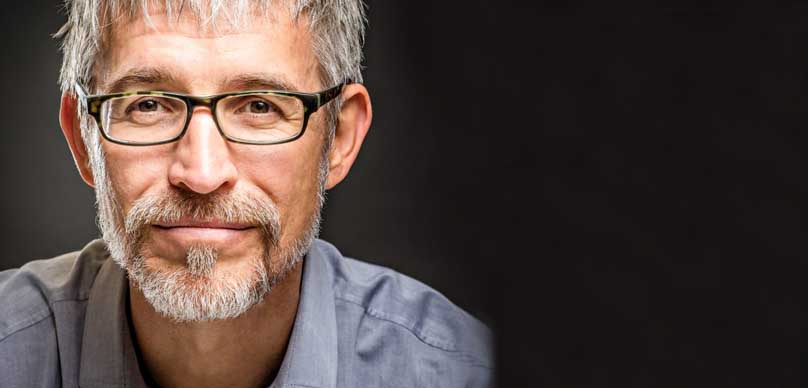
BPS 149: The Art of Creativity and Wonder with Jeffery Davis

Jeffery Davis, Tracking Wonder: Reclaiming a Life of Meaning and Possibility in a World Obsessed with Productivity

As we get older it seems that we lose tough with our inner child. We lose touch with that remarkable creative engine. Filmmakers like Steven Spielberg and Guillermo del Toro have figured out a way to not only stay in contact with his inner child but also not lose his sense of wonder.

Today’s guest will be helping us tap into out own sense of wonder that can help you on your creative path. We have on the show author, entrepreneur and human potential expert Jeffery Davis.

Jeff approach’s life and work as a quest. Everything he does – from building a thriving business to writing books to serving as a branding strategist to designing live Brand Artistry Labs to delivering keynotes to guiding his two girls’ through childhood – are part and parcel of the same quest for integrity, meaning, and making.

But like most quests, mine has been neither easy nor straightforward.

He has deliberately sought a life of meaning and making since he was 19 and declared in his private notebook that he would become a writer and preserve my imagination.

In his 20s, he co-founded The Walden Institute, devoted to studying  human potential through the intersections of neuroscience, existential psychology, and the literary arts. By age 31, though, he was all intellect and drive with a shrinking heart and vanishing imagination.

I get to work with top-notch change-makers, and that includes our team of creative renegades at Tracking Wonder consultancy – our boutique consultancy focused on brand story identity, strategy, and asset development.

Tracking wonder is not kid’s stuff. It’s radical grown-up stuff.

Jeff lives with these burning questions that shape his days:

  • How does Story change us?
  • How is creating a signature brand with integrity a meaningful, creative endeavor?
  • How is wonder the source of every human being’s original creative genius?
  • How are building a family and building a business part and parcel of living a life of making meaning, projects, a livelihood, and a difference?
  • The result has culminated in this quest for tracking wonder.

His new book is called Tracking Wonder: Reclaiming a Life of Meaning and Possibility in a World Obsessed with Productivity.

Discover how the lost art of wonder can help you cultivate greater creativity, resilience, meaning, and joy as you bring your greatest contributions to life.

Beyond grit, focus, and 10,000 hours lies a surprising advantage that all creatives have—wonder. Far from child’s play, wonder is the one radical quality that has led exemplary people from all walks of life to move toward the fruition of their deepest dreams and wildest endeavors—and it can do so for you, too.

“Wonder is a quiet disruptor of unseen biases,” writes Jeffrey Davis. “It dissolves our habitual ways of seeing and thinking so that we may glimpse anew the beauty of what is real, true, and possible.” Rich with wisdom, inspiring stories, and practical tools, Tracking Wonder invites us to explore how the lost art of wonder can inspire a life of greater joy, possibility, and purpose. You’ll discover:

The six facets of wonder—key qualities to help you cultivate the art of wonder in your work, relationships, and life
How wonder can help us fertilize creativity, sustain the motivation to pursue big ideas, navigate uncertainty and crises, deepen our relationships, and more.

The biases against wonder—moving beyond societal and internalized resistance to our inherent gifts
Why experiencing wonder isn’t really about achieving goals—though that happens—but about how we live each day
Inspiring stories of people whose experiences of wonder helped them move through the unthinkable to create extraordinary lives
Practical exercises, tools, and reflections to help you begin your own practice of tracking wonder

A refreshing counter-voice to the exhausting narrative hyper-productivity, Tracking Wonder is a welcome guide for experiencing more meaning and joy in the present moment as you bring your greatest contributions to life.

If you are stuck or just need a jump start to your creative process then get ready to take some notes.

Enjoy my “wonder” filled conversation with Jeffery Davis.

Right-click here to download the MP3

LINKS

SPONSORS

  1. Bulletproof Script Coverage – Get Your Screenplay Read by Hollywood Professionals
  2. AudibleGet a Free Screenwriting Audiobook

Alex Ferrari 0:00
I like to welcome to the show, Jeffery Davis, how you doing Jeffery?

Jeffery Davis 0:15
Doing great. How are you?

Alex Ferrari 0:16
I'm doing great, my friend. I'm doing great. I really wanted to have you on the show. Because I need some wonder in my life, I need to track some of that wonder. And I need to use it to, to help me in my creative path as well as not only creative path, but honestly, your soul's path in so many ways just like your your life's journey. So I have to ask you, how did you get started? In this field of work?

Jeffery Davis 0:43
Yeah, yeah, this field of work, you're tracking wonder, right? Company consultancy? Like, do that? Yeah, I'll just start off briefly, we can talk about, you know, more more what is wondering what I've come to discover about the nature of these experiences of wonder after 15 plus years of deliberate research into it. You know, currently, I'm a I'm a strategist and consultant and. And that's often been my line of work for for quite some time. And over 15 years ago, I was researching another project related to creativity and the creative process came across a book, little known book of yoga philosophy. And it kind of really opened me up. And I'll just say, briefly, that was kind of the moment of inspiration. Because it just it the commentary said something about the nature of reality might be like this ordinary waking world, and this world of the interior world of the dreams and mind that we have. And when you can experience ultimate reality. Right here in this ordinary world, then you're characterized quite often by Wonder, or a sort of joy filled amazement. And so when I read that, that was a moment of inspiration for me, because I realized, I had been looking for much of my life, for those sets of experiences, the sets of experiences where you feel fully alive, and like this, is it in this ordinary world, without having to seek transcendence or some other reality? Yeah. So that was a moment of inspiration, I then devoted a lot of my work toward researching. And taking some deep dives into these experiences of wonder this is 2004. So there's very little science of Wonder available.

Alex Ferrari 2:41
So I didn't know that there was any there was any period

Jeffery Davis 2:44
There was actually some science of odd just starting. And so I was talking with some of those psychologists like Dacher, Keltner, at UC Berkeley, who actually confers with Pixar Studios that make science of all now. So there was a little science involved, but very little, yes, on the science of wonder. And so but I was taking some deep dives in some other areas, trying to make some, some connections, about wonder, kind of an intellectual journey. And then a few years later, after experiencing just a set of personal adversity. Within a year, my wife and I, getting married and buying our dream house, farmhouse in the Hudson Valley of New York, we had a house fire, I had Lyme disease, that the that fire put us out of our house for 15 plus months. We ended up having a baby and that 15 months, baby, there was just like a number of things that was just like a domino effect. But I did what I did. And I got really curious about what was going on with me in tandem with my explorations of wonder. So this is kind of the defining moment, you know, to your question, this was the set of inflection points for me. And that period, I got really curious about the relationship between our experiencing adversity, constant challenge, constant change. And whether or not experiences of wonder could help us not only navigate that adversity, but ultimately flourish in that adversity. So I committed a lot of my research and a lot of my delivery to my, my clients. With that framework in mind, and I'll just say in brief part of my discovery, and part of the premise of the book tracking wonder is that when we look at what I call fulfilled innovators, people who have really contributed to their fields, but who described their lives as being fulfilled, not burnt out, There's surprising advantages, not necessarily 10,000 hours of deliberate practice, or grit or wealth or some DNA, genius talent. It is actually they have maintained an abiding sense of wonder. And that's what I've continued to test out. And further now with the emerging science of wonder in the past six years, I've corroborated that hypothesis.

Alex Ferrari 5:25
There's there's one director that I always look at that that has that sense of wonder is that Steven Spielberg? Oh, yeah. Yes. Steven Spielberg is one of those guys who, who just you could just tell even though he's not making his his, I mean, his films that he's been making recently, in the last, let's say, 1015 years, have been more serious, more grown up tackling like Lincoln and Munich and other things like that. But there's always a sense of wonder and the stuff that he does, and he's maintained that wonder throughout his career,

Jeffery Davis 6:01
You're absolutely right. So Spielberg's early work is definitely wonder driven, very specifically, and just with what I said, it's wonder in this ordinary world, right, so I'm curious about the Harry Potter movies, in part because I have a 12 year old daughter who's really interested in them, and the Harry Potter stories. But what I the reason I'm less interested in those is because there's some other sort of Warlock world out there. You know, I'm really interested in the magic among the Mughals. Here, you, people, but you're absolutely right. Steven Spielberg, Wes Anderson, is another one who is constantly full of wonder who can sometimes take on serious subjects satirically, but also wondrously

Alex Ferrari 6:45
Yeah. And it's interesting as you start going down the list of filmmakers, or just creatives in general, in whichever field, the people who are at their highest level, they all seem to have a sense of wonder of what they do. Of almost and Pixar is a great example of that. I mean, Pixar is, you know, without without a doubt, one of the best track records in history of Yeah, of Wonder within their, their storytelling. So when you said, oh, yeah, we I think we were talking about earlier that you've interviewed people. I've talked to people from Pixar from animation, that world seems to have so much more wonder than normal Hollywood or normal storytelling, in many ways,

Jeffery Davis 7:31
In many ways, and yes, so part of my Interviews With Innovators in so many different areas in my research, including filmmakers, like Mark Osborne, who directed Kung Fu Panda, he also directed the audacious remake of The Little Prince, the most adored story in all of France. And he and he had to do it very different was beautiful, as beautiful as a shot. Credible remake. You know what I just saw this beautiful, so beautiful. And I asked him, so he said, You know, every animator making every animated film is like a nightmare, which is not unlike what Ken Burns also says, so can you know, amazing documentary filmmaker, says, Every documentary is like a million problems. So if you know that, right, so let's just pause there for a moment because one of the premises of the book tracking wonder in my body of work, this is what I tell everybody I work with. Every big idea begets a series of challenges. So you have a great idea for a film, it's like, yeah, let's make this film that sounds great. Well, that's fine. But just know that that's going to beget a series of challenges. So you normalize that. So the question is for Mark Osborne, or Ken Burns, or Alex or anybody is like, what is going to get you and your team through those series of challenges without burning out? And without burning bridges.

Alex Ferrari 9:12
Now, one thing I one thing I remember about myself when I was younger, is my sense of wonder was a lot more than it is today. And I'm not talking about when I was a child I was talking about like, even when I was in my early 20s at film school, or, you know, have my new first job and everything seemed wonders to me like, oh my god, is that a machine that edits? What is that? What is that camera? What is it? Every little part of the process for me was wonderous. And yet, as you get older, you become more cynical. Can you kind of lose that wander a bit. And those moments that I've always found happiness is when I reconnect to that wonder wherever that that wonder might be, and I think it's something that comes in We're born innately with that and the world beats it out of us. Is that a fair statement?

Jeffery Davis 10:05
It's in part true. So I appreciate that you that you acknowledge that about your earlier self. I think that's true for most of the people I work with. Certainly it's been true for myself. So if I could I'll elaborate just a bed on. Yeah. What? Why does wonder Wayne, right? We, every human being is born, wide eyed with wonder and certain can cultural anthropologist corroborate this, that we human beings, in part uniquely, are born wide eyed with wonder we're perhaps here, some evolutionary biologists are suggesting to wonder. So the question is, why do we lose it as you're as you're saying? It's important neurological, at about 12 or 13 years old. You remember that? Time? It was like the time I called like, the lowest ring of the inferno. For myself. It's like really hard years.

Alex Ferrari 10:59
Puberty. Puberty.

Jeffery Davis 11:01
Yeah. Yeah, it's hard. My 12 year old daughter is navigating get Grace graciously, so far, but far better than I did. So. But what's happening neurologically, even for her, his her synapses are paring out. She's not making as many synaptic connections and so not everything seems so amazingly new anymore already, right? That just is natural neurologically. The other part is, in part social and cultural, we start becoming self conscious how we're being sized up with other people. It's also cultural Alex, I mean, we swim in a culture in this country, that prizes productivity to a fault. And daydreaming and wondering doesn't appear productive. Although, I could argue and demonstrate why it ultimately is, but it certainly doesn't appear that way. So that's a part of it, too. Now, what you identified as a young filmmaker is the novelty part, that wide eyed wonder, right wonder as several facets that I explore in the book, but one is that wide eyed openness, right? When things are new, when the ideas are new, when the equipment's new, and like, oh my gosh, I'm going to be a filmmaker. And you're right, if we're not careful, we can become jaded. We can become cynical we can become we can approach the world has been there, done that? Oh, yeah. Tell me something. I don't already know. That whole mindset is self defeating. And it's clearly wonder defeating? Yeah, so So to answer your question, yes. It's all of that and, and more, right. It's not that the world beats it out of us. It's that the the world we've inherited does not necessarily support us, as wondering grownups. And but I will argue that wonders, not kids stuff. It is radical, really important grownups stuff.

Alex Ferrari 12:58
Yeah, absolutely. And I've had friends of mine, very good friend of mine who worked at Disney animation. And I would walk into Disney animation. And I would just see people playing video games, they would have like full room setup, with video games in arcades, and whatever your basketball net the things that are absolutely nothing to do with productivity. Because it allow their juices to flow and allow that guest sense of wonder that creativity, to want to come through. And when I saw that, I was like, This isn't me This is remarkable. And now they have that in the tech companies in the you know, Google and Apple and those they have those kinds of environments now where it's not the cubicle, sit down, do your job nine to five, yes, those worlds exist. But those companies I find don't, aren't nearly as productive as I mean, I just mentioned at Google, Apple, I mean, Disney, these are these are top of their industry kind of companies. And they're letting their their employees just kind of goof around, quote unquote, goof around. But they realize the benefit of allowing yourself even if you're working at home, allowing yourself time to wonder time to reconnect with that child. And and I go back to Spielberg because he said, it's so much I've talked to so many people who've worked with him over the years. And they said, It's like seeing a child on set. And a lot of these big directors a lot of these big screenwriters and filmmakers, and other people in other in other fields. They seem to be able to connect to that at will. And that's their superpower.

Jeffery Davis 14:36
Boy, you just set it. So I love that you're making these connections. Ron Howard, I think is another one.

Alex Ferrari 14:43
Oh, all right. Yeah. What Ron is, he's yeah, I've spoken to a few people who've worked with him. And he's just like this child on set, and you could see it in their eyes and the actors love working with these because they start feeling like Oh, I'm at home. dressing up for my parents to put on a show. And when you can connect to that energy as an adult, it's extremely powerful because we all watching that on a subconscious level yearning for that, that those good times if those were good times for you, but to go back to that moment of wonder to go back to believing in all the things that we believed in when we were children, it was just such a, you know, not nostalgia, but it's just something that connects you to that source. Whatever you want to use it

Jeffery Davis 15:35
Know, you so hit it and, and right, yeah, our childhoods are complicated. And I do watch my two girls and my younger one, I think wow, childhoods actually really confusing. Oh, nothing's nothing's at your scale. Nothing sized for you. It's like it's really good for you, you're learning these crazy roles that these crazy giants have set up you. So you've hit it on so many tracks. So there's actually a, an assay I often go back to is written in the late 1800s by a poet and art critic named Charles Bode lair, and he was looking at the artwork of this artist Constantine geese who had just started painting in his 60s, I think, you know, started pretty late, and was naively trained, not formally trained, exhibiting some of his early work in Paris, like the art center of the world. And he's writing this essay about Constantine GIS as sort of like a portrait of the future modern artists, sort of forcing the 20th century. And what he was recognizing and GIs who GIS wasn't drawing or painting the sort of common romantic figures of the heroic past, he was painting ordinary women and people on the streets and sidewalks right around him. And so, so bowed lair, to like something you said a minute ago, Bowdler says about GIS and about painters in general about us in general is that genius is the capacity to retrieve childhood, at will. Jazz is the capacity to retrieve childhood at will, which is exactly what you're getting on. And so not to get too philosophical for your audience. But I'm sure there are a lot to you know, if this is a film audience, I can go a little fill philosophical. So genius. So I've studied philosophy for a long time too, and in Greek philosophy among Aristotle and others. Genius, the word the Greek word for genius is de Amman. And so Aristotle and others contended that we're each born with a damn on this unique force of character. That is unique to every one of us. You know, Steven Spielberg has his Ron Howard has his Alex as his I have mine. The thing is, we're born forgetting what that unique force of character is. And occasionally, in certain moments, you will remember it. Occasionally, in certain moments, maybe a mentor will reflect back to you something innately talented in you that you don't quite see in yourself. So one thing I have teams do is actually recall moments when they might have been seven or eight, nine or 10 years old, before some of that neuronal pairing. And recall certain moments when you felt alive and free to be distinctly you without regard for reward or recognition. And when you really delve into those memories and sensory ways, maybe even write about them, you will remember certain traits about sort of your young genius, so to speak. And the evidence is showing that when you do that, when you actually recall those moments, share those moments, and then actively bring forward some of those traits to your work at hand. I just imagine if you recalled that young genius every morning, and wrote down say three of those traits of your young genius every morning and then looked at your schedule and said, How am I going to bring one or more of those traits with me today at work? Things change, and I've seen it happen over and over again that somebody feels like they've lost that sense of wonder. Starts to up there wonder ratio. It's not like you go through the whole day like Peter Pan, God forbid. You do up your wonder ratio and you maintain some of that idealism but in a pragmatic way.

Alex Ferrari 19:46
Yeah, there's, there's, I always say, when I'm when I'm speaking, I, I always tell people how many here know an angry and bitter filmmaker, and then people would people would raise their hands screenwriter and they would raise their hands. And I go, Whoever didn't raise your hand, you are the angry and bitter filmmaker that everybody else knows. Because it's just the way it is what in your opinion causes? You know, you know, we're using the we're using filmmaking as a as an example. But they're in any field, whether it be opening a business, writing a book, you know, being an actor, or a painter or anything. What is it that causes us to lose that hope, lose that wonder of what God has started in the first place? And turns us into those angry and bitter souls walking around the planet? Who we have to deal with on Twitter?

Jeffery Davis 20:43
It's a tough question. It's really a tough question. You know, part of my job, I feel like is to keep opened and wondering about our fellow human beings, especially the ones in the behaviors that so puzzled me like the trolls, right? And, and yes, very bitter people. And I've had some of them. And I'm like, How can I? How can I get through a little bit, and I often will succeed by just like, acknowledging, okay, they're coming from some, someplace some place?

Alex Ferrari 21:13
That has nothing to do with you. It has nothing to do with you

Jeffery Davis 21:15
Nothing to do with me, right? Oh, it's nothing to do with it's not personal, like, how can I get through here, you know, through Twitter, which is, you know, this strange, medium, and sometimes, you know, sometimes that can succeed and get a little opening and connection between us. That is a complicated question. I don't know if I can answer it. But I will say this, certainly, excessive trauma, betrayal, crisis upon crisis leads to it. But one of the facets of wonder, one of the six facets of wonder that I lay out and tracking wonder, and this comes after a lot of research, is the facet of hope. And I have to admit my own bias against hope, before I really dug into the science of Hope was Shane Lopez and some other psychologists, I had a bias against him, because it sounded sort of like, oh, you're just hoping you know, you got maybe false hope you're delusional, something like that sort of wishful thinking. It turns out that the facet of hope is not wishful thinking. It's very proactive. So I can't completely answer what it is that leads a certain individual to completely lose hope, after crisis after trauma and so forth that I will maybe tell a story about Nick Cave, since we're talking to a creative audience here. Nick, for those listeners who don't know is a phenomenal he's probably the most renowned musician and all of Australia. He's a bard singer songwriter. The bad seeds have been his band for a few decades. I think one of his musical scores has been on a Harry Potter film again. So So Nick, I guess Muse just doesn't stay near anyone lane. He I think he's, he's published novels as well. 2000 he married his wife Susie. And they had twin sons. And he said in an interview around 2000, that he became a nine to five man, his muse, like we'd come to work at nine was off at five because he wanted to be full on as a father and husband and so forth. Habit kind of integrated life was very successful that way and kind of operating that way. It's quite often how I function and flourish to I have to, like, bring my muse on at will. So 2015 his son's are 15 years old, one of them falls off a chalk cliff while they're on vacation and falls to his death at 15 years old. And as somebody who's a father of a 12 year old daughter, like that is just I can't really fathom what he went through. So what, what, what possibly gets us out of that crisis out of that darkness when the world has gone so bleak and dark. And as it did for him, as you can imagine, and for Susie as well. He said he was just completely off centered, and completely, of course, self absorbed, like they couldn't just imagine why this happened to them. And it took a while to get out of that. There are a couple of, I think, central pieces to his story about what brought him hope, again, one was community. His community of fans reached out to him. So he started a blog called the Red Hand files where he writes these intimate letters to people who are asking him questions, and that support network is really important for us when we're experiencing crisis and adversity or trauma. Just surround ourselves with other hopeful people, genuinely helpful. People give us real encouragement, not just bad advice. And so the other piece though, Alex, he says in the very first blog and read and file, somebody says, How are you getting through this incredible grief and mourning? What's getting you through? How are you able to create again? So he says in that opening blog, he said, you know, we had lost our center, what was our center? Well, for me, and probably for most creative people, if not all human beings, it's a sense of wonder. And the trauma completely divorced us from that sense of wonder, he said, and so we had to go through our mourning and through our grief and gradually find our back our way back to the creative process. He couldn't stick to a nine to five process, it was messy, so messy, but he gradually started to string together a few chords, a few lyrics, and ultimately created Alex an incredible album that I recommend to all of your listeners called Ghost teen. And it really illustrates how wonder can meet you on the other side of grief. So was a long way of not answering your question. I can't say what leads somebody to be so dark and, and cynical, and so forth. But I suspect and it's been my experience with such people, that there's still a glimmer and a desire for Wonder on the other side. And if they can surround themselves with other people who are hopeful, and if they can just move a little more forward towards something creatively, they will have more light than dark along the way.

Alex Ferrari 26:40
Now, when when we talk about wonder, we're also talking about connecting to creativity, creating in that creativity could be obviously in the arts, but that also could be in business that could also be in any, you know, in architecture could be in million different fields. How do you use wonder to tap into creativity? Or does creativity just begin to flow I always, I always talk to a lot of these high performing people who, who are able to get into the zone, it's a fascination of mine, I've been there a couple times, and I've been there many times in my life, especially when you're creative. Like you just lose track of time and, and you just flow and you're in the flow. You're just there, you don't even see what's coming in. Sometimes. When I write my books, I'm sure you feel this as well. When you're writing, you'll stop writing and you'll go back the next day and read what you wrote. You're like who wrote that? Like, I don't even that this is good. Like, I don't even remember writing it. When you get to that place in your, in your think How does wonder you how can you use wonder to tap into that creativity?

Jeffery Davis 27:47
Yeah, yeah, they're, they're intimately related. And so maybe a couple of definitions are useful. So and I do address creativity full front. In the early chapters of the book, creativity, we could define in the field of psychology as the capacity to generate and act on ideas, novel and useful ideas from fantasy to fruition, right, you've got a new idea for a film, you've got a new set of problems for the film or for the book or for the business, you're going to meet those challenges all along the way. Creativity is being able to face and finance each of those challenges and generate novel and useful solutions and then move forward with them. Right. So that's part of the creative process, and it's not always so flow. Me Hi, Chick sent me Hi, actually, the you know, the one who coined flow just died last week at 87 years old. And so he, you know, he did not define flow as being in a state of relaxation. No, no, no. He, he clearly acknowledged like it is often involving taking on voluntary challenges like filmmaking, or starting a business or up leveling up leveling and business. Right. So the creative process is like, how do we face some finesse those challenges, more expansively with a broader range of resources, both cognitively and socially, to generate and move on those novel and useful solutions. Okay, that's creativity. Wonder. Let's define wonder, right. So, wonder is a heightened state of awareness that's brought on by something that's unexpected that defies your expectations that either delight you disorient you, or both. And for a fleeting moment, right, whether it's a bald eagle that suddenly lands in your backyard, which actually happened here last week, we couldn't believe it. That certainly was delightful and disorienting. Whether it's Something a colleague of yours says, that helps you see that colleague in a new and beautiful way. You're like, wow, I never saw that part of that person. That's a moment of wonder as well. These moments of wonder, disrupt our biased ways of looking at a project disrupt our biased ways of looking at a collaborator disrupt our biased ways of seeing what we think is real. And something happens cognitively in our minds. And neurologically, that opens us up right to another possibility. So it turns out that these moments of wonder, are essential, both to starting the creative process, right with a brand new idea. And moving us through from curiosity to the middle stages of bewilderment, which is another facet of wonder, right? We're in the middle of a project, we're thinking, I'm never going to get out of this, like, Why did I even start this project? All the way to forming really good connections with our collaborators? Wonder happens at every one of those stages throughout the creative process. Does that make sense?

Alex Ferrari 31:09
It makes it Yeah, makes all the sense of the world because, you know, when you when I started this podcast, I'm sure you feel the same way. With your show, when I started this with all my podcasts when I start them, especially the first one I you know, was just like, Hey, can I get a guest, any guest, you know, someone who can come on, let me show, you know, let me start providing value to an audience that's not listening. Because I was nobody at the time. So you just and as you go through that, I'll use the analogy of a podcast, where you know, you just keep doing it and keep doing it and keep showing up and keep doing it. And, for me, I literally live in a moment, I live in a world of wonder every day with my show, because every day, I get an email from something from somebody pitching a show, or like yourself, or I have these amazing, ridiculous people who I've admired all of my life, who call up and like, I'd love to be on your show, and I get to talk to a couple hours with a hero of mine. It's become almost, it's almost become normal now on the show, and everyone listening will understand why because I've had these amazing guests coming on again, and again and again and again. And he's been going like this now for the last I don't know, year and a half. So it's just been growing and growing. And I just never really put a name to it. But I'm in a moment, I'm in a constant state of wonder. Because I'm waiting now for Steven Spielberg's people to call me and Steve is like, Steven would love to be on your show. I'm waiting for that call. Um, that hasn't come yet. But I'm waiting for that call to happen. Because that would just you want to talk about disruptive. It would just, it would completely this, like completely shake my world. And my world has been shaken multiple times over the course of the last year and a half, by people calling me up like, Hey, can I be on your show? And I'm like, What is going on? So I never really noticed that before. And then I and then all the all those connections and relationships that I've built, open up other doors. And ever since I started this whole show, I've been in a state of wonder, because every day, every week, something would come up and be like, What the hell is going on? So it's constant is really cost. It's really interesting. I've never really put a name to it before.

Jeffery Davis 33:27
I love that you said that too. I never put a name to it. Because that was my experience back in 2004 is like, oh my gosh, I think this is what I've been wanting since I was a towheaded. Boy, you know, wandering the woods there. And and so I love that on so many levels. Alex, let me let me kind of lay out for the listeners, the six facets of one Yes, please. And how they directly relate to this creative process. And even your experience in developing the podcast. It's so so spot on what you've said. So the, I think the six facets in three pairs and the first pair are openness and curiosity. So openness is like what I call the wide sky facet of wonder. It is that radical openness to possibility that we want to foster particularly at the onset of a new idea, a new chapter in our life. When we just want to be, you know, we want to reclaim that sort of wide eyed wonder that we were talking about. Curiosity is what I call the rebel facet of wonder because curiosity is very proactive at seeking new knowledge. It's it's, it's when you you know, you got really curious once you moved into the podcast idea, like okay, what's the best equipment like Who could I really get on here? And could I just set up a minimal viable experiment to like, see if this is going to work all of that experimentation as part of curiosity. Curiosity also allows us to question the status quo, which makes it really important these days to foster True curiosity. So openness and curiosity are foundational to us being able to approach our life and work more creatively than reactively really important distinction there. The second pair are bewilderment and hope and the despair. So bewilderment is what I call the deep woods facet of wonder. We get into that world of confusion. It's what much of the globe, frankly has experienced for the past year and a half. 20 is a state of bewilderment. And if we're fortunate, and we can put language to it, then we're like, Okay, this is a normal state, can I actually fertilize this confusion instead of pathologize? It can I bring some curiosity forward into the deep woods. And then there's hope hope is the rainbow facet of wonder. It's proactive. It is when we set our sights on just sometimes small near future goals. And it's where we do deliberately Daydream to foresee a better possible future. And I saw a lot of literature on this during the pandemic that was actually advocating some deliberate daydreaming. Those two facets bewilderment, and hope are essential for us developing resilience without hardening up right grid without burning out, right, really, really important for us in our well being our mental and physical well being the third facet, our connection and admiration. These I think may be the most important facets of wonder for our times, and they're not what we typically associate with wonder, but connection is the what I call the Flog facet. It speaks to our yearning to sync up with one another on a film crew, right and a dance troupe in a band or just on a team of collaborators. And it's where we really can't experience wonder with one another when we're feeling supported and buoyed and encouraged. among one another. Admiration is the mirror facet of wondering the actual root, the Latin root of the word, I'm kind of a word geek. The root of the word admiration is EMI era, which is Latin for Wonder, it is a part of wonder, and it's kind of like what you feel for Spielberg, is what I would call maybe a surprising love for someone's excellence in craft shoring character, or both, right? It's like, wow, it wakes something up in you. That's like, oh, I want to show up a little better in my care.

Alex Ferrari 37:42
Oh, that's, that's an under that's a very big understatement, my friend.

Jeffery Davis 37:48
To possibly for you and your experience with your podcast is that it's possible that you have and I mean this in a very genuine way, perhaps you've seen yourself differently to in the past year and a half like no racket. Some things were like, Whoa, like, I can show up and do like, why are people coming to me? Like, there must be something they're seeing me too, that all has to do with the facet of admiration. So I hope that was helpful to you and your and your listeners?

Alex Ferrari 38:14
No, it was without question. I mean, yeah, I mean, to show up with that love that you said, to show up a little bit a little bit better, I promise you with Mr. Spielberg shows up. It's gonna be a different conference. No offense, obviously, with anybody else I speak to. But, you know, I'm not. The funny thing is I'm not the only one. I mean, there's a generation, you know, of people who were raised with his films, and he's one of the most famous human beings on the planet, who's not a star in front of the camera. He's, you know, he's like Hitchcock, you know, he's like, one of those names that people know. So, you know, as for, and in every field, there's that, you know, they're there. And every fifth in the tech world you want to talk to, you know, Elon Musk, or Jeff Bezos, or you know, any of these guys who start up they say, so it's me, there's always somebody for everybody.

Jeffery Davis 39:02
And I want Can I up the Spielberg thing? Well, obviously, and let it speak to what you said like it didn't have a word for it. Right? Wonder so just a one up Spielberg, you know, when you were talking about like, you didn't have a word for wonder. I recognize, too, that before I had a word for it. When I look at the people I was drawn toward from my teenage hood, like, Why was I drawn toward these musicians? What was it when I look at Spielberg that I was drawn to starting in the 90s? I recognize it was that element of wonder in his films, and I realized when I was really looking into Spielberg's history in his films, I thought, Oh, alright, remembered when I was a boy. I saw on television, his first student film duel with I think Sam Weaver.

Alex Ferrari 39:52
Yep. It wasn't a it wasn't a student film, but yes, it was. It was his first it was, it was a TV movie. It was a TV movie. Was it wasn't that it wasn't supposed to go anywhere. But it was so good. They released the theatrically because everyone was like, What the hell's going on?

Jeffery Davis 40:09
Is that right? He completely just, like changed everything. So, yeah, but I do I, again, like I do remember, like my early fascination with Spielberg. And later I realized it was like, Oh, it was his sense of wonder, right? Even. Even in Schindler's List, right. That use of color was impart his sense of where's the Wonder amidst this devastating story?

Alex Ferrari 40:36
Yeah, yeah. And even in even in his later work that he's doing now, they're still senses of wonder, even in Lincoln, even in Lincoln. And absolutely, there's just a different it's just no, it doesn't have to be Peter Pan, you know, running around. It's really interesting. Why do I have to ask you? Why do you think that wonder is looked at as being so childish, that daydreaming? Isn't that the bond being so childish? I know, specifically here in the States, but I think worldwide, it there's a little less variations, depending on what country you're in, and what culture you come from. But generally speaking, you know, I don't I don't, I don't know, at least of any cultures, or countries that are just like, you know, what you need to go do? You need to just go daydream. And you need like, that's not something that happens wise.

Jeffery Davis 41:22
You know, I've spent some time in India. And and so, you know, and I referenced like, there wasn't a lot of science of wonder in 2004. So what did I went to the philosophers, I went to the wisdom traditions of the east with and I went to the poets and I've published collections of poetry. I went to all those sources, because they, of course, were advocating wonder, in many ways, because they got it, they understood it. There are certain cultures, that actually will promote at least a wondrous state of being more so than others, I can speak specifically to the one that I have swum in all of my life and inherited, and that's, that's this one, specifically in the United States. And part of the cultural heritage that we've inherited, whether we're part of this lineage or not, it in part goes back to in this country, to a sort of Scottish Irish heritage related to the Protestant work ethic. Part of that lineage, you know, considered idleness, the devil's playground.

Alex Ferrari 42:31
Yeah, I don't have idle hands is the devil's

Jeffery Davis 42:34
The devil's playground, right? And so, so just and so I dug into this more. In Scotland in the 17th century, there was a an illness called the wonders, that was characterized by sort of numbness and just sort of gazing sort of being in a stupor. This is part of what we've inherited, like you can imagine, right? A boy out the field, and he's daydreaming and they're like, Oh, look at that, that is not going to amount to anything, right. But he turns out to be an innovator who may may make labor conditions even better, you know, a generation later for this day dreaming. So in this culture, too, so I've been looking at the history of work as I'm you know, we're questioning the nature of work. Now at tracking wonder been looking at the history of work, and, and a fellow name, whose last name was Taylor, in the turn of the 20th century, started to be one of the first organizational consultants, so to speak, who later influenced Henry Ford and others. He was, he was determined, he gave a talk at nine 1903 where he's like, you know, there's hardly a laborer alive, and you know, in this country, who's not always trying to scheme or figure out some way to make it appear as if he's working more than he actually is. So, you know, then there is this whole perspective that like to be a successful company or a successful business, you needed to treat human beings as laborers of unit as units of labor. Right. And your virtues were discipline, control and speed, right. And so then the measurement of a workers value was all related to efficiency and speed, right? Not daydreaming, not having Google's 20% off to like, figure out

Alex Ferrari 44:23
Innovate and innovative

Jeffery Davis 44:25
Right? So this is all of what we've inherited, and certainly what we're questioning it certainly in part with the pandemic and other elements of the past year and a half. It started to make us question, but I can't help but tell you a recent story related to film that illustrates this point and part of its heritage in Ireland, and part of my heritage is is from Ireland and Scotland. So apologies to any Irish Irish listeners. But they'll appreciate it I think. So my daughters and I recently watched two films last week, both set in Ireland One was Billy Elliot, and the other was seeing St. Yeah, yeah, you know, those both right. They're both set in Ireland. They're both like, you know, and they're both of a Billy Elliot is a great illustration, right? He's an Ireland, his father and and his older brother involved in the labor wars, you know, trying to get better conditions for labor. And Billy, here's Billy he's wanting to dance, dance, to dance ballet of all things. Ballet ballet, right? Yeah. And so, but it is a beautiful story of just what we're talking about a culture that does not support wonder. And yet what the most beautiful aspect of that story, of course, is how the father ultimately recognizes the beauty of his son's dancing and why it is how he really needs to flourish. So that's a long way of answering this question, right? That we, we just inherited some of this paradigm, right? That That reduces wonder to Child's Play. The other thing is what we have to do, I would argue Alex, is then test ourselves and our own minds and disrupt our own default assumptions, about wonder about ourselves and about each other, right to just kind of check in and say, yeah, what is my, what is my view of wonder? Like, what like, Could I actually see some parts of myself that are really hungering to be more creative, more imaginative, more caring? In my relationships? And, you know, have I kind of boxed myself in, over the past 1015 20 years, right to kind of disrupt my own default assumptions and not just blame? The culture I've inherited? Yeah,

Alex Ferrari 46:47
Yeah. And that's the thing we there's a look, I, he can imagine me speaking to my father, who was a Cuban, who's a Cuban man who worked in a factory. And I'm like, Hey, I'm going into the film business. And this, like, what? And to this day, vaguely understands what I do 25 plus years later, and he's been on set with me, and he's like, I don't know what he does. But everyone listens to him on set. So

Jeffery Davis 47:14
Simple, right. And so many people I've interviewed to write who often come from first generation immigrant, yeah, families, right face that, that conflict, right? Like, wait, we didn't come here to the United States for you to become a philosopher, or, you know, or a musician or something like that.

Alex Ferrari 47:33
It's, it's, it's crazy. I mean, if you look at I mean, look, Steve Jobs. I mean, he created one of the biggest company in the world who arguably was very full of wonder. And you know, he complicated gentleman, to say the least. But he definitely had vision, and was tapped into stuff that nobody else was, no one else saw a lot of the stuff that he saw, and he saw five, six steps before anybody else did. I mean,

Jeffery Davis 47:58
One of jobs, his most common, consistent muses was the 18th century poet, William Blake. Yeah, Blake, you know, I can't I can't recite it. Unfortunately, right now, I used to a long time ago. But, you know, Blake, and some of the points that jobs would carry around, we're sort of like being able to see eternity in an hour. Right? You know, Blake just had these visionary points, really being able to see wonder Blake would talk about how most of us human beings experience reality through narrow caverns, right. But we occasionally can break out of those caverns of reality to experience infinity in the present.

Alex Ferrari 48:45
Yeah, the other book that he had the only book he had on his iPhone, an iPad, when he died was Autobiography of a Yogi, you know, by Yogananda. So that's, I mean, talk about wonder that book will, that book will mess you up in the best way possible. Without question now, in your book, do you have some examples of people using wonder to kind of build lives or to do extraordinary things?

Jeffery Davis 49:14
In every in every chapter? So there are six facets of wonder that I laid out for you there's an unchecked or there is an unchecked or that we intentionally did not number that actually the designers surprise me at sounds true and published sideways. There is a sideways chapter, where you actually be the book sideways, right? They did just some radical work design wise. So that's the chapter on your young genius. And your young genius. I talked about Arianna Huffington. In other chapters, another one I talk about Tracy Fullerton who's an amazing innovator in video games. Nick Cave, I recount part of that story in the chapter on hope, but there are Both what I would call exemplary geniuses of creativity, who stories I tell in a variety of industries, and every day, geniuses of creativity, and these are people in our international community at tracking wonder they're people I've worked with, they're people like Evelyn Asher, who is 80 years old, who is still working hard. And she reclaimed her young genius, just a few years shy of 80 years old to completely revive her business, right? And it's those everyday geniuses of creativity over the years who've taught me so much about the real applications and the real necessity of wonder in our times.

Alex Ferrari 50:45
Now, what are some tools or exercises that creatives you know, filmmakers, screenwriters, anybody listening? Can can tap into to use to tap into that, that sense of wonder if you become that angry and bitter person? How do you get out of the darkness? How do you see the light Jeffrey? Wow, okay, no pressure, no pressure? How do you come towards the light, Jeffery?

Jeffery Davis 51:07
No. Yeah, no, I appreciate that. So the book, actually, every chapter also includes some specific tools. And I tried to be very generous in that aspect as well. And we can start actually, sort of foundational practice is what I call DOSE, D. O. S, E, that then we can apply very specifically. So D, is detecting your default pattern of thinking about something or of reacting to a surprise or challenge, right? So your default ways of trying to solve a problem or advance a business or thinking about your podcast? Can you detect what that default pattern is? Can you detect your confirmation bias? And can you just kind of feel right, so O stands for Open up, pause and just feel that reaction or that default pattern. And then S stands for seek out wonder seek out some different possibility. And I'll give you some examples in a moment. And then he stands for extend, which means to really appreciate and reflect upon whatever possibility or moment of wonder or surprise that you actively sought out. So this can go to the level of how you shape your days for more wonder and openness on a daily basis, your default pattern in the morning, many people I know, check their phones first thing in the morning for texts and emails, it's like a default addictive thing. That's detecting the pattern. And when you notice that just like detect it open up to like, oh, how does this feel like not so great, like it puts me in a state of reactivity? And I'm just allowing other things to stimulate my curiosity instead of me directing it. So could I just feel that and then seek out something different? Instead of checking my phone every morning? Could I just actually get up and step outside for three minutes, and look up at the sky for just a moment and see how that helps me feel? And then could I extend and like, just write three minutes about what that experience was like? So you're shifting your default patterns, this is core to being a grown up. Right? That is is really fostering wonder. There are other things you could do them to disrupt your patterns, morning, afternoon, and evening, we, we lay out some of what we call wonder interventions for for teams and for individuals. So during the day, you and I I'm sure can work really hard and just get stuck. It's not really flow. It's just like, work hard and get through your to do list. Right, right. Right. That's not real. So we know, cognitively and psychologically, we can only focus for so long, optimally. So to work well, we have to break better. So how could we break better? So we have teams actually take wonder walks for five minutes, the science at Stanford is overwhelming for why this benefits your creativity and why it reboots your focus. So is there something you could do to just kind of disrupt your work patterns? Could you take a break and just have a curiosity conversation with somebody to open up in the evening rather than default and check out and numb out? That turns out to be Alex when you are tired and fatigued the afternoon or evening when your best opportunities to generate new and novel useful ideas. So rather than numbing out or checking out, it's a time to maybe take that meandering walk but also to reflect on. Okay, what were three good highlights today. I can tell you at the end of the Z So today, this conversation I've had,

Alex Ferrari 55:04
It's been very surprising, I appreciate

Jeffery Davis 55:10
The open moment with you really? Yeah, I know, I do talk about Spielberg, right. And so I will look back at the end of this day. And I will actually write a few things about this experience. Why? Because that reflection will be will increase the meaning and my life, we make meaning in part by reflecting on these sorts of moments. And so we have teams do this sort of activity as well to recognize the meaning that happens sometimes in the margins of our work, that help us work better.

Alex Ferrari 55:42
There's, um, there's one thing and I wanted to just go a little bit deeper on on a certain thing that because we're talking about creativity, and I always love asking high performing individuals who are creative in every field, you know, that they in whatever they do, where it comes from, like, Where does this creativity come from? Where is that thing, and I was talking to someone who, on my other show, that had the I love this story it is I keep repeating the story because it's so beautiful. He was heartbroken. He moved, he went on a job to India, in the 60s 63, if I'm not mistaken, and his girlfriend broke up with him while he was over there. He was heartbroken. He didn't know what to do. And someone said, You should go try some meditation. And he goes and it goes to, to this Ashram, where this yogi is teaching meditation. He gets the front door and it's like, I'm here to learn meditation. I'm sorry, the ashram is closed. He goes, Why is the ashram close? Because the Beatles are here. And I'm like, he's like, What? He's like, Yeah, the Beatles are here. And we're close. He's like, and he tells him to stay. He's like, look, I can let you in. Now, why don't you just stay, I'll bring you food. And you can sleep on one of our tents outside the door. And he did. He stayed there for eight days. Until finally, like, on the eighth day, he just thought he would just stay there because he had nowhere else to go. And he was it obviously needed help. They let him in. They go come in, I'll teach you how to meditate. They taught him how to meditate. They taught him TM, meditation. And then right after he was full of this amazing, you know, euphoria, after meditating for the first time, he's going out and he goes, go meet the others at the table, and he's walking. And there's John Paul, George, and Ringo, with his wives and girlfriends. And as he's walking, he's still in a blissful state, but his heart rate starting to starting to go faster and faster and faster. And he's starting to realize, as he's walking towards, like, oh my god, it's the Beatles. And for people listening, The Beatles in 1963 64, were the biggest human, the most famous human beings on the planet. There, everybody knew who they were. And he was about to go sit down with them at a table privately. And, and I never forgot what he said. He said, the little voice inside of his head, you could say wherever it came from, but the word little word voice inside of it says that, hey, calm down. They're human beings. They fart and are scared of the dark.

Jeffery Davis 58:29
And they all think they're imposters.

Alex Ferrari 58:31
Right! So but what I found, what I found about found out from talking to him was when he was talking to because he actually saw them for I think he stayed there for like, eight, nine days, and saw them writing, like, hey, Jude. Like an album of theirs. I forgot which album was I think it was after Sergeant Pepper, I'm not sure. But it was, it wasn't the White Album, it might have been the white part of the lineup. I don't remember. But it was like these amazing songs. And he was just there taking pictures of them. Not that he was a professional photographer, he just happened to have a camera, I was taking a picture of him. And he noticed something about their openness, their sense of wonder, I mean, being there meditating on a daily basis with with this with this yogi. And that's a sense of wonder. But anyone I've talked to who's been around, superb, Sir Paul McCartney, or Ringo Starr, or any of them, say the same thing. There is this lightness of energy around them. There's this openness to ideas that they were able because I mean, you can't argue with the output of what the Beatles did when they all four of them were in flow for for a long, long time. They tapped into something that consistently for decades, for a couple decades, at least. That was the magical part of it. So again, there's a long question. I just wanted to tell you that story. But I always wonder, and I'd love to hear what you think about where you think your creativity comes from where, where that thing when you're writing the book, and you lose yourself in the writing process, and you don't even recognize the words that are coming out of, of your fingers. Where that comes from, in your opinion.

Jeffery Davis 1:00:19
Yeah, so I actually want to demystify flow and creativity a little bit, because a lot of my process in writing this book was like, pacing, talking to myself, sort of like knocking my head up against the wall, all of which I would describe as part of flow. Okay, so. So inspiration, you know, the root of which is like to be breathed in to breathe, right? And so, yeah, so your question was like, what are the origins of

Alex Ferrari 1:00:58
Well, the muse, like the Greeks use the the, the Greeks use the muse, that the Muse would come in and whisper something in your ear. But there's people that I've continued to study over my work over the years that, and I've been studying high performers, since I was in high school, I've been reading books about and all of them seem, even scientists seem to be able to tap into that, well, effortlessly, for a period of time. Not many do it for their entire life. But for a period of time moments, they're able to tap into that. What is what is that thing

Jeffery Davis 1:01:34
I teach a course that like 1000, people have taken around the world called deepen your focus and flow at work. Right. So it's incremental. I don't know what the source of that sort of Spark is. Because I think it can be so defeating for people who don't necessarily experience that this sort of sort of chase after it. But I will say this, I, if it's true that all wisdom begins in wonder, all true knowledge begins in not knowing, I really do think that wonder actually begins in our human relationship with the natural world. I would contend that it is our human capacity to be attuned to and to actually perceive patterns in nature, including Steve Jobs and others. That actually gives us some neuronal psychological, soulful, spiritual networking. To be able then in those seemingly magical moments to come up with some new inspired moment that then we can act upon. Yeah, yeah. Now for me over the years, and the people that I work with, who are high performers, they ultimately learn to set up conditions to be able to create at will to retrieve their childhood, it will, you know, and I mean, and that can be so individual, how do you work with the constraints of your your life circumstances? But how do you shape time? How do you redirect your attention? How do you create 90 minute blocks where you like, everything else is gone? And your mind is fully focused? And in flow, though, that requires usually some setting up conditions to make the news appear at will? Does that make sense?

Alex Ferrari 1:03:32
It makes it makes all the sense in the world

Jeffery Davis 1:03:35
To get both from you know, more of a pragmatic. Yep. We help people like actually know that it's possible for them to create our paradise.

Alex Ferrari 1:03:48
Yeah. And the thing is to that and everyone listening, I want you to understand is like, I'm not saying that you have to tap into Steven Spielberg's Well, or Steve Jobs as well. Those are their wells, their, that's their flow, that's their, that's the thing that they get that they're able to tap into. You need to find out where yours is, and how to tap into yours. And now we're getting really deep. But sometimes it's Spielberg said this so beautifully. And I think I have a print story, too, that illustrates this as well, where Spielberg says ideas float around the universe. And when they come, they'll come to you. If you don't do something with it, it will leave you and go somewhere else. And that he's had so many times where an ideas come to him. He's like, now I won't do that. And like a week or two later, someone's announcing that exact same idea. Like, why is it all of a sudden we had Armageddon, Deep Impact. All these movies show up at the same time? Why did you know the exact same sort of volcano movies all of a sudden museum hot or there was something that popped in all of us and Prince had heard this wonderful story about the late great prince, who said he would get He had he, I don't know if you know this or not, he has 8000 songs done, that were in a vault through his life that never got released, ever, ever got released. So he has an album, up into the year 3000, he'll release a new album, up until the year 3000. He will be releasing music. That's who Prince was. But he had people on call all the time when the Muse hit him. And he one day called up one of his backup singers and said, hey, hey, what are you doing? He's like, Prince, it's three o'clock in the morning. Because, yeah, I needed I need you to come down, we need to record. And she's like, but But it's three o'clock in the morning. Like, I got to get this out. Because if I don't Michael Jackson's gonna take it. It is such a beautiful way of looking at you want to talk about someone have wonder, Jesus, look at this career,

Jeffery Davis 1:05:55
People like Prince and others, they pay attention to their innate capacity, or those sort of goldfish ideas, we all have that capacity. And we all can retrieve that capacity. And there are different tools, meditation being one of them. You're constantly you know, every day, writing in the morning just to see what is in that murky mind. These are all ways of, of learning to be in wonder, with one's own mind. It's, it's a mystery, the mind does. And these people like Prince, and Spielberg and others have honed the ability to pay attention to and capture those ideas, those inspirations that's the difference. We all have them. They're a goldfish floating past the Aquarium of our awareness constantly, all day long. But have we set up the conditions to actually observe them and capture those goldfish

Alex Ferrari 1:06:56
Oh, yeah, that's an amazing analogy. I've never heard this such a visual analogy that you're absolutely right. Most of us walk through life seeing the fish go by and there's a handful of us who've been able to go Oh, no, no one sees that. Let me just grab that. I

Jeffery Davis 1:07:12
Because it's gonna swim away before I go. Forget it.

Alex Ferrari 1:07:15
iPhones. Okay, we'll do iPhones. Jurassic Park. Okay, that will be good things for you know, the because how is it that nobody on the planet thought of an iPhone? Yeah. Nobody on the planet thought of an iPhone and and had the biggest and the brightest minds in the world thinking about stuff like that.

Jeffery Davis 1:07:35
Ofcourse, before Apple, there was somebody who had thought of the iPhone and what what, you know, Jobs was really good at was coming up in seconds. And then doing best, but somebody had innovated actually before him.

Alex Ferrari 1:07:47
Yeah, right. But But Oh, yeah. I mean, the Macalester I mean, from Xerox, of course, the famous story, but the ability to take that goldfish and then repackage it and rebuild it and redo something with it. And there was a kernel of an idea there. But how many people walked by the Xerox it labs and saw that technology? And actually, the owners of Xerox saw that technology and said

Jeffery Davis 1:08:13
That inspiration is only about 3% of the whole creative process, correct? Yeah, they're 97% requires ongoing experiences of wonder, to move you through from that inspiration to like, is this going to work? Who do we bring on board? You see what I'm saying? It's like, that's like, that's what requires ongoing experiences of wonder to get you through all of the hell that I know they experienced in finally making the iPhone work.

Alex Ferrari 1:08:42
Yeah, exactly. Exactly. And, as a writer, I found that and I've talked to so many writers over the years and authors. For everyone listening who wants to write wants to be a creative in whatever field, they are able to turn on the muddy water. And they have to let the mud come through first. And you just have to write and write and write and write and write. Because if not, once you have that, then the mud starts in the water starts clearing up little by little, and eventually you can drink it

Jeffery Davis 1:09:14
Completely. Yes. It's what Annie Lamott calls the SFD or the shitty first draft, you just have to,

Alex Ferrari 1:09:20
You got to get it out. Got to get it out. I've got to get it out. So I'm not going to ask you a few questions asked all of my guests. What is the lesson that took you the longest to learn whether in the film in the film industry, in your industry, or in life?

Jeffery Davis 1:09:35
The longest lesson to learn? That's the question,

Alex Ferrari 1:09:37
What is the longest lesson that you've that you've taken you to learn? Like, the universe kept beating you with it and you were like, No, not yet. Patience? That's mine. That's fine. Yeah. Yeah. It's taken me a take. And I'm still learning that I'm still learning that lesson. Yeah. What advice would you have for somebody who wants to find that wonder what wants to be able to connect to that creativity and is having trouble.

Jeffery Davis 1:10:04
I would say recognize that wonder is the most pervasive yet evasive emotional experience we have, it's all around. And the first thing you could do is actually relax your eyes from hunting so much information to step away from a screen and actually just let your eyes rest and pause. And then gaze upon something very ordinary, right around you for just a few breaths just to really let your eyes gaze and then maybe praise. Maybe just find the words of praise for that doorknob or the window pane, whatever it is, really, I can almost promise you if you do that, if you pause, gaze and praise, something's going to shift for you. And you say, oh, yeah, actually, there are moments of wonder that passed by me potentially every day.

Alex Ferrari 1:10:54
Jeffry, it has been an absolute pleasure talking to you, thank you so much for for writing the book and making me think about wonder a little bit more than I normally do and actually being able to put a name to what I've been feeling this these last years. And, and hopefully I can tap a little bit more into that myself. But thank you so much for what you do. And where can people find the book and find out more work about what you do.

Jeffery Davis 1:11:18
Yeah, well, first, thank you too. For the conversation you really do illustrate that wonder can happen in conversations when most beautiful places where wonder can happen. So tracking wonder reclaiming a life of meaning and possibility in a world obsessed with productivity comes out with sounds true, probably by the time this airs. And you can go to trackingwonder.com And you also can go to trackingwonder.com/podcastbonus and we'll have a couple of bonuses for you.

Alex Ferrari 1:11:48
Awesome, Jeffery, thank you again, my friend and be well.

Jeffery Davis 1:11:51
Thank you, Alex.


Please subscribe and leave a rating or review
by going to BPS Podcast
Want to advertise on this show?
Visit Bulletproofscreenwriting.tv/Sponsors
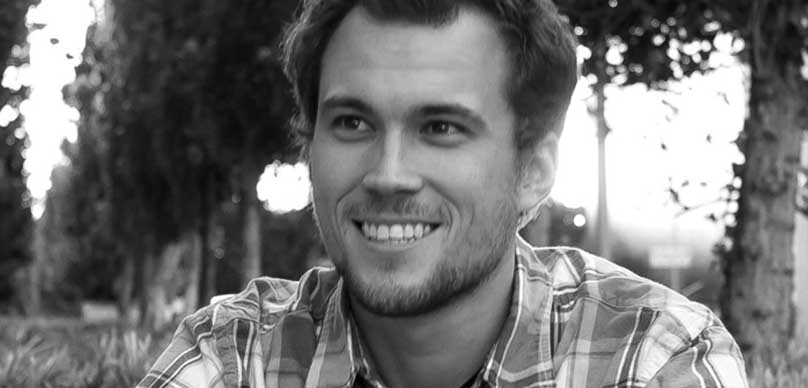
BPS 146: How to Succeed as a Screenwriter with Thomas Dever

Today on the show we have head of writer success at Coverfly, Thomas Dever. Thomas has been helping screenwriters for years. I wanted to have him on the show to discuss what he’s seeing in the film business, from a street level.

Thomas works with all the major agencies, top end producers and managers. If anyone knows what Hollywood is looking or he’d be the one.

We also discuss how screenwriters can better position themselves in the marketplace, debunk a few myths many screenwriters believe and much more.

Enjoy my conversation with Thomas Dever.

Right-click here to download the MP3

LINKS

SPONSORS

  1. Bulletproof Script Coverage – Get Your Screenplay Read by Hollywood Professionals
  2. AudibleGet a Free Screenwriting Audiobook

Alex Ferrari 0:00
This episode is brought to you by Bulletproof Script Coverage, where screenwriters go to get their scripts read by Top Hollywood Professionals. Learn more at covermyscreenplay.com I'd like to welcome to the show Thomas Dever. How're you doing, Thomas?

Thomas Dever 0:15
I am doing well. Thanks so much for having me.

Alex Ferrari 0:17
Oh, man, thanks for coming on the show, man. You know, you and I have been working together in a in a way for a while now. Because you guys work. You work with coverfly, who works with me on bulletproof script coverage? And why this hasn't happened earlier? I have no idea. So I'm glad you're here. Now we're going to talk all things about the business and how to, you know, I hope that you have all the answers, Thomas, because all of the answers because, you know, there's a lot of screenwriters listening right now who want to know how to make it. And I was told, you know, so we're gonna get into this.

Thomas Dever 0:52
No pressure.

Alex Ferrari 0:54
But how did you get started in the business?

Thomas Dever 0:57
Oh, I mean, I feel like I've got a pretty usual story that I grew up in the Midwest and film industry was just this mythical thing way out on the West Coast. And pretty much as soon as I finished undergrad, I packed up my stuff and moved out without really kind of any clue of what I was gonna do, how it was gonna work. Just like I think as soon as I realized, oh, people like actually do this for a living. And these are actual, like businesses, and I can work at them. Just kind of that was all I wanted to do, you know, started internship to then reading with a production company that had first look studio deal. So we're really fortunate to get that was my crash course on development and coverage and everything that goes into a film before it gets made. And then from there, I started working for a producer that was working on a Fox Searchlight film. So then, that was my crash course on how a film actually gets made. And then after that, I think everybody was kind of telling me, you know, you really got to work at the agencies, the agencies is what you do, that's kind of the way that you get into it. I interviewed at two of them, I won't say which scared the hell out of me, like, genuinely, the interviewer scared the hell out of me. I remember walking out in my, like, nicest suit that I could find and telling the HR person like, Yeah, I think you can take my name off the list, I don't think because I a little too thin skinned and little to reset from the Midwest. So then, yeah, so then I just kind of, I think I use the Verba, mid 20s my way around around the industry for a little bit of producing some things continuing to sort of work and freelance capacity taught at a film school at one point, before eventually finding my way to this, you know, this little world where we found each other, which, you know, the competition and the coverage space. And truly, I went into it, thinking, you know, I remember the scripts that I would write coverage on at the production company with the with the studio deal, and like, they weren't great. They really, I remember thinking, being a professional screenwriter is very attainable, based on me samples. And so when I went into the competition, I was expecting, like, Microsoft Word documents and typos and incoherent stories. And I started reading for them. And it was like, Oh, this is, this is really good. And this one's really good. And this writer is amazing. And these writers are every bit as talented like, what, what's like my brain couldn't process. And I think that's where it all sort of clicked to me of the like, all at once the sort of barriers to entry, not necessarily being your skill sets, or your quality of your writing or your dedication or your discipline, it's all of these other sorts of things, you know, be it geographic or socio economic, or, you know, you know, there's these sort of cliches of who you know, in the industry. And then I think the the rest is history kind of just really dedicated to this competition space. And then ultimately, the the platform that became cover fly, and, and creating those opportunities and providing that level of access and insight and resources to the writers that, you know, weren't fortunate enough to just have that readily available.

Alex Ferrari 4:33
What was what's so fascinating thing a lot of screenwriters don't understand this, they think that good writing and good screenplays are are unicorns, where, I mean, you've read 1000s of scripts, probably in your career. I've read a ton of scripts over the years and I've read some stuff from really accomplished screenwriters, people who have published like, have produced screenplays, some of them even with Some Oscar nominations, I've read some of these scripts, and they can't get them financed. They can't, they can't get them in. And then it just like, it's disheartening. I'm like, wait a minute, this thing is sitting on someone's shelf for the last 10 years. It is amazing. It's one of the best scripts I've ever written. And no one's financing this with with talent attached. And I'm like, What? What is going on, let alone the unknown scripts that I've read from screenwriters who are so talented? And I'm like, why are some Why do some pop? And why do some don't? And it's, I mean, I'd love to ask that question to you. Like, why do and it's a hard question. Like, why does one guy or one gal make it? Oh, get the opportunity to door opens for them? And the other one doesn't? If their talent is at the same level, you know, is you know, give or take?

Thomas Dever 5:49
Sure. Yeah, I mean, it's a it's a strange thing, right? I love a good craft panel or lecture. And I love like craft is undoubtedly more fun than the business. But the business considerations are what are deciding it? Because like, of course they are, you know, that this is a, you've brought commerce into it. And these are, these are companies that are distributing projects. And that doesn't mean that they're all Philistines that hate art. It just means that there's their considerations and what happens here, other than simply what is on the page, and I think that you can find a ton of examples of those of projects that were, you know, not in demand, and then you know, wait a few years, and suddenly they they are and your script that everyone was passing on is is aligns with that. Because the one thing I would say to your question is, you can't like so much of it is out of your control, like so much of it is out of your control. I don't know anybody that can write fast enough to either anticipate or accommodate like the trends, which of course, you're going to be changing on a regular basis. And they also don't know if I've met a screenwriter that can pander, you know, that can write something just because they think it's popular, and not really have

Alex Ferrari 7:16
It's too hard, it's too hard.

Thomas Dever 7:18
I recycle the cliche that like, Look, if it wasn't fun for you to write, it's really not going to be fun for me to read, watch or watch, or watch, right. And I think anybody can see through that. So really, I think our approach to it, you know, if you sort of consider whether your goal is getting staffed on a series, or signing with representation, or getting your project option, or sold, like the last step of that is a decision maker reading it and responding to the material. And there's nothing that you can do to make that happen. Like there's literally nothing that you can do, they're either going to like it or they're not. And so if you accept that, like the final stage of this, you have zero control over, it sort of puts in perspective, put your energy towards the things that you can control, right, which is the material that you're putting out the putting out the best possible version of it networking, creating those opportunities, getting in front of those decision makers, I guess, to increase the odds of responding to it and increasing the odds of this scenario that you have no control over. Because I would say the two the two most common things that I have seen in the sort of writers that quote unquote, make it which is maybe like a separate discussion of what making it. But the two most common things that I've seen is one, they they just they worked their ass off, like they truly just went when I meet the sort of more six most successful or busiest writers or highest level writers that I know. It's like, oh, hey, what have you been up to? And they're like, Well, I just did a draft of this feature. And I'm doing a polish on this treatment. And I'm also going out with this other thing, and that's just in like the past couple of weeks, you know, that is just you have to crank out the material and and it is just, um, it's a really the discipline and the dedication to it. And then the other tree is just a clear focus, like a really clear kind of focus on what their strengths are, what their goals are, what they want to do, what they're good at. And this kind of on this knack for not ever getting knocked off of that, that that not having a sort of like 10 step plan that goes to hell, if Step Two doesn't go as you thought it was going to that is just like, Yeah, I'm going to be a staff writer and oh, this didn't pan out. So I'm going to try this pathway and getting an opportunity that's not like a literal one to one of what they're trying to do, but seeing like, Okay, here's the parts of this that can move me towards my goal. So that's what I'm going to get out of this opportunity. Um, and and so that that's the closest thing that I can sort of I Identify in terms of commonality.

Alex Ferrari 10:02
Yeah. And again that that I love that you said that what is the definition of success? And so many screenwriters think it's getting that million dollar spec script or $2 million spec script or, but, you know, I always look at success now and this is maybe just because I'm a bit older now it's just like, can I make can I? Can I make a living doing what I'd love to do? Can I keep my roof over my head? You know, food on the table, send my kids to school, you know, live a comfortable life. I don't need millions can I do what I love to do? And that's that's a disconnect for a lot of screeners because they're sold so often only they're sold the lottery ticket. I always use the term lottery ticket mentality. They're sold, you know, and it goes back to Shane Black and Joe Astor house back in the 90s. When they were pulling in two, three $4 million. A picture or a script? Do you know your story? Do you know that Do you know the the story? I have to tell I haven't sold the story on the show?

Thomas Dever 11:02
I don't. I don't know just to that like what you're gonna say that like the industry that Blake Snyder describes and save the cat was just kind of like popping off ideas. Oh, yeah. Like that's the industry that I want to work in because that's dope

Alex Ferrari 11:02
God that was it was seeing at the moment. No, it's great. There was a story I heard from from a friend of mine of a house Shane Black and his lot that movie Last Action Hero which has got his the record 4 million you got 4 million for that. He Do you know that he sold that? That script off of a cocktail napkin idea.

Thomas Dever 11:43
It rings a bell. It sounds like I read this in our Grantland article way back when it was

Alex Ferrari 11:49
I just heard this. I was at afff the other day and I was talking to somebody at the bar and I know that I know that. You know, I know. It's it's a reputable person I'm talking to so they're like, this is how it happened. Apparently, the agent of Shane said, Hey, do you have an idea for a movie? And he's like, Yeah, I have a great idea for movie goes. Write it on this cocktail napkin. He wrote these logline on the COC that no script logline on the on the cocktail basket and then that agent called every studio head in Hollywood and said, I've got Shane Black's next script on a cocktail napkin. And you need to come to my office, and you can read it in my office. And wait a minute, and he goes, You can't send anybody it has to be you. So all the six or seven major studio heads all came down to the office read it and there was a bidding war off of over a lot of the cocktail napkin logline and ended up being 4 million for Last Action Hero, which then of course did not do well. And Shane Shane had a little rough time for the next decade. Until he came back.

Thomas Dever 13:01
We got we got nice guys, eventually.

Alex Ferrari 13:03
We know what brought him back was kiss kiss, bang, bang.

Thomas Dever 13:06
There we go. Sorry.

Alex Ferrari 13:07
Kiss Kiss Bang Bang brought him back.

Thomas Dever 13:09
It's like 20 25 years,

Alex Ferrari 13:11
But he was out when he was out for about I think it was about 14 years. Like he was like he couldn't get arrested. He couldn't get arrested. It was serious. But then he finally got Kiss Kiss Bang Bang made and then that launched him back into the good graces. But that was an I use that story as a as an example of the insanity. That I think that was the height of the the the being drunk. I think it was just being drunk on the spec scripts situations back then.

Thomas Dever 13:39
Sure. Yeah. I mean, well, that stories. That story is way sexier, right? Because super sexy if you're if you're sitting at home because writing is such an isolating thing, right? It's literally you you in the screen and the keyboard it is it's so low and some that I feel like it's more romantic to picture just coming up with this once in a generation idea and then the millions of dollars based off of that. I think that's maybe a more enticing story to hear then just yeah, you just like you work your ass off every day and you take these sort of progression these progressive steps with with your career, and you sort of grind your way up to that's

Alex Ferrari 14:22
Not sexy at all. That's not I don't want to hear that. Thomas. I want to hear the cocktail napkin story times I don't want to hear I have to work hard for this.

Thomas Dever 14:31
No, and that's I mean, that's the thing is it's and you know, even with even with that, I feel like it's not like it's not like they pulled shame. Blacks name out of a hat right? You know, he he was already exactly 10 to 15 years before that of the of the grind to get to it. But no, I absolutely and I think that that is the I understand the allure of thinking like that but but the truth is, or at least the more common thing that we're seeing as he is just, it's a job like anything else. And it's difficult, but

Alex Ferrari 15:05
You know, and so I'll give you another another story that might illustrate what we're talking about when Shane was passing around Lethal Weapon. Every studio passed on Lethal Weapon, every studio passing Lethal Weapon. It was a young from my understanding was a young Chris Moore, who is the Oscar nominated producer of Goodwill Hunting and Project Greenlight did all that stuff. He read it and said, This is great. And he forced it up the ladder and got someone to finally take a real look at it again and got it financed. But it was passed on everybody passed it because it was such a Buddy Cops were essentially the new the buddy cop really came in with in 48 hours. And that was only probably a couple years prior to that. So it wasn't a thing yet. And people passed on it. So it was just like he had a champion. And then of course the talent was there. And then everything else blew up. Yeah. And

Thomas Dever 16:01
I think that that kind of goes back to it. Right, which is what I was just saying a few minutes ago though, like, hey, the last step of this you have no control over that was even a script as incredible as lethal weapon. It's getting to exactly that or just not responding to it. But you keep you keep sending it out. You keep sending it out. You keep working on it until it finds the one and you just find that one champion, and that's really kind of all you need sometimes.

Alex Ferrari 16:24
Well, yeah, I mean, finding that finding that champion and finding we all need champions, everybody needs a champion. Spielberg had a champion, you know, Nolan, Shane, everybody, all these guys have champions. You know, if it wasn't for Steven Soderbergh, Nolan wouldn't have gotten I think was insomnia, which then of course, got him Batman. And then the rest is history. Right? Yeah, you know, so but you need someone to just go, Hey, it's okay. But you got to keep grinding. And that's the thing that people the screenwriters specifically don't understand is the grind. It's the grinding day in day out, do the work. I think the other thing is too, I always tell I always tell screenwriters this that if you if you have if you've been working on a screenplay for seven years, you're not a professional screenwriter anymore. You should read. You need to have 10. At seven years. Yes, like 510 screens?

Thomas Dever 17:16
Yeah, I mean, even to like what you were saying earlier, though, because I think that's one of the things that like we so cover fi with, we have a dedicated to you and people and we offer free consulting for screenwriters. And that's whether you're a professional screenwriter that's hit a, you know, hit a rut or you're just an emerging screenwriter, we'll you know, we'll consult and we'll help kind of come up with a focus and a plan moving forward. The first question I asked everybody is, what's the dream like genuinely what's, what is the dream if I could stop, not like, what you think you're supposed to be doing based on trends, or what you think is realistically attainable? Given your circumstances? Like genuinely, if I could, like sprinkle pixie dust or snap my fingers? What would you be doing? Because, like, let's figure out a way to do that, you know, that if your dream is to just make indie films that you write direct produce, that's an awesome dream, let's figure out how to make that happen, you're probably not going to make that happen by cranking out pilot samples and trying to get staffed in a room because you think that that is like the more viable pathway. And you're gonna do a lot of work and probably be unhappy. Right? Even with that your goal is to write and direct your own. And like, Look, if you can find a way through that, that it's like, okay, I'll use this to ultimately get back to the goal. Do that, but it's, you know, do Do you know, like, what you were saying, then like, finding a way to be happy with it. And I think if your goal is to just sell finance and make your own projects, like, do it, instead of living up to this, like that the only measurement of success is selling studio specs or something, it's, you know, that's, that's some person's dream, but that doesn't have to be yours.

Alex Ferrari 19:06
Right! No, and I think that what you said it was so wonderful, is being happy doing what you're doing. Because, I mean, I always wanted my goal, my dream, if you were gonna ask me that back when I was 22, I want to direct feature films. That's all I want to do. I want to direct feature films, but I jumped into post production, because that was a way to make a living. And I was very grateful for that. But I was probably in there a lot longer than I should have. And I should have really fought a lot harder to get out of just doing editing or color grading or post supervising or the other stuff that I was doing to make a living. To the point where I got so unhappy. I was bitter I was angry. I was I always tell people to angry and bitter story which anytime I speak, I speak in front of audience. How many people here know an angry and bitter screenwriter? And then everyone raise their hands and like if you didn't raise your hand, you're the angry and bitter screenwriter everybody else knows. So So But it's because you become angry and like that person's like, Oh, I'm working in, I'm working in a writers room. I've been pounding out these pilots. It's horrible. I'm on like this fourth or fifth level down, show somewhere in, you know, in the middle of the country or whatever. And I hate doing what I'm doing. But I what I really want to do is what you just said, I want to write, I want to write direct produce my indirect in detail, because

Thomas Dever 20:27
That's, that's the thing. I think that there's this. I don't know, there's this perception that, gosh, we're getting like, so philosophical here. And it's like, good perception and money is gonna make you happy, like genuinely, post people do pretty well. And if you're on top level projects,

Alex Ferrari 20:44
I did. I did. Right? I did fine. I did, I kept I, my, my, I was good. For a long time. The post, I can't say anything negative about it. But I wasn't happy doing it. Just just as the same thing. If someone paid me a million dollars a year to, to, you know, push a broom around all day, I, the money would be great. But at a certain point, you just like, This is not what I want to do. This is not why I'm here. And now you start asking the question, well, why am I here? Am I here to make money? Am I here to be happy? Now we're really getting deep into philosophy.

Thomas Dever 21:21
Because that's, I mean, usually, it's funny that we're going through like, the progression is like we're deconstructing a cover of like consultation calls. Yeah, another question that I asked, right, like you and I were saying before we fired it up, like we're crazy, right? This, oh, this is insanity. And you know, that I, I admire the conviction that I had in my early 20s, that I'm just like, all pack all my possessions and just drive to a state 2000 miles away. But like those, you know, asking writers it's, I asked what I? What is the like, what do you sort of see coming up in everything that you write, and not just like a format and genre, but like genuinely like what themes? What like philosophical or stylistic consistencies? Like, what are your projects like, and what are they about? followed up with? Like, why is that because this is not something that you just think about, or something that you're interested in. This is something that you are compelled to express in the form of feature screenplays and pilots and shorts. And, and usually, if we're, you know, talking with you, not just that you're doing it pretty well. So like, where that's coming from somewhere there is coming from some sort of innate need on your part to express this. And and so I think that puts in full scope, just how, I don't know just like how much passion is behind this, that, that if you're trying to put it towards something that your heart isn't in how much it is going to take out of you and why it is going to make you and just sort of suck your soul to the point that you were talking about? Because this is a I don't know, this isn't like a job that you can just like, Okay, I'm done. At the end of the day, you're playing, you know, heart soul, and you're into this.

Alex Ferrari 23:08
Could you imagine if you could just check out? Could you imagine if you just clock out at five, like okay, I don't I'm not a filmmaker anymore. I'm not a screenwriter anymore today. Oh, thank God, let me just let me just let me just get a beer and drink and just chillin. I think about anything anymore. No, it's a, I've called it a disease. It is a disease, that you get bitten by the bug, and that bug. And once you're bitten by the bug, it will never ever, ever go away. It can go dormant for decades. But eventually it will surface in one way, shape, or form. And I do this because I've talked to 65 year olds, who are seven year olds who's like, I'm retired now, what I really want to do is direct and it happens. And there's really, I don't even know what other industry there is that that has that kind of insanity. You know, like, look, I did the same thing you did. I did a little bit later in life. I didn't do it in my mid 20s it in my early 30s, where I packed up, moved cross country to California New to people. And this was my plan. My plan was I had to rent an apartment in North Hollywood, where one room would be where we slept in the other room would be where I put up my editing system. And I was just gonna show up. Now mind you, I had I had a decade of stuff behind me before I showed up but even then, I just for whatever reason, I started working. And I started working I started working and it worked out but it could very easily crash and burn.

Thomas Dever 24:33
Oh yeah. I mean, it's the it's the same thing. But I think that like like you said, I mean it sort of goes back to the Hey, you have this like unwavering focus of what you're going to do and you don't have the sort of steps figured out but you're just really not going to be denied. Because yeah, because your heart is in it to that point. And it is always fascinating, you know, to find so many people that are really successful in other fields that this is like a hobby for them or this Something that they're pursuing. And this is, you know, I, but that's I don't know, that's what kind of makes it. That's definitely what makes it so cool. You know, I think of all the I mean, I tell people all the time, I think I've just got like one of the greatest jobs, that I have all the ways that you could kind of get up and earn a living and pay your bills, I get to get up every day, and with an entire company full of people do something that we'd like, genuinely truly care about, and get to be with people that love the same things I love. And that's, that's what's so fun about stuff like this, you know, you were saying, you know, getting together at Austin Film Festival, we just, we kind of find one another, you know, there's this this this little like family that seems to emerge around the screenwriting community.

Alex Ferrari 25:48
Yeah, absolutely. And without question this, I went, when I started helping people with my podcasts and with my websites and things like that, my life changed. And I think I'm blessed just like you, I get to do what I love to do on a daily basis. And while I pursue my own projects, and I pursue my own, you know, books and stories and other things, that things I like to do. Now, one thing that a lot of screenwriters don't really get is the absolute necessity of networking. And being able to make those connections, but make them in a very organic way is opposed to Hey, man, I hear you're a producer. Here's my script, you know, yeah, like, I just met you, like, you know, it's like, it's ridiculous.

Thomas Dever 26:39
Yeah, I mean, I think that there's a I don't want to generalize writers, and I'll say this, that I used to be the exact same way, I think that there's, it's not that networking just makes a lot of people uncomfortable. Because let's let's just call networking, what it is, which is talking to strangers, it's, you know, it is starting a conversation with a stranger and, and, and putting pressure on yourself to build a connection in a short amount of time. And as a person that like I, my undergrad degree is in English, I sat in the back, I spent most of college just reading, you know, so Billy, like, yes, going and talking to people that I didn't know was like, My worst fear at some point in time. Um, so I think that there's a reluctance to do it. And that's what kind of fosters this idea of like, Oh, it's just, you just have to know this person. And they just give these jobs to their friends and things like that, when it's like he like, there's certainly a degree of that in the industry. But there's like, to put in perspective that if you're an exec, or producer, a showrunner or someone around those people, you're going to get a stack of like, 200 scripts for one spot, maybe, and they're all going to be good. Yes, it's very common that you break the tie, so to speak with the opinion of a person that you trust, or a person that you know, or a person that you like, or a person that you just, you know, is not going to let you down in that situation. So take that for whatever it's worth in the scope of networking. Um, but to what you were saying, yes, for some reason, the like, sentiment around networking seems to be, I'm just pitching any stranger that like, returns eye contact with you. And I feel like there is, um, you've all been at a networking event, regardless of how big it is, where there's just a person there. That's just kind of on like a loop of just like, they give their project and their spiel to this person. And then they give their project their spiel to this person. And it's like, I think, surely someone listening to this right now is like, like, they're feeling this, like chills down.

Alex Ferrari 28:50
They're cringing. They're cringing. Yeah,

Thomas Dever 28:52
You know what it is like to be on the other side of that? Oh, like, yeah, don't don't be that person. To me, I always say, go in with questions go in with learn about who this person is, what they do, what's important to them, what they're working on right now? Do they have any problems that you can solve? Do they have any projects that you can help on and like trust that if they're working on something where there is a world for you to collaborate, it's going to come up, I asked him those questions, that if you're, you have this amazing horror features back. And you start Hey, so what do you do? What sort of projects do you work on? What types of movies do you like? What types of material do you respond to? And they start saying, God, I just love horror films. And we've got to find the answer. And we're trying to find something like this that fits your project. That is such a better way to bring up your material and mention it to them versus going in and just being like, I've got a horror feature. This is what it's about, and you should read it and here's that and it's like, I work in TV. Why are you yelling at me? You know, also a screenwriter, I don't know what you want me to do.

Alex Ferrari 30:04
And I was like walk. It's like walking up to Jason Blum and going, Hey, I've got this dog safe Christmas script. That's, I think you'll be perfect for Jason. No. And, and the funny thing is, I, this is always infuriating. I get cold emails about pitching projects. To me, I have no power. I can't finance your script. I'm not looking for projects to produce. All you got to do is listen to three or four of my podcasts or just read a couple articles and you'll understand who I am. And people are just so desperate that they just start throwing things out and it just gets deleted automatically. But you start like emailing, you know, you get an IMDb Pro account, you just start emailing people you script. That is not the way to do it. The shotgun approach doesn't work, you've got to be more searchable.

Thomas Dever 30:54
Well, yeah, and that's that I mean, we take the same approach because we do console. I mean, the thing is, like, am I going to pretend that queries have a high rate of success? No, they do not. However, we've worked with writers that have 100% found success with queries, because I think that there's a, there's a good way to do it. And so if you, you know, so much of what we do is like, um, one be really concise and articulate, get get through who you are, why you're emailing them, and what the ask is as quickly as possible. Because if you're emailing a person that works in the entertainment industry, there's a good chance that they have like 200 emails in their inbox. And if they open it up, and it is five paragraphs of boilerplate, like even if you are a dead center bullseye of what they're looking for right now. They just don't have time to do that. And they're going to delete it. Um, and so like what you were saying with it, it's always like, here's where I am, here's what I do. Here's where I'm, like, emailing you, I'd love it. If you know, if it's a fit, I'd love for you to take a look at my script, if not no worries, knowing that most people are not going to respond. But you might have a person that is looking exactly for that. And you're respectful and got to the point. And they're like, Yeah, sure, send the script. At this point, they've requested your material, versus it's the equivalent of like, put again, put yourself in their shoes and use common sense of like attaching the script in the initial email. How would you feel if a person walked up to you on the street? And was like, Hey, I heard that you can help me spend two hours reading this script and giving me your thoughts on it. Your your response? 100% would be it's awfully presumptuous to just assume that I'm going to do this and yet that's kind of the common practice of queries. Right?

Alex Ferrari 32:38
Right. It's, it's it's a fairly insane. It's insanity. Man, it really is. And I also wanted to ask you this, because I actually had this question from a screenwriter the other day, should a screenwriter sign a submission release form, if they're submitting to a producer or a company or something like that?

Thomas Dever 33:01
There, the thing is, like, they're their common practice, you know, that they're commonplace. So don't think that you're signing your life away, you know, I guess read it and make sure you're not signing your life away. But I am guessing that somewhere in all of them, there's going to be a cause that it's like, Look, if you a year to five years from now see that we have a project that looks really similar to something that you submitted to us, like, you can't sue us. Um, and the reason that's the case is because you can imagine what companies would be opening themselves up to if they didn't do that, but if you, you know, they're already I think, getting sued all the time from people trying to claim that but of every script that was submitted to them that any line or story or beat or commonality that like appeared in a project that was later produced, that's why they're doing it. Um, at the same time. I, I don't think that you have any problem in signing it. I think that there's no, I don't know anybody that is it looking for an amazing script. And if they read your script and love it, and really respond to it, they'll work with you. Because I think that there's a perception among writers or a fear that, oh, they're going to read it and like my idea and steal it. And it's just like, I don't know, I don't know if I've really seen that. I don't really know why they why they necessarily would do that. But at the same time, I totally get where the fear is coming from.

Alex Ferrari 34:28
Yeah, I mean, I've had heard of some people's ideas getting stolen or read. And when I say stolen, it's more like, they took a couple of kernels. And sure, all of a sudden now they have something new. I mean, I remember when we were, this is years ago when I had a script floating around that got to Sony. And I said they asked for it because they seen one of my one of my films. And I said I submitted it to them, and they're like, Oh, we're gonna pass because we have something similar in theme and then two years later, that movie came out, which was not, not anything like anything like my script at all. But there were ideas and themes there. So you have to protect yourself as

Thomas Dever 35:13
I guess what I, you should 100% Protect yourself, you should, it's one of the biggest things that I think is valuable about a platform like cover fly, because you, you know, we have the writer platform where you can host your projects and your bio. And then we have an industry facing portion of it, where they can search for writers and projects. But we really closely monitor the activity on that side of it. And so if somebody downloads your script, we have a timestamp of when they download it, and this isn't necessarily a commercial for the data protection that is cover fly. It's it's to drive home the point that like, yes, you should be precious with your material. And and I think with a submission release form, you're passing it along through a friend or having them request it is always going to be the better option. So I would advise that I'm with it. I will say I'm by no means am I an attorney, and you should always check with an attorney, absolutely lightly taking my advice. The consensus is you cannot copyright an idea, only the execution of an idea. Um, because I do think that like most screenwriters, I know have had like an idea that they were super excited about. And then they see like a trailer they read in the trades and idea that is really similar. And I'm not going to pretend that that doesn't just like it happens all to be

Alex Ferrari 36:34
All the time. Are you kidding me? When I saw when I saw clerks by Kevin Smith, I was working in a video store. I'm like, son of them. I got I had this idea. Why didn't I just execute it? Well, they're you

Thomas Dever 36:50
No, truly and so I'm I get it, I feel the pain of writers in that situation. What I will say though, is that I don't want to say that ideas are cheap, but like Good ideas are good ideas are easier to come by than the execution of good ideas. Truly, um, I think most screenwriters I know come up with like five blockbusters in the shower and on their way to work in the morning, you know, it's just like, you're coming up with these ideas. And really, the tough part is an executing it. Um, so as tough as that can be, it sort of goes back to what we were saying earlier of like, you gotta be cranking out material. Because, man, if you're just kind of hinging all your hopes on one project, you are kind of opening yourself up to that, right? You are you are sort of opening yourself up to like, oh, I have to make this one thing go versus like, really utilizing your talents to give yourself multiple opportunities?

Alex Ferrari 37:44
Yeah, it and I wanted to ask you as well and kind of put this to rest for so many screenwriters out there. This is my opinion. I'd love to hear yours. I get asked all the time. How do you protect your screenplay? I go you register with the the Library of Congress. That's the only one that matters. You could do it with a W GA. That's nice. But the WJ does not hold up in court, the Library of Congress, right? That's the only one that you have the boom and is that and you can and again, you can't do the idea. But you can do the actual screenplay, right? The only way I know of and that I always recommend? Well,

Thomas Dever 38:21
Sure. I mean, and that's I mean, if that's, um, you're probably gonna do that, right? If your film is moving in any sort of production, right? Because at some point, unless you're just kind of shooting the project yourself, somebody else is going to need to own the script. And they're well, halfway there. Yeah,

Alex Ferrari 38:40
Once it gets into production, that's you have to have that that's part of a chain of title. But prior to that, whether you're pitching and things like that, to make you feel better, as a screenwriter, you want to have that attention, spend 35 bucks, 40 bucks, get a cover, and don't mail it to yourself, that doesn't work. That's that's a myth. Don't mail as yourself,

Thomas Dever 38:58
Because that's the thing. I think that like what you said there is it's making yourself feel better and giving yourself the peace of mind to know that you're protecting this version of this story on otherwise, I think it's always good to have a paper trail. Right? And and because I know that getting, getting an attorney can be prohibitively expensive for a lot of emerging screenwriters. Why it's just it's kind of like cover your bases to to as much as is necessary for it. You know, if you're in the sort of like talking stages of a project, and there's no real money on the table, you probably don't need a 15 page contract. Right? It says, like to find terms of why, you know, but I think always just be really clear. And I think this goes into a lot of what we've been saying whether it's like working with a producer with a collaborator, especially when you sign with representation, because that's a whole separate discussion we get with writers is just be really clear about being on the same page of expectations. Because I think that that's where a lot of problems come from right which is with I think a lot of writers with producers are being afraid of getting taken advantage of or afraid of their material being mishandled, which is why, you know, before you embark on a working relationship established, if the expectation is like, Okay, we want to, we want you to we want to develop this with you, does that mean one draft and a Polish? Or does that mean like infinite rewrites until I'm happy with it over some non specific period of time? Because if you think one thing and they think another, the project's kind of doomed before it even gets started, and same applies to working with, with a manager or an agent.

Alex Ferrari 40:37
Which brings me to my next question, the agent and manager conundrum, where there's so many screenwriters think that all you need is Ari Gold from entourage, and they represent you, they're going to get you the million dollars, they're going to get your career and so it and then people are like, how can I get an agent? How can I get a manager? I'm like, and I always asked him, How many scripts do you have? I have, I have one and a couple of ideas. I'm like, You're not ready for an agent. And, and I've known writers who won the Nichols, who placed in the Nichols who have placed in multiple big and they get signed, and they go nowhere, because the management is like, should I push Shane Black? Or should I? Should I push Bob? Who I just I'm talented. But what's gonna be how am I gonna make? What am I gonna make the most money from? Where's my money? Where's my ROI? And ROI? You know, make the most sense. So can you please kind of demystify the whole Agent Manager thing for people?

Thomas Dever 41:41
It is on doubtedly, the most popular question that we get. And I don't I actually don't know what's even a close second, it is always how do I get a manager? Right? That is the that is the the holy grail of emerging screenwriters. And I get it, right, because I think that the perception is, I think you're sort of feeling that frustration of being on the outside looking in the lack of access, the lack of opportunity, and like, yes, a manager, an agent can solve that. But if there is this perception that like, okay, great, I signed with a manager crack my knuckles, I put my feet up, and I just wait for the deals to roll in. That's definitely like not the case, right? Like it is you're going to be facing a lot of the sort of same struggles, and even the writers that we do know, with representation are still having to grind and get to that next step. Um, I can't remember, I can't remember who said this to me, because I would give credit if I could recall, but I think we made the comparison of like, view view, getting a manager like having an accountant, like, does your career

Alex Ferrari 42:52
Do you have money?

Thomas Dever 42:53
Does your career necessitate having a manager right now. And in the same way that it's like, if you've just got like your 1099, and your W two, as you can probably file your own taxes, right, and you can, you can get your own opportunities and develop your material and build that. But if your career gets to a point where you need a wrap, it's just a much clearer kind of pathway, right, and getting to a point where you need a manager and need an agent. Um, and that's not to say that people don't sign with representation very earlier, and they're very early in their career, but it's usually much more common that you've built up a degree of sort of, like momentum and opportunity in the managers not, I'm just kind of picking somebody starting somebody from scratch. Um, because I think with, you know, a couple of things. One, think about it from the perspective of the manager, to go back to the queries, we've seen a lot of writers that approach reps, and the consensus is, hey, you should sign me as a client, because I really want a manager. And it's like, that doesn't like what does that do? When I mean anything to them? Right? Like, this is their job. This is their livelihood, that yes, it is art. And it's passion, and it's emotion, and it's this thing that they deeply care about, but this is also their livelihood, this is how they pay their bills. And their job is to assemble a roster of clients and projects that are going to make money that they collect a commission on. So it might not be the sole determinant in their decision, but it's going to be a portion of it. Um, so if you you know, if you understand that, yes, they need to respond to the material, but also have this idea of where your career is going to look right and sort of have these opportunities and what working together is going to look like I'm getting to the part that you're working writer in that conversation. Because the other I think it goes back to the sense of indie filmmaking, which I special place in my heart, my heart is always in indie filmmaking, and will be an indie features. The economics of it don't always make sense to me. Have a rep, because if I'm a rep, and I get 10% of your projects and your deals, and you make a low budget feature, let's just even say 100 grand, yeah, 100 grand, right. And so you, if you're making any money as the writer director, you know, it's, let's say you get 15 grand, right, which is right now, there's no way that you would take 15% of the budget, let's say that you get by 10 grand, right? Five grand, and you're probably working on their project for like, at least a year. That means that their commission is $500 for one year, that even if they love you love the project care about the material, it just is really tough to dedicate any behind any job, anything right to $500 over 12 months, versus something that's going to yield that but I don't, I don't want to taint the perception because I really, I think so much about it too, is just finding that right fit is finding the person that gets you gets your material gets this sort of vision for your career, and you can work with and building that relationship. At the same time. Don't underestimate your own ability to generate those opportunities. We come across writers all the time that have gotten their projects sold that have gotten themselves staffed on series that have episode credits that are getting sort of meetings with major studios and streamers. And there's no really one way to do it. It's just a lot of networking and leveraging relationships and sharing their material and maximizing those relationships that getting themselves to that point, the discussion of pursuing representation becomes so much easier, right? Because if you're, you're kind of painting this picture of like, Hey, here's what my career is going to look like. It's much easier when it's tangible. And you're working in a writers room versus just off of like the samples, if that makes sense.

Alex Ferrari 46:56
It Yeah, it does make sense. And I want to ask you as well, so many screenwriters will walk into a room, you know, like, let's say, let's say perfect scenarios, they get in manager manager gets them a meeting at a studio, because they they had one sample script that they loved. And I like this guy's voice or like this guy's voice. Let's get him. Let's get him in. And let's have a meet. They come in like, Okay, what do we love this script? I can't produce this as it's unpredictable. What else do you have? Right? So that's the moment where a lot of deer in headlights because they're like, wait a minute, that took me three years to do. And I don't have any, I have three ideas. And if you have three ideas, you're pretty much dead in the water. Because everybody has ideas. Everybody in that room has ideas. But you can't produce an idea. You got to produce this grant. So how many scripts in your opinion is a good number two projects that you should walk into with a meeting like that, like real? Like real, real things?

Thomas Dever 47:54
Yeah, I mean, it's, um, I guess, two answers to that, like one, the idea thing is interesting, I guess I won't say but one of the more prestigious writing and directing fellowships, I've spoken to writers that have been through it, where the first couple of weeks is literally no writing, no development, just ideas. And they make you come up with a bunch of ideas, and then they throw them out and make you come up with new ideas. And speaking of the writers that have been through that program, they say, that is the most difficult part more so than notes and writing and rewriting because you're just, you're you're getting down to like the marrow of who am I as a creator? Like, what is my 25th idea? Or is it a new fresh idea, um, but I think that puts in perspective of just like the standard that you have to sort of hold yourself to as well as, like, um, I think after a certain point, you get good at generating those ideas, knowing it, um, to, to your question with it, you know, the two parts of it, I would say, the samples I, I think most people really want to see what you can do. And whether that is I would say at least two maybe, you know, if you've got like 15 It's sort of like oh man, this person just kind of like how like polished or any of these even are polished the perception of seeing 15 I think so. So at least two probably like three or four but but really the the more important thing is having a consistency and like what your voice what your talent is, what your perspective is and showing how it applies consistently but in different meetings, you know, there is no shortage in the world but especially in southern California have people that can write just a really excellent tight feature or one hour half hour pilot like that is not hard to come by. So if you're going in with like, oh, I can write a feature. You You know write write a horror feature writer like create. You're the one

Alex Ferrari 49:53
We've been waiting for you Bob. Poor Bob, Bob really has No clue.

Thomas Dever 50:02
But like truly is as sentimental as it sounds like what no one else literally no one else in the world has is how you tell this story, your respective your experiences, what you're bringing to the page. And as much as you can articulate that, as well as display that on the page, whether that's across four samples or two, whether it's across a, you know, one hour procedural and a thriller feature. I think that's kind of the key to it. And then within that meeting, yeah, that's every Gen ever, right, which is we love is the greatest thing ever, but it's not what we're making right now. So let's spend the next like 59 minutes figuring out what to talk about here. Um, and I think it goes back to what I was saying about networking, right, which is, if you don't make the effort to understand it, you should have done, you know, hopefully, you've done some research before the meeting. But if you don't make an effort to understand what is it that they're working on right now, what is it that they're developing? What is it that they're maybe struggling with? Or really looking for, or excited about? And what do I have that fits that? I think that's, again, it's a much easier discussion to have, because you, you know, what you have in your arsenal. And if they happen to be looking for this high concept project, that you've only kind of flushed out a little bit and maybe only have a treatment for, you can get to that by asking those questions. Whereas if you just fired off, oh, I've got like a comedy feature sample in this one hour, you're now like over three with them. Whereas you had this idea that they wanted to develop with you, if you could have just sort of like worked to that in the conversation. And that's kind of typically the advice we give for generals and things like that.

Alex Ferrari 51:47
That yes, the water bottle tour if you if you're lucky enough to go on the water bottle tour.

Thomas Dever 51:52
Now

Alex Ferrari 51:53
Now, it's a zoom tour water bottle, he announced the zoom to Yeah, bring your own bottle, your own Yeti, with you. Now, I'm gonna ask you few questions, ask all my guests. What is the lesson that took you the longest to learn whether in the film industry or in life?

Thomas Dever 52:10
Oh, my goodness, wherever? Um, I guess I'll give both I think I think in the film industry, it's just it's kind of seeing it for what it is. And I mean, that in the best sense, right? It's like, it's an industry industry, right? You know, and I think that anytime that you are asking people to do to give you money, and in some cases, a lot of money to make your project or to write a project, you do have to understand that there's a degree of business that goes into it. To recycle all my metaphors, they say, you know, Nike doesn't just like design a shoe and then put it on the shelves and hope that people buy it, there's, here's an entire presentation of why Nikes are cool, and why you should buy them and why they're better than other shoes. And that's why you sell them in like two cents. That's what you have to do as a screenwriter. And there's no substitute for excellent writing. And the writing always comes first. But I think the tough lesson is like, understanding the business circumstances that go into most decisions. But accepting that that's okay, that is something that you can use to your advantage. And that doesn't mean that you have to, I don't know, really, that it's all about the money that you can navigate it and, and understand that to your advantage. In life. I see like, you and I were talking before we started I just think like getting getting a little older, you like calmed down a little bit, I think is kind of trust that like things are gonna be okay, I had enough sort of like, one year, five year 10 year plans that just kind of like go out the window, perhaps none more spectacularly. Then in March of 2021, I, you know, have spent the past year and a half and counting at home. And I think that's really kind of informed the philosophy that we impart to writers, which is like, just remember what's important. Remember what the ultimate goal is, don't make it harder on yourself by like defining the steps along the way, as well as saying that you have to do it. There's no timeline on this. You know, there's, there's tons of people that break in in their early 20s in their mid 30s. or later, you know, just just have focused on what you're going to do and try and take steps towards that. That's, that's the best I've gotten in terms of a life philosophy.

Alex Ferrari 54:43
Fair enough. Fair enough. What are three screenplays every screenwriter should read?

Thomas Dever 54:51
Um, I'm going to go back to I'm thinking of my I'm thinking of when in my reader days when I was reading and reading it Kevin measures company it had already come out but I think that the screenplay for Little Miss Sunshine is just no. Brilliant it's like it's it's a it's a novel I didn't know if we can retroactively give it like a Pulitzer or something.

Alex Ferrari 55:22
No, it is it is. It is a brilliant it is a brilliant script and a brilliant film. Really excited

Thomas Dever 55:29
To just to just sort of have this really this like dark, quirky comedy that is this also deep exploration of Persia in philosophy that is like readily apparent on the first page and then perfectly executed for the rest of the script. That was the first one that came to mind. Um, I remember reading this script, this probably dates me but I remember reading the script for Crazy Stupid Love. Such a great script, also an a great script that when I read it, and I forget what draft I read, was like near identical to the film that they ended up producing it like down down to the like lines of down to like specific words of just sort of, I say that one not necessarily for like a philosophical or thematic of just like, This is what a produced screenplay looks like, this is a read the screenplay before I saw the film. And then I saw the film. And it was like, oh, that's like, verbatim that these guys just like got it up onto the screen. Um, and then the last one, I feel like I should give a shout out to a cover fly writer.

Alex Ferrari 56:40
Um, this is three of all time, so you don't have to feel

Thomas Dever 56:43
All time. So they're not. They're not whole. I mean, I guess it's prevalent. Now. I don't know how much it's changed. But again, from my like the last duel, which is finally coming out. I see that's a sort of put in perspective, like, there was some major talent attached to it when I read that script 10 years ago. And it is just coming out now. And I think it kind of made the rounds, then I'm just in the sense of like, I say that one to maybe just be cheesy and that it can. Sometimes it is like some really ageless people were on that script. And it still took 10 years, you know, it's just right. You never know, I'm so pumped. I'm so pumped to see it because it was amazing. And the fact that I think that's a testament to reading hundreds if not 1000s of screenplays since then that I still I still remember it. Um, and I don't know, I just gave myself goosebumps with it. Because there's, there is a there's what we love about it, right? That it's just all about building that connection with with the material that it does stick with you years and years after the fact.

Alex Ferrari 57:54
Thomas, it's been a pleasure talking to you, man, I know, we can continue talking for three hours. But yeah, I truly appreciate I know you have a young one that you're taking care of so and you're probably exhausted, and you're probably exhausted,

Thomas Dever 58:08
I've got a I have a two month old daughter. And so I've noticed that I just kind of start a sentence now. And it just I forget, I forget how I started it. And I just kind of go until I run out of steam. So hopefully your listeners and your viewers that this made this made sense and bearing with me. Um, no, I by all means I think before we run out of time, head over to cover fly Yes, get the account set up. Um, you know, that's always kind of the first step regardless of where you're at in your writing career, what you're looking to do, just by creating the profile completely free to do so we can find you and direct you to the resources that are that are most useful to what you're looking to do. And and our team will be able to support and one of those resources of course is is the coverage service that we were talking about beforehand

Alex Ferrari 58:59
Bulletproof script coverage Yeah, so i i Truly I truly appreciate you. Thank you for doing all the good work you're doing with screenwriters out there and helping them navigate this shark infested. You know, alligator snapping kind of world that is a fortunately but I do truly appreciate you man. Thank you again.

Thomas Dever 59:18
My pleasure!


Please subscribe and leave a rating or review
by going to BPS Podcast
Want to advertise on this show?
Visit Bulletproofscreenwriting.tv/Sponsors
BPS 145: How I Write and Direct My Feature Films with Edgar Wright

In the house, today is the iconic screenwriter and director, of Scott Pilgrim vs. the World, Shaun of the Dead and Blockbuster hit, Baby Driver, Edgar Wright. Edgar has been on the scene making and writing satirical genre films, while also acting for almost thirty years. 

He’s here today to talk about his most recent and upcoming film, Last Night In Soho. It is set for release on October 29, 2021, and stars the Queen’s Gambit star, Anya Taylor-Joy. The “Last Night in Soho” title is taken from a song by those Tarantino soundtrack favorites Dave Dee, Dozy, Beaky, Mick & Tich.

The film’s plot: Eloise, a young woman with a passion for fashion design and a strange sixth sense, finds herself transported back in time to 1966 London in the body of an iconic nightclub singer of the era named Sandie. While in Sandie’s body, Eloise begins a romantic relationship; but she begins to realize that Sandie’s life in the Swinging Sixties is not as glamorous as it appears to be and both past and present begin to fall apart with horrifying consequences. 

Edgar is the ultimate creator. He’s worked across several genres of entertainment besides films. Some of the said expansion includes television, and music videos production, as well as video games.

Like most up-and-coming creators and filmmakers, we start off on a budget. Edgar began making independent short films around 1993 before making his first feature film A Fistful of Fingers in 1995. 

Some other projects he created and directed are the 1996 comedy series, Asylum, the 1999 sitcom, Spaced, and about twenty-plus others since then.

Edgar also created one of the most beloved films in all of geekdom, Scott Pilgrim vs. the World.

In a magically realistic version of Toronto, a young man must defeat his new girlfriend’sseven evil exes one by one in order to win her heart. Scott Pilgrim plays in a band which aspires to success. … No one knows what her past is, but Scott will find out very soon as he tries to make Ramona his new girlfriend.

In 2017, he made waves at the Box office with Baby Driver, grossing $226 million globally. The commercial success of the film was due to the positive word-of-mouth support and flagging interest in blockbuster franchises. 

Baby Driver starred Ansel Elgort, who played the role of a getaway driver seeking freedom from a life of crime with his girlfriend, played by Lily James.

Other A-list actors joined the supporting cast of the film– the likes of  Jon Hamm, Eiza González, Jamie Foxx, and Jon Bernthal. The Sony Pictures distributed film earned numerous nominations; including three Academy Awards, two BAFTA Film Awards, and two Critics’ Choice Awards.

It was exciting chatting up with Edgar about his signature editing style, writing, and the success of his career.

Please enjoy my conversation with Edgar Wright, and be sure to check out his film Last Night in Soho which comes out tomorrow.

Right-click here to download the MP3

LINKS

SPONSORS

  1. Bulletproof Script Coverage – Get Your Screenplay Read by Hollywood Professionals
  2. AudibleGet a Free Screenwriting Audiobook

Alex Ferrari
I like to welcome to the show, Edgar Wright. How you doing Edgar?

Edgar Wright
I'm good. How you doing?

Alex Ferrari
I'm doing great, man. I'm doing great. Thank you so much for coming on the show. Man. I I had the pleasure of watching your hypnotic, beautifully haunting film Last Night in Soho yesterday, and it was beautiful man, it was really, really well. It's like I was telling, telling someone earlier today, it's just so nice. watching a film when you have a filmmaker, a storyteller. You're in good hands. So thank you!

Edgar Wright
Ohh thank you!

Alex Ferrari
So, um, I wanted to jump in first and ask you what was the film that lit the fuse for you to become a filmmaker?

Edgar Wright
I think um, well, it wasn't exactly a film, but it was like a documentary about a filmmaker and it was related to the films. So I was a big film fan from a very early age. And you know, the first time I ever saw was style or size of that generation where, you know, my parents, two brothers each style was Superman Raiders, like Close Encounters, like, and I had a healthy interest in, in genre through that and you know, and certainly through like horror and sci fi and lots of films that I I wanted to see but wasn't old enough to see. thing so I was always interested in in films and in genre. But then the thing that kind of really flipped a switch in terms of I want to be a director, was a documentary on British TV called the incredibly strange film show, which was hosted by Jonathan Ross, you can actually find it on YouTube. And they would eat, they would do. They would do profiles on different directors. They do like Russ Meyer, Jackie Chan, George Romero, john waters, and this is on like network TV. And then there was one episode about Sam Raimi and watching that episode, and at that point, I hadn't seen Evil Dead or evil there too, but I certainly knew what they weren't. And because my parents didn't have a VCR, like, it was films that I was like too young to see at that point, but also, you know, it was not like I was able to see them even on VHS at that point. But seeing this documentary about Sam Raimi and seeing his story about being a teenage filmmaker and basically making a movie in Michigan did just kind of blew my head off I just thought wow, okay, that's what I want to do. And so because around the same time my parents bought me and my brother a secondhand separate camera, it was one of those presidents which went over you know, like a joint like Christmas and birthday present Of course, this was like for me and my brother so it was like one present went over for events. That's awesome. Hi, so my mom dad really so this was this was like a big deal present and so but so I had this separate camera and then I saw this documentary where Sam Raimi was making super eight films at school and then like you know, a matter of years later he's making a horror movie. So I just like completely that was the lightbulb moment and then after that I saw Evil Dead two first and then later saw Evil Dead because there was a period where it was banned in the UK and earlier not so that was the thing it was sort of like evil that too but through this documentary

Alex Ferrari
So so that brings me to your to the next question. Dead Right? I how did you get? How did you make it? I know we shot on super, super VHS for everyone listening Dead Right was one of your first short films, correct?

Edgar Wright
I mean, it's not a short film. It's like 70.

Alex Ferrari
It's quote unquote, a short film.

Edgar Wright
Um, so I, the first thing I did was make shorts in my school friends. And, you know, based around like impressions of celebrities that they could do. So I did this kind of silly, like, sort of so action spoof. That was about five minutes long. I won't mention like the name of the film because the the celebrity that it was based on has been involved in tech and national scandal.

Alex Ferrari
Fair enough. Fair enough.

Edgar Wright
Just happily like white from my CV. Yes. American people understand it is but British people were so I just I skip over that one. Sure. He's kinda like city comedy shorts. And then I made an animated film. For competition on TV, about wheelchair access in cinemas for this comic relief and So this national competition and I won the competition and I won a video camera which I previously would not have been able to afford. So once I got the video camera then it was around the time I was like 17 then I was really off to the races where I started making these longer form light films with my friends at school, one of which was dead right? So I did like I did three I did that superhero movie, it was called carbolic soap. Then I did a Western fistful of fingers not not not the film version, the video version, like the video version and then the final one I did was an It was a cop film called dead right, which was i'd shot like, over like Easter's, and summers, and I think there's like there's a lot of people in that movie I kind of figured as a sort of indie filmmaker or amateur filmmaker, that the more people that were in it, the more people might buy a copy

Alex Ferrari
It's great marketing good marketing.

Edgar Wright
People might buy a copy and the more family members might buy it like dead right and I was only 18 I think I sold like kind of 200 copies of it. And like 10 pounds each or something like that. go nuts nothing bad nothing better

Alex Ferrari
That to better return at all. Now what were some of the biggest lessons you learn from shooting those early films and I'm assuming dead right by the way was like a precursor to Hot Fuzz.

Edgar Wright
I mean, I didn't know that at the time Sure, of course. I mean, in a weird way the thing the thing actually sort of I think for I thought about kind of doing something more with dead right but then in a weird way Hot Fuzz is an inversion of dead re dead right there's this kind of like without without any like explanation. Like my friend Edward Scotland was playing like an American cop in you know, we're in like Somerset, where I was, where I'm from. And there was no explanation for why there was an American cop in this town. But then in a weird way the whole process was so doing some of the same things but just inverting it like so it was like doing an American style cop film in an English village with English actors. So that to me was more interesting than the idea of just having like a sort of, you know, I mean it dirty Harry's boobs had been done to death by that point you know, but that's it that's what I did did right. I think the thing I learned and this is something that I learned during my own stuff where I was like shooting and editing myself is the lesson that I learned that then you know, I kind of didn't kind of take heat up on the next thing. I think the thing that I learned during this stuff on video was just about coverage and editing because I did write I operated it I edited it you know i was i was there wasn't cameraman it was just me. Whatever Tree Lighting there was just me but thing is I just knew like WhatsApp very quickly, what how many shots and angles you need to edit something. And so kind of the best way of like learning how to direct is like, watching your favorite movies how they're constructed and trying to copy that you know, so the thing that thing Yeah, so so that was the big lesson was just kind of learning about coverage and editing itself.

Alex Ferrari
How did you edit? Did you ever like between VCRs

Edgar Wright
Yeah, like crash edited? Yeah, I've got pretty good at it as well. So did I back in the day. When I went to art college, I went to art college to do audio visual design, and I couldn't get onto the film course I wanted to get onto they said I was too young and said I should go on this other course first, which was like a audio visual design like a foundation course. But they had an edit suite they're like a tape to tape thing. And because it was in Bournemouth, which was a coastal town in the UK, it was like a beach town. Something was interesting as whenever the weather was good, nobody would be a college. Like everybody would go to the beach and the college campus would be deserted. And I took advantage of that because I think in as you can see, I'm not really a sun person. So I was told on my you know, classmates off down the beach sunning themselves, I'm going to get in that edit. So sometimes I'd sort of take the key and I go in on like Saturdays and Sundays and I just learn how to edit. And I'd be editing dead right on that machine tape to tape. And also, I would put together compilations of film clips, like to music, and I also sometimes would re edit movies like I had Evil Dead when it was released on video was re released. Cut by like kind of two minutes by the bbfc that a friend of mine at college had an uncut copy of Evil Dead, which was like ninth generation so it was pretty gnarly, but I thought Well, if I take my first generation copy of the cut version, and then I splice back in the cut bits, then it will be better than the ninth generation version. I remember telling Sam Raimi, I met Sam and I told him this story that I'd actually like, splice together my own VHS copy if he were dead. And I think he looked at me like I was insane.

Alex Ferrari
That's awesome. Now you I mean, you obviously a very prolific writer, how do you approach writing? Do you start with characters? Do you start with plot? What is your approach?

Edgar Wright
I mean, usually there's a storyline. I mean, certainly in in, in some cases, the storyline is very clear in my head, as it was with last night. And so with baby driver it sight eyes, he sort of had had a general idea, but it kept sort of just kind of like developing. But when I'm actually writing, I even if I have the story, a big part of it is just kind of like, I would call it creative procrastination, like you're in the lead up to writing, you're just like reading a lot like reading a lot of research, and listening to lots of stuff that's like, I like you to use music as inspiration. Or, you know, in the case of Soho, he was a lot of watching a lot of films of the period, not not horror films, or thrillers, but just like dramas and documentaries about the period. So it's just that thing to kind of get you in the mood. I think there's that point where you kind of keep sort of creatively procrastinating until, you know, your treatment document gets so much bigger and bigger to the point where now I'm writing screenplays. So it's not necessarily the most efficient way of doing something. But the way that I tend to work, it's a bit different when you have a co writer because then then you know, then it can be a bit more formal. Because, you know, with last and so her whichever it was Kristin was in Cannes, she came on to write the screenplay with me at a point where I had the story sort of, kind of pretty clear, when it was all mapped out. And tons of research, but it was a matter of like then Okay, let's sit down and write the screenplay.

Alex Ferrari
Right? So when you have a partner that keep you honest, is basically what you're saying.

Edgar Wright
So it goes both ways. I mean, I feel like somebody is always gonna be good cop and bad cop. Simon Pegg and he won't, he won't. You won't be annoyed that I say this and he cannot deny it. But definitely in the writing of like Shawn and hot furs. I was definitely good cop. I was like the headmaster, cracking the whip was kind of trying to sort of negotiate down the amount of time we spent in the writing room on a daily basis. Simon is an amazing writer. So it kind of all worked out. But I always found it funny that he was always you know, wheedling around, like, Hey, I might not be able to make it in until, you know, brilliant is, you know,

Alex Ferrari
Now, you've I mean, you've directed some amazing action sequences. I mean, from Scott Pilgrim and obviously, baby driver, how do you approach directing some of these big set pieces? I mean, baby driver alarm had so many car chases, and like big stuff going on, how do you approach it as a director? How do you even approach going to that?

Edgar Wright
I think just a lot of planning basically, I mean, in the cases of Scott Pilgrim and baby driver, you know, you I storyboard everything and you do like and yes obviously is what's written on the page which is almost like it's the screenplay but it's kind of like a beat sheet of what's going to happen then you draw it and then working with a stunt team that is embellished especially with something that Scott Pilgrim with like martial arts is that you know, we would draw like the key frames the what like sadly Les Brown would do is like sort of like he would do the sort of like, for every frame is like kind of like five to eight days. So you know, it's a kind of like sort of like brilliantly embellish on like the drawings because you don't like literally draw every punch with baby driver like there was so much more interesting situation where we have the songs and we know what the duration of the songs are. So we're kind of condensing the action into the songs which is quite good way to do it in a way because sometimes on big budget action movies, they just like shoot and shoot and shoot and just figure out on the Edit and they don't really have like the kind of like the shape of the sequence. But with baby driver and also with last night Sarah which isn't action but similar thing. The scene is only as long as the song so if you have the song kind of locked down and you know what that is, then it's like you kind of fit the story in the action into that and it's quite a good kind of gives you you know, really hard like You know, kind of limits basically, it's so easy because you're not going to start extending the music. It's like, let's make it fit into the song. Yeah,

Alex Ferrari
You're backing in, you're backing into it.

Edgar Wright
Yeah, exactly.

Alex Ferrari
Now, you have also done some, I mean, your comedy and your action. I mean, you You're so known for both those elements and balancing them so well, as a filmmaker, as a writer, how any advice on how to balance comedy and action in the way that you do I mean, even baby driver had, especially the Michael Myers sequence, you know, with the band, how do you balance the two?

Edgar Wright
I guess it's just like, the comedy comes from the characters. So I guess it's sort of if you've got, you know, like, the characters have good voices, and they have their kind of like, strengths and weaknesses, and their attitudes are well defined, then the comedy just comes out of that, you know, so, you know, that Michael Myers scene is just the idea of like, the sort of the one gang member who's kind of, you know, not not quite listened to the debrief. I mean, it's funny, actually, they sort of keep reading on the internet. It's like one of those kind of like, facts, true, you know, trivia facts that goes out there. And it's wrong. Like people say, oh, Edgar Wright wanted to use the Michael Myers mask, and couldn't, they wouldn't, you know, the sort of the Halloween like sort of owners wouldn't let him use it. So he asked Mike Myers instead and got the Austin Powers miles. And that's not true. The original, the original scene was supposed to be to Michael Myers masks from Halloween, and one often powers mask. And that was the joke, because even in the setup of the scene, doc says bio masks separately, so it doesn't look suspicious. So the idea is that they've all gone to the same job separately and bought the masks, but one of them has got the wrong one. So that was the original scene. And then like very close to the shoe, we sort of, we were told that we did have the Halloween mask, and then it was clear that we didn't and to be fair to the, you know, the kind of the owners of the Halloween franchise, they just didn't want the mask to be used in a funny sequence, which is fair. So as soon as I knew that wasn't happening, I called Mike Myers, who had already signed off on the Austin Paris thing and said, hey, I've got a situation I don't have the Halloween mask late. And I sort of So I sort of said, What if it was three awesome powers maths, and luckily, he was like, yeah, great, you know, fine. So I guess you know, I didn't answer your question.

Alex Ferrari
No, no, no, you actually no, it was perfectly exactly fine. No, I think it's like you said the characters. If the characters are well defined, you kind of just throw them together. And, you know, chaos ensues in comedy ensues in so many ways.

Edgar Wright
Yeah, it's all depends on what it is. I mean, in the case of things like shown in the den in the worlds and it's like taking real people and putting them in a fantastical situation, right and the comedy in showing the den and worlds n for example, comes from sort of real grounded, quite naturalistic characters reacting to something absolutely insane. And that was always the thing is that that was the kind of the key thing was showing the dead when we were writing it. And also trying to get across to people was that we didn't want it to be broad. We want it to be real. And this sort of like keep the situation keep the situation serious, like the zombie, like serious and scary and could kill you. And there's the zombies aren't doing anything funny. It's like the cat, the human characters doing the funny stuff. But then even all of their reactions are we just tried to ground it in what we think we would do in that situation, or how kind of like useless we would be in that situation.

Alex Ferrari
Now your new film last night and so how, how did that come to be? I mean, that is a it's a very specific story to come out of your dreams. How did that come out?

Edgar Wright
I think it's like a sort of combination of things. I mean, one part of it is just having grown out with my parents record collection, which was all 16 Records. And there's that box well otherwise, say I had this box, they had a box of records, and they never seen when I was growing up, play those records anymore. So I sort of like you know, when I probably bet as early as six or seven, kind of inherited the vinyl player and put it in my room and just listen to their records. And they didn't have it's funny the records seem to stop down at 1972. So no 70s records or early 80s Records, it was just like this to their albums that they they bought before. So I just use this as that a lot. And then through that you start to form a perception of the decade of obsession with it and a decade that I was not born in I you know, like so obsessed with the decade before you. So that's really interesting. To me, and then. And then that kind of develops in terms of like I kept having sort of time travel fantasies about going back to the 60s, when it'd be great to go back to swing in London wouldn't be great to go to this club or see this film or do that show. And then the more I would think about it, and the more it would kind of just become an ongoing obsession, I started to wonder why that was, and whether that was healthy, and was nostalgia itself, like a failure to deal with the present day was I in retreat. So all of these things start to formulate. And then the other big inspiration, aside from the genre elements are in the film, but the other big inspiration is just being in London, like I've lived in London for 27 years, and I spent more time in the Soho neighborhood than any like couch in any apartment that I've ever lived in. And that place is very sort of, like compelling and somewhat disturbing, sometimes, in terms of a slant entertainment district, like it's the home of the big nightlife district. And right in the middle of London, it's the heart of the film and TV industry. But it also, you know, certainly going back is kind of the heart of the underworld, and the sex industry. And all of these things kind of strangely sort of coexist, like now the Soho that today is sort of been gentrified, in a way, but not quite, it still has the thing that after midnight, the other Soho starts to kind of make itself known. So it's a very, very interesting and odd place, it literally feels a bit like midnight, like Brigadoon the other Soho appears. And so it's a very sort of compelling and interesting place. And I'm the sort of person who can't walk around the city and not thinking about the past. And you know, when you're in buildings that are like hundreds of years old. You know, I'm the sort of person like Eloise in the movie who starts to wonder what these walls seen.

Alex Ferrari
Now, one last question, what advice would you give a filmmaker trying to break into the business today or screenwriter trying to break into the business today?

Edgar Wright
I think it's a matter of like, finding your own voice. And I think the key thing is, and this is a difficult thing to do, the key thing is, is do things that you want to do, not things that you think you ought to do, I think sort of like, just kind of chase after things that you think other people want to see, rather than what you really want to do. Like, you know, you could certainly have success with that, but it but it's things that are from the heart or things that are real passion of yours will always I think score kind of like higher eventually. I guess as well, like, you know, in this day and age, there's more chance of getting your work out there than ever before. I mean, I know that kind of sounds like a pet response. But it's true just in terms of, you know, like people getting their shorts seen on you know, kind of various digital platforms wherever it's like, that wasn't something that existed when I was growing up. So you know, in terms of what people can do, just on social media, or even like on Tick Tock or whatever, or you see this kind of amazing things. People shooting stuff around the world. That doesn't I mean, I'm sure if I was like, sort of like that existed then when I was a teenager, I'd be like shooting kind of like silly comic comedy shorts and putting them online, you know.

Alex Ferrari
So in other words, you didn't look at Shaun of the Dead and said, where the money is, is obviously zombie comedies. And that's why I'm going to do shout out the day. You actually did because it came from the heart.

Edgar Wright
Well, at that time as well when we first started writing it in 2000 You know, there were there weren't there were the zombie film seems amazing to think of this because now you can't kind of move without knocking over a zombie film. Back then it was like the zombies it's sort of been gone from the Zeitgeist, you know, they've been sort of like died off kind of in the 90s essentially zombie movies. And it was around the time when the Resident Evil games were coming out. That's sort of what got me in Simon talking about it through the TV show, we did space. But when we started writing, showing the dead, it wasn't like they were really any other zombie movies on the horizon at all. Maybe there was the Resident Evil movie was the only one. Right? And we were writing the movie. I remember this. I remember vividly Simon calling me saying, hey, if he had the Danny Boyle is doing a zombie movie. And I was like, What the fuck? The first time I heard of 28 days later, and I was so mad. I was so absolutely livid because I was like, No, we're doing a zombie film. And as it turned out, in a weird way, I when I saw the movie, which I think came out maybe like 18 months before ours. You know, it wasn't anything like shown in the dead end in a strange way. It kind of probably tee this up, you know, in the sense that like, You know I think in a way like it helped showing the dead right and then you know, so it was it was actually sort of like a blessing in a way.

Alex Ferrari
Thank you so much for being on the show man I appreciate it and congrats on the new film man. It is a fantastic Feat. So continued success to you, my friend keep please keep making movies.

Edgar Wright
Thank you. Thanks for having me.


Please subscribe and leave a rating or review
by going to BPS Podcast
Want to advertise on this show?
Visit Bulletproofscreenwriting.tv/Sponsors
BPS 143: How To Become A Professional Screenwriter w/ Brooks Elms

Brooks Elms has written more than 25 scripts over the term of his career for companies like Gold Circle Films, Base FX, and Broken Road. 

We connected through a mutual friend and I couldn’t wait to have him on the Bulletproof Screenwriting podcast. 
Elms is a member of the Writers Guild Of America and a part-time screenwriting instructor at UCLA Extension where he’s shared his filmmaking and plot structuring skills with his students since 2016 through two classes he currently teaches; Story Analysis for Film & TV, and Story Development.

You may have seen films and television series he’s directed such as The Ultimate Fighter, Snapshots from a .500 Season, Montauk Highway, Drew, Trip and Zoey and So Happy Together.

Elms have consulted with all levels of creatives across Hollywood, including studio directors, rewrites for the oscar-winning writer while also writing and directing his own indie feature films. 

In his free time, Elms loves to coach other writers who have a burning ambition to deeply serve their audiences. We both should be working on a project of mine in the near future, so stay tuned.

I’m always down for a good screenwriting 101 conversation and my interview with Brooks will not disappoint

Enjoy my conversation on how to become a professional screenwriter with Brooke Elms.

Right-click here to download the MP3

LINKS

SPONSORS

  1. Bulletproof Script Coverage – Get Your Screenplay Read by Hollywood Professionals
  2. AudibleGet a Free Screenwriting Audiobook

Alex Ferrari 0:11
I like to welcome the show Brooks alums How you doin Brooks?

Brooks Elms 0:14
I'm great. I'm excited to be here.

Alex Ferrari 0:16
Thank you so much for being on the show, man. I truly appreciate it. You reached out to me a little while ago. I think you heard me that I was gonna write a screenplay. And you're like hey if you need any help man, I'll coach you through it I'll do that honestly and I appreciate that by the way thank you so much. I don't even know when I'm going to start writing this thing but but I'll I'll let you know

Brooks Elms 0:39
One of the many things that interests me about you because I you got on my radar like like maybe 10 years ago through a mutual friend Scott who did this podcast film trooper

Alex Ferrari 0:51
Of course and Scott yeah a friend of the show yeah

Brooks Elms 0:55
yeah he's awesome and it was funny because he kept going oh yeah there's this guy Alex Ferrari like who is this guy was like all jealous like who is this guy? Who is this man this guy's bringing it you know and so I I've watched how like you always help an indie filmmakers and then it's just kind of snowballs on now you're like the Amazon of helping indie filmmakers. It's amazing. That's

Alex Ferrari 1:16
awesome. I might steal that the Amazon of helping filmmakers.

Brooks Elms 1:21
You're welcome you're welcome to it I actually you can you can use that when I came up with the the tagline for the blacklist calm. Where Where? screenwriters meet filmmakers. There's something like that. They sent out their beta. And it had some terrible you know, line. I was like, This is awful here. You should do something like this. Blah, blah, blah. And they go Oh, that's great. We're awesome. I do marketing stuff too. So it comes comes naturally.

Alex Ferrari 1:47
So how did you start in the businessman?

Brooks Elms 1:50
Oh, man, I started making movies my friends back in high school. And it was just so much fun. I I got started. I was 15 years old. And my friends came up and said, Hey, we're making a kung fu movie you want it you want to do and I was like, Oh, hell yeah, that sounds great. So we made that movie and and then we have another one another we showed our friends. They were laughing their asses off. And I was like, Oh, my guy was so completely and utterly hooked and bite. And that was in high school. And I probably made 50 short film experiments before I even got to NYU film school. Because it was just it was intoxicating. And I loved it. You know, you know how that is? So

Alex Ferrari 2:27
the disease the diseases, I call it the disease? Yes. You get bitten by the bug and you can't get rid of it. It's it's with you for life. It

Brooks Elms 2:35
is it is yeah, consumers are recovering independent filmmaker.

Alex Ferrari 2:40
I'm a recovering independent filmmaker. is always Yeah, we're always constantly recovering. And then and then we and then of course, of course we fall off the wagon. Because we because we go and see you know we watch a Kubrick film or we watch a Nolan film you're like oh my god I gotta go back into God I got it I gotta make another movie. It's it's the we're we're very weird creatures. filmmakers and screenwriters. There's very strange in the world of all creatives, because it's just such a I don't think there's many other forms screenwriters are different but filmmakers need a team need to gather the troops need to get the parties together to put the tent up the pit put on the show. It is unlike any other art form not a writer not a painter even a musician could do something alone if they want to they could be a singer songwriter and do their own thing for us it's it's just weird we got to convince other people to jump on Crazy Train with us as an independent

Brooks Elms 3:42
there there was a moment So after I graduated NYU film school that summer I made my first feature and I was it was was about this based loosely on on the I play them mlu soccer team and the movie was about how our team was like perfectly average they were a great team there were a terrible team we were really good at drinking after games right? So I made this movie that was okay about about the soccer team and I was a four or five days into the shoot and we were doing the soccer sequences so there was like 3040 people on set. I'm 22 years old don't really know what the hell I'm doing but it went around I looked around I was like, oh my god this is the best thing ever. But it was it just and that's that it's just I guess it's like you know that love for movies. And then the love for creation kind of come together when you're directing.

Alex Ferrari 4:32
Yeah, when you're on set I love being on set set is one of the favorite places to be and we get to do it so rarely. You know unless you're Ridley Scott who's working 24 seven every day and he's on set every week. It's it's a tough it's it's tough because as an artist, you only get to actually do your art handful of times really unless you're doing commercials or, or doing something else but like as a feature director. If you're lucky once a year, and In a retina insanity if not you're working every couple years if you're lucky as getting a project off the ground getting the financing it's a weird art form and then you're depressed every the rest of the time. And is it like you when when we when you go off set, and it's the last day of shoot, I'm like depressed? Like I go into the post so it gives me something to look forward to. But when on on the day of like this family, these carnies are my family I've been with for a few weeks now. And it's like this whole, it's just, it's such weird creatures.

Brooks Elms 5:34
It's intense. It's absolutely intense, because it's just it's such a hurricane of intention, and hope and dedication and awesomeness. And then it just goes, Oh, there's a void when it's done.

Alex Ferrari 5:46
Oh, and it's and then and then after post, it's worse. Yeah, now you're just like, Oh, I got I got nothing to do now except, like hope the distributor is gonna send me a check.

Brooks Elms 5:59
I actually love the marketing. So I even saw that film that I made when I was 22. When we finally finished it, I took it on like a college tour on the east coast. So much fun. I did that I like we showed it cuz it was a college movie. But we showed it. I showed a bunch of different colleges on the east coast. And we did like a month long screening event in in an off off Broadway space in New York that I called the New York City gorilla cinema. So I'm from the jump I've always loved the marketing promotion side as much as I love the the creation side

Alex Ferrari 6:29
as I do, as you know, as I love, I love the marketing promotion side it gets me jazzed up big time. Now you work with a lot of screenwriters. And you know you consult and you coach and you help screenwriters break through their own crap. As we all have our own walls we have to grow through Why do you think screen Why do most screenplays fail? In your opinion?

Brooks Elms 6:53
Because they Well, a we have to define how they fail right there's there's failing for story my own Yeah, story well, ultimately like if I mean it, because it's part let's take off the subjectivity right? Because what might be a failure for me might be my favorite or vice versa right so let's take that apart so let's say it's not even by the by the writers own standards it actually didn't hit the mark generally you're talking about its hero goal conflict the the hero probably wasn't as defined as it could be the goal probably wasn't as compelling as it could be. In the stakes, the conflict was it wasn't quite right.

Alex Ferrari 7:31
Now do you when you start writing do you write with starting with character with plot?

Brooks Elms 7:39
Neither I start with concept basically,

Alex Ferrari 7:43
concept. So concept would be more plot esque, I guess, kind of,

Brooks Elms 7:48
if I had a theme. If I had to squeeze one, I don't know I think concept kind of bridges them both right as a great concept, we'll have people kind of you can say in a sentence, and it'll sort of crack open people's mind, they'll go Oh, hey, that sounds like I get I get a lot of the stuff that's happening there. And it's really compelling. Oftentimes, there's a bit of an irony in there that helps you sort of unlock that sort of magic and you can do great work especially if you're a good director or you have a good director do your stuff with a sort of not a great concept right? But like when you start with a great concept everything else gets easier because of that quality of the foundation

Alex Ferrari 8:28
So talk to me about theme because I think that's also another where another place where a lot of screenplays and stories fail if they have no no no compass and the theme is that compass and they just they you see it all the time you watch some of these movies and you're just like there's no theme here there's there's just like Oh look there's a bunch of people fighting or there's a bunch of action or scares but like when you look when you study like a horror movie specifically, you study a Halloween you study you know Exorcist the storytelling is so solid that the scares are just bonus as opposed to films that just focus on the scares and not the thing and there's that theme underneath it that really is the backbone What can you tell me about that?

Brooks Elms 9:14
Yeah, that's it's interesting question so theme is tricky because it's it's a gravitational center point. And yet it's kind of ephemeral. If we kind of hold it too hard it kind of slips through our fingers and it's fine it gets more confusing right? One helpful way that feels kind of concrete with you because you can be theme is like, you know, crime pays or crime doesn't pay or or love conquers all, or we will talk about Shawshank at some sometime we hope versus despair, right? So, but like, a very sort of grounded concrete way of thinking about it is really sort of your character's misbehavior. And then their behavior. So they start out here with some sort of obstacle and problem and they're doing it the wrong way, right. And this is an expression have our own life like we've had, we all have life challenges. And when we're in no more human side of ourselves, we're not meeting our challenge and well, we're running away from something we're cowardly. We're, we're gluttonous, or we're doing something some sort of misbehavior. And, and our screenplays are a metaphor for this real thing going on in us if they're really great. It's some sort of metaphor for something we did. And we did it kind of the wrong way. And the script is about how we learn to do it the right way through painful trial and error. Your theme is a is a word that kind of speaks to that transformation. So in particular, with your idea of shooting for the mob, right? We were talking, I was watching your awesome Episode 501. RV, and I was, and I was listening to it, it was like I was interesting. So if, cuz my understanding of where you're at is, it's like you've written the book, and you know, and at some point, you want to do it, and maybe you have some great tours and might be helpful, but you're kind of like, I'm not sure kind of where to start my, to my mind, cuz that's sort of like my specialties I help I take, I take a writer, and I clarify their superpower. And I walk with them step by step on how to completely powerfully realize it. And what's exciting to me about, at least where you are with your stories, your theme is always is already so light and clear. It's like it's about uh, you know, and I haven't read the book, I'm just basically on the concept. It's about an independent filmmaker that that is so you know, urgent to make his movie that he ends up doing it the wrong way getting that with the wrong people and then realizing he can't do that, right. So that it to me thematically, you're in a really good place. And a lot of times, especially independent filmmakers, they don't have a theme that's so clean and simple. So to my mind, structuring your story, even again, having read the book, I'm sure it's probably pretty good cuz I know you and I, you know, I know what you're doing. But like, just based on a conceptual thing, what's going to make a good film, I can already see potential for how you could structure that thematically and really powerfully, just because your theme is so good.

Alex Ferrari 12:01
Well, I appreciate that. That for me is a tough conversation, just because it's, it's such a, it took me so long to get the courage to just even write the book, and the emotions that were attached to that story. And you know, it was real life. And I literally, you know, was crying through some chapters as I wrote it, because I was like, going back to the darkest times of my life. But I felt that I needed to get out there to help other filmmakers and other not only filmmakers, anybody in a tough situation that they can't they think they can't get out of, but they can. But for me, it's just tough to even think about starting to write it again, going back to that place mentally. Going back to that, that world, I don't mind directing it. And that's actually what I had to prove. It's a precondition of anybody who wants to make the movie with me, is that I have to have, I have to direct and my dp has to be the DP because he was Boris in the movie. And that was in the book. And that's it. Those are the only two. That's it, that's all I need. But I don't know, I think I might be too close to it. But I will I have to, I'll figure that out. Next year, when I begin that process,

Brooks Elms 13:05
I can help you out offline this really quickly in terms of how to, because this is the stuff I started doing. First I like I want a screenplay award at NYU doing this very personal senior thesis film, right. And it was about how I, the previous summer, I brought my girlfriend home to my hometown, and like she and my best friend didn't get along. So it was a very personal film about my best friend, I had to choose between my best friend or my girlfriend, right. And it was very wrong, because it just happened. And then and then the first feature I made was about my friends on the soccer team and how I was frustrated with the coach and blah, blah, blah, so and then when I broke through to the next level and started really selling scripts, I was able to take my superpower as a guy that could write grounded characters and tension, and then put it into a genre that was just more accessible. Because again, I wrote this alien invasion movie that was very gritty and grounded, and it felt like felt like a shooter event or a terrorist attack. But it just kept unfolding from there into being this alien invasion. And it did it did really well. So anyway, so and I work with writers who are working with all sorts of deep personal issues. So one of my specialties is figuring out how to because we have to come in from the personal places exactly what's going to make that movie really great, Alex, and yet you're right, if you're too close to it, it just triggers too much stuff because you lived it. And you wrote about it already. And it's

Alex Ferrari 14:23
and it's tough to make a move because a book is one thing but to make a movie, it has to change, his characters are going to be added storylines, and plots are going to be added that that have to be there to make it into a movie or else and that's the thing that it's hard for me to even comprehend. I'm like, well, that's not the way it happened. And even even if I even if I don't, even if on a conscious level, I say no, no, I'm gonna let that go. On a subconscious level. It's going to it's going to read or it's going to rear its ugly head. So it's your stuff,

Brooks Elms 14:53
and he will hear it and here's how I would advise you or somebody in that situation, right? Because it happens a lot. The key is that unlocking is thinking of it as the same but different of something else. So for example, the last script that I sold, it's a father and son story and I basically ripped off the the form of Kramer versus Kramer right. So Kramer vs. Kramer Dustin Hoffman in 1980 is a workaholic, add man, last guy that is actually a good father, Meryl Streep, having a nervous breakdown takes off and goes, you gotta you got to watch our kid. He's like, what? He has to learn painfully how to be a dad. And then at midpoint, she's like, okay, I've had my breakdown, I want to come back and take custody goes, whoa, whoa, whoa. Now I like being a dad. So then it's them fighting, right? So I took that basic pattern, right? And I swapped out everything, all the characters all the same. And I wrote this script, called the art of the knockout that's going into production next year. And it's about this Bare Knuckle brawler that travels around the circus in the 1920s. he fathered this kid eight years ago that didn't even know about that kid's mom dies, and they stick him into the last guy that should be a dad, his bare knuckle brawler is stuck watching this kid, he hates it and tries to get rid of the kid is awful. And then slowly learns to actually really love being a father. And that has to fight to keep them at the end, right? So it's the same but different. And when that got set up, and I was getting notes, nother notes on the structure, structured, perfect, the only notes were they had a couple ideas on how to raise the stakes and this and that. So my invitation to you, or anybody like you that has something based on personal experience, see if it helps, it'll help you to vote and to sort of differentiate it from what actually happened and thinking that as a movie. And if once you think of it as a movie, oh, it doesn't have to be the same genre, oh, it's kind of like such and such, or this or that. And then what you think of as that, and then you use what actually happened in the book about as a buffet of elements to serve the vehicle of the story. Now you're just making it more accessible, that you might not want to do all that stuff, is independent filmmaking, we can do whatever the hell we want, right? So. So you got to do it the way you want. Most importantly, and if you want to lean into what Hollywood does best in terms of concept and structure, that would be my invitation, find a form of a story that you can kind of use you because you don't, because here's the other thing that happens, Alex, I kind of I liken it to people that put like a triangle wheel on a car, right? really creative, but that car's not going to go anywhere, because it's not gonna run. So what I say is, don't be creative, round wheels, big wheels, small wheels, fine, but round wheels. And then once we know it goes, then get creative. And so for me, for you, I think the most accessible and powerful version of what actually happened and sort of vision would probably be something like that, pick up a movie that you love, and then has an it around wheels from that, and then swap it out and make it completely personal to you. And to me, that's a way of being completely 100% authentic to the to that theme and the feelings because that's what we really care about. But the actual move that story that comes out, you know, is some things exactly what happened and some things that are just there to serve the new truth of your metaphor. That makes sense.

Alex Ferrari 18:15
Yeah, it makes it it makes all the sense in the world. I just had something that was really interesting. And I think it's a lesson that we can can we pass on to the listeners is the Utah Kramer vs. Kramer structure and swapped it out. There's so many screenwriters, working screenwriters, who do that all the time, that they'll take a movie their favorite movie, and they'll swap out the theme, they'll struggle, they'll swap out the conference, they swap out everything characters, it's not like they're stealing anything. Sometimes, sometimes it isn't, I'm going to give you an example of what it was. But, but but, but you can use that structure because the hard work has been laid out. It's kind of like already having a blueprint, and you're putting up new walls, you're dressing it differently, you putting new finishes on, but it's the structure that's been sound and it works already. And it's been proven to work. And that's something that a lot of lot of stress if you especially and again, it's also a good starting point to if you start looking at a movie and you break down there scenes, and you're like okay, I'm gonna replace this scene with this scene and this scene with this scene and I'm just gonna literally copy the the blueprint of that, that's a good starting point to get the juices flowing. And it could shift a bit as you go, it's not going to be exact, but the basic foundation is is is the is the same. And I found that to be really, really valuable. I always look at movies like What movie do I want this to be like it doesn't have to be same genre could be completely different. Perfect example of a movie that we all know that started one of the biggest franchises in the world. Point Break, Point Break. Wonderful film. Love it. One of the best action movies of the 90s Keanu Reeves and all of his glory pastor Patrick Swayze and all of his glory. It is Basically it was stolen. 100% is fast and furious. The first Fast and Furious is Point Break. Look at nice if you look at it and analyze it. Fast and Furious one is the it's actually the they just switched out surfers for cars. That was the only difference.

Brooks Elms 20:16
That's the only difference in the movies same but different.

Alex Ferrari 20:20
It's the exact same movie. It's like it's not surfers. And it's the same thing. And

Brooks Elms 20:27
another interesting example of that I in the script that I just finished now I was using the model of Dead Poets Society, a mentor comes in, gets really overly influenced that goes to a tragic place, but then they still celebrate the mentor at the end, right? And I was telling people when I was getting notes, I go Yeah, this is kind of like Dead Poets as it were, and people would read it and go, there's nothing like that posts it without you talking. So I had been so creative with around and I knew the screamer No, it was exactly exactly that pattern. Those were the exact same round wheels, but they couldn't tell because I made it 100% authentic to me and my characters, despite the fact that I had a rock solid foundation. So that's I think the key for you is that if you find a way of telling an aspect of what happened that feels like really beautifully in harmony with one of your favorite movies sort of patterns, dude, that that to me, I could see you just amazingly telling that story in a really powerful way.

Alex Ferrari 21:24
I appreciate that. Well, we'll see. We'll see I got a couple things I got to do this year.

Brooks Elms 21:30
And the broader thing for everybody is like anybody anybody who's doing memoir write something that's that's starting from a really personal place. It's tricky if we're too close to it, right? So this is a game of getting a real healthy distance. It's great that you're writing what you know, because it's going to resonate with authenticity, the game is to put it in a in a package that's more accessible to more people. depending on whatever audience size you want to serve. It's fine to do something obscure if that's really where your heart is. But if you want to do something that's really bigger and breaks through with a bigger audience, they're looking for a cleaner foundational package. And you can do that just by sort of, you know, understanding how the same but different works in terms of concept.

Alex Ferrari 22:09
Now, you mentioned Shawshank which everyone listened to the show knows my my love for Shawshank. And anytime we get to talk about Shawshank and analyzing and breaking it down, I think it's a benefit to every listener. I love to hear your thoughts on Shawshank and what Shawshank can teach us as writers as storytellers and the brilliance of what Frank Darabont did with a short a short story from Stephen King. Arguably still the worst title in movie history Shawshank Redemption it's absolutely horrendous title for marketing i'd love the title and it makes all the sense in the world but try to market that movie and they couldn't

Brooks Elms 22:53
terrible marketing decision

Alex Ferrari 22:56
but what do you call it though? But let me ask what do you call it if you can't call it a redemption will be but what do you call it?

Brooks Elms 23:01
No you it's about hope you basically not and obviously not like hope this or hope that but like something that evokes hope I would love to bring some really good title for that because I guarantee you won't look you can't do worse than that title right?

Alex Ferrari 23:15
Yeah it's pretty bad but it's like one of the worst titles that I still remember it was nominated for it was nominated for Best Picture didn't win anything down. I think it was not my first screening for I think it had to be nominated for Best screenwriting might have been might have been he got like it got like three or four Oscar nominations like some acting

Brooks Elms 23:32
i think i think its initial release I don't think it did very well i think it didn't buy but it kind of just limped along and then it got some awards and it got another bump but then it really picked up I think in in video dealing afterwards Yeah,

Alex Ferrari 23:45
yeah home video and then it then became number one on IMDB it beat the Godfather as the best movie of emotion love the movie of all time.

Brooks Elms 23:52
That's right That's right so um okay so here's here's here's my thoughts on the number one takeaway for anybody listening because I know these were all star fellow storytellers is to if you happen to like the movie, or especially if you love it, the best takeaway is really theme because the way they talk about hope versus despair is so beautiful and so powerful, and so clean and simple. But again, a lot of times with theme, it gets heavy, it's really hard to kind of track but with Shawshank it's so damn clear and compelling, but not like beating you over the head of head with it. But, but really easy to track. So and what you have is a really interesting dynamic of the way it's structured. So you have read play by Morgan Freeman, who I would characterize as actually the protagonist, even though Tim Robbins in 82 frame is driving the narrative so it's unusual usually are almost always our protagonist drives the narrative. But in this case, I would call read the protagonist because he changes in the end he goes from despair. Look, you can't use hope in this place. Hope will get you killed. You have to disappear. You have to be cynical about life. And then slowly he sees Andy like an effin freight train getting beat up and raped and all these terrible things happen over and over again. And he's afraid chain of hope and hope and hope and hope and hope and digs himself out and breaks out of with a break out of prison with like under a rock hammer for 10 years. I mean, that's the most magnificent expression of hope you could possibly believe. And he finally makes it out. And I think it's such a triumphant expression of hope over despair, and we all feel both of them. But to me, thematically, it's so powerfully laid out, and I think that's why it resonates so deeply. Plus there's some charm in those characters a warmth between that friendship between those two guys, but thematically it's a great model to study if you're confused about theme, or this or that. The thing

Alex Ferrari 25:50
that's so fascinating about about Shawshank for me, is that it on paper, it's it's a horrible pitch. It's a horrible, you know, you see the trailers like it's about a prison. It's a prison movie. It's like it doesn't hide that. Only once you experience it, do you understand the depth of it. And I remember seeing that it was what 94 so I think it was came out in 94. So I had just gotten out of high school a few years. And I was with a bunch of knucklehead friends of mine who were not movie goers, and they were touched. And when those guys were touched, I was like, wow, this is this hit this cut through everything. At that time, I even felt it. When I saw it into theater, I was just like, wow, this is this is a different kind of film. And Hollywood. Yeah. It was a very different kind of film. And I always my analysis of the film has always been like what I always ask the same question, why does it connect? Because we could all just pray for a connection with an audience like Shawshank, Kaz and in work What is it about that film because it's not obvious. It's not like rocky we get why people connect with rocky we connect with what people connect with. With Indiana Jones or or sort of Star Wars. We get it but Shawshank is so under the radar on the surface, you can't What do you think? here's

Brooks Elms 27:14
here's, you're gonna love this answer, because it's clear as day to me why it connects. And you can use that for your own story. It's because we feel despair. And the despair that I feel in my life as you know coddle white male and you know, in the richest country ever, is still hurts, it's scary to me. And when I see a depiction of it like that, like you know, the guys in prison and people are coming after him and he's his physical safety's his, and he was wrongly imprisoned and all these things, all these terrible things. And if that guy can have hope, in that place, holy crap, and then have it pay off by him actually getting out because that hope paid off after like, 1520 years, and it wasn't like, like a week. And to me, that speaks so deeply to all of us, because we all face oftentimes in a daily basis, an aspect sort of much lesser aspect, but an aspect of hope versus despair. Should I even got a bed you know, you feel despair. You don't want to get a bed and but you have hope and you climb out or whatever. So but it's that to me, it's so universal in our own way, that sense of Do we have hope? Do we have enough? Is there an opportunity for something to happen? And so like for your you know, your story about this guy who has this urgent hope that this movie is going to get made and he wants? He's got this beautiful dream? And then he's in this despairing place where he's getting involved with these people that are that are difficult so it's to me what you love about Shawshank? I you can bring out cinematically and what you love about your movie. In fact, when I work with people, that's exactly where I go to so I have the list of favorite movies. And we get into why they love them why Shawshank speaks so deeply to you? What does that hope versus despair really feel like in your real life? And I? Again, I haven't read the book, but I promise you, there are written there are things that went on in your real life that you sort of associate with this idea of hope versus despair that you also connect to Shawshank. And then what I do is I connect those things out so that when people write a movie that feel that has the same sort of pattern as Hollywood but it's authentic in a way that's really deep and personal. That's when it crackles with authenticity. And so that makes sense

Alex Ferrari 29:26
that may it makes it makes perfect sense. I mean I've always come I've always had a I've said this on the show before but I think the analogy of Shawshank and Andy the friends journey is what connects with people because you feel you are Andy defraying and in many ways, many of us in the world depending on where you live in the world. At one point or another feel imprisoned. Feel like the that the universe is doing is wrongly beating you attacking you. Bad things are happening to you, and you're innocent. And you're innocent of these bad things. And then that not only does he have hope to fight through all of that, but he literally crawls through a mile of shed. Then he literally gets out of that his cleanse from the gods of the shit, literally, this shit is coming off of him. He's taking the old clothes off of him, putting on a new suit, living the life that he has been dreaming about, for 15 years. And then on top of it all, he gets revenge the sweetest revenge on his jailers. And he literally lives on a frickin paradise. And that's, but that's why I think it feels so for me, for me, I mean, let's not get into the psychoanalysis of Alex Ferrari for a second, if anybody cares. For me, when I saw that movie, I didn't feel it as much as I felt it years later, where I hadn't been beat up by the business yet, as much. I had been beaten. I had I think when I saw Shawshank I hadn't The thing with the mob had happened to me yet. It was years away. So years later, that movie took another meaning for me, because of all the abuse that the business has given me. And failures that I've had that I'm like, why is this happened to me? Why can't I get the opportunity? Why can't someone open the door for me? Why can't I have my pickaxe, and to knock into some doors, and I felt imprisoned in miles. So there was a lot of that going on. And I think that's one of those things that when people watch it, they identify with,

Brooks Elms 31:47
so and that's exactly it, right? So the metaphor of being in prison, and even getting in and crawling through the shed. And all that stuff is, is a really good metaphor for how so many people feel about their life, how we psychologically process our life. And so when you do that, your own version of that, which is really great, because like most people don't experience prison, most people don't experience a run in with a mob. So it's a really beautiful, exaggerated metaphor for most people. Plus, you've got this hero with this beautiful, innocent Sweet dream. He wants to be a filmmaker, right? So it's, the key is in sort of, the takeaway I would invite for you to take it is just look at how much every scene there's conflict and conflict and conflict and conflict. So that allows us to feel like it's earned so much when it comes a lot of scripts you talked about what are some main things that sort of trip people up in terms of a great screenplay, a lot of times the conflict isn't strong enough. They, they take a little too easy, especially an Act to be when things that's when like Blake Snyder would say things are, because when bad guys close in, things can get much harder. A lot of screenwriters take their foot off the gas, we feel bad, because we love our hero, and it's hard for them. But now we need to burn their house down we need to because the more we torture them in act to be, the more powerfully they can rise from the act from the ashes in Act Three and be the hero they are meant to be.

Alex Ferrari 33:08
Without a good villain, you don't have conflict without a good villain, you can't have a hero be a hero. And that is as simple as that. And the balance is not to make the villain too powerful that the hero has no chance.

Brooks Elms 33:23
Well, well, I would I would do I would say it is, um, make the guy as absolute powerful as you can without losing plausibility. Right, that's Godzilla. I'm not going to win. It's stupid. Right? Right. And that's Godzilla then it's a decent fight.

Alex Ferrari 33:39
Right? Exactly. I know you want to make you know, Darth Vader's Darth Vader, you know, and you want that you want Hannibal Lecter to be Hannibal Lecter. But there's a chance like Apollo versus Rocky, which is I mean that there's not many movies from the 70s that still resonate To this day, in the way that they do, you know, like I could, I could show that to a 20 year old now. And they'll be like, Yeah, it looks a little dated, but I get it, and the music and all that stuff. But the Apollo and Apollo and the thing that was so brilliant about Rocky, in the first Rocky is that rocky didn't have any aspirations to beat Apollo. That was the brilliant move, and Stallone script. He didn't want to beat him. He just wanted to stay with

Brooks Elms 34:25
him was to let me jump in to things that I love about that as an example. So two things. One is one of my favorites is the double refusal of the call. He gets the opportunity to fight the champ and he goes, No, no, I'm just a bomb. I can't do it. Right. And then MIT comes so he basically says no, at first, right? And then Mick comes over and goes, dude, I can train champions, I can train you, you know, and he goes, No, No, I don't. So the double work because a refusal of a call is always a wonderful moment in Act One and they do it twice powerfully, then to your point at the end of Act Two I To my mind, I remember correctly he Oh, he once you committed to answer the call and commit, then he's like, Okay, I'm gonna take on it'd be the champ and at the end of Act Two, he's studying the tape over and over again and goes, I can't beat him. He's not darknight insulting. I can't beat that guy. But to your point, if I can go the distance, if I can hold my own, then I have the real win, which is my redemption and my dignity. That gives me chills just speaking. That's what we all want.

Alex Ferrari 35:29
I mean, it's it's fun when eight movies now it's more still, every time we're like, Okay, I'm gonna watch another one. I'm gonna watch it again. I could watch rocky 134 bolt six

Brooks Elms 35:44
and all the non renewals not a fan of Rocky two

Alex Ferrari 35:46
I don't mind rocky two as much I don't mind rocky two, but five is we should not discuss Five. Five is not to be discussed. It just goes right from four to Rocky Balboa. That's the way and that's actually the way he did it. I think. I think even still, I was like, Yeah, I don't know what I was doing back then. But the thing that was in it for everyone listening if you if you analyze Rocky, there literally could not be a villain like Apollo. There is absolutely no credible chance that Rocky Balboa should even be in the same room with him let alone in the ring with him. And as the movie goes on, you start seeing well wait a minute, he's cracking ribs of of cows. You're giving he's got a shot now is Kenny can he possibly beat the Titan? It's like the it's the mortal going after the Titan it's insane it's a wonderful thing.

Brooks Elms 36:38
It really is wonderful and I hadn't thought about it to to to just the way you said it there but but what's lovely about that construction is at the beginning Rocky's such a low point in his life he's so severely feeling self doubt and just hates himself and it just is and what is the opposite of that Apollo Creed perfect everything just content everything's the rich yeah with a beautiful mirror of each other which is a metaphor for us and part of us always feels that despair part of us feels that that power right and the movie really beautifully. You earn step by step to the point where the part of us that feels despair finds redemption in actually not even beating that beating the world champion just holding his own against the champ

Alex Ferrari 37:25
it's beautiful and the way and I love the way you were saying the the analysis of like he's the mirror image so he's the champ he's perfect he's got everything rock he's got nothing he's got self doubt so they're opposite they're mirror opposites of each other which is exactly what a villain and a hero should be his mirror opposites but as the movie continues and this is the brilliance of what Stallone did the the characters start getting closer together thematically, he starts to lose his confidence a bit he starts to gain it a bit till at the end of the movie they're even there even rocky has gone the distance with the champ the champ has now had a lost the fight or honestly lost the fight to rocky because he allowed a bomb to quote unquote bomb to hold them off and survive against the champ so when rocky two starts they're starting on even keel yeah that's the brilliant and it's just such a brilliant way of looking at it and you look at that now it's it's just it's been stolen a million times I mean how many times we've seen rocky it's like Star Wars

Brooks Elms 38:28
That's right. That's right well yeah and and if they steal it in the right way like we've been talking about the right amount of the same but different it's amazing and that's the tricky thing like when I do my own stuff and I work with other people it's really about dialing in the same amount of the same but different or the right amount because if it's too familiar then it's like boring. And if it's too different than it's like weird right? So you want familiar enough and fresh enough? You know the same but different.

Alex Ferrari 38:54
Did you see the movie warrior?

Brooks Elms 38:57
I did yeah. The MMA

Alex Ferrari 38:58
MMA fight. I absolutely love war. I think it's a master masterwork. It's easily the best MMA movie and there had been a few other MMA movies but then nothing that nothing that hooked it. But the thing that was so brilliant about warrior and because it's a rocky it's kind of a rocky ask there's an A you can mention rocky in the movie which is great. A Rocco you can bring Mickey that but the the emotion I remember seeing that in the theater I was bawling at the end I was bawling. My wife and I were sitting there and I was absolutely just like sniffles boogers coming out. I was on the ball and I connected so well. It because of the the emotional connection with the brothers. And the end of that, but it was just such a brilliantly constructed story. And then Tom Hardy was you know fabula it was it was amazing. It was amazing. Sorry, went off on a tangent there. But no, this is

Brooks Elms 39:55
great. My next project is like it's a fight film. So I love like a raging bull is my favorite fight. So

Alex Ferrari 40:00
I mean in Raging Bull, but like, you look at something like Raging Bull, and you just go, Well, why do I even bother? Sometimes, sometimes you make it. It's like watching you, you walk in and you see the Sistine Chapel. You're like, well, I just dropped the brush right now. It's, it's been done. But the thing is, it's not it's never been done to your, what you can bring to the table, and never underestimate that power. Not that you're going to be better. But there's something inside you that Martin Scorsese doesn't have. And vice versa.

Brooks Elms 40:31
Yeah, no, that's exactly right. Exactly. Right. One of my favorite stories about Raging Bull is, is that I heard that when they went to get this thing set up at a studio, you know, dinero is in there with with Marty, and they're talking in the studio execs like, this thing. This guy's character is kind of like a cockroach. And dinero goes, No, he's not that it was just like, it was that conviction. And that non judgement of this is a human being. And I'm called the plan and that he was, he was a force of an actor, playing a force of a man. And it was to me that was like, yeah, that's why that movie is so good. The guy is really in a lot of ways. He's a terrible husband, a terrible brother, a terrible, he's what makes him amazing in the ring makes them terrible in his personal relationships, which you know, is this is a metaphor that lots of people can do. But like Scorsese, and Schrader and dinero all, we're so devoted to the authenticity of that character and those relationships, that they didn't judge them. And that made it so compelling because we all have those parts of ourselves that go too far in this way

Alex Ferrari 41:40
or that way. Yeah, there's no no question. And sometimes you you like to wallow in the dark areas of your life and you rarely wallow in the good I mean, sometimes you do, but it's it you have to learn, I know you have to learn it's a skill,

Brooks Elms 41:57
it for sure. So that's actually one of the other things I do in my own life. And when I help writers, we practice wallowing in the good stuff, because it makes it more you know, it's a marathon right? And it's easier it's less challenging to run the marathon when we have more good good feelings more often. So this this flow state I'm an absolute champion of getting people into the flow state staying in the flow state as long as possible when they get bumped out getting them back in because it feels better and be you get better results because it's more sustainable than then sort of cynicism.

Alex Ferrari 42:37
Yeah. Can you talk a little bit about that flow state for a minute because it's an interesting thing I've brought this up on on a multiple shows that I host because his I always find it fascinating when I when I talk to you know, some of these you know, Oscar winning or legendary writers or something like that, and I go, how how do you tap into that? Because you know, like when you're writing Forrest Gump, there's something going on, like you're, you're tapping into something else. And then and it's always there's the one offs that do that want a great script, and they never they never can reach that height again. That's one thing and they were just able to get in there for a second and then they left but then there's the people that just hold that career. And they just hit boom and boom and boom and boom, and you're just like, how do you continuously connect to that that state and what is that state and Where Where is that coming from? is always a bigger like Who's the man behind the Who's the man or the woman behind the curtain sending you this this information? I always feel that we're as writers we're just conduits we're conduits of something coming in. I think Spielberg said this, that his like ideas float around the universe and they pop into your head and if you don't do something about it, someone else will pick it up. And you might get the first crack at it and that's why he's always so like it was it was it him know as Prince Prince, I was talking to somebody who worked with Prince and Prince would call three o'clock in the morning to is like a singer. And like a musician like hey, when you're done like I don't know Prince's three o'clock in the morning. What do you what do you need? Ah, do you want to do want to come in and record like it's it's three o'clock in the morning? Can Can I wait four or five hours? He's like, no, if I don't get this Michael Jackson's gonna get it and I want to record it first. It's great. It's this great story but that's a true story.

Brooks Elms 44:33
It's fascinating that you went to a musician because the the the examples that popped into my mind right away are from a few different musicians because they just hear it. So one of them was Chris Martin in an interview and there was just and you just see it, he goes, it was like he was in a listening state. He just said it just I was listening and it came through it came to me, Paul McCartney was like, one of his best songs. He woke up in the morning. He heard The song in his head he was like, Oh, yeah. Who Yeah, who sings this one? Who's this? And he kind of is, like, I'm not I've never heard that one. You know this one? Oh, he realized, Oh, no, but it was me. So it's this thing. It's a state of listening as opposed to like leaning forward. I'm writing my story. It's I'm listening to the universe in this flow state. And that's when we get to the height of our creativity. Same thing with Bob Dylan. I listened to an interview with him a couple days ago. And there it was, like in the interview was a 60 Minutes interview. He's like, he said, You were blown in the wind in 10 minutes. And he goes, yeah. And it was like, and I was looking at him. And it was the same energy. I saw around the other two, same thing with Prince he. And he was like, Well, how did you do it? And you just see him. It's almost like he's radio tuning. You just see him going here. And he was like, yeah, it just, it just came to me, he opened up in a way, and it came through. And then he also didn't, he also said, the same thing is like, I haven't been able to get to that quite flow state

Alex Ferrari 45:54
channel, that channel again, I can't I can't tune into that channel, again,

Brooks Elms 45:57
that that's what he said, but but to the people that are musicians or filmmakers, or whatever, that are able to sort of sustain optimal creative flow over decades, they have a repeatable process of getting into that listening mode, a way of sort of opening up and being soft, and you, you know, you'd have you spoken to all these amazing people, and I'm sure you see, there's almost a lightness of energy, when you talk to those people that are really hitting on that level, at least when they're doing their thing, it'll open and it'll flow and then you don't know where to hide, you're almost like a stenographer. It's like Oh, I didn't write this there's it's coming through me through me in service to the audience. And so that's one of my as a coach is one of my favorite things to do is make choices in my relationship when I'm listening to somebody to induce that flow state really deeply and as often as possible, and then when they show up on a call in and they're, they're having a tough day or whatever, I make choices that kind of just nudge them slightly up or give them really hold space I listen to them and let them unfold into that flow state so that they optimize their creativity. I love it.

Alex Ferrari 47:03
It's no it's amazing. I've actually felt that in an editing I've done that a lot like you feel the flow of the cuts and you just and then all of a sudden you're like I've been sitting here for six hours that's the state

Brooks Elms 47:16
that's all you know. Yeah. But with my

Alex Ferrari 47:19
books my two books that I've written both of them I'll go back to and I'm like who wrote this because it's just channeled through me it really I mean yes I obviously shooting for the mob is my story but the words of putting the story together I would just write and then I would go back and read it I'm like who wrote this like I see Same thing with Rise of the entrepreneur which is a it's a more of a nonfiction it's actually a nonfiction book, instructional book. Even then I'm like the concepts and stuff I know all of them but like who put I don't remember writing that. I don't remember writing this like how who wrote the book? This is good.

Brooks Elms 47:57
So so here's here's an interesting thing. So um, one of the reasons I love one of the things I did about Shawshank I Shawshank Redemption, I made this video about how you can read Shawshank Redemption as a law of attraction story, right? So law of attraction is this idea that you basically, however you show up, you will attract the energy of how you show up. So if you show up feeling successful, you attract success in general, right? That's a lot of other parts to it. But I did a video where I was showing you sort of walking through Shawshank with that lens of law of attraction. So instead of hope versus despair, it was sort of attracting versus sort of repelling. But it's significant in this context. Because when we, because some of those law of attraction people that when they're talking, they actually say they're channeling and they're saying it's coming from some people say aliens, or some people say spirits, right? And look, they might be I don't have that personal experience. But from my perspective, exactly what you said, it's like you felt like it almost wasn't coming from you. And so when some of those law of attraction, people talk about it, they believe literally, it's not coming from them. And who cares, because it puts them in a state of them being able to say, I'm spreading more joy. I'm helping people better on coming up with really deep, powerful ideas more often more consistently. So to my mind, I don't give a crap where how you're talking about it, whether it's aliens or spirits, or just like you or I see it as a sort of the Muse or creativity that comes through. If you're getting to those really beautiful, powerful ideas in a flow state. Great. That's what matters. Yeah. And

Alex Ferrari 49:32
I'm always fascinated about where creativity comes from. You know, I've been fascinated by this. Why always, I'd love asking some of these heavy hitters that come on the show of like, how do you do it? Like, how, where does it come from? And I was I was interviewing on another show, Bruce Dickinson, the lead singer of Iron Maiden. Wow, cool. And what a great conversation that was. And when I was talking to him, I was I asked him I'm like, Man What does it feel like? Being in Wembley Stadium? With 90,000? People? Like what it like, I'm never gonna get that i don't i don't i don't i don't think anytime soon 90,000 people gonna show up to hear me talk. So maybe one day, I don't know, but that's not happening right now. So, not many of us are ever going to feel that. But what does that feel like? And then when you're singing? Where does that come from? Because it's it's one thing to sing. And then there's another thing to perform at a level like that. Regardless if you'd like his music or not, is irrelevant. irrelevant. And he's like, he goes, Oh, it's not me. It just comes through me. Um, am I gonna complete I don't even I don't even know where I'm at when I'm on stage, almost. So it's flying through me. And then I go, Well, how do you get off that train? Like when you're on it? He's like, Oh, I have I have a whole routine after the show. Because like how the high of 90,000 Pete that energy coming towards you. Like as read as screenwriters and filmmakers. We don't get that the closest we get to that is that audience in a movie theater, or at a festival? That's the that's the closest we get to it. And that's really intense. It's Oh, God, if you have I've had been that I've been in that room when that standing ovations and people asking you questions, and all that attention and all that stuff.

Brooks Elms 51:28
And that's hot, explosive energy.

Alex Ferrari 51:31
It is someone like but can you imagine 90,000? like Paul McCartney, like, if I ever got a chance to talk to him, I'm like, How? Like, how is it? How do you live as you know, being the most, most famous human being on the planet?

Brooks Elms 51:48
Here's a great little poll. If you look at the clip of when he was doing a carpool karaoke with

Alex Ferrari 51:56
who's that guy does. James James Gordon James.

Brooks Elms 51:58
There's a really beautiful exchange. And it speaks to this idea that lightness of energy, where they're, they're talking, and, and he's going a while, you know, this is amazing, my dad who died if he knew that I was talking to you right now. And then Paul McCartney goes, he is he's listening. And there was again, there was this this lightness and other worldliness of how he's able to open to something. And, and Dave coordinates are crying. And that's it. And we our job as storytellers are, is to elicit emotion really deeply. And when we can get into sort of this open sort of flowing, ephemeral, sort of spiritual state, those ideas flow, and we're able to elicit motion much more deeply. And so there's a craft to sort of inducing it more often. And if you sort of make those choices, and there's things like meditation, or all sorts of different things, but like, whatever your sort of process is to find your own way. And to make that really the priority, like my priority is I get up and I find that flow state and from that flow state, all these other good things happen, as opposed to my job is to write a screenplay or to cross this next milestone or whatever those are to concrete and they put you down to sort of earthy, what you really want if you're being in the creative, professional creative, to find a way into that floaty, daydreaming state as consistently as deeply as possible because that's where your best ideas are gonna come.

Alex Ferrari 53:25
You know what's funny, I talking about light energy. You know, when I talk to some of these, some of these amazing creatives, the ones that are like that are at the top of their game. Almost all of them had an extremely light energy. They weren't heavy, they weren't heavy. Then there's very accomplished writers and filmmakers who I've talked to who who it seems like they almost grind it out they almost like by pure force are grabbing and creating amazing things. But it's their own physic almost their own will that's pushing them where someone like a Paul McCartney could just go Hey, dude. Hey, dude, okay,

Brooks Elms 54:14
here's my theory on that I love you brought it up. My theory is the grinders are succeeding despite the grind, correct that it's the flow is what works for everybody. Some people are able to more easily flow. Other people have to grind it out and haven't learned to sort of soften the grind part. And they're so good and so talented. There's, they're succeeding despite that sort of effort, grinding, hard work, kind of constipated energy. You want to let that thing flow.

Alex Ferrari 54:41
And that's the thing and that's constipated. Energy is a great word to use. Because, you know, and we talked a little bit about this before we started recording, but like someone like Spielberg, he has a very light energy to him, and everybody and I've talked to a ton of people who worked with him, you know, and I've hear stories on air and OFF AIR about Miss Spielberg and you just go I understand I get I get I get why he Steven Spielberg

Brooks Elms 55:07
I've heard that same exact thing that it's not that you talk to him and there's a there's at once a normalcy. He's totally normal and totally infatuated with the process at the same time. And that's that and that's that sort of light light balances, it's Yeah, it's amazing, it's and, and he makes it sustainable. That's why he's able to hit in multiple decades, because he's able to put himself in that flow state so deeply, so consistently in so many different variables and variations, cuz you're, it is a shark infested business, right? So can I It's one thing for you and I to kind of have a cool conversation about flow here. But can I keep that flow going, a when I'm writing and be when I'm on meetings, and see when I'm in all the more places in your life, you can up that volume of that flow state and be in there, the more success you have in to me somebody like Spielberg is master

Alex Ferrari 55:56
and you but you, but I think also the thing that stops us from doing that is just the the, for lack of a better term, the crap that is surrounding us in living life, the the crap that then in the the frames goes through, like literally, it's this heavy shit that's been thrown on to us. And that could be childhood stuff that could be anger, that can be, you know, envy, that could be ego, all of that is, is holding us down. But if you can shed it, shut it, shut it off. That's when you can become lighter and open up to these other areas.

Brooks Elms 56:35
And here's here's how to how to help you shift that, who put that shit on me. A lot of people say, Oh, it was my parents. No, no, I put it on myself, maybe because my parents were modeling it or whatever happened to my thing. But here's the powerful thing is, I created that reality as a kid, I created how I respond to that. I'm creating my reality now. So if I have if I have a shitty reality, I have the power to create a little less shitty reality, less shitty, less shitty, and eventually really magical, amazing reality. It's us owning our own perceptual system. I mean, it's got to be based on on objective reality, right? There's a there's definitely a consistent reality outside of our subjectivity. But we have a tremendous ability to choose how we respond to objective reality. And that's where that real power comes in our life.

Alex Ferrari 57:34
I'll tell you from my point of view, you know, coming up, I was an angry and bitter guy, because I felt that it was just I wasn't getting that. First of all in my 20s I'm like, why hasn't anyone recognize my genius? I mean, obviously, why don't they don't they understand? Don't they understand who I am? I mean, come on. So when that didn't so you when you didn't become Steven Spielberg or my our generation Robert Rodriguez, because he was the one that kind of like that was the that was the lottery ticket for our generation, no question. So like, if we're not Tarantino or Robert or Linkletter or Smith or any of the guys that came up in the 90s, we have failed. So when I couldn't get to that place, or for whatever reason the universe didn't open up that that those opportunities I became extremely angry, extremely bitter, and that completely stifles any sort of creativity. It stifles everything the moment I launched indie film hustle and let go of Allah all that anger and started to give and started to be of service and start writing my energy became lighter. Don't get me wrong I am perfect I'm definitely not Gandhi. But but I noticed it and this is something only us old farts can talk about. As you get older you start seeing these things some people never learn in a lifetime yeah but I started seeing that entered in then that's when things start then I made my first feature that I made my second feature that I wrote my books then doors that were shut to me all my life doors that would i would kill to talk get into are wide open now. So it was it's really interesting and if you look at some of the I don't want to get religious if you look at some of the spiritual leaders even some spiritual like a Gandhi, sure, sure. There they are not a heavy energy. There they there's a very light lightness to it and I don't want to get Fufu about it. But when we say light energy is kind of like this. You feel it when you meet somebody. People feel like when you meet somebody you just like, I gotta take a shower or Oh my God, I want to be around them. Like I don't know if you've ever been in a room with a movie star. Before I you know, when you when you meet a movie star, who is a real, real movie star, not a fallen star, not a star up and coming movie star. And when you're in the room with them, you'll go Oh, I get it. Don't say Word, and you just get that energy from them, you're like, Oh,

Brooks Elms 1:00:03
this is that's it's that it factor that they talk about. And it absolutely is an energetic thing. They're one way or another able to sort of, sort of show up with a certain type of energy that just is different than the way most people can do it. And part of its, there's an authenticity to it, and a sort of probably a lack of attachment to it. I mean, there's a qualities of how you sort of, sort of facilitate that in yourself. But you're right, they have a politician, I had a friend that met Bill Clinton, he was at some show, like at the Met. And he said, Man, after he walked on stage, and he said, he'd literally never seen somebody that like, literally looked like a million bucks. It was just an aura of energy. And he's not like an energy guy. But he was like that dude had this. And that's the thing. It's like he just, and obviously the President is there's a lot of stuff going on, right. But in terms of like, I mean, that's a need, but like, but movie stars have. And what's great about everybody that's listening, it's not anybody can do it every all of us can be we all are limited by what our own sort of biology believes. But we can be at the max of our own ability. By looking into these in your own way. What sort of spiritual shifts are energetic shifts, there's things you, I promise you, you can do in the return on that investment. It's so phenomenally better for your joy. And as you do that inside job and make those shifts, everything else is better. You write better stories, you have better relationships, it all happens, but it's got to start inside first. Like Like, if you don't do that, and you win the Oscar or whatever, you still feel miserable. And sometimes you feel even more of a fraud because you haven't got the inside job worked out.

Alex Ferrari 1:01:42
Oh, yeah, I've seen I've spoken to people like that, that have won an Oscar and I'm like, so what's it like afterwards? You're like, I feel worse sometimes. You know, it was cool that night, but then afterwards, then what? Then at last for a little bit, and then it's heartbreaking. It's you got a gotta get back up there again, like and then just like, this is like one of the Super Bowl like, Yeah,

Brooks Elms 1:02:05
well, that was where I was going. My one of my favorite stories around this is Phil Jackson's is he, before he like after the bowls, I think when he started coaching the Lakers, he wrote this book called sacred hoops. And he talked about when he as a player won the NBA championships for the Knicks. And they went to like Tavern them green and Robert Redford was there and Dustin Hoffman was there. And he was like, Oh, my whole life was like man to win an NBA championship. And I'm here, and he felt empty, F and felt empty. And he was like, What the hell. And it was because he was, which most people do, he was saying, the outcome defines who I am, as opposed to, I'm just, I'm just a soul that's expressing myself and my, my, my, my sort of purpose on life is to be happy is to be in this flow state. And then from there, I'm a great athlete, or great this or great, whatever. And he and for him, it was a real threshold moment that he was supposed to be the happiest point in his life. And he wasn't, it was a big part of the spiritual journey. So no, it's every day I show up every day, I chop wood and carry water. I can't go up and find my state of happiness in service to people. I love that story for you is that you found that that that place from I'm kind of a victim, things are happening to me to No, no, I'm going to take ownership in my life, you knew so much about independent film, and you started helping people this way and that way the other way. And that spiraled you up and up and up and up, and you can see it your your energy really shines in a way that's different now than it was 10 years ago. It's really awesome.

Alex Ferrari 1:03:36
I appreciate that. I truly appreciate that. And one other area that we all go through we talked we've talked about a little bit is failure. And we all had those those those blocks those things, you know, things not working out the way you go through how do you approach failure in the business in you know, because that script didn't get picked up, that didn't sell that script, I couldn't get the money for the movie. Oh, that's that that actor dropped out or a million things that could have happened. me with my shooting for the mob, I literally got as closest to hanging out with Batman at his house. And I mean, that's as close as you're going to get literally other than being on set, and then getting yanked from you. And that threw me in a two year depression and all of that kind of stuff. So how do you break through these because we all go through it. And it doesn't matter what level you're at. I mean, Spielberg still goes through it, you know, all of them do. Yeah, they go through their own versions of failure, obviously. But how do you get through it?

Brooks Elms 1:04:31
It's exactly what I just said it's it's prioritizing flow state and joy and service above all, right, because when we can be you know, and it's and it's a practice, right, and I'm really, really good at it, and I still stumble with it, right? But when my priority is I'm going to show up, and I'm going to find, you know, authentically, you can't just be like DS, you know, head in the clouds, whatever. You have to sort of be in your body and be of spirit right is the balance of those things. And when you can do that legitimately with authenticity, differentiated from outcome, that's when you know you're nailing it. And so the outcome could be deal goes through good or deal goes through bad you can be gotta be differentiated from either one could be a health crisis, relationship, crisis, business, it's all the same thing, all those things, you will be happy to the extent those things are secondary to your number one priority is I show up, and I'm an open human being. And I'm existing, and I'm trying to help other people. And that's, again, it takes practice, but anybody listening to this, if this sounds like Oh, you know what, there's some truth in it, find your way to practice, because you can do and I promise you, the more you practice this in your own way, in own style, the dividends are amazing. And what happens is you get the end, once you get the inside job shifted, that everything else out in your life, your relationships are gonna get better businesses getting better, you're just not because you know how it works in Hollywood. So you can't be desperate, and you can't be boring, right? You're not boring, you're authentic, and you're not going to be desperate. If you differentiate from outcomes, then you become that cool kid in high school. It's like, Okay, all right, everything's fine. Everything's great. And so wherever you are in your journey, if you have this energy of it's perfect the way it is. Now, it's effin awesome. More good. Things are coming and I'm already here. Everybody wants to work with that guy. If you're the crankier one, then it's it gets sketchy.

Alex Ferrari 1:06:26
Yeah, and the that energy of death I I always joke about the desperation as a cologne. We all can smell it in the business. It's it's called desperation by Calvin Klein. And we can and we can smell it, Amelie, and I know it because I used to wear a desperation quite often, especially when I first got to LA. And you would meet one producer somewhere in a set and you'd be on them like white on rice. And you were just like, what can you do for me? How can you help me How about Baba Baba? And is the wrong way of approaching it. And it's only afterwards where you just go when you sit back and you're like, hey, that works out great. If it doesn't, it's all good. You got that kind of energy to it. People want to work with that energy is much more so than somebody like me. Maybe I can help Canada desperation. It's horrible. And I don't know about you. I've only met a couple of desperate screenwriters in life. Not many. Not many. Never just as rare to meet filmmakers or screenwriters who are desperate. No, I'm joking. I kid who I love. Because we all have been there we've all been that desperate person and if you can break through that, that's where that's why you see some people make it

Brooks Elms 1:07:40
and what's so interesting is screenwriters. What do you Who is the screenwriter, you imagine stuff you imagine worlds you imagine things so screenwriters imagine this beautiful life for yourself. And again, an authentic way, not in a BS way. But like, look at the abundance in your life, the abundance of air, the abundance of like you're going to eat today problem, you're going to have all these few friends, there's so much you can frame legitimately, again, not be asked but like, authentically frame your life in abundance, no matter what's happening. And when you do that, in using the same muscles that you write screenplays in use, imagine this grounded, beautiful, blissful life for yourself and frame it that way. There was a way it struck me. A couple months ago, I was walking to Trader Joe's with my, my, you know, 14 year old son, we're going in there to you know, run an errand. And I had this really beautiful moment of going, Oh, if I was like 10 years, or 20 years in the future, thinking back to this moment, it would be so sort of romanticized and lovely. And then I was like, oh, but I can do that now. And so in that moment, totally mundane error. Aaron with my son, I romanticize that and it was so beautiful, just to be there as a as a dad with his son did nothing. We picked up some lettuce for lunch or whatever, you know, but it was so beautiful. And that ability for me to go, Oh, I can frame my existence in a way that's really beautiful the way we might frame a shot as a director, whereas the way we frame a scene as a screenwriter, you can frame your own existence. And I'm telling you guys, the more you do that, everything slowly up levels.

Alex Ferrari 1:09:15
And I'm gonna ask you a few questions. I ask all my guests. What is the lesson that took you the longest to learn whether in the film business or in life?

Brooks Elms 1:09:25
Um, the longest to learn? Yeah, was was that the nowness you know, that I that I have the power to celebrate, right now.

Alex Ferrari 1:09:38
What did you learn from your biggest failure?

Brooks Elms 1:09:43
Um, that it was not the failure. It was my response to the failure and how I what I was talking to myself about what I said, you know, because I failed, that I'm not good enough for this enough or whatever. And as I got more familiar with that voice, And kind of befriended that inner voice then the failure became a really beautiful lesson but in the moment that it happened it didn't feel that way.

Alex Ferrari 1:10:09
And what are three screenplays every screenwriter should read

Brooks Elms 1:10:13
Oh, your favorite three Oh really? yeah yeah no I hate and one of the things at NYU film school I had this one instructor that was like oh you have to watch this Lester's movie and I was like you know what if you I'm never watching them and it was a movie I would have liked but I just I resented that he was telling me I should so I'm very much the mindset that whatever you personally want to read or watch and just the amount that you want to watch it or read it is the ideal amount so five minutes in a Netflix you don't like it, turn it off, five minutes into my screenplay. If you're reading it five pages you don't like it put it down I want you to put it down I want you guys focus on what you love most by your personal perspective because to me that is the most powerful thing you can do for yourself

Alex Ferrari 1:11:03
and where can people get a hold of you and find out what you're doing?

Brooks Elms 1:11:08
Brooks alums coaching comm is my website for if you if you want to sort of explore working with me and there's two main programs that I that I do one is helping people develop a script one is helping people get it sold and and if not me I mentors that I that I because I don't I don't do hourlies sometimes people want our leads and I have other people that that I basically refer them to Although you are the guy to hire if for any sort of independent films guy's telling you because here's the here's the thing let me let me plug you for a second because he's got the Amazon of of internet information for for independent filmmakers you got right and you got everything a lot of it's free. You got premium, you got the whole damn thing. But I'm telling you guys, you don't know what you don't know. And so hire Alex for a couple hours and tell them I think I know this about making my next film or I think I know this or that. And he will go Yeah, you're right here, you're This is correct. But this, you're totally off. And you'd rather get that in one hour from a master like Alex and grow for years to figure it out for yourself and go god dammit, Alex could have told me that last year, but I didn't figure it out. So hire somebody that knows at whatever budget you can, and I'm telling you that's going to speed up your game so much,

Alex Ferrari 1:12:22
I I appreciate that wholeheartedly for that plugs. Or I can tell you from my experience, coaching could save you I've literally sometimes I've had someone give me an hour of their time. And they hire me for an hour and I save them. He's like you just saved me 50,000 bucks. I'm like, because you didn't know I mean, I know I've walked this path man, hire someone who's walked the path. It doesn't have to be me, it could be anybody that you feel comfortable with. But if they can give you an hour to talk into someone coaching that could be Oh my god, it's it's seen what you can learn in in an hour and 16 minutes on your story. It could save you six months, it could save you $60,000 it could save you so much time talking to someone who's just walked and they don't have to particularly be a master, they just have to be ahead of where you're at.

Brooks Elms 1:13:15
Right? Exactly right. It doesn't exam because some people will talk themselves out of getting that help because oh, I haven't heard of anything they've done or this or that or blah blah blah. But it doesn't matter if the guy at Trader Joe's has a good idea to help you with your script or whatever hire him do whoever can help you move one step forward is great. And you don't we don't know what we don't know. So even if here's what happens, this is never gonna happen. But if you guys hire Alex, and he goes, do you got it? Awesome. Yeah, I'm not worried about this, your ideas great, this is great. And he gives you no other tips other than to you are in great shape. That's like the best money ever spent, you're gonna have so much more confidence. It's so great. And of course, that's not going to happen. He's got all sorts of good ideas. But like that feedback loop is really where we make the most progress as quickly as possible. So find some sort of mentor in some sort of way. And that's the fastest way for us.

Alex Ferrari 1:14:06
Brooks. It has been a pleasure talking to you, my friend. I'm sure we'll have you back on the show in the future day. But thank you so much for all you do for screenwriters and filmmakers and thanks for being on the show brother. I appreciate it.

Brooks Elms 1:14:17
Completely, my honor. And my pleasure.


Please subscribe and leave a rating or review
by going to BPS Podcast
Want to advertise on this show?
Visit Bulletproofscreenwriting.tv/Sponsors
BPS 142: Changing Television Forever with Showrunner David Chase

The legacy of the crime drama television series, The Sopranos remains a defining art of storytelling for mob TV shows. We have the genius behind this hit TV series, David Chase as our guest today. 

As expected, Chase is a twenty-five-time Emmy Awards-winner, seven times Golden Globes winner, and highly acclaimed producer, writer, and director. His forty-year career in Hollywood has contributed immensely to the experience of quality TV. 

Before getting into the nitty-gritty of Chase, let’s do a brief of the HBO 1999 hit show, The Sopranos: Produced by HBO, Chase Films, and Brad Grey Television, the story ran for six seasons, revolving around Tony Soprano, played by James Gandolfini, a New Jersey-based Italian-American mobster, portraying the difficulties that he faces as he tries to balance his family life with his role as the leader of a criminal organization.

The series has been the subject of critical analysis, controversy, and parody, and has spawned books, a video game, soundtrack albums, podcasts, and assorted merchandise. During its run, the film earned multiple awards, including the Peabody, Primetime Emmy, and the Golden Globe Awards. 

Even though David has continued to dominate his craft, with other works like The Rockford Files, I’ll Fly Away, Not Fade Away, Northern Exposure, Almost Grown, Switch, etc, he is still most known for his television directorial debut, The Sopranos.

The genius is back with the Sopranos prequel, The Many Saints of Newark, which stars Alessandro Nivola and James Gandolfini’s son Michael Gandolfini as a young Tony Soprano. It has been in theaters and on HBO Max since October 1, 2021.

The plot explores the life of Young Anthony Soprano. Before Tony Soprano, there was Dickie Moltisanti, Tony’s uncle. Young Anthony Soprano is growing up in one of the most tumultuous eras in Newark’s history, becoming a man just as rival gangsters begin to rise up and challenge the all-powerful DiMeo crime family’s hold over the increasingly race-torn city.
Caught up in the changing times is the uncle he idolizes, Dickie Moltisanti, who struggles to manage both his professional and personal responsibilities-and whose influence over his nephew will help make the impressionable teenager into the all-powerful mob boss we’ll later come to know: Tony Soprano.

We also talk a bit about David’s five-year, first-look deal to create shows for HBO parent WarnerMedia. More culture moments, please!

Let’s get into the chat, shall we?

Enjoy my entertaining conversation with David Chase.

Right-click here to download the MP3

LINKS

  • David Chase – IMDB
  • The Sopranos (Season 1) – Amazon

SPONSORS

  1. Bulletproof Script Coverage – Get Your Screenplay Read by Hollywood Professionals
  2. AudibleGet a Free Screenwriting Audiobook

Alex Ferrari 0:08
I'd like to welcome to the show, David Chase. Thank you so much, David, for coming on the show. I really appreciate your time.

David Chase 0:16
Nice to see you.

Alex Ferrari 0:17
Thank you, my friend. So, you know, I'd like to just start off with how did you get started in the business? How did you What was your first entry into this business?

David Chase 0:34
I went to film school. And while I was there, I co wrote a script, a spec script, which our film, which our screenwriting teacher sent to a TV producer named Roy Hogan. And so we created Maverick. You know, that is, of course,

Alex Ferrari 0:57
it was Jim's spot for us, I think garden

David Chase 1:03
Maverick and run for your life and a bunch of other stuff. And he liked the script, my friend had given up and go back to Chicago. And like a year later, this guy called me or I don't forget, we got he got in touch with me universal, gotten in touch with me and said to call him and he hired me to do an episode and professional writing job.

Alex Ferrari 1:34
Now how but what made you want to become a writer? What made you want to become a filmmaker in general?

David Chase 1:43
Well, something was drawing after a certain age. In high school, I think something was drawing me to what we now call showbusiness. Right. And we call it that then, but it wasn't showbusiness that was drawing me it was. I didn't realize it then. But it was art, I guess. We didn't say it was pop art, but it was art. because of things like Twilight Zone

Alex Ferrari 2:21
I chose.

David Chase 2:23
But mostly, it was the Beatles and The stones that plan doing that got me interested in creating things. And I wanted to be a rock and roll performer for a long time. I played the drums and I was also lead vocalist in this nothing band that never went anywhere. And at the same time, I was I had switched schools and I was going to school. No, no, I remember now see you ever gonna regret this? I went to a school, a college in North Carolina called Wake Forest college, which is now Wake Forest. University. And it was a very, I don't know why I went down. There was a was a mistake. There was the South in 1963. And the Klan was active and all those bad things were going on. And I don't think there was one black student there was one black student in the freshman class. And I believe he was from Africa. And Ghana gambling wasn't allowed on campus. Dancing wasn't allowed on campus. Drinking wasn't allowed on campus and playing cards was not allowed on campus. It was it was the Sunday I don't know whether they owned it or who was affiliated with the southern baptist church. And somehow or other on Friday nights. So you can imagine. Listen to Tim. Well, here's the thing. It was still. It was a good college. I mean, the teaching was good. It wasn't really anti diluvian. You know, we're not talking about Jerry Falwell Academy or whatever. And on Friday nights, I don't know who did it or why they had a foreign film night. And so I saw Well, you name it. All the ones you need to see. I saw eight and

Alex Ferrari 4:35
of course our Fellini. Yeah.

David Chase 4:37
Yeah, it is. I mean, I don't know how many weeks you're in the semester, but it's all one every week. And I was I was completely blown away. I mean, I had like movies. And so I was a kid and I like television, you know, I just liked it. And maybe always wanted to be part of something like that. So I saw I saw those movies. And then comes Bob Dylan. And then comes the Beatles, and within a few months, the Rolling Stones, and that to me, was art. And that's what I wanted to do. And I had seen one Fellini film the age of 15 or 16. It was part of a trilogy. I forget what it was called but the his part was called the something of the temptation of Dr. Antonio anyone I've seen a movie like that. I couldn't conceive. It was just so wonderful. It was so imaginative It was so out there.

Alex Ferrari 5:52
Selena

David Chase 5:54
always loved movies but I'd never seen a movie like that.

Alex Ferrari 5:57
So all those years that you were working in, especially in the early years working in the writers rooms on on shows like The Rockford Files and and things like that. Did you what was the biggest lesson you took out of working in a writers room like you know either tips or tricks that to survive in a writers room or thrive in a writers room or how to crack a story? What does that less than that the one thing that you took from the early years

David Chase 6:25
well, I did not work in writers rooms until until I got the Northern Exposure okay there were no writers rose at the time when I was starting Rockford house was written by Stephen Cannell Juanita Bartlett, me and occasionally Gordon Dawson. There was no writers rooms and we our whole way of breaking story was different. And I before my time, I guess when I was still a kid, the standard I guess the Writers Guild definition of television was there was a producer, a story editor. And like for the defenders, you know, that is I remember the defenders. Yeah, but the defenders are Naked City or whatever. There was a producer, a story editor at an older writers were hired from a freelance world of freelance writing. And we've got more and more group oriented as time went on,

Alex Ferrari 7:37
do you like the older way or the writers room way?

David Chase 7:47
I think I like the writers room way. Honestly, because you could, you were swapping stories and memories. I mean, the other way was great, too. But when you sat down to break a story, that's what you did. You talked about the story. And it had very little to do with your real life. But writers rooms for whatever reason, at lunch, or even whatever it was, people would start the bullshit, start to shoot the shit. And that was always fun. Obviously, it's like, you know, like, seminal guys hanging out at a gas station in Virginia, you know. And let's read a lot of the stories we come from. If you and I were in with six other people, you tell a story about what happened to you when you crash the car into your father's station wagon or whatever. And that becomes a story somehow not in that form. But of course, it was a story. And I really liked I liked the socialization of the writers.

Alex Ferrari 8:51
Now when you when you had the idea for the sopranos, how did the sopranos come to, to life into an agenda?

David Chase 8:59
It came to life because my mother Norma Jace was I would say, mentally ill. And he took care of me. He wasn't like institutionalised, but he took care of me if you worried about me, she was a good mother. She did. But she was full of fears, obsessions, hatreds, and all that which was passed down to me. And also which were many of which were ludicrous. And I would tell people stories about my mother and I would always get a laugh and I My wife said to me when we got we weren't of your late 20s. So you got to write something about your mother someday, you got to write a show about your mother. And I didn't, didn't have any idea of how to go about that. And then later on, I was doing a show. I was I created and was running called, almost grown. And one of the writers Robin green said, you ought to write a series about your mother, like a producer with a mother, a troublesome mother. And I, I heard that, but I thought, who wants to see that a TV producer and his mother looks like anything. And then I realized, well, maybe if it was a tough guy who was a guy in the mafia, and his mother, maybe that would be good. And I tried to pitch that as a movie with Robert De Niro and Anne Bancroft. And wasn't much interest in my agent told me forget about it, mob comedies are going nowhere. And mob movies, so I let it be. And then someone. Years later, when I was signed with a company called Brillstein gray, to develop TV shows, they told me that they thought, how would I like they said, I had a great sick TV series, and it's inside me. I had never thought of and didn't want. I wanted to be in the movies. I was intelligent, because I'd gotten in there and and took the jack took the money. But I didn't want to be there. I want to I was always writing movie scripts on spec. So they said, How about do a TV version of the Godfather? And I said, No, I have no interest in that random. I thought the Godfather has been done. You get a bunch of guys, long coats and 50s cars. And then I was driving home. And I thought I'm going to a movie but the model mid level mobster with a troublesome mother tries to kill him because she, he put her in a nursing home. I thought maybe that'd be a TV show. And about him and his family and his work. And maybe that would work in TV because it's got a lot of interesting women in it. And TV, in many ways is kind of a was a woman's medium. At least that's what I thought. And so we pitched it to Fox, they bought it. I did a script. They didn't buy that. But two years went by Brad gray, the head of the company, went to Chris Albrecht at HBO told him the story pitched it to him. I went there. And then there's it also in my version, they bought it.

Alex Ferrari 13:02
And so when you when you started doing the it seems to me from watching the series, that I mean, you were breaking rules left and right. I mean with the you know, with Tony Soprano is the protagonist and, and the anti hero and television It was kind of like not really, there was nothing like that in network television before. No, nothing like that before. And you You didn't just sit on that you kept pushing. You kept like Episode Five, specifically a college, which is one of my favorite episodes. It's really a game changing episode because of the way Tony is the first time you see the main character of a TV series, do some extreme violence. On screen. No, no fluff. I and I've heard from from other interviews, you've done that. At the studio, HBO was like, you're going to you're going to destroy the show before I even get started.

David Chase 14:00
Chris Albrecht, who never gave me a moment's aggravation about anything. And said some very smart things when we were getting started. Crystal Breton's really angry. And I said, Well, you had the script. You know, that's the purpose of giving you the script. So you read it say they at that time before we spent all this money. Stop. Well, it didn't dawn on me until I saw it on the screen. Anyway, yeah.

Alex Ferrari 14:33
And, and, and I also notice that you love to do kind of almost one offs. Kind of like episodes that are standalone, that are not specifically about the overarching plot of the season, which is also against the grill against the grain as well, because normal normal shows, at least prior to its paranhos would you know every episode had to move things along, but you almost went to crap. character development in life, specifically, episode college. You know, it really didn't have anything to really do with the overarching plot. But but the development of Tony Soprano and his daughter's relationship is, is game changing? Is that is that did you did you love going into this when you were doing series? to do these stand? alones just to kind of explore characters? Oh, yes,

David Chase 15:26
I did. Well see, my whole thing was okay, I've got a, they want me to do 13 episodes of this thing. But what I can do, what I want to do is 13 little movies that are just making movies. But with this show. And I think it was, I don't know, HBO or Brillstein gray or whoever it was said notice the the the episodes she tied together, there should be an overall plot in in the season, and I was really against that I don't want to do that. It's I said, it's gonna be like Dallas, like a fucking soap opera. I don't want to do that. Right. And I don't know whether they talked me into it. All right. I just knuckled under. And actually that you know, they were it. I think we really made something that I think it became one of the best part to the show.

Alex Ferrari 16:32
But you but when you're doing all of this, I mean, you're you're really going against the grain on on so many things of television. I mean, when you were doing the

David Chase 16:44
officially because you said something like normal show, all the episodes would have to be connected. Not true. Most television the episode, it's the same fucking characters, but the episodes are not connected. Just Maggie and David, fall in love. Next week. Maggie and David are involved.

Alex Ferrari 17:08
Yeah, but like you were saying like Dallas like soap operas, it was kind of like that kind of overworking thing is what I was talking about. But when you were in the middle of season one, when, you know, did you know that you were pushing in breaking these rules that had been in place for so long? With these characters? Did you? Did you consciously understand that you were really just, I'm just gonna do whatever the hell I want. And, and I'm just gonna go for it.

David Chase 17:31
Yes, I did.

Alex Ferrari 17:34
That's exactly. So you're literally just like, I know what I'm doing. And I'm just going to push the envelope to see how far I could push it before someone stops me.

David Chase 17:43
That's true. Except for I did not say I know what I'm doing. Usually what I said was, okay, put your money where your mouth is. And it's all a big experiment. And that's what life is like. So

Alex Ferrari 17:59
you just went in? Yeah. You just wrote this kind of like, Okay, let's go. Let's see what happens.

David Chase 18:04
Yeah, I had been in the TV business a long time. And I was so fed up. And I hadn't gotten. I hadn't gotten my dream come true, which was to make movies. And I've been in TV a long time, I was thoroughly fed up and disgusted with network television. And I was 54 years old. And I thought, you know what? If it doesn't work, doesn't work. You'll have to come back and try something else, if they'll let you back in.

Alex Ferrari 18:40
So this was your swing at the play is what you said this was basically a similar play.

David Chase 18:44
That was it. That was my swing at the plate. And and I'm trying to keep the baseball analogy alive. But

Alex Ferrari 18:54
it's either well is either I mean, if when you take big swings like that, which I'm so glad you did. But when you take big swings like that you could easily strike out and then kicked out and get kicked out of the ballpark, which could have very easily happened with the show. Or you hit a Grand Slam, which is

David Chase 19:10
right. Yeah, right. And whichever happens more often a Grand Slam or getting escorted out three to nothing.

Alex Ferrari 19:20
Or getting escorted out of the game, period and make sure that when he can't play anymore anyway. Now, I'd love to hear your opinion is what is the job of a writer in network television today? What should they be? What should their goal be?

David Chase 19:41
What is the job of a writer and network television to the

Alex Ferrari 19:45
story wise, story wise or what you know, just in the end the craft of it not as much the actual technical job at the the craft of it. What should they be striving for?

David Chase 19:56
Well, I mean the way you phrase it If it's a job, that means you've been hired to do the job. Yeah. You have to give them some with what they want. That's why you're there. No, that's not why you're? No, yes, it is. I mean, you're there because they saw something which they think could be beneficial to them. So you need, you need to be aware of that. But you have to express yourself, that's your your, they wouldn't want you to, they wouldn't want to say this. Your job, if they're paying you for it, is to express yourself the best way you can, as completely and thoroughly that honestly,

Alex Ferrari 20:59
in the entire run of the series. Was there an episode that you said, I think I might have gone too far? No, not one.

David Chase 21:08
You just know, we're somewhere I said. I don't I don't like this as much as other ones. The Italian of the trip to Italy. probably could have done with that. But no, I never thought we would go too far. Never.

Alex Ferrari 21:25
And I also and I know I mean, one of the more controversial parts of the entire series was the ending. I personally loved the ending because of what the ambiguity of it and that he I know everybody wanted to see Tony's face in a bowl of Marin era, but many didn't. Many did. Many did. But you see, that's the thing. It's so it's like you're either on one camp or the other. But I just love that you left it open to the interpretation of the viewer. And I love the song that you chose is at the end, which was a nice nod.

David Chase 22:03
Well, you know, Steven Van Zandt, please Silvio, and, you know, was guitarist in any street van was in Florida when the last show aired. And he had booked an appearance the next morning on a talk show, radio talk show. And he All he did was defend and fend off all this criticism, people cursing at him. That's horrible. You know, motherfucker, this and we got robbed and all that stuff. And finally, he said, All right, well, what's your ending? Did you want to tell you to be killed? Oh, no, but you want to be here? Oh, what? Did you want to get away with it all? Oh, but I mean, well, what's your what's your great ending? Let me hear it. And most of them just, you know, some of them went away saying I see what you're saying. Now. I'm sure what they're really thinking was I'm not a professional writer. Don't ask me what I would have done. David. Jason had done what he was supposed to do. But nobody knew what that was.

Alex Ferrari 23:17
And honestly, as much as it's kind of, you know, divisive. You're absolutely right. Like, did you want to get away with it? Did you want him to die? Did you like there's no way to make everyone happy? There's just no way?

David Chase 23:29
No? Well, not many people have made everyone happy. You've seen the Wizard of Oz?

Alex Ferrari 23:36
No. But with the with the show with show endings in general are very difficult to pull off. I mean, did you when you were going into that last episode? What would I mean? I mean, I can only imagine the pressure that you were under, just because of the fans and everybody and it was the biggest show on HBO when all this stuff like how do you feel as a creator when you're ending something that you created?

David Chase 23:59
Well, the show was so popular. And it was such a you know, at that period of time, you'd read a news. People would always in newspaper Ruby's editorial, that's what Tony Soprano would have done. Or that guy behaves just like one of the sopranos. You kept hearing that all over the place. Sopranos Sopranos, Sopranos, it was that it was a phenomenon really not just a TV show. And I guess, like gave me a lot of balls.

Alex Ferrari 24:36
That's so big because of the success. It gave you the the wind underneath those wings.

David Chase 24:41
And most likely, had it not been a big success. It would have probably been more angering to a lot of people who knows what I would have done out of anger and disappointment. Just Kneel ism?

Alex Ferrari 25:01
Did When did you realize that? Or did you ever realize while you were making the show that it's kind of changed the game a bit, because after obviously years after all these other great shows with anti heroes like Breaking Bad and Mad Men and Dexter, which were some of the writers worked with you on your show? At what point did you kind of realize like, I think I might have changed the target directory of television? I mean, that's a fairly large statement to say. And maybe you don't want to say it. But many people have said it. Did you ever realize, like, maybe I've given other creators, I've opened the door for other creators to explore these kinds of characters.

David Chase 25:41
Well, that's a hard one. I guess I did feel that way. Good. This, other people can now do more interesting stuff. But what I also saw was like a lot of like, copying Sopranos I don't mean, like plagiarism, but just not doing something really, like the sopranos was way off the mark for network television. And I was hoping I guess that people would start to do things that were way off the mark. But they didn't really, you know, I was good shows. But I did feel that I felt glad that something had cracks and couldn't be replaced. I did, I did feel that way. But I remember saying at the time in print, which is also true, I don't take responsibility for any of those shows. But I don't take any blame either.

Alex Ferrari 26:44
That's a great, it's a great way of looking at it. Now, what made you want to go back to the world of the sopranos with the many saints of Newark? How did you Why did you? How did that come to be,

David Chase 26:57
you know, in 2012, coming off as, as front as over in 2007. And my dream was coming true, I was hot, and I was gonna be able to do a movie, or two. And I could do anything I wanted to do. I remember my agent telling me that back in 2004, you're a brand now you can do it, whatever you want to do, you'll be able to do. So we've reached the end of the sopranos, what I wanted to, and I wanted to do the story, semi kind of autobiographical about a rock'n'roll band in New Jersey that never makes it. And I wanted to do that. And I thought people would like it. And I got a chance to do it. Because Brad gray, who had been an executive producer with me on the show on Sopranos was now head of Paramount Studios. And he gave me the money to do that movie. I don't think any other studio would have done that. I don't think that movie was going to get made. And move No, but nobody went to see it. Nobody saw it. I mean, a few people did. And some people thought it was very good and liked it, but it was basically ignored. And there's a reason for it. Really, if you want to tell me the movie was shit, I wouldn't argue with you. But I also know that the movie had no support, or no marketing support, no advertising, because the guy was really in charge of that hated it. Anyway. So from that I did a couple of other projects. I wrote a couple of other things. One for HBO, which fell apart because of money budget. And then another another feature that Paramount bought, but they would only make it was an A list actress. And we got some actresses that were interested in doing it. But they weren't big enough. They couldn't open the movie, right? So I wasn't really doing anything. And then there was some illnesses in my family. And they had a warner brothers had been after me for 14 years, having coffee and talking to make a Sopranos movie. And he right around that he hit me again. And I thought you know, my friend, Larry Connor said, Yeah, you should do this. We should. You should work. Let's get back. And as well, this will get made you back.

Alex Ferrari 29:39
And that's it. And that's how it came back to me. And with the with the release of the film, how? Oh, hopefully it's going to be it's going to be released. I think, as of this recording, a Friday, Friday, Friday. What do you hope to happen? How do you hope the fans Receive the film.

David Chase 30:04
They love it. They love it. We had a premiere in New York. I've never been through anything like that in my life. The amount the amount of joy, excitement, laughter, suspense, it went over like, gang, like gangbusters. That's amazing. Unbelievable. I can't even express it. 2000 people in the Beacon Theater? Will we ever have another audience like that? No.

Alex Ferrari 30:39
That's amazing. Now, with all the success you've had over your career, what advice would you give a writer starting out in the business today?

David Chase 30:57
Well, you have to write. You can't talk about writing. You can't plan out stories that you don't write. You have to write as much as you can. And there is no simple no single way to quote unquote, make it just any opportunity that comes along. That brings you closer to the business say yes. Even if it's not what you're interested in doing. Just say yes. You will learn something from it, and you'll be one millimeter closer. I even use that phrase to business, you'll be even closer to a lot of people okay to business. You'll be one millimeter closer to your dream of being an artist. I mean, obviously, if you have to clean toilets, you're gonna say no, but Well, I don't know about that.

Alex Ferrari 32:02
Well, I mean, if you're cleaning toilets in the mailroom, it's like the mailroom is a perfect example like that.

David Chase 32:08
Yeah, say yes. Because you won't be cleaning toilets for long you're gonna be promoted in the mailroom. And then from the mailroom you go on, but you know, that's really attract to being an agent or a producer. Sure, of course. Oh, mailroom sorry. Yeah, what?

Alex Ferrari 32:34
The game has changed so much the game has changed so much over the years,

David Chase 32:37
the game changed so much. And well, we will go into that. I wish I could say something that

Alex Ferrari 32:52
Well, let me ask you this

David Chase 32:54
bold, but I guess it just be bold, on the page, and in the road, or on the street.

Alex Ferrari 33:05
Great advice. Not when you're about to sit down to write something like when you set when you sat down to write the the many saints in New York? And how do you be? How do you do outline? What is your process? When you're writing? Do you outline? Do you start with characters when you're starting a new new project? Or are you starting with plot? How do you approach the craft?

David Chase 33:28
I've done it both ways where we outline outline the whole movie or TV, well, each one of Sopranos episodes was complete outline, that you will see the outlines, you would say, this is really like naked, there's hardly anything here. That's true. It was just the scenes in order. It was the writers job to bring that to life. I've done it that way. And I've done it where you just start writing. And I think probably most of the great writers just start writing.

Alex Ferrari 34:04
Because they've already have a lot of the stuff that you have to work on in regards to structure and, and subplots. It's what it's

David Chase 34:13
about is they, they don't really know what they've got. But you only find out what you're doing. from writing.

Alex Ferrari 34:24
From just going down the path, you only find

David Chase 34:26
out Well, really into reality, you really only find out what your movie is, or your TV show is after you've edited it. Because all those pieces that make up the show can be rearranged to it the only difference where the emphasis is completely changed. And what you thought it was about isn't what it was about. Because two actors who sparked off each other. We're not around when you wrote it. But now you see all of that relation. That's when you Yeah, and I know, that's what's so great about it. They call it a plastic medium. And that's what it is. But they can be moved on.

Alex Ferrari 35:09
Yeah. And it's like, As the old saying goes, you write you, you write the story three times, once you write it, once you shoot it, once you edit it, each one is a different, different version, or draft of the story.

David Chase 35:22
Yeah, yeah. Yeah, no, exactly. Yes. All right. When you

Alex Ferrari 35:27
write, do the characters talk to you? Do they? Do they talk and you dictate? Or do you like, because I've heard that so many times from writers where they're like, I've just said, I'm just a dictator, I just do this. But is that the way it works for you? Or do you creating the dialogue for them? Feeling it?

David Chase 35:45
I've had it happen a couple of times, where there was this transcendent experience, where I felt that some power was working through me. But that doesn't happen all the time at all. But do it to the characters speak to me, like say, hey, David, do this and David do that? I don't

Alex Ferrari 36:08
know. Like the dialogue like, you know, two people sitting in a room and you're just like, you're sitting in a room,

David Chase 36:13
I pictured it. I picture a conversation we do. And Tony and Carmela and I

Alex Ferrari 36:25
just talk,

David Chase 36:27
say,

Alex Ferrari 36:28
you touched on something there real quick, when you said you had a transcendent moment. And I mean, I've had it and so many other writers and creators have it it's almost the zone, or when you feel like something is you're channeling something. You're like, when you're writing, and you're like, Who wrote this? This is this, this, I don't know who wrote this, and let's just spurts out of you, without you actually thinking. It's worthwhile. It's in those moments when you can, when you can, when you can literally, I don't know, tap into tap into that thing that brings in the creativity, where it's just flowing through you. And you're just a conduit.

David Chase 37:06
I think it's the closest we come to being a musician.

Alex Ferrari 37:11
Yeah, that's right.

David Chase 37:14
Yeah. And being a musician. I mean, I have always wanted to be one and I have great. What do you call? Jealousy, especially to be one of four musicians and you are playing together? One going off the other and it's coming out of your head. There's no pre that those moments when you're writing are the closest we come to that?

Alex Ferrari 37:41
Yeah, like I can only imagine Lennon and McCartney. I've seen some of those, those sessions when they were just like writing stuff. And just like, like, all of a sudden, hey, Jude just showed up.

David Chase 37:50
Like, right? No, I mean, I mean, those sessions where you're writing big, um, something's working through me or when you're finished, you go, woof. I was always coming through. I mean, a musician playing. It's the most like playing music. Got it. But like you're it's all you're you're feeling all of it. You're not thinking it.

Alex Ferrari 38:17
Now, is there anything you've learned from your biggest mistake? Or biggest failure in your career? Something that a lesson that you learned from one of those?

David Chase 38:49
Don't take the money?

Alex Ferrari 38:52
It's a great. Don't, don't do it for the money. Don't do it for the money. Alright, and working? And where can people watch the new movie?

David Chase 39:06
Their movie theaters, movie theaters? That's it's also going to be on I shouldn't even say it's also going to be on HBO max on the same day, October 1. Okay. As it opens, the mutated it's going to be on on TV. I'm disgusted by that. But

Alex Ferrari 39:24
I would say everybody goes see that in the theaters without question.

David Chase 39:27
It's really good. And you didn't do that.

Alex Ferrari 39:30
I couldn't good. I couldn't. But But David, thank you so much for your time. It has been an absolute pleasure talking to you. And thank you for all the work you've done. And everything you've done for television and for storytelling in general. So thank you, my friend.

David Chase 39:45
Thank you. And those are good questions.

Alex Ferrari 39:47
Thank you, my friend.

David Chase 39:48
Okay. Bye bye.


Please subscribe and leave a rating or review
by going to BPS Podcast
Want to advertise on this show?
Visit Bulletproofscreenwriting.tv/Sponsors

BPS 141: Selling Palm Springs for $17.5 Million at Sundance with Max Barbakow

I believe that most indie filmmakers have a dream of making a feature film, getting accepted to the Sundance Film Festival, and that film would be fought over in a massive bidding war that generates millions of dollars for the filmmakers. I’ve called this dream the lottery ticket mentally. I always say that someone wins the lottery every week somewhere.

Well, today’s guest is that lottery ticket winner. Today on the show we have director Max Barbakow, the filmmaker behind the largest sale at Sundance in history. His film Palm Springs sold for a record-breaking $17.5 million and .69¢. Those last cents are what broke the record.

The film stars Andy Samberg, Cristin Milioti, and J.K. Simmons and was acquired by NEON and Hulu at the festival.

When carefree Nyles and reluctant maid of honor Sarah have a chance encounter at a Palm Springs wedding, things get complicated when they find themselves unable to escape the venue, themselves, or each other.

I’ve always wanted to know what it was like to be a fly on the wall during a bidding war at Sundance. In today’s episode, I take you through the improbable journey of this first-time feature filmmaker and his adventures of getting his film Palms Springs from the page to the Sundance record books.

You can watch Palm Springs on Hulu.

Enjoy my conversation with Max Barbakow.

Right-click here to download the MP3

LINKS

SPONSORS

  1. Bulletproof Script Coverage – Get Your Screenplay Read by Hollywood Professionals
  2. AudibleGet a Free Screenwriting Audiobook

Alex Ferrari 0:02
Well guys, we are in the Sundance Film Festival season. It is just finished up but I wanted to take you on a journey I wanted to take you on the dream path that all independent filmmakers dream of making your first movie, getting accepted to Sundance and selling it for a record breaking $17.5 million. Well, that's exactly what our guest did. Today's guest is filmmaker max Barba CO, who is the filmmaker behind Palm Springs, which holds the record for the largest purchase price of any independent film ever at the Sundance Film Festival. And it holds that record by 69 cents. That's right, they paid him 17 point $5,000,000.69 there's a whole story behind that I promise you now in this episode Max and I talk about his rise on how he got the bill made how he was able to get Andy Samberg attached and JK Simmons, how they got into Sundance and I've never been in the room when there's been a bidding war at Sundance for a film. But in today's episode you're going to be a fly on the wall on what it's like to be in that bidding war in the middle to three o'clock in the morning in a hotel room somewhere at Sundance while the lawyers and the agents are all battling it out. And you know Max was literally there just front row seat just going oh my god oh my god. Oh my god and we are going to go through that journey. I hope this episode is inspiring to you because it inspired me so without any further ado please enjoy my conversation with Max barber co I'd like to welcome the show max barber co How you doing Max?

Max Barbakow 4:24
Good man. How are you? Thank you for having me.

Alex Ferrari 4:27
There thank you for being on the show man. I've always said I told my wife this and it didn't happen when I was going to one of my wife was pregnant I said if we have boys my boys gonna be named Max Ferrari which would be dope man. That would be an amazing they I actually wanted to go Maximus max for sure. I mean, let's just go straight up. Let's do this if we're gonna go and she's like, I'm so glad we didn't have any boys because that would have been an argument.

Max Barbakow 4:54
The girl My mom wanted to name my brother max. My brother's seven years older than me and my dad. It was like, no veto Max is a name for an old dude who smoked cigars. My mom was like, Alright, whatever. And then I come along, and I guess he changed his tune. Initially, I'll take it though

Alex Ferrari 5:13
I have absolutely bad. So, um, before we get started, man, how did you get get started in the business.

Max Barbakow 5:19
Um, just I mean, it kind of happened with Palm Springs, but I grew up in a family that really like valued movies. So it was always kind of something that I was allowed to dream about doing, which is cool. And a lot of people it's like a very foreign thing. And I grew up in Santa Barbara, California, just up the coast. So la was kind of like, right nearby too. And it demystified the whole exercise of making stuff. And I just always knew I wanted to be a filmmaker. So like, started documentary filmmaking, which seemed like a little more attainable, just because you could go out and shoot and then figure out what the story was kind of like as you were doing it, you know, there's like a low, gray, less involved, less of a blank page just to stare out, let's say, started doing that was doing freelance documentary stuff, I made a documentary about my adoption. That was a that was a feature length film that was kind of the first real thing I ever made coming

Alex Ferrari 6:14
out of college, which is Mommy, Mommy, I'm a bastard.

Max Barbakow 6:17
Mommy. Which, by the way,

Alex Ferrari 6:18
that's a great story. I saw this, I saw that clip on your website. On the website, it was so hilarious when your mom was telling the story, like, hey, my mama bastard. But that must have been me as a filmmaker, that must have been cathartic, just to kind of go through that whole process.

Max Barbakow 6:35
Totally. I mean, just to start something, it was the first thing I started finished

Alex Ferrari 6:40
to, you know, like, that's, that's a big, cathartic, that's a big thing for a filmmaker, and a feature no less.

Max Barbakow 6:46
Exactly. And then to pour yourself into it in a very intense way, and kind of do a lot of personal inventory in the excavation and kind of feel like I had become someone else, by the end of it, you know, and kind of like evolved was a super cool feeling. And I think I kind of got addicted to that, which is why Palm Springs is a little bit of the same way. It was a very personal movie, and a very intense kind of personal process with my buddy and DCR, who wrote the movie. And it's, it's, I love doing it, because that's I think I liked when I realized what making movies really was, I always like that to the idea that you would kind of chart your life through projects and kind of always go back to a moment and look at a project that you'd made or something and think about where you were, as you were making it. So it was always I don't know, I didn't I didn't know what I was doing. I was making a new bastard, which I also always trying to get back to, to that feeling of just like be like kind of learning a new language every time you're making something, and kind of just jumping off jumping into the deep end. But it really was just a great exercise in every facet of the process. Like I cut that movie myself, shot that movie myself. I kind of like, produced it myself. My brother did the music. But I got my feet wet. And I was able to get a job. I took that movie to a film festival and met a couple of producers that had done Silver Linings Playbook it was the year that that was out and I got a job is one of them had a kid that was adopted and kind of connected over the film. And I bothered the other one for a long time trying to get a job on David O Russell's next movie, which at that time was American Hustle and I got a job doing locations on that movie out Afton which was an incredible thing. It was kind of like I knew I wanted to go into narrative. It was a dream but that was kind of the bridge to go do narrative like the next year I went to film school at ASI. I kind of got into film school at the same time. And I was like well just watch that guy make a movie just made my my own movie. Now I could like kind of really feel like I kind of earned or like you had the necessary experience to go into like directing on a set, you know, working with partment heads and stuff like that. And then if I was great and and that was kind of like I met mbcr there who was a good buddy and a great collaborator and made a lot of stuff together. there with him and out of school decided we wanted to do a feature together, went out to Palm Springs to brainstorm came back with the idea of Niles and they kind of was in very unruly creative process from there like I know you said you like Groundhog Day, but it did not start as a time loop idea. Initially, we were very much arrived at that little into the process. But that's that's kind of how I got into making stuff.

Alex Ferrari 9:37
So okay, so you did a bunch of shorts with Andy as well. Um, yeah. And so I have to ask, because, you know, you're you're you basically lived out the dream of most filmmakers around the world. Where as in you make a movie. It's Yeah, there. You make a movie you you kind of live it You're living the dream that every filmmaker dreams of, which is essentially Hey, I'm gonna go write my movie with my buddy. And, and we're gonna go attach, you know an Oscar winner and really famous comedian and some other really amazing talent and, and then we're gonna shoot it and then we're gonna go to Sunday we're gonna get good assented to Sundance, get accepted to Sundance. And then we happen to go there and sell it and make it the biggest sale by 69 cents ever. at Sundance, I mean, you're essentially living the dream. So before we get to all of that amazing part of the story, how did you go from making shorts, to go into Palm Springs to figure out an idea for a script? Which, by the way, everyone listening right here is everyone's got an idea. Everyone's writing a script. Yeah. How did you get that package? How did you get Andy and JK involved in the project? Like, how did you get this whole thing up off the ground?

Max Barbakow 10:56
Um, well, the, the idea of going to make a feature, after a lot of shorts, and film school is just kind of an idea of desperation, kind of, you know, like we didn't, we didn't want to wait around and be and wait for an opportunity. And we had been given the opportunity to make a lot of stuff already. And we didn't want that to go away. So it's like, we got to make something we got to make something also, as I have been drilled so much in film school that I felt like I lost my instincts a little bit. So like the the mission with the movie was never to go attach big actors like that, or even make it on the scale that we made it out. It was like, let's go make something weird that feels like us, and could you know, around one location in a way that would help us rediscover our instincts a little bit. And it evolved from that place into something, you know, after, it wasn't even a wedding movie to begin with. It was it was like a I think it took place on New Year's and it was an existential comedy. We like to say it was like an absurd version of Leaving Las Vegas, like the dark comedy version of that movie, like a hipster goes to that Las Vegas to die, and then learns the meaning of life and decides to live. But it just evolved, it was kind of leaning into the process that we had kind of figured out for ourselves, Andy and I, which was locking ourselves in a room and trying to make each other laugh and try to make each other kind of acting as each other as each other as each other's therapists a little bit. And that's how a lot of those philosophical conversations about life and relationships. I mean, the movie was born out of a very busy wedding season where stuff started to feel the same. And I was like, hopeless, hopelessly single. And Andy had just gotten married in Palm Springs, and was kind of looking down the barrel at his life really stoked, but wondering if he was ever going to be as happy as he was on his wedding night, you know, and kind of those things were ingredients in this kind of this alchemic exercise, and it just got to a place where, you know, putting to commitment phobes stuck at the same wedding together felt like a really fertile premise for a movie, putting characters in their own version of hell. And we just follow the idea and worked really hard at it. And by the time the script was good, it it obviously gotten way bigger than a little movie, you could just go shoot in the desert, you know, there was like a time portal and dinosaurs and shed. So we you know, it just Andy's car siara got a manager who kind of knew what to do with it, he kind of became the third collaborator on the film and sent it around towns and around LA and it just got it got good reads. And it got passed up through UTA where Sandberg is represented and Sandberg Reddit was like, Okay, I'll meet these guys. And we went in to go meet with them and had a conversation and I kind of pitched the vision for the movie. And we got super lucky and that he was seeing the same movie that we were seeing, which was like, you know, comedy, yes, but something a little more driven by pathos, especially for him. There's, you know, it's a different term for him. And when we had the opportunity to meet with him in the lonely island as like potential producers, and then you know, him to star it was it kind of clicked. It's like, Oh, yeah, this could be our version of Eternal Sunshine, or punch drunk love a little more hard to comedy, but like, a generational talent and a goofball in terms of comedian doing a different turn something a little a little edgier for him, and it all kind of it all kind of clicked into like, Oh, this could be something pretty cool. And when he said, you know, that he wanted to do it and that they would produce and he would star and that I you know, was still gonna get to direct it to that level. It was an incredible thing.

Alex Ferrari 14:32
Yeah, that's so that's one thing I want to ask because I've sat in those meetings I've been in I've been in those meetings with with actors and things and getting you to be the first first time director and them giving you the reins. And I don't know what I don't know if you've even mentioned what the budget is. Can you say what

Max Barbakow 14:50
it was like under five or six credit but it was like at the time there was like four or something like that.

Alex Ferrari 14:56
So too, you know, and that's a fairly Large first film.

Max Barbakow 15:01
Oh, yeah,

Alex Ferrari 15:02
yeah, with basically your only narrative being a handful of shorts, and you and you and your documentary that you had done, you know, samples

Max Barbakow 15:09
for it, you know, that weren't similar in any way to the idea. So it's not like you're here's the short that could be the feature.

Alex Ferrari 15:15
Right, exactly. So that way. So it was basically you had a champion and Andy Sandberg, he was he basically said, I see your vision, you're gonna direct it, let's make it happen.

Max Barbakow 15:26
Yeah. And it was, it was, it was beautiful, because I don't if we had an Indy car and I hadn't gone in together, I don't think it might have played out in a different way. I think they recognize because they're buddies, like the Lonely Island came up together. And their friends, I think they saw us as buds wanting to make this thing. They saw how they could help us make it even better. And they're like, that's cool. Like, well, we'll do it. You know, I'm so lucky. They were into that. So we spent the summer after we first met them kind of doing a polish on the script together in that room that Andy and I had been in exercising our romantic demons make each other laugh, it just kind of got bigger with those guys. And Becky servitor, who was our other producer ran their company. And it was it was it was amazing. You know, it was it was unreal. That's no,

Alex Ferrari 16:14
it is very dreamlike. I mean, as a director as you're walking through this path, I mean, you've heard that any every filmmaker has heard these stories has heard you know, I always use El Mariachi or you know, yes. You know, you use it the Kevin Kevin Smith, or, you know, these kind of stories that you hear of this happening, but you're like, but when you're in it, like how does that feel? Like you're like, did you have a feel? Because I know I did. I like I came, I've come close to many damn times to even count. But at some point, do you just go this is gonna fall apart at any effing second? They're gonna fire me any second now.

Max Barbakow 16:54
That's it? That's it. It's totally it. It's like, not really, you know, but what you can focus on is like, is the work you know, I think it would have been totally different if, if, again, we weren't seeing the same version of the movie, you know? But like, we got we got so lucky in that way. They really did. And it was it's not a normal, lonely island movie, either. It's not it's a little nuanced, you know, there's a blended tone. They definitely made it funnier, and helped us like with the comedy and stuff. They helped us with everything. But like, yeah, it's it I you quickly learn to there's no room for that kind of insecurity just because there's so much you so much stuff to do, you know, so much stuff to think about. And especially on an indie movie, too. It's like, you're it's still the same scrappiness that we probably would have made the smaller version with you're just dealing with incredible actors, which is makes life easier. Everything so much better. Yeah. So like, that was a thing when you're dealing with like, it's like anybody like niyati Sandberg JK Simmons on set, they'll do it. We didn't have we shot the movie in 21 days, too, so didn't have any time. And you're like, they'll do a tank, you know, like, that was good. And I have to go like pretend to talk to the grip or something to come up with it. Like a note for them as I'm like, I'll go talk to this guy. Because, you know, it's, it's, we got so lucky in a way. And I was across the board with all the department heads to who had the same twisted sense of humor that we all had, and you know, just really got what was at the core of this thing. So it was an incredible experience. In that respect, which is what I was thinking about being a filmmaker, I always kind of thought about that. It's about having partners in crime, you know, you want to feel like you get away with something.

Alex Ferrari 18:31
Yeah, absolutely. And Andy and I've been a big fan of Andy Samberg for a long time. Back from the SNL days. I mean, I've just followed his career. I've watched Brooklyn nine, nine, I mean, like he's, he's, he's awesome. He's awesome. And he's a very unique voice and the way he does this thing

Max Barbakow 18:47
don't really take years to I didn't really realize it until we were working all together. But those guys were some of the first filmmakers that I looked up to when they were making there because they were just making stuff together and putting it on the internet channel one on one YouTube all that stuff and you're, you know, in high school you're like, Oh, these guys rule you know, like, we should do that. Like the first step I made was like, you know, like rip offs of like, dear sister in the doing stuff. So it was really they they're filmmakers do not not just comedians or performers.

Alex Ferrari 19:19
No, absolutely not. So what point did the story turned into this? Groundhog's Day? esque you know, time loop thing because it please correct me is Groundhog's Day, the first time there was a time loop in a movie in a comedy or is it just the most famous version of it?

Max Barbakow 19:38
I think so. There's like as with anything that's successful, I think there was like controversy when it came out that it was stolen from something like a boardroom or something like that, but I think it's

Alex Ferrari 19:49
probably it's a French film. It's a double leak. It was like dabbling.

Max Barbakow 19:57
But yeah, it evolved. I mean, it Really, we just started thinking about it really came from a place of character because we spent so much time working on like thinking about who these people were. And they're kind of compartmentalised versions of both like mbcr and myself, Sarah and Niles, that came first the foundations and Roy came in like, way, way later. That was like the last thing we put into the draft like a third person, he was here. It was so great. I sent it out. Yeah. When

Alex Ferrari 20:25
I said when that happened, when I watched it, that's a spoiler alert to everybody. But when that happened, when I saw that arrow, just show up. And then when you see it's like, oh, it's JK, oh, yes,

Max Barbakow 20:36
that's perfect. is the best. He's like, no, I we're gonna, you're trying to be on schedule. Right now I need to I will be running through the desert, I will be doing all that stuff myself. Like, this needs to happen, which is awesome. Which is the subject.

Alex Ferrari 20:52
All right, so so is working as a director, especially your first time working on a project of this magnitude? How do you direct an actor like Andy Samberg? Who's basically you know, he's, he does very, very good improv. And he's kind of like, you just kind of kind of like corral the lightning almost, cuz he's like lightning in the bottle all the time. Right?

Max Barbakow 21:15
Yeah. But he was very aware, because we had done work on the script together. And he comes from a writing perspective, too. And he's producer on the movie. So it was like having a real Christian came in, it was the same way. We had less time together like improv, but it was having like creative partners, you know, less than like, it was not like a mystery that you're trying to shroud an actor and they were very aware of like, what this thing was and why it was special. And their chemistry was going to be the engine of the movie. So for Andy, I think he was attracted to it, because it was a completely different term for it, that means playing like an indifferent defeated person. For the first part of the movie, you know, challenge, he was like, always very aware of anything that would be considered to arch, you know, or, or to wild or to goofy. And we were always kind of checking each other. But like he, he had it in, you know, he's done like, he's done turns on that are a little more serious, like in Celeste and Jesse did that movie. And that was one of those where you're like, oh, he has that, like, Is it like I could is a romantic lead for sure. He just had never met never made the decision to do it. So it was honestly just like a lot of communication, you know, and it was like, on this one, I realized every actor because we had a pretty big ensemble, it's like a two hander, you know, at its core, but there are a lot of different actors, and everybody worked in a really different way. So it's just about kind of like having that conversation upfront. How do you like to work? Like, what can I give you as a director, so I like to do things it's like, let's, let's talk about how it can be of help to you. And it with with Andy It was a lot of interest into was always a lot of like, conversations beforehand, like we did some rehearsals, and then just trying different versions of it on the day, you know, because we'd have a lot of time, like I said, so it's like, let's get it right. Just that intangible feeling where it's like this is this is the best version of it. Now let's go way this direction, way this direction, and then we'll do one that is completely out of left field. And then you kind of make choices in the

Alex Ferrari 23:13
Edit. So in you so we're working with someone like JK, who, obviously as an Oscar winner, he's he's amazing. He's an you know, he's played some very intense guys in his films. I'm assuming there was some sort of intimidation, just just meeting him and and having the potential of working with him. How does a first time director direct an Oscar winning actor? Like what is that process? Like? I mean, I had I've had other guests, and I've worked with Oscar nominees as well in my work. And I just go How do you want to be directed like, dude, I'm like, I'm just here. Because there's some people like if you're like, how can you direct Meryl Streep? Like, how, how does that work? So I'm assuming JK similar.

Max Barbakow 24:03
Yeah, I mean, he's intimidating just because of the roles that you associate him with. And he's also just been doing it for so long. And you know, he's, he's such a pro and such a legend. But the thing that I realized is everybody wants to be that that's what they're there for, actually want to collaborate actors want to be directed, you know, like he, he connected to the script and really liked the script. And he had worked with Sandberg before, too. So there was that familiarity they had played father and son and I love you, man. So they were they were friends. So he was there to have a blast and give it a go and like I, you know, you again, it's just communication. It's just something to work on. So like, how can we make this as easy for you as possible? A little movie for you legends, and it's like, I think he appreciated that too. And he, he came with so many ideas. That's the thing. It's like these people are legendary because they're so smart and so and so talented, but it is for them about the work if they're you know, they're not JK Simmons is not resting on his Oscar, you know, like and I'm sure Meryl Streep isn't resting on any of her nomination. She's just trying to do work that can make make her feel alive. Probably.

Alex Ferrari 25:14
Yeah, it's just about how I think you your answers absolutely on point, which is communication, like just seeing because everyone's different like Meryl and Denzel might want to be talked to differently and worked with differently than JK did and just have to have that open and then adjusting your directing style accordingly to them, not them adjusting towards you, because that's not gonna work as much.

Max Barbakow 25:38
Yeah, one thing I realize, like in it, it helps, even when it is everybody knowing what the coverage was, you know, obviously, like, was at the top of the scene and there again, there was no time. So just like, communication is everything. And if you if you could get through a scene, then you then you could have time to give people opportunities to play around, which is always great, because I mean, JK especially just had so many fun ideas. And we were shooting out of borders. And sometimes it was like, ah, who can't. We've already established that side. Like we can't do that. But that is like, that's why you're human.

Alex Ferrari 26:12
Right? And when you work with people of that caliber, you just like God, you make things so easy as a director makes life so much easier than having to pull everything. Now what was your expectation for this film? I mean, obviously has Andy Samberg has all these big, you know, big stars, but it's still in the you know, how, you know, 5 million below indie film and a marketplace that is full of, you know, good content, what was your expectation for this? We'll be right back after a word from our sponsor. And now back to the show.

Max Barbakow 26:50
I mean, initially, before Sandberg, it was like, let's raise $50,000 or something like that from friends and go make something just get one, get an auction about and that still is what it still was. It's like, let's go, let's ride the creative energy of this and go make it and then when Sandberg comes on board, like in that first conversation, we all agreed the goal was to go to Sundance, you know, and sell the movie, like we weren't trying to go to a studio next It was like, let's go make this on the fly and have a Sundance experience and see what we can what we can do. And that was awesome that that we got in you know, we got, I got the call. And it was I was didn't pick it up because there's like a four It was like a I thought it was spam. And I picked it up. And it was a couple weeks earlier than I thought it would be calling. And it was a sprint to the Sundance deadline in the Edit to you know, that was kind of crazy. And they wanted us and then they wanted us in the US dramatic competition too. Which is like the real that's the, like 12 movies. Yeah, so like, oh, man, they're taking this seriously. So it still was like, let's go, let's have a good time. Like I learned very early on. Even going into that first meeting with the Lonely Island, it's like don't have any expectations. Just like enjoy it. Enjoy the ride. If you have any expectations there, it's going to be way different than you think it's going to be. So like we knew we had made something that we liked, we had no idea what to expect. We thought we had a good chance of selling it, but obviously not at the level that we did. And like a lot of people kept telling us when we're in the Edit, show to friends and stuff. And it would be Yeah, it does really feel like a like a Sundance movie demands like that's good sucks.

Alex Ferrari 28:26
Like, thanks for the next night. Thanks.

Max Barbakow 28:28
I think it helped us in ultimately in this in the sale and in the reception that it was there. You know, we were in a year there were a couple comedies but not really, you know, I think people it was kind of a cathartic release for people in that festival experience to go see something that was like, kind of full of joy and irreverence and a little different and, and kind of a kind of an escape from what normally is a lineup filled with like, amazingly poignant films that are really intense, heavy, heavy and darker. Yeah, heavy. So that helps but like, you know, I sat in the back and our screen and Park City or premiere and I had no idea how it really played. I know we got a laugh right at the beginning because it opens with a lonely island classics card and it was a roomful of acquisitions, people. So like that got a laugh. Okay, we got one out of the way. But, you know, I had no clue until we went to our after party and like offers started rolling in and then revealed like the response on Twitter was cool. So it was just, it was a blur, man, it was, it was truly insane.

Alex Ferrari 29:26
It was the first time you've ever been to Sundance.

Max Barbakow 29:29
Yeah, I never I never having a movie and so is cool. And it's what was that? Like? Everything? It's like the last film festival Film Festival for the foreseeable future.

Alex Ferrari 29:44
Exactly. So what was it like? I mean, because I've been to Sundance Scott's like, seven eight times in my life. And never had the pleasure. I've always been rejected. She's like that. Be the hot girl that always kind of teases you like maybe maybe we'll go on a date and Maybe in your mind, we're gonna go out on a date. But you just you ran up in first first one out. You got that day mean, even when you're there and you're gonna leave like is this? Isn't it the same feelings? Like at any moment someone's gonna come in the door and go, you don't belong here. Yeah. That's amazing. So you go to Sundance, you get, you know, you have this amazing, these amazing screenings, you're getting good stuff and then the offers are starting to come in from studios.

Max Barbakow 30:34
Yeah, from from, from like platforms and distributors and stuff. You know, it was at our premiere party it was, we were drinking really for the first time that weekend, like celebrating and then go to dinner. And it's the thing where they're like, Alright, stop, like sober up, like, we're gonna have gonna have some meetings tonight. And it became the experience that you read about and like, Oh, you know, all the books about and so on. I fit in one thing where we went back to a condo, and people just different companies came in, and were pitching us their vision for the film. And it was just so surreal to hear. Like, I always I love in prep, you know, like, we got meetings or you know, just page turn meetings and going through the shit that you're trying to pull off in a movie and everybody taking stupid stuff like blowing up a goat. So seriously, like talking about it. Like, it's great. Like, it's funny to me on that level, when you haven't really thought about pulling stuff off. And now you're dealing with acquisitions, people, like pitching their passion for a movie based on the same stuff, you're talking about, like, loads of money, you're just sitting there like, what is this is crazy, but it what it meant was that more people were gonna have a chance to see our movie, which was so cool, you know, that I kind of had contextualize the entire Sundance experience to it's like, well, the all this means is like, it's no longer ours really, like we've lived with this for so long. And like, we're going to this festival, people are gonna see it. And then like, people are either gonna hate us or they're gonna, you know, they'll be okay with it. But like, it's not going to be our little thing anymore. And, and when there was a response from from buyers, it was their offers and stuff. It was incredible because it just went oh, my God, like more more people beyond this festival are gonna see the movie, you know, are gonna bring it. Were you involved in

Alex Ferrari 32:17
that process? A lot. Because you producer as well on the project,

Max Barbakow 32:21
not not a producer, but they were super cool. And we were all you know, we were up all night and all in the same meetings and stuff like that. And

Alex Ferrari 32:27
so you saw you saw first that you were front row on all this stuff?

Max Barbakow 32:29
Yeah, yeah. No, I just didn't I just like this is great. Yeah. How much? Like how much

Alex Ferrari 32:33
do they like? I'm sure the first offer that came in, you're like, yes, take it. Yes. No. 5 million. 5 million. Yes. Take five. Yes. breakeven. It's fine. Let's just go Let's go.

Max Barbakow 32:47
I never I never understood I was all I was thinking while we were going through and I'm like, can't read this all go party and do this tomorrow, or go to bed and do this to really get down understand. And then it's like, oh, yeah, you do it all night. So they can't say like sleep on it and change their mind. That's why you go a night like that. That makes

Alex Ferrari 33:03
sense. That makes us exactly if you go to sleep tomorrow morning. This will not be here. No, yeah, that's how that's basically because if they wake up in the morning, you know, that wasn't that good. I can't, I can't. Is that high? It's that high of the Sundance screening. Was that too? How did you handle the altitude By the way, that must have been rough.

Max Barbakow 33:24
I was like, I honestly was just all adrenaline like, yeah, after I stayed the whole time, too, because I had never been so I wanted to see movies, and I wanted to meet other filmmakers and stuff and other like everybody else in the world kind of left on which it became this other experience, which I loved. Like I just was kind of like a film fan. They're seeing seen other stuff, but I I crashed after that, man. I like like, I like the adrenaline when and I was like, I I heard all over. Like,

Alex Ferrari 33:53
I'm not 20 anymore.

Max Barbakow 33:55
Yeah, I've been taking care of myself. Oh, that's right. Yeah.

Alex Ferrari 34:00
Sundance, he has time. Isn't that does that to you? Yeah, that I've gotten sick almost every time almost every like last few times. I've figured out how not to get sick but you always altitude weather change. No sleep around a lot of people. It's I'm really curious to see what's going to happen this year with Sundance now because it's COVID and I can't force me they can't have a you know, there has to be a virtual version of it. But they can't be Park City is not there. Like you can't go to parks.

Max Barbakow 34:32
Yeah, though, and it's it's way different. I mean, I'm just so grateful that we had the Sunday live you could have played south by or Tribeca which would have been awesome. But that would have been a completely different experience. You know? So there's so many it's such a crazy year and there's so many great films that are you know, are getting lost. Change. Yeah, they got lost in there.

Alex Ferrari 34:54
Now what how did you guys come up with the whole 17.5 and 69 cents like how did that how does That happened.

Max Barbakow 35:01
That was a that was a key that one of our producer, like, just came up with that I think we're getting they're going back and forth. And 17.5 is the record. And rarely will ever gonna tie the record when they add like a little 69. And I just love that so much. It's like my favorite. It's my favorite thing because it also just holds a mirror up to the absurdity. And like, that was Akiva like, at 4am. Like she's Yeah.

Alex Ferrari 35:32
And now the thing is, to me, the amount of press that you guys got off of this off the sale was massive, I read somewhere that Hulu got like $50 million worth of press, just because they bought it for 17.5 and 16. And that 69 says, probably got it about another million or two of President would have gotten like that. But that must have been like, and I'm assuming everybody was bidding on it. But by the way, how did the neon get involved prior to the sale to Hulu or that together? They came in they

Max Barbakow 36:06
came in together it was partnership. And under looking at it, yeah. Which to me to begin with was like, pretty cool, because that just feels of this time, you know, it's like everyone, everything is gonna live on a streamer, you know that. But if you could have and you're gonna have a great theatrical release. And we did do drive ins with neon. And it's out film nation is now taking it out, like around the world, like it's playing in Italy in theaters, and it's in Russia and Taiwan and Taiwan and stuff, which is really cool. But like that to me, I was like, Oh, that's cool. That's a cool partnership like that feels like what how most movies should enter the world. Now. It's like you figure out where it's gonna live on a streamer. But then like team with a really cool taste making company to give it a little bit of a cultural moment, right and create a ripple so that that was always exciting to us. And they were great when the pandemic hit to just kind of like calling an audible and figuring out a way to still make it special. Despite the crazy circumstances, but then we did together and they they were great. They were when did it get released? What

Alex Ferrari 37:07
was the time like, what month July

Max Barbakow 37:08
time? so rough? It was rough, like in the neck you like so long? I was like, I don't even know. But it was definitely like, it was definitely the beginning just felt like one big snow day or something. You know, you're like, this is like, you know, like this is gonna be wacky and a little bizarre and maybe a little fun for a while. And July was definitely the point where like, God,

Alex Ferrari 37:36
everyone, just everyone just strapped in because the garden that I just started just started giving me tomatoes. And I learned how to make a mean sourdough like it's exactly, exactly. Now I have to ask you about how you know. So you have, you know, again, you you've got, you've lived the dream you've lived, I talked about the lottery ticket mentality, like so many filmmakers, what you said was basically their entire distribution plan is we're gonna make our $50,000 movie with no stars attached. And we're and our distribution model is to go to Sundance to get basically what you got. But the scenario, the timing, the cast the story, everything kind of it was a perfect storm, which is what a lottery ticket. You know, like I've said, and many I think even Robert and Kevin said this, like, El Mariachi shows up today, no one cares. You know, clerk shows up today, it's that no one's gonna see it. It's not gonna get you know, we don't see these directors. We don't those voices get squashed. Or it's not what we know it as today. So everyone's always looking at this lottery ticket. You know, at Sundance, Sundance is the lottery ticket. You won that lottery ticket. So I want to find out. What is it like winning the lottery ticket in regards to your career in regards to how the town treats you now? Because you're the belle of the ball, man, you won Sundance the biggest movie, and then you just didn't win Sundance, you sold the biggest movie ever at Sundance. So I'm assuming that comes with some sort of dancing, some sort of courting from people around. So how did the town treat you? And what was that experience? Like?

Max Barbakow 39:13
A lot of meetings, you know, you get to meet a lot of people, you get to just see you get kind of a fuller concept of what the, because you learned a lot putting the movie together too, right? We were trying to going out to try to find financing after the Lonely Island came on and we got to know kind of what the landscape was through the agencies and all that, but um, yeah, just get into to meet a lot of people. Getting to see what projects exist getting to kind of flirt and dabble and like think about projects and then realize, Oh, yeah, you always want to be self generating, like, like, anyway, you know, like, it's, I just, I'm stoked that I'm gonna get to work again. You know, that was the other thing at Sundance, when it went well. I'm like, Oh, yeah, we're gonna get someone someone's gonna pay. My mom is Like, employment, you know, it's like there's still a lot of speculative conversations, which are, it's always hard to sort out like, what's what's real or not. But that's just kind of, that's part of it. And I and I do say, I will say, like, I think the healthiest thing happened, which is that all this happened, and I've been at home, you know, like, there wasn't it, I think it would have been a little different if we were able to go places or go do a press tour, and it just like, it doesn't quite feel real still, it feels nice. It does feel real is having like certain work to do and projects to, like, get off the ground and stuff. That's really cool. And they're, they're actionable now because of the success of the movie. So, I mean, it's been, it's been cool, man, it's been, it's been a dream. It's like, it's always good to see something awesome to see something you made. People are engaging with it and makes you It puts wind in your sails. You know,

Alex Ferrari 40:54
that's why we do what we do. I mean, we, we make movies so people can watch it. Yeah, exactly. You know, and the more people that watch it, the more people connect with it, and actually like it. Oh, my God, that's the dream, you know, and if you can get paid. If you get paid somehow it can continue your continuous career. Why not? I love that, like, Hey, guys, we're gonna make another movie. This is awesome. Like, I'm actually employed for at least another couple years, at

Max Barbakow 41:24
least. Another movie and other thing and like another thing that we like, like and can choose from it. You know, it's like that, too. It's not just like taking the job for the sake of taking the job.

Alex Ferrari 41:34
And you said something, I want you to kind of clarify for people who don't understand when you say self generating as opposed to being like a director for hire, because I'm assuming you were pitched ton of stuff to direct and all that kind of stuff. And you've chosen I don't know, what what is your next project? And, and how do you

Max Barbakow 41:49
love that there's stuff that I'm attached to that, that were like directing assignments that but like, for me, it's always I'm, I'm about having that balance, like I want to work, I want to be working. And it's, I like I'm writing something right now. That's like a, like a passion project. And it's a labor of love. And I'm less, I like working with Andy a lot too, because there's another person in the room. And it's harder for me to stare at a blank page. And but I'm very passionate about this, I could do that. But like, I also want to go get back on set and stuff. So if there there's stuff that I could find a way into emotionally, and I think deserves to exist, you know, and I think it'd be really special. Of course, I'll go engage on that and try to get involved and make it. So for me, it's kind of like it's a balance.

Alex Ferrari 42:38
There. What is your next project? What's

Max Barbakow 42:39
the next project? Not not sure I'm writing this movie right now. That's that's about the the amazing Randy who actually just passed away yesterday. Rest in peace. That is super exciting.

Alex Ferrari 42:53
Isn't there a Jason momoa project that you're working on?

Max Barbakow 42:56
Yeah, they're trying to figure out when we could do that because of COVID stuff and scheduling stuff with that. Yeah, that's it's called the good, bad, good, bad and undead, and it's a it's very similar. It's Peter Dinklage and Jason momoa. It's like a buddy comedy. Nice, like a very, very self aware fantasy universe. I think we're just playing. The last Van Helsing version of Van Helsing is like, an alcoholic and a gambling addict. And no, as a vampire, we've taken a vow not to kill and a con artist comedy, they go around the village to village gone and people do this pretense to, to, to get them out. And they split the money. And then pretty soon, like a big bounce is put on their head and it becomes this giant chase movie. So it's like a very grounded human story about these two outcasts, you kind of bury a lot of their shame in this heightened world, which is kind of similar to Palm Springs. Right? That's, that's why I read it. I was like, this is really fun. Like, I could apply similar tools. You know, that sounds? That sounds awesome. I can't wait to see that. I

Alex Ferrari 43:58
hope I hope we are actually able to get that off. No big round one day, hopefully,

Max Barbakow 44:03
one day, hopefully

Alex Ferrari 44:04
to get on a set again, man. Just Exactly. I mean, do I mean, as I know, if I know a lot of directors and cinematographers who are working right now, depending on where they are in the country, or in the world. I mean, as a director, I haven't been on set since how, like, I don't want anyone to die. Because I'm making a movie. Like it's so yeah. How do you how do you how do you feel that you're going to get to back come back on the on the job?

Max Barbakow 44:31
I think from from what I've heard and and read it's it just is a lot you know, there's zones, it's a lot just very differentiated, like between shooting on film and shooting digitally. It's you have to be like very deliberate, you know, when the stakes are a little higher, and there's there's less room for for error. So I think it just is being very thoughtful with the number of people on set, which I think is good too. I think it's an opportunity, like redefine how many people you actually need to go make these things right. Think it's probably pretty hard for actors because you can't be as intimate. And for me, it's like, a no go go make something up. I think it's safe. But it's also you want to make sure that you're not. When you make something unsaid, I feel like it's already a set of compromises always. It's like once a compromise after caught, you know, you're always you're trying to just get it get into cancer, like this COVID thing is just a huge conference for everybody. Yeah, so it's, I don't know, man, I'm not I don't think I'm close to going back to anything. But hopefully soon, hopefully, in the new year.

Alex Ferrari 45:33
Let's hope man, let's hope now I'm gonna ask you a few questions. Ask all of my guests, all my guests. What advice would you give a filmmaker trying to break into the business today? past COVID? Like,

Max Barbakow 45:43
yeah, they don't quit, you know, find a way not to quit. Like, that's the number. I think a lot of people just quit. But it's about perseverance. You know, and also recognizing, what idea is the idea to or project to really put, because I do, I do believe it's important to I mean, you want to have a lot of irons in the fire, but you want to put all your eggs in the basket that deserves those eggs. So it's about having the self awareness and like the taste, to know what the idea is worth, what ideas worth kind of really investing in a lot of your time. And because I see that a lot. Just, there's a passion project that it's like, Man, this is not, this is not the one you know, it's like, you just have to know you just have to kind of be aware of that way. And a lot of times it comes from that's a gut, a gut feeling in an instant, you know, it's the one it's based on character, and it's based on on emotion.

Alex Ferrari 46:39
Now, can you also let everybody know, because I'm assuming a lot of people listening right now think that you are an overnight sensation that you made one script, and it's just you walked it over to Andy. And Andy said, Sure, and you got 5 million bucks, you won Sundance and your career exploded, that, please tell everybody how long this overnight success actually took.

Max Barbakow 46:59
We went to Palm Springs, to I'm talking about like, the beginning of your career. Oh, like, I started, that I graduated college in 2013 or 2011. And started like, doing freelance doc stuff and writing then, you know, and then what is it 20 2020. So like, nine years of, like, chasing it in a way, but not kinda like that, that's, that's part of it. It's the journey, you know, you're never ready, like, nothing to put into the work if it just happens, you know, you have no, you have no foundation to stand like you need that. Always. And now, it's about even when you're done with a project, it's about starting over, you're back to zero. So you also have to, like, figure out who you are now, to, like, put that to put that into the project, which is a whole nother, you know, layer of, of the process, at least for me personally, yes, but input Palm Springs that started in like, 2015, the first seed of the idea and kind of, you know, in, in just in like 2000, mid 2016. So it's been, it takes time, you know, we're not doing just this, but it's like, you know, that's the one like I'm saying, I'm like, this is, this feels special, this feels like it could be really cool. So we can't quit on it.

Alex Ferrari 48:15
Now, um, what is the lesson that took you the longest to learn whether in the film business or in life,

Max Barbakow 48:24
I think patience. I mean, we're talking about it, but like, patience, you know, and being okay. With being in the moment, being okay, like very being sad about the work, you know, like, and just persevering, and not also not being turning off that whether it's writing or in the editor, whatever, turning off that critical voice in your head, and just kind of leaning into the process that that, that takes, I think, a little bit of experience,

Alex Ferrari 48:56
and what is the biggest fear you had to overcome to make this film? What was that thing that you had to kind of like, I gotta get past this in order to even be able to set foot on set?

Max Barbakow 49:07
I think failure you know, just just just, you know, getting past that and not putting the carpet like before the before the horse so to speak. And yeah, just not not even thinking about what it was going to end up as just kind of again, engaging with the process.

Alex Ferrari 49:26
And three of your favorite films of all time.

Max Barbakow 49:31
Oh, man. I would say Boogie Nights is definitely in there. I would say he gets alone either Fellini movie is really good. This makes sense.

Alex Ferrari 49:55
Both films that makes perfect sense so far, so far. You're on point you're on brands. So far so far.

Max Barbakow 50:03
And I would also say I look basketball a lot. I watched that again. Forever somehow under a movie. It is it is aged well, I think it's gotten much better with age, like sports fandom has become even more ridiculous on that, you know, it's like it's so

Alex Ferrari 50:25
and then it's that they actually created that entire sport. Yeah, like this rule. commitment. That's what like, again, learning from the Lonely Island and it's just like the silliest stuff. It's such commitment goes into that. And that's the genius of it. It's so all that silly stuff is always like so dense and so smart. And so well thought out, basically, boy, I just love that excellent, excellent choices. My friend. Excellent choices. Max has been an absolute pleasure having you on the show, brother, I wish you continued success. You are an inspiration to all of us independent filmmakers out here you you have walked the path that many of us dream to walk. So I truly appreciate you sharing your adventures with us and, and continued success. Man, I wish you the best.

Max Barbakow 51:10
Thank you, man. I appreciate it. Thanks for having me.

Alex Ferrari 51:13
Want to thank max for coming on the show and inspiring the tribe today. It is truly amazing to feel like you were in the room when these big deals were being made at Sundance. And again, it really, really inspired me tremendously. And I recommend everybody listening to go watch Palm Springs on Hulu. It is a really really great film. Now if you want to get links to anything we spoke about in this episode, please head over to the show notes at indie film hustle comm forward slash for 38. And guys, I know most of us were not able to make it to Sundance this year. But if you want to feel like you're at Sundance, you should check out my movie that I shot at the Sundance Film Festival about three crazy filmmakers trying to hunt down a producer and sell their movie at the festival called on the corner of ego and desire. You can check that out at ego and desire film.com it's free on Amazon and on ifH TV. Thank you so much for listening, guys. As always keep that also going. Keep that dream alive. Stay safe out there, and I'll talk to you soon.


Please subscribe and leave a rating or review
by going to BPS Podcast
Want to advertise on this show?
Visit Bulletproofscreenwriting.tv/Sponsors
BPS 140: The NO Bullsh*t Guide to Making Your Indie Film with Jeff Leisawitz

Have you ever been in a place where nothing is going right creatively? Do you ever feel like you are standing in your own way? Me too. Today’s guest is author Jeff Leisawitz who wrote Not F*ing Around— the No Bullsh*t Guide for Getting Your Creative Dreams Off the Ground.  This little pack is quite a punch.

I wanted to have Jeff on the show to drop some knowledge bombs to wake up the tribe a bit. To help you get out of your own way; to get you out of any creative rut.

Jeff Leisawitz, Not F*ing Around: The No Bullsh*t Guide for Getting Your Creative Dreams Off the Ground

This guidebook is a manual for creatives who can’t quite get their creative juices flowing? The day job sucking your soul? Fizzled out before you put the finishing touches on your amazing creation? With relentless positivity, full-on authenticity, and a punk rock thunder spirit, author Jeff Leisawitz pulls back the curtain on the creative process and reminds us that we are all creative SuperStars.

It’s time to get off the couch and get on the path. It’s time to tap into the cosmic heartbeat that thumps in your chest and shines from your soul. It’s time to get NFA!

About Jeff Leisawitz: Jeff is an award-winning musician/ producer, a critically acclaimed author, and an internationally distributed filmmaker who has devoted his life to creativity.

As the guy behind Electron Love Theory, Jeff fused interviews with Seattle’s WTO demonstrators into electronic music, garnering more than a quarter-million downloads worldwide. Jeff has released five studio albums and has landed thousands of music placements in film, TV, and multimedia for clients like HBO, MTV, Discovery, Microsoft, NBC, and many others.

As the founding writer for Seattle’s taste-making alternative rock station 107.7 The End, he chronicled the alternative grunge scene in the 90s.


After training as a Life Coach and practicing NLP (Neuro-Linguistic Re-Patterning) Jeff landed a gig as an adjunct faculty member at Pacific Lutheran University— teaching college students to rock. (Seriously)

When creative businesses, schools, and organizations like Brown Paper Tickets, Tacoma School of the Arts, Gage Academy of Art, Northwest Film Forum, and others need to amp up the creativity, Jeff leads workshops and events to fire up the creative spirit and empower people to tap into their true potential.

Enjoy my conversation with Jeff Leisawitz.

Right-click here to download the MP3

LINKS

  • Jeff LeisawitzIMDB
  • Jeff Leisawitz – Website
  • Not F*ing Around–the No Bullsh*t Guide for Getting Your Creative Dreams Off the Ground – Amazon

SPONSORS

  1. Bulletproof Script Coverage – Get Your Screenplay Read by Hollywood Professionals
  2. AudibleGet a Free Screenwriting Audiobook

Alex Ferrari 0:28
Now I know all of us have problems getting our creative dreams off the ground. And we always struggle with our own demons, or obstacles that we throw in front of ourselves or obstacles that are thrown in front of us trying to just go down the journey go down the path to get to where we want to be, wherever that might be in our careers in our just life journeys. And today's guest, Jeff Leisawitz wrote a book to help you with that part of your journey. It's called no effing around the no BS guide for getting your creative dreams off the ground. And I had a chance to read this little book and it is just plumb full of amazing little stories, guides, things that to just kind of help you. And it's kind of like a reference book that you can go back to again and again. And again, when you're feeling down. Or if something comes up against you. It really helps you break through a lot of that creative bs that that we put in front of ourselves, I had to deal with that for 20 odd years of just constantly getting in my own way. And this book hopefully will help you get out of your own way to make your dreams and your creative dreams come true and your professional dreams come true as well. So this episode, me and Jeff really dive into the book go over a lot of the tips and techniques that he came up with to help creatives just get out of their own way and also just be able to achieve those goals that they're going after. So without any further ado, here is my conversation with Jeff Leisawitz. I'd like to welcome the show, JJeff Leisawitz. Man, thank you so much for being on the show, brother.

Jeff Leisawitz 3:36
Hey, thank you, I'm happy to be here.

Alex Ferrari 3:39
So you've written this wonderful book, called no effing around the no BS guide for getting your creative dreams off the ground. And I wanted to have you on the show. Because I think everybody in the tribe listening definitely can help have to get a little bit of assistance in that they get in their creative dreams off off the ground, myself included. So why did you decide to write the book in the first place?

Jeff Leisawitz 4:05
Well, I wrote this book, really by accident. I was minding my own business going to the coffee shop on a weekend morning as I often do, to do some writing, whether it's on a screenplay or journaling, or poetry, or just whatever. And I just wrote this piece, which was, you know, sort of this empowerment kind of stuff. And when I was done, I was like, geez, this is pretty good. Maybe I should write a book. Why not? I've never read a book before. Let's do it. So I wrote an outline, you know, shortly thereafter and then busted the thing out. But it wasn't until after I wrote it, that I realized why this was such an important piece for me and hopefully for the world as well. And that is because on one hand, I'm this big creative. I've spent my whole life as a musician, as a writer, as a filmmaker, as a photographer, all That kind of stuff. But on the other hand, I'm also really big into empowerment empowering people. So everything from being a summer camp counselor with the arts and crafts program to teaching songwriting to college students now, I also am a life coach, right practicing life life, life coach stuff, and something called NLP Neuro Linguistic repatterning, which is sort of fringy philosophy, psychology practice, where you help people untangle their subconscious blocks, so they can move forward and make better choices around their worlds and you know, the things that are sort of built in with them. So this book really put both of these pieces of myself together in the same place and seems to be working.

Alex Ferrari 5:51
Now, why do people get in their own way, specifically in the creative world, because I know I'm, I'm definitely a victim of that.

Jeff Leisawitz 6:00
People get in their own way as creatives for about a zillion reasons. But I believe it all comes down to our psychology, because the way we think, both consciously and unconsciously, seriously affects and maybe even totally affects everything we do. So if you have a belief system that was sort of programmed into your brain, when you were a kid, right about not taking risks, okay, and that's in there. And that's, that's your thing. And now it's time for you to take a risk in your creative life, guess what, you're probably not going to do it. On the flip side, if you were programmed with an idea that says, Take every risk possible, anything goes, right, maybe you sneak money out of your mom's retirement account, to make the film in black and white. Right, right. Right, because hey, any risk goes, both of these strategies are really not that helpful. Both are too extreme. So if you can understand where you're coming from, and the forces that are driving you, as a creative, you will then be much better able to make better choices.

Alex Ferrari 7:25
Now, how can you discover what you love to do? Because I know a lot of people listening, you know, they listened to the podcast, because obviously they want to be a filmmaker, or screenwriter, or some sort of creative, but but how do you know what you love to do? There's so many different things you can do even within the film industry, there's 1000 different jobs. How do you find that thing that it that makes it I gotta do this for the rest of my life?

Jeff Leisawitz 7:50
Well, the the biggest way to dig into that is to keep asking questions. And the question that at the end of the day is always Why, why why why. But before we even get to that, take a look at what you love. Right? If it's, you know, for talking about making films, what do you love about films? Is it the story? Is it the way the character emotes on screen? Is it the special effects? Is that the sound, right? I mean, this is pretty obvious, but it's going to drive you towards what you love. If you if you love experiencing it, you're then going to love creating it or working with it or something like that. So really just taking a look around. And then the next question is why? Why do you want to write a story? And what kind of stories do you want to write? There's a concept out there called make your mess, your message, right? What is your pain? What is your What is your tragedy? What is your, you know, the difficulties that you've had in life? And then create a story from that if you're a screenwriter, right, or director things like this. So those are ways to start digging in, you know, another way might be to look at what you do want, like aspects around the sort of job or career path? Would you want to work alone? Do you want to work with people, right? Huge difference, and that's going to separate you from you know, separate these jobs in huge ways.

Alex Ferrari 9:34
Also, I would also throw in there, ask yourself why you want to do something even if you find something you think you love. Ask yourself why do you want to do it? Because are you doing it for money? Are you doing it for fame? Are you doing it for Fortune? What what's what's the purpose? Would you do it if you weren't getting paid? You know, that's, that's always a great if you could do if you can answer them like I would do this and if I and I get paid, I'll be happy.

Jeff Leisawitz 9:58
That is absolutely True. Because if you are being driven by something that is not true to your heart, in any career, it doesn't even matter if it's creative, it can be anything. If your head and your heart are not aligned, you will never be able to take action that is that is balanced and focused. And it will never get as far as you would like it to go. If you were just doing it for the money. You know, that's not a it's not a real good driver. And hopefully there should be something else in there when we all got to get paid. And you know, of course,

Alex Ferrari 10:37
I guess you're on course, of course. Yeah.

Jeff Leisawitz 10:40
But it's not the only factor. And you know, fame. Like what is fame? And you know, the question, like you said, is why? Why do you want fame? Because guess what, when you get it, if you get it, it's not going to be what you think it is, I promise you that

Alex Ferrari 10:55
I just had the pleasure of doing a pre screening of the new movie coming out called the last movie star, I'm going to be having the director on soon, which is starring Burt Reynolds. And it is a story about basically a washed up actor, who was at one point, the biggest movie star in the world. And it is heartbreaking to watch, but rennels, for everybody who doesn't know on, you know, for all the millennials out there who doesn't know, Burt Reynolds was Burt Reynolds was basically Tom Cruise and Brad Pitt thrown together. And he was the number one star in the world for probably like six to 10 years, making the most money out of all of them. And you know, he's fallen on hard times. And you know, he's kind of fallen off. But the movie was brilliant. But the one thing I loved about watching that is, when you're talking about fame, it doesn't get more famous than Burt Reynolds at the point of his peak, like he was the biggest star in the world. But at the end, does it matter? What did you do with your life? Were you happy?

Jeff Leisawitz 12:03
Exactly what are you contributing? And what you know, what do you How are you healing? through your creative work? I mean, it's a huge part of my book, and my workshops and stuff like that, you know, sort of the the main theme of what I've got going on over here is using our creativity, our creativity, to be seen, expressed and healed. Right. So what do I mean by that to be seen? Well, you know, as we're running around in the world, it's easy to become anonymous, right? It's just people everywhere. So there's that piece, but then the next piece is like, Okay, what about your inner circles, your friends, your family, your you know, significant others, co workers, people like that? Did they see you and understand you? Yes, hopefully somewhat a little bit maybe. Right? But do they fully see you and understand you. So if you can use creativity, to you know, create something, whatever it is song movie piece of writing, whatever, it's a new way to be seen. The second piece is to be expressed. So what do I mean by that? It means to go from the potential to the actual. So the potential is, you know, the dancer who knows all the moves, but she's sitting in the corner, on the day, you know, on the dance floor is right there. And the music's playing in that moment, she has just potential. But as soon as she gets up there and actually does it, that's when she becomes actualized as a dancer. So once you're seen and expressed, then the healing comes in. Right. So a lot of creativity, a lot of films, a lot of books, a lot of stories, especially are, you know, away, to have a catharsis create a catharsis for yourself? What are my tragedies, what are my struggles, all this kind of stuff? You get it out there for the world, but it's even more than that. Right? That's the sort of obvious healing. But there's also a healing, I believe that goes on. When, you know, if you write a love song, right, sure. Where's the healing in that? Well, the healing and the love song is all the loneliness that preceded the celebration of that song. Okay. So when you're seeing expressed and heal through your creativity, something really cool happens. You give a gift to the world. That's your film. That's your screenplay. That's whatever you're up to. And then here's the even cooler part because it comes around in a circle. When you when you're seeing expressed and healed and you give your gift to the world, and by that I don't mean you know, a major release of your film or this or that. I mean, it can be a small thing, right? It can be a poem to your your friend or your girlfriend or something. Right. But when you do this, you become the gift, right? Because you show Others in the world that they can be seen, expressed and healed. And this is freakin huge. If we all did this with this kind of intention, the world would rise in a way that would be huge.

Alex Ferrari 15:17
You know, and one thing as I gotten older in life, I've noticed this with films, going back to features, that when you when you see a movie by a filmmaker or group of collaborators, who truly love what they are doing, who truly have an amazing intention, it spills off the screen, it spills off the screen. But it does, but when you watch something like and I've bashed this movie enough, but I'll bash it again, the Justice League, you watch that, and you can see people in it who want to, but the box is not, you know, the the, the car is not really well put together to go on the journey. You know, and it's just this, this Hollywood, like, flashy stuff. And we've seen it a million times, you know, with all the transformer movies, you know, all that kind of stuff, you can tell that it's not coming with the right intention. But you watch a movie like Black Panther, and it spills off the screen, the intention of that movie is you know, it's it literally, and audiences can pick it up.

Jeff Leisawitz 16:28
I totally agree with that there is a you know, I believe almost like a metaphysical energy that is imbued or infused into our creations. So an example I like to use on that is, you know, your basic pop star. Right, you put them up there, and yeah, they can sing. Yeah, the song has a hook. It sounds good.

Alex Ferrari 16:50
It's already He's good looking. Yeah, sure.

Jeff Leisawitz 16:52
Exactly. And you might even like it, and you might even like it for, you know, a minute or a week or a month, but then it disappears. Yep. And then you've got a song like Aretha Franklin going Ari SP CT. Mm hmm.

Alex Ferrari 17:06
And you can feel that oh, my God, can you that song? Oh, God, you can feel like almost any song by YouTube.

Jeff Leisawitz 17:15
Exactly. It's because they're coming from the heart. They're coming from real truth. And they're tapped into it. And that is what audiences always respond to.

Alex Ferrari 17:27
I think also, I know we're going off track a little bit, but I think we're still on topic is, as as filmmakers, as storytellers, if we can if we can tap into truth, and authenticity, because in today's world, there's so much Bs, there's so much fake news, if you will, fake this or fake that, or, you know, people putting out these fake lives on Instagram that like, Look, my life is perfect. Or on Snapchat, when you know, and I know, it's not one, but when you put something that's truth out there, people so so can feel it, and are drawn to it because they want authenticity in their stories. They want truth, they want to feel something from the artist, not something that's manufactured truth, because manufacture truth might have worked in the past, but people are so savvy now. And that's why Hollywood's having such a tough time. You know, they're having a really tough time. You know, unless they're able to tap into some of those real truth. And I'm not saying you can't have a fun movie and have truth. Like, again, Black Panther, I saw it was wonderful, so much fun to watch. But you could just see it spilling off the screen authenticity of that movie of Ryan coogler, who wrote it and directed it. It was amazing. It was amazing. But would you agree with that?

Jeff Leisawitz 18:49
I totally, totally agree with that. And I believe there is a major paradigm shift coming and actually underway right now. With artists and thinkers and business and all this stuff, because you're right, people are sick of the crap. They're sick of corporate, you know, agendas, they're sick of just just things without any soul or truth or that's

Alex Ferrari 19:15
Why artisan foods and artisan crafts and you know, in you know, they don't want to buy a table that was made in China, they want to make it they want to know who made their table, you know? Exactly, it's to an extreme I mean, I don't want to get hipster on everybody but but but artisan food like understanding where food comes from where organic food comes from, as opposed to McDonald's. That's why McDonald's is having such a an all these fast food places are having such a tough time because the world is changing and they're being left behind in their wake. And people want that authenticity in their food, in their in their entertainment in their books. You know, you can go back there's certain books you go read 1984 tomorrow today and it's still gonna ring true. Right gonna threw in another 50 years, maybe a little too true.

Jeff Leisawitz 20:03
And this is a huge opportunity for us as independent creators. Right? We have tools now, obviously with, you know, cameras and all kinds of computers and the internet and podcasts and all this stuff, right. As well as distribution that, you know, we've never seen before, you know, so we can tell powerful stories without spending $100 million to do it. Oh, yeah. Right. Absolutely. So that is a key piece that, you know, I think filmmakers really need to hear it's like, Yeah, it's great to have the production values and all that kind of stuff. But what's really going to drive the story is a great story and actors who care, right?

Alex Ferrari 20:54
Exactly, and not actors who want the biggest, the biggest trailer, it's about the story and about getting into the weeds and exposing themselves, not physically, but emotionally and spiritually on that screen. That's why when you watch Meryl Streep, god damn man every time because she knows how to do Daniel Day. Like, every single time, they just know how to tap into that truth. Without question. Mm hmm. It's pretty insane. It's pretty insane. So let me ask you, you suggest people fail fast? I agree with you. And I understand what you're saying. But can you explain it to the audience? why people should fail and fail fast?

Jeff Leisawitz 21:41
People should fail fast, because failure is an absolutely necessary step to success. Okay. I have talked to the hundreds of success, like very successful people in different fields. And they all say the same thing. Thank goodness for failure. Right? So here's the deal. failure. First of all, it First of all, it's looking at it in such a way that it's not you are a failure, it is I failed, right? And there's a very big difference. And that goes back to the psychology again, right? If you identify yourself as a failure, that's not good. And you really got to work on that. But when you look at it as I failed in this particular, you know, event, or or creation, or whatever you're going for, that's fine, right? You separate it, you deal with the pain of it, perhaps. And then you step back and you're like, what can I learn from this? Okay, here's what went wrong. Here's what could be optimized. Here's what could be better. Here's what could be cheaper, or here's what I want to spend more money on, you know, whatever, just ask a million questions, because remember, the better the questions that you ask, the better the answers you're gonna get.

Alex Ferrari 23:04
Right? It's like, a question like, why did I suck at this? Not a good question. Not a good question. Exactly. It's gonna Yeah, as opposed to like, what can I learn from this situation to make myself be a better filmmaker or person? Exactly. better question.

Jeff Leisawitz 23:21
Exactly. So you know, my philosophy of fail fast is you get it together, the best you can you get in the car, you you step on the gas, you crash into the wall, you step back, you learn what you can learn, you get in the car, and you step on the gas again, and hopefully you go a little bit further this time.

Alex Ferrari 23:40
You know, the funny thing is that with that mentality, I've done that so many times in my life where I just get in the car and just drive to see what happens. And I've crashed multiple times. Like as you as you should. Exactly. And then with my latest film, I actually got in the car, and just put the gas to the floor. And I didn't crash, which was very odd. I was like, Oh, my God, it's things are things are happening. Let's go. It was a fast trip, but I got it done. And I think well, I wouldn't have been able to do that unless I crashed a million times before. And I could just weave and dive through the obstacles that I knew were coming. Right, but you need to fail. And I would say not only fail fast, fail often. Yes, absolutely. as well. Now, are there any tips on how on how to handle the world just slapping you're kicking your ass on your journey because reality in the world always comes in and just slaps you across the face. It happened to me in my early 20s. And anytime I see someone young or even someone older, who's got a complete chip on their shoulder or completely arrogant, I'm like, I don't care who you are. It will happen at one point or another. The world will come crashing down on you Some sometimes bigger than, then than you expect, what do you? What kind of advice? Can you give people on how to handle that first slap across the face? From the world?

Jeff Leisawitz 25:13
Sure. Well, the first, the first thing I would consider is not taking it personally. Okay. Yeah, I mean, that sounds pretty basic, but it's true, because as creators, you know, somewhere within us, we believe that our creations and our projects are us in a way that is different from the way an accountant might think of this and accountants screws something up, ooh, you know, sorry, you know, that's my bad or whatever. But it's not like it's their baby, right? It's not their child, right. But creatives tend to believe that what they are creating is them. So you must separate this conceptually in your head. Right. And that is going to give you a lot more distance, and a lot more breathing room, from the pain that the world will definitely give to you at one time or another. And really, really, a lot of the time. You know, if you're going for it, you're gonna get way more rejections than success and failures than successes. In any of us. You know, when I was in college, and I was getting ready to graduate, you know, I've got all my creative dreams and stuff. And my advisor sits me down, and she says, you know, if you're going to be an artist, get ready for 97%, pain and rejection. And I was like, You gotta be kidding me. And now it's like, yeah, I maybe pick that up to 98 and a half percent. It's like, there's a lot. So there's the one piece. The other piece is sort of what we talked about before, which is process and product, right? If you genuinely and deeply love doing the thing that you are doing, there is a gift to bear. As opposed to, I got to make a ton of money. I got to be famous. I've got to win some award, like like the ego stuff. Right? So if you genuinely love writing screenplays, hey, of course, it's great to sell one, of course, it's great to produce one and go for it. And I'm totally down with that. And you're going to have a lot more longevity and a lot more health, in your hearts and being you get value simply out of doing it.

Alex Ferrari 27:47
Absolutely. And yeah, so much more. Because that kind of lessons, that's a great decimal great advice. Because if you love doing it, regardless of what the outcome is, which is one thing I've always said is don't attach outcome to whatever you're creating as much as little as possible, because that's when you really get hurt. And that's when those slaps really, really hurt. Without question. Now, can you discuss the two major motivating forces that guide most of every decision that we make, which is avoiding fear, and gaining love of one way, shape, or form or love of something?

Jeff Leisawitz 28:26
Absolutely, those are the true, the two forces that will guide everything, we are either moving towards love, or avoiding fear, and you know, in pain, and you know, those kinds of things. So, it's really critical to, again, ask yourself questions. What are you doing? And why are you doing it? Right, and if you're moving towards love, and there are reasons to move away from fear, and again, conflict and pain and all that, I mean, there's definitely a purpose there. But to use these powers, and these motivators in such a way, that helps you, you know, move towards the truth of who you are and what your expression is. And if you do that, the outcome might not be exactly what you thought it you wanted. But it will still be valuable for you. I mean, I'm sitting here now talking about this book and all this stuff, you know, around empowering creatives, guess what, up until, you know, two years ago, I had no idea this was like really my mission. You know, I want to be a rock star and a filmmaker and all this stuff. And I you know, I still love all that stuff. But again, I was attaching this huge outcome to these endeavors. Now, it's like, Hey, you know what, I'm going out here. I'm doing my thing. And, you know, hopefully people will get some value out of it.

Alex Ferrari 30:00
We'll be right back after a word from our sponsor. And now back to the show. And same exact same thing for me. Three years ago, I had no idea that I was going to be doing this, interviewing people like you doing a podcast, doing a website, doing all this kind of stuff. And if you would have told me, oh, you would have shot to feature films, and you, you know, have this podcast and, you know, in this community you've built up and helping people, I would have never would have never believed it. So it but when you find it, you're like, Oh, this feels good. I'm gonna keep doing, I'm gonna keep doing this.

Jeff Leisawitz 30:40
Okay. And, and again, I believe that's the alignment of our head and our heart and our action.

Alex Ferrari 30:48
Yes. Yes, without question. Because I mean, I've been I know, you've been on projects like this too, but you're on a project, you're doing it for the money, or you're doing it for something other than what really you should be doing it for. And it never turns out, right? It always becomes painful, it always becomes stressful. It always is. It's a car crash car. Hey, man, I've crashed that car plenty of times. And it's tough sometimes, because you want to take them, you know, sometimes a gig is a gig. And you got to do it for the money sometimes. And don't get me wrong, I've done that millions of times.

Jeff Leisawitz 31:27
And that, and that's okay. There's nothing wrong with that. But as we move forward in our lives, you know, the question is ask the questions of what can drive you towards sustainability, you know, as you know, making a living or whatever? And also, what, why do you want to do the thing that you want to do? Because that is going to make a huge difference. And again, you know, we're sort of talking about this in terms of, like career stuff, like, but it doesn't have to be, you can make films on the weekends for the hell of it. You can write screenplays, because you like writing screenplays and not even worry about selling it or making things right. It's just, you know, again, it comes down to the process and the product, what are you trying to do? Why are you doing it?

Alex Ferrari 32:18
And it's never too late. That's the other big thing I love to preach is like, Look, if you're 50 if you're 60 and you want to start writing screenplays start writing screenplays. Sure, that was a Julia Child's was 6465 when she started. Oh, wow. Yeah. And the colonel from KFC. I think he was like 70 when he opened up his first KFC. That's a good piece of trivia. I like that, you know, like these guys started late in life, it there's no reason why age should stop you. You know, and a lot of ways as you get older, you have a lot more tools in those toolbox to get started, as opposed to a 20 year old getting started. In the exam field. Would you agree? Yeah, absolutely. Now, how do you handle that wonderful little voice in your head? That tells you you're not good enough? Why are you even bothering doing this year? You have no talent? Look at you. How do you handle that guy?

Jeff Leisawitz 33:20
I call that little voice in our heads the IQ or the inner critic, right? You've sort of heard that before. And it is true that if the IQ gets loud enough, or talks long enough, it will kill any creative dream that comes across your your heart. Right? So how do we deal with this thing? Well, first of all, we have to realize that it's actually there for a reason. Okay? The reason is outdated, outmoded, whatever, but the reason is to keep you safe. Okay? So, you know, you go back, you know, 10,000 years or whatever, it's to keep you safe from the tiger and you know, all those kinds of things. But now, the world is a lot different. We're not faced generally, with that many physical threats. Now, what's more emotional threats, or possibly financial threats? Right? Are we fitting into the group? Are we you know, are is our ego balanced and healthy or not? Things like that. So, first, by acknowledging that IQ, you know, the, your inner critic, is there for a reason and to honor it for that, right? Actually lessens its power. Right? Then, you sort of you can get into meditations I do this in my workshops and my you know, stuff like this meditations where you go in, you go into your mind, you go into your heart, and you'll be like, Okay, again, thank you for your service, but you are not needed here. And I've got various exercises where you can essentially turn down the volume on what the IQ says and how it says it. by loving the EQ and letting it go, you take away its power. And that is tremendous. Because if it's too loud, it is going to screw you up. And we've all had it.

Alex Ferrari 35:24
Oh, yeah. Oh, yeah. Yeah, my IQ is Mike was on full blown. He was full blown. But eventually you kind of you kind of wrangle them down. It's, it's that little voice, I always tell people the story, the little voice, like, Look, the little voice in your head is the is your best friend and your worst enemy at the same time. We all we all had a dinner. And then we're stuffed because we ate this huge dinner. And all of a sudden, dessert tray comes out. And you want to like, Alright, let me just have a piece of cheesecake. It just looks too good. And that little voice inside of you is telling you. Yeah, I just had the cheesecake going, you'll go to the gym a little bit more, you'll you'll burn it off. Don't worry about it. That night, when you get home and you take your clothes off in front of the mirror, that same voice goes to you fat pig. Why did you eat that cheesecake? You've got to control that voice? Because if not, they will control you. Exactly. Exactly. Now, there's a there's a chapter in your book that says say yes. And agree to whatever is in front of you. Can you explain a little bit of that? Sure.

Jeff Leisawitz 36:33
So years ago, I took an improv comedy class, I guess, right? And there's a bunch of different tenets about how to do improv comedy. One of them that really struck me was say yes, and, and what they meant by that was, you know, when you're improving a scene, you need to take whatever facts or information that everybody else is putting out there and assume it's true. So if somebody else says the aliens are coming down, and they're spaghetti all over the floor, right? You buy it. And then you move on, you know, okay, maybe we should feed the aliens, some spaghetti might be your, you know, what you do as an actor in there. Okay, if you don't accept that reality, the whole thing stops dead. Right? So I thought this was really a really smart way to think about the world. Because if you say yes, in your life, what that essentially means is I am accepting reality as it is as objectively as you can look at it. Okay, that's the first piece. Where are you? Really? What are your skills? Where do you want to go? What's your thing? Right? And then the second piece is, say yes. And blank. What can you add to what's already there? How can you create value? How can you move forward? How can you do all this kind of stuff? That is going to essentially step the scene up? Right? Just like it does an improv comedy? What's the scene in your life that you can step up? So you know, if, if, if the reality of your life is I can't afford a big fancy camera, but Jeez, I've got my iPhone. That's the Yes. Okay. And then, what's the end? Well, jeez, I know, a couple friends who are actors, and I have this little script. Let's bust this thing out. So now, you've accepted reality, and you've created value and move forward with that, which is a lot different from the mindset of, well, geez, I only have an iPhone and not even realizing you have an iPhone. I can't get up my $30,000 to do my scene. You know, I have to hire all these people and stuff like that. Sure. It's great if you have that, but that's not your reality. Right? Right. So by clearly looking at what is your reality, you can then step forward in more meaningful and powerful ways.

Alex Ferrari 39:11
That's a powerful really powerful statement. Honestly, it really is because I was caught in that or in that world for so long. of I can't make I can't make a move until everything's perfect. So I have the right camera, the right dp, the right cast the right store, like it froze me for 20 years, you know, till I finally just said, screw it. I'm tired. Wait, I'm just gonna and I actually just said, This is my reality. This is what I'm gonna go do.

Jeff Leisawitz 39:43
And that I mean, that's my exact story filmmaking wise to I was trying to sell my screenplays, you know, to Hollywood producers and stuff and like, you know, getting the bites but you know, no sales. And finally, like, screw this. I'm just making, I'm making short. I'm just doing it. I just did. Man, isn't it. It's amazing. It's also amazing. By the way, it's might be helpful for your listeners, I put that thing out. It's called mystic coffee. I put it out to tons and tons of film festivals. And I got shot down by every single one of them. And I was like, oh, man, wow, that's a major fail. Right, right. And then I get a call out of the clear blue from a company called Gaia TV. Sure, right. Conscious media is what they do and call themselves and they're like, somebody showed us your film from a film festival, you know, or, you know, a curator at a film festival or whatever. And we love it. We want to give you a 10 year non exclusive deal worldwide. Like, sure. Like Okay, now the films out there, it's making money and people are seeing it. So you don't ever know. The way it's gonna go.

Alex Ferrari 40:59
It's never the way you think mostly. It's rarely the way it's it's rarely that way. And it's generally sometimes it's better. A lot of times I find it's better than what you imagined. Or at least different. At least different at least definitely different without without question. Yeah. It the whole Oh, by the way, I don't know if you knew this or not Steven Soderbergh just made this his latest film on an iPhone. Really, purely because, you know, obviously, Steven, because you in on whatever he wants, right? He decided to go on an iPhone, I watched the trailer of it, I was like, looks pretty good.

Jeff Leisawitz 41:37
And I'm sure I would love to hear his, you know, his reasoning for doing that.

Alex Ferrari 41:43
I think he just, I think he's one of those guys. He's like, he's never gonna make a movie for a studio again. He's done with that. So he, he just said that he's going to be doing his movies the way he wants to make them, and just go out and shoot them. And just, he doesn't care. And because he's got the clout of who he is, actors will come and work for him. And, and he's gonna just do his movies. And I think he wanted to, I think he wanted to prove that it can be done, which is a lot of stuff that he's done is like, I'm just gonna prove that it could get done. Right, you know, and he's just gonna do it. And it looked pretty good. You know, I mean, if you watch tangerine, which is Shawn Baker's beautiful movie, shot on the iPhone, it looked great. It was like, remarkably great. Did you see his latest movie Florida project? I have not. Oh, such right. We completely, completely snubz he should have been should have been an Oscar nominated film, without question. But anyway, um, so let me ask you, what advice would you give a filmmaker or screenwriter wanting to break into the business today?

Jeff Leisawitz 42:53
Well, basically what you just said, which is just do your thing and love what you're doing. If you're a screenwriter, write screenplays, put them out, you know, do whatever you got to do there with that kind of the business stuff. But write the screenplays for the right reasons, the reasons that matter to you. Same thing with the filmmaker, bust out your iPhone, or borrow your buddy's camera. I don't like just do it. However, you can do it. You're going to be moving forward, you're going to be getting better at your craft, you're going to be failing fast, and you're going to be getting better and you're going to be stepping closer towards your goal. And at the end of the day, if you love what you're doing, you're already winning.

Alex Ferrari 43:38
Amen. Yeah. Now, can you tell me what book had the biggest impact on your life or career?

Jeff Leisawitz 43:52
I've read I've read a lot of books. I, the first one that the one that pops into my mind is Catcher in the Rye, which I turned on to probably as a maybe 12 or 13 year old was sitting in my parents bookshelf. And I read that book literally, every year from probably 13 to 25. I love that book so much. And then I stopped and then you know, maybe when I was sitting around 40 or so I read it again for the first time since then. And I was amazed at the difference of perspective that I had between being younger and being a little older. So what did I get out of that book? I think I related hugely to obviously it's a Holden Caulfield, the character specifically, in ways that he could see through the bullshit of the world. Half of this book was him looking at stuff and saying, like, Man, this school that I'm at, everybody's a phony, right? And here's the beauty in this little piece of the world over here that nobody's even looking at. Right? And over here, this is this is a bunch of crap. Right? So, you know, grown up, and even now still, I have the same mindset. I'm like, Where is the beauty? Where's the truth? And where is the nonsense? And let's get rid of the nonsense. Let's think, for ourselves. Please write, we are so inundated with media, with, you know, peer group, with advertising and marketing, with social with, you know, like educational institutions and government, like all this stuff, has a gigantic effect on us. And if you're not, if you don't have your filters up, this stuff will brainwash you. So, again, being more conscious and asking questions, why do I think I have to buy this expensive thing? Hmm. Is it because you really need it? Or is it because you've seen 40,000 ads for it?

Alex Ferrari 46:20
Great. If I if I if I may translate that for filmmakers? Do I really need to buy an Alexa? Or can the iPhone work? Or can a Blackmagic Pocket camera work? You know, or cheaper? You know that that whole gear, people buying gear again and again and again and again? Do you really need it? What do you what's the minimum thing you need to do your art?

Jeff Leisawitz 46:41
Exactly. And it can be an excuse? Oh, guys, I need I need all this expensive stuff in a huge budget to do my thing. Now, you know, you know, the freakin Beatles made Sergeant Pepper's with a four track. Right? So if they can do that, what can you do with all of this stuff? Most of which is so cheap and even free.

Alex Ferrari 47:09
Right! It's pretty, it's pretty remarkable. And for the kids in the audience, The Beatles were a band back in the signum joking. I just saw amazing documentary on how the Beatles changed the world and just completely changed my perspective on them the death before but I really loved them after I saw that document.

Jeff Leisawitz 47:30
I just saw that too. Isn't that good?

Alex Ferrari 47:31
Netflix and Netflix and amazing documentary? Right? Yeah. I didn't know that. They literally changed the music industry multiple times. Yeah, it's remarkable. Now, what is the lesson that took you the longest to learn whether in the film business or in life?

Jeff Leisawitz 47:52
Wow, well, I'm still learning it, I'm sure. But something recently came up. That is really pretty extraordinary for me. And this goes down into the psychology. So I was I was with some people. And I was saying, Hey, you know, my business or my book and my workshops. In some ways, it's going great. I'm getting out there. I've got clients, and you know, people showing up to the events and all this kind of stuff, fantastic. But it's really not getting as big as I would like it to be, I'm not having as much impact as I know, I could write. So there was sort of giving me advice or thoughts on it. And one person said, you're not confident, I'm like, wait a minute, I'm confident when I started, I was not confident, you know, of course, I'm starting a new thing. It's out of my comfort zone. Now I can talk about the stuff I know what I'm doing, et cetera, et cetera. So I really felt in my mind that I was confident. However, somebody else said to me, you're you are confident in your mind. But your heart is not fully ready to be seen. And I was like, Oh, my mind blown. And this has, you know, without getting too far into it, this has been sort of an issue under an undercurrent of my consciousness my whole life for various reasons. And so I took this little bit of wisdom, and I'm still doing this journaling on this, why is it that I'm not really ready to be seen? And how can I be seen and how would it feel to be seen because that's vulnerability, right? That's huge. You're putting yourself out there as any creative does. And then meditations around this stuff, again, using some of these NLP techniques that I know to re essentially rewire my subconscious and let me tell you Have something within days of this happening. And this was really just like two, three weeks ago, within days of this, I have gotten a ton of new clients, a ton of new opportunities to speak, and do my thing, and workshops, and all this stuff without changing my outward actions in any significant way. Amazing, isn't it? It's amazing. And, and that is why I really believe so deeply, that it's not just your head and your action in the world that will help Of course, you know, move you towards your goals, but it is the energy within you. And if you can unblock that, and move that forward. That is it will help you in tremendous ways.

Alex Ferrari 50:52
And sometimes it takes a lifetime for people to understand that it does that they just they they die, bitter and angry, because they didn't achieve their goal. But a lot of it was like you just didn't find this one key inside of you to unlock that part that stopping you. Because at the end of the day, if you keep pushing forward. And obviously if you keep hitting the wall in the same place, and the walls not moving, you got to change your direction, change your attack, if you will, sure. But at a certain point, if you keep at it, you will have to make some sort of some sort of headway in, you know, look, if your goal is like, I need to win 10 Oscars, I'm like, this is not, this is not First of all, a horrible goal, to start the journey on. If that's if that's the only way you're doing it is to get 10 Oscars, that was the point. But I think that people do get so they see that thing inside of them, or they don't see that thing inside of them that stops them. Like me, it took me 20 years to get out of my own way. And once I got out of my own way, it was like a rocket ship. It just took off in a way. And it's only happened in the last three, three years or so. For me, and it was because I got on my own way. And I got a lot of these preconceived notions out of my head, you know, like, Oh, god, what is going to be my first movie, my first movie has to come out, it has to be Reservoir Dogs. Right? You know, it's got, it's got to take the world by storm. I'm like, No, dude, it does not. You could just make the movie. And if it's good, great. If it's not, you make another one. And so on. So it is it's sad. But anytime I see that in people, I always try to help as much as I can. Because I'm no expert by any stretch. But I always try to, like, look inside, what's stopping you? Because you've been doing this for 10 or 15 years? Do you agree? Like there's something there's something? It's more likely something inside of you?

Jeff Leisawitz 52:58
Exactly. It's it's always let me just say that it is always you to some extent, and usually, to a large extent, right. So again, that's what I do with my coaching. And that's what I do at these workshops is, you know, help people not only with the practical actions, because that's important too. But dig into the why unblock these pieces that are screwing us up, create different identities. Did you fail? Or are you a failure? Right? The all this kind of stuff? Are you ready to be seen Why or why not? Right? And if we get into that stuff, it changes. It just changes everything.

Alex Ferrari 53:40
Absolutely. Now, what are three of your favorite films of all time?

Jeff Leisawitz 53:44
Oh my. Well, gosh, three, I'm going to go with you know, it's so easy to say it but Pulp Fiction because I mean, that's just some great first Star Wars movie. You know, I feel connected with Luke.

Alex Ferrari 54:02
We all do. That's why it's why it's Star Wars.

Jeff Leisawitz 54:05
That's right. I sort of escaped my home planet and i've you know, believe in the forest. I'll turn that freakin scope off for that last, you know, killer shot.

Alex Ferrari 54:15
Yep, yep. Yep.

Jeff Leisawitz 54:18
What's another one I love? Well, I love contact.

Alex Ferrari 54:21
Oh, wow. Yeah, I love contact.

Jeff Leisawitz 54:24
No, I mean, that's essentially faith and, and science

Alex Ferrari 54:29
McConaughey and Foster had absolutely no chemistry but the movie was correct.

Jeff Leisawitz 54:33
Yes. I and one of my screenplays is thematically similar to that panaceas dream about a shaman, a scientist who invent a pill that cures any illness and it works. But they don't know why it works. And you know, when the scientist sister starts dying and the pill doesn't work for her. The scientist has to figure this out. Sounds Yeah, you Yeah. So, you know, I mean, I could list a bunch more movies, but

Alex Ferrari 55:05
No worries, no worries, threes good threes. Good. Now where can people find you?

Jeff Leisawitz 55:10
Right! best way is jeffleisawitz.com. Hopefully you can spell that right, or our show notes. And yeah, sign up, you know, for the newsletter, and you can have free chapters in my book. So that's cool. And then again, I do the coaching, and both creativity and business coaching, by the way, you know, branding, social media, all that kind of stuff, and online workshops. So you can be anywhere, and we can do this.

Alex Ferrari 55:40
Awesome, Jeff, man, thank you so much for dropping some beautiful knowledge bombs on the tribe today. I really appreciate it. I hope it inspires some people to ask the deeper questions on there.

Jeff Leisawitz 55:52
Absolutely.

Alex Ferrari 55:52
And on their journey.

Jeff Leisawitz 55:53
Thank you. And again, if we can all do this be seen expressed and healed through our creativity, the world will become a better place as well.

Alex Ferrari 56:02
Absolutely, my friend, thank you so much.

Jeff Leisawitz 56:04
Thank you.

Alex Ferrari 56:06
I hope you enjoyed Jeff and I's conversation. I learned a lot from it. And I really want to thank Jeff so much for being on the show and dropping some major knowledge bombs on the tribe. So thank you, Jeff, so much. If you want links to anything we talked about in this episode, head over to indiefilmhustle.com/226 for the show notes there, you'll have links to the book, which I highly recommend you get to small little book, but it is just plumb full of great, great stuff to help you guys on your path. So please check it out. I also want to remind you that Suzanne Lyons, and my indie film producing masterclass is coming out April 9, if you want to get in early, please email [email protected]. And you'll get on a list to get it a little earlier than everybody else. And maybe even a slight discount. And it's going to be $90. And, and for retail, and it's going to stay at that price. We're rarely ever going to have any specials. But if you email now and put yourself on the list, there will be a $15 discount. So please email at [email protected]. And if you guys really want to understand indie film producing from someone who's been doing it for many, many years and has worked with big stars, and done budgets from $50,000 budgets, all the way up to $15 million budgets, understand all the legalities, all the paperwork that you're going to need contracts, all that kind of stuff releases all of that's included in the course that you can download as well. So [email protected] to get in early. And as always keep that also going keep that dream alive. And I'll talk to you soon.


Please subscribe and leave a rating or review
by going to BPS Podcast
Want to advertise on this show?
Visit Bulletproofscreenwriting.tv/Sponsors
Adam McKay Film Scripts Collection: Screenplays Download

Below are all the screenplays written by television director, producer, screenwriter, and comedian, Adam McKay that are available online.

When you are done reading take a listen to Apple’s #1 Screenwriting Podcast The Bulletproof Screenwriting Podcast, with guest like Oscar Winner Eric Roth, James V. HartDavid ChaseJohn AugustOliver Stone and more.


(NOTE: For educational and research purposes only).

Vice (2018)

Screenplay by Adam McKay – Read the screenplay!

The Big Short (2015)

Screenplay by Adam McKay  – Read the screenplay!

The Other Guys (2010)

Screenplay by Adam McKay  – Read the screenplay!

Anchorman: The Legend Of Ron Burgundy (2004)

Screenplay by Adam McKay and Will Ferrell – Read the screenplay!

BPS 139: No Film School Needed – Direct & Sell Six Features in Two Years with Elizabeth Blake-Thomas

I have an inspirational treat for you today. On the show, we have writer/producer/director Elizabeth Blake-Thomas. She has recently financed, written, directed, and sold six feature films in the past two years, with no professional film school training. Elizabeth has been involved in the creative industries for over 30 years. Studying drama from a young age led her to run theatre schools, train other students and companies and work in various creative industries, culminating in where she is now, a director and writer.

When I heard her story I had to hunt her down and find out how she did it. BTW, she’s not stopping, Elizabeth is currently in prep for three more feature films. Talk about hustle. She is the definition of the phrase “INDIE FILM HUSTLE.”

She is proof that no film school is needed. Enjoy my conversation with Elizabeth Blake-Thomas.

presto_player id=41158]

Right-click here to download the MP3

LINKS

SPONSORS

  1. Bulletproof Script Coverage – Get Your Screenplay Read by Hollywood Professionals
  2. AudibleGet a Free Screenwriting Audiobook

Alex Ferrari 1:52
Today's guest is Elizabeth Blake Thomas, who is a writer, producer director, who has just directed six feature films in two years. And the kicker is she didn't go to film school. She didn't know anything about the film industry per se. Before she got into it though she had been around the entertainment industry for 30 odd years in plays and working with actors and things like that. But she had never shot a feature film or even a short film. And she just hit the ground running, learn what you need to to learn, and started making movies. And not only did she make movies she had these aren't like movies that she pulled, you know, five bucks out of her pocket to make. She had them financed and sold and continues to make more and more movies. And if that's not enough, she has two or three feature films in prep as we speak that she's going to shoot back to back and we'll get more into that in our conversation. But I really I heard this story. And I reached out to Elizabeth because I was like I got to get her on the show. I got to get this inspirational story to the tribe. Because I want you guys to understand it. You can put obstacles in front of you, you can go out and do it. And it doesn't matter. If you're not educated in filmmaking. You learn along the way, as long as you have the will to learn, you can make it happen. Please enjoy my conversation with Elizabeth Blake Thomas. I'd like to welcome to the show Elizabeth Blake Thomas. Thank you so so much for being on the show.

Elizabeth Blake Thomas 3:26
Oh, thank you for having me, Alex. It's an absolute treat to be here.

Alex Ferrari 3:30
Thank you. Thank you. And and if if the tribe if you hear some noise in the background is because Elizabeth is literally hustling on the streets of Hollywood as we speak. So you might hear some things in the background.

Elizabeth Blake Thomas 3:43
Do you know what that's that's one of the wonderful aspects of being in this industry, isn't it? We never know where we're going to be. And today I happen to be on the streets hustling.

Alex Ferrari 3:53
Right? And you're going meeting to meeting, jumping, jumping in the meeting. So that's awesome. So I wanted to have you on the show because I read an article about you on stage 32, about how you were able to make six feature films in two years, which is a feat in itself. So that's the reason why I wanted to bring you on the show because I wanted to hear your story. And you have a very unique story and very unique background. So before we get started, first of all, how did you get into the film industry in the first place?

Elizabeth Blake Thomas 4:25
Well, I was a theater director back in the UK, I ran my own Theatre Company for about 16 years old. And I love that side of things. I love characters. I love actors, but I'd never considered the film industry, I think, coming from the center of England. theater was something that we all you know, loved. We did it at school. It was something that was obtainable, and you had the West End. Film just didn't register with me until my daughter was nearly five years old and got lead in a TV show. And then she kept being given these wonderful opportunities to be in films, and I would be on set. And I would be naturally immersing myself in this environment. But again, in all honesty didn't didn't register with me that that was possible. And then Isabella, my daughter got off the opportunity to be in LA. And, and I was like, wow, this is Hollywood, this is this is fun for her, again, nothing to do with me, right. And I kept being asked on set to help out, they kept seeing me instruct Isabella or, or kind of have an understanding of what was necessary in a way, you know, producing on a very simple level. And so I thought to myself, this is quite fun. Maybe I should do something for my daughter. So I produced just a short for her. And it went really well. And it was a very good friend of mine. Sean said to me, You should be a film director. And I said, How do you do that? And he said, you just say you all. Okay,

Alex Ferrari 6:09
What a ridiculous What a ridiculous business we are in.

Elizabeth Blake Thomas 6:13
But I would like to make sure that there's a caveat of understanding that this wasn't just that I was some random, I don't know, a let's call a swimming pool maintenance person. Never been involved in any form of industry. You know, it was it was a shift, a big shift, but a shift that was within something I understood.

Alex Ferrari 6:35
Right! Exactly. You've been you've been a theater director for a long time. You've you've worked with actors for for most of your career. So you you knew that person. Now all you need to learn was the technical aspects of things, of actually how to work within the media, but film.

Elizabeth Blake Thomas 6:50
Absolutely. And and of course, that is never ending. never learn everything. And so that's, I think that's what gave me the courage to do it. Because I thought, well, I don't have to turn up to this job knowing everything. I know what I like, I can use my own insight to what I already know. And if I surround myself with incredible knowledgeable people, then that might work.

Alex Ferrari 7:17
My oh, my God, that's that's, that's actually smart, and intelligent and logical, as opposed to so many first time directors who hire first time, DPS, first time production designers first time grips. Like, you're like, why would you do that? hire people who are smarter than you, and have more experience than you so you can learn from them?

Elizabeth Blake Thomas 7:41
Yeah, always, I always surround myself with people that are much, much more intelligent than me.

Alex Ferrari 7:48
And that's, that is a, that is a sign of a good leader, and a good director, people who, who feel more you feel comfortable in your own skin, you don't have to prove yourself. So that's why you're hiring people who know more than you and their departments, so you can learn from them. And that that's why your films come out good.

Elizabeth Blake Thomas 8:05
Definitely, definitely. And don't get me wrong. You know, we started with a very basic crew of 10 people, and it grew to 35. So everybody learned along the way, I kind of took everybody under my wing and said, Do you want to join me for this crazy ride?

Alex Ferrari 8:22
I did. No. Speaking of the crazy ride you did you set out to do six features? Or do they just happen to be that you'd made six features in two years?

Elizabeth Blake Thomas 8:31
Oh, that's a good question. Again, I was given a great piece of advice that once you shoot your first move straight on to your next one, and it was the best piece of advice I've been given because I'd seen a lot of my friends creating their first film. And then 234 years later, deciding to work on another one. So for me, it was within two months, I thought yeah, absolutely. Let's make another one. So I did. And then from that one, I naturally found an exact producer, he wanted to find the next one. And I said, Okay, well listen, if you're gonna give me that amount, I could make two for it if you give me a bit more, so I made two. And then suddenly I was able to make the next one. And then the next one. And it's a lot of hard work and I I often laugh because I am absolutely exhausted all the time. When I'm on such a high the whole time. Then it kind of you know, outweighs each other.

Alex Ferrari 9:26
Because I know look I've directed a few features myself. I understand the the the the amount of energy it takes to direct a feature film, let alone to prep it, let alone to write it let alone to do the post on it. Are you done with the first film when you're starting? The second Are you still kind of in post

Elizabeth Blake Thomas 9:47
I will say I basically had six babies over two years. That's how it feels. birthing a baby every time. No they they did coincide. Which again is always fun. One of the days we were I was finishing shooting one film. And the next day, I was screening my other two, back to back at an Arc Light. And we were finishing them. I really under some pressure. That's insanity. I know, I know that if you don't make yourself accountable, and yeah, I mean, I do work in extreme conditions. But you know, you make yourself these deadlines and dates, I find that you stick to them.

Alex Ferrari 10:30
Well, yeah, when you have no choice like that absolute choice. I mean, I mean, so how did you finance the first one? And tell me the financing strategy behind all six? Because as I'm sure a lot of people are like, Where does she find the money for these things? And how did that come about?

Elizabeth Blake Thomas 10:49
Absolutely. Well, the the kind of, again, the caveat behind all i got six films funded needs to be taken back to, you know, many, many years ago, when I was able to learn the skill of networking, you know, networking being around people being a good person. Because what I didn't realize was, my films were funded from people that I met, just by being a good person, 510 15 years ago, maybe maybe even a wee bit longer, and not knowing that then I didn't even know I was going to end up in the industry. So it's very important. I think that people understand the skills of networking, being a good person, and having a good heart. And that might sound a bit naff, but it's very important that I, I get that across.

Alex Ferrari 11:37
And so then, so those people financially, like you basically went after financing for your first film, and you said, Hey, I'm going to make my first feature film. Can you give me some money to make it to somebody?

Elizabeth Blake Thomas 11:47
Well, well, this was a, this was a wonderful lady who actually had been a location for a film that my daughter had been in. And they actually really liked. The people that had this location, really liked my daughter, and myself, and I just stayed in contact with her. And then when I thought I was going to do something with Isabella, I remember she said, If I ever wanted to approach her about something I should, and I did, and I thought I was going to get you know, about $5,000, which for your first film, I was quite excited. And then, and then she actually said, Hold on a minute. Now I want to produce I've got a story to tell, do you want to make this, and here's a lot of money. And, and so I did. So my first film was actually funded brilliantly by this wonderful individual. And I was able to work with my crew for the first time. But the thing that then got me on to that next one, again, was okay, I need to make another film. How do I fund that. And actually, what I did is I approached six friends who all had children, who were all proper actors, and wanted to be in the industry. And I said, if you all give me a myself included, four or 5k age, I can make a feature film. So we put this together. And again, I use the same crew, but I make it a fun experience. So it's an enjoyable thing to be part of. And all the friends and all these wonderful people said, I'll help I'll be in it. I'll be in it. So we shot that film. And from that film, there was someone that said, I believe in what you do and who you are. I'd like to fund a couple more. So again, I said, Okay, well, instead of just funding this one film for X amount, would you put some more into that? And I'll make two and I shot two back to back. Because I just knew that last I had this momentum, you have to keep on going. Yeah. And then that's what happened with the next one and the next one. So it's really about building that momentum. And that's what I do. Now. The minute I have something the minute I'm there, I keep it going. Because you never know when it's going to stop.

Alex Ferrari 13:56
Now, how many days did you shoot like on your first feature?

Elizabeth Blake Thomas 14:01
12 days is what I average. But I have given myself 15 days if necessary.

Alex Ferrari 14:07
On a on that second feature that you did when you put you pulled together all that money. You made it for about 30 30,000. Yeah, that was probably only eight or nine days on that one in all honesty. Okay, so but even for 30, even for 30 or 40 grand and that general world, that's still a good amount of time. And how did you do post production? Did you do edit yourself?

Elizabeth Blake Thomas 14:30
No. Now I have, again, this wonderful team that have been with me, and they all basically they all believe in me, I seem to have created this wonderful confidence and trust in what I do. So because they'd seen my first film, and this is my second and I said there will be more. Everybody did it almost as a favor. I mean, I still was able to pay them something but I said look by doing this for me. You know, I'm going to give you more work. And I did. And I couldn't have continued to do that. So it's people believing in you. But you know, I always say you can never ask for a favor more than once. And that was my favor, right? No, that was the Come on, guys believe in me, I'm going to make this happen.

Alex Ferrari 15:18
And you can say you cashed in that favor, and then and then followed up with more and more work? And then just build from there?

Elizabeth Blake Thomas 15:25
Yes, definitely. And we have this wonderful little team now that I love and adore. And we're very, very much like a family and work hard.

Alex Ferrari 15:34
And you've made six of them. You're already in pre production for the second, the seventh one?

Elizabeth Blake Thomas 15:38
Well, I'm in pre production for two, I'm shooting back to back in two weeks time, of course, these of course,

Alex Ferrari 15:44
Why wouldn't you be? Why wouldn't you, you should be shooting right now you should be shooting, right? I'll get my camera out. I could I could be shooting myself doing I mean, seriously, that's the see.

Elizabeth Blake Thomas 15:56
I'm letting it down and letting the whole side down. Now those two are very simple features, they are being shot over, you know, five to six days, each one single character. They're very artistic. They're very experimental. I'm working on these two subject matters. One is a death of a child and grief. And the other one is, you're kind of coming of age being a 15 year old teenage story. So those times shooting in the next couple of weeks. And then after that, I'm actually in the scripts development. So they've been all developed so far. So I've got six scripts that I will then shoot over the next. I don't know, what should I give myself?

Alex Ferrari 16:41
I say I say 12. I say 12 to 18 months. I mean, yeah, I mean, you've you've been I've been, you've been a little bit lazy, semi sick. You're sorry. Let's push. So you have a book that came out as well. Yeah. What? I was gonna talk about your book in a little. Okay, so what is your writing process for these for these books? I mean, for these

Elizabeth Blake Thomas 17:06
Very technical, very technical, I write a vomit draft. So again, surrounding myself with excellent people, I seem to have a plethora of ideas. I don't know why. They just come to me titles, concepts, ideas, I will write a vomit draft, which is a very bad version of a screenplay. And then again, I've surrounded myself with excellent screenwriters and support. And I find there are certain certain people that take on those certain scripts. So I have somebody that's currently working on that the family comedies, I have someone that's working on, you know, the, the serious version of something or whatever it is, I have three or four screenwriters that then help and support me?

Alex Ferrari 17:48
That's insane what you've been able to? I mean, it's literally insane. It really, really is. Now, the big question I have for you, distribution plan. It's great to make movies, and we a lot of people can make them, but can you make money? Can you sell them? How are you getting? How are you? Are you? How are you getting your money back? How are you making profit for your investors? And how are you distributing these films?

Elizabeth Blake Thomas 18:14
Okay, so I won't be able to mention exact names, of course, but I can give you the, the basic understanding of how I achieved it. Okay, so I, I have a my best friend is head of acquisitions at a very large company. And she gave me advice on the stories pre kind of pre finalized scripts, because to me, it's about saying, hold on a minute, what is the element of this story that is going to be interesting for the the audience, you know, if this isn't for an audience, do I want to make it and of course, that's why I'm making my next two, they're very arty, that, you know, they will get some form of distribution, but not the masses. So I was able to work out. Okay, this is a Christmas script. This is a Halloween story. This is a so in my head, I already had a target audience. Once I've done that, and I've made a script that I believe is suitable to get distributed, I will then find out what those distributions are looking for. Actor wise, you know, obviously, I can't get Angelina Jolie in my films at the moment. But who is it that they like? What are they looking at? So I do quite a bit of research behind my ideas. I might sound like I'm crazy and just do it. But I'm quite business oriented in the, in the kind of the behind the scenes aspect. And so again, once that's sorted, I actually don't think about that, until I have shot the film. I make sure it's the right length. It's got the right characters, I know where it's heading. I will have looked at what other distributors like these kinds of movies.

Alex Ferrari 19:56
We'll be right back after a word from our sponsor. And now back to the show.

Elizabeth Blake Thomas 20:07
And then I have, I mean, the world nowadays is so different. I don't have expectations on things being able to get out theatrically, unless you have certain elements, you know, that's great. They don't have to be nowadays, right? So if I make my budgets affordable, then the way my, the exact producers or finances get their money back, is because it doesn't take very long for those films to recoup that money, because of all the various platforms. So each film actually is with a different sales agent distributor does nothing, that's the same. And if that my next films, every single one has got a different producer behind them, again, enabling me to have a different market, different target audience.

Alex Ferrari 20:54
And then basically, because you've now proven yourself six times over it's becoming easier.

Elizabeth Blake Thomas 21:01
Oh, my gosh, unbelievably. So because you have evidence, you have proof of what you've done proof of concept, proof that you can do it. I'm being asked to direct things now, which is a wonderful position to be in movies. And also I have that belief in myself, I very much believe in earning where you are. And so there is no way that after my first film, I would have been happy going, yes, I know what I'm doing. I needed to earn it. Every single film I've gone through, I've learned through something I've learned through something that's happened, whether that be a good thing or a bad thing. And in fact, I've written everything down because my book that will be out later this year, filmmaking without fear. Why not? is based on these six films, and very, you know, the truth behind them? Because it's not easy. You know, it's not, it's not like I'm going to make a film today. And it just go ahead and do it. You know, it takes so much effort behind the scenes, which a lot of my you know, crew might not see your, you know, other people involved. In fact, it's quite amusing when I get a phone call from a friend of ours I see met at the cinema, like, probably not any good, or they don't think it means that it's worth something. Sure. We have all these platforms now that make everything so much more obtainable for so

Alex Ferrari 22:29
I mean, there's 1000s of movies made a year only, like 50 or 100. Make it to the theater. If that. If that if that. That's insane. So basically, you are the personification of what I preach. You are the personification of indie film, hustle. Without question. I mean, you you basically done everything I preach about you, you, you have a system in place, you start you started on you keep your budgets low, you started smart, you hire people that know more about things that you do. And you start building in a building and you're doing it so fast, that you have to succeed at a certain point. And you know, your marketing, you know, your distribution, you know who you're making it for, you're already speaking to the distributors before you make the movie. You do it everything I've ever preached about on this show. And

Elizabeth Blake Thomas 23:24
I'm so I'm so pleased about that. Also, one other thing that I think is important, I have surrounded my for myself by very supportive people that are in the industry. Again, I've met them organically. I haven't gone out and looked them I've gone to film festivals. When I first started, I had a nonprofit, which enabled me to go to film festivals. And that's where I started to learn everything. And it was after about a year of interviewing these filmmakers that I thought Hmm, I know what they're talking about. I understand this. So that that and that hard work that went into that enabled me to meet these wonderful people who now support me and mentor me and, and I do a lot of mentoring because I believe in giving back and my next two films. I have some incredible, all ages, actually male female people that I mentoring that are shadowing me. And that's really important. Really important to me.

Alex Ferrari 24:18
That's That's amazing. And then again, during all of this time you had time to write a book.

Elizabeth Blake Thomas 24:23
I did I did what angles a divorce. Oh, I have to throw that in. Oh, like, top of it all. I will say that first film was one of the hardest, most painful times in my entire life. And I actually think by me working on that film, I got through everything because I could focus on that. It was it was an intense time. It was life changing. And I learned an awful lot about myself.

Alex Ferrari 24:59
Now what What is the biggest lesson you learned shooting six feature films in two years?

Elizabeth Blake Thomas 25:04
Oh, good question. Oh, I think the biggest thing I learned, hmm, ah, the biggest thing I learned? Oh, my gosh, that's a really good question. I mean, because every time I did something, I learned something, I think it was definitely, maybe to have the belief in who I am and what I do. Because if you can have that your team respect you and follow you. And I have a very definite way of running my sets. They're very holistic, it's very family oriented. I try to be environmentally friendly. I try to, I think, having set myself the way I do things, and having belief in that. I think that's what what I learned was okay to do. And I'm very happy to say it works. I mean, you know, again, changes can happen. Of course, that belief, I think, and who you are and what you're doing.

Alex Ferrari 26:03
Now, what drives you to hustle as hard as you are, as a very good guy seriously, because people ask me that all the time. But like, why do you do this? I'm like, Yeah, I do it because I have to. I have no other choice.

Elizabeth Blake Thomas 26:16
Yeah, I get it, I get it. And everyone's gonna have a different answer. I mean, there's this, there's a deep psychological reason behind it, as well as a much simpler reason. And the the deepest psychological reason is that I feel due to various experiences in my life with various fathers and things that have happened to me and friends, that I needed to prove myself. And that was a, you know, that can be a negative thing if you're doing it for other people. So that was a, I was able to shift that over time to know that I do it for myself. And I like to prove to myself that I say, I'm going to do something, I do it, that I have learned something new. So there's this innate belief system in me that says, if someone says you can't do it, and including, you know, sometimes your own self doubt, makes me want to do it even more. I love this conversation. I love the fact that I can sit here and say, I did that. Everybody said, it wasn't possible. They say, it's not possible to me every single day, I hustle and say, I've got this, I'm going to do that. And someone say, oh, but you haven't I say no, no, but I will have Don't worry about it. And it's that it's that proving to myself,

Alex Ferrari 27:41
You know, it's fascinating, because it's, it's, it's, you know, I haven't met many people like you in the business. Because, because because you remind me a lot of what I do, because I'm crazy like you and doing what we do. And I want to ask you the question, what, because I've had this happen to me so many times with people in the industry, when you tell them you're going to do something that they tell you is impossible. You see the look in their eyes, it's kind of like a glazing over that they cannot comprehend what you're achieving, or what you're doing.

Elizabeth Blake Thomas 28:17
Yeah, in fact, somebody last night question the amount that I make a movie for. And of course, I get that. But for me, it's about everybody has their own Hollywood's and so I think people immediately go to a place that they, oh, this can't be made, because I'll be done. Because it needs theatrical release. And because it needs this amount of money. And because you need this star, we all have the ability to make our own Hollywood's, for me the passion every morning is getting up writing, creating, knowing that I'm going to get a group of people together to make something that could maybe make a difference in someone's life. Whether that's even just to make them smile and laugh. It doesn't matter. That's what drives me. And so yes, there's there's definitely a lot of people that look at me and say, well, that's impossible. That's ridiculous. You can't just go to a film festival and meet an investor. And I very much with the belief of the universe and putting things out there. And the minute I verbally say something, yes, and I've put it out there. So it has to happen now, and I but I'm not someone that says things that aren't going to happen. Right, exactly.

Alex Ferrari 29:25
Like I'm going to go win an Oscar, which is a horrible, horrible goal to go.

Elizabeth Blake Thomas 29:32
Well, I think if that's your only goal, then you've lost the reason to do it. Christ would like to have the highest accolade possible for the accolade but more because I've made something that has really affected millions million people, millions of people exactly. So that's why I'd like it's just the posh Film Festival, but it's it happens to be the most famous film festival in the world. You know that that's if that's a goal again, it's why Are you aiming for this, we have to have the right reasons for why we're aiming for doing what we're doing. And I think that's why I've been able to do what I've done. Because my sincerity behind it and my belief system behind it, and the way I'm doing it is so far so good.

Alex Ferrari 30:17
I think that one of the reasons for your success is that you're one of the, you're something that is very rare in this town, you're genuine. Oh, you're genuine, like that. But you can hear it in your I've, we've never met in person, but I could hear it in your voice. I could hear it in the passion behind it. And it's real. And then you know, as well as I do in this town, that is rare. You do not meet people who are genuine. And then when people do meet people who are genuine, honest, real, coming from a good place with good intentions, they want to help you because hopefully, I feel that at least in this in this business. There are good people who really do want to do good work and help people. And you attract those people to you by the energy you put out.

Elizabeth Blake Thomas 31:03
Yes, yeah, I agree. And that energy is huge. Because I someone said to me, I think again, yesterday or the day before, they said, Gosh, you're on you're very happy person. Because even if I'm not feeling happy, or something's not good, I will always default to that feeling and that emotion, because that is what I'm very privileged. I've worked my way to get here, but I am hustling the streets of Hollywood making films. I remember actually going to a festival and someone said to me, so what do you what do you do? And I said, Well, I'm a director. No, but what do you actually do it? No, no, I'm a director. So I feel very privileged. I'm allowed to say that and be that right?

Alex Ferrari 31:46
Look at this. Exactly. You're not a director who does Uber on the side, you're

Elizabeth Blake Thomas 31:51
I fell very lucky. But I will say again, I make that happen. I'm very frugal. You know, I don't live a lifestyle that maybe other people would like to live if they earn that money. I'm very savvy with it. I think okay, I need to put this into the next project. How am I gonna make this work? And you know, we all have different ways of living and doing things and this happens to suit me again, it would not suit everybody at all.

Alex Ferrari 32:21
We got to you got to find what works for you. And and again, a lot of people want to fit the Hollywood system of movies, or the this kind of directors way of making movies or this kind of directors way of making movies, the all the very successful directors who are in our world in the indie world. They find a way to make movies the way that they can make them and make them happy doing so. Like the duplass brothers like Joe Swanberg like Lynn Shelton, like Kevin Smith or Richard Linklater, or these guys are Robert Rodriguez, these they found their way of making it and they're not trying to insert the Hollywood system because if you talk to someone in the Hollywood system, you're a lunatic. You're You're a lunatic, I'm a lunatic where you're crazy, like, make a movie for five grand, it's gonna look like something you shot on a home video, but they can't grasp the concept that like no, you can make a movie for a certain a certain budget if you know what you're doing. And you can tell a story at the end of the day.

Elizabeth Blake Thomas 33:22
Yes. And that's what it's about, isn't it? It's about telling a good story. We all know that. We all know that. That's what makes a film. Because even those massive budgets if they've not got a good story, no one sits there goes. Yeah, but the camera was excellent. Wasn't it? Or the quality of the lighting works. You know?

Alex Ferrari 33:41
The CG was fantastic. Yeah. Yeah. Basically is imperative. Absolutely as as the almost the entire DC Universe that's proven. I will I will only one of them is good. And other than the Batman movies, original Batman movies that Nolan and Wonder Woman Other than that, just horrible. Anyway, alright, so I'm going to give you I'm gonna ask you a few questions to ask all of my guests. What advice would you give a filmmaker wanting to break into the business today?

Elizabeth Blake Thomas 34:16
So and they haven't done anything, this is something that they'd like to do. Okay, I would, first of all, do as much research as possible. And that means going to film festivals going to the markets, finding out about the you know, the behind the scenes of filmmaking, because I think that's quite hidden. And, and for you to interview and ask and talk and research for as much information as you can on what it is that the filmmaking is not not about the cameras or the equipment or the styles, none of that yet it's the background information behind I you know, what, what a film needs to have what film is about because I went to the Cannes Film market for you know, many moons ago with my daughter actually had a film there. And I'll never forget that day of walking into the marketplace and going, Oh my god, there's a film with Sharon Stone in and that can't sell. Like what? Yep. So having that expectation and realization of what it really is about, that's what I would do first.

Alex Ferrari 35:24
Okay, now, can you tell me what book had the biggest impact on your life or career?

Elizabeth Blake Thomas 35:32
Oh, gosh, um, I think actually, nothing to do with film or drama. I'd say a lot of the Malcolm Gladwell books, okay. You know, I love the way that you have to have had 10,000 hours before you become an expert. I love the fact that it's all about who you surround yourself with. Yeah, I'd say the Malcolm Gladwell any of his. And actually, I also do like he's called Ken, and wrote a book about education. Because the whole point I'm going to I think it's Ken Livingstone, but that's, I think, also might be my ex, Mayor of London. I don't know. Anyway, he wrote a book about how education has an impact. So for me, that actually helped me bring up my daughter. And I did things I do things very differently. She writes screenplays with me, we have mother and daughter entertainment together. We she's only 15 and a half. And to me, it was about creating something bigger than the norm, what everybody does, and going to school. So I think Malcolm Gladwell and can something or other. I'll remember it. We'll put it on your blog.

Alex Ferrari 36:44
Yeah, we'll put it on. We'll put it on the in the show notes. Now, what lesson took you the longest to learn whether in the film industry or in life? You've got good question. I wish you'd send them to me. I don't I don't often I don't often I

Elizabeth Blake Thomas 37:03
I know. Okay, a lesson a lesson. Well, I have to say, I am always learning. And I would say that even yesterday and the day before. And today, I've learned a new lesson. One of the most recent ones was about my words, actually really thinking about how a word has an impact on somebody that's in life as well as on a script. And that's, I think that's quite a good lesson. I wish I'd learned maybe 30 years ago.

Alex Ferrari 37:35
Yeah. Now what are three of your favorite films of all time?

Elizabeth Blake Thomas 37:40
Oh, are you getting to laugh?

Alex Ferrari 37:43
No, go for it.

Elizabeth Blake Thomas 37:44
So okay, so Gone with the Wind.

Alex Ferrari 37:46
Okay, cool.

Elizabeth Blake Thomas 37:47
Okay, um, probably, it's difficult one between sound and music, Mary Poppins, Chitty Chitty Bang Bang, but I like all of them.

Alex Ferrari 37:55
Why does all of those Make sense? I have no idea.

Elizabeth Blake Thomas 37:59
They are wonderful. And then I would also say, Hmm, I probably like Midnight in Paris.

Alex Ferrari 38:08
It is a good movie. I'd love

Elizabeth Blake Thomas 38:10
to you know, because I just love that era. And then I know you said only three. But I do like all the old Gerard Depardieu movies. They really affected me growing up, man on the sauce and 200 about jack and yes, I loved those.

Alex Ferrari 38:25
Awesome. Awesome. Now, Elizabeth, where can people find you online?

Elizabeth Blake Thomas 38:30
Online? I was gonna say in Hollywood.

Alex Ferrari 38:33
Where are you right now?

Elizabeth Blake Thomas 38:37
Sunset Boulevard. Exactly. Well, I am I have an Instagram at Elizabeth_B_T. I have a Facebook, Elizabeth Blake Thomas. My website, ElizabethBlakeThomas.com, mother and daughter entertainment. And all my details are are there as well.

Alex Ferrari 38:55
Fantastic. And I'll put all those links in the show notes. Elizabeth, it has been an absolute pleasure talking to you, you are an inspiration. Hopefully you've given a lot of inspiration to the tribe, to prove that you can do it and not to be afraid of doing it.

Elizabeth Blake Thomas 39:11
Well, I'm very, very grateful that you invited me on I really, really am. And thank you. And if anybody ever needs any help, they can just contact me. I'm always available.

Alex Ferrari 39:20
Be careful what you wish for.

Elizabeth Blake Thomas 39:23
Thanks, Alex.

Alex Ferrari 39:26
I like to first thank Elizabeth for literally doing the podcast on the streets of Hollywood while she's hustling between meetings. That is what I call an indie film hustler. So thank you so so much, Elizabeth, for not sharing not only sharing your story, but sharing the inspiration that anyone can go out there and do it. If you're willing to put in the work and educate yourself. Surround yourself with good people. You can make it happen. Every single filmmaker, even the biggest ones in the world. All started out just like you and me. With a small indie film, small project and got their feet wet, so don't put obstacles in front of yourself. As a famous quote says, if you don't have the best of everything, you need to make the best of everything. Never give up. Never surrender, just keep on hustling. I'd also like to thank our new sponsor streamlet comm now if you're selling your film on amazon prime and noticing that you're not getting a whole lot of cash for nowadays, think about also putting it on streamlet. It is a SVOD platform, a subscription based platform where your movie will not be buried. It's free to submit and has a royalty rate three times as much as Amazon, so you get to keep all the rights. So if you want to submit your film today, go to streamlette.com. That's streamlette.com and I'll leave a link to it in the show notes. And those show notes our indiefilmhustle.com/253 for links to Elizabeth and everything we talked about in this episode. And as always, keep that hustle going. Keep that dream alive and I'll talk to you soon.


Please subscribe and leave a rating or review
by going to BPS Podcast
Want to advertise on this show?
Visit Bulletproofscreenwriting.tv/Sponsors
BPS 138: How To Write a Blockbuster Film Career with Chris Sparling

It’s always way fun to have a guest who is also a fan of the show. This week’s guest is definitely a member of the tribe. We chatted up pre-interview about some of his favorite IFH podcast episodes like Ed Burns and Joe Carnahan and I knew front hen on we were on for a treat. My guest today is award-winning writer, director, and producer, Chris Sparling.

Chris has written some of Hollywood’s most original and fascinating screenplays like Buried, Greenland, Mercy, Down A Dark Hall, Reincarnate (featuring Leonardo DiCaprio), The Sea of Trees with Matthew McConaughey, etc.

One of his latest films, Greenland, which premiered in 2020 started streaming on Amazon prime this February

The disaster thriller film starring Gerard Butler and Morena Baccarin follows a family who must fight for survival as planet-destroying comet races to Earth. Butler’s family struggles for survival in the face of a cataclysmic natural disaster as the planet-killing comet races to Earth. John Garrity (Gerard Butler), his estranged wife Allison (Morena Baccarin), and young son Nathan make a perilous journey to their only hope for sanctuary.

Amid terrifying news accounts of cities around the world being leveled by the comet’s fragments, the Garrity’s experience the best and worst in humanity while they battle the increasing panic and lawlessness surrounding them. As the countdown to global apocalypse approaches zero, their incredible trek culminates in a desperate and last-minute flight to a possible safe haven.

With its reception and regardless of the COVID 19 Pandemic, the film grossed $52.3 million at the Box Office and was announced that the sequel, Greenland: Migration is already in the works. The continuation of the story will center around the Garritys’ journey across a frozen European wasteland to find a new home. STX has already acquired the worldwide distribution rights for the film at the 2021 Cannes Film Festival for the sequel with a $65 million budget.

Chris’s path to becoming a renowned Hollywood blockbuster writer begun on the actor’s path. He was inspired to take up writing after the 1997 hit psychological drama film, Goodwill Hunting which was directed by Gus Van Sant and starred Robin Williams, Matt Damon, Ben Affleck, and others.

He left Los Angeles on a home (Rhodes Island) bound to recalibrate and focus on completing college and writing because it was a challenge juggling that and acting auditions. After completing college, Sparling returned to Los Angeles. With no connections or leads, he returned to Rhodes Island with the plan to make a movie of one of the many scripts he had written by then. Though he had no formal film production experience at this point, Sparling wrote, directed, and produced An Uzi at the Alamo which is about a young writer in search of his identity, pledges to his dysfunctional family that he will commit suicide on his 25th birthday. As the fateful day approaches, he stumbles upon love and a new sense of self. Fearing family humiliation if he backs out of his pledge, he prepares for his last birthday with the feigned support of his family.

Of course, the film did not do well, but this is when things became interesting for Chris’s writing career. He dusted up and sent out about one hundred specs to studios, managers, producers, literally anyone he could contact. He received back, only three responses and one of which was from a manager who became his manager and still is till this day. That was his first open door.

When I saw the trailer for Chris’s 2010 film, Buried, and the success of it, as an independent filmmaker, I was in awe and slightly jealous of how easy (cost, and production-wise), revolutionary the film is. Buried is a brilliantly twisted suspense and original screenplay that is a nightmare for claustrophobes. 

Sparling found mainstream success when his feature-length screenplay Buried was purchased by producer Peter Safran starring Ryan Reynolds.

Ryan plays Paul, an Iraq-based American civilian truck drive. After an attack by a group of Iraqis, he Wakes up groggy in pitch darkness, to find he is buried alive inside a coffin. With only a lighter, flask, flashlight, knife, glowsticks, pen, pencil, and a mobile phone.

It’s a race against time to escape this claustrophobic death trap. He is left to rely on his cell phone to contact the outside world. But the outside world proves not to be very helpful at finding a man buried in a box in the middle of the Iraqi desert. Paul must rely on his best resource–himself.

The film premiered at the 2010 Sundance Film Festival and was sold to Lionsgate Films. Buried was shown at several major European and North American film festivals. It was nominated for and won a plethora of European films awards because it was produced in Barcelona by Barcelona-based Versus Entertainment, in association with The Safran Company and Dark Trick Films.

Some of the awards included the Goya Award, for Best Original Screenplay, a Gaudi Award in the same category, and the best European feature film of the year award at the Strasbourg European Fantastic Film Festival in September 2010. This $2 million budget indie film made a gross splash of $21.3 million worldwide. 

Sparling had an immediate success from Buried; between the script going out in March of 2009 and the movie premiering at Sundance in 2010, and he suddenly needed an agent, an attorney, and everything legit in between. 

Intrusion, Sparling’s latest film will be streaming on Netflix in just one week (September 22, 2021), starring Freida Pinto and Logan Marshall-Green

It is about a husband and wife who move to a small town. A deadly home invasion leaves the wife traumatized and suspicious that those around her might not be who they seem. Even though it was self-defense, it was still a homicide. However, it turns out that the home invasion was not a one-off, and there are many other missing person cases in which the invaders may be involved. Meera falls into a rabbit hole as she takes it upon herself to find out the truth.

Enjoy my entertaining conversation with Chris Sparling.

Right-click here to download the MP3

LINKS

  • Chris Sparling – IMDB
  • Watch: Buried – Amazon
  • Watch: The Sea Of Trees – Amazon

SPONSORS

  1. Bulletproof Script Coverage – Get Your Screenplay Read by Hollywood Professionals
  2. AudibleGet a Free Screenwriting Audiobook

Alex Ferrari 0:08
I'd like to welcome to the show Chris Sparling, man. How you doing, Chris?

Chris Sparling 0:15
I'm good. I'm good. How are you?

Alex Ferrari 0:16
Good, man. Good. Thank you so much for coming on the show. Man. I appreciate you reaching out and wanting to come on the show that you you've been listening to the show a bit and been our fan and you heard a couple of your friends on the show. You're like, hey, I want to jump in on this action.

Chris Sparling 0:31
Yeah, yeah, I heard I heard Eddie Burns on and he was talking about him and Aaron Lubin who I know. And I was like, man, it sounds fun. I want to do this. And so yeah, you're right.

Alex Ferrari 0:42
Yeah. And we were talking about one of one of your favorite episodes, Joe Carnahan, who's a friend friend of the show, and one of the easily one of the most entertaining episodes I've ever had.

Chris Sparling 0:53
Without question, well, it's easy. I don't I don't know Joe is easily one of the most entertaining episodes I listened to for sure. That guy was like, I'm like, that guy's fucking cool, man. I don't meet that guy.

Alex Ferrari 1:02
Joe is arguably one of the coolest filmmakers I know and I've ever met. He is he is definitely a force of nature without question. Now, before we jump in, man, how did you get started in the business?

Chris Sparling 1:14
So my thing was, I started as an actor, like eons ago by this point. And so I did the struggling actor thing and, and I was gonna stay in Rhode Island. That's where I'm from in LA for a couple years. And I mean, that's a tough, tough racket, man. I don't I mean, a lot of credit, people do that and stick to it long term. I did it for about two years. And it was during that time that goodwill hunting came up. And so between like anyone honestly talking about it like that, I think macmullan had come out a few years prior and everything. So it's like, between that, and then Good Will Hunting come out came out. It was like the worst thing in the world. And best thing in the world that could have happened to an actor, because all of us started to think we could write our own shit. And so, you know, thinking would be that easy. Okay, so that's what I did. I started writing when I was, you know, as trying to go on auditions and etc, etc. And so after about two years, I headed back home to to Rhode Island, which is where I was from, because I had left I would not tell us, I was really fucking young. I was like, 20 years old. So I left college midway through, to do this to chase the dream, as it were. And I was kind of, like, Man, I'm doing too much. Like I was taking acting classes I was working. I was, I was taking school classes, you know, and doing all these things. I'm like, I'm not really excelling at any of these things. Because I'm doing all of them. Let me just focus on getting school done at least, kind of recalibrate, regroup, see where I'm at, you know, with the plan of going back to LA, which is exactly what I did. So I went back to the east coast, finished my degree, and then spent the summer here, then drove cross country back to to LA and arrived the night before September 11. So, yeah, so I mean, it was like, as you probably remember, I mean, you know, as it pertains to our business, here, we're not doing for like months and months. Because this is the part I think a lot of people forget about that time is that's also when the anthrax scare happened. It was right in that same window. So it's not like now where I would imagine everything is you know, it is everything's digital, you know, just you've had shots or whatever else all gets all reels or all digit back, then you were sending a hard copy headshots. And during the anthrax scare, no one was opening mail, because they were afraid to. So I mean, if that's the way you get auditions is you know, by your headshot resume going out and no one's open. So I was like, I'm doing nothing out here. So four months passed. And I was like this, this ain't it. This is I just felt completely had no control no agency in my own life. So I'd started by that point, I'd written more. I was like, You know what, I'm going to move home. I'm going to write a movie that I'm going to direct produce star in. I've no idea how to do any of those things, really. But even with the only way I can see this working, and that's what and that's what I did. Frankly, that's that's what happened.

Alex Ferrari 4:18
And that movie was the is that the one that Uzi at the Alamo? Yeah,

Chris Sparling 4:22
yeah. Which is a total fucking shit show. It's like, I mean, it's, it's like looking back to your high school. Like ninth grade High School picture and going cheese. I thought I was alright looking. I was like, No, you are not. You are not at all good looking.

Alex Ferrari 4:40
You know, listen, I have to interrupt for a second on the side. But I just went back to visit my mom and then in my mom's house. As my high school picture in a giant frame in the front, circa 1992 blue like glamorous Shot picture like your blue like stripes in the neon stripes in the back and you had the whole Oh my God, my daughters are like, Daddy, what? What is it? Man? I have no idea you know, right? The cavalry cheese all day all day. Every guard Absolutely.

Chris Sparling 5:24
So anyway, that movie, you know, I'm gonna I'm gonna add context in just a second. But I mean I had never made a movie I had no business making a movie. I barely I didn't even know how to write a movie. Honestly, I at least written at least one or two screenplays by that point. But I still didn't know what the hell I was doing. And it's a mini miracle the movie even got finished. It really is. And so that's why I'm saying on add some context. So I imagine you and I are roughly the same age. So like you and I kind of straddle the analog and digital world. We were there when it all started to change. Right. So this was at a time when the digital world started to kind of become a thing. But it still was expensive to make a movie. You know what I mean? It wasn't expensive. Maybe it was to shoot on on film. But it still was expensive. Oh, right. And so I think I made that movie all in for like, $20,000 which, nowadays, if you say that to someone, they're like, $20,000 that you made this free piece of shit for $20,000? Like, what? Just you, that's all you can do.

Alex Ferrari 6:34
And when did you shoot out

Chris Sparling 6:35
on the GTX? 100? So dv x what was the 100?

Alex Ferrari 6:38
Acer or the 100? Because obviously there's a difference. You know,

Chris Sparling 6:42
it wasn't in the a it was the GTX 100

Alex Ferrari 6:44
all you got the first gen you got the first gen I got my. Yeah, my first film was on the 180. Which, by the way, arguably best little independent film camera ever. It was. It was gorgeous looking. Yeah, it was the first 24 P. And of course, and when we saw we're like this is looks just like film.

Chris Sparling 7:02
No, it looks like a movie is amazing, right? But it still wasn't cheap.

Alex Ferrari 7:08
It was not it was not.

Chris Sparling 7:10
So it took me about two and a half years to finish the movie, because I shot it in about two weeks. Again, I had no business making a movie. I mean, I'm I don't know how people just didn't leave. organized, it was organized enough to happen, right? And I obviously were treated well. And people were paid a little amount of money. But I mean to ask people to show up day after day. And these are again, I'm shooting this in Rhode Island. The people that are actors, but they're not. They're not full time actors. They are people that maybe do like community theater, or this this is like kind of a hobby or maybe a little more than that for them. Anyway, it it's a fucking shit show. But I love it for what it was at the time. I would not have a career had I not done it.

Alex Ferrari 8:00
Right? What how so what did that do for your career? Because as you're just saying, it's like, it's I can't believe anyone even looked at that thing. What did that do for your career as a writer and and or director.

Chris Sparling 8:12
So it was, again, going back to the time it was, you know, back in the day, it was like, Well, if you had if you wanted to contact anyone who's like the Hollywood representation directory, big book, you know, just scouring those books, trying to find representation, trying to find basically just querying everyone under the sun that I think is right for this, say, will you watch my movie? That's, that's really what I was doing. And I guess the benefit of the time was that unlike now, because it's so easy to create content, the barriers of entry are basically gone. There wasn't as much content. So to reach out to someone, if you had a film that actually was meant something.

Alex Ferrari 8:50
It's like I've been saying to people a long time, like in the 80s All you had to do was finish a movie and it was sold, it was sold. And you made money the Toxic Avenger got made during that time. I mean, it just it was theatrically run, there's the 90s was a watered down version of that. Now, the the waiter or the Uber driver has a feature.

Chris Sparling 9:10
Right? No, so true, but it and so, you know, I don't know how many queries I sent out. Maybe 100. I have no idea. But I think I heard back from maybe like five people that said, Yeah, sure. Send me your movie. And of course, in the meantime is doing trying to get in this festival. But of the five I heard back from maybe three and of the three I think two said they liked it and all the two. One said it was a manager and he said he goes I liked it man. I laughed out loud. And then the word you always want to hear it what else you're working there right and so that was it. I mean, I was a kid from Rhode Island man. I didn't know anybody. I didn't know anyone in business. I didn't have any connections. So, so that was my first open door. And it was like that's it. I'm fucking going that's it. I'm this door which will open the door. Excellent. And now just fast forward. That's my manager. He's my manager still, to this day still.

Alex Ferrari 10:06
That's awesome. That's great. All right, so then, you made you wrote a film in 2000. We came out in 2010, called buried. Now, I was telling you before we can afford, it's like when I saw that trailer, and saw the success of that film, and everything. As an independent filmmaker, I was like, God dammit, why didn't I think of that? That's like, the easiest, cheapest thing you could shoot like, it's a dude in a box. Oh, my God, why didn't I think about? And it was it was, I mean, it was kind of revolutionary when it came out, especially for for Indian, and that you got Ryan Reynolds and all that stuff. But how did you come up with an original concept of yours?

Chris Sparling 10:50
Yeah. So that was a basically, the lesson learned from that feature that I make Where's. So I made that and that movie had all these locations of all these actors. And it's like, things you don't I didn't know, man, I didn't know like that stuff. Like, I shouldn't be doing that on the budget and all the time for all that stuff. I just didn't know any better. And like I said, thankfully, no one just left the project, which could have happened. But anyway, so this time around, I'd made a shorter to be in between. And I mean, I think it's worth pointing out I didn't go to film school. So I had, like, I had no other practical knowledge of how to do this. But the thing I learned from making that first feature was like, Man, this time around, I can't do it that way. Like, I can't have all these locations. I can't have all these actors because a that shit cost so much money and time. And and on top of that, it's like, again, I could run the risk of people just not showing up for work. So I was like, Alright, well, I have about at this point, I was working like a regular job again. And I'm like, I have like five grand that I can save. What movie Can I make for five grand? That's it. And I made the conscious decision by that point, Paranormal Activity come out. You know, I toyed for a minute about like, well, the found footage thing seems like that's an affordable way to make a movie. As I don't really think I want to do that right now. And so then it just really became what movie Can you make for five grand, so naturally, it gets smaller and smaller, and literally, your people. And I was like, I was left with a guy in a box on the phone. And I was like, fucking man, if I need to do half of the voices that on the phone, I'll do half of the voices. And then who was going to start it? I don't know. You know, here's something that I'm talking about buried is at one point. So like, this is like very early on. You know, I've written a script, and I'm thinking I'm gonna shoot it in my apartment for five grand. And I'm like, Well, I want to try at least to get some food and some semblance of a name. Right? In this movie. I'll try. I don't know if it'll work. And I was thinking like, I was actually thinking like, maybe like, thinking about the some dude from days of our lives. The guy that plays bow, I don't know why. Maybe I can get him I mean, not to not like, disparage him as if he's like, I'm scraping the bottom of the barrel but I'm thinking like, I'm not gonna get a movie star there's we're just gonna face a face somebody Yes. Somebody right, just to kind of just add some sort of credibility to me, I'm a nobody, you don't mind. And, and long story short, so I talked earlier about how my other thing opened the door with that manager. And kind of what happened in the time in between is after that, I send them an I'd write a new script, I would send it to him. He would like it, but wouldn't set the world on fire for him. So he'd be like, well, I liked it. But let's keep talking. And that went on for like, three, three and a half years, Alex, where you know, and I made it made a couple more smaller contacts and then contacts in the meantime. So hustling, hustling, hustling. And so finally, it's like six months into pre production, or at least me figuring out how I'm gonna make my $5,000 version of buried in my apartment. And, and I didn't send him this script is the only script I'd never sent it. Because my thinking is, he's like this big Hollywood manager, like, why is he gonna? Why is he gonna care about my guy in a box won't be like, I don't want to risk destroying the relationship. I've now spent three years cultivating right? And you do these things. We've all been there Everyone listen to you. Like, it's like, that's been part of the struggle. You're questioning every move, like yanking everything cuz you think Oh, is this gonna be the landmine I step in? Oh, I don't know if I should do that. Right. And it's just it's, it's such an excruciating process. But anyway, one night, I was caught, like, it was like the Jerry Maguire moment where I was looking at my career. You know, I was like, What is going on? Is this ever going to happen? Is this movie gonna happen? Is my career gonna happen? And I was like, You know what, fuck it. I'm gonna send it to him. And I did. And he flipped for it. He's like, Oh, my God. Like this script is amazing, dude, like, what are you doing? What are your plans like? What my Mine was to make it. And these are our that's cool. He's like, what? I think this can be a spec that we can go around would you be? Would you be willing long short, would you be willing to step back from directing it? If we can go out with it as a spec? And macro? I was like, Yeah, man. I'm just trying to break into the business any way I can. So long story short, that's what we went out with it. And this is this is the crazy thing. So I went from being I'm sorry for being so long winded. You know, I went from being a guy from Rhode Island that had no contacts that was you know, banging his head hustling, trying, trying trying for years, maybe little progress. That script went out. I remember correctly. It was like march of 2009. The movie was in Sundance. 2010

Alex Ferrari 15:47
Yeah, I know. That's insanely fast. Yes. So Alright, so you went out and didn't get Did you get the director attached? First? Did you get a producer attached first.

Chris Sparling 15:58
So it all came like I mean, it's crazy. Like that's why I drive home the point that it was like almost like a just an overnight sort of flip where I went from being someone who tried for years to get representation tried all the different things that we do, to all of a sudden now I have a manager who gets me an agent, UTA, who gets me a high powered attorney. But the overnight success, if you want to call it that was like it, like they say is like 10 years in the making,

Alex Ferrari 16:24
right? But he's like, boom, boom, and all of a sudden, there was a switch and, and that's what the power of good content will do a good piece of material. We'll, we'll do that for you. So it goes out. You get a producer you get until At what point did Ryan Reynolds get involved cuz Ryan Reynolds was yet I mean, he was Ryan, he was a star, but he wasn't Ryan Reynolds. Yeah, he's not dead. He's definitely not Deadpool, Ryan Reynolds.

Chris Sparling 16:44
No, no, no, he his big thing. At that point, he had done the proposal when he said that it really kind of elevated him, right. And I remembered so I again, I didn't go to film school, my I my degrees in criminal justice. So I at the time, I was working, doing fraud investigation, which is a boring fucking job, it sounds. And so I remember like, by this point, I had my team around me, I knew we were you know, things were happening with my career for the first time, but you know, it, that's also a weird phase to be in your career where it's like things change, but yet they have changed, because it seems like something's gonna happen. But you're, you're still, I'm still working a regular job. And I remember I was doing a case. And I'm in my car, like you spent a lot of your time in your car and that you're watching. It's a boring job. Anyway, long story short, this is before cell phones, smartphones. So I have my I have my laptop, and I'm picking up a Wi Fi signal from some random person's house, whatever, I'm just using their Wi Fi. And I remember getting an email with a link to a variety article saying that Ryan Reynolds was on the project that he had signed on to the project. And I was like, holy shit, I'm like, This is crazy. And I remember like, the next day or so. And here's a little cautionary tale is that I remember, I put in my two weeks notice, because I'm like, I made it. I made it. I made it. Right. And thank God and like, if they got it actually happened, because it's I was so green at the time. Like, I didn't realize how many 1000s of things could have gone wrong. At that point for not to happen. I think God,

Alex Ferrari 18:19
that's, that's that's to say, I mean, I feel you because when I was coming up as well, I would have a meeting with a star for a project that was trying to get off the ground. And then I'm like, I had to go back and you know, doing my day job. And just like, there's such a disc, there's such a weird disconnect. Like, you're talking to a producer, you're flying out to LA or doing something and then you get back home and you're just like, oh my god, how am I gonna pay the rent this week? Like

Chris Sparling 18:46
that weird Limbo phase? You're still in it? He's like, you feel like, Oh, right, I finally broke in. But your life hasn't changed at all. Good. It was like that in that sort of limbo phase until the movie finally got made. And thankfully, happened fast.

Alex Ferrari 19:03
And the thing is, I've had I've had guests on the show, too, that they'd like literally, their movie was, like just released and they're still in their day job like the money has kicked in yet. Like, haven't really, you know, hasn't really started yet. But, but I do remember that when Barry came out it was kind of like an indie film. Like a little indie film phenomenon because of the writing the directing. The director did a fantastic job because how many how can you make a box interesting visually like at a certain point? He did it was it was brilliantly shot. But the story did you conceive it always as a real time movie? Like 90 minutes? Yeah.

Chris Sparling 19:44
Yeah, yeah. never leaving the box. I mean, again, but that was born out of and I always wish I had a cooler answer. People ask me a lot. Like why did you make this move? Why'd you write it this way? Because I couldn't afford to get them out of the box. Getting out of the box is expensive. Like then you have to see the desert and all this other stuff. Like, I can't afford that. So, you know, it's one of those cases where, you know, where you you have, again, I was going to direct a movie. So I vision for what this movie was going to be. And Rodrigo Cortez came in and just I was like, holy shit. Like, I would have made a decent movie out of this, I think because it does a pretty cool idea. But I'm like, he made it into something truly cinematic. And it was just like, wow, I was also as blown away as everyone

Alex Ferrari 20:26
else was thought. And that movie, and then it did did gangbusters at the box office. For the budget that it had. It was it was a really, really well received.

Chris Sparling 20:35
International Yes, it didn't, it didn't get a big release here in the US but internationally made like 20 million off like a $3 million budget.

Alex Ferrari 20:41
Wow, that's crazy. And then just continue to grow Ryan, Ryan's ya know, profile up more and more. So let me ask you that after after buried. I always love asking because you have a hit now under your belt now Now you've got a bonafide hit and you're the writer of it. And there wasn't to my understanding, there wasn't like four other 15 other writers on it that tweaked it and script doctor did or anything like that. Right. So. So the town knows that you? It's not you know, it's not a script doctor or anything like that. That's come in. How does the town treat you? What's the next step? Do you do do the water bottle tour? Like what happened?

Chris Sparling 21:18
Yeah. Yeah, I mean, that was happening. Again, it's been a long time now. But that was happening before the movie even came up. That stuff was and that was that Limbo phase again, where it's like, Yeah, right. You're like going to these meetings and meeting all these people, as producers and at the studios, and then you're like, let's go back to your normal life at home. So that stuff was happening prior to. And then after you get on, you know, the lists, everybody you know, the list you want to beyond and kind of like the incoming call business, which is great. And that was the case for a while. And so yeah, I mean, that's, that's the nature of I think that's what, you know, that's I think you learn with your maturity and just doing this for now. I've been doing this for over 12 years, I think professionally, and it's like, you learn how like people are the toast of the town, and they're the new hot, cool thing. And then it's somebody else's turn. And then maybe you it's your turn again, down the line. But in a weird way, Alex, it's the kind of thing like if I had found success, when I first started out doing this, like all of this, it may sound cliche to say, but I think it is true. It's like I don't know if I would have been mature enough to handle it. Because especially when I wasn't the flavor of the moment anymore, because it is a very fleeting moment. We're kind of within like, Oh, well, I was like, You guys made me think I was like, cool. And I was the shit. And all of a sudden I'm like, you know, come that doesn't feel like as much anymore. And, you know, I think I was settled enough in my normal life. And sure enough, those older to be like, I'm just gonna keep working. You know, I'm just gonna keep hustling and working, that's not going to change and then come with me.

Alex Ferrari 22:49
Yeah, like, like, I had Troy Duffy on the show who's obviously infamous for boondock saints. And he had all that success at the beginning of his career. And I told him straight up like, man, I don't know if I would have made a whole lot of maybe slightly different decisions than you would have made during that time. But I imagine if you had that kind of success at 2425 you'd self implode? Yeah, you'd self implode, it's it takes a strong, mature 25 year old not that there isn't any obviously. But I wasn't that guy that's for damn sure i would i would have been eaten alive myself.

Chris Sparling 23:25
Yeah, I'm sure I would have to that the fall would have was what would have hurt me because I was used to the client, like, like the trying to climb better, you know that pushing the boulder up the hill as it were like, I was used to that, and I was fine with that. But when all of a sudden you get to the party, you know? And then like, oh, what happened? You know that like that would have been tough to kind of deal with as a younger guy.

Alex Ferrari 23:49
Yeah, and there's a lot of screenwriters and filmmakers coming up, they don't understand that they if they're lucky enough to get that moment. And it doesn't have to be huge. You don't have to be like blown away at your paranormal activity. You can have slight smaller victories get into Sundance or, or you know, something along those lines that you get a little bit of attention on you. That moment is very quick, especially in today's world. I mean, it was a little longer when you happen like you know, 12 years ago that window was open a little longer because there was less competition and the world was a lot different right out now. It's your it's so short and if you don't hit when that door is open when you if you don't crash in with something. Did you have other scripts? Is that the I mean, obviously had other scripts ready, right or? No?

Chris Sparling 24:33
Yeah, I did it. I mean, my next movie, the one that came on after the one I did is called ATM which did not turn out well. I mean, it wasn't horrible, but it wasn't reviewed. Well, it was it came together fast to kind of came together in the course of kind of a follow up to bury another contained little movie. And, you know, you kind of you know hindsight being what it is you look back and say I probably should have waited instead of rushing into my sophomore effort as it were. I should have waited too. To do something a little stronger, I guess, you know, because after that, that I saw the kind of the fall off. That movie was like, all of a sudden the poster said from the writer of barity. So it was like, Whoa, like, this means it's, it's, you know, there's value there, then all of a sudden that movie didn't do well. That means like, it was, it was me that really took the hit. You know, I feel and, and I blame myself. I mean, the script I thought was okay, it was good. But again, it was, you have like this, this energy because you finally get there and you want to, you know, you want to like keep it going, because you worked so hard to get there everything else. But then, you know, after that, though, but what you realize too is the work matters, like the struggle matters. It does. Because you I always look at it this way. I don't know how you feel I was looking at as I started off with nobody in this industry, right? Like a lot of people I'm not unique in that way. It's like a lot of people. And even even up till now frankly, we're on like women now I know. Like I've been doing this for 12 years. I know all these friggin people, like why am I going to stop stop working as hard? It's like, No, I'm gonna work just as hard if not harder, because now I have more like all the sources world like I can. Yeah. And so, I mean, it's that's kind of what happened after I think my second old ATM where it's kind of like, the phone stopped ringing as much, you know, and it was like, what's going on, dude, like, What is going on? I'm not the belle of the ball anymore. And it had the struggle, I feel like the culmination of all those years are what made me realize, Oh, dude, you have to fucking get back to work, you have to create more content, you have to make turn this around. And, and frankly, it was I had now done two of these very, very small contain movies, I was like, I at least need to think bigger, I need to change the industry's perception of me. And that's what led me to write the sea of trees prize like, this is going to be you know, because no one's gonna do it for me. You know, I I've got a I've got to change the narrative here.

Alex Ferrari 27:06
Yeah, and that, and that's the thing. It's a lot of writers and filmmakers coming up don't understand that, that that Hollywood is they love to put people in boxes, because it just makes it easier to categorize and be like, Okay, he's the, oh, he's the guy who does the contained movies, if we have a contained idea, we'll call him. Or, you know, he just does action. Or he's just a comedy writer. He's a, he's a he's a Polish guy or gal who just does polishes for comedy or joke write dialogue writing or you know, things like that. And it's your job to break out of that. And it's some people love staying in their box, and they build an entire career out of their box. But it's hard. Especially if you've been in a box for a while you weren't in a box for a while. But it's hard once you're in that box, to change perceptions, and see if trees argument is a little bit different than buried.

Chris Sparling 27:56
Yeah, it is. I mean, I will I will actually push back a little bit on what you're saying. I'm in even to this day, I still find myself. People who have that perception of me are like, Oh, you write these small containers? Really? Yeah, yeah. And I mean, that's me. We'll get to Greenland, I'm sure. But that's largely where green was born. I've worked like a really? I'll show you. I've been I've been a stubborn bass. Not stubborn in a mean way. But like, if you grow like if someone told me when I was younger, like Oh, dude, you can't like playing basketball, dude. You know, you can't shoot. That's it. Fucking next day. I'm out there in the snow shooting all day long. Yeah, I mean, it's gonna go through my head over and over again. I early on. I'm sure we all have these stories. I remember very early on I talked about that. No, I call it a movie I made the first one. I remember going to a small again, this is a sign of the times to get a replication done of the of the DVD. I do that myself.

Alex Ferrari 28:57
Right. There's not duplication, a replication which is a different Yeah, you went to go get the class master made back in the day. Yes. So

Chris Sparling 29:04
so so I and I go to this, like this small little video place here in Rhode Island. Right? That I don't even know what they specialize in. But whatever, there they are. Currently, the only place I can find that does it. And there are a couple guys are, you know, they're probably honestly, they're probably my age now. But back then. And like really just kind of like, it's sort of, like cynical. And, and so I was like, you know, a young kid. I'm like, you know, I'd love to you know, this is what I hope you guys could do here. You know, I need this done. And kind of looking at me with this. Tim was like sneering sort of look like Well, so what do you want to do? And and I told him I was like, I want to make features. And they kind of looked at it. It was almost like a bad movie. See like a scene from a bad movie. Like they look at each other roll their eyes. And the guy says something to the effect of Yeah, kid we all we all like, is it to say like, it's not gonna happen. This is what you're gonna do. You're gonna be doing We're doing Right, right. And like, I clearly remember that to this day cuz I was like, fuck you motherfucker, that's not gonna be me. Because that's not you're not I mean, and, and that shit to me is like fuel, right? You know that sort of stuff people say, I can't do something and and, you know, it's I've never you know, again like a lot of people I'm not unique in this way they I've never I didn't you know things never really came easy to me like I'm not I'm not I was not a gifted writer, I was a pretty good writer growing up I, whatever, whatever it is, you know, and so this stuff has taken me a long time we're resolving people, half the time. Where was I going with this? But anyway, so So, so with when when ATM comes out again on the you take you take a few hits, because you're like, oh, man, no phones aren't ringing anymore. I was like, no one's gonna do it for me, like I have to get I have to go again and show that I can do something different and see trees was a drama, you know, I was like, I'm gonna go not at all what I've done,

Alex Ferrari 31:01
right. And it's, it's a, it's a completely different kind of drama than what you would with anything else that you've done. One thing I wanted to kind of touch on about that, that kind of, not to, not to demean it. But the spunky attitude of the East coaster. There's an there's, there's, we have chips on our shoulders I'm from I'm the I'm an East coaster, too. I was raised in New York, but but then, you know, spent most of my time down in South Florida. And when you're coming up as a filmmaker on the East Coast, or arguably not only East Coast, but arguably outside of LA, you've got a chip, because you got to struggle that much harder to get anything going like that you made a move in the 90s on a dv x 108 in Rhode Island, right? For 20 grand. That's a like you said it's a miracle. You know, I did something, I did something similar in 2005 with the dv x. And it was just like, I can't believe I look back at it. I'm like, how God's green earth did I do that? Like it's but there's a thing. And now you've lived in LA, obviously, and I've I live in LA, for 13 years. When you get out to LA, you realize it's just it's everywhere. It's everywhere. Every Starbucks you walk down to has final draft on all the laptops. You know, I always did I always say the joke when I walk into it when I get an Uber, pre pandemic, what I used to jump into when I used to world Yeah, in a different world. I used to jump into Uber and I would say how the audition go, or how's the script going? Like without even saying hello. And then like, how do you know I'm like? I mean, I don't know if this has ever happened to you in an Uber I actually had a composer like bust open, like music This time, because I told him, what do you do? I'm like, oh my god. I'm a director and like, Well, I have some music. I'm a composer here. And they would like play them. And it was so bad. I was like I didn't. And he's like, Can you give me the honest truth? I'm like, do you want to meet you want me to be honest. And I, I'll be constructive. But I'll be honest, and I gave him the honest review. And you could just see. Just deflated. I'm like, I rather you hear from me, man than if you go into a room somewhere. When if you if you get into the room somewhere, and you play that it's not ready.

Chris Sparling 33:18
Yeah, but that's the sort of stuff honestly, like, hear that you get deflated. But then you go one of two ways. Either you're like, I just you stay I guess stay deflated. Or you're like, later on that you're that guy, you're talking guy. I'm gonna make myself better. But you take the lesson, you're like, there's something to be taken from that I had that. Again, I'm talking way too much about movie that I'd rather not talk about at all. But nonetheless, that same movie, I remember showing it to some like filmmaker in Boston again, I was, I don't mean to keep using the word hustle. Because it sounds like I'm just sucking up to you. It's fun.

Alex Ferrari 33:55
It's fun. Once you send me a dime every time you say the word though, but that's

Chris Sparling 34:02
what's like in the course of that struggle, that hustle like I remember finding about finding this filmmaker in Boston. I was like, again, well, there's a filmmaker, I've tried to reach out to them. I just talked to him. And I remember I sent him the movie. And I was like, oh God, like you might like my movie this guy. And, and he I remember getting an email back. And it was something to the effect of like, I tried, like, I tried watching it, but I turned it off after half an hour. And I was just like, oh my god, like, Oh, you know, and what do you do at that point? Either you just go I guess one of three things. You say well, I'm just not cut out for this. And that's the end of it. Or you just I guess stay you accept the fact that you're not good at and continue to be not good. Or you recognize there's constructive criticism in there and and then you get better. You know, you have to keep working till you're better.

Alex Ferrari 34:52
So,

Chris Sparling 34:53
so yeah, that's, yeah. There was something else I was going to tell you. Well,

Alex Ferrari 34:58
I wasn't okay. We'll get to it. So I, I, I don't mean to sound like I was being addicted, that poor guy in the that was in my Uber driver who was selling me the composer. But the thing is that the you and I got hit card Jesus with my films. I mean, I would send them out and I would get just, you know, people wouldn't like it, but then some people would love it. And it's like, Am I pled out for this is is this the thing, at a certain point, the universe is going to continuously throw punches at you constantly, they're going to be throwing crap at you thinking it's going to test you all the time. Because arguably, this is one of the most difficult businesses in the world to break into. Sure. It's just, it's just a very brutal business to break into. And the universe continuously is going to test you and test you to see if you've got the metal to make it happen. There's always the there's always the Robert Rodriguez story. Everyone always talks about the Robert Rodriguez story, or, or the paranormal activity or these kind of lottery ticket. Even Eddie, you know, when I talked to Adam, like a year, you earned a lottery ticket he goes, but then when you hear the story of how you got brothers with bolaven I'm like, Dude, that was brutal. as well. But you got it. I think the universe tested us like, do you have the metal to keep going? Because the people who actually make it in our business and and you know, you have you've been in the business and have had a lot of successes and know a lot of people arguably, it's not always the most talented. It's not the nicest, no,

Chris Sparling 36:27
no, it's not. Um, you know, yeah, it's not, I mean, on both sides on our side and say, the executive side, all all

Alex Ferrari 36:36
sides of all the business, but it's like, but it's about who stuck in there who write it and give up and they're the ones that make it. And there's I know some I know, some talented screenwriters man, whoever reads the scripts, I'm like, why hasn't this been produced?

Chris Sparling 36:51
Sure.

Alex Ferrari 36:52
Yeah, this is great. And you just like, sometimes it pops. Sometimes it doesn't like the way the world works. I don't understand it. But like you got

Chris Sparling 37:01
talented Pete a lot of talented people that are truly waiting to be quote, unquote, discovered there. There are a lot of people out there that are, you know, they've made a career. And then you wonder how sometimes and that's, like I said, on the, on the executive side, I've met some really, really great executives. They're like, these are brilliant men and women that you're like, you know, it makes perfect sense why you're successful as you are. And occasionally though, you come across someone and you ask yourself, like, how did you even get your job? Like, how did you, you know, last this long, I mean, because it's shocking. Sometimes it is, Oh, God, I've

Alex Ferrari 37:35
seen them. Oh, god, oh, no. My post days, when I had my post house, I would get these guys come in. And it's like, you know, some 24 year old who got three or $4 million to make their first feature. And I'm sitting there like stewing as I'm color grading or editing the project. And I'm like, Yeah, do you want me to make this look like a little Blade Runner esque. And they're like, I've never seen Blade Runner. I'm like, get out of my sweet. What is wrong with you? Like, like, how did someone give you 3 million? Why did I get that 3 million God?

Chris Sparling 38:04
And it's looking, it's just how it works out for everybody, you know? Yeah. And the thing like no one listening to this is gonna say, Oh, that's what Chris farlington said, that's what I should do. No, don't like don't because it's not going to your way is going to be your way and not to sound like an old man. But it's the truth. It's like, this is this isn't, you know, this isn't. These aren't the hard sciences. Like if that's what you're looking for, if you're looking for a profession where you get concrete answers. Go become a mathematician, I guess you're you're a scientist, where you could say this is the this is the fact like, I know this for a fact that I accomplished this, and this is what it is, is settled. This is the kind of thing we're we're all doing our best and and hoping that the stars align when they do. They're certainly tried and more tried and true, I guess, approaches for sure. But at the end of the day, I think it really just comes down to kind of, you know, the amount of effort you're putting in.

Alex Ferrari 38:57
Did you make the same mistake? I did, because I when I was coming up, I you know, Robert, Robert, Eddie, Rick, Linkletter all these guys, you, you know, Kevin Smith, you I just kept looking at all their paths. I'm like, Well, I'm going to do what Robert did, or I'm going to do what Kevin did, or I'm going to do, thinking that I was trying to hack the system. And I was trying to figure out a way like, how can I get in? Okay, well, they snuck into the party this way, maybe I can go down that road. And the thing is that every one of those, the door slammed behind them. Because it just was there time with their project at that moment. You know, when I had Rick on the show, and I even I think I even asked Eddie this I go, do you think brothers Macmillan would make it today? And I think Eddie said probably not like just just too much. This is not the time for that film. It was at that moment, you know, so did you make that mistake?

Chris Sparling 39:48
Yeah, I think all of us do. No, it's like that we it's it's part of the process, right? Even say just finding your voice like at first. We're all like, we're all like cover bands, right? Like that's the way we learn to play is that we play couple songs at first. And so like, that's a great analogy. It's like you have to create eventually you want to kind of do your own thing. And so you learn to and and but what I think the takeaway is what what you can emulate or copy even what they did is that they did it. Like they went out and did it you don't you don't want to copy what they did you want to copy the fact that they actually got off their ass and did it. And I, you know, I have to imagine this is your experience as well. There's something so interesting about this business, because there are so many people that are in so many of us are always talking about the things we're going to do and going to make and that's our side, on the executive side is right, like all these projects in development and etc, etc. And it's all it's not to say that it's it's just bullshit. Sometimes I suppose it is. But like, it's these are all like desires like we want. And it's amazing thing when you are making something. It's amazing how people just lean in. And they're like, well, what, and I had that experience, I had that experience. When I did, I did a small movie called The Atticus Institute with Peter Safran. And, and so, I made that movie, there's like a $200,000 movie that we did. And there's a good movie, my opinion, but anyway, you know, I'm in post on it in LA, meanwhile, doing some meetings, etc, etc. And I wasn't really mentioning it. You know, like, they just came also, when you come in Delhi, just for the meetings, I'm like, Well, usually that's what I'll do. But I'm here because I'm in Poland. I was like, I'm and post on a movie I do. And you watch it. They're like, What movie is that? And the converse, like the, like the blinders they could put on because I think there's just something and it happens to me, a buddy of mine just made a movie. I'm so proud of them. He's been in LA and actor friend of mine. Like he, he's been in LA for 20 something years, or whatever it's been. And he just he went out and produced and wrote and produced his own movie. And I was like, Yeah, and I was like, and I find myself I'm like, holy shit. And

Alex Ferrari 42:02
Can I see it?

Chris Sparling 42:04
Yes, because it's real. Like, it's what separates you from a lot of people who in our business, just talk about making movies, or talking about making district that. And I don't know, that's what I think that's what I think you can take from people like Robert Rodriguez and Eddie Edwards. And I said this. I've actually spoken to Aaron, Eddie producing partners since hearing them on the podcast. I told him, I was like, Yeah, I was I reached out like, Hey, I heard it on the podcast, etc, etc. And I told them, you know, those guys, that story inspires me all over again, every time, you know, where I hear what they did and what they're doing currently. Because, believe me, I'm not I'm not I'm not dumb. I recognize that I'm talking from a pretty privileged position now where I am a morning writer, I get, you know, hired to write and rewrite stuff, etc, etc. So it's easy for me to kind of make this Cavalier statement of like, fucking man, I was inspired. I'm gonna go make something my own. Well, it's Yeah, it's like, Yeah, dude, you because you're already making money. You're lucky, right? But, you know, to be fair to myself, I was the guy on the other side for a long time, a very long time. You know, just trying to hustle trying to whatever my point is. I heard them like, what would they always call me Marlin? 2.0. Yeah, right. Yeah. Yeah. And, and it's just inspiring every time I hear them where it's like, you know, and I've talked to him over and over about it to where it's like, man, tell me about Tell me about how you guys go out and you're making movies or whatever else for very little money all you know, relatively speaking and, and, and, you know, something they said early on, which I thought was really, really interesting is like, just like, it doesn't matter. It doesn't matter ultimately, how many people are in front of I'm sorry, behind the camera. People don't know. They if it looks you know, you want to make something professional but they don't know they see what's in front of the camera. So don't get caught based. Don't be caught up in missiles that maybe we now know, it's like you need this you need that it was like remember, go back to the beginning. No, you didn't. And and you end up not doing stuff because you think you need all these extra things. And the same thing with you know, we were talking before about like maturity and certainly what happens if we were successful? Or look look at a night like m night was she called the next Spielberg and like, what 26 years old or whatever it was. Now I did I know night fairly well I did a project with him. And I got to know him and I got to know like his producing partner cousin Ashwin, they're just fucking great people you know without you know, like I was working remember that project the movie devil that he did? Okay, so that was part of something called a Chronicles that night was going to be kind of godfather three projects that he wasn't he was going to produce but he wasn't writing or directing. But they were his ideas. samples. The first I was brought on to do the second one it just ended up Never happening. Long story short, it was this was all occurring like he brought me out to his chicken ranch in, in, in Pennsylvania. Whatever it's occurring at a time when he was like I think he had done last airbender. He was about to do After Earth, it was a tough time in the night sucks. And so like, I saw that and I saw him just on a human level kind of being like, you know, this is kind of the shit we're talking about now. It's like the same conversation of like, fuck man, like what's going on? Like, how do I? How do I get, you know, get the engine going again? And what my point is like, what fast forward a few years after that, he puts up a visit, where it's like a self funded found footage movie. Now, to do that, to step back from being the next Spielberg, right, who made arguably one of the best movies at least of our generation with the success and breakable right? to step back, check your ego. And say, I'm going to make a small found footage horror movie for like, whatever amount of money, no one full Well, people are going to be like, what this is what you've become like you've been reduced to this. Because it's like, he's like, No, I'm a filmmaker. So this is what I'm going to do. And I don't know I give the guy all the credit in the world. I'm so glad that it worked. Because now his career is where it is again. I don't know I guess I'm just saying like, I'm so endlessly impressed by the an Aaron doing it by night doing it. And it's just so inspiring of a thing.

Alex Ferrari 46:19
I mean, I'll tell you when I I've been a fan of night since since success, like everybody who saw success was just like, you know, unbreakable, arguably one of the best superhero movies of all time, as well. And I saw I saw the decline, you know, with Last Airbender, and then after Earth, you know, where we're, everyone's like, he's done. It's over. It's over. And what he is, but he is single handedly reconstructed his career to the place where it is today. And it is a success story that is not spoken about enough. Because people love to crap, everyone loves to see, the Giants fall, they all love to see that. I was you know, I remember, you know, in 9091 90, after hook Spielberg is over, it's done. He's good. He had a great run. It's over. I'd love hook, by the way, but you know, it didn't it didn't perform as well as everyone wanted it to perform and all this kind of stuff. And he's like, Oh, really? Okay, I'm gonna do the dinosaur movie. And I'm gonna do Schindler's List on the same year. And then, as Spielberg showed up, but I'm not I mean, now like his new movie old, which looks, you know, terrifying. It's like he's again, he's again tapped into a fear that every human being on the planet as you know, it's it's it's amazing to see what he's been able to do with his career. But it is that thing that you were saying. It's like the, you know, Edie is is a filmmaker Rick is a filmmaker Roberts, a filmmaker, at the at their core, and they're indie filmmakers, no less. They come from a generation. They're like, they're their indie guys. And I love like when I used to watch at nights, behind the scenes and special features on his movies, he always put short films is like high school short films on duty. Yeah, you would see him like acting out in his own little short films. I'm like, he's a filmmaker, man. Like, right? He's a filmmaker, you edit. And no matter who you are, and I've had the pleasure of speaking to amazing people on my show. At the end of the day, I don't care if you've made $200 billion, or you've made $2 filmmakers, a filmmaker, and it's and you connect at that level, even if it's Spielberg, or if it's a new film student that just came out of out of film school. It's, it's the same thing. And is that hustle no pun intended? Is that hustle that you can't you can't let go. So I wanted to go back to see a trees mad because people who don't know about see of trees, it was directed by a young up and coming director. Gus Van Sant, dude, what is it like writing for Gus Van Sant like, if you like we're referring to Goodwill hunting. Like, right?

Chris Sparling 48:54
I know. What's that like deal in that way? Because it started, like I said, it started me off as a writer was Google hunting is you know, that had movie. And so I remember. I remember telling him that and Gus is Gus is a very nice guy, you know, but he's Gus Van Sant. He's kind of eccentric, eccentric. You know, not no crazy way. But like, you know, and I remember telling him I was told that story. You know, it's, you know, you're not doing this right now as you're going through the script, etc. I'm like, it was your movie that inspired me to become a writer. I think it's kind of cool that you know, he already kind of looked at me He's like, why didn't write it? I was like, Yeah, dude, I know that. When you when you cool? movie.

Alex Ferrari 49:37
Like Gus Crockett, whatever, man. Let's just talk about the scripts. I guess I i understand that Gus. Because I saw the Oscars like everybody else did. And and Matt and Ben and Ben Ben wrote it. We know that. But you were a big part of that film, which inspired me to become a writer, sir. Because without you, Ben and Matt. God knows what would have happened to them. Right. Right. So

Chris Sparling 49:59
So I mean, that was Wild that project was a wild ride because, again, kind of what like, prompted me to write it was again trying to break myself out of this box, no pun intended. And, and, you know, and then it got into Cannes and it was a, I was like, holy shit like I have a project going to can That's amazing. And this is obviously after the movie, you know, shot with Connie and Naomi and Gus and Ken Watson episodes like, and as a producer on it. So it was like, Wow, this is amazing. And then it got to can and they did the they did the I don't know why they do it this way. But they do it can they do with the press screenings before the like the real screening like red carpet screening whatever, in the press fucking destroyed it. They booed it they like and so I met my wife and I. And again, this is still fairly early in my career. I mean, it's like, you know, I had done very, and I didn't especially, you know, this was like a big thing, you know, to go to can with a big movie star. Big director. Yeah, right. Like, so I'm like, I'm like, wow, this is fucking cool. And I remember being out to dinner and a friend of mine, producer friend that got prepared actually one of the producers. He's sitting at dinner, any Spanish and he just kind of, he's just not having to look in his phone. And he just looks at me goes all preseason. I am so sorry. And I was like, what, what are you sorry for talking about? And he just showed me the phone and it was just said, like, buried gets booed at can screaming. And I was like, Oh, my God, like, No, No, this can't be happening. And, and, and that night was tough. It was kind of like I remembered going for a walk and, you know, um, it's it's the sort of thing and maybe this is like, a, an East Coast thing. And like, I mean, look, I grew up working class, and you're used to kind of taking your hits, it's just the way it is my friends and I, to this day joke about it's like The Clash of the Titans. That's what we call it. It's like, Clash of the Titans bends like your little figurines that the gods played with. They see you doing a little too good. They have to knock you down, like and I like and it felt like that more than like, I told my buddy, Clash of the Titans, man. You know, it's like, I got to I can but they fucking said nope, nope, you're not gonna you're not gonna get that far. We're gonna knock you down. And you know, so it sucked in that way. But thankfully, I think it was the next night or two nights after was the the screening screening. And I mean, we got a we did a four minute standing ovation. And it was nice. And did the movie deserve a four minute standing ovation? I don't think so. I think some people I think it was kind of like, it definitely didn't deserve to be booed. So we'll give you I think it was a little bit of that built into it. You know, but the movie, I think the movie turned out fine. There were, you know, it's interesting to see it now. Because it's found a new life in recent years on amazon prime, where it seems like it's found its audience. But if people like there's a certain audience that loves love that that movie, you know, and I think, again, there are, let's be honest, there are certain there are definitely like critics, like high minded critics that, you know, they just oh, you know, like, it doesn't meet their, their, their, I don't know, whatever it is their threshold for them or doesn't cross that threshold, or it doesn't reach a certain level for them. And so they're gonna have to just destroy it. I think there were those people for sure. And I think maybe people who just appreciate the movie for the movie, and the message and the themes, etc, etc. I think it's like, and the filmmaking Don't get me wrong, but filmmaking as well, I'm not discounting that. I think it's been a nice journey. It's kind of by this point.

Alex Ferrari 53:36
So yeah, and it and don't feel too bad. I mean, the press the press account is infamous of being just brutal. Like they, they those press screenings, I've heard legendary stories of them just destroying things. And yeah, it is what it is, man. Like, if it was me, if it was me, dude, I'd be like, EFF you guys. I'm in cash. That's it. I'm happy. No, I did a movie with Gus Van set, starring Matthew McConaughey. Go zombie. And you're just like, still, it's not for everybody. But I'm having a I, uh, you might be like you had sent yet Sundance with Bert buried. So you hit like, you know, double, basically at Sundance at can. And not only a can but with, right, with an amazing cast. A legendary director. It's got to care what anyone says at that point. I'm, I've already I'm just happy to be nominated. Yeah.

Chris Sparling 54:31
Like I said, it was another instance Alex of where like, it's the gut punch. Yeah. I take it No, but then you have to decide what you're going to do. Do you know what I mean? Are you going to say that's it? This was my Big Shot, let's just say, Yeah. Or, you know, or you're gonna say, fuck you.

Alex Ferrari 54:50
I'm gonna get better. I'm gonna at least try to get better. I'm gonna do you know, maybe the next one you won't hate. And though and that is that's that. I hate to say it. That's it. That's an East Coast mentality. That really kind of like a working class East Coast mentality. You know, because, you know, it's just the way it is, especially when you're working class and you're coming up, you know, I was definitely the same as you. I mean, I was, you know, I was I was raised in Jamaica, Queens, you know, lived in an apartment, it was probably, I think, 500 square feet, you know, and, you know, you just take, you get used to getting hit, not physically but like the world just pounce on you. And that's just, that's, that's your your path in life. And that's nothing wrong with that. But you get stronger, your skin gets harder, you get more shrapnel on you, from the stuff that you go through. And those are the people that make it in this business. Not the walk right, this this way, Mr. spurlin. Come right on. And how much do you pay for your project? Oh, 100 million, here's 100 mil rat, that kind of scenario, if it does happen, and that's the only thing you know, the second you get tapped, you get flicked, you're, you're on the floor. Not now. Yeah, you're fragile. You're very fragile. And I think that's, I personally, as a filmmaker I've enjoyed, I can't say I've enjoyed the struggle. But I appreciate the struggle that I've gone through throughout my career throughout my life throughout everything I've done, because it has made me who I am today. And arguably, when I do get punched, which I've said this 1000 times on the show, we all get punched, I don't care who you are, how big you are, you're gonna get punched by this business. You learn how to take it, and you just keep going like insane people that we are. This is insanity.

Chris Sparling 56:35
Because we like you were saying before, it's like because we love it. We love doing it. It's like if it were something we hated, we'd be like, Fuck this. Why? Why am I going to keep taking these hits?

Alex Ferrari 56:45
Did you ever try? Did you ever try quitting? No,

Chris Sparling 56:48
when buried when buried happened, though, I was approaching kind of that turning point where I was getting to be a certain age, my wife and I were shoes, my shoes, my actually the girlfriend becoming fiance at that stage. You know that it's that's all part of life, you know, where you kind of re evaluate where you are. It's easy when I was a 20 something real kid living in LA by myself with roommates as an actor, it's like, you know, and then and then even to say, you know, I I just like who you know, your friends and family around you like life changes always changing. They can find yourself in different circumstances. And I think that really does your decisions. And that being one of them. Where I was at a stage I was like, man, is this time to throw in the towel? Like I've given this a go? Like I can't, I can barely say to myself I that I've tried, right? He's it would be one thing if I was like, and I kind of have fasted, and I was like, No, I've tried, I've really worked at this. I guess the difference is I was like, well, as a writer, there's really no reason to stop, I can continue to write, you know what I mean? It's like, if that, you know, the acting thing is, as I said that almost the outset of this, that's what makes it a particularly difficult struggle is like, there's really no other version of it. It's like, you have to be there, it's you. It's like, that's your are the professional you want. And it's a it's a very inconsistent profession, and so on and so forth. Like, as a writer, even though I was at that crossroads, I was kind of like, I don't know, if this is going to happen, I don't know if I can continue with the level of output that I've been trying, you know, at for the past X number of years at that point. But I think I can continue to write because I like doing it. And I still think maybe there is a glimmer of hope in there for me somewhere. You know, and it's interesting, because I look back at when varied happened. And, you know, it's easy to add add meaning and symbolism to shit, you know, you know, like, it's it really, if I can, there's, you know, in a way, I felt like trapped in a way I felt like I needed to break out in a way I felt like time was running out all of those things, and whether it's subconscious or not, or whether again, I'm just like retrofitting it to make it sound cool. I don't know. But it's all it's definitely true. All of those things are what I felt at the time I was writing it. And, you know, when we talked before about the stars aligning right at a certain time now. I don't I personally, I don't believe in fate, or deterministic or determinism sort of thing. I don't teach there. Oh, that's not what I'm saying. What but what did certainly happen is that this was around 2008 that this all kind of started this process was buried, you know, I mean, between starting to write the script and figure out how it's gonna make it, etc, etc. That was around the time. That was the financial crisis. That was right after the, you know, 2008 when the the world was,

Alex Ferrari 59:39
yeah, the world's upside down.

Chris Sparling 59:41
Yeah. So that I think, factored into, you know, talking about the stars aligning, all of a sudden people were crunched for cash, you know, and I don't mean just people I mean, companies and you know, studios and this, so all of a sudden it wasn't, you know, it was like the heyday of writing checks and big make it wasn't happening as well. Because people were really, you know, paying attention, their bottom line and their Ledger's. And along comes a movie, where it's like, fuck this movie could be made for like next to nothing. And I think that helped. I think the timing of it helped it, because, and it happened again, during the pandemic for me, where I can get to a project called Lakewood later, but again, I didn't set out for it to happen for it to be, and I hate the term but a COVID friendly movie. But it turned out to be in this, you know, just happened to be in it. The stars aligned again, in this case for, you know, particularly bad reasons. But, again, that's not that's stuff that's out of your control. I don't know if buried if I had come along with Barry even a year earlier, people might have said how to what my thinking was at the time is that no one's gonna give a shit about my guy in a box movie. Why are people in Hollywood in the care about that?

Alex Ferrari 1:00:50
Right? And I'll tell you what, I feel you 100% in regards to symbolism in your script, at the time and you feel trapped and all that stuff. I wrote a script that literally you it was a revenge movie. And it's you I I think I almost it was the DNA of that film is my anger towards the industry. The anger towards not being able to make it and I'm like, I'm seeking revenge and the bad guys the industry for not giving me a shot because God dammit, I you know, I might not be the next Spielberg. But I could definitely roll you know, I could definitely Exeter movies, I can definitely I proven myself why like God dammit, Evan, I got in the whole script. And that energy was in the script. And I've gone back and read it a while ago. And it's just like, you can just sense the anger in it. It's really weird. But it was cathartic to get it out there. And I think you know, sometimes that works well like you with bear in mind. My script didn't get made, but it's still like, it was just really interesting. And I think writers sometimes have to pour that energy into you. You have to switch between anger and bitterness and I think there's a little bit of bitterness I think you've heard me say this on the show it everybody knows an angry bitter filmmaker screenwriter. And if you don't know an angry or bitter screenwriter, you are the angry one that everybody else knows. So you you were talking about being in a box again, this is coming back around to this box. No pun intended, but you weren't a boxy energetic. Okay, so you're the, the the small location, you know, one location kind of writer, okay, now, you've done sea of trees, and I knew the drama writer, but you really is still small. It's a small movie. You're not big and you're like, Oh, yeah, well, then I'm gonna make a big movie. And then you wrote Greenland. And tell me how that came about? And what how that whole project came to be because I just recently saw it. Because I've been dying. I was dying to see it. When I saw the trailer. I was like, I love those kind of disaster. disaster movies. And I loved Jerry, I love Jerry Butler. And I wanted to see it. So I was like, when I found out you wrote it, I was like, Oh, God, I left I want to get the story behind it. How did I get it done? Because it was it's a it's, it was a runaway hit for what it was.

Chris Sparling 1:03:12
Right? Yeah, it was, it was the purpose of it. Really. I mean, I should I should back up. So I try to write at least one if not two specs a year still. And, you know, it's To me, it's just, it's just the stuff I like doing more because it's, you know, they're my, they're like my babies as opposed to me taking care of somebody else's baby which, again, I, I, I'm endlessly grateful for being able to do that for a living to write screenplays for a living and, you know, people hired me to do that. But at the end of the day, I just do like writing my own stuff, too. So, um, so I was like, Alright, how do I really kind of really just convinced the town frankly, that it's like, I don't just write small and not even contained, but just like small. I'd gone from being the guy that for the very small, small movies, right? Yes. to like, I write these kind of smaller in scope

Alex Ferrari 1:04:10
character character pieces. Yeah. characters. Yeah. Right. Character pieces,

Chris Sparling 1:04:13
right. And, and so are what end of the world moving really. And so I came up with the idea. I was like, you know, what did then at that point, and because you can't help but go back to when you hear things like an asteroid or comet hitting the earth, or then it's like, Alright, well, there's Armageddon, and there's you can't help it do. It's like jaws anytime you mention a shark movie can help compare, but I was like, What didn't been long enough. I feel since that kind of that movie, those movies has come out. And so, but I wanted to approach it in a way that still felt like my, for lack of a better word brand. And someone recently talked about Greenland to me in a way and they they use the term that I'm totally going to steal going forward and I will right now called a keyhole epic. And I was like, I was like, Yes. That's like that. What I wanted to do, and that is, you know, effectively having, you know, this epic thing happening in this case at the end of the world. So this, whatever it is, but in this case that, but we're seeing it through the keyhole, we're seeing it through a very specific lens. In the case of this movie, it's just we're following this one family, as opposed to checking on the president and checking on this, these people that people like the rolling average version, again, which I find interesting and fun, but it's a different movie than than Greenland. And so what I tried to do in writing Greenland, I like, I was like, No, I want to write the impossible. Like, what is the more fun version of the impossible? were fun. It was a great movie. I loved it.

Alex Ferrari 1:05:41
Oh, God. Yeah.

Chris Sparling 1:05:44
So like, you know, what is the more entertainment I guess, base version of that. And without going too far in the other direction, either though, like, I didn't want it to become ridiculous and over the top, but I wanted to, so I kind of just stuck to what I felt like by this stage in my career, I'm pretty good at which is again, just focusing more on like, the characters seem very specific lens, and through a specific lens. And, yeah, and that was it. And then it was just a matter of like, what is going to make this different or potentially unique? And, and, you know, Greenland's like, why not that you're asked the question, but you know, I'm sometimes hesitant to say it, because it's weird how these days everything can be spun out, like, become either political or like this or that, or whatever, you know. But the truth is the like, this isn't why I wrote the movie, but it's the the, what's the word? I'm looking for? The allegory, the allegory that's built into that movie? is about it's about climate change. Yeah. And that's why I named it Why is why it's named Greenland, why they should go to Greenland is not by accident. That's where I chose of all the places on the planet. Because I wanted to basically say, look, you know, with climate change, this is happening, this is happening, especially now as we say this, is we have this conversation like this is happening fast. But just because if it were an asteroid that was coming in like five days, we would be reacting accordingly, we would be, you know, we would be meeting what as best we can the moment to save ourselves. But because it's not happening that fast, we kind of act like we have all the time in the world, even though we know we don't even without even without an asteroid or climate change or whatever else. Our lives are finite. And for some reason, I know if it's a defense mechanism as a species, but like, we generally don't think about that, and we just go about our day, probably to keep us from going crazy. But But the reality is, we don't have all the time in the world, and we do know it. It's only when kind of your world gets rocked by something. No pun intended. That, that like sometimes you wake up and you realize that you know, and that's not to go on to on a tangent or try to sound too fancy. But like, that's the beauty of cinema at the end of the day, is that movies take us to a place where we feel something, and we walk out of it. And we have the lived experience that we would have had if it actually happened was real life. Right. But we don't have to suffer the negative consequences of it happening in real life. We still get the message, we still get the wake up call.

Alex Ferrari 1:08:13
Right? If it's if it's done if it's done. Right. If it's done, right. I think the I think a good analogy would be what smokers do, or what people who eat fast food everyday do. You know, it's killing you, you know, in 510 years, 20 years, you're gonna have problems if you keep down this road. But you just Oh, it's it's so far down the line. And that's what's going on with climate change right now until you either have that moment, which is heart attacks, heart attack, you're like, Oh, I better stuck, or, you know, one of the lungs collapses or, or something like that drag attic. And he name your analogy. But that's where we're at right now, as opposed to, you're gonna die in five days. You need to do something. And that's basically what Greenland is. And you're absolutely right. If there was a comet coming, we would react to save ourselves. But yeah, because it's so far down the line in our minds, even though we literally see the world burning around us. Sure, literally, you're seeing the world burning around us right now with egg freezing around us like that freeze of last year. sanity sucks. 60% of the country was frozen. You know, right. And then and no one's like, and no one's like, that's okay. No, it's not man. I don't remember that. I don't remember. I don't remember growing up when it hit over 100 anywhere. Other than like, Death Valley. It was it was a rarity. Now it's like that's a common place over 100 is common. I was in Palm Springs. I was in Palm Springs in the day was 117. I don't know if you've been in 117 270 117 is literally like walking out into into an oven to hell. I had like I think I even got a little heat stroke because it was just it was insane. So hot. And people in Palm Springs are walking around like it was 90. I'm like you all savages, your animals, I

Chris Sparling 1:10:06
have no doubt you do this. I don't know about you. And that's not to hijack this and make this about climate change. Also, just one quick thing. Since you grew up in the East Coast as well, the thing the indicator for me over the years has been when I was a kid, I remember going on Halloween, it was always freezing out the whole guild cold on Halloween, right? you'd end up with all the best intentions of wearing your cool costume. But you'd end up wearing like a winter jacket and on top of it right and ruin the whole thing. Sure. In the I just in the past 10 years, and again, this is just just anecdotal, obviously. But in the past 10 years, man, Halloween, it's been like you walk around and like kind of like what I'm wearing now. Yeah, where it's like, this is just

Alex Ferrari 1:10:51
7580 Yeah, so yeah,

Chris Sparling 1:10:52
it's like, it's a nice night, you know, it's like, you know, whatever it is comfortable. Like that. That was not the case when I was a kid. And again, merely anecdotal doesn't actually mean a thing. It's just something that I picked up on personally. book to your to your thing about like saying, What would we do with if we knew in five days that you know, it was all going to end? Like, yeah, I mean, there's the version, obviously, not only would be trying to scramble to save our lives, but we'd be trying to do it, we'd be doing what we need to do to settle our to settle our kind of emotional debts, if you will, like we would, we would tell the people that you've been wanting to tell that you love them, and you have it for whatever reason, because we all do it, you know? And then or you would tell someone you're sorry, all those things like you would recognize, I can't keep kicking the can down the road. I can't do it. I have to do it now. And that's what I'm saying like that is and I'm not talking about Greenland here. I'm talking about all movies. It's like when they when they they do it, right. Great Ones do is that you walk out of that movie theater and you end and you remember that stuff like that. I'm saying like you it happens, it feels like it happened in real life to you. But the benefit is it. You don't have to suffer the consequences of it actually happening to you in real life.

Alex Ferrari 1:12:05
Right. And that's Yeah, and if Yeah, absolutely. There's no question. And before we move on, we can we just Can we just touch upon how wonderful Armageddon is in the cheesiest? Wonderful, goddamn wherever, oh, my God, it is a god. It's like I love Armageddon. so far. It's like one of my guilty pleasures. It makes no sense. I think I remember I remember listening to the commentary, where Ben Affleck asked Michael Bay like, hey, wouldn't it be easier to teach astronauts how to drill than teaching to learn how to be astronauts? And it's like, right, and Michael Bay's like, shut the fuck up bet. And at that point, I just kept quiet for the rest of this. But no, if you guys haven't seen Greenland, you absolutely have to watch. What are you working on? Now? What are your next projects? Isn't there a sequel to Greenland? I saw someone I'm doing it,

Chris Sparling 1:12:56
there's a sequel. Yeah, so so that was announced it can screw up the market this year. So that's happening, which is super exciting. So I've already written the first draft of that. So I'm sure in the next kind of at least the next month is probably going to be a lot of doing the rewrite on that. And then I have two projects, you know, is weird, like this is obviously it's been a weird year and a half for everybody. Just speaking only for myself here. It's been we've been pretty locked down at my house. Up until you know, we get vaccinated my wife and I it cetera, et cetera, kind of ease back a bit, but prior to that, we were very locked down. And, and so but thankfully, during that time, I've managed to have two movies. Well, both of which I wrote produced. And so one is it is a smaller movie, and that's okay. called intrusion the sets in Netflix original was free to Pinto. So that's coming and I think September, I sold but don't don't quote me on that just yet. And then I did a movie called Lakewood with Naomi Watts. And that was the one I referenced earlier where it was a movie we're setting out to make. And it just the way it was written it was it's very much in that very model where it's like, you know, kind of one person more or less, the movie occupies and you know, shoulders the movie. And, and then COVID happened. And it just became like, well, this is still a very magical movie, given what COVID restrictions are. And so the movie still got made, and it just was surreal. Because these things are happening. I'm watching live feeds from the monitor as if I was in video village, but I'm watching them from my home office here. And so it's you know, my kids are running around in the background, etc, etc.

Alex Ferrari 1:14:35
That's awesome.

Chris Sparling 1:14:36
Yeah. And I'm just and you know, I'd be calling the director on my phone we could to communicate and, and seeing it, you know, just the COVID protocols in and of themselves are just like at the time especially, you know, fully mass full peepee with some people to gowns on some face shields and just watching it from the somewhat voyeuristic perspective. It's like if someone walked in and saw that they were like, what the hell is this? Is it No, no, this is a movie being made. But what? Like, yeah, this is it looked like I don't know, like is if you were in a hazmat tent somewhere or if you were,

Alex Ferrari 1:15:10
you were an outbreak and you were an outbreak,

Chris Sparling 1:15:12
you were an outbreak, right? But this was a movie, this was just what it looks like behind the scene making these movies. It's a it's a huge, huge credit to the people that were there physically on the ground, and I was getting intimate. So my wife is high risk so going to set which is simply not an option for me. And, and so it was just, it was just amazing to see happen. So those that's what's next those two projects and then

Alex Ferrari 1:15:36
well, so I'm gonna ask you a few questions asked all my guests are. What are three screenplays every screenwriter should read?

Chris Sparling 1:15:46
Can I say Michael Clayton three times? That's a good script. It is the best. It was a great script. Let me see. That one for sure. That's just to give it the universe as far as I'm concerned. I'm trying to think of things I've read recently. I remember I read the screenplay for the post, which I thought was really great. Oh, yeah, I was trying to think what else? I like the screenplay from mud. I mean, I'm not saying these are like the end all be all screenplays people must read, but they're just ones I remember reading big. Really good. I thought I thought the screenplay for what the fuck was named in the movie. Let's try the book that he wrote. Oh, honey, boy, boy. Yeah, yeah, I was I was blown away by that script. I was like, you know, because again, you think like, Alright, so child about decided he wanted to write a screenplay. We'll see how this is. And I hadn't seen the movie at that point, or whatever else. And, you know, in the script came in during award season, I was like, let me and I was hooked on like, like this good script, man. This guy is good. He can write. So again, I'm not saying those two are necessarily the ones that everyone must read. I'm just they come to mind is really great scripts. But Michael Clayton, and

Alex Ferrari 1:16:58
what advice would you give a screenwriter or filmmaker trying to break into the business today?

Chris Sparling 1:17:02
The same advice, you know, like, it's the, again, the cliche things thing of saying what would you say to your younger self? If you could? I would say yet, and this is gonna sound weird. At first I'll explain. Get a job that pays you well. Okay, now, if that's in the industry, great. But if it's not like it, probably as for people like me in Rhode Island at the time, you know, I early on, had far more success, when you know, in that in those incremental ways, when I had a good paying job, because we I especially I think, because I started as an actor. So there was like, a fear of this was before you could work as Uber driver and stuff like, you know, it was like you were waiting tables, and like, God forbid, you had to have, you had to go to an audition. It's like, Well, shit, I might have to end the boss isn't gonna let me go. Well, audition or waiting job waiting table job, I guess I have to quit my waiting table job and then go to the audition. Hope I get it. And But either way, I'm out trying to find a new job again. And it's like you're barely scraping by barely scraping by. And so, you know, I think early on when I transitioned to kind of just say, I guess I'm a screenwriter now is that I still had that mentality of like, I need to be available. And I would take, you know, I would take just jobs to pay the bills, right? Because I was like, and I would say, unless the job is completely occupying your time where you can't write, that's not great. But if you find a job where you can make a good living, we have money in your pocket. Because then you can do stuff, then you can go make shit you can go like, you know what, like, like I was saying, I was able because I had a pretty good job was nothing a great job probably make at the time, like $30,000 $35,000 a year was enough to pay my bills and put a little bit extra money for me to save. To say, I'm gonna make a $5,000 movie, I'm gonna save up for it and make it because if you if you don't have anything, if everything is like hand to mouth and you're struggling, it's tough, man. It's tough to think creatively. It's tough to get it so. It may sound like yeah, no shit dude, that that's what kind of advice is that? But if you can, but but some where if you're like to not only can you get a job that pays you what, what did you get paid right now all of a sudden, man, you have a lot of options. You can you know, we all know that. That rich Dude, that fucking decided they wanted to be in the movie business and sit inside they want to be a producer. It's like, well, no shit. You can write a check for a million bucks. You know, it's like, what's what's stopping you? You know? I mean, so I'm not saying like fines paid like that. My point is more. It's especially when you're young. You think like the struggling actor or the struggling performer or the struggling this this struggling artist. I don't I don't know. I don't I don't know if it's a good thing. I mean, it's not hungry.

Alex Ferrari 1:19:50
No, yeah, no, no, no, no, I got an I was lucky enough and smart enough, young enough when I was young to get into post and I was I was an editor. I just was an editor and I just big and that helped me become a filmmaker. Because then I had always had post production when I went out for commercial shoots or something like that I would throw in post production. But that's how I made a living. I never had an outside job ever. I always had a job in the business always had a job in the business. But the problem was, and this is the only kind of pitfall of having a good paying job in the business even is that you're focusing so much energy on the good paying job sometimes that you don't have enough energy or time to chase the real dream. Because my dream wasn't to be an editor, that's I just did that to make a living. And I loved it. But I wasn't going to just be an editor for the rest of my life. Not that there's anything wrong with it just wasn't my path. And I literally had to break, I had literally had to just retire from editing, just because at a certain point, like even when you're, when you're making money, like, you know, someone shows up, like 30 grand for you to post my film, you got to be in a special place in your life to just turn around, turn off, turn off 30 grand, you know, just like, I don't want that. He started grants or grants. But if you have kids and a family and all this stuff, but at a certain point, you just like either I keep going down this road. Or I start following where I need to go and be intelligent about it. But that's exactly what I did until I finally closed down my post house. And I haven't done post since after indie film muscle and all that stuff, you know, took off. But there's that, but I was 20 years doing that.

Chris Sparling 1:21:24
So it's it took me a long time to get to that place. Yeah, but the thing you did clearly is that it afforded you the opportunity to, you know, maybe it kind of at times was like causing mental burnout and created an obstacle there. But at least a forgery the opportunity to do stuff you want to do short. Again. Yeah, yes. Right. I mean, right, we all have, but it's a different world. Now, obviously, the technology is there, you can do stuff very, very inexpensively now, which is great. Which is even more the reason why people shouldn't could be doing it. But what I would add to on top of the hopefully worthwhile thing I just said about the job is I if you if you get a job in the industry great. And I think there's obviously 1000 great reasons why you should. If you don't if that's not the path you take, I would have told myself again, my degrees in criminal justice. I've yet to really use them in a meaningful way. I would have, I could go back, I would say Chris, alright, tell me what you want to do. I want to be a filmmaker. Okay. At the time film, school wasn't an option for me. Okay. Well, then what I would say is, go major in business. Go learn how business Oh, God bless. Yes. Yes. And, and go and then take take, what courses you can take and film, whatever ones are available, go take filmmaking content. But if if you can get an understanding of how business works, it won't just be you just map that understanding on to this business, because that's what it is. And it'll just kind of like create this. Almost like a it's like, it decodes it for you, in a way I feel. Because if you don't, if you look at it strictly from the view of the artists, and you look at it strictly from the view of like the why, like the pie or wide eyed kid that wants to get in the candy shop, but you don't recognize that there's a that candy shop is a business and the people that run that candy shop want to make a profit. And it's not just about you know what I mean? So it's like it's not to to pop the balloon for people and to take away the the Hooray for Hollywood stuff. That's, that's what makes it a cool business. Right? But it's still a business, it's still a job. And I think I would have to do it all over again, that I think would have helped me immensely, and probably would have shortened the journey if it will that if you will, like it would shorten the time it took to finally get there.

Alex Ferrari 1:23:51
And last question, What lesson took you the longest to learn whether in the film business or in life? This is no this is exactly is that I forever did not

Chris Sparling 1:24:03
read screenplays. So like, I'm talking like maybe five years into thinking I'm a screenwriter, where I you know, I, I would once in a great while, open up someone else's screenplay. You know, and read the books, etc, etc. But it wasn't until I remember I was I got a job. Working at a production company in New York. I was living in Connecticut briefly at the time and as a reader, you know, I get paid like nothing and then I did for a screenplay competition at certain point. And so now all of a sudden is my job. Like I had to read screenplays and read screenplays. And I was like, you could just start to see why something works and why it doesn't. And it just I feel just took my writing from wherever it capped out at to somewhere new. And I mean, to be fair to myself when I again, starting out probably presumably around the same time. It's not like today where you can just find any scripts you want like that online. You know Like you had to actually go find physical scripts somehow someway in being in Rhode Island's like, how do you do that?

Alex Ferrari 1:25:05
Right?

Chris Sparling 1:25:07
So, so again, people listening to this now might be like, yeah, no shit dude, why would I but at the same time, I still find it's amazing to me where I talk to a lot of writers young or old with kind of coming up. And I can't impress upon that enough upon them because it's amazing how many times people don't where it's still like, Oh yeah, I

Alex Ferrari 1:25:28
do once in a while. It's like no man, read like one a week, at least, at least at least. And read and read and read the Masters you know, Shane Black and Sorkin and Tarantino and watch what these guys do and how they, like I've said so many times the Haiku of writing a screenplay, screenplay writing, because you got to do so much in such a little amount of space. And see how they describe a scene in a movie, watch the movie and see how they wrote it. And, and you Okay, so I don't need to tell you about the cover of the book on the shelf in the back. And the description.

Chris Sparling 1:26:03
Because you don't you don't know. I mean, it's like you don't write that shit. You just think all right, I just have to describe what's going on. So I'm going to write everything and new Yeah, that is the lesson for sure thing or whatever the question was that

Alex Ferrari 1:26:16
lesson. And I have to ask you, this is out of morbid curiosity, three of your favorite films of all time

Chris Sparling 1:26:23
to graduate. Excellent. Predator. Oh, God. Amazing. And probably Star Wars fan of the day.

Alex Ferrari 1:26:33
I can we can we just take a moment to appreciate how predators arguably one of the best action movies ever written and never shot ever shot. Just hold it holds today. You can watch it and it's not dated. Because it's basically all in the jungles, even though it took place in the 80s. Yeah, that's true. It's still guns and a bunch of muscle bound dudes just and the predator still looks good. There's nothing janky about it.

Chris Sparling 1:26:57
Nope. No, it is the movie that anytime. If you catch it on, I'm watching it. It's like what it's no matter what I'm watching that movie. It's Yeah, it's phenomenal. I mean, it's in the graduate. For me, though, I may kind of just elaborate a little bit. I remember when. So my very, very first year of college, I went to Providence College part time because I didn't know I'm giving you more efficient use asked me but I was like, I love like the question. I wanted to be a filmmaker or this or that. And I didn't want to do that. And I looked at Rhode Island School design at the time, which is afterward government school, but there really weren't many film classes there yet. And they were kind of art school film classes, which I'm not knocking but they weren't like, how do you make a movie film class? And I saw the Providence College had a film, I think like film theory class, or whatever it was. And, you know, up in that point, I was like a typical 18 year old kid and you know, like most kids, like I'd watched movies like predator those like the movies. That's what I watched all the time. had no real film literacy beyond that. And, and we had to, you know, that's not obviously what we were watching in this movie. We were watching like black narcissists. And the quiet man and right, you know,

Alex Ferrari 1:28:13
Raphael red shoes, red shoes. Yeah.

Chris Sparling 1:28:18
So, I'd like doubling down today, like, cracking up my world a little bit, but none of those movies. Even Citizen Kane, honestly, none of those. Did it for me, like watching the graduate were changed my rock my world as an as like an 18 year old kid watching this sitting there in this classroom, and it was night classes with all adults. Right? And I'm like this kid. And I'm like, Oh, my God, like, I've never seen a movie like this before. Really like this, to me was where, you know, I was never a fan. And again, teach there when I was never a fan of older, older Hollywood films, where the acting is so stilted, and it felt so unreal. utricle Yeah, right. Yeah. I felt like booth. But seeing the graduate even though it's, it was like, Whoa, what is this what was going on in this era? And that kind of cracked open my world and then wanting to see all the great 70s thrillers then and then like then getting close to like French New Wave, which would follow and Godard and like, it just kind of changed the game for me. So I'm sorry, really, really going on with a long winded

Alex Ferrari 1:29:22
answer. But Well, two things one, I remember watching the graduate on LaserDisc Criterion Collection. And I remember because it was before. There's no film school for me at the time. I was listening to a college professor who was on the commentary track explaining and analyzing graduate which is one of the best commentaries I've ever heard. It was brilliant. It was such a brilliant film. And for me, that film was Seven Samurai. I saw seven. Yeah, I saw some Samurai I was like, what what's going on here? Like how is this how I still argue that No one could frame an image just frame. Nothing as a camera movement, just the composition was at a level that you just can't grasp. That's why Spielberg, Lucas and Coppola all stole from tours, because they all like bow down. Of course I was feet because you just look at Seven Samurai and high and low and you know, and Rashomon and you're just sitting there going, what's going on? It's just it was it was, oh my god it was we can geek out for at least another four or five hours. I'm sure it is. But man, listen, bro, thank you so much for coming on the show. It has been awesome talking to you. And I hope this I hope this out this conversation inspires and terrifies people all at the same time. In a good way. So thank you so much.

Chris Sparling 1:30:51
Thank you


Please subscribe and leave a rating or review
by going to BPS Podcast
Want to advertise on this show?
Visit Bulletproofscreenwriting.tv/Sponsors