BPS 005: The Million Dollar Screenplay with August Rush Screenwriter Paul Castro

We’ve all read in Variety or The Hollywood Reporter of some no-name screenwriter selling his or her screenplay for a million bucks. Ever wonder how they did it? What structure did they use? What “tricks of the trade were” employed?

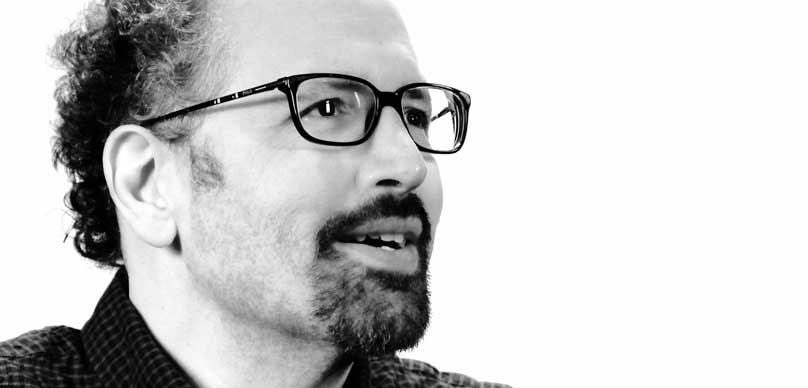
May I introduce Paul Castro, the original writer of one of my favorite films August Rush. Paul Castro is a produced, award-winning screenwriter and world-renowned screenwriting professor.

Structure…is the canvas on which we paint with words.” – Paul Castro

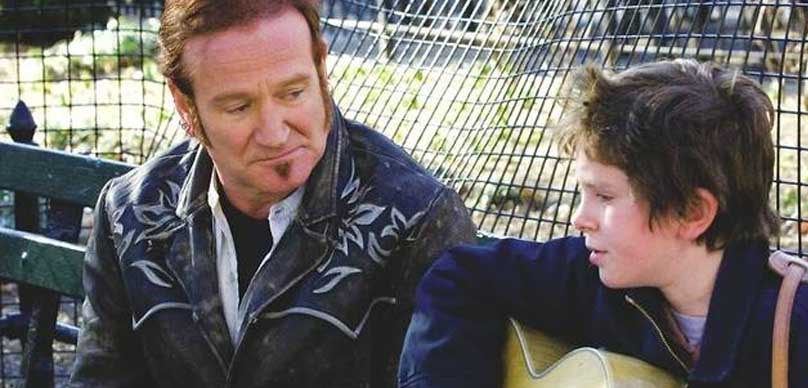
His project, August Rush was produced by Warner Brothers and starred the late great Robin Williams, Keri Russell, Freddie Highmore and Jonathan Rhys Meyers. The film took Paul Castro into the belly of the Hollywood beast.

august rush, paul castro, the million dollar screenwriter, million dollar screenplay, screenwriting course, screenwriting courses, screenwriting Teacher,, film school, independent film, moviemaker, guerrilla filmmaking, tarantino, indie film, film crew, cinematography, short films, film festivals, screenwriter, screenwriting, filmmaking stuff, screenplay, UCLA School, Screenwriting Podcast, screenwriting, screenwriter, screenplay, movie script, film script

The business of screenwriting can be tough, but while a student at the UCLA School of Theater, Film, and Television, he was a finalist for the Coca-Cola Refreshing Filmmaker’s Award for directing and producing his original screenplay Healing, and landed a three-picture screenwriting deal worth $1 million.

The lessons he learned not only from selling August Rush but many other Hollywood screenwriting adventures were invaluable. He later went back and became a screenwriting professor at UCLA School of Theater, Film, and Television, teaching thousands of students over his ten years of teaching.

Paul Castro teaches screenwriting from the inside out.” – Richard Walter, UCLA Screenwriting Chairperson.

After being a screenwriting professor, script doctoring and consulting Paul decided to create the ultimate screenwriting course. He calls it “The Million Dollar Screenplay.”

I took the course myself and all I have to say is WOW! Paul teaches with an elegant style that’s extremely understandable and straight to the point. Success leaves clues and so do masterfully crafted screenplays that sell for millions of dollars.

Paul Castro shows you those secrets. Not trying to do a hard sell here but I just love this course.

What clearly resonates with me is Paul’s love for and dedication to his students and to storytelling. He is a composed and practical artist and teacher, yet highly imaginative in his approach.
– Michael Eisner, Former CEO of The Walt Disney Company.

Here’s some of what Paul covers in his course:

  • Professional screenwriting techniques
  • Plot development for the big screen
  • Creating compelling characters to attract movie stars
  • Winning dialogue
  • Structure to serve as the blueprint for your movie
  • Scene construction to evoke suspense
  • Sequence writing to manage an ensemble cast

After taking his course I reached out to him and asked him to be a guest on the podcast. What followed was not only a master class in screenwriting but also lessons on the film business and he also discussed how to discover your own voice as an artist. Pretty mind-blowing.

Enjoy this whopper of a podcast episode and if you haven’t seen August Rush do yourself a favor and watch it. It’s worth watching for Robin Williams alone!

Right-click here to download the MP3

SPONSORS

  1. Bulletproof Script Coverage – Get Your Screenplay Read by Hollywood Professionals
  2. AudibleGet a Free Screenwriting Audiobook

Alex Ferrari 0:00
Well, man, thank you for taking the time out there. Really appreciate it, man. Sure, Alex.

Paul Castro 2:45
Absolutely. I'm happy to do it.

Alex Ferrari 2:47
So um, I want to jump right into it. So how did you get your foot in Hollywood's door which is a screenwriters that I think one of the ultimate questions for all screenwriters like, how do you break through? There's so much noise? There's so many people trying to do it? How did you get your foot in the door?

Paul Castro 3:03
Yeah, it's a valid question and one that is asked perpetually throughout the years by up and coming screenwriters and even my friends who have also taken similar paths. I was on the East Coast and I was in a suit and tie job out of college in the Washington DC area. And it wasn't terribly pleasant. And I made the decision to go to Hollywood in the attempt of trading daydreams for dollars as a professional screenwriter. And I thought UCLA Film school would be the best path being that the majority of Oscar winners have come out of that program. So I thought that would be a good start. So I drove cross country in my truck, and I was excited to go to UCLA there was only one challenge, Alex, which is I got rejected.

Alex Ferrari 4:01
You already packed up you bought the you bought the t shirt, you bought the hat, the mug?

Paul Castro 4:04
Oh, yeah, everything. And so I, you know, I contacted or 10 tempted to contact the chair to the department, to no avail. So I went to UCLA and I put in the mailboxes of every film professor, the top 10 reasons why they should reconsider my application. And I just, you know, printed it out and put it in their mailbox in hopes of some type of response. Fortunately, the chairperson of the department called me up and said, Oh, we got your top 10 list was very funny made us all laugh. And I said, Well, great. Am I in and he said, No, absolutely not.

Alex Ferrari 4:45
Thank you for the hustle.

Paul Castro 4:46
I appreciate it. Exactly. So a year later, I did apply again and fortunately I was one of the 18 to get in. And it was it was a good year. I was glad looking back on it that I didn't get because it gave me a chance to really hone my craft and write and take seminars and read books and do everything I could humanly possible to inculcate myself into the system in an organic, holistic way. So at UCLA, we had to write a full length feature, feature length screenplay, Alex every eight weeks, for three years, Jesus. Yeah,

Alex Ferrari 5:28
that's insane. Like, I took me forever to write my first feature script.

Paul Castro 5:33
Yeah, right. Holy cow. So and those who couldn't keep up, were invited to leave the program. So I thought, wow, I got to get this done. So yeah, with so I got really lucky because of that pressure, because I had to come up with ideas. Of course, I have a nephew named Anthony. And he at the time was five years old. He was like a redheaded Harry Potter type kid. And he was born on August 5, and he kept looking off into space and kind of pondering life a lot. And I said, Hey, what's going on? What do you think about little guy? And he would say, Well, do you hear the train in the distance? Yeah. Do you hear the kids playing soccer? Yeah. Do you hear the birds chirping? I go, Yeah, you just put it all together. It's music. And I went, Wow, okay, that's trippy, right. So it just kind of stayed with me. It resonated with me. And when it was time to come up with another idea for UCLA. I thought, Hmm, what if this kid had like this amazing musical ability simply because he could take sounds from everyday life? So I wrote a screenplay called noise and noise was about a young musical prodigy named August Rush, who uses his gifts to reunite his estranged parents. And I came up with the name August Rush because Anthony is born August 5, and Geoffrey Rush won the Oscar for a movie called Yeah, yeah, make that movie. That's awesome movie. Yeah, it was a musical movie. So I thought, okay, that makes sense. So, yeah, so it's just one of those things. Okay, here goes another screenplay. And the chairperson of the screenwriting department at UCLA, Richard Walter, who to this day is a dear friend and mentor and wonderful person. So Richard said, Hey, I really love this screenplay. May I give it to a producer friend of mine? And I said, Absolutely not now.

Alex Ferrari 7:45
Nice, nice. No, no, no, please, please don't do that.

Paul Castro 7:49
Now, please. I want to I want to marinate in angst and work at Starbucks for the rest of my life.

Alex Ferrari 7:54
Not that there's anything wrong with Starbucks.

Paul Castro 7:57
You know what? Starbucks is part of my daily ritual. And there are many days when I go, man, I just wish I could just chill here and meet people all day

Alex Ferrari 8:06
and work. It's how much how many screenwriters are at Starbucks on a daily basis.

Paul Castro 8:12
And the best ones are the ones that work there. Probably, you

Alex Ferrari 8:14
know, the funniest things is that and this is hard for people outside of LA to understand is, when you walk into a Starbucks, any Starbucks in the Los Angeles area, you will see a laptop with Final Draft open it just I've not yet found one that is always somebody working on a screenplay or if not, you will hear someone talking about the story that the kind of

Paul Castro 8:38
right. You know, you're right. You know, if you get pulled over by a cop for not wearing your seatbelt, you could always ask him. Hey, how's your screenplay? Gonna?

Alex Ferrari 8:49
Welcome to La Hollyweird.

Paul Castro 8:50
Yeah. So anyway, so that that was the situation and it was, you know, serendipity, cosmic choreography, a plethora of luck. And so I met with this producer and he really liked the screenplay. He also liked something else I wrote called a gift for mom. And I was fortunate he gave me a three picture a deal. Wow. And it was pretty substantial. But you know, I mean, just one of those things is just very lucky. There are screenwriters, I meet on a daily basis that are enormously talented that have still not, you know, I hesitate to say aided because what does that really as long as you're being creative and contributing to the world in some way, shape or form with your creativity? I think that's success. But

Alex Ferrari 9:40
being able to make a living doing what you love to do is the dream in one way and that dream is very true. You don't have to be a billionaire. You can you know, you can and that's something we preach it in the film also is like you know, what, what is success to you guys, like is 100 grand a year doing what you love? Is that enough? Is 50 grand a year you know? Living in Kansas, is that enough? You know, like, yeah, that's the question you have to ask yourself. But anyway, sorry, I digress. Yeah, definitely.

Paul Castro 10:06
Right, that that is a wonderful way to approach it. You know, what is your definition of success? First of all, what is that? You know? So, that's, that's how I got started. I got very lucky.

Alex Ferrari 10:21
You were at the right place at the right time with the right project. Yeah,

Paul Castro 10:25
exactly. And I guess, you know, I mean, I definitely don't want to project false humility, but there's a lot of luck to it. But I also do have to say I wrote a lot. By that time, when I sold August Rush, I had written probably 11 feature films is maybe 12.

Alex Ferrari 10:44
That's a number that's I've interviewed a bunch of different screenwriters, and the number is 1011 12, before something gets sold. It's that's a good, that's a good number. I mean, there are the the oddballs that sell it, like their first script or second script or something like that. But generally, you have to kind of like, get all the bad scripts out. It's a yeah, get all the bad writing done early.

Paul Castro 11:06
Right. And I think you already know my philosophy. It's not right about what you know, it's right about what you know, hurts. You know, everyone has their little owies from life, something that's happened to them. Usually, it's from childhood that has stayed with them, and the writers who are brave enough to go into the belly of the beast of that situation early on. You don't have to write the 910 1112 script. So you can actually nail it on the first or second or third time. And, and you don't have to write about that situation. Alex, as you know, it's writing about that emotion. So what is an emotion that? Okay, someone that wave retracts of something that was horrifying or embarrassing or shameful to you? When that wave retracts? What are the seashell gems left behind? What is that emotion?

Alex Ferrari 12:03
And that's the, that's where some of the best writing has come from, in a lot of ways, especially when you're starting out I'd imagine. I mean, I've heard from many different I mean, I've read every screenwriting book and everything. And and, and a lot of a lot of the Guru's and a lot of successful screenwriters as well always say, you know, at the beginning, you write what you know, or that pain that you're saying about then later on, as you become better with your craft, you can start creating the Harry Potter's of the world and things that aren't based in reality. Is that something Do you agree with? Or what's your point of view on that?

Paul Castro 12:37
No. Again, I would suggest never second guessing the market and what the market wants and what could sell or should sell. I mean, you look at something like Erin Brockovich, okay, right that ever sold now, but Julia Roberts said, Hey, this rocks, and then you have a movie.

Alex Ferrari 12:57
And Steven Soderbergh was like, Yeah, I'll do it.

Paul Castro 13:01
It's like that everything came together. So I'm a big believer, Alex, in, you know, give yourself to the world and come from the spirit of contribution. Yeah, yeah. The universe will conspire on your behalf.

Alex Ferrari 13:19
That's a great, that's excellent. That's really as excellent. That's a great, that's great advice. Now with August Rush, I've always wanted to ask a screenwriter this story. How was the process of getting a story you've got you got it sold now? What is the process of the journey that it went through to get it onto the screen? So like, how did the development process go? I mean, you have I mean, I know this is a very long question, but just you know, as you know, just give us a Reader's Digest version of it. Like how, what was the journey, like for August Rush to get it out to the big screen, because it was released by obviously a major studio with major stars in it. So it's not a slight little indie film. It was a it was a big studio movie at the time. So how was that process?

Paul Castro 14:01
Yeah, um, well, it was it was an involved process. So I'll walk you through it. And actually, now it's another process because August Rush is going to Broadway.

Alex Ferrari 14:11
Oh, how awesome is that? Congratulations.

Paul Castro 14:13
Yeah, it's fantastic. I'm excited because I think it will translate well to the stage. So yeah, so the Writers Guild only requires, you know, two rewrites and a Polish at the time when I sold it. But I was a young new writer eager to please. So I was in writer rewrite. And some people would say hell, but I don't think it was I think it was a wonderful training ground for me. So over a two year period, I did, I don't know 1617 drafts of that spread. How many years? Yeah, two to two and a half years. She's

Alex Ferrari 14:52
just Yeah, so you're basically in development, as they call it, development? Hell,

Paul Castro 14:56
well, I never want to I never want to use negative connotative. Fair enough, fair enough. Yeah. It was challenging and it trained me well for my future in Hollywood. Okay. And I often joke, you know, something really tragic happened in that process. They got better.

Alex Ferrari 15:21
Amazingly enough, right? Yeah, cuz sometimes it

Paul Castro 15:23
doesn't. Sometimes it doesn't. But but it did. And. And then after about two, two and a half years, my agent, manager, lawyer, Business Manager, they had an intervention and said, If you keep rewriting for this project, we're going to resign because it's ludicrous. And yeah, an intervention. That's brilliant. Yeah. Well, that's how I looked at it, because they sat me down. Is it enough is enough? Yeah. So I went on. Yeah. And I was doing other projects at the time. I did. You know, I had the good fortune of working with Stan Lee, you know, founder of Marvel Entertainment, on two projects. And, you know, I had other things going on. But I really loved dog and stretch. And I, of course, hoped it would get made someday. So a couple of years went by, and came really close to getting made different directors attached and reading it and liking it. And then the producer did a movie with Robin Williams, and said, Hey, can you take a look at this script? And Robin read it and said, Yeah, but my part has to be more substantial. I believe. That's how it went down friends. So the producer wisely hired two writers, and they gave it another polish and pass and rewrite. And then about a year and a half later, I believe Robin officially became attached to the project. And when Robin Williams is attached to a project, you know, that's good news for everybody. Mm hmm. So yeah, so fortunately, then things were off to the races, and then Freddie Highmore and Keri Russell and Johnny Meyers. And yeah, it became a real thing.

Alex Ferrari 17:08
So the second that Robin got attached, everything kind of opened the doors, the floodgates kind of open up and everything got speech got got hyped up a bit, as far as speed is concerned.

Paul Castro 17:17
Exactly. Everything was coalesced and off to the races.

Alex Ferrari 17:21
The funny thing is, I had an opportunity to meet Robin once and I tell you, I've never met a human being and he was so calm and very you know, he was not the the person that persona he portrays. You know, he was that kind of energy energetic guy. But he that day, he was very calm with his wife. And but you could feel the energy coming off of him. It was something that was tangible in the air, like you could sense and I don't want to get into all the kind of like, you know, vibey stuff, but it literally you can sense the vibe of the man it was I never met a human being like that before. But I got it. I got it.

Paul Castro 17:59
You're you're onto something. And I don't mind you getting into vibey stuff. I mean, not I don't buy the stuff it is when everyone has energy and and and what is your energy? Are you are you comfortable with it? Do you like if you like what you're projecting to the world? Is it enhancing your life? Are you empowering, people are depleting people are then powering you are depleting you. It all starts with energy. And that's what resonates from a great script. It just is vibrating the same way you just described. Yeah. And that's great. What Robin Williams. Yeah, he was he was amazing. And one one quick note, I

Alex Ferrari 18:35
actually was watching I think a documentary something on the matrix, the matrix boys, or boy and girl. And they, they that was in development hell forever. Because it was forever and it took him they rewrote it. You were saying you rewrote it rewrote it. They rewrote that for five years, and five years. And that's why that script is that movie is so good. That's amazing. Yeah. But to your point, like, you know, sometimes that rewriting process is helpful.

Paul Castro 19:06
Yeah, you know, something takes over if you surrender to it, and you're not kicking and screaming. Right, right. We're all very precious with our work sometimes. And, you know, I would encourage the opposite, you know, when you just allow it to flow naturally, organically and take input and you know, take it and you don't have to always use it, you can go home. That's interesting, maybe for my next script. So yeah.

Alex Ferrari 19:33
It's a lot of a lot of working with or collaborating with people a lot of times in Hollywood, from my understanding is that that that that kind of mentality works really well, kind of going with the flow, kind of like, you know, just kind of riding the waves because if you try to go against the flow is when you have problems.

Paul Castro 19:49
Yeah, that's a really good point. On the same note, we all as creatives need to have a strong clear vision for what we want to communicate creatively and You know, we're not typists, we get paid for our point of view of the world. And I really believe that's why new writers and old writers, veteran writers, can all be successful, because everyone has a different point of view of the world. Alex, right. So you and I, born and raised in New York, and now we're different places. But, you know, your point of view of the world is very different than mine. And I celebrate that. And that's why we go to the movies.

Alex Ferrari 20:27
And that was the that's the thing I always try to preach here as well is that filmmakers, a lot of times, they just like, I'm gonna be the next Tarantino. I'm gonna be the next David Fincher, I'm gonna try to copy this or that, and I'm like, you'll never be the next year. And Tina, because there's only one Tarantino and there's only one voice. I think only all the successful writers and filmmakers all have a very loud and distinctive style and voice. And that's what people don't get coming into the business. They all want to try to emulate the next. Oh, that's big. So I'm gonna do that. I'm like, Well, that might work. That might work once, but it won't sustain a career. You know?

Paul Castro 21:06
Yeah, that's a good point. And you know, when you say they all have a loud voice, sometimes the loudest voices are the subtle, slight voices that just have a big impact because of their subtlety and their nuances.

Alex Ferrari 21:20
Well, like Wes Anderson, I mean, he's not a very loud personality by any stretch, but his movies aren't. They scream?

Unknown Speaker 21:26
Is it style? Yeah.

Alex Ferrari 21:29
And Buster, Buster and Buster Keaton, for that matter, as well. I mean, he was obviously silent. But its style, his style of humor, and his style of storytelling is something that was very distinctive. So So let me ask you, when does a writer need an agent or a manager? is another big question a lot of screenwriters asked?

Paul Castro 21:50
You know? It's a great question. And I think it goes back to the approach of contribution. Okay, most writers and I was there to where you use, I need an agent, I want an agent, I need to sell something, I want an agent or manager. And you first have to ask yourself, what do I have in my vault to contribute to this agent? Or manager? Yes. Yeah. What value?

Alex Ferrari 22:17
Yeah. Instead of instead of looking at an agent, or a manager is like, what can you do for me? You should flip the script a bit. And that's awesome advice.

Paul Castro 22:25
Yeah, absolutely. So you know, when I was in LA, you know, you know, Joe Manganiello, when, when he was an actor running around LA, he was also the type of guy who, hey, Joe, what are you doing this weekend, I'm driving two hours to San Diego for a little play that I'm not getting paid for and driving two hours back, which I Oh, by the way, I've been doing for the last month and a half. You know, it was a person who was on purpose, not paycheck, looking to contribute at a high level. And the rest of it just, you know, came like an avalanche of abundance for that guy. And it happens for most successful people if they're coming from a place of contribution, circling back for agents, first of all, new writers and all writers and anyone in the creative arts, especially media and entertainment, first needs to realize that agents are not scumbags. Now, are there scumbags in every single profession? On the planet? Yes, yes. Well, it's politics now,

Alex Ferrari 23:28
obviously, obviously. Now politics. They're on the up and up, of course,

Paul Castro 23:32
yeah. But there's going to be that in any profession. So if you're coming to Hollywood, and saying, oh, all agents are bastards, then yeah, that's gonna be your experience. But I think they're great. If you're contributing to them, they're going to be wonderful, and they're going to contribute to you, and they're going to enhance your career. So I would suggest having a body of work besides just one screenplay. I would, you know, 2345, maybe some pilot episodes for TV. If you have some non scripted reality show ideas, you know, scope that as well let them know that you're you're just not a one trick pony. You have, you're in this for the long haul, and you have an arsenal to contribute to them. And they're stable.

Alex Ferrari 24:20
Right? That's a great, that's amazing advice, actually. Now what and this is, I love it. You

Paul Castro 24:25
say that's amazing advice actually, as if the actually part means usually your advice is terrible, but

Alex Ferrari 24:31
not you know, you but as a general answer to these kind of questions, I know. A lot of times people will just like oh, well you know, you got to do this or that and it's like, okay, that's an answer, but it's not like so what I try to do with my guest is I really try to dig for questions that I want to know answers to. So like that's like, I've always asked him like, what, what do I need to do to create get an agent or manager should I even need one as a director at this point in Mike in my life in my career, and like well, you Do you have to, and that's all about what we were talking about earlier about marketing is like you, as a creator are marketing yourself to an agent and manager and selling yourself to them to go look, this is what I can do for you. Because it's already assumed that they can do something for for the writer if they're choosing the proper agent or manager.

Paul Castro 25:21
So exactly, it's a good point and Okay, so if I said to a writer, would you like Aaron Sorkin's agent? They would probably say what? Oh, of course, of course. But what if you don't write character driven talky type movies that are very deep and insightful and poignant? What if you are the popcorn summer blockbuster action adventure guy or horror film guy is Aaron Sorkin's agent, the right guy for you probably not maybe down the hall, his colleague, maybe she's the right agent for you. Maybe she is the one that has sold a bunch of horror films. So I think targeting the right representation is just as important as if you should have representation or not.

Alex Ferrari 26:15
Now, this is a big question. As I as I'm digging deep here. What is the difference between a screenplay that actually sells and one that doesn't sell? And I know that's a real broad term, so do the best you can?

Paul Castro 26:29
It's an easy question to answer. Oh, good. You know, in Hollywood, they don't buy screenplays, they buy emotion. So if you can make a reader feel something on a very visceral level, then they cannot be ignored. Haley Fox, I always mentioned Haley by name, because she was the Development Executive at the production company that bought my first screenplay. And she was so passionate about it that she says if you don't buy this screenplay, I am going to quit. And I've been here seven years, but there's no need for me to be here. Wow, she felt that deeply about the material. Now, when writers are coming from a place of truth facing that hurt that we talked about those little hours from child and I say little, obviously I'm not making light of it, they're very substantial. And they can take that that hurt or that rage and put it on the page and then eventually makes to the big stage of, you know, cinema, or television. It's because somebody felt something if they felt deeply about it, and it can't be ignored. And those are the screenplays teleplays pilot episodes that sell because people all have that response. You look at Eric Roth's Forrest Gump. It's amazing. Robert Zemeckis gave it to Tom Hanks when he was going on vacation to Europe. And Tom said, yeah, I really don't want to read anything. I'm on vacation. And he's and Zemeckis said, well just read like the first 10 pages on the flight. And by the time the flight landed, Tom Hanks was attached to Forrest Gump.

Alex Ferrari 28:19
And the rest as they say, is history.

Paul Castro 28:21
Yeah,

Alex Ferrari 28:22
that talk talking about emotion. Like there's a show I watch now one that I'm loyal to on on TV. It's called The Goldbergs and and Adam Goldberg is the writer and creator of that and that's literally he's taking his hours every week, and putting them out on the screen. And but that authenticity, it's not like another 80s show. Oh, it's another. Oh, we're all making fun of the 80s which I'm a huge 80s fan. That's probably one of the reasons I like it so much. But the characters the family the and then every week at the end, he shows a video when he was shot when he was a kid. Are you like oh, this is just brilliant. That's that kind of stuff you're talking about. That's so emotional. And his genre.

Paul Castro 29:04
Yeah. And Adams been doing this a while right. Yeah. So so he's finally come to the point where you say no, I'm going to give myself this is the this is the real hurt. Mm hmm. And in real estate, the three most important things are Location, location, location, and in writing, especially screenwriting, it's conflict, conflict conflict.

Alex Ferrari 29:25
Yeah. And there's a lot of conflict.

Paul Castro 29:30
Now I get if I rewrote myself, it would just be one conflict. Yeah, exactly. Exactly. And economical.

Alex Ferrari 29:36
Um, real quick. Now I know loglines is a big, big question. A lot of times for starting up screen starting screenwriters. Like how important is it? How important is it in the selling process? Is it something What's your experience with that?

Paul Castro 29:49
Yeah, I think it's really important and it's overlooked and it's underrated in the process. If you can not sculpt of vibrant Lean logline that's going to fully communicate your screenplay or your television show idea, then you're not ready to go any further.

Alex Ferrari 30:12
We'll be right back after a word from our sponsor. And now back to the show.

Paul Castro 30:23
It's one of the most most difficult parts of the process. Alex, it really is.

Alex Ferrari 30:29
I know I've, I've had to write a couple that they're paying.

Paul Castro 30:33
And you're gonna have to try it out with friends and families and rewrite it and see when they glaze over, and when they get excited. And you're gonna have to keep working on it until it's really just nailed, right?

Alex Ferrari 30:43
And it's like, every word means something like literally every single syllable means something, because that the real estate so sure, it's almost like a Twitter tweet. Yeah, you have to make it really concise.

Paul Castro 30:57
Yeah, I like that the real real estate assists short. That's a good way of putting it. It is and people don't have time to really, you know, before I was even represented, I would, you know, try to get agents on the phone and, and what time I got more diviner, he was an old Hollywood agent, very famous at the time, and more, sadly has since passed, but it was after hours. And I called you know, one of the big three I think more was with ICM at the time, and his assistants are gone. So guess who answered the darn phone more diviner? And I'm Mr. Vaughn. All right. When films do not get what do you got? What do you got kid? Yeah. And I literally had to pitch that thing and title, genre and the pitch and that was it. Yeah. And off of that he wanted to read the screenplay. And it wasn't because I just took it off the top of my head. Fortunately, I had heard this before, copious times at UCLA where they hammered into us. This is very important. So I was prepared. And there's been times where I've read new writers and I've, I read their screenplay, like, Oh, my God, this is fantastic. And they go, Well, you didn't seem very enthused when I first pitched it to you. Well, that's because your pitch was well, it's kind of like, you know,

Alex Ferrari 32:18
it's kind of like Forrest Gump meets Hostal. You know, it's kind of

Paul Castro 32:25
Yeah, and it's challenging when you're using other material to pitch your, your, your material, such as saying it's like this and like that, because what if the person hasn't seen one of those or both of those? Right?

Alex Ferrari 32:39
Exactly. Yeah. And, and anytime I've I've actually asked this question before on the show is like, if, you know, it's kind of like The Matrix meets, you know, Cinderella I actually would watch that movie. But one key thing if you are going to do that, and it is kind of like a lot of times unnecessary evil to have that in your back pocket because someone's going to ask that question sometimes. At least that's what I've been told. Make sure that you use movies that have been hits. So it's like Ishtar meets the fantastic for the new one. So it's like not really going to help you sell your product

Paul Castro 33:17
although there have been movies that were not hits that just you know people loved or got great reviews were correct Yeah, I'm came later on so my whole life you know, the holidays are coming up and on TV we're gonna see It's A Wonderful Life as we do every year but when that first came out, it wasn't well received at all.

Alex Ferrari 33:36
It will seem like Shawshank Redemption picked up its steam much later on after its initial release.

Paul Castro 33:41
Yeah, and I it's funny at titles. I know. We're not on the title subject, Alex. I had to bring it up. Anyway, those titles are so important because the worst title Yeah, I mean, but but it was from a Stephen King novella, Rita Hayworth and Shawshank Redemption. All right. So being that it was the great Steve. Yeah, Stephen King, are they going to say no, we hate your title. But that was a situation. I think if the title was a little different, it probably would have had a bigger audience. But that being said, It's a masterpiece and Frank Darabont and Stephen King. I mean, wow,

Alex Ferrari 34:15
I know. It's absolutely but yeah, you're right. Like that's one of the worst titles in history. There was a new movie that that just came out with the worst title. Is the Sandra Bullock movie and Billy Bob Thornton? Hmm, our Brand is Crisis. I saw the poster for that. I'm like, wow, who came up with that? Title? It's like, I'm sure it's a fun movie. And I love Sandra Bullock I love everybody in the in the movie, boom, like, and it died. It died a miserable horrible death at the box office. Yeah. And I imagine the title did not help the situation.

Paul Castro 34:48
Yeah, it's that's a really important aspect of the whole process. I mean, let's talk about okay, if you're a parent and you have a newborn on the way Mm hmm. Let's decide You know, I don't know, should we let's not even think about it or it doesn't really matter, okay? Now this is your child, you're going to put a lot of thought into what that person's name is, you know, a dear friend of mine, Luke Fantino, who's at Warner Brothers marketing, such a smart guy, and he really, I really think he has the crystal ball. And if and movie's gonna do well, or not simply because he can look at it from a helicopter point of view and a micro point of view, and all these nuances we're talking about

Alex Ferrari 35:34
titles are, titles are extremely important. And, and I think and again, it's goes back to marketing, and branding. And, and, and a lot of screenwriters and artists in general, filmmakers don't look at their art as product. But if you look at it as product and market it and sell it as product, even though it's art, you have so much better chance of selling it to whatever aspect you're trying to sell it to in the business, if you're trying to sell it to an agent, sell it to a production company, sell it to an audience, sell it to the person you're just pitching it to. There's it's always about selling it and promoting it and packaging it in a right way to get the attention or the the end result that you're looking for.

Paul Castro 36:17
Yeah, you're absolutely right. It's an interesting craft, because it's not only a craft, it's a profession. And it's where art and commerce meet. And a lot of these production houses, many majors, the big studios, the marketing department has the final word on if a screenplay is going to be greenlit or sold or bought. It will go through all the proper channels. But if the marketing department goes, Oh, my God, we love it. But we don't know how to market it, then guess what?

Alex Ferrari 36:49
It's done? Yeah, it's done. Unless you're doing it independently, and you've got your own money. And you're going to do it that route. It's It's rough. Absolutely. Now talking about production companies. How do How does a screenwriter should a screenwriter submit their work to a producer or a company?

Paul Castro 37:07
Well, it's challenging because a lot of them don't accept unsolicited material for various legalities. That being said, some will have open processes where you have to sign certain forms, and then they'll accept it. Again, I would target a production company that does your type of material. I would find a person in that production company, not just blindly send it there. I would get on the phone, build a relationship with them, meet them on social media. And, you know, I think the best approach is to ask advice if you're a new writer in this industry, you know, you don't have all the answers. And oh, by the way, I don't have all the answers. I'm constantly asking advice from people. You know, I've had the good fortune of sitting down for a couple of hours with Michael Eisner. And I've known Michael for five, six years now. It's probably been there, like seven years now. And I'm always looking for advice from him. But I'm also looking, how can I add value to him? Right, but I'm always trying to know, what are what are your needs? And how can I say she ate those as a production company? What do they want to do? Do they want to make art? Do they want to win an Oscar? Do they want to make money? Of course they want to make money. And there's nothing wrong with making money. This is an industry where, you know, great make money, you know, right? If Alex's screenplay gets made, it's going to employ 1000s of people. And there's going to be all these other ancillary business entities that are going to benefit from Alex's screenplay. It could be on HBO and Showtime, it could be on an aeroplane going to, you know, Europe, it can be in a hotel room while I'm there with my, you know, whatever. And so, so it's a really interesting world in the fact that once the property is out there to the world, many people can benefit from it. And of course, when I say property, that screenplay

Alex Ferrari 39:15
Exactly, exactly. Now, I'm going to get more personal into your process. What is your process of writing a screenplay? If you don't mind? This is just a basic, you know? ABCs? What do you what's your process of books? I always find it fascinating. Everyone approaches the craft differently. So I'd love to hear what how you do it.

Paul Castro 39:33
Yeah, so the idea is obviously paramount. So does the idea really rock your world? Is it something that you're thinking about a lot is almost haunting you. And if you can package it into that logline package is not a good word for this, but if you can create a logline where you've captured what you initially responded favorably towards your idea, then you're on to something. So I do the logline. And I work a lot on that as far as just sculpting resculpt thing it, you know, like you said, wisely. Every word counts, right? And even if it's the right word isn't the right word for the lyrical nature of your logline. So you have to see how it fits into the overall scheme of things as

Alex Ferrari 40:26
well. log lines are generally isn't it's an art form in itself. Yeah, absolutely.

Paul Castro 40:30
And in for your audience members after that may not know what a logline is. It's a one liner, I often say is a one liner. Is that a log line? Because I'm not even sure where that etymology

Alex Ferrari 40:41
Where's? Where's the log in? Where's the line? Exactly.

Paul Castro 40:45
So once I have the log line, I do a two page movie, which is basically two pages double spaced of if Alex and I were walking to the bus stop, and Alex says, Hey, man, I gotta go. What did you see last night, and I tell you what my movie is, as we're both going in different directions. It's that fast. It just really broad strokes, but it's more involved than the log line. And then I do a 30 to 60 Beat outline. And but I hit some did that my phone off? I saw I

Alex Ferrari 41:25
can't I cannot I cannot work like this now. I'm

Paul Castro 41:31
glad you're saying. Yeah. So so the outline hits, various speeds. And as you know, Alex, you know, the opening pages are very important, especially page one, the opening images, the inciting incident, the end of Act One, which I say is page 17 paid then page 30, then page 45. And page 60, which is the tentpole every movie page 75, page 90. And then what is your finale? Those are the main beats that you need to get first, before you fill in the rest of your beats. And you know, when people go, Well, how do I know what beat goes next? Well, I always say the best movies are good news, followed by bad news. Good news, followed by bad news. And, but they are increasing in intensity as the screenplay or movie progresses. So if there's a good news moment, there's going to be an equally powerful bad news moment. And then the next good news moment is going to be even more substantial. And the next bad news moments can be more substantial. And it has to adhere to the law of rising action. Okay, because of the best movies, it grows in intensity, that's what keeps us riveted, right. So then once you have the, the outline established, you know, character breakdowns. Now, when my character breakdowns, I like to do the protagonist and the antagonist. And it's in first person and they're just kind of ranting, okay, they're just kind of talking. And you're getting their personality, you're getting their vibe, and you're getting who this person is. I know a lot of writers and a lot of actors, you know, what was their favorite color? What ice cream did they have when they were three years old? That's cool. If it works for your process. For me, that's not my process. I just kind of like to capture the voice of the character and the energy of the character. And then it's off to the races.

Alex Ferrari 43:37
And then you just start start filling in those gaps. Yeah, yeah. So the outline, and it's similar when I write the outline is is everything to me, like I have to have, it's basically the foundation of the entire story. So without these points of like a guide, you're just lost in my opinion. I mean, everyone's process is different. But for me, it makes it much easier because you're like, Okay, I need to get to this point here. Okay, I just got a boom, boom, boom, that's point here, boom, boom, boom, here point. So having those key points, is there just kind of like mile markers on the journey? Structure is

Paul Castro 44:09
paramount. I mean, you're a professional. And this is not a nother thing. New writers go, Well, I want to be a writer. I hope to be a writer. No, you are a writer. And you are a professional writer. When you start acting like a professional writer, and profess professional writers. They outline they sculpt, they make this the blueprint on which they're going to create and that's what structure is, it's the canvas on which we paint with words. That's,

Alex Ferrari 44:37
that was actually quite beautiful.

Paul Castro 44:42
So when a studio is going to hire you for an original piece, a spec script that you've written or for rewrite, they're hiring you for your expertise in this craft as much as they are hiring you for your abundance of creativity and execution?

Alex Ferrari 45:03
That's yeah, absolutely. Now, let me ask you the age old question, what is more important plot or character?

Paul Castro 45:12
You know, you know, I mean, that's a tough one to answer, because I think it's a symbiotic relationship. It's the balance. It's the ain, the yin and the yang. It's the space between the notes makes the music, right, it's this. I mean, this is this is what we're all talking about. So I would never put more weight on one or the other. That being said, the best stories are about one thing. Okay, so you look at a commercial success like the movie Taken in recent years. Yeah. Okay, what that entire movie is about Liam Neeson doing what? Just

Alex Ferrari 45:59
killing and kicking everyone's that's the way to go Going, going to save his daughter.

Paul Castro 46:04
Right? His daughter has been

Alex Ferrari 46:06
kidnapped, taken, sorry. Kidnapped, horrible, horrible, they've taken much better. So he just

Paul Castro 46:12
wants to get her back. So that is what the whole movie is about. In Jaws, they need to kill the shark. Exactly. So you know, the best movies, I believe, are about one pending question that needs to be answered by the end of the movie.

Alex Ferrari 46:32
So how what would be the question for Star Wars? You tell me, I would imagine it's the boy's journey to God. I've seen that movie a million times. And I'm a huge fan of it. But like, how can you and it's probably the most, the best example of the hero's journey ever done to film? I can't say I don't know. Like, isn't it about Luke's journey to find himself and become a man. Eventually his his his journey from being a boy to being a Jedi along the way, a path and you know, God, you see, it's getting very convoluted here.

Paul Castro 47:12
Where Where does he find his power?

Alex Ferrari 47:15
within himself? There you go. That's it. That's the story.

Paul Castro 47:19
Andy in sha shred Shawshank Redemption, you know, the Tim Robbins character. This is a man who felt imprisoned and only experienced freedom by going to jail for a crime he didn't commit. Right. So he could have been a you know, a son's incarceration car, sir, it is so free of being incarcerated his whole life and have continued to do his accounting or banking. But he would have never felt free unless he had that experience. That's very true. Yeah. So

Alex Ferrari 48:00
it's always finding that one thing it's about?

Paul Castro 48:03
Yeah, it is. And there's a great line, get busy living or get busy dying.

Alex Ferrari 48:11
That pretty much covers it, doesn't it? Right. Yeah.

Paul Castro 48:13
I mean, that's the that's a great line in the movie. And it basically is the movie, isn't it?

Alex Ferrari 48:20
Yeah, the whole movie is basically in that line, get busy living or get busy dying. And that explains that movie. So well. I talk about that movie constantly on the show. Because it's Saturdays. It's it's one of my top five, you know, it's it's amazing. Now, you have been you've done. You've been busy not only as a screenwriter, but as also as a teacher, and instructor and you've created this awesome course called called the million dollar screenplay. How did you come up with the course? And what was the purpose behind it?

Paul Castro 48:51
Yeah, so I taught at UCLA for over a decade. And I've spoken around the country at various events when they've invited me on the craft of screenwriting. And I thought, Okay, well, a lot of people are always asking about the million dollar screenwriter or the million dollar screenplay. What is that all about? And it's not about selling the million dollar screenplay and becoming a million dollar screenwriter. It's about having a body of material that's going to influence the masses positively through your art. So I thought, well, how can I communicate that in a course. And I thought, well, I'm going to teach the same thing I taught at UCLA in the undergraduate program and in the master's program, and structure is going to be a big part of it. And I'm going to hopefully put it in a form that's digestible to whoever wants to take the course and it's not going to be, you know, 25 or 50 hours long. It's going to be two hours long and they're going to get as much from it as if they We're in a master's program in Screenwriting.

Alex Ferrari 50:03
So it's a really condensed version of everything. So like, it's basically the logline of your course. very condensed and right to the point. Well, this

Paul Castro 50:13
right to the point, you know, I am super blessed Alex, I have a daughter and she's amazing, right? And someday she may want to become a screenwriter. So I thought to myself, well, if I were going to sit down with her and walk her through this craft and put her in the best possible position to succeed as a screenwriter, what would I teach her? And that's what the course is.

Alex Ferrari 50:41
That Well, I've already started taking the course I haven't gone through the whole course just yet. I've started taking the course and I was so blown away just by the beginning of the course that I reached out to you. I was like, oh, no, I gotta get Paul on the show. I gotta get Paul on the show. I gotta, I gotta spread the word. I got to spread the word. I drank I drank I drank the Kool Aid, sir.

Paul Castro 50:57
Thanks. You know you to me is a nice platform for education. And I'm proud to be on their site.

Alex Ferrari 51:03
Yeah, it's an awesome it's an awesome awesome course. And that's a great it's a I just discovered it myself, you to me, and they are amazing. And I'll make sure to everyone to have links in the show notes where you can get the the course and stuff. Now on the site. A side question I have, just because I know you've been we're probably around the same vintage. So we there was a time where there was the Rock and Roll screenwriter. Arguably to say that Tarantino is probably the last rock and roll screenwriter today but there was that moment that moment in time when there was the Shane blanks Shane blacks of the world and the Joe Ester houses and they were making 2 million a pop 3 million a pop sometimes 5 million, depending with back end or bonuses. On screenplays. What are those days completely gone? And how different is the the landscape? The screenwriting landscape today? Yeah, well,

Paul Castro 52:01
deals are structured in all sorts of creative ways. And when you're dealing with agents, and you know, so you look at someone like an Aaron Sorkin Okay, right. I'm not gonna. Yeah, I certainly like the Steve Jobs movie, but I think social network was, was a great movie. So if Aaron Sorkin got his quote, so what I don't know what he's getting these days, probably two $3 million a screenplay. But there's a chance maybe they said, Hey, Aaron, can you take a million on this and get some back end points? I don't know if they did that deal. I have no idea. But that could be super lucrative for a screenwriter. So when you look at just what's in, you know, the trades of what a screenwriter made on a script sale, I wouldn't look at that I would look at, you know, the deal behind the deal. Right. And that is, yeah, I'm sorry. No, go ahead. Go ahead. No, you go ahead. I want to hear you

Alex Ferrari 53:03
know, I was, to your point. To your point, I was actually watching a documentary on Arnold Schwarzenegger. Well, he's a, you know, I've studied Arnold's career for many, many years, child of the 80s and stuff. But he was talking the business side of things. And he said, he asked, they asked him the question, which was the most lucrative film you've ever made? They made the most money on do what do you think the answer is to that? I'm sure, you know, his whole filmography. What, which movie do you think he made the most money on?

Paul Castro 53:33
So that's a good question. I would imagine Terminator he had back end points. When we got into the sequels

Alex Ferrari 53:40
today, to this date. The most profitable film he ever did was twins.

Paul Castro 53:46
Really? Did he get back end points? He they structured

Alex Ferrari 53:49
a deal. That was it's kind of almost like the George Lucas. Oh, don't worry about the merchandising rights. Because him and Danny DeVito and Reitman, Ivan Reitman, the director, they all walked in to you, I think it was universal, if I'm not mistaken, was universal, or fuck, I forgot who it was, I think was universal who did it? And they walked in, and he talked to the President and like, look, we're all gonna do it. We're all gonna do it for like, no money. We just want to, we just want like, and it was an insane amount of back end points, something that no one had ever done before. But the studio was like, Oh, great. If it's a hit, we'll make some money. If it's not a hit, we don't take, you know, because Arno was asking for 20 million at the time, and you know, all this kind of stuff. And he didn't say the number. But he says it's the most lucrative things. So back end points, and especially depending on the kind of deal you can make is, yeah, it's very lucrative. I mean, look at look at I mean, Keanu Reeves in the matrix movies, Jack Nicholson on the Batman movie, he pulled like 60 million off of that, because he got a piece of the merchandising. I mean, it's insane.

Paul Castro 54:49
Yeah, is the gift that keeps giving and, you know, that's where good representation comes into play. Because as a creative I would encourage you to try to negotiate this deal with yourself. And even if you have the ability to negotiate those from your you know, upbringing or past life experiences you know it's better to keep you clean as the creative I think

Alex Ferrari 55:14
it's shelters you a little bit from the the messiness that is the business.

Paul Castro 55:18
Yeah. So it could be you know involved. So and then you look at the guilds, right, like so you have the Directors Guild, the DGA, and then sag Screen Actors Guild and the Writers Guild of America, W GA, and Producers Guild of America, those guilds are set up to protect the creative person. So you know, you know, you can look up, you know, the August Rush deal, I think it was in March of 2000. And go wow, that was a big number, but it's really about you know, the life of the movie afterwards. And there's no better time to be a creative person a screenwriter, especially because just go to your local cable operator and see how many channels are on there.

Alex Ferrari 56:01
And not even let's not even talk about streaming,

Paul Castro 56:03
streaming and Netflix and now Amazon's in the game and Hulu and YouTube. Absolutely. And it's going to keep going and growing as it should and new forms that are no longer new forms webisodes are fantastic so

Alex Ferrari 56:19
I'm not dude suggest film it to the checks. Screenwriters kind of also put their dip their toes like I mean that screenplays are in for feature films is, you know, that's the the golden trophy, if you will, that's that's the thing that everybody's like, Oh, I want to see my movie in the big screen. But it's, you might take a different route, like now like, oh, maybe you could get something done on Hulu on Amazon, or Yahoo or things like that, that might have very much more difficult time trying to get done more mainstream, but it gets your foot in the door. And now you have something to show do you suggest them stuff like that?

Paul Castro 56:52
Yeah, absolutely. I don't think any Avenue has a monopoly on how a writer should be produced and out to the world. And, you know, again, don't be so precious with your work. I want to have an Oscar. So unless I get a studio deal, it's not gonna accept anything now. Get yourself out there. You know, this is all about, you know, sharing your gift with others. This is a short journey. I mean, I hate to say it, but 100 years from now, most of us are not going to be here. Right. Right. So you know, I just read Nikola Tesla's books, actually, there's a few books on him. And after I read the first one, I kind of became addicted to his story.

Alex Ferrari 57:38
He's amazing. Yeah, amazing, amazing, man.

Paul Castro 57:41
And this was a person who was like, yeah, let the Edison's of the world make crazy cash. I'm just gonna keep creating, and I'll be okay. And he was right. You know, it doesn't mean you should be frivolous and irresponsible with you know,

Alex Ferrari 57:55
well, he could have been he could have made a couple of choices. Just a couple of, you know, patents, just a couple could have been doing a little bit better. He didn't have to have such a tough, tough time. But there's a better balance. It's all about balance to Edison's on one end. Tesla was on the other. You should be somewhere in the middle. Yeah. And Tesla had a few

Paul Castro 58:15
few patents as well that he did sell. But yeah, you're right. You're absolutely right. Then, you know, it's funny that that his name is Tesla. And then they the new car company, Tesla, you know, followed that it was named after him, right? And look at the amazing, innovative things Tesla Motors is doing. It's

Alex Ferrari 58:33
unbelievable. It's crazy. And I can't wait for you know, the price to come down so I could afford. Yeah. So and one thing I wanted to say I wanted to cover real quick because you mentioned this earlier in the in the in the podcast that with managers and agents. And this is something I want to kind of stress to people like let's say you have less you're starting out screenwriter, you have one screenplay. And you have the opportunity to pitch Aaron Sorkin and let's say it's aligned with Aaron Sorkin. You might not be Aaron Sorkin's agent, you might not be ready to be thrown into that kind of world yet you might not have the Arsenal yet the experience yet to like be thrown into a writers room because you haven't done it yet. Or you haven't had the experience. You haven't written those, you know, 20 screenplays or 10 screenplays haven't gotten you haven't worked out your craft enough? Is that a fair statement to say? Or to be wary of that? Sometimes, I mean, obviously when an opportunity knocks you know, take it but you should be should be cautious, cautious about that kind of stuff. Right?

Paul Castro 59:37
Well, let me let me understand your question. So you're saying just so I understand that if you are given the opportunity to jump into the the big lakes waters of the big leagues, you know, you haven't,

Alex Ferrari 59:50
but you haven't, but you haven't done manage. Right, but you haven't done minors leagues yet. And they're like, all of a sudden, I'm in the I'm in the, you know, starting lineup at the Yankees, but I've swung the bat 15 times. In my life, so is it smart to jump in there? Because you'll never get that shot again? Or is it? Do you see what I'm saying? Because I'll give you a real quick story I was I was brought in after I did one of my movies, I was brought into some major agencies and major Italian agencies and, you know, agents and managers, and I had a lot of meetings. And there was just one agent that I had a meeting with, and he was smelling me out, you know, he was trying to kind of figure out what I could do. And I didn't come from the place of what I could do for him. I came from the place of what you can do for me. And, and I was also realizing that I was just not ready yet. Like I was not ready. Yeah, yeah, sure, I could direct the movie and I could do things. But if thrown into this into the into the deep end of the pool, would I have survived, I wish I would have survived but would have thrived. We'll be right back after a word from our sponsor. And now back to the show. In that environment, so that's the kind of, you know, maybe I'm coming from a fearful place. I don't know, I would love to hear your point of view of like, what you should do if something like that happens. And obviously we've all heard story of people, like Robert Rodriguez, who got the shot, and he flourished and doing what he does. Yeah, what do you feel? What's your?

Paul Castro 1:01:19
Well, you know, my belief system is jumping, the net will appear. And you look at somebody like Robert Rodriguez, who you just mentioned. So El Mariachi, he financed by becoming a personal lab rat, we're doing pharmaceutical experiments on him. I mean, this was a person who was he's gonna get made no matter what's driven, who's driven but he was driven not for fame or fortune. He just wanted to express his creativity to the world. So I would say, Okay, if you were going to give advice to Alex of yesteryear, how would you have approached those precious coveted meetings that you had differently?

Alex Ferrari 1:02:06
Well, the thing is, I've gone through the path, I've gone through this, the game a few times, you know, with my first film, got a lot of attention, I got studio calls, I got that stuff. And then I wasn't ready. I didn't have a script, a screenplay ready. I didn't have any other projects ready. And the heat was on me, but I didn't have anything else to show. So basically, everyone's like, that's nice. You did this really great short film. But there was nothing left, you know, like, I couldn't make it fast enough. And then by that time, the spotlight was gone on to the next guy, and the rest is history. And then it happened again, when I released my mid a few other projects of mine have gone through this Gambit a few times, never making it to the beat, but I've had, you know, serious meetings with serious guys and people. What I would say to the old out, and this is like not turned into a session, I appreciate it. Um, what I would say to the Alex of yesteryear is to not be so would not not be so eager to impress people with what you can do and your prowess be, but be more coming from a place of expression as an artist on this as an artistic the artistic point of view is become, show, share your voice, and share your voice share who you are more than trying to be the next this or the next that. And that's a mistake a lot of filmmakers make on the business side, I would have done more research, I would have prepared myself better to go into these meetings to go into the battle of these meetings. In that sense. It was kind of like going in, you know, it's like going to a knife fight or going to a gunfight with a knife. You know, like you brought a knife to a gunfight. It's similar similar mentality, I was not ready yet. And also mentally, I wasn't there yet, as well. So I think more homework would have been my advice on the business side, and more expression of who you are as an artist, for better or worse if they people like you or not, and also not trying to please, everybody, because you will never please anybody, everybody. And that's something I've learned doing indie film, hustle. And being online as you can't please everybody, you know, my point of view is not going to be everyone's point of view. And that's okay. I mean, there's certain people who look at Howard Stern, who's made hundreds of millions of dollars on his point of view, whether you agree with them or not, you know, it's it's, you know, some people think he's a pig, some people think he's awesome, but it's just the point of view. And that's all you can really do as an artist is express yourself as who you are. And that's the people who I think become successful in whatever avenue they go down.

Paul Castro 1:04:44
Yeah, excellent point. And, yeah, and that's a very honest assessment of where you were at the time and what you would have done differently because he had to be, you know, a little bit brave to really take a hard look at yourself and who you are and who you are. who you want to be? And we, of course, all want to be the best version of ourselves. Right? Yeah. But that being said, I think you could have made that relationship successful. Yes. With the right approach and spirit, which you identified. And, you know, you mentioned a couple of key things you've said during this chat, which I think is interesting. You said, in one of your stories, you said, you're never going to get this opportunity again. Right? Well, that's how a lot of people think, of course, you are no one is this one shot or nothing thing. I mean, you know, you'll never work in this town again. It's over. If you wrote, you know, Schindler's List, and is an agent gonna go Oh, no, you pissed me off two years ago, I'm not gonna know it's a masterpiece. So they're gonna get it made? Yeah. So I think, let your material do the talking for you. And don't talk yourself out of a deal, which a lot of writers do, they get very excited. And they don't know when to go, Okay. I'm just gonna shut up and let the experts talk and do my job. Right. And I'm talking to myself as well, by the way.

Alex Ferrari 1:06:19
Yeah, I feel I feel you on that one. No question about it. And then

Paul Castro 1:06:23
Alex, one thing you said also, which before I forget, I'm gonna mention is going into battle. Well, I would change your your, your inner voice, what battle there's no battle, this is beautiful. This is going to be a lovely waltz. And it's going to be an under the moonlight waltz with Mr. or Mrs. Agent. And by the end of it, you know, we're going to part ways and they're going to be feeling great and a little bit wealthier than before. And I'm going to feel great and get to do my craft at a high level, how beautiful.

Alex Ferrari 1:06:59
And now I'm going to talk I'm gonna say something here, because I love what we're doing here. It's it's wonderful. And I'm actually getting a lot out of it personally. So I really appreciate it. But what I think is that a lot of filmmakers, screenwriters, artists in general, and you know, I've been around this business for a long time, and I've been in the trenches. Most of that career. I've, I've dabbled in, you know, I've gotten worked on projects, I've got Sundance, I've worked with Oscar winners, I've worked with people, you know, a different project, my projects, I've never gotten to that level, yet. But what I've noticed is there's something I'm working on as an artist, as well. And this one indie film hustle is kind of teaching me is that I have a lot of armor on. And I have a lot of like, like you said that battle terminology. When my inner my inner voice, my inner spirit is not that kind of guy. But being beaten up by the business for so many years and different avenues of the business, whether it be in post production, where I come from, or screenwriting or filmmaking, or anywhere, artists generally will just throw this armor on and then its guard that armor starts getting heavier and heavier and heavier to the point where you can't move and you can't even do anything. Where someone like you just said, you know, it's a it's a waltz, it's a float. When you think of a waltz, what do you think you don't think of anything heavy, you think of something very flowing, very smooth, very just, you know, it just kind of going with the flow. And I think a lot of artists, as the years go by become more and more disgruntled. In a lot of ways I'm that person as well, I have been. And I've been kind of trying to get myself out of it. And just hearing you analyze my terminology has shined a light on like, man, he's absolutely right. It's not a battle. And if you walk into a meeting like that as a battle, then it's gonna be a battle. But if you walk into a meeting like that with a much more open energy and just like, hey, this is the way it's gonna go. And if it's for you, great if it's not, there's another opportunity down the street. And that's the that's something I wanted to kind of say to everybody listening that, you know, this business does beat you up a lot. And I'm sure, Paul, you you can attest to this. I mean, it is a brutal business in many ways. But it doesn't have to be and you can kind of make things flow for you. And I think a lot of people who are working at the highest levels. Aren't these kind of Bulldogs, sometimes they are. But a lot of times they're not.

Paul Castro 1:09:32
It depends who you're dealing with. And surely what your what circles have you created, okay, yeah, they have and getting getting beaten up, but who wants to be in that industry going to battle trenches? These are all war terminology. So who wants that? So as a new writer, I would encourage you to do this exercise. Write a list of adjectives of what you think the entertainment industry is. And if your adjectives include brutal, pretentious, fake, and the list goes on and on and on, then I would encourage you to re think and revamp that entire list. The entertainment industry, my list is they're creative, they're generous, we influence the masses positively. There's this wonderful thing we do, which we get people out of their daily routine. And we put them in the moment to where they don't have to think about yesterday or tomorrow. They're right there in the moment. And there's residual value for people who read our screenplays and watch our movies, they can go back to their life, and be if their life is beautiful, or chaotic, tumultuous, or joyous, they're going to come back with something of value to contribute to the loved ones in their life. So you know, the holidays, right? Thanksgiving. What is Thanksgiving? It's giving thanks. Right? What is collaboration, it's co laboring. So start appreciating, because when you appreciate things increase in value, when a house depreciates, it loses value when it appreciates it increases in value. So if you get into the habit of appreciating things in your life, even the little, you know, kicks in the shin every now and again. And just appreciate it. Wow, what did that teach me? I mean, I look at the entertainment industry. And you know, have I had my challenges along the way? Sure you're in, you know, a career for a decade or two decades, you're going to have those times when you go, Wow, that really hurt. That was painful, that hurt my feelings. This was emotionally trying. And you have to look at it and go, Okay, well, that's true. And then you have to ask yourself, What did I do to invite that into my life? And then once you own bad, okay, what have I gotten from this? It wasn't a lost experience. How can I use this for future endeavors? You know, if I meet an unsavory person in the entertainment industry, even at a high level meeting, I instantly recognize and I think to myself, haha, how can I help this person? How can I contribute to them? How can today be the day when this person will no longer be unsavory? Because of the energy I'm bringing to this dynamic? And how can we create something of value

Alex Ferrari 1:12:42
and that is, that is the key I think, with everything we do in life is to be able to create value for people. And I think one of the reasons why this podcast and and indie film hustle has been so well received, is I hold heartily I'm trying to create value. And I I'm kind of an experiment for that I am an experiment for that. Because at the core of what I'm trying to do with with this, is to help people because I was just tired of seeing so many filmmakers walk through my doors in post production and just kick you know, and I don't want to use this that negative terminology but but eaten alive by the business in a lot of ways with their beautiful films, and they don't know how to market themselves. They don't promote themselves. They don't think about the long term that all this kind of stuff. I was like, You know what, let me see if I can shine some light and help some people along the way. So they don't have to go through the pains that I went through, or that I've seen.

Paul Castro 1:13:35
You're doing a great job, Alex and it's really beautiful and altruistic what you're doing for writers and creatives, not just screenwriters, but anyone could get value from what you're doing. And I think it's awesome. I'm trying and you look at someone like it's a right now I'm going to deal with Shirley MacLaine Oscar winner. I've done copious projects with surely and surely is a person if you look at her career, she's been working for what over 55 years or something

Alex Ferrari 1:14:00
she worked on, on among other movies, but what I love is the Alfred Hitchcock movie, Family Plot, if I'm not mistaken, she was in that one, right. Um, so no, no, three. That was the one that was the one. Yeah, that was her first movie. Yeah, that was the first movie. Exactly. Exactly. Yeah, yeah,

Paul Castro 1:14:16
exactly.

Alex Ferrari 1:14:16
What a first movie that was.

Paul Castro 1:14:17
Right, exactly. She got you know, she was on Broadway and take. I think Hitchcock was in the audience and saw her. But so Shirley's had, this career never goes, Oh, what a lovely, beautiful career she's had. It's just like sculpted out of magic, right? But you look at her career. There were times when she gave her belief systems about metaphysics, quantum physics, past lives, aliens, that were her beliefs were not in alignment with mainstream media and the mainstream thought processes Correct. People would even allow that type of thinking in their realm. And, you know, people really responded harshly towards her and what she was doing She could care less. She traveled she did more movies, she did Broadway she did Vegas, she sang, she danced. She wrote books, I think she has seven times New York Times bestsellers. And Shirley MacLaine was and is a purpose who's a person who's on purpose, not paycheck. And as a result, those situations never even heard her. And she just kept going. She went, Hmm, interesting. Bam, kept going. Okay, so you, Alex, are now at a point where, from your experiences, you can look back on that tumult that you experienced and go, Huh, now I have a different perspective, I can look at it through a different lens. Your listeners who have not yet jumped into the deep waters of the entertainment industry can look at their life now and ask themselves, what journey do I want to have in the entertainment industry? And I would encourage all of us to not write our Oscar speech just yet. But to write our lifetime achievement speech,

Alex Ferrari 1:16:12
Oh, that's great. That's really great.

Paul Castro 1:16:15
At age 90, when you're up on stage, and your friends and family and kids and grandkids, and everyone's out there, what body of work? Did you contribute to this world?

Alex Ferrari 1:16:27
And that's a question you should ask yourself, what do you want to contribute to this world? Not what you can take from this world or from this business for that matter?

Unknown Speaker 1:16:35
factly?

Alex Ferrari 1:16:36
Well, I will ask, just a couple questions I ask of all of my guests. Well, first of all, Paul, this has been an eye opening and enlightening interview, I have taken as much as, as you're giving I've taken as much as hopefully the audience will take out of this too. So it's, it's been eye opening for me. So I really appreciate your amazing energy, man, I really do. Like,

Paul Castro 1:16:58
it's been very beneficial for me as well and really big fan of what you're doing.

Alex Ferrari 1:17:03
Alright, so to the last two questions, I always ask all my all my, my guest, what is the most underrated film you've ever watched?

Paul Castro 1:17:12
Okay, are you asking a two part question?

Alex Ferrari 1:17:14
Are you sure? And the second part is what are your top three films of all time? So go

Paul Castro 1:17:19
ahead. Okay. So, you know, there's a movie called Kolia. It was a foreign film. I believe it's KOLY. A, okay. And I believe it was Czechoslovakia in. And it was amazing. It was amazing. Just brought me to my knees. So that would be one that I think most people don't know about. Okay. And the next question was my top three.

Alex Ferrari 1:17:51
Yeah. And that could be the top three that you can come up with today. Because that always fluctuates depending on the room and the time period.

Paul Castro 1:17:58
Yeah. You know, there's so many great movies, not only in our wonderful country, but other countries as well. So there's a Chinese movie called farewell to my concubine. You ever saw? Yeah,

Alex Ferrari 1:18:11
that was? Oh, yeah. While ago? Yeah, that was during my video store days.

Paul Castro 1:18:16
Yeah. Brazilian movie called Central Station. For that one. Now is a good fun. Yeah, the same producer who did city of God. Donald Rambo did Central Station. He's got an amazing tale. Yeah, fantastic. And then, you know, look, look at the young filmmakers of today. They're just coming out with such interesting material and just, you know, breaking all rules and boundaries. I'm a big fan of Paul Thomas Anderson. I think he's really great. You know, Wes Anderson's great. You know, then you have you know, the females. Audrey Welles is one of the great female writer directors I think is underrated in has not shown us her best work yet. Although most of our work has been extraordinary. Allison Anders. And so I look at the person even Francis Ford Coppola had the good fortune of sitting down with Francis in class at UCLA. Oh, yeah. Oh

Alex Ferrari 1:19:19
my god, that must have been a heck of a day. Oh, it

Paul Castro 1:19:22
was like three hours with Francis Ford Coppola. It's

Alex Ferrari 1:19:25
like, what just he's just talking talking shop.

Paul Castro 1:19:27
Yeah, just talking shop. And this is you know, a long time ago, but he he was such a creative guy. He came in very stalwart and you know, the, the legendary director, but then once we asked him about, hey, what are you working on? He turned into a little kid. And that's, those are the best creative people, right? I mean, we're all just splashing in the baby pool and playing in the sandbox and finger painting. Really?

Alex Ferrari 1:19:59
That's yeah. I have twin daughters. So I and they're in that air and that age now so I, I feel you I feel it's fascinating watching them grow well,

Paul Castro 1:20:08
how old are they?

Alex Ferrari 1:20:09
They're going to be four in a couple days in a few weeks. Oh my god,

Paul Castro 1:20:12
what a full age, right? Yeah, they just it's every

Alex Ferrari 1:20:15
day something new and, and I'm introducing them to like, you know different like they know who the Hulk is. They know who Yoda is like, it's so. So like when anywhere we're in anywhere in the world. They're like, they'll point at Yoda or the Hulk that comes on advertised like that eat your whole gets it. So it's, and that's starting to introduce the you know, introduce them to story, but I'm seeing what stories kind of resonate with them. Obviously, frozen is the greatest movie of all time. Oh, my God, if I hear that song one more time.

Paul Castro 1:20:48
Let's just let it go.

Alex Ferrari 1:20:50
Ah, oh, it's rough. That was a rough

Paul Castro 1:20:53
one. But yeah, it's that's great man. And you know, your daughters, you have a responsibility to them, you know, what is responsibility responding with ability? And, you know, Walt Disney, you know, Bambi, you know, he saw how kids reacted and realized from that point on, this is a real responsibility I must take seriously, right

Alex Ferrari 1:21:16
because yeah, Bambi was, and a lot of I don't know about you, but you have a daughter too. How's your daughter now? Six, six. So she's a little bit ahead of us. Um, the, the Disney movies the old stuff? Hard. I can't I can't show them Pinocchio. I know. It's like there's, I mean, they're turning into donkeys. They're drinking. They're smoking. There's, there's abduction. There's like, it's like craziness. It's like, it makes the grim movie The Grim stories that like seem tame. Yeah. Yeah, it's some of the Snow White's way too harsh. Like, I can't like I even the book. Like I got them the Book and they get scared by the imagery of the book. I'm like, oh, and like, I can't I get so I'm sticking more with the Pixar stuff. And even then some stuff like I'm, you know, hesitant about but yeah, it is a responsibility. No question.

Paul Castro 1:22:09
Isn't it great, man. Don't you love being a father?

Alex Ferrari 1:22:11
It's a wonderful man. It really is. I know that this whole interview is to just all of a sudden just turn it to two dads talking. Oh, Paul, I really meant I can't wait. Let me one last quick. One last piece of advice. If you have one thing to one piece of advice you can give screenwriters just starting out what would it be?

Paul Castro 1:22:30
Right. Right, right, right. And just just enjoy the process. Don't be so hard on yourself. As artists, we feel so deeply so we get hurt and our feelings hurt and we beat ourselves up. And you know, give yourself a break. Okay. The way that you handled things in the past does not have to be the future. start reacting differently and be kinder and gentler with yourself. Create and continue to write on.

Alex Ferrari 1:23:01
On that note, Paul, thank you again so much. It's been an amazing, amazing interview. Amazing podcast. Thank you so much for your time, sir.

Paul Castro 1:23:09
Thanks, Alex. Thanks a lot. And to be continued.

Alex Ferrari 1:23:13
I love I love that interview. Many Paul gave us so much good information. And I'm just such a big fan of August Rush. I do love that movie a lot. So and I again, I can't stress enough how amazing that course that he that he has put out million dollar screenplay is I've taken a lot of screenwriting courses over the years. And it really encompasses a lot of great, great, great information. And it's very, very affordable for what you're getting. And at the show notes at Indie film hustle.com, forward slash BPS 005, you'll get a link to this amazing course. And because Paul and I had such a great time doing this interview, we actually teamed up to create another course, which is called the business of screenwriting. And it is a prerequisite if you want to be a screenwriter in this business. Paul lays out so many knowledge bombs in this little course, that just tells you all the inside stuff about meetings and pitches in the system, and all the stuff that they do not teach you in school. So definitely go to the show notes. There'll be a link for that course there as well. And do not forget to head over to screenwriting podcast.com And leave us an honest hopefully good review of the show. It really helps us out in the rankings of iTunes, especially since we're such a new podcast. So we really, really appreciate it. And as always, never stop writing no matter what. Talk to you soon.


Please subscribe and leave a rating or review
by going to BPS Podcast
Want to advertise on this show?
Visit Bulletproofscreenwriting.tv/Sponsors
BPS 003: Making It in Hollyweird as a Screenwriter with Doug Richardson

Can you imagine having a front-row seat to the start of the filmmaking careers of Will Smith, Bruce Willis, and Michael Bay? Well, this week’s guest Screenwriter Doug Richardson did just that. In 1989 20th Century Fox hired Doug to adapt Walter Wager’s novel 58 Minutes into the first sequel to the hit franchise Die Hard. In 1990, it was released as Die Hard 2, Die Harder.

Around the same period, Doug Richardson and his one-time writing partner, Rick Jaffa, garnered national attention when their spec screenplay, Hellbent…and Back was the first in Hollywood to sell for a million dollars. Doug has since written and produced feature films including the box office smash Bad Boys (1995), Money Train (1995), and Hostage (2005).

In addition to writing for the screen and print, Doug posts a weekly blog on his website, dougrichardson.com, where he shares personal anecdotes and insight from his thirty-year showbiz career. The first collection of his blogs, The Smoking Gun: True Tales from Hollywood’s Screenwriting Trenches was published in 2015.

I had a ball chatting with Doug and his stories from the set had been mesmerized. He dropped some major knowledge bombs in this interview. Enjoy!

Right-click here to download the MP3

LINKS

SPONSORS

  1. Bulletproof Script Coverage – Get Your Screenplay Read by Hollywood Professionals
  2. AudibleGet a Free Screenwriting Audiobook

Alex Ferrari 0:00
I like to welcome to the show, Doug Richardson. Man, thank you so much for taking the time, but I appreciate it. Hi. Very welcome. So let's get into it. Man, how did you become a screenwriter, like what made you want to jump into this crazy business?

Doug Richardson 3:37
Well, I wanted to be a filmmaker, you know, wanted to be a film director. In fact, like so many kids with movie cameras, and we used to go, you know, sneak away and skip movies at the mall. And from theater to theater, you know, just your, you know, kind of a 1970s movie geek. And then, you know, once a film school, because you know, that's kind of a natural progression. Saw that I kind of liked that movies were written. And a lot of the directors I really admired or guys who had written movies before. So I thought I would write my way into the business after I got out of school. And I did. In doing so I kind of became a screenwriter instead of a film director.

Alex Ferrari 4:24
Gotcha. And you went to USC, correct?

Doug Richardson 4:26
I did. How was how was that back then? Back then when we're in the Quonset huts? Yes. Before George Lucas and Steven Spielberg and everybody built them a mini Warner Brothers.

Alex Ferrari 4:40
I actually you know what, I just spoke there. I just did a lecture at USC and I just for the first time ever, I walked around. You're absolutely right. It's like a mini Warner

Doug Richardson 4:48
Brothers that that was what it was supposed to look like. It was supposed to look like the you know, though the Warner studio it's supposed to leave the interiors and all the all the architecture and stuff was built look like yeah, you know Warner's except, except it's in better shape.

Alex Ferrari 5:04
Oh, it's brand new. It's like, years old.

Doug Richardson 5:07
We were in little we were in World War Two Quonset huts. On another part of campus, it was just this little tiny quad of Quonset huts.

Alex Ferrari 5:17
So it wasn't it, it was it was it was Walmart back then. Back then.

Doug Richardson 5:20
It was always an extraordinarily respected, it was smaller, though. Okay. As in there were fewer students that could there was there were only 20 students per year of cheeses. And in both the grad programs, and the, and the undergrad programs are only 20 Each, it was tiny. So it was more competitive in some regards. And, and you know, by the time you finish there, were only like 15 Each, because people would have dropped or dropped out and moved on. So it was a it was it was it was very interesting, and probably very different.

Alex Ferrari 5:55
Wow, man. Wow. And were you there around the time that Jordan and I was,

Doug Richardson 6:00
I was there after Stephen was not I never went That's right. Long Beach. Uh, I was there, you know, after. Um, so he came and spoke and showed us, you know, he came in talk to us and gave like, some of the best advice you could ever get, which was, you know, film school will not teach you anything about filmmaking. But it is no, it is right. It will provide you a great, you know, laboratory in which to teach yourself. And that was very, very true, because there's some people who got through my program, and I swear, when they got finished, did not know where to put a camera. You know, even in the most basic setups and stuff. So versus, you know, a lot of us, you know, got our start there and moved on and had a pretty interesting class or some, you know, Ken aquaticus was not in my undergrad class, but the undergrad to the grad students went along in tandem. So, and there were the one of the programs, a lot of the classes were the same. So you were mixed in with the grad students. And so yeah, so guys like Ken coppice and Steven Blum. And all those guys have done some work since then, kind of one thing's us. You know, Andy Davis, the producer, Andy Davis, not the director, Andy Davis. And some others, Andy Davis,

Alex Ferrari 7:20
is, it's the same guy. I'm thinking, is it the guy did the fugitive?

Doug Richardson 7:24
No, that's the director Andy Davis. Okay. Okay. Here's the Andrew Davis, the producer who's just produced a lot of in a real go to Line guy out there. He works and works and works. Awesome. Awesome.

Alex Ferrari 7:35
So when you when you write a screenplay, like what's your process, and I know, every screenplay, screenwriter has a, a unique process, what's yours?

Doug Richardson 7:44
I don't know, minds, that unique. I mean, my process is do whatever I need to do, to serve the project. You know, so there's no wheel, I put everything on cards, I outline I, you know, I, you know, I go into a park and, and write on a bench the way Ron bass used to, or whatever, or sit in restaurants and listen to dialogue, I would just sort of, um, you know, if I felt a movie really wired, you know, if it was an action movie, for example, I, you know, like diehard, for example, that I felt was a, you know, kind of a bit of an action opera. That's something I felt like needed to be put on cards. Versus if it's something that's more of a thriller, that's, that's kind of need to be felt. Or if it's something that just there was a lot of, you know, drama that, you know, a lot of that is just research. And then sometimes the outline can be something on paper, sometimes it can be just notions on paper slightly organized, until eventually I get down to sitting down and writing and then the process is then probably very normal, I get that. I write it. I, by the time I get done with the first draft, there's a ton of stuff I already want to rewrite, I rewrite it and rewrite it until it's ready to kind of hand out and give to people to read. Do

Alex Ferrari 9:05
you have do you? Are you one of those writers that kind of like gets the idea and starts beating it up in your head first? Or do you do use the cards and you use the outlines to kind of beat it up because I like when I write I always, like I always beat it up in my head for probably a week or two before I even put anything to paper.

Doug Richardson 9:22
I have stuff in my head all the time. I have things that get that form, I'm sure isn't your writer, you understand this? Some things formed very quickly. And you can get them on paper. And some things like I said, are still in my head that I think are really great notions but have never haven't yet formed into something that I'm either going to write a screenplay or as I do now, which is I write more books and screenplays, but you know, is it you know, it's it's, there are notions in there that I say there's that there's a movie there somewhere. It just hasn't come yet. It hasn't Come together yet so, but still, yeah, it's comes it has to come together in my head before I start, you know, to put it down on paper because then it's, you know, I don't know, when I start to put stuff down on paper, I have no idea what I mean, almost everything I put down, I've kind of run through my head.

Alex Ferrari 10:18
Now, are you when obviously you're working screenwriter and you've had you've done many, many movies over the course of your career? When when what is the process of you actually getting a writing assignment? Like how does that work so the audience can understand a bit of how it works in the studio system, like your agent gets a call? Yeah,

Doug Richardson 10:38
there's the well, there's the old days, and there's nowadays, which is very, very different than the last 30 years. Things have changed. And then there's also there's cycles to, you know, whether they want, they're buying specs, or they're buying pitches, or, and what kind of pitches are buying and, and they want you to come in with a hole nowadays, they want you to come in with a hole, you know, sometimes with almost the marketing campaign, because they, you know, versus I remember, I this wasn't my pitch, but back a long time ago, Dale lahner walked in, and the pitch was, she's blonde, she's beautiful, just don't get her drunk. And that was that was it. That was a green light, a blind day. Oh, my man, they made that movie. But that was the pitch, at least, that movie that was the myth of the pitch, at least,

Alex Ferrari 11:31
at least, the myth of the great movie back in the day. And I used

Doug Richardson 11:35
to have, you know, back in the days, when they were would, there was more development. And they would, they were more interested in buying an idea with a writer and it didn't quite need to be as formed. And they would actually be part of the forming of it process. You could go in and I did go in sometimes I would only go in with a first actor, I would go on with just, you know, character and a couple of characters in a situation. And they would say, Yeah, that's cool. Let's try it. And, you know, deal would be made or you know, and you go start the research or whatever, and you'd eventually write the movie, but a deal will be made now. They kind of almost again want the story to be fully baked. They want 3x And they want like I said practically a marketing campaign. Whether it's something back to your question, whether it's uh, you know, the my agent calls me and says DreamWorks is looking for a haunted house movie. You know, and didn't you have one? And when you go into DreamWorks, you know, DreamWorks wants more than just, hey, I have this idea for a haunted house movie. Fever, hey, you know, the executives want to, you know, unless you're pitching the guy who can say yes, or the woman who can say yes, who's the boss. And generally, you're not at that point, you're pitching something that you need to they need to be able to take upstairs to their, to their boss, to the guy who says yes, or take to their big meeting and to the group and see if they can say yes, and be competitive with it. You know, sometimes they want more ammo than just the story you want to tell them? You know, this is I mean, now it's like they want you know, what's the demographic? Now, right? Yeah,

Alex Ferrari 13:23
you're right, you're absolutely right. They want like they want on stats, they want reports,

Doug Richardson 13:28
or marketing scheme. How we see, you know, do we have a do? Can we imagine a slot for this, you know, which is again, very different than 20 years ago, when they just made stuff that they really liked. And only they developed stuff that really liked it only after they developed it to a place that they really, really loved it? Would they then say, Okay, now, you know, how do we approach? How much do we spend on it? Route? How would you know? And then the marketing guys would come in? And how would we market it? And how would we write there are a lot of screens that we can open on just a couple of markets, you know, so that's now it's just, it's it's very pre packaged, and pre digested and pre marketed.

Alex Ferrari 14:18
So it's before you might have had if you're not at the end business, sorry. And, of course, of course, the end business is a little bit different. But like, Do you think that's kind of the whole corporatization of like the McDonald's thing of Yeah, no, that's

Doug Richardson 14:33
when were the were the corporations but Hollywood there was a lot of different there's a lot of talk for a long time about how how it was going to spin out you know, and people had different ideas you know, where movies gonna be and then we you know, there's a whole DVD part of the business Yeah, with the and videotape part of the business where, you know, you're you you begin like a product and you're fighting for, you know, square feet of shelf space, you know, or lint or linear feet of shelf space at Blockbuster, or Walmart or some, um, no one really knew that it would sort of end up going more, where the marketing guys moved way deep into the creative side to where movies were actually made more to fit a marketing scheme than they were to fit something that an audience is gonna love. Right there. They're kind of almost reverse engineered. This is a marketing scheme that we know we can sell. We've been very successful with this kind of marketing scheme. What can we find that fits that model?

Alex Ferrari 15:49
I think one of the movies of recent year of this year actually that kind of broke what you're talking about, and it was a huge monsters hit to the surprise of the studio was Deadpool. They kind of snuck it in. And then the marketing guys be this brilliant marketing campaign. But that was one of those films that I think just kind of

Doug Richardson 16:08
it was a risky film for them. And it was and it was an anomaly for them. Yeah, it wasn't an anomaly. I think they knew they had some they liked, and they knew they're going to have to sell it differently. They clearly had a ball with it. Yes. They certainly had a ball with it. And and then then then on top of it, the movie deliver. And you've got this massive breakout hit. Now, is that now a new marketing scheme, that they're going to try and fit again, for something other than Deadpool?

Alex Ferrari 16:40
What? Well, Wolverine is going to be an R rated the next Wolverine will be the R rated R but

Doug Richardson 16:44
right are they going to do I mean, people thought Warner's was going to do that with Suicide Squad, you know, that they were really gonna, you know, aim for, you know, but I think they were Warner Brothers was really deep into Suicide Squad for Deadpool came out. So perhaps they didn't do that. I think, you know, audiences may have been hoping for something with more of an edge. But did that create a new a new marketing scheme? Or is, you know, or is that you know, is sometimes they see that, and they just write them off as anomalies. Right?

Alex Ferrari 17:17
Of course. Yeah. I mean, yeah, I completely agree. I but I do think Well, I think there there is going to be a little bit of a shift. But again, the budget to was almost $50 million, or something like that. It wasn't in the studio world. That's nothing.

Doug Richardson 17:30
Now it was in the studio superhero world world. It was an it was an experiment. Yeah. It used to be. See, it's an experiment. It that used to be Hey, this is Deadpool. This is cool. This is how much we're willing to risk on it. You guys go go make it we'll figure out how to add a marketing. Yep. Okay. That's how it used to be. Now, you know, it's looked upon as as like, you know, as a lab rat. It's so crazy and not as left cool. We should We should make it the movies from the period I grew up on. I mean, some of my favorites like Midnight Cowboy tattoo, or something

Alex Ferrari 18:09
you imagine? You will that have been a cowboy today from a studio

Doug Richardson 18:13
at the studio that made it the response was this. We love that this is amazing. We have to make it it's incredibly risky. So we're only going to we're only going to spend this we got a director, we got the script, we got the produce, whatever, you guys go make this film for a million for don't spend a penny more. Okay, go make it, don't spend a penny more or we'll kill you. You know, and then they come back with a movie. And then they say, great, we've got this, it bloomed. It's everything we thought it should be. Now, we've only risked 1,000,004 on it. Let's come up with a way to sell it. But they made it because they loved it. They didn't turn away movies that they didn't love. They saw something they love because they love movies. And they wanted to make sure some they saw as like just money franchises. And we're gonna make them because you know, they make money, but some they would read and they would say, oh my gosh, we have to be we have to make this. This has to be ours. And they would figure out how to do it now. Loving something is dangerous. Because you're not because you're not thinking your way through. It's going to be a marketing thing.

Alex Ferrari 19:24
Do you believe in this whole Hollywood implosion eventually, like the you know, all these big tent poles are just they just keep rolling the dice so much that eventually they're going to have a bomb like, you know, Batman vs. Superman

Doug Richardson 19:36
already. They're already having bombs and like masses, but they're, well, you know, they're Heaven's Gate. Now there's no because there's, they're all the parent companies can withstand the parent companies. The other corporatization is that the parent companies can withstand the bomb. That's the you know, and they've and they've, again, been able to Pre digest them and pre market them in such a way where their risk is still somewhat, you know, minimal, right? So it won't kill the studio. It may make them shift a little bit. I don't think it's going to be an implosion. I think it's going to be a slow erosion of

Alex Ferrari 20:22
cinema.

Doug Richardson 20:24
Well, no, it's gonna change cinema is gonna be there's always people's going people are always gonna want to go sit in a dark theater, I think and see something really great. Yeah, it might be small. That where where it goes as far as you know, the independent world and what you're able to make it dependently and theaters, exhibitors wanting to willing to book independent films, and they're being a market for people wanting to go out. One thing they they've done is they price themselves out of they priced the regular movie goer out of the theater as a regular movie going experience. Because they've been so greedy with that. And that, that I've been really expecting for a while I think that really hit home this summer with some movies. You know, it's like, oh, what are we gonna see? We're gonna see the BFG or Finding Dory, you know, or we saw Finding Dory and Oh, kid. Sorry, you want us to be FG? I'm sorry. I already spent that $150 for that night out. Month. Yes. And we're not gonna go see in another movie for another month. So I think

Alex Ferrari 21:31
it's very true. I have I have twin daughters and everything and all went to go see Zootopia and, you know, we went to go see Finding Dory and but at a certain point you like, and they said, I think that we want to go out my wife took them to go see Secret Lives of, of dogs or pets or something. And that, you know, when like, Ice Age came out, we're like, BFG Yeah, like, I'm not gonna go. Because it's 40. It's 50 bucks. 60 bucks.

Doug Richardson 21:54
Tickets. And then there's the popcorn.

Alex Ferrari 21:57
No, I was bringing my I always bringing my pocket. Well, you're that guy. I'm that dude, dude. Absolutely. Well, your

Doug Richardson 22:02
kids are learning to be frugal. Still. 50 bucks. Yeah. But still, yeah, the cost, the cost of seeing a movie have have gone up, oh, Raizy compared to five or six bucks. High school was over six compared to the cost of living everywhere else. Right. It's it's gone. I mean, when they came, the other greedy thing that I thought was I kind of felt was going to happen as soon as they learned, they could charge a premium price for 3d, then sure, they're going to pay to have movies in 3d, and charge the premium price. But the but the 2d prices just crept up right behind them. Yep. And now

Alex Ferrari 22:45
there's don't forget the big theaters that are special theaters that have this special seating and the special sound and, and those like extra money, ultravision or whatever. It's just all, you know, all sorts of different things. And you know, well, I mean, we've gotten completely sidetracked off our conversation.

Doug Richardson 23:00
I know. But it's, it's fun. And by the way, but from a writer standpoint, these are important things to know and understand. You need to understand the business and what you you work and the people and the perspectives of the people which you're working for, you know, where else you're doomed to in some respect to failure? Well, let

Alex Ferrari 23:21
me ask you a question. Now, you know, you worked in a time where, you know, the studios are a lot different, like we were talking about, like now, you know, a lot of the earlier earlier work in your career, you know, those that was a different kind of time. I can only imagine like every year that goes by, there is a new crop of screenwriters coming into the marketplace. But yet the old crop of screenwriters are still working as well, but yet the number of studio movies are going down. Yeah, now the competition to get even try to get a studio movie made at any level, even you know, a smaller level like a Lions Gate for 20 or $30 million for certain movies, if that even exists much anymore, is getting harder and harder and harder. Because you know, you know, you've been you know, you wrote diehard to and you wrote bad boys and you know, you and you wrote a bunch of studio movies back then, well, you're not gone. You know, you're still in competition with the new 20 year old or the 25 year old screenwriter that's submitting theirs. I'm sorry, if I choose to me. Yeah, exactly if you choose to. So, um, well, let's get back to screenwriting real quick. There's two camps that I've heard of and they are the plot camp and the character camp. Do you sit on one side or do you do both or you have a foot in both?

Doug Richardson 24:41
Ah, some people might argue based upon my era of film. Those that have been made, you know, like in my written a lot more screenplays in pictures that have been made. Um, I really think I prefer a balance of both I think character drives plot. So I'm definitely character first, unless you have an agenda, and a character with an agenda that has real characters with agendas that create some sort of conflict. And you'd have no story at all. But you still have to be an architect of plot to get to kind of get there because it is a movie and you have all you got, especially it's a movie. So I mean, you've got 90 minutes to two hours and 15 minutes generally, in which you're going to have to tell the story. So you know, the screenplays they say our structure? Well, architecture is, is there's a lot of plot involved in an architecture.

Alex Ferrari 25:45
So plot would be the car and character would be the engine.

Doug Richardson 25:49
Yeah, gotcha. I guess if that's a good analogy or not, yeah, but dead sets works for me.

Alex Ferrari 25:56
So you wrote one of my favorite movies in the 90s Bad Boys. How did you get the bad boys gig and how did that come to be?

Doug Richardson 26:04
Ah, that was just one of those. You know, right place, right time kind of things were, they had, ah, Don and Jerry had a whole lot of movies Don Simpson, Jerry Bruckheimer are coming back from their sort of lean period, and had three movies ramping up at once. Dangerous Minds, Crimson Tide and bad boys. And they had this director named Michael Bay who'd never directed anything but some videos and a cut some commercials. And they had half a script, literally half a script and they just stopped. They just stopped even though there have been many scripts for and it's been in development for like 11 or 12 years.

Alex Ferrari 26:53
Yeah, it wasn't a Danny Carvey and Jon Lovitz. Originally it

Doug Richardson 26:55
was there was well, there was a version of the movie with Michael Bay directing six months prior to my being involved. That was it was a Dana Carvey Jon Lovitz vehicle. That's and then that fell apart. And they started to mess with the script again. And they just stopped in the middle, because when they got, um, they had these two TV actors, you know, Will Smith and Martin Lawrence who had hiatuses between their shows are both gonna be on hiatus around the same time someone had the bright idea whether it was Jerry or Lucas Foster, who was that time running their company to put them all on I guess it was Lucas to sort of like, get the get, we got the director, we got this hot young shooter, and we got these two interesting guys. And Martin and Willow came on board and they said that sounds like fun. But the script it's that they had they were all forces. Yeah, you know, George Gallo had originally written a farce. Um, and that was still at the center of it and and will and Martin wanted to be interaction mode. Right. And so I got the call one afternoon, can you come in now? And I'll you know, literally at this moment, I was on my back from a little league practice. On a team, I was coaching and I, my back hurt because I just thrown about 100, fastballs and he says, Wherever you are, can you come over to Disney now, and I said, as long as you can have a bag of ice serious, that's so funny. And I sat down and they threw it at me. They said, Look, we we've got a window. We've got a director, we've got Miami, we've got a production office we're putting together we just don't have a script. Can you? Are you willing to just drop everything you're doing right now and jump in and do this. And I was actually in the middle of taking a brief break as I was writing my first novel. So I jumped in said sure. And we had a very short window of time, we had only five weeks of prep.

Alex Ferrari 29:12
Oh my god. Yeah, I heard I heard from like commentaries and interviews that that will and Martin were really just kind of throwing stuff at the wall.

Doug Richardson 29:19
It was a that was that was kind of the process. We were I you know, within days, I was in Miami. And with no with no script and, and not much supervision, which is good. No, and just mark them well who weren't there yet. And Michael, who was casting the dog parks and building sets for scenes that I hadn't yet written seriously? That and so it was it was really kind of done completely backwards, but there's a line in the movie where you know, the two guys come in, and Joey And to Liana pants Yeah, yeah yells at them say Just do what you do only faster. That was actually that was an actual line from Jerry when I asked him that first day I said, Okay, I can do it, but five weeks and blah, blah, blah, blah blah. He said looked at me says, Just do what you do only faster. That was sort of like every time I saw Jerry, I said I'm doing what I'm doing only faster.

Alex Ferrari 30:25
Nice. And how was How involved was Bay in this whole process?

Doug Richardson 30:30
A was was involved as to he wasn't involved in in the you know, of course Mr. Bay has his own now Mr. Bay is big giant Michael Bay. Yeah. So you know, the world gets rewritten. History gets has probably gotten rewritten a bit, Michael was pretty much relegated to prepping different things. Okay, and be involved in some casting. Dawn and Dawn especially, didn't want to not at one point want Michael because Don was the genius is want him budding himself into the film part. The the the the stop the film part the the the content or story part. And Don came in just like the weekend before we started shooting, and liked a lot of it and sort of got it. But Don hadn't been around at all involved in the process. So he came in just days before we started shooting and blew it up. And then we then I began putting it back together again, as a you know, from Don's perspective. And so Michael, there was the first three or four weeks of shooting it was Michael here your pages go shoot them, please don't let the actors go too far off script. You know, because when they did sometimes there was a few scenes that we one landed up on the cutting room floor, right? Because Michael let Martin and well go off the page to the point where there was no way to link it to the scene before and after. Right. So there was some times there were moments when I had to I'd there was a couple days where I would went in and I had to circle certain lines of dialogue in the morning. Just to make sure that we weren't Michael would work late the first day so much. Michael was crazy mad shooter. I mean, the guy could get incredible amounts of film. Yeah, you know, in the cans so fast. And so he worked everyone to death on the foot on on a Monday. So we were working splits already by Tuesday. Oh, Jesus. So you had time to go in that morning and say, okay, you know, sit down with Dawn and, and we'd circle lines in the scene and say, Look, dude, if you miss these lines, we're done. Because aren't there to say the lines, then we have no scene. We can't link it because that movie really is held together with with with scotch tape, the screw string and tape literally pretty much is and you know, brilliant editor, Christian Migra brilliant editor. Because I mean, he made scenes that didn't look like they were going to cut all right, um, together. And that's kind of how the film's bank it was really written like that about halfway through the process that there was almost like a script that was almost together.

Alex Ferrari 33:27
You know, the funny thing is, is while you were shooting my shooting bad boys, I was in Miami. I lived in there I Miami at the time. And I was just starting out, just starting out my film career. And I just heard about it. And it hurt bad boys too. Obviously, it was even more so. Because when they came back, they came back with a vengeance in Miami. But then

Doug Richardson 33:47
then they did blow up your street. There really wasn't that that much that we didn't have the money to blow up that much. It was that movie for only like, I think 18 $19 million. All in

Alex Ferrari 33:58
Yeah, back in the day. But I remember seeing that. I'll go into the theater and seeing that it was just so much fun and that that movie made will a star.

Doug Richardson 34:06
It did even though he was gonna be a star anyway,

Alex Ferrari 34:09
somewhere. But that was that that was the trigger that if

Doug Richardson 34:12
you'd see if you saw Well, if you'd ever sat down with them and work with them. It was sort of like, Oh, my reaction to well, after the first couple days of rehearsal and hanging out with him. It was like, Okay, this guy is a racehorse. He just doesn't quite know how to go fast yet. But very clear. racehorse

Alex Ferrari 34:35
yours like he hasn't figured that he can run really fast just yet.

Doug Richardson 34:38
He sort will. He hasn't figured out how to run really fast yet. He he could tell. I know. I'm a racehorse. I know I've got these mad skills. You know, I just not I'm working my way through them right now. And they're not very self possessed. Very confident. They're very fun, really nice guy. saved my bacon a few times. stories I can't tell on air. Yeah.

Alex Ferrari 35:07
So you also did the sequel to one of the most iconic action movies of all time diehard, you know, how? How did it feel having getting that call because I mean, literally diehard is a masterpiece. The first

Doug Richardson 35:20
is it isn't it was actually still in theaters. And I'd already seen it twice when I got the call. And the reason why I got the call is because I was the baby writer with no credits. And I guess according to Larry Gordon, and Lloyd Levin, I had a thought, or a guest, that I had the skill to pull it off at least the talent. But the genius behind it, I'm just gonna give credit away again, was because the movie was still in theaters, and Leonard Goldberg was running the studio at the time, Leonard who I to this day adore, who's one of the greatest people in my career, just as a mentor. But I didn't know him then. Anyway, Leonard wasn't willing to really even start development of a sequel of the movie who didn't feel feel the movie was quite tested yet, but Larry felt they were going to need one. Also, they to you know, as you know, very well know, if they're doing a sequel. And if they're, they're announcing a sequel that they're going to start writing one. It's a feeding frenzy and all the agents and all the it gets it gets it gets it gets busy and and not very conducive to getting it done. Right. So Larry Gordon said, Okay, here's what I'm gonna do. I'm Larry Gordon. I used to run a studio. I've got swag. So I've got this book called 58 minutes that I think would might make a really good diehard and I got this writer who doesn't cost very much so I'm just going to go to the studio and tell them on I want to develop this book into a potential movie. It's not going to cost much this guy doesn't have any credit so to speak yet and that was a time when they were willing to yeah Larry go ahead it's not going to cost much so they throw you know a few bob at it and meanwhile Larry was saying to me Okay, whisper whisper they just think they're developing 58 minutes you and I know we're doing diehard to That's brilliant, because by the time we're done by the time you're done with the script, they're gonna want there too. So it was it was that was the exact that was the exact you know, talk and I was like, okay, you know what you're doing I just worked here fine personally, I'm the giraffe came in and took over and one of the first things Joe Ross said when he came in is I need diehard to and Larry said funny you should say so. And there it was. He had it. He just gave it to him right there and it was greenlit

Alex Ferrari 37:55
Wow, that's the story behind that

Doug Richardson 37:58
I delivered but the real genius was Larry Larry was the one who saw it saw the he saw all the gears you know and all the storm clouds and could read the weather and see the future and again the movie was in theater only there's only three weeks and I got the call

Alex Ferrari 38:20
because it was a huge hit right off the bat

Doug Richardson 38:22
it wasn't a huge hit right off the bat it was a surprise right off the bat movies didn't blow

Alex Ferrari 38:27
up yeah, they weren't 100 million dollar openings back then.

Doug Richardson 38:29
They didn't well and yeah I mean all in diehard only made 85 domestic I mean or so roughly it I mean it took a while to get to that number but I hit video screens and

Alex Ferrari 38:42
and video but when it hit you and cable Forget it

Doug Richardson 38:45
but but three weeks in studio wasn't willing to commit yet to a sequel when this I mean this Bruce Willis guy exactly that was that was blisters are big people like the movie but I you know, I they just want you know, but Larry said this is a frank this is gonna be big. I know.

Alex Ferrari 39:04
And you were also brought into kind of, I guess ghosts, right? Or on the live for your diehard right?

Doug Richardson 39:10
I worked? Well. No, I didn't go Strike that. There just was a lot of guys who worked on it. I've actually I'm the guy who broke Mark Bombeck script. Okay. Oh, okay. That's, that's that's that's a funny way of saying it. I did. I did a version of diehard three, that there's very little love left in that movie at one point, but there's a lot of people who work on versions of diehard three. And one point when I was in the middle of shooting hostage with Bruce Bruce came to me and dropped the script on my lap on the set and said can you read this? And it was Mark bombax diehard 4.0 Which is what it was called them and they thought that title was so clever to studio was So like, that's such a cool time,

Alex Ferrari 40:01
it's I owe kind of internet. It's I know it's so meta.

Doug Richardson 40:05
And three hours later we were having a discussion in his trailer, you know, boost didn't want to do should I shouldn't I do another diehard it was one of those things and I then I didn't want to see another diehard. I didn't want to write another diehard right? And I was kind of trying to talk him out of it. Me out of it but he then asked the question, well what kind of diehard would you want to see? So I began to riff I was gonna make another diehard this is what I would do. And the next day literally the next day was a Friday we were at Fox and I was with Bruce with Tom Rothman and Bruce was saying this is the diehard for I want to make and Tom Rothman was looking at me like you asshole you broke my diehard and after I got done breaking it and a lot of other stories that nd whether or not it was a good version of diehard or not my version and Bruce had dropped out of it again you know, right at another release date had been botched. And uh you know, eventually he wrote Bruce back in and was able to make and did what he wanted to do which is make Mark Bombeck script that's what Mark gets credit on it. I actually wrote a letter to the guild during that was a massive arbitration all these wires for jumping in trying to get credit, of course and I actually wrote wrote wrote a letter saying, this is Mark Bombeck script. I didn't know I was one of the guys who tried to take it apart and mess it up. And in the end, this is the movie they wanted to make and march you get so credit.

Alex Ferrari 41:53
And there you go. Now are you on? Are you on set for a lot of these big movies as a writer?

Doug Richardson 42:00
I'm not the diehards while I was already fired by that. A bad boys Yeah. And hostage I you know, hostage. I didn't leave that movie until it was in previews. I was not allowed to leave that I was on the set every second I got one day off. Because I'm writing

Alex Ferrari 42:22
and you're writing they always ask you hey, what can you do a patch up on this? Or what do you think of that?

Doug Richardson 42:27
Well, since I'm there, I mean, there's always a writer on the movie, but since I was there, and I had a French director, and I had very, bullheaded movie star who, uh, you know, like having me around and like having me to fight battles with him or for him. Uh, you know, there was a, there were there were a lot of little changes and stuff. But on that movie, whether you love it or hate the hostage, which people tend to either love or hate it, that was the movie we really went out to make. And, you know, there it is. And, as a writer, I probably never get less if I wrote and directed the movie myself and had complete control. I probably would never have that kind of sway on a movie with a director and a movie star again.

Alex Ferrari 43:18
Got it. Got. So that was that was

Doug Richardson 43:22
to the point where it was out of control. To the point was like, I couldn't leave. I had other assignments. I actually lost money on a hostage, literally, because you've been working on other movies. I had other assignments I supposed to do, and they would not. I was supposed to be on the set for the first week. Right? And, you know, go and I and, you know, Bruce was like, No, you can't leave and then Flom would say no, you can't leave. And this went through all the production and then in the edit room, and in the test screenings. Jesus, yeah. You're a hostage. I was I've actually it's a five part blog that you can read on my you can read it for free on my site, or you can buy the book, the smoking gun, which I was gonna talk about that, which is it's Oh, actually, no, you can't read it on my site. You can only read it in the book. Because that's the there's a five or six part blog called writer called writer held hostage. That is in the smoking gun, which tells a lot of the stories of how I couldn't get off that movie. Wow. All the way to arbitration with Robert craves and was just

Alex Ferrari 44:36
no arbitration. And I've heard many other writers talk about arbitration. Can you explain a little bit to the audience what arbitration is with the Writers Guild? Okay, in a nutshell,

Doug Richardson 44:46
it's roughly Well, one word, hell.

Alex Ferrari 44:49
That's what I've heard from everybody who's ever dealt with it.

Doug Richardson 44:52
Well, it's so antithetical to writing, right? It's so antithetical to collaboration. It becomes this legal list a process that writers are succumb to, you know, if they want to receive credit, and now it pits writers against writers. And then studios are able to use the conflict to their own advantage. In that, that's why they offer these, they, they use it to their advantage of that they will pay you less money up front for the movie, and then say, but if you get a credit, we'll give you this bonus.

Alex Ferrari 45:33
We'll be right back after a word from our sponsor. And now back to the show.

Doug Richardson 45:44
So if they put the carrot on the stick for the writer who might not have might have only contributed, contributed 20%, something that you would the guild would not consider credit worthy. But try and make a case that maybe you contributed 33%, or maybe 50%, depending upon the standard. required and and to then go in and rightfully so the studio's are also part of it, but it's not fun. And you know, it's imagined going in, and you know, anyone out there who's written anything, and then having to go in and defend what you've written on paper to other writers, to a faceless panel of three writers on paper and explain why you deserve credit, instead of that guy. Wow. It's not fun at all. It stops everything in your life, for that period of time. And it's also created an industry of people who do nothing but write arbitrations for other writers.

Alex Ferrari 46:48
That's it, there's a whole industry around it, yep. Jesus man,

Doug Richardson 46:53
this, then I don't sides. I've actually done arbitrations. And have you ever written arbitrations? No, I've watched an ad, I've read arbitrations, I've served as an arbiter, oh, God, it's a it's not fun. No, and you but you want to be fair, and you know, cuz you've done. If you've been in one, you really feel like, okay, and in or maybe if you've been in one and felt like you got you were on the wrong side of it, or maybe felt like you got on the right side of it, because someone did it. Right. You sort of feel like, you know, you're going to be a good juror, and help make a good decision.

Alex Ferrari 47:31
Now, let me ask you a question. Are you any good at pitching? When you go on a pitch? And if you are

Doug Richardson 47:36
good, now I'm certain I now I've decided I suck. I

Alex Ferrari 47:40
used to think you were good.

Doug Richardson 47:41
I think it's it's just a different world of pitch. Now if I have to go in and pitch the whole movie, which I kind of think you need to do almost, I'm not good at it. Got it. You know, I? It's like,

Alex Ferrari 47:54
it's not like the player. Like Robert Altman is a player where, at the beginning of that opening scene, you see writers just going in like, so there's a girl, she's beautiful. She gets drunk. Don't get a job.

Doug Richardson 48:04
Yeah, it's you go in and you used to I used to be able to my whole thing was I would try and pitch characters and, and the first act that would leave everyone with a nice question, Mark. And if it was a good jumping off point, yeah, I had the rest of the movie. But that was a, that became a really energetic and exciting discussion. In the room, instead of you're looking at blank faces. Again, as you're telling the story, they're trying to quantify it for their boss in their heads, do I like it or not? Like, can I quantify it? Can I sell it? Can I, you know, and tell it to them in a way that they can. You know, if there's one point during the pitch, I'm like, if you're not engaged in the pitch as involved in asking questions, I'm sort of like, You must be bored. Now other people are brilliant at it. I've been in pitches with other writers. It's sit there and sit down for 45 minutes, you just been a tail and leave you breathless. Right? And that's a Yeah, that's a talent. I do not possess to do it that way. I've gotten it done. But boy, I would do good. Do everything I possibly could to not have to be in that situation.

Alex Ferrari 49:20
know, when you've written a load of action movies, like how do you approach writing big action sequences and these kinds of studio movies?

Doug Richardson 49:30
Ah, I wrote an interesting blog about that recently, just because I got asked that for the 9 million times. Sorry, excited. No, no, it's the most. No, I never get the question I get asked the most. Okay, so anyone who's listening this podcast, if they go to my website and read Action speaks, there's a longer version of this answer. I'll put it in the show notes. But in that in that yeah, go to my website and just look up Action speaks in the blog section. At good at action sequence because when I wrote my first action film, which was that that diehard thing, that little diehard thing Yeah, I hadn't written one before. Um, but it's the ones I like. And the way I prefer to approach them is that they're, it's a suspense film. And the best action is like writing a great scene in a suspense film. The only difference is, is the conflict, um, engages and blooms in action, in, you know, almost sort of like combusts. Ah, and in, and you know, that and also then creates another problem for your character, you know, a good action film, unless it's the final action film of the scene, a good action scene, it was the finest, the final scene of the film doesn't, you know, shouldn't resolve it should create a bigger problem that needs to be solved, that eventually needs to be handled in action. It also only works going to talk about what's first character plot, if, if your character is deeply engaged and involved, which is why again, a suspense scene only works if you have a sense of suspense with what's going to happen with your character, how is your character going to behave? If you just got a whole lot of really great stuff happening, but you don't have a character engaged in it, some people would call that steaks. Um, but I call it characters with different agendas, oftentimes, fighting for some form of supremacy. If you've got that kind of conflict in that scene, if you don't have that kind of conflict with characters injected into that scene, then it'll lay flat.

Alex Ferrari 51:51
Kind of like when giant Transforming Robots fight for 30 minutes.

Doug Richardson 51:59
I'm making but you but But you, I could say that. You went there, and you can incur Michael Bay's wrath. I know from

Alex Ferrari 52:07
I've actually wrath of de the wrath of bay with Bay ham. I actually am and a lot of people I've actually wrote a whole article post about it. I truly believe that Michael Bay is a genius and what he does, yeah, and I think he changed the game for action is ever since the rock and Armageddon pacifically the rock action movies changed the way they're shot. I mean, everyone tries

Doug Richardson 52:31
to steal his style, and you can see it, you can see it movie after movie movie after

Alex Ferrari 52:36
movie. He is him and Tony Scott both changed the game. In the way action was shot in the 90s. And moving forward. Do I like all of Michael Bay's movies? No, they're not sometimes they're not the great, I still think the rock is probably his best movie. Other than bad boys, of course, which Bad Boys is up there as well. But at a certain point, like Armageddon is just fun popcorn. I mean, it's ridiculous. The movies ridiculous, but it's so much fun to watch. But I do think he's a genius. And what he does, I think, like a lot of times, directors get a little bit. They drink too much of their own Kool Aid. And I think, possibly with a 35 minute action sequence with giant transformers, which don't have as big of a stake as they should. I think that's where certain things go wrong. But

Doug Richardson 53:22
can I Kenick? Can I tell you where I think Michael Bay's real, real geniuses, please. I mean, whether you like his dirty movies or not, and there's certainly people who don't like his movies. He's x with exception of two movies. He's been wise enough to tie his big giant ego and machine all to either a bigger ego or a bigger filmmaker. He's had either Don Simpson and Jerry Bruckheimer over his shoulder. And Jerry is a genius, by the way. Yeah, Jerry is a genius. I've seen it. I because I've seen it in action. Jerry is a genius. And, and so was Dawn, but there's a certain genius to Jerry, you know, you got to kind of sort of be there to say, and, and then, you know, with the transformer films, as Spielberg has always been there. And you know, other than that the two films that he that they have made have made that haven't done well. Have been both with films where you didn't have those godfathers,

Alex Ferrari 54:30
the island and yeah, pain again. Right. Right.

Doug Richardson 54:35
So and, you know, I'm not saying he can't succeed without them because he's been extraordinarily successful. But I think there's a certain wisdom to saying, You know what, there's a bit of a comfort zone here that I can you know, that there's that got that Godfather, who can come Come in and whisper in my ear and say, maybe that's too much.

Alex Ferrari 55:03
Maybe you should pull back here.

Doug Richardson 55:04
Maybe you should pull back here. Maybe we should have. Maybe I'm not feeling a heartbeat here. So maybe we should go find what are you know, and and I think that's, you know, and to you that's something that that that's not a knock on on Bay. I think that's where credit's due.

Alex Ferrari 55:23
Well, no, I think that's I think that's a really great observation because you're right and to smart director to always have someone whoever that person might be who's smarter than you are. Right you I mean, that's that's the key to any great leader right? It's always have people who are smarter than you around you.

Doug Richardson 55:41
Right. And I'm not transformed my films, you know, Lorenza Devonta, Ventura and, and Mark variety and are no idiots. No, either. So, of course, of course, of course.

Alex Ferrari 55:51
Now, tell us a little bit about your smoking gun book. I saw it on your website.

Doug Richardson 55:56
Smoky monk gun book is a lot of people have been asking for a long time, when am I going to we're going to put my blogs into book form. And eventually, I just sort of succumbed to my books are read, my my blogs are repurposed on script mag, like three or four months after I write them. Because the woman who runs script mag, Jeannie Berman is one of my favorite people on the planet. And so it's like, and then it was sort of like in the this publishing company, FW media owns script mag, and Writer's Digest and a few other things. And so they came along and said, Will you please let us publish them in a volume? So we put together the first one. And there you go, well, that'd be two and three, or whatever, who knows?

Alex Ferrari 56:47
Now you do write a lot of novels as well, you're very successful novelist, is there a different process when you writing the novel versus a screenplay?

Doug Richardson 56:54
Yes, and no, the basic process of get up, write it, you know, rewrite it, want to make it you know, if it's not compelling, then do it again. And why is, you know, the, my whole thing is, whether you're reading a script or a book, I want the reader to turn the page and they gotta want it, they got to feel compelled to turn the page, you know, whatever the processor, or, or platform, or platform or architecture of the pieces you just use, if it's not compelling, then you know, they're gonna, someone's gonna put it down, it's tiring to read crap. So. So that's the same process, though, the process of writing straight narrative and fiction, as you know, is, you know, movies are sight and sound only highly constructed. Yes, you know, the elasticity of language that you have, and just writing fiction, and not being not being subject to just sight and sound only is, you know, really fun. It's fun to do it, obviously. And it's it's a, it's also a direct connection with readers, because the people who are reading your screenplays aren't necessarily reading it to be entertained, right, their job or their product, right? Again, they're the quantifiers they're there to, to tell, give it to their boss, or give it to their client or, you know, or get someone involved or give it to finance here, they're all looking to move that ball up the hill, someone who is reading your work, whether it be a blog, my blog, or my books, are reading them to be entertained. So that's the other real difference between doing the two. There's a real direct connection with your you know, your audience.

Alex Ferrari 58:42
Now, if you were gonna give one piece of advice to a screenwriter starting out today,

Doug Richardson 58:47
what would that be? Stop. I've always wanted to say that I've never said that I've been asked that a lot. I've done a lot of panels. Just stop, go get a real job. I would say I would give a few pieces of advice, one of which is the most talented people in Hollywood. Aren't the most successful people in Hollywood. It's true. in show business, it's the most relentless people. Yep. So you need to channel and find that bit of relentless inside of you. And always and and feed it and care for it and bathe it and clean it. And make sure it's ready to go up and rip assholes again tomorrow. Because that if you're because it's so competitive, you get what's gonna make you get up and do it in the morning. Or if you're not even there yet. And you've got some other job. You know what I'm blown away. But I mean, I, the people that I know who have set not second job, second, they have careers, actual careers, and they're writing on the side and trying to push that ball Up the hill. I, I just had odd jobs when I started then I got that I started making a living at it and haven't looked back. There are people who have real life jobs, and they have to, they have to find in curry that competitive passion. And that competitive passion should also be there to make sure this is the other side of that. That relentless thing is. People ask me, you know, when should I send the script out? Is it what how do you know it's good yet? Well? Is it awesome? Is your work awesome. Your work better be awesome. Make your work awesome. If your work isn't awesome, then then it's not gonna get noticed. What makes you special? What makes your work stand out? In some way? in some form. It needs to flat out be awesome. Not okay. Not Yeah, that'd be back in the day. The day I'm such a dinosaur. Yeah, back when I was a pup. They would throw money at people with talent and drive. I had talent drive and I got going. Now they don't have the patience for it. For talent and drive. They expect you to come in ready to go.

Alex Ferrari 1:01:13
They don't want they don't want to have to nurture not work. Yeah,

Doug Richardson 1:01:16
I got lucky. I had some great people with me. I worked with them. I learned I'm still learning. But still there was not you need to come in and be really good. You need to be great. You need to be special. What makes you stand out? What's your they're reading 1000s and 1000s of crappy screenplays every day? Why does your standout? You know and is it your voice? Is it your ability to to you know, is it your perspective? Is it your ability to write a great action scene? Is it you know, there's got to be something in it that makes people go Hmm, that's interesting. Why am I remembering that script?

Alex Ferrari 1:01:55
Let me ask you a question. Let me ask you a question about what like I remember the olden days, the Shane Black days. You know, back when, you know Shane was getting Yeah, three miles and Joe Astor house. I mean, these guys was getting those reminders. Yeah, they were making like obscene amounts, 2 million, 3 million, 5 million for scripts that Joe has your house God, My God, he made millions for movies and never got made.

Doug Richardson 1:02:17
Yeah, those were those about that. And you can realize, yeah, I

Alex Ferrari 1:02:23
mean, it was obscene. Now, and I thought those days were kind of over. But now Max Landis is starting to come back out with these kind of ridiculous deals, as well, for his movies and his voice. So do you think that are those days going to start coming back? Or is he just

Doug Richardson 1:02:41
back? Oh, because those days are always gonna come back in one form or another. It is cyclical. People do want to watch filmed entertainment. They do want to watch there's you know, there's a lot more interactive entertainment, but passive Entertainment has been around since campfires shouldn't want to or good story. People want to see a good story. They want to be told a good story and be moved. Okay, whether they're watching it on their phone or watching it on a drive in. Okay, there's still going to be that. Okay, so and those voices are going to be found and whether they're found in you know, the work of Max Landis are there found by the Weinstein's you know, probably burn in hell, but they did find Quentin and got you know, no, yeah. And that, you know, that's happened to whoever found and decided to, you know, do I mean to me, I'm just I'm in love with, with Sam S model. It's like Mr. Robot, I think is brilliant. And here's a guy who just seemingly came out of nowhere, practically, and is running a show and doing something that's brilliant with his very original voice. Those are going to stand out a video at Vince Gilligan, Vince Gilligan There you go. It's another one. You need to have the patience to within the craft to stay in there and withstand those those cycles and beatings until maybe your voice comes out in its own way. Yeah, it's

Alex Ferrari 1:04:07
it's been around forever. I mean, right. He's been working in X Files. And I mean, he was working, he's a working writer, and then all of a sudden, he said, different Breaking Bad, the crash

Doug Richardson 1:04:15
and he was around forever. For me, Jesus. No one knew Krantz who could do that, but Vince Gilligan, and Brian, and Brian crafts and then boom, and the rest. So, you know, sometimes those voices come early. I mean, I used to love I'm a big fan of film acting. And, you know, Anthony Quinn, who was always a great actor, when he reached his moment. And he said, I finally think I've I understood the filmmaking. I understood, you know, how to control the quiet and how to, you know, and that's when he suddenly went from being a really solid British actor to this frickin genius who went off these runs of characters from Shadow Lands to? Obviously silence of the lands, you know, so Remains of the Day. I hate these crate rolls. sure where we're at that at an advanced age. He found his voice fun. Yeah, Hopkins

Alex Ferrari 1:05:17
Yeah. I mean, how old was he, when he did sounds of the Lambs, and he was in his 50s 50s,

Doug Richardson 1:05:20
or something like that. But again, you sort of it just sometimes it comes early sometimes. And you see, people with these voices, they start and they burn out. Yeah. And it's not an easy business. And then sometimes, maybe, you know, I'm still waiting, you know, who knows, maybe I'm still waiting to find my voice. I've written what you would consider a bunch of programmers. You know, I think with my books, you know, what my lucky day series is, I think I've finally sort of found my voice. Like, okay, this is what I really, now I feel like I, I, I'm, there's something here that's interesting that I'm saying that's worthwhile and valuable. And whatever. You never know when that's gonna happen. I think as a writer, you gotta kind of sort of also work at it and be patient. I mean, Lin frickin Manuel Miranda, who's obviously got more press than anyone can imagine right now. So it's something really cool. In that 60 minutes thing he did it those who don't know who he is, he's the guy who behind Hamilton.

Alex Ferrari 1:06:18
He's, he's really,

Doug Richardson 1:06:19
really is brilliant. But he said some, this may not be his line. He may be someone else's line. But they asked him about writing he says writing is is like the rusty water coming out of the faucet. Okay, yeah, right until the waters clear. And then keep the clear.

Alex Ferrari 1:06:41
Eye right, saw that 60 minutes. I remember that. And

Doug Richardson 1:06:43
as a writer, I went ding That's perfect. That's perfect. That makes such sense. It makes such sense for so many people. You know, sometimes it takes a long time to get there. Just be patient and grind.

Alex Ferrari 1:06:54
Yeah, I was just I was just I just had Jim who was on. Okay, on the show. I don't know if you know, Jim or not. Jim, but he said something similar. He said it gave some great advice about how to get through how to write and he basically goes, write your first draft. Put it away. Write another movie. First Draft, put it away. Write a third movie. First Draft.

Doug Richardson 1:07:16
Don't stop right away. Now go back to the first movie. That is brilliant advice. And he goes now you're a better writer. brilliant advice. Because I always I always call it don't be a one trick pony. Yeah, just don't. Isn't you did script you're you've been working on for eight years. Ah. Okay, stop right now. Yeah, go write three or four more things and then go back to it. You know, then you better it is right. You'll be so much better at it. Don't be that guy who just that one thing a writer, someone who can write lots of things. And you're and but that I think that is a much clearer cleaner version of of mine. I will steal it and use it.

Alex Ferrari 1:07:56
Yes, you should. This is great. So I'm going to ask you a couple questions that I tell ask all my guests. Okay, what is the lesson that took you the longest to learn whether in life or in the film industry?

Doug Richardson 1:08:09
Patients good more in life than anything else? Patience, and I'm still learning it every day. Yep. My re about it.

Alex Ferrari 1:08:20
And life does tend to teach you that lesson.

Doug Richardson 1:08:22
Yes. Children those things, but yeah, patients, you know, not not sit back and watch it go by patients, but just slow down. Be patient. There is tomorrow. You know, there is tomorrow, and then there's tomorrow and just get up and do it again. Exactly. That's, that's. That's that answer.

Alex Ferrari 1:08:45
Alright. And then what are your three favorite films of all time?

Doug Richardson 1:08:48
I hate this question. I hate this question. I

Alex Ferrari 1:08:50
hate this question. Question. Three movies that tickles your fancy at the moment. Okay,

Doug Richardson 1:08:55
cuz there's always there's the there's one period Once Upon a Time in the West. Great movie.

Alex Ferrari 1:09:02
Amazing opening sequence.

Doug Richardson 1:09:03
It's the and and those of you haven't seen it. Okay. Don't see it. Until you've watched in order for a few dollars. $4. Yep. Then watch a few dollars more. Yep. Then watch the good, the bad, the ugly. Not the truncated versions. And then once you kind of built up to it, then when you see what's going on Time in the West, make sure it's a great sound system and a great screen. Because that score is unbelievable. Use of Sound to that original sequence that opening sequence and everything else. That movie is just to me the greatest opera ever so and I I cry when I see it. So there's that movie. Ah, then everything else is hard. So I'll throw out things that really tickle my fancy. Okay. I'm a huge fan lately of I can't watch No Country for Old Men enough. It's a great movie. It fits by I think the purse kind of the novels I write, have that sort of noir ish ness to them. At the same time, it's about that thin line between doing right and wrong. And the road it can take you down. And I think that movie does it in so many ways. And so many different levels. Yeah.

Alex Ferrari 1:10:22
And great created one of the greatest villains of all time. Yeah,

Doug Richardson 1:10:25
that you can still watch. It's just that movie. What was what's better in the movie, the directing the writing, the performance, the homage is to Cormac McCarthy's work in it. It's running on all cylinders. I'm ugly Jones. It's just what came for the dime walked in going walked in with you. I mean, like, God, I just go crazy, then. Okay, and then there's a lot of close thirds, you know, I guess I would go I'm going to go to maybe the movie that made me want to make movies, which would be gold finger.

Alex Ferrari 1:10:58
I love gold thing or man, that's a great movie.

Doug Richardson 1:11:00
I mean, I mean, the movie. What made me want to be a writer was was Ian Fleming. Those are the first books I ever read in my life that I wanted to read make me read another book, because I wasn't bitter then. But you know, when I was a kid, but Goldfinger was like, that was sort of like, wow, I mean to a young man, you know, with hormones. Oh, and yes, and dreams and living in a tiny town. And, like, you see that and you kind of think the really the world is possible. Yep. So that was the one that made you want to make movies. So I guess those will be my three.

Alex Ferrari 1:11:40
And where can people find you man? Online?

Doug Richardson 1:11:43
richardson.com. Pretty simple twit before all the other Doug Richardson's in the world did and there's a lot of us yes, there

Alex Ferrari 1:11:53
is you got you got on the bandwagon early.

Doug Richardson 1:11:55
got there early. And yeah, and you know, if you're a fan of the movies, I really if you like good really crime fiction. I really suggest you go to my site and pick up a lucky day book. Awesome. And you I promise you will be entertained.

Alex Ferrari 1:12:11
Doug man, it's been a pleasure talking to you man. It's been a lot of fun geeking out with you and and you've been dropping some great knowledge bombs. So thank you so much, man. It has

Doug Richardson 1:12:18
been a geek fest hasn't it has

Alex Ferrari 1:12:20
a little bit of a geek fest is

Doug Richardson 1:12:23
all right, pal. They get alright take care.

Alex Ferrari 1:12:26
I had an absolute ball talking to Doug man he was he was so cool. And the stories from the sets from the diehard set from the bad boy set it's it was great. I heard all these stories about bad boys cuz I was in Miami when they were shooting it. And I had heard all of these stories about how Michael Bay had made it and all these kind of like, you know originally for Jon Lovitz, and Dana Carvey and all these kinds of things, and it was really great to hear straight from the horse's mouth what actually happened on that set because bad boys is one of my favorite movies. I love my favorite action movies. Definitely one of my favorite 90s action movies without question and and, you know, there's no transforming robots in that one. But, but anyway, guys, I hope you enjoyed it. Hope you got a lot of got a lot of good information out of that episode. Thank you, Doug, again for being a guest and dropping those knowledge bombs. And the show notes for this episode are at Indie film hustle.com, forward slash b p. S 003. And there you can get links to anything we discussed in this episode. And please do not forget to go to screenwriting podcast.com And subscribe to this podcast and leave us a good review. It really helps us out in the iTunes ranking, and helps get the word out on this podcast and the work that we're trying to do by helping as many screenwriters as humanly possible. And as always, never stop writing no matter what. I'll talk to you soon.


Please subscribe and leave a rating or review
by going to BPS Podcast
Want to advertise on this show?
Visit Bulletproofscreenwriting.tv/Sponsors
BPS 002: How to Write a Screenplay with Fight Club Screenwriter Jim Uhls

First Rule of Jim Uhls, YOU DO NOT TALK ABOUT Jim Uhls!

Well, I have a MAJOR treat for the tribe this week. I have no other than Jim Uhls, the master screenwriter behind David Fincher’s “Fight Club”, one of the greatest films in my generation, in my humble option.

When Chuck Palahniuk’s Fight Club was making the rounds in Hollywood, it was a tough sell to be adapted for the screen. But then Brad Pitt got involved; add David Fincher and Ed Norton, throw Jim Uhlsinto the mix and you’ve got a modern classic.

Jim’s screenwriting credits include of course the modern classic “Fight Club” the feature-film “Jumper” the NBC television film “Semper Fi” and the SyFy miniseries “Spin“.

In this remarkable discussion, Jim Uhls breaks the first rule of Fight Club: He talks about it, working with David Fincher, why he hates outlines and why you should interview your characters. Step inside the mind of the man who figured out how to conquer Hollywood as he lays down knowledge bomb after knowledge bomb in this eye-opening interview.

Towards the end of the interview, Jim gives easily the GREATEST ADVICE ON HOW TO BECOME A WORKING SCREENWRITER I EVER HEARD! This podcast is not to be missed.


Learn How To Write A Screenplay with Jim Uhls

WATCH THE EPISODE HERE

Jim will also share essential insights on developing a career in screenwriting. You’ll learn:

  • The differences between writing for television and features
  • Who to work with: agents vs managers vs lawyers
  • How to obtain and manage projects of various sizes and contexts

Right-click here to download the MP3

SPONSORS

  1. Bulletproof Script Coverage – Get Your Screenplay Read by Hollywood Professionals
  2. AudibleGet a Free Screenwriting Audiobook

Alex Ferrari 5:42
I like to welcome to the show, Jim Uhls. Thank you, man so much for taking the time out to to share some knowledge and drop some knowledge bombs to the the indie film hustle tribe.

Jim Uhls 5:51
Oh, you're welcome. It's I've been pressured. I mean, it's a pleasure to be on the show.

Alex Ferrari 5:58
Well, I have I have stalked you on Twitter. So yeah, that's, that's how we got that's how I got a hold of you. So it's very effective to stalk on

Jim Uhls 6:07
Twitter.

Alex Ferrari 6:08
You know, it it? Apparently it is I've gotten, you'd be amazed at the people on the show purely because I've I've stalked him on Twitter. So Twitter is a pretty powerful.

Jim Uhls 6:18
Yes, indeed.

Alex Ferrari 6:21
So Jim, I wanted to get started, I want to take you back to the beginning of it all. I know, all the way back when you were a small child. No. Um, when? When did you get started in the business? And how did you get started in the business? Like what brought you to this crazy carnival that we call the film industry?

Jim Uhls 6:37
Well, I at UCLA, I got a combination degree that was both playwriting, and screenwriting. And I, I entered it, as a playwright with some plays as a background, you know, that I wrote, you know, after high school and early college. And I was like, thinking, well, I'll look into both of them. I'll study both of them. And it was a great program to go through.

Alex Ferrari 7:06
And there, it's a really great program, the UCLA program, especially last week,

Jim Uhls 7:09
it's yeah, it's, it's still top notch. And so I was able to get plays done there at UCLA, which is more of an instant gratification than a screenplay, which is, you know, you write it and, and you hope

Alex Ferrari 7:26
15 years later, maybe.

Jim Uhls 7:30
So I was able to see actors doing my stuff and all that, and it was great. And a bunch of us, you know, we went out into the world after that. And some friends of mine, you know, had connections and got agents. And then that's how I got an agent. And for quite a while I was, he was using a couple of my sample screenplays to seek out work for me and I have got work here. And they're rewriting work. I sold a screenplay. It didn't get made. But

Alex Ferrari 8:04
something I hear a lot of in the business, there's a lot of big screenwriters I've talked to they're like, Yeah, I've sold a ton of screenplays. And not many of them in need. But yeah, well,

Jim Uhls 8:15
in my case, I was paid to write them, right. And then they didn't get made. That's what started to happen after, after I sold one. Either way, they didn't get made. So they ended up in the same pile. Exactly. And then one of my spec scripts was, which was about a very incendiary, kind of funny, but dangerous relationship with this man, this woman. It had, it had some heat on it. And it was used as a sample when Fight Club was going to be when it was being considered actually what was happening is the book was in galleys, and it was being rejected by every studio in town, when a friend passed it to me and said, I don't think this is going to be made, but I think you should read it. And so I read it, and I just was blown away. And I thought, Yeah, this'll nobody will make this into a movie. It's too good.

Alex Ferrari 9:18
And it's and it's, I mean, it's a pretty, I mean, it's a pretty difficult novel to translate to, to the film medium. I mean, it's it's pretty, pretty intense. To say the least.

Jim Uhls 9:28
Yeah, at the time, I was lucky. Luckily enough, I was dumb enough to not know how difficult and

Alex Ferrari 9:35
as Orson Welles says, ignorance is the best form of confidence.

Jim Uhls 9:42
And so I thought, well, even though it'll never get made, if somebody is hired to write it, I'd love to have that gig because it certainly be fun to be paid to do it even even though there's no chance you know? So, I've been made and so I the my sample basically got me the job. I was acquaintances already with Fincher for a place called the pad of guys, which also had people it's just it was just a place where people hung out and we're screenwriters basically.

Alex Ferrari 10:14
We're gonna have guys. Yeah. Is that is the pad of guys still around? No, no. Okay.

Jim Uhls 10:22
But people like Shane Black were there and Fred Decker. And so, in any case, I worked, the sample worked and I got, I got basically I got the job. And

Alex Ferrari 10:38
no, it was an adventure that got you the job, or Well, I

Jim Uhls 10:41
mean, they all decided basically together Fincher, Laura Ziskin was running Fox 2000. And Fox main studio had already said no way. But Fox 2000 had a certain autonomy as a division, and she wanted to make it she was the only place in town that wanted to make it. And when she got Fincher on board, she got, I guess, the really high up powers at Fox to say, you know, you can proceed with developing a script. And so,

Alex Ferrari 11:13
now Fincher, so everyone understands where Fincher was at his career at that point, he had already made seven. Well, he did alien three, seven, and then the game. So

Jim Uhls 11:22
aim now actually was a game before. The game wasn't no actually, that's an interesting part of the story. He hadn't made the game yet.

Alex Ferrari 11:28
Oh, so it was right off a seven then when this started getting developed,

Jim Uhls 11:31
right, right. So he had made seven and it it certainly made his deals from that point, a lot sweeter.

Alex Ferrari 11:41
Yes, seven tends to do that.

Jim Uhls 11:45
And so I started writing, and I was still writing the first draft when he called me and said, I'm going to go make a movie. Okay. So we went to make the game and Fox had to actually I mean, I was gonna still gonna finish the first draft, but in terms of my other steps, which were in the contract, you know, rewriting and polish. They had to postpone those steps. But I turned in when I turned in the first draft after really doing you know, a lot of my own internal drafts, like over and over and over and over again. Apparently, I got it right. The studio was excited. Laura was excited. Fincher was excited and the producers who with when we began, admin entertainment was a combination of Josh Donovan and Ross Bell, and then Josh Don and left that company and became an agent again, he had been before. So it was just Ross Bell, and the studio brought in you know, another producer of art Linson, to join in so it was art Linson and Ross Bell producing. Then also along with Seon Chafin, who was cinchers producing partner.

Alex Ferrari 13:07
So, when you guys were getting fightclub off the ground, obviously, Fincher his name helped a bit to get the thing started. But I think from what I've read, because I've studied fightclub immensely, it's actually one of my top five films of all time. I mean, it's, it's an absolute masterpiece. Um, no, I mean, it's it really is anytime anyone asked me, I'm like, Well, seven and fight club are up there somewhere up there with Shawshank Redemption and, you know, a couple other ones and a Blade Runner. But, um, but from what I understand with Fight Club, I mean, the studio was going and going, but Brad Pitt really kind of took it over the top at that point, correct.

Jim Uhls 13:44
Yeah. Yeah. I mean, that's what took it over the top to the studio. They did. Well, we've got Brad Pitt doing film with David Fincher. And we're, you know,

Alex Ferrari 13:51
yeah. And then and then the way Hollywood thinks, Well, they did seven and seven was a hit.

Jim Uhls 13:57
Yeah, they love that pairing again. And. And then another great idea, you don't actually Artland tonight, as I recall, had the idea, which was to, you know, the casting of the non named character Jack, to use Edward Norton, who at that time, had his first year of movies coming out his ones. He had three and they were all very different roles, you know?

Alex Ferrari 14:26
Yeah. He had an Oscar nomination off of them Primal Fear, if I remember correctly,

Jim Uhls 14:30
I don't remember, but I wouldn't be surprised. But in any case,

Alex Ferrari 14:36
he wasn't. He wasn't a big star by any stretch yet. He was he was good.

Jim Uhls 14:40
But he had that kind of upward trajectory that was also very appealing to the studio and everybody. We liked his acting chops, of course. So having, having him and then some great actor like Brad Pitt, really, really, you know, Put it over the top

Alex Ferrari 15:01
and Halina. I mean, Helena Bonham. Carter was just

Jim Uhls 15:05
I remember, you know, I was, there's a lot of names of people that were kind of more like that urging, you know, female waif type. And David called me and said, What do you think about Helena Bonham? Carter? I just thought it was so high class like, wow, she she played that part.

Alex Ferrari 15:25
Like she was in Merchant Ivory movies like, let's,

Jim Uhls 15:28
uh, you know, she'd been in a Woody Allen movie where she was playing someone that was a breast, sort of a tough American character. And, um, you know, she clearly could do anything really, you know, I saw I was just amazing. That sort of like, brought up sort of the, the art level of the whole thing.

Alex Ferrari 15:49
Right? It's all of a sudden, you had some art house cred? Yeah, that's not just a big studio movie. Now, the casting of that movie is, is brilliant. Across the board, I mean, meatloaf, and Jared Leto, and all these, like how I mean, I mean, you obviously were pretty close to the production. Obviously, you just didn't write a script and went away. You were pretty close. If I'm, am I correct?

Jim Uhls 16:12
Yeah. Well, I mean, he showed me, he said, we sat down the two of us, David, and showed me the first half of the Redcat rough cut, you know, on his home theater system, and my job was just on the floor. You know, it's like everybody was right. For their roles. Everything looked and sounded in was like, everything that I imagined it. You know, I was just floored by it.

Alex Ferrari 16:41
How? Go ahead. Oh, that's all? No, no, how much freedom did both you and David have during the making of this? I mean, because this does not seem like a studio movie. I mean, there is a lot of stuff that would have normally been nixed off of a script and never even gotten to a production state. How much freedom Did you guys have? And did you have a lot of battles? That you can talk about?

Jim Uhls 17:09
Yeah, that I could talk about? Well, I mean, all I know is that there certainly was a lot of freedom afforded. Fincher and I know that both he and you know, the other producers in Arlington would talk about having conversations with the studio, you know, say what their eyes were kind of like this when I said that, so I don't know. But they, you know, they managed to keep it protected, really the whole way through. I know that in the middle production. You know, this, this story has been told, but I'm Laura Ziskin didn't want the line. And it's a line from the book the line,

Alex Ferrari 17:52
I think I know which line you're talking about.

Jim Uhls 17:54
I want to have your abortion, and I don't really want that line. It was actually David came up with the substitute. I haven't had sex like that since grade school. Laura said, Can we change it back to I want to have your portion. Which was not changed back?

Alex Ferrari 18:12
No, I mean, but but that other line does work quite well in the movie. I think I heard that story interview with David do that he was he said that was like, such a great. He is a very, he's a dark human being.

Jim Uhls 18:28
Well, I mean, you know what, really, what I would sensibilities is he fires on all cylinders. I mean, he, he had a reputation up to that point. I mean, if he started to change with seven, which was such a great character, performances and MIDI drama and all that and suspense. But you know, he'd been labeled a visual guy, I mean, he's everything. characters, story, humor, tech, dramatic moments. You know, the whole thing. He's, he really has a comprehensive grasp of making the film.

Alex Ferrari 19:04
He is a comp, he is a contemporary to, to Kubrick, in many ways, I know He is a devotee of Kubrick's from what I, from what I've read.

Jim Uhls 19:13
What's interesting, you brought that up, because when I first read the galleys of Fight Club, when I was finished, I kept thinking Clockwork Orange. Oh, and that was part of why I was thinking this will never be done, you know, here by a major studio in the United States. I was like, No, I it's not going to happen. But I always kept thinking of Kubrick the whole way through. Because I feel like fightclub is, is definitely something that is in the same line of films that go back to clockwork line.

Alex Ferrari 19:46
Right? I was actually, probably about a year ago, I had watched Clockwork Orange again, and I hadn't seen it in probably a decade. And my mouth was on the ground. I just, I forgot. Like with In the first 20 minutes the stuff that Kubrick got away with, I'm like, my kind of this movie comes out today. It would cause an insane amount of controversy today. I can only imagine what it did in the 70s. So I think Fight Club is is definitely deserves a place on that mantle without question. Because their stuff in Fight Club they just go How did this get through? Like how did this get intercutting? I mean, I think it was the first male penis male any penis? I've seen Male Yeah. On a studio movie. You know, I remember seeing it at like the AMC. I was like, did they just flash a penis on the screen? Now, let me ask you, when? What's your process to adapt something like this? Like, what was your you know, it was like a lot of people said it was almost impossible to adapt into, into into this medium. So what was your process in adapting? That not only this but other other like other material into the medium of film? Like what was your process in this fight club specifically? Well,

Jim Uhls 21:11
to start with, I went to save it. It's very interesting. But Ross Bell had someone type the novel as a screenplay. And it was 500 600 pages. And it was just in suffering. You couldn't cuz you want to do like read parts of it with actors. And it was just like, well, you obviously can't do it that way. That's not how you adapt.

Alex Ferrari 21:33
Yeah, the godfather would have been

Jim Uhls 21:35
he wasn't doing this. He just wanted to have some actors read parts of it and stuff like that. But it was just interesting to see a very vivid way of seeing that you cannot just turn a novel into a screenplay. So um, I, I knew that what everybody wanted at the end of the line. When I turned into first draft, was a screenplay, a screenplay that everybody would want to make. And that was the overriding priority. It has to be a screenplay. It has to work as a screen story. And fortunately, I sort of stylistically sort of melded with Chuck poloneck and put in the step where I put in my own material it seemed to mix with where I was using stuff from the book. But the main thing was, is this structurally, I had to put together something that worked as a screen story. And I would take the book and go through and use a highlighter, to highlight all the stuff like I want to use, I want to use this, I want to use that because the book has got a lot of stuff, and it can't all go into the movie, right? So I would I would do that. And then sort of use that as a guide. And then sit down and stare at a blank screen for hours on end and be full of fear. Yes, yes. But it's interesting that sometimes writing scenes that feel like they're like you felt when you read those scenes in the book, writing them differently than they are the book is what it took to make it seem like it was from the book. It was actually the changing that made it seem more like it was from the book, it was an odd thing. But I think that's one of the parts of adaptation is to convey the spirit of the book sometimes means you're changing something.

Alex Ferrari 23:54
Got it? Yeah, I can omit Yeah, cuz I mean, I remember when I first watched the first Harry Potter, I'm like, well, they skip that part. And they skip that. Right. I mean, enough's enough. But absolutely. Now, how, um, How involved was David? Oh, first of all, how involved was Chuck in the in your process? Or did you talk to him at all?

Jim Uhls 24:16
Yeah, David. And I brought him down a couple times. We the first time we just hit him with all these questions. Why did this happen? Why did that happen and check and say, I don't know. And then we said, yeah, for instance, the scene in which Tyler is driving the car and swerving into headlights. While he's forcing. We call the narrator Jack. He's never called a name in the movie. Or you know in the dialogue of the script at all, but we had to put a name down. So we put jack down when Tyler's forcing him to answer questions and threatening to have a car accident, well in the book It's not Tyler. It's just another one of this project, ma'am. Space monkeys driving. Mm hmm. And we said, why wouldn't it be Tyler and Chuck because, wow, that's a really good idea. But he was also great. He also did clarify a lot. I don't want to make it sound like it was all like that he did clarify a lot. And he also was extremely supportive. Uh, he had no official you know, attachment to the project. But in this casual, friendly way he was he was just a wonderful presence, supportive, informative. And we did get a lot out of having him around.

Alex Ferrari 25:45
He is an interesting soul.

Jim Uhls 25:47
Oh, he is totally fascinating. I mean, really, he's so multi layered, I could just do a separate interview about him. Stuff I was like,

Alex Ferrari 25:59
It's the it's the whole. I mean, just look at his body of work. I mean, you look at someone's, you know, you look at an artist's work. You can kind of creep a little bit into the, into the soul of that person. And if Fight Club is any indication, or choke or any of the other books that he's written?

Jim Uhls 26:19
Yeah, yeah, they're into his soul for sure. Yeah. And

Alex Ferrari 26:23
they're making they made a sequel to fight club in comics, right.

Jim Uhls 26:26
Yeah, that was Chuck project. He wrote it in an artist did the artwork, of course. Yeah, that was interesting. I also wanted to tell you, my I actually don't know if you know this, Alex, but I'm writing a pilot, based on his second novel survivor, really, to be a pilot for an ongoing series. Let's change the name, of course, because of the reality show. It's his novel about a person who survived a religious cult. And then basically, it focuses on after that, and he becomes a call leader. A different kind, you know, more on the national circuit more not not on a compound like he was but a guru, a thought leader going around, you know, traveling and being on television and all that kind of stuff. A Tony

Alex Ferrari 27:26
Robbins kind of guy. Yeah. Right. Wow. That's gonna be so hopefully on HBO or Netflix.

Jim Uhls 27:34
Yeah, we don't we, you know, we don't have I'm the company's paying me and we don't have the studio or the network yet. So

Alex Ferrari 27:41
hopefully, it's a network where you guys can kind of just flourish and not have to worry about I don't I don't know if that would work on network television, hopefully cable or, or streaming. See,

Jim Uhls 27:51
it would not be welcomed in the doors of a network.

Alex Ferrari 27:56
No, so much on NBC and ABC at this point. From the creator of Fight Club calm.

Jim Uhls 28:03
I like to have my ass hit steps as I bounced down, you know, what I tried to go into?

Alex Ferrari 28:11
Oh, that would be fun. That would be a fun interview to have fun meeting to watch. So, so how involved so obviously, Fincher was extremely involved in the screenwriting process with you, correct?

Jim Uhls 28:23
Oh, yeah, yeah. And, you know, when I was doing the second draft and third draft, I go to his house. You know, for a few weeks before actually just going back to myself. And during the draft, we would have these, you know, daily meetings and go through everything. And he was just wonderful working with him. I remember by the time we were working on the end of the movie, he and I both got up and started. Well, he could say this, and he'd move over here and we're going all around his living room.

Alex Ferrari 28:57
Like just having fun, like really creating a tribe. What a shock. Amazing, isn't it?

Jim Uhls 29:06
Oh, creative people. You know how they are?

Alex Ferrari 29:08
Well, I've heard well, I've heard that he's, he's just brilliant in the sense of just he is so multi layered. And he knows a lot about a lot. And he's just one of those guys. I saw an interview with Morgan Freeman, who said that he's just like, his mind is a steel trap. It's just remarkable to work with with him on anything, and and obviously, his career has flourished over the years.

Jim Uhls 29:32
Yeah, right. definitely been a great career.

Alex Ferrari 29:37
Um, so when Fight Club was released, it was not a huge hit. When it first came out. It was domestically Yeah. domestically. It's just kind of well, so. So was it a hit overseas, while by

Jim Uhls 29:49
their standards? Yes. Studio standards, and they I don't know if it wasn't all countries, but it was, I believe in England, or the UK and some of the continental US European countries it was.

Alex Ferrari 30:02
But here in the state I remember when it came out people. I mean, it's a hard movie to mark it. No one really knew how to.

Jim Uhls 30:07
Yeah, that was a really, you know, I mean, after everything we went through and put it all together and it's there it is. And it's just Fincher has really put together this wonderful thing. It was like, oh, marketing,

Alex Ferrari 30:21
how do you market? Like, and I remember I remember, friends come up to oh, sorry, go ahead. No, no, I remember seeing the posters of it up in the, in my local in my local theater, and I was like, I'm gonna go see that because I know who Fincher was. And I knew, you know, I wanted to see Brad and all that. But I'm like, wow, over the years are you start analyzing like, Man, that's a tough movie to sell. Like, it's,

Jim Uhls 30:43
yeah, I had friends come up, you know, maybe in a couple weeks afterwards released and they hadn't seen it yet. And they said, Oh, yeah, no, I'm gonna see it. It's what it's about amateur boxing, right? Oh, my God. I just, I didn't know what to say. I was like, No,

Alex Ferrari 31:00
oh, it's not about amateur boxing. By any stretch. So when so but it was obviously a movie that was a slow burn. And but it was very well received, wasn't received? Well, critically. I don't remember why it

Jim Uhls 31:17
was mixed. But we did have some great champions like Janet Maslin of The New York Times with just a glowing review. And the San Francisco and Chicago, we did pretty well. Now with the LA Times. So he was mixed, which I kind of liked, because that made me feel like that. Well, that's right. It should be mixed.

Alex Ferrari 31:40
Yeah. If everyone loves this movie, there's a society.

Jim Uhls 31:43
I feel like well, wait a minute. What's wrong with everybody? Not supposed to love it?

Alex Ferrari 31:49
Exactly. So for you as a screenwriter, how was it like when this this beautiful thing that you guys put together came out? And it was mixed, and it wasn't a huge hit right away? Um, how did it feel for you as I mean, this was, at that point, the biggest thing you would have done, correct?

Jim Uhls 32:06
Well, I was my first produced film. I, the mixed reviews I was excited about actually, I mean, I didn't like reading the negative one. So I was really jazzed that it was mixed the box office. That was disappointing. And then when it was released on DVD, and those sales skyrocketed through, you know, yeah, stratosphere. I was just, it was so vindicating, you that was just validating, it was great.

Alex Ferrari 32:37
As much, I must have purchased at least four or five different special editions of that damn movie. So your residuals, you got at least a few cents for me, sir.

Jim Uhls 32:48
Well, thank you, I appreciate that.

Alex Ferrari 32:50
Um, so enough about fight club, because God knows we've talked a lot about that, but we talked for hours about it. But can you tell me the craziest story that you can publicly tell us about working as a screenwriter in Hollywood?

Jim Uhls 33:07
The craziest story? Yeah, just

Alex Ferrari 33:09
like, did that just really happen to me?

Jim Uhls 33:15
I think that probably the, I mean, if it's really about being the screenwriter, in those moments, I'd probably say Craziest thing is something really that I did, which I did it several times, which is when I was supposed to come in and pitch my take on doing an adaptation of something. I turned it into a full on conversation with everyone in the room. And we all talked about it and, and we had ideas about how you'd handle certain things. Now you do it. And we'd have this long conversation by the end of it, they go great. And I got the jobs. But I never pitched you know, you just

Alex Ferrari 33:53
would walk in and like Alright guys. So what do you guys think about this? And let's see this. I

Jim Uhls 33:57
wouldn't start with what do you think about I mean, that would be too much. Right? Start off actually talking about some things I thought, right first, then I would bring them into a conversation. And it was great because I hate pitching. I hate pitching. You know what, I'm just talking from beginning to end. I hate it. But of course, I've also done that too, because there's been people that are not going to sit there and have a conversation. Okay, what's the take? Jim?

Alex Ferrari 34:28
Got it got? Yeah, pitching is not something else. I mean, it's it's an art form in itself. Yeah. And I know a lot of screenwriters who just don't dig it?

Jim Uhls 34:38
Yeah, I even thought about hiring a real sales type guy to just do it for me while I'm sitting there. You know,

Alex Ferrari 34:44
that would be brilliant. Can you imagine walking into a studio meeting? I'm like, Who's that? That's my pitch, man. I'm just gonna sit here. Oh, that has to go in a script somewhere. I mean, seriously, that is brilliant.

Jim Uhls 34:57
Well, I mean, it's up and the only reason would want because they want to hear it from the writer, you know, unfortunately, it's a fantasy, but I don't think they they go for

Alex Ferrari 35:06
it one day before before, it's all said and done and you catch up you, you walk away, you should just do it for the hell of it.

Jim Uhls 35:14
Just It was right before I was going to walk away. There's a lot of stuff I would do. And I mean, it might be I get arrested for it.

Alex Ferrari 35:22
Fair enough. I'm sure I'm sure I'm sure you can tell some stories off air. Were pretty interesting. Entertaining. Now you did do a you did have a formal education at arguably one of the best screenwriting schools in the world. Do you think you need a formal education to to be a successful screenwriter?

Jim Uhls 35:44
Um, well, I mean, what helped about it is the roundedness of it the breadth breadth of courses. And, you know, understanding a lot of different things about the world and studying a lot of different areas is certainly good for any writer. But I wouldn't say you have to have that. I think you have to have some kind of, you know, professional class that really teaches structure and everything else, but I would think that's pretty important. whatever form it takes, but it doesn't have to be, you know, in the university system. Got it. You guys. Good? Oh, no, that was it. I have some I have a hallucination next to me who sometimes murmuring you might hear it. But fair enough.

Alex Ferrari 36:39
Do you? Do you outline the story before you write it?

Jim Uhls 36:44
Well,

I hate outlines. I hate pitches. I hate outline. The reason I hate outlines is they're bloodless, lifeless statements. Have you put down in this scene? This emotional thing happened? Oh, really? Well, great. Okay. The idea is like, it's a clinical technical description of what the script is supposed to be. And people want it because they want to know what the script is going to be. But when they read it, they don't know what the script is going to be. They know what the technical description, this cold clinical collection of statements is. That's all they know. And they can go I don't know, I don't feel it. What course you don't feel it.

Alex Ferrari 37:30
I haven't written it.

Jim Uhls 37:34
But I have to do them. I mean, I haven't always had to do them. But some projects you you have to do them. And I'm just sort of cultivated getting better at making them seem to have feelings in them. That's the the only way I can handle doing them.

Alex Ferrari 37:56
Now in your opinion, and there's a couple there's two camps here. For for screenwriters and writers in general. Are you more in the character camp that drives a story or plot camp or both?

Jim Uhls 38:10
I know, it's funny, I think I am in the character camp. But it seems like that, when I'm thinking about character, I'm thinking about the plot as well, like, but big it's because I'm thinking about the care. I mean, it's not only thinking about the character, solely as filling out a whole human being and making them three dimensional and you know, all the texture with them. I'm thinking about them doing things and going through stuff. So it's it's, I would say it's definitely heavily character driven, generated, but I'm thinking about plot, same time.

Alex Ferrari 38:51
No, do you? How do you find the voice of a character? Like as a writer? I mean, I know every writer is a little bit different. But how do you find your voice and your characters?

Jim Uhls 39:01
Well, I'll put two of them together. And I'll just start writing scenes. I like to do what's I call it writing outside the script. And there's various forms it takes one is seeing scenes that are well, they are scenes that are not going to be in the script. And sometimes they're just scenes that I put in any situation. And sometimes there are scenes that would come before the story of the script starts. And sometimes I interview the characters where it's, you know, I type Jim, and I type my first question, I type character name the answer and I try to go them, provoke them, get them angry, then get them you know, suddenly talking in a sentimental weigh about some memory or something and then get them joking and laughing and basically just get them all over the range with questions and He starts off, it's very, very mechanical at first. But they sort of start to come alive in an interview. It's interesting.

Alex Ferrari 40:11
When you were talking about that I was thinking about Charlie Kaufman's adaptation. Pushing the character and asking the character I just for whatever reason, as a writer, I love watching that movie is one of my favorite movies as well. Yeah, that's a great, it's such a brilliant, again, that's one of those movies that's outside the box without question. Anything Charlie writes is pretty much outside the box. Yeah,

Jim Uhls 40:34
exactly. Exactly.

Alex Ferrari 40:36
So, um, you wrote plays before you got into screenwriting? How did that help you in your screenwriting craft?

Jim Uhls 40:43
Well, I mean, that was, you know, it's it's characters behaving and talking. So that was the critical aspect of it, that I carried over into screenwriting plays also have structure and you have to write to that structure and build it well. And you have to build scenes so that a scene has, what is the purpose of the scene? What's the event of the scene? And then what's the takeaway from the scene? And all that thinking, in playwriting is this are the same considerations you have in screenwriting, it's a completely different medium, in a different form, because of course, plays have long, extended scenes. And on the same set, you know, before the set changes, if it does some plays take place on the same set the whole way through. screenplays go all over the place, and scenes are short. But you still have those considerations. Why is the scene exist? Why is it in this story? What's the advent of it? And what's the takeaway from it? And you're also writing characters who are alive and vivid and behaving and speaking and doing things to each other.

Alex Ferrari 42:03
Now, you spoke about structure, what is your take on the like the hero's journey structure, the three act structure, the four act structure? What is there something that you kind of always gravitate to? What is your thoughts on structure in general? Because I think that's something a lot of screenwriters, especially young screenwriters are starting out screenwriters kind of forget?

Jim Uhls 42:22
Right, right. Well, I do basically go by the three act structure. It's, you know, I mean, I may, I may not slavishly follow it. But it's basically what I do with the structure. I mean, then the second act is, is the long act. And it's a very difficult act to write. It's one in which the build, really, you have to keep an eye on the bill, you have to make this thing continually raise the level of the adrenaline in the audience watching whatever type of story it is, I'm not just talking about thrillers or something. But I did have a professor once say, to me something very interesting, which is when an audience starts to watch something, their tolerance is very high. And that tolerance, you know, for what they're watching what what's happening, decreases incrementally as time passes. So you can start off with anything happening, anything going on, and you know, maybe it's mysterious, and the audience doesn't really, you know, whatever, it's the opening, you're kind of just getting into it. The audience is totally, we're ready to, yeah, let's let's do this. And then after a while, it's going to be i, this better be going somewhere.

Alex Ferrari 43:47
You're absolutely right. He was absolutely right,

Jim Uhls 43:50
that that attitude of this better be going somewhere it gets more pointed as time goes on. So that's one thing to keep in mind. When, when you it's it's sort of a structural overview to keep in mind as you're going through the whole thing.

Alex Ferrari 44:10
Now as a screenwriter, and as a storyteller, you know, things that God you got away with, in the 80s, or, you know, or movies that got things got away with in the 30s or 40s. You know, this audience has become so much more sophisticated because of their bombardment of media and movies and stories, that it's becoming harder and harder for screenwriters and filmmakers to really do something that surprises them or keeps them enthralled or keeps them going. What is what's your feeling on that because I mean, things that that that played in the 80s Don't play today, like you can't put you can't you couldn't release commando today. You know, in the in the 80s it was just great, you know, but now you'd be like, I'm probably not gonna fly. So what what do you think? What's your feeling on that?

Jim Uhls 45:00
Well, at this point movies have become basically two things. tent poles, usually, if not always based on pre existing material that has audience recognition, because that's the studio's you know, clamor for safety in their investments. And the other type of movie is the independent film or the independent, like film. It's actually being done by a division in a studio. Yeah. Yeah, there's a term Washington insiders and Washington outsiders and everything. And I was in the indie film is outside the studio system, but he, the independent divisions of Studios is like, pretending to be outsiders, while they're actually insiders.

Alex Ferrari 45:49
We'll be right back after a word from our sponsor. And now back to the show. Right, because because that's another that's another market that's like, oh, wait a minute, let's get a piece of that market. Because there's so many

Jim Uhls 46:05
that maybe making an independent film, though as an independent film. Yeah. But we're putting it out, you know,

Alex Ferrari 46:10
yeah, it's look, it's there's a, there's a cool little logo, it's not Paramount is paramount Vantage. It's not the same. It's Fox 2000. It's not, you know,

Jim Uhls 46:22
right. But you know, thankfully, they're, they're doing it because that's another venue. But I think those are the two basically type type of films and the independent film. It's actually part of the, the ethos of the financial model that it be successful. Critically. In festivals, if it does go through the festival circuit, that's not the same commercial model for a temple. It's just, you know, we'd better be making money, you know. And so independent films, basically live or die by their quality, which, you know, it's that actually a very exciting thing about them. I think,

Alex Ferrari 47:05
Well, yeah. I mean, there's, like, you know, we're making our movie right now. You know, Julie, the star of our movie, and we're making our little movie. That's, she's tremendous. Yeah. And, and, you know, we're making our little movie, and it's truly an independent film. You know, Fox 2000, or Fox Searchlight is not doing anything. You know, we raised our money, and we're, you know, we're making a small little independent film for a small market. But the financial risk is slow, as low, extremely low, as opposed to Ghostbusters. Which, you know, after this last weekend that came out, as of this recording, it did not, it's not living up to the expectations of the studio, I'm from what I've read. Same thing with Independence Day. I mean, the these big budget films that these 10 poles that keep coming out that are there's a lot there's been a lot of bombs this summer, like, a lot of like, big

Jim Uhls 47:59
barbecue, and they liked it, they use the word disappointment, and and I actually go along with that. I mean, a bomb is a bomb. I mean, that's like, you know,

Alex Ferrari 48:07
yeah. million dollars in five.

Jim Uhls 48:11
But but a disappointment is it's not as big a hit. And that that happens to you know, I mean, I really enjoyed Ghostbusters.

Alex Ferrari 48:19
I have

Jim Uhls 48:21
a lot of fun. And but, you know, it financial disappointment means well, we wanted to make more, you know, that kind of thing.

Alex Ferrari 48:31
Exactly. Exam or Independence Day for that matter, or the BFG, the Spielberg movie, that didn't do as well. Things like that. But do you believe in that whole Hollywood implosion that, you know, there's going to be a moment that these studios are going to have, you know, let's say a studio puts out two or three temples and they all financially just die or not do well. And that could it could cripple a studio, because some of these I mean, some of these movies are 200,000,200 50 million. I mean, look, the risk that they took on Avatar was massive back then. And, you know, I mean, that that could have been, I could have not fought out. I mean, it really could have hurt them really badly if that movie did not do what it did. But or imagine if Disney's $4.5 million investment in Star Wars, which is obviously not a risk. But if that that's for our Star Wars movie didn't do well, my God. I mean, I could have really hurt his knee. Do you believe in that, like Spielberg and Lucas said that there's going to be a Hollywood implosion at one point, that the studio system is going to take a big hit. And some of these studios are going to going to fall because they're just rolling the dice so much on these big big temples?

Jim Uhls 49:44
Um, I don't know. I mean, it is a possibility. It's definitely a possibility. I I don't know how many CO production co I don't know what you call it. It's not really CO production. It's co distributed distribution. With two studios. I mean, that's It's been done in the past. I don't know how much they're trying going to try to do that in the future. It certainly is something that helps share the burden. But yes, it's a possibility the implosion is could happen.

Alex Ferrari 50:16
Now, um, this is a this is a loaded question, but it's a question. I'm just curious to see what you think of what is the greatest challenge for a screenplay screenwriter facing and staring at a blank screen?

Jim Uhls 50:33
Starting to type,

Alex Ferrari 50:35
just the first word,

Jim Uhls 50:36
you know, I mean, really, I know that sounds like I'm just kidding. But actually, I'm serious. Sometimes I just make myself die is like, Okay, I'm tired. I'm not gonna do this writer's block thing. I'm not doing it. So I just type. I just make myself type. I mean, I'm typing the scenes that, you know, a scene I'm supposed to be working on. But I, I just do it. I mean, there's a point in, you know, it's like they say, with working out exercise, you know, just do it that kind of, well, it's really true. It's sit there and start putting your fingers on the keys and typing, you may not feel a thing, you may feel like, Oh, I just totally have no inspiration. I don't know what I'm going to type anyway. Just start typing. Because at some point, if you don't let yourself stop, you're going to get into it.

Alex Ferrari 51:33
Eventually, so you don't sit around waiting for that muse to come and tap you on the show? Oh,

Jim Uhls 51:38
yeah. That's, that's the road to writer's block, which is the you know, that's, I look at that, like a disease I don't want to get, you know, I never want to go into that. Because you've I've known people who've been in there, and they've been in it for months and months. It's like, No, I'm not doing it. I'll just type I'll type gibberish if I have to, but I'm not gonna get into writer's block. It's not

Alex Ferrari 52:00
just gonna let it you got to turn the hose on, and whatever comes out comes out. Exactly, exactly. And eventually that water will turn into wine.

Jim Uhls 52:08
That's true. It will if you just keep tapping it will.

Alex Ferrari 52:12
So you also created a remarkable course online called the screenwriters toolbox. Can you tell me a little bit about that?

Jim Uhls 52:20
Yeah, it's interesting. I, when I first after I did it, I started to try to get some people to tweet about it and stuff like that. And they thought that I, because I said it wrong. I said, I did an online screenwriting course. And I forgot that there are ones that take place in real time that are over, you know, and that's not what this is at all. This is permanently there. It's a filmed lecture that's always there that you can always get. So I want to make that clear.

Alex Ferrari 52:51
I'll make sure everybody knows the link to it. It will be in the show notes. And I'll I'll mention it in the podcast as well.

Jim Uhls 52:57
All right, thanks. Yeah, no, it's meant to be the basics. So I cover the basics of you know, format. A cover the basics of style. And by that, I mean, you know, how you use things like going into a shot, because greenroom screenplays are supposed to be written mostly in the master scene format, because you're not supposed to direct on paper, cut to his face cut, do his hand, show this show that, you know, you're not supposed to do that. So I talked about using a master scene, but the permissible use of going to individual shots, you know. And so that's kind of like handling the stylistic, the basic stylistic approach. And I talked about, you know, starting a scene late and ending early, which is you don't want to write every you want the scene to be as short as it can be. And you want to start Absolutely. Where it has to start and not before. And you want it to end where it should in. And so that that bring, you know, that's part of that is what I call shoe leather, which is the stuff that really doesn't need to be in the script, you know? Hey, Alex, where's the pencil? Oh, it's in a drawer over there under the calendar. Oh, thanks. Oh, yeah, I just opened the drawer here. Yeah, you're right. There's a pencil in here. Yeah. No, I'm sorry. That's good. It doesn't need to be in the script. And you were talking about how audiences become more sophisticated part of that is we can, you can shortcut a lot more. You can make transitions of cutting into a scene to something else without an intern interval scene, I guess you'd call it or a scene between them. You mean you don't have to show him go to his car or walk in the building or, you know, even more things you don't have to show you can just go, bam, right from this scene into the next one, and the audience can follow because they're more capable of following short handed film grammar now. And so you've got to write that way. So anyway, I, you know, I cover things like that in the Creative Live course that I did

Alex Ferrari 55:22
know you were saying that one of the huge mistakes I've always seen in screenplays and I've been in my early screenplays I was I was guilty of it as well, is just telling everything and not showing. So now or being economical with my words, like, you know, as opposed to to people. Hey, Jim, remember when we were in high school? A wasn't Mrs. What's her name's class great. She was hot like you, there's a much better way of saying that statement or getting that information across maybe in a couple words, or maybe even in a look, or maybe in something else. So the the economy of, of that kind of information is something that is basically the screenwriters job, right?

Jim Uhls 56:04
Yeah. Well, I mean, one of the hardest things that we all face with it is exposition. You know, it's information that has to get out, but you can't have two characters telling each other things they already know. They just can't.

Alex Ferrari 56:18
Because you don't do it in real life.

Jim Uhls 56:20
Right? You don't have to do it in real life. So, you know, they can't sit there and say, you knew Mr. Williams, and you didn't? Yeah, I knew Mr. Williams. And you knew Mr. Williams. See how we both knew it? Yeah, it's like, you can't do that.

Alex Ferrari 56:36
We've seen movies, we both see movies that does that. Yeah. Without question. So or can be a character

Jim Uhls 56:43
telling the character, something he doesn't know. But it's just a bunch of setup information. That is not really a scene between two people. You can't do that either. So it's difficult to find a way to get information out with characters behaving naturally as they would in real life.

Alex Ferrari 57:06
That is the job of the screenwriter. That's why That's why they get paid well, when eventually they get paid. So, um, the what is the best advice you can give to a screenwriter just starting out today?

Jim Uhls 57:24
Well, I mean, if you're starting out, and that's, that's actually what you're doing, you're starting. So you should be writing like a maniac, because you're passionate you love writing, right? So you should be doing it writing one script after another. I mean, the advice I give to somebody who's actually going to write their first script is write your first script all the way through, don't stop. Don't go back and revise while you're in the middle of it. You can make notes. But right forwards only to the words the end. Right, though first draft. I say that because I want to prevent people from rewriting act one for the rest of their life.

Alex Ferrari 58:04
Yes, I've been in editing for a long time. I know that feeling.

Jim Uhls 58:10
And then I say put that script aside, you wrote a rough draft, put it aside, no, can't touch it. No. Write a second screenplay. And write that one all the way through. With only writing forward, no going back all the way to the end. And put that second script aside. Write a third script, same thing all the way through to the end. You can make notes, but you can't go back and revise. Put the third script away and take the first one out. Now, you're a better writer, you're a better writer just for having written three scripts, you're going to approach the first script. As a better writer, you're going to look at it more objectively because you haven't been looking at it for a while and your head has been in two different screenplays. Now you're going to go back and have a more masterful view of what should be done to that first script. And then you're going to apply the same thing. When you go again, to the second and the third script.

Alex Ferrari 59:21
That's great. That is probably some of the best screenwriting advice I've ever heard. And I've seriously it's like so simple, but yet so powerful. And so just basic,

Jim Uhls 59:32
you know? Thanks. i Yeah, it's,

Alex Ferrari 59:35
you write three screenplays, you're gonna be a

Jim Uhls 59:37
better writer. Yeah, I mean, yeah, that's that's part of it, too. We were talking about education classes and all that. But if but what I just said, is one way that you're already making yourself a better writer on your own, just by yourself.

Alex Ferrari 59:53
That's really it's something that I preach from the top of the indie film, hustle, mountain you hear that it's about work. And about showing up every day, as Woody Allen says 90% of success is just showing up.

Jim Uhls 1:00:08
Right? It's the same thing with just type. That's exactly the same just

Alex Ferrari 1:00:12
type, just keep writing. And I know a lot of screenwriters who are still like, I've been on my screenplay for a year. I'm like, Jesus, man, Jesus, you got it. But what you've just said makes perfect. That's the difference between someone who's just going to be stuck in this one script for seven years, or someone who's going to build a career, at least have 30 scripts that go shop around. And probably it was 30 scripts, maybe two or three of them were or something that could be shopped.

Jim Uhls 1:00:42
Well, another thing, I'm what I want someone to get past that three scripts, right, three scripts thing is, emotionally, people can put a lot of expectation on the first script, I'm writing a script, and now I want it to sell or get an agent or whatever, and all that stuff is swirling around in the person's head. So if they drop it after the first draft, and go to a second screenplay, they broken that cycle of having so much need, for the first grip to do everything for them and make their entire career happen. You know,

Alex Ferrari 1:01:18
it's the it's what I call the Home Run Derby is you only think you're going to up the bat once. And you're going to, and you have to hit a home run. And if you miss and you strike out the will, that's it, as opposed to concentrating on hitting singles. Because right singles will eventually turn into homeruns. You know, you will get you get on base and you'll score, but because of all the singles you've hit every once in a while, they'll throw that pitch the right way and boom, you hit it out of the park.

Jim Uhls 1:01:45
Well, that's really good. That is yes, I like that analogy a lot.

Alex Ferrari 1:01:49
I that's I just actually said that the other day on a podcast because I was like, Guys, you gotta stop this homeowner mentality because I've been in that home run mentality. And the funny thing is that you what you're just saying now about screenwriting. I've, I've, I've started to do, but with directing. And I know that sounds crazy, but I have, I've always had the same problem. Because I've been stuck on trying to make my first feature for 20 years, mind you, the technology is changing. Now it's much more affordable. But now I've just said, Screw it, I'm just going to make my first movie. And I already have two other ones lined up. And I'm just going to keep shooting because I'm gonna keep them at a certain budget level. Or I can keep shooting and every day I shoot, I learned something new. And I'm doing it all myself. And it's all coming out great and blah, blah, blah, and you just kind of keep doing it. And you're not putting all those eggs. And that pressure on the one movie or the ones

Jim Uhls 1:02:40
right where you're doing. Yeah, that's great. You know,

Alex Ferrari 1:02:43
it's it's something you have to do. And I think that it's it's great advice that I mean that seriously some of the greatest advice for screenwriter have ever heard. And I've had a lot of people on the show. And it's like just write three screenplays straight and don't go back. And then after the third one, go back to the first one. And you'll be a better screenwriter. It's just, that's really, really, the best advice is always the simplest I find.

Jim Uhls 1:03:05
Well, well, thank you. Thank you. I appreciate that. But but you know, I'm one of my one of the things I like to impart is you know, how much a person can learn on their own. And I'm not dissuading from taking a screenwriting course or anything but like the screenwriters toolbox. Yeah, I want you to take my course. Go to Creative Live and get my course I will give you that. But I like I like ways that writers can learn on their own and get better on their own. That's an important part of it. So it looks like that's what you're doing with directing as well. So well, that's helpful.

Alex Ferrari 1:03:41
And it's also what Robert Rodriguez did before he made a mariachi he's like I did 30 short films, they were bad. And I just kept doing them and doing them and doing I got all the bad crap out of my way. And then I went off and did on mariachi and then just kept going, but you need to get that bad stuff out. It's like your first script, which a lot of screenwriters didn't like my first scripts gonna win the Oscar. I'm like, that's extremely rare. I don't know if it's happened. I'm sure it has happened. Like, you know, the first guy. Well, I mean, what was the usual suspects? I'm not sure if he that was his first script. But I know there's there's there's some cases to be said that there was a screenwriter who first script was like, you know, amazing, but generally speaking, that's the lottery ticket. Generally speaking for the rest of us mortals. It takes time to develop our craft. Right. So what is the last these are questions I ask all my all my guests. So what is the lesson that took you the longest to learn whether in life or in the film business

Jim Uhls 1:04:44
the lesson that took the longest it was most important and it was a tough one to finally really, really learn is to be have your mind in the process and not in the result. Don't be obsessed about the results. Just stay in the process. Because it may not get made, it may not happen. That's not what you're supposed to be thinking about. That's what does. That's what causes ulcers. That's what causes anxiety, right? Be in the process. And it did take a long time for me to get away from constantly be thinking about the result, rather than the process.

Alex Ferrari 1:05:25
It's it's enjoy the journey, not the destination,

Jim Uhls 1:05:28
right? Basically, well don't obsess about the destination, you get there. Right. Right. Right.

Alex Ferrari 1:05:36
So what are your three favorite films of all time in any order? Or any kind of films that just tickle your fancy at the moment?

Jim Uhls 1:05:44
Well, I mean, that's, that's a really, really difficult question for me, because I like so many in the span of going to films from the past. The deep past international films, it's just, let's say, really difficult for me as it but I can say that, certainly one of them is Dr. Strangelove. I've had a profound impact on me because of the tone, the tone is nearly impossible. It's, it's it's ridiculous, greatest tones of a movie, it's ever been achieved. And I think that's the most difficult thing, element of a movie to achieve is the tone of it. And I then became obsessed with writing reality based characters in a mix of comedy, and drama, or suspense, or, or whatever it is, as a style that really impacted me.

Alex Ferrari 1:06:44
I just strange love Oh, anything Kubrick? I mean, I'm a huge, huge, huge, Kubrick's

Jim Uhls 1:06:49
like I could just then I can start naming directors or I could start naming countries. And

Alex Ferrari 1:06:54
so which director so if you can name two other movies, what are two directors who just, you know, blow up your skirt?

Jim Uhls 1:07:02
Well, in all honesty, I have to say David Fincher is one of them. I mean, and I know that's not the same as somebody viewing their work only because I did work with him, but also viewing his work. You know, I mean, he's he and Kubrick, and, and Spielberg who has this way of you, he pulls you so in that you just believe whatever he wants you to believe. You know, it's just amazing. So, I mean, I can go on with directors. It's like, that's crazy. Yeah. Scorsese. Oh, my God, that was a big mean, STS was also a huge influence on me in terms of tone and, and the way characters can behave. And it can be funny, and it can be scary. And I mean, just, and that applies to his other movies as well. Goodfellas. I mean, certainly, taxi driver and Raging Bull are like, you know, it's Wow, you're just going to tight wire of anything, you know, that you could. Dangerous, funny, scary, exciting. It's, you know, so yeah, Martin Scorsese is way up there. I mean, that's the Westway don't like to list because I'm going to leave somebody out in the movie out in the moment. And

Alex Ferrari 1:08:29
yeah, I mean, we we could sit down and just geek out about movies. And for four days, I'm sure.

Jim Uhls 1:08:35
Right, right. I mean, and Orson Welles, you know, certainly is a was another major favorite of mine.

Alex Ferrari 1:08:42
And when you saw Mean Streets, I mean, you saw it when it came out. Like I saw Mean Streets later on.

Jim Uhls 1:08:47
I saw it later. Oh, you saw it later. Yeah, I saw later.

Alex Ferrari 1:08:51
Okay, so it was, but it was still when that's hard for people to feel like when you see me in streets, like at the moment, that was something really, like out there saying like, Easy Rider, like, you know, you look at each rider now and you're like, oh, that's that's kind of okay. Or Blade Runner Blade Runner you like oh, that's that looks nice. But but like when that came out? There was nothing like it.

Jim Uhls 1:09:13
Yeah, mind blowing. I don't think it is. But no, I mean, I could

Alex Ferrari 1:09:18
I mean, I'll put a Blade Runner against. I mean, many things going on today. Why right? Many, many, many movies. So Jim, where can people find you? Online, not your personal home address. I just have to really clarify I've had a few guests go. What I'm like no, he's like, online.

Jim Uhls 1:09:43
Right. I don't have my own website but I on Twitter, I'm Whoa, whoa, Jack w o HOJK.

Alex Ferrari 1:09:53
Okay. You're going to get a lot of stalkers. Now. I'm sorry.

Jim Uhls 1:09:57
That's all right. You know It's Twitter. I'm used to it. It's everybody else's used to it. So there you go.

Alex Ferrari 1:10:05
Do you have a Facebook page?

Jim Uhls 1:10:05
Yeah, I do. I'm just under my my own name.

Alex Ferrari 1:10:12
I'll put the links to where you can find Jim and his personal home address in the show notes.

Jim Uhls 1:10:18
Where you can't find me there, though. That's

Alex Ferrari 1:10:20
the problem. Exactly. You're always all over the place. Jim, and thank you so much for this has been an absolute joy and pleasure talking to you. So thank you so much for being on the show.

Jim Uhls 1:10:31
Well, thank you. It's been great talking to you too, Alex, really? Terrific. Terrific. Conversation. Thank you, my friend. Thanks.

Alex Ferrari 1:10:41
I told you, I told you, I mean, that was such a fun, you have no idea what a thrill it was for me to be interviewing Jim rules. I mean, you know, as a kid growing up watching Fight Club, and you know, and studying and analyzing Fight Club over the years. It is such a thrill having him on the show, and he brought the goods, and then some that piece of advice. Right, those three screenplays is, I mean, seriously, as simple as that sounds, guys, it is kind of the basis of everything. And and I'm glad you like my analogy of the home runs. Because I really do think that's a lot of times what filmmakers and screenwriters do is they put all that pressure on that first movie or that first screenplay. And when it doesn't go, they get discouraged, and they fall out. And I just want to say something on the side note, guys, you know, as you guys are listening to this, because you are creative artists, you are content makers in one way, shape, or form, whether that be a writer, or a filmmaker, or an artist, and it is your responsibility as an artist to succeed. Now, I know that sounds weird, but you have a responsibility to the world to get your voice out there. All right, because you have no idea. Like I said before, you have no idea, the impact your work as an artist could have on another human being, you have no idea. And I do speak from experience with this with what I've done with indie film, hustle. And with my past films, and what I've done in the past, you can change the course of one person's life that could change the course of many other lives. So it's your responsibility, whether it's making a song, whether it's writing a movie, making a movie, creating a YouTube channel, putting up content, you have no idea what the impact of your art will be. So God dammit, it's your responsibility. So get to it will Yeah. And stop messing around. So as promised, I was going to give you guys a link to Jim's amazing course called the screenwriters toolkit. So all you got to do is go to indie film hustle.com Ford slash toolkit, that's indie film hustle.com Ford slash toolkit, and you'll take you right to Jim's course. And if I were you, I would definitely pick it up. It is really, really, really cool. Now if you want links to anything we talked about, in this episode, just head over to indie film, hustle comm forward slash BPS 002. That's BPS 002 for the show notes. And if you haven't already, please go to screenwriting podcast.com And subscribe to this podcast. It will help us out dramatically in the rankings for iTunes, if we can get a bunch of subscribers and a bunch of reviews within the first six weeks of the podcast. And as a treat. I will leave you today with the philosophy of life by the one the only Tyler Durden and as always, never stop writing no matter what. I'll talk to you soon.

Tyler Durden 1:13:52
No man it could be worse. woman could cut off your penis way sleeping posture out the window moving car. There's always and you buy furniture. Tell yourself that's it. That's the last sofa and everywhere else happens. Got that. So problem and I had it all I had a wardrobe that was getting very respectable cloaks shirt man No, it's all gone to Vegas Thank you just a blank. White guys like you and I know what phase is essential to our survival in the hunter gatherer sense of the word. Know what our consumers consumers, we are byproducts of lifestyle obsession. Murder, crime, poverty, these things don't consider me. What concerns me celebrity magazines or visually 500 channels some guy's name on my underwear. Rogaine Viagra Lester, Martha Stewart, Buck Martha Stewart artist polishing the brass on the Titanic it's all going down man broke off with Sophie units and string green stripe back. I'd say never be completely stopping or I say look let's involve chips fall within this mean that could be wrong terrible tragic stuff good lose a lot of versatile solution for modeling accurate my insurance what things you own end up owning


Please subscribe and leave a rating or review
by going to BPS Podcast
Want to advertise on this show?
Visit Bulletproofscreenwriting.tv/Sponsors