Screenplay vs. Script: What Is the Difference?
A screenplay is a script written for film. A script is any written text for performance. See the full difference, plus teleplay, shooting script and more.

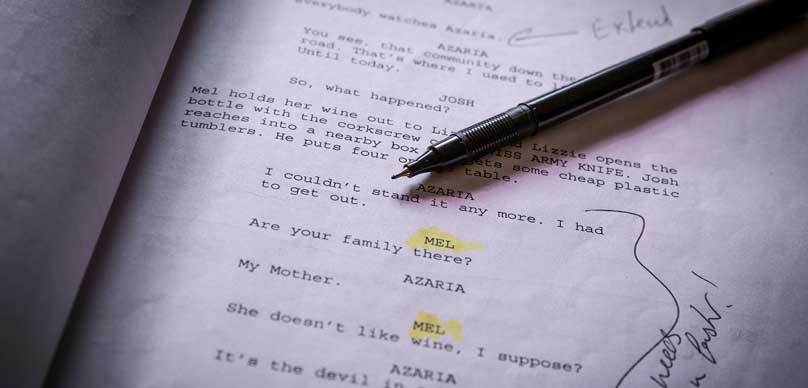
A screenplay is a script written for a film. “Script” is the broader word: it can mean the written text of a film, a TV show, a play, a commercial, a video game or a podcast. Every screenplay is a script, but not every script is a screenplay. In everyday talk, people use the two words interchangeably, and in the film business that is usually fine.
Screenplay vs. Script at a Glance
| Screenplay | Script | |
|---|---|---|
| Meaning | The written blueprint for a film | Any written text meant to be performed |
| Medium | Film, and sometimes TV | Film, TV, theater, radio, video games, ads and more |
| Scope | Narrower | Broader (the umbrella term) |
| Usual format | Standard screenplay format | Depends on the medium |
| Who writes it | Screenwriter | Screenwriter, playwright, scriptwriter and others |
What Is a Screenplay?
A screenplay is the written form of a film. It describes what the audience sees and hears: locations, action and dialogue. It is written in a specific format so that producers, directors and actors can read it quickly. One properly formatted page runs about a minute of screen time, which is why a feature screenplay usually falls between about 90 and 120 pages. For the rules, see our screenplay format guide.
What Is a Script?
A script is any written text prepared for performance. A play has a script, a TV episode has a script, and so does a commercial, a YouTube video or a video game. The format changes with the medium. A stage script looks different from a TV script, which looks different from a screenplay.
Related Terms You Will See
- Teleplay: a script written for television.
- Spec script: a script written on your own, without being hired, to use as a sample or to sell.
- Shooting script: the version used during production, with scene numbers and changes added.
- Treatment: a prose summary of the story, written before or alongside the script. See our guide to the screenplay treatment.
- Screenwriter and scriptwriter: a screenwriter writes for film or TV. “Scriptwriter” is the wider term and can include other media.
Which Word Should You Use?
If you wrote a film, call it a screenplay. If you want to cover any performed text, or you are not sure, say script. In casual conversation, either one works. Agents and producers will understand you both ways. If you are new to the craft, start with our beginner’s guide to script writing.

Listen to the podcast: Hear from the writers
The Bulletproof Screenwriting Podcast, with guests like Eric Roth, James V. Hart, David Chase, John August and Oliver Stone.
Real industry readers will evaluate your screenplay and deliver clear, actionable feedback to strengthen your script and move it forward. Always 100% human, never AI.
Frequently Asked Questions
What is the difference between a screenplay and a script?
A screenplay is a script written for a film. A script is the broader term for any written text meant to be performed, including film, TV, theater, ads and games.
Is a screenplay the same as a script?
In casual use, yes. Strictly, a screenplay is one type of script. Every screenplay is a script, but not every script is a screenplay.
What is a teleplay?
A teleplay is a script written for television.
What is a shooting script?
A shooting script is the production version of a screenplay, with scene numbers and revisions added for filming.
Is a screenwriter the same as a scriptwriter?
They overlap. A screenwriter writes for film or TV. A scriptwriter can write for any medium that uses a script.
Do scripts and screenplays use the same format?
Film and TV screenplays use standard screenplay format. Plays, ads and games each use their own formats.